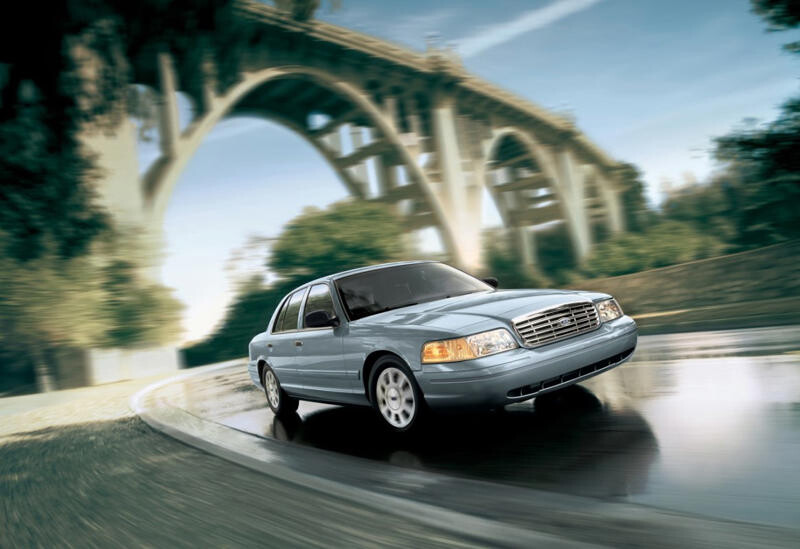
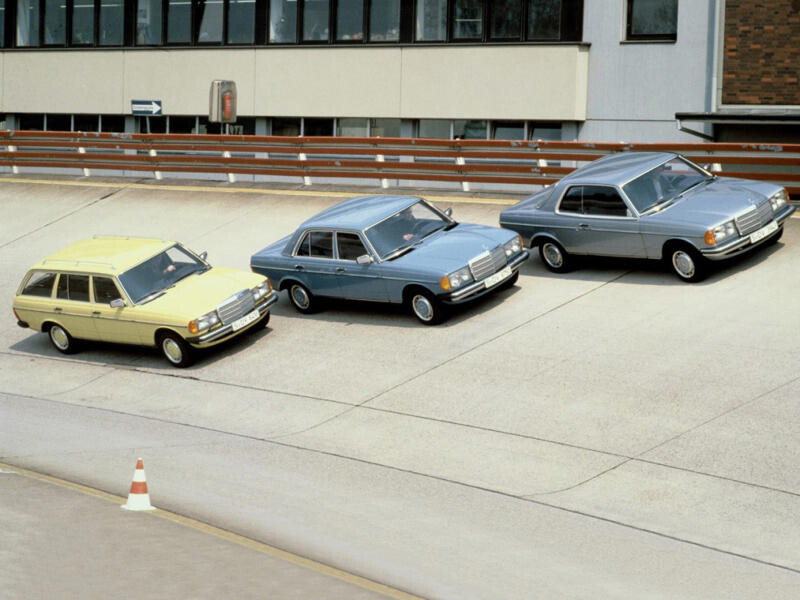
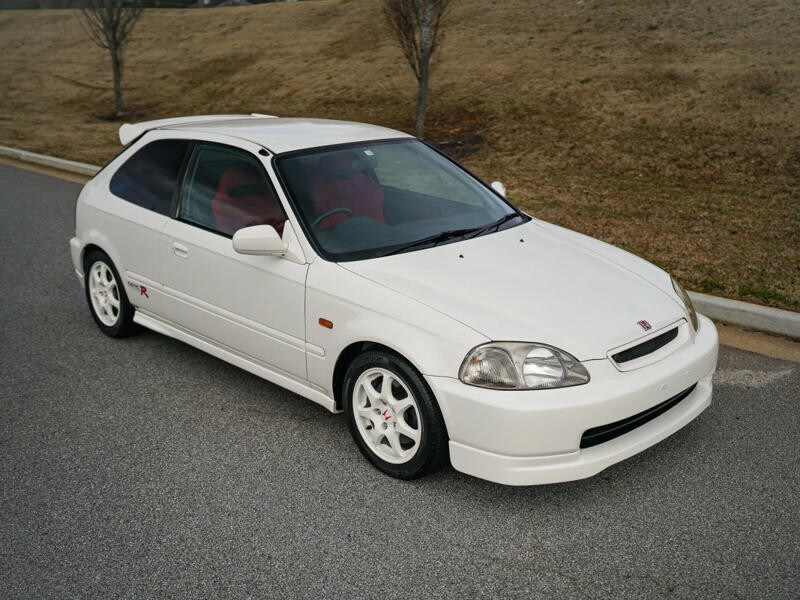
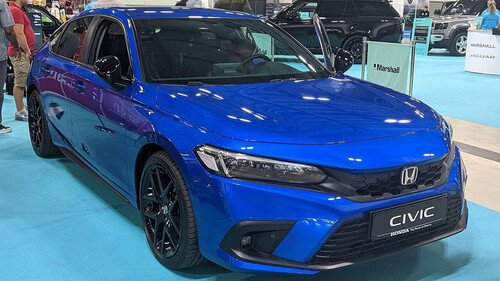
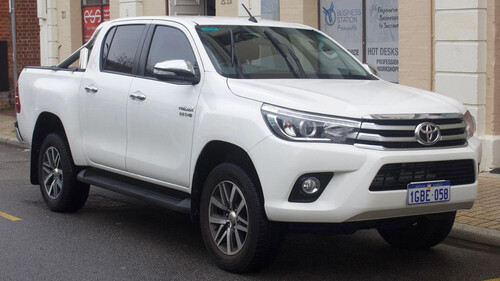
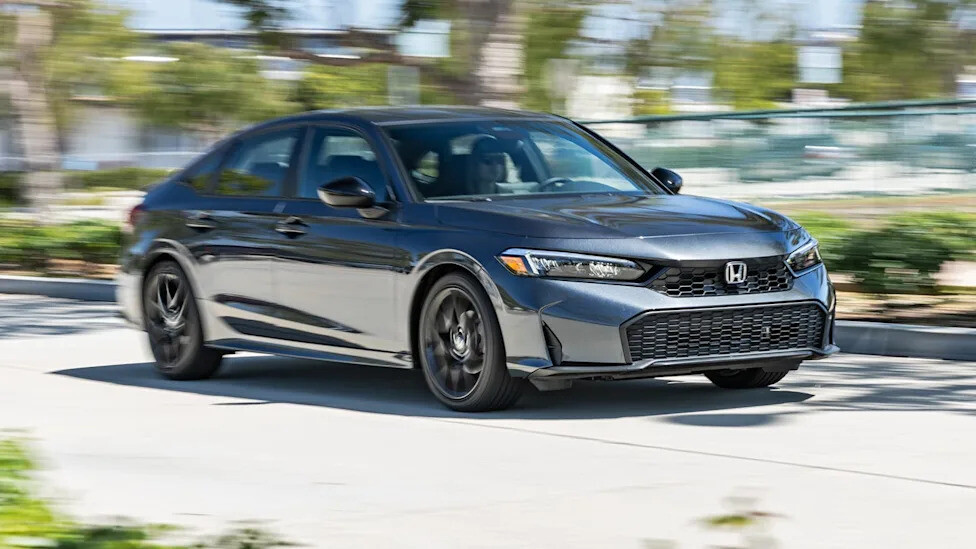
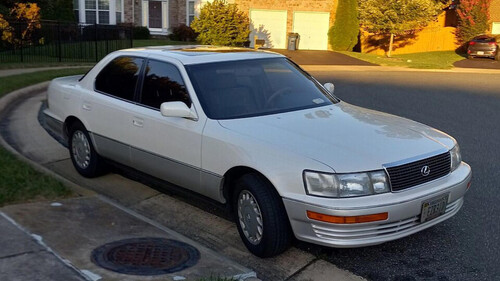
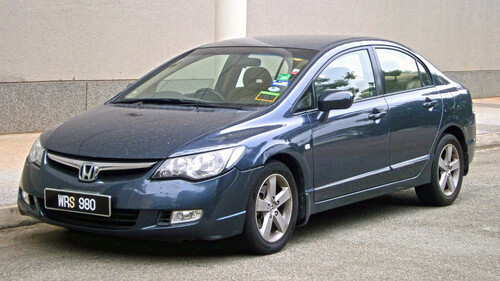
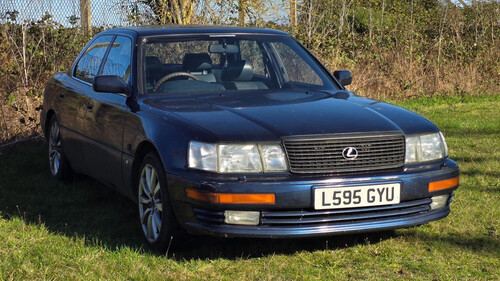
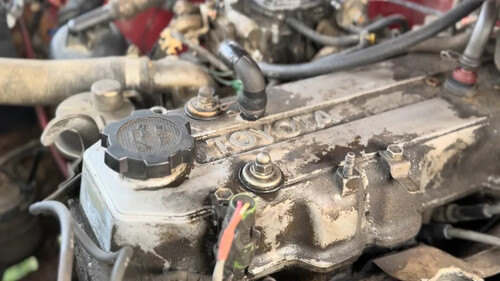
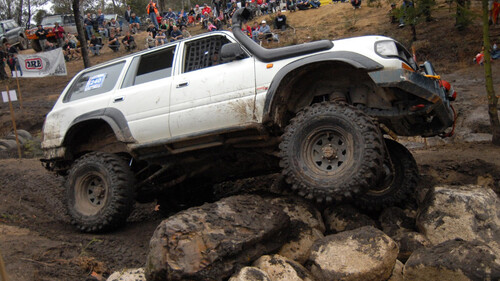
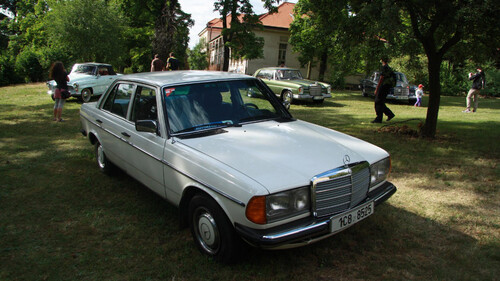
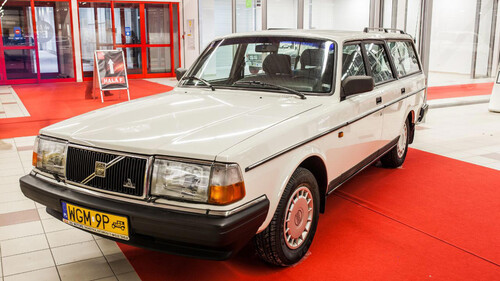
Reliability in the automotive world isn't just about a car that starts every morning; it’s about the kind of over-engineering that results in a vehicle that feel like it was designed to survive a minor apocalypse. While modern cars are packed with high-tech engines and sensors that can be finicky, the true legends of reliability earned their stripes through simplicity, high-quality components, and a refusal to quit even when neglected. There are some pretty hardy and robust modern cars on the roads today, but to qualify here, the vehicle in question needs to have proven itself over many years – preferably decades – of hard use.Picking a shortlist of this nature requires some subjectivity, and there will also be a few fan favorites that don’t make the cut due to space constraints. So, while we feel that the five cars in our list below (in no particular order) certainly deserve their spot, let us know which cars you would include in your list of the most reliable cars of all time. 1. Toyota Pickup (4th & 5th Generation)1983–1997 In the aftermath of the post-apocalyptic mayhem we seem to be heading towards, cockroaches and Toyota Pickups will be the few survivors that remain. Widely regarded as one of the most durable machines ever built, the Pickup, or Hilux as it was known globally, proved its hardiness by surviving in some of the harshest environments on Earth, from Arctic tundras to Saharan deserts.The vehicle's mechanical simplicity is its greatest strength, featuring low-stress engines like the legendary 2.4L gas (22R-E) and a ladder-frame chassis that was exceptionally robust. The earlier solid-axle variants are nearly impossible to break even under extreme payloads. However, in humid or snowy climates, the iron frame is prone to rusting through if not maintained. The engine should last forever with regular maintenance, especially the later ones with metal timing chain guides.2. Ford Crown Victoria1992–2011image-placeholder-title The Crown Vic was the American workhorse that served as the primary choice for police fleets and taxi companies for decades. Built on the heavy-duty Panther platform, it has a body-on-frame construction similar to a pickup truck. Its 4.6L Modular V8 made between 190 and 250hp, depending on the application, and was a rugged and reliable powerplant, happy to idle around all day or blast down the highways in hot pursuit of dangerous criminals. They aren’t faultless, though, as the aluminum heads can eject incorrectly fitted spark plugs and earlier motors had plastic manifolds that were prone to cracking, but parts are cheap and there are plenty of upgrades and fixes for most known issues.3. Mercedes-Benz W123 (240D / 300D)1976–19853964 The W123 represents the era when Mercedes-Benz engineers were told to build the best car possible regardless of the cost. While it may seem incredible basic by modern standards, it is this simplicity and no-cost spared development budget that made them one of the most robust luxury cars ever made. The diesel variants are the most prized, even though the 2.4L naturally aspirated diesel (240D) manages to put out just 72 hp. Gas-powered examples are also sought-after, and the bodywork and interior trim seems to last forever. Cars with the MB-Tex vinyl interior can still look good even after 40 years of use.These models use vacuum pressure to control various systems like the HVAC controls, central locking, and the brake booster, so leaks can cause issues in these areas. Seeing as many of these cars are now approaching 50 years of age, old and brittle seals should be replaced to prevent mystery oil leaks.4. Honda Civic (6th Generation)1996–2000 The 6th-gen Civic is the peak of Honda’s Golden Era, combining lightweight efficiency with incredible mechanical precision. It was built during a time when Honda used high-end double-wishbone suspension on many of its regular models, when it was usually reserved for sports cars. Its D-series 1.6L engines produced between 106 and 127 hp, while the legendary high-revving B16 VTEC engine in the Si models pushed out a remarkable 160 hp without the aid of forced induction.The Civic is reliable because of its tight tolerances, every bolt and gasket was engineered to fit perfectly, leading to an engine that remains bone-dry and efficient for decades. It is a very simple car to work on, and the sheer volume of these cars produced means parts should be available for a long time to come. This is an "interference" engine, meaning if the belt snaps, the valves will hit the pistons. It must be changed every 90,000 miles religiously. A common but hardly disastrous failure point is a damaged distributor cap, but its an easy fix, as are most ailments on these rugged little cars.5. Lexus LS400 (1st & 2nd Generation)1989–2000 The LS400 was Toyota's ambitious project designed to prove they could build a better car than the Germans. They succeeded so comprehensively that it forced competitors to completely rethink the way they built their luxury cars. Under its hood was the impressive 1UZ-FE 4.0L V8, which initially produced 250 hp and was later bumped to 290 hp with the addition of VVT-i technology. Toyota spent over $1 billion on R&D for this single model, splurging on very high-quality components and over-engineered design solutions. Thanks to ultra-tight tolerances, 6-bolt main bearings, a forged steel crankshaft and eight counterweights, the V8 motor was supremely smooth and capable of starship mileage, too. Faults are few, but a leak from the power steering pump can drip onto the alternator below it, which may result in electrical failure. Cars with the optional air suspension will eventually develop bag leaks, a common issue on any car fitted with the is suspension, so stick to the standard coil springs instead. It’s not just the mechanicals that were robust on these cars, the interior was durable, and there are still plenty of decent LS400s out there almost 30 years after they went in to production.General Maintenance Tips for Lasting Reliability Regardless of how well a car is built, its longevity and reliability is ultimately dependent on regular servicing and preventative maintenance. Changing the fluids (oil, coolant, brakes, transmission) at the recommended intervals is perhaps the single most important factor in keeping the mechanical components functioning properly. So, even if your current ride isn’t considered to be a natural mega-miler, look after it well and it may last for a lot longer than you’d think. Just make sure you listen to and address those small clunks, hisses and grinding sounds before they become a serious issue.