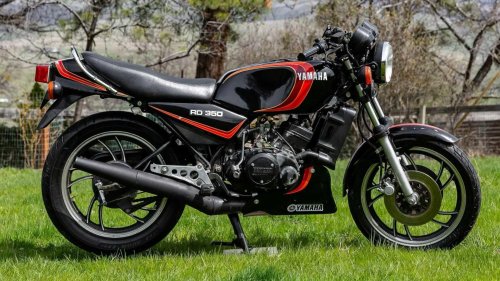
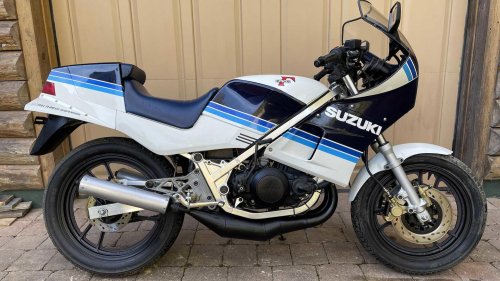
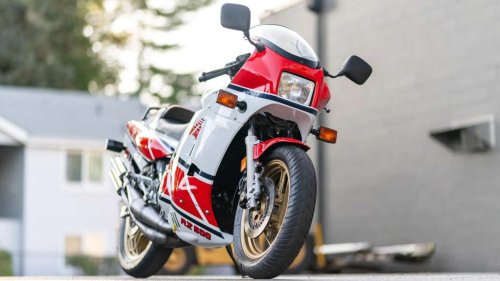
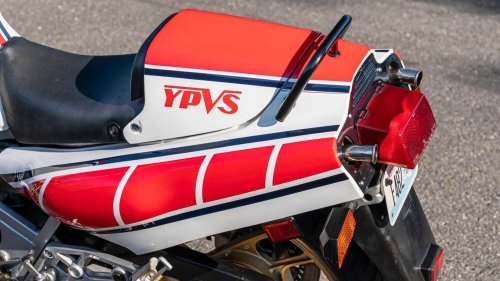
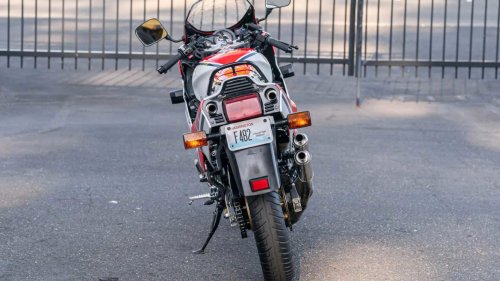
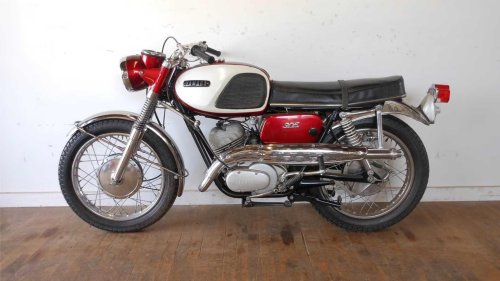
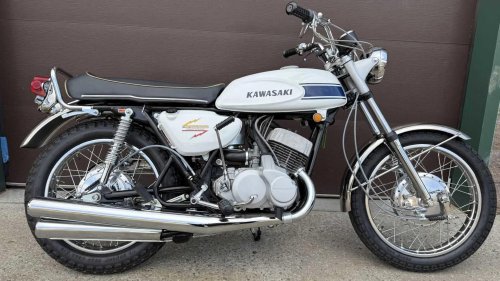
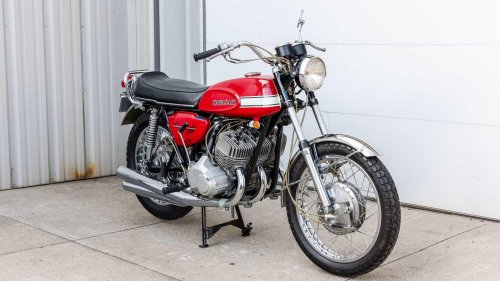
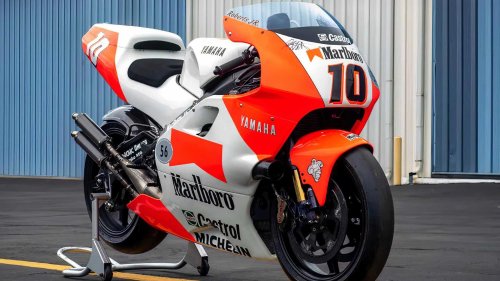
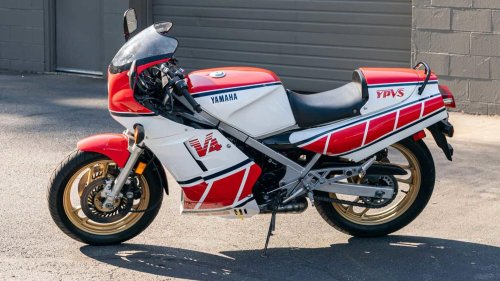
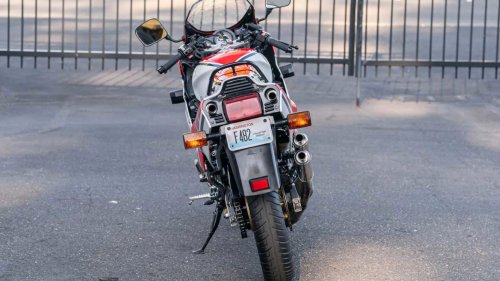
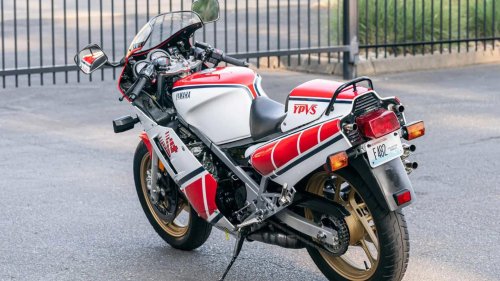
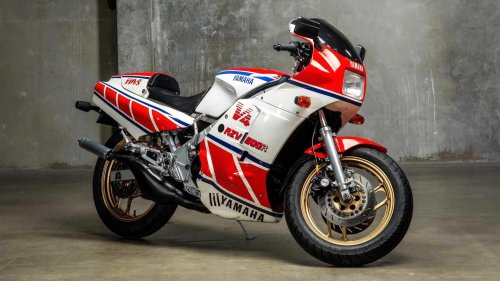
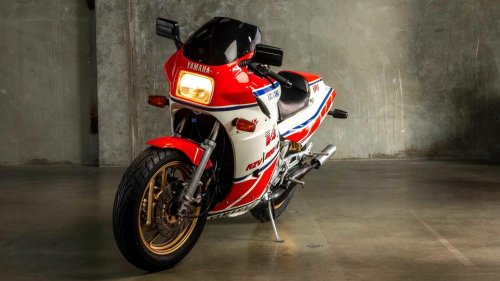
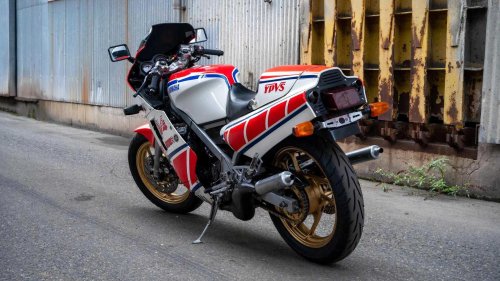
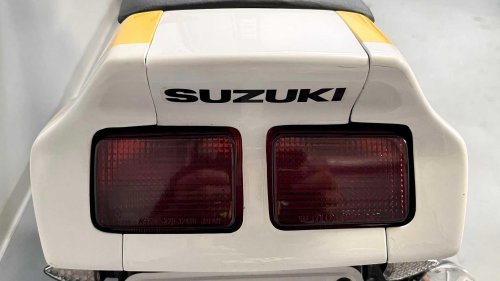
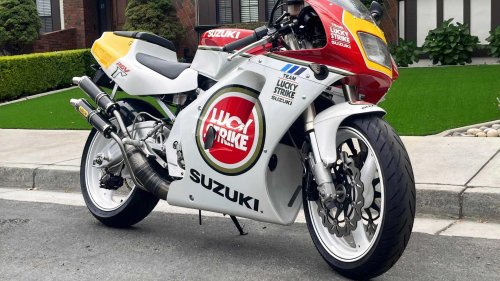
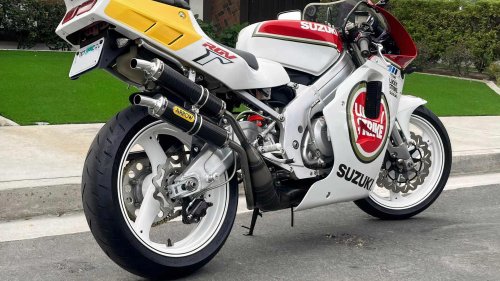
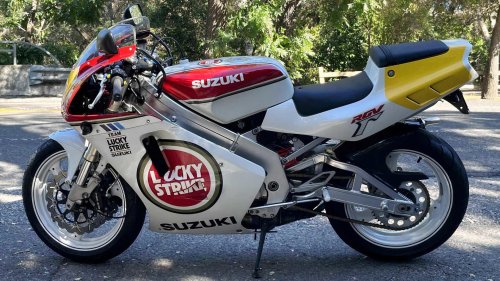
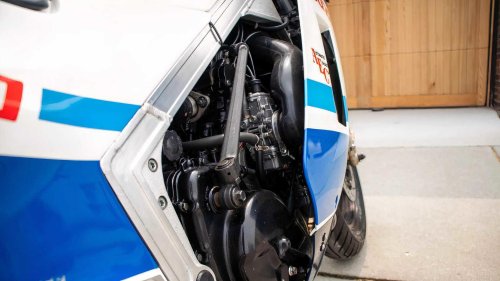
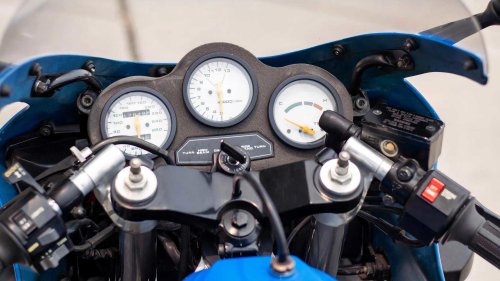
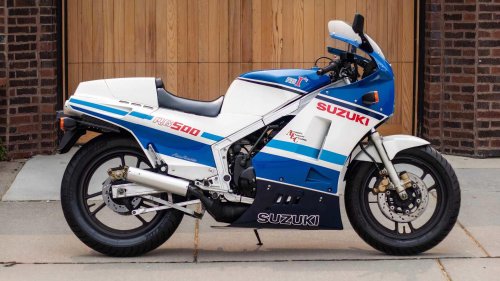
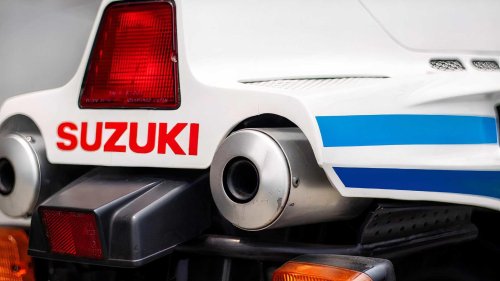
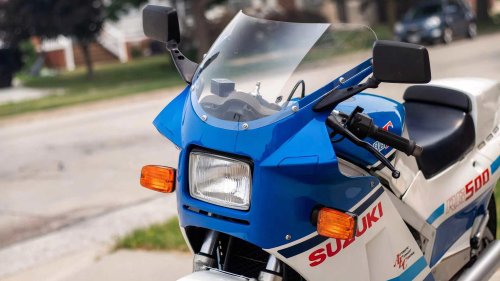
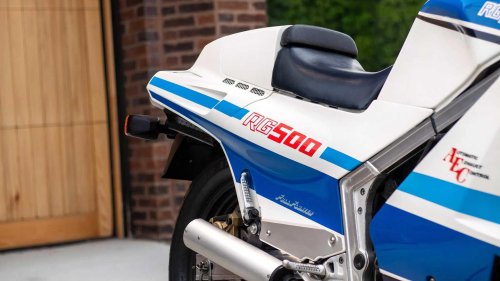
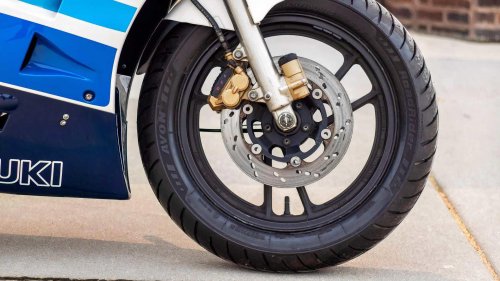
The underdog story is always a fascinating one, especially when the underdog arrives wearing race bodywork, smelling faintly of oil, and sounding like it’s trying to saw the horizon in half. Before modern liter bikes became the default answer for speed, one Japanese street bike made the case with half the displacement and twice the violence.That was the great lost alternate future of superbikes. There was a brief moment when the fastest thing on the road didn’t have to be a giant four-stroke with a friendly torque curve and kind manners. It could be light, angry, explosive, and deeply inconvenient to regulators. Then sadly, almost as quickly as it arrived, it fizzled out. The unfortunate truth is that the motorcycling world chose the sensible shoes. Liter Bikes Were Supposed To Own This Fight Bring a TrailerBy the early '90s, the superbike formula seemed pretty well settled. Big four-stroke engines were taking over the performance conversation, and bikes like the Honda CBR900RR, Kawasaki ZX-9R, and Suzuki GSX-R1100 had the numbers, displacement, and the straight-line ferocity to make anything smaller look like it had wandered into the wrong fight.It was easy to see why. A liter bike had the wide powerband, big top-end speed, and relatively familiar riding behavior that buyers could understand. Even when the chassis was lively or the riding position was committed, the engine itself usually played by rules that made sense. Twist the throttle, build speed, keep feeding it gears, and let the big four-stroke do its thing. Firecracker In A Mailbox Bring a TrailerA 500cc two-stroke had no business making that conversation messy. The displacement looked wrong, the road manners were demanding, and the power delivery came with the subtlety of a firecracker in a mailbox. Yet acceleration has never been especially sentimental about engine size. If a machine has enough power, very little weight, short gearing, and a powerband that wakes up like it owes someone money, it can embarrass bikes that look superior in a spec-sheet staring contest.That’s where this vanished machine starts to come into the spotlight. It arrived before the early liter-bike boom fully locked in the modern superbike template, and it showed that a GP replica with a license plate could make four-stroke muscle feel slightly overfed. The Best Superbike Trick Was Making Less Feel Like More Bring a TrailerThe missing ingredient was weight. Modern performance discussions often get stuck on horsepower because horsepower is easy to brag about, but weight is the thing riders feel every time a bike changes direction, brakes hard, or tries to lift its front wheel toward the nearest cloud. This forgotten two-stroke carried roughly 340 pounds dry in its lightest form, which gave it a huge advantage against the bigger four-strokes that followed.The stock engine was rated at 95 hp, and even that figure sat inside a package that didn’t need much mass to move. Chatter around carefully prepared examples made the bike sound even more out there, and later tuned builds could reach well over 100 horsepower, with serious Stage 3 setups pushing even higher. It had enough shove, and it had far less motorcycle to drag along.The result was a power-to-weight lesson that still feels sharp today. A bigger four-stroke could roll on with more polish, more flexibility, and more long-distance patience, but this two-stroke lived for the moment when the revs climbed and everything suddenly got very serious. Its best trick was compression. It compressed racing theater, acceleration, noise, danger, and mechanical attitude into a package that felt barely house-broken. The Suzuki RG500 Gamma Was A Revelation Bring a TrailerThe Suzuki RG500 Gamma arrived for the 1985 model year and carried the kind of bloodline manufacturers love to hint at but rarely deliver so directly. This was Suzuki's closest street-going translation of its 500cc Grand Prix thinking, built around a liquid-cooled, square-four, two-stroke engine and wrapped in a package that made the road feel like a slightly less organized paddock.That square-four engine was the heart of the whole thing. Its four water-cooled cylinders sat in a square layout, with disc-valve induction and the sort of two-stroke thinking that tied it directly to Suzuki’s racing program. It was a racing idea made just civil enough to sell to people who thought "reliable transport" meant "can I get to the next gas station before the powerband talks me into something stupid?"The numbers are mighty impressive. Tests at the time clocked it at about 3.0 seconds from 0-60 mph and through thequarter-mile in 11.2 secondsat about 120 mph. Against early liter-class machinery, the Gamma didn’t need to apologize for being smaller. It had already done the important bit, which was arrive fast enough to make bigger bikes look a little too pleased with themselves. The GP Bike With A License Plate Bring a TrailerThe square-four engine gave the Gamma its identity, but the full package made it feel special. Suzuki paired that engine with an aluminum frame, Full-Floater rear suspension, compact proportions, and racing-style packaging that made the bike feel much closer to its GP inspiration than the usual 'inspired by racing' showroom fluff. Clearly, this was the good stuff.Its hardware also explains why it felt so different from the big four-strokes that would later dominate the conversation. The Gamma was narrow, light, and alert. The front end could feel dated by modern standards, and skinny period tires don’t exactly scream lean-angle hero, but the bike’s core personality came from its lack of mass and its willingness to change direction without the sense that the chassis had to file paperwork first. All About Intensity Bring a TrailerThe real magic reportedly arrived when the revs climbed and the two-stroke powerband snapped awake. Below that, the Gamma could be more manageable than its GP roots might suggest, but the exciting part lived higher up, where the engine rushed from roughly 7,000 rpm toward 10,000 rpm with the kind of bite that made riders understand why two-strokes inspired both devotion and poor decisions.Against bikes like the CBR900RR, ZX-9R, and GSX-R1100, the Gamma’s appeal was never about being smoother or easier. Instead, it was about intensity. The larger four-strokes became the future because they could be fast, clean, and increasingly usable. The Gamma felt like the future Detroit once missed in a different form: an extreme, alternate branch of performance engineering that proved smaller, lighter, sharper machines could hit harder than the established order expected. Why The Two-Stroke Superbike Vanished Instead Of Thriving Bring a TrailerThe tragedy is that the Gamma should have defined an era. It had the racing bloodline, the performance, the character, and the kind of showroom shock value that should have made every other superbike nervous. Instead, large road-going two-strokes ran out of runway just as four-stroke sport bikes were getting faster, cleaner, more dependable, and much easier to sell in a world increasingly shaped by emissions rules. The Lasting Bite Bring a TrailerThat’s the part that gives the Gamma its lasting bite. It disappeared because the idea had too much of everything regulators and mainstream buyers were learning to resist. Smoke, noise, fuel appetite, mechanical complexity, and a narrow performance window made it harder to justify as the sport bike market matured. Four-strokes could keep getting faster without carrying the same baggage, and the industry knew which way the wind was blowing.After 1989, the road-going 500cc two-stroke superbike had almost nowhere to go as a mainstream concept. The platform became a mechanical last stand rather than a foundation for the next generation. That’s why the Gamma points toward a version of superbike history that never fully happened, one where GP-style two-strokes kept evolving on the road long enough to challenge the liter-bike dynasty before electronics and emissions systems changed the game again.Sources: BikeSocial, Cycle World, Bennetts, Motorcycle Specs
















 +57 others