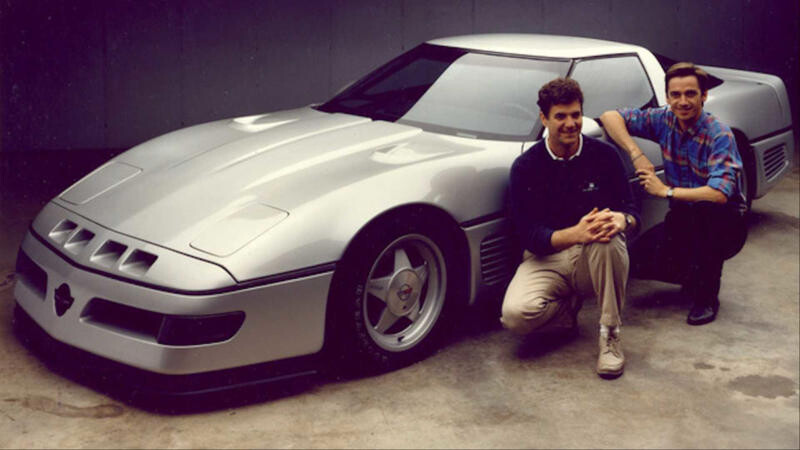
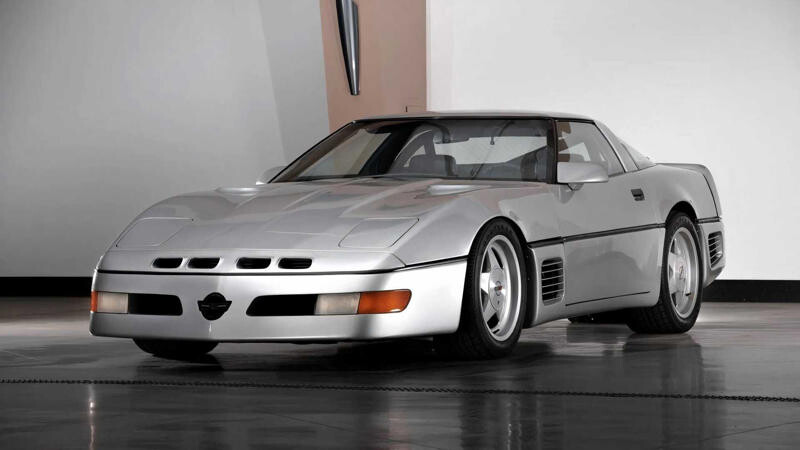
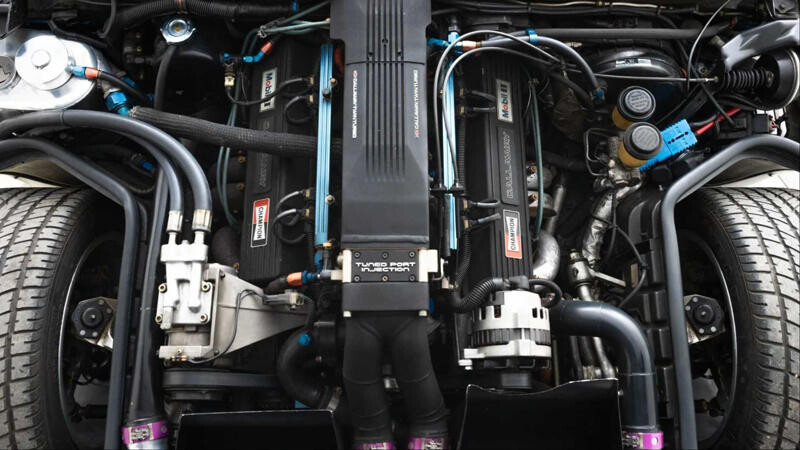
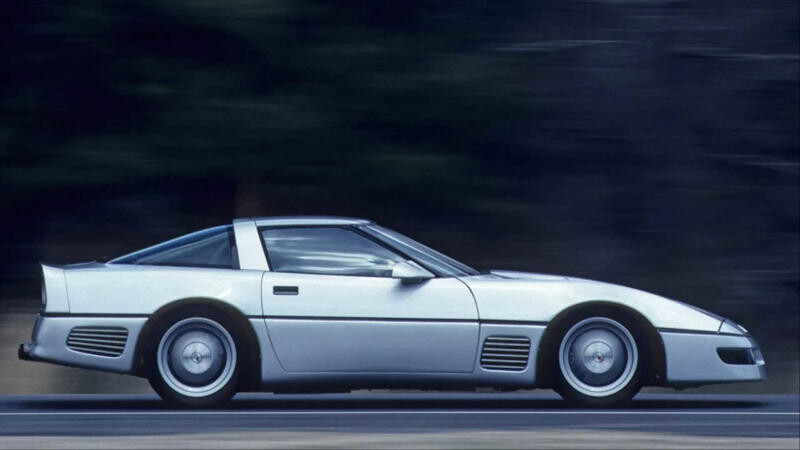
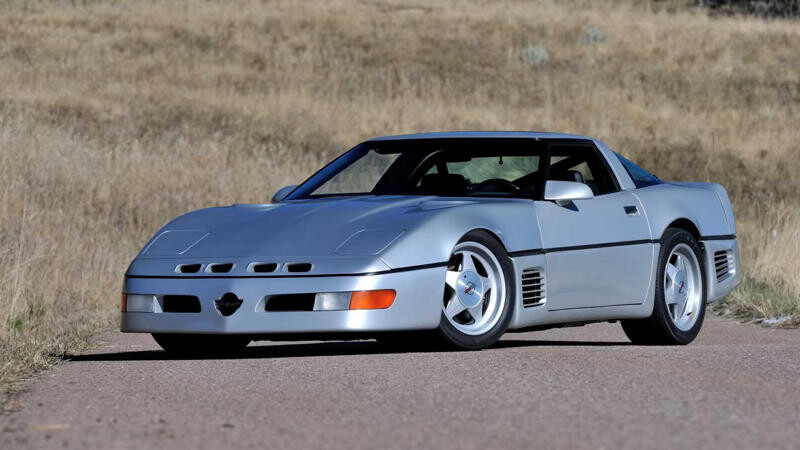
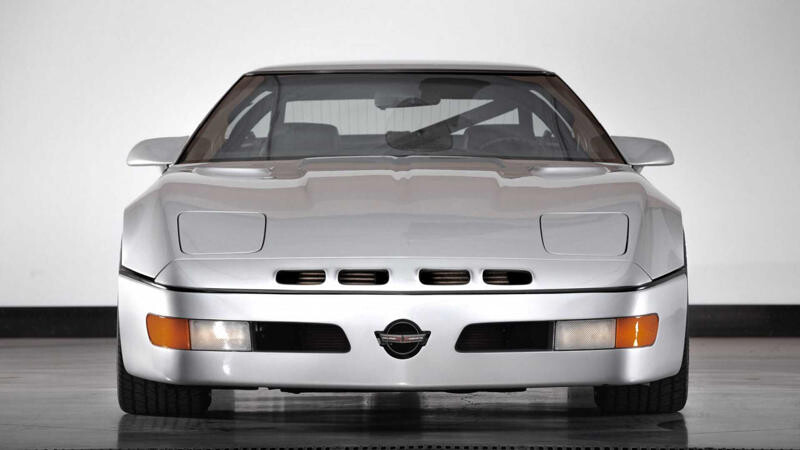
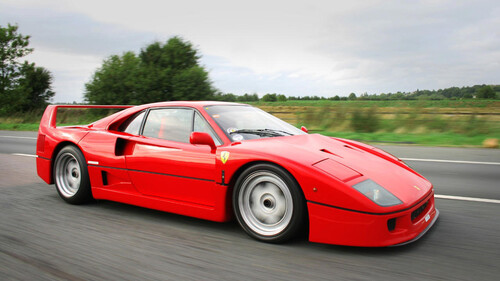
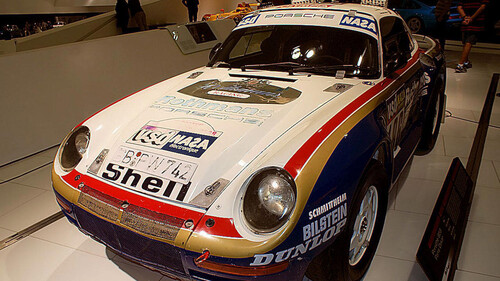
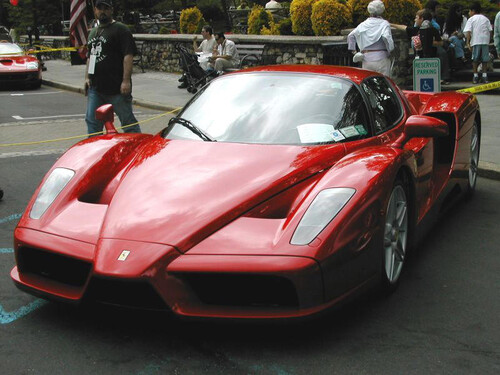
By the late 1980s, the global performance conversation was dominated by a handful of European machines that seemed almost untouchable. Ferrari had the F40, Porsche had the 959, and Lamborghini continued to push the limits of what a road car could be with the Countach. These cars represented the cutting edge of engineering and speed, with top speeds pushing beyond 200 MPH and price tags that placed them firmly in the supercar stratosphere. For most enthusiasts, the idea that an American road car could step into that conversation seemed unrealistic.American performance had always played a different game. Detroit specialized in big displacement engines, huge torque numbers, and cars that excelled in straight line acceleration. While Corvettes and muscle cars had built reputations as serious performance machines, they were rarely considered threats to the elite European supercars that defined the upper limits of speed during that era. Top speed records, especially those approaching the 250 MPH mark, were typically seen as territory reserved for exotic engineering and European prestige.That assumption changed in 1988 when a small American engineering company decided to see just how far the Corvette platform could really go. The machine that emerged was capable of speeds few people believed a road-legal car could reach at the time, turning a familiar American sports car into one of the most extreme performance experiments of its era. What a time to be alive. Callaway Turned A Corvette Into A World Speed Record Holder Bring a TrailerThe story begins with Callaway Cars, a Connecticut-based engineering firm founded by Reeves Callaway. Throughout the 1980s, Callaway developed a reputation for pushing the Corvette platform far beyond its factory limits. The company specialized in turbocharging Corvette engines and delivering dramatic performance improvements while maintaining road legality and drivability. What began as a series of high-performance upgrades eventually evolved into something far more ambitious.Bring A TrailerCallaway wanted to prove just how far the Corvette platform could go when engineering constraints were removed. The company developed an experimental vehicle built on the C4 Corvette, but extensively modified to handle levels of power and speed never previously associated with an American production-based sports car. The project became known as the Callaway Sledgehammer Corvette.On October 26, 1988, the car was taken to the Transportation Research Center in Ohio for an official high-speed run. During the test, the Sledgehammer reached a verified top speed of 254.76 MPH (though it required about 5 miles of runway to reach top speed). At the time, that figure made it the fastest road-legal car ever recorded. It surpassed the performance of the most famous supercars in the world and truly established a new benchmark for the entire automotive landscape.Fun Fact: During the October 26, 1988 test at the Transportation Research Center, the Sledgehammer reached 254.76 MPH on its primary high-speed pass. The car was not built specifically for repeated record attempts, so Callaway essentially proved the concept in a single successful run. A Twin-Turbo V8 Producing Nearly 900 Horsepower The foundation of the Sledgehammer’s performance was its heavily modified engine. The powerplant began as Chevrolet’s 5.7 liter L98 V8, the same basic engine found in the production Corvette of the era. In stock form, that engine produced roughly 245 horsepower. Callaway engineers saw far more potential hiding beneath that relatively modest figure. The engineering behind the Sledgehammer Corvette was extreme, even by today's standards.Bring a TrailerTo unlock that potential, the engine received extensive internal upgrades. Forged pistons, strengthened internals, revised cylinder heads, and a host of other reinforcements were necessary to prepare the engine for the enormous boost pressures the project demanded. Once the internal structure was capable of surviving the stress, Callaway installed a twin-turbocharging system that dramatically increased the engine’s output.Running roughly 22 PSI of boost, the engine produced approximately 880 horsepower and 772 pound-feet of torque. Those numbers were almost unheard of for a road-legal car during the late 1980s. Even many racing machines of the era struggled to reach similar power levels. The transformation meant the Corvette’s engine was now producing more than three times the horsepower of the stock version it originated from, which is a crazy sentence to write. Engineering Changes That Made 254 MPH Possible Bring a TrailerProducing enormous power was only part of the challenge. Reaching speeds above 250 MPH required careful attention to aerodynamics, structural stability, and drivetrain durability. Without extensive engineering changes, a standard C4 Corvette would never survive those conditions.Callaway reshaped the body to reduce aerodynamic drag and maintain stability at extreme speeds. The nose of the car was extended and refined, and body panels were modified to smooth airflow across the vehicle's surface. The underside of the car was also carefully managed to reduce turbulence and improve stability as speeds climbed toward record territory.Mecum AuctionsThe drivetrain retained a version of the Doug Nash 4+3 manual transmission used in the Corvette, but it was strengthened to handle the massive torque produced by the twin-turbo engine. That was clearly a necessity. Suspension adjustments and specialized tires were also essential. At speeds exceeding 250 MPH, even small stability issues can quickly become catastrophic, so every component had to be carefully tuned to maintain control.Fun Fact: Despite the extreme performance upgrades, the interior remained largely stock C4 Corvette. The car retained its standard dashboard, seats, and road car layout, which emphasized that it was still technically a street-legal vehicle rather than a stripped race machine. Faster Than The Most Famous Supercars Of The 1980s When the Sledgehammer completed its record run, the numbers immediately placed it far beyond the performance of the most celebrated supercars of its era. The Ferrari F40, which debuted in 1987 and remains one of the most famous supercars ever produced, had a top speed of roughly 201 MPH. Porsche’s technologically advanced 959 reached about 197 MPH. Both cars were engineering masterpieces that defined the supercar landscape of the late 1980s. To understand how shocking the Sledgehammer's performance was, it helps to compare it with the most famous supercars of the era.Bring a TrailerThe Sledgehammer exceeded those speeds by an enormous margin. Its 254.76 MPH result was more than fifty miles per hour faster than the F40 and even further ahead of the 959. For an American car built from a Corvette platform, the achievement was extraordinary. The result also reshaped perceptions about American performance engineering. For years, European manufacturers dominated the conversation around ultimate speed and technical sophistication. The Sledgehammer proved an American company could step into that arena and compete when the engineering ambition was just as serious. Only One True Sledgehammer Was Ever Built Bring a TrailerDespite the dramatic achievement, the Sledgehammer was never intended to become a regular production model. The car existed primarily as a demonstration of what Callaway’s engineering team could accomplish when pushing the Corvette platform to its absolute limits. As a result, only one true Sledgehammer Corvette was ever built to the exact specification that set the world record.Callaway did continue producing twin-turbo Corvettes for customers through its well-known Callaway Corvette program. Those vehicles offered dramatic performance improvements compared with factory Corvettes and helped cement the company’s reputation as one of the most respected performance engineering firms in the United States. However, none of those customer cars matched the extreme configuration of the Sledgehammer itself.Fun Fact: Callaway engineers chose the name Sledgehammer to describe the car’s philosophy. Instead of chasing lightweight exotic engineering like European supercars, the project focused on overwhelming performance through massive power.Today, the record-setting car remains one of the most interesting chapters in Corvette history. It stands as proof that with the right combination of engineering ambition and technical expertise, even a platform that begins as a conventional sports car can evolve into something capable of rewriting the limits of performance. Decades later, the Sledgehammer Corvette continues to represent one of the most epic speed experiments ever attempted by an American performance car.Sources: Callaway Cars, MotorTrend, Hagerty, Corvette Museum, Bring a Trailer, Automobile Magazine