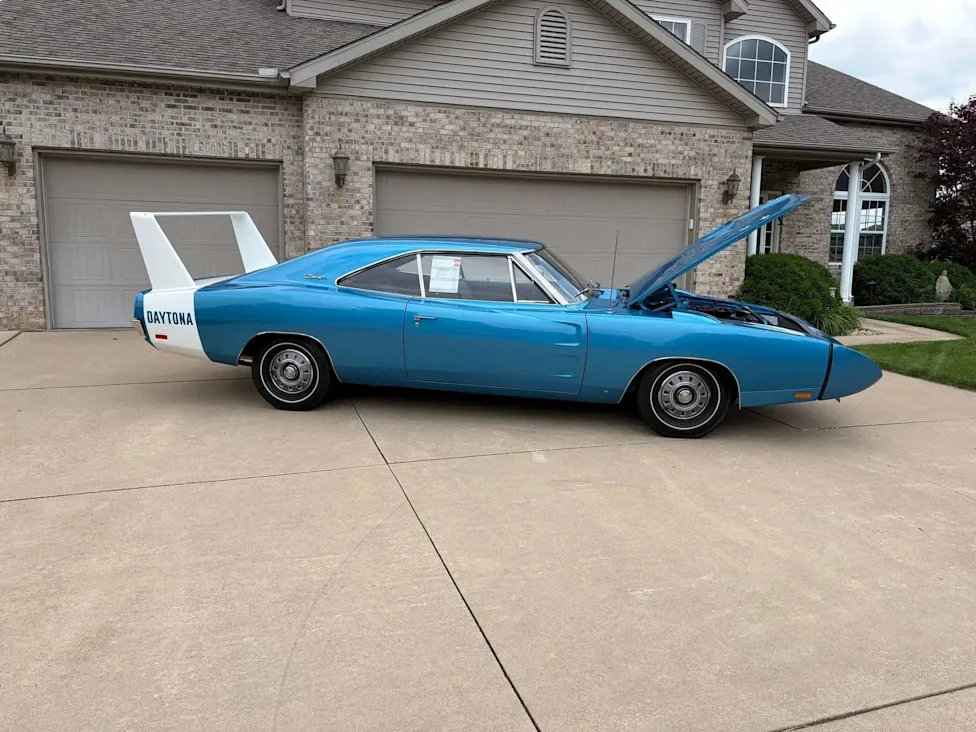
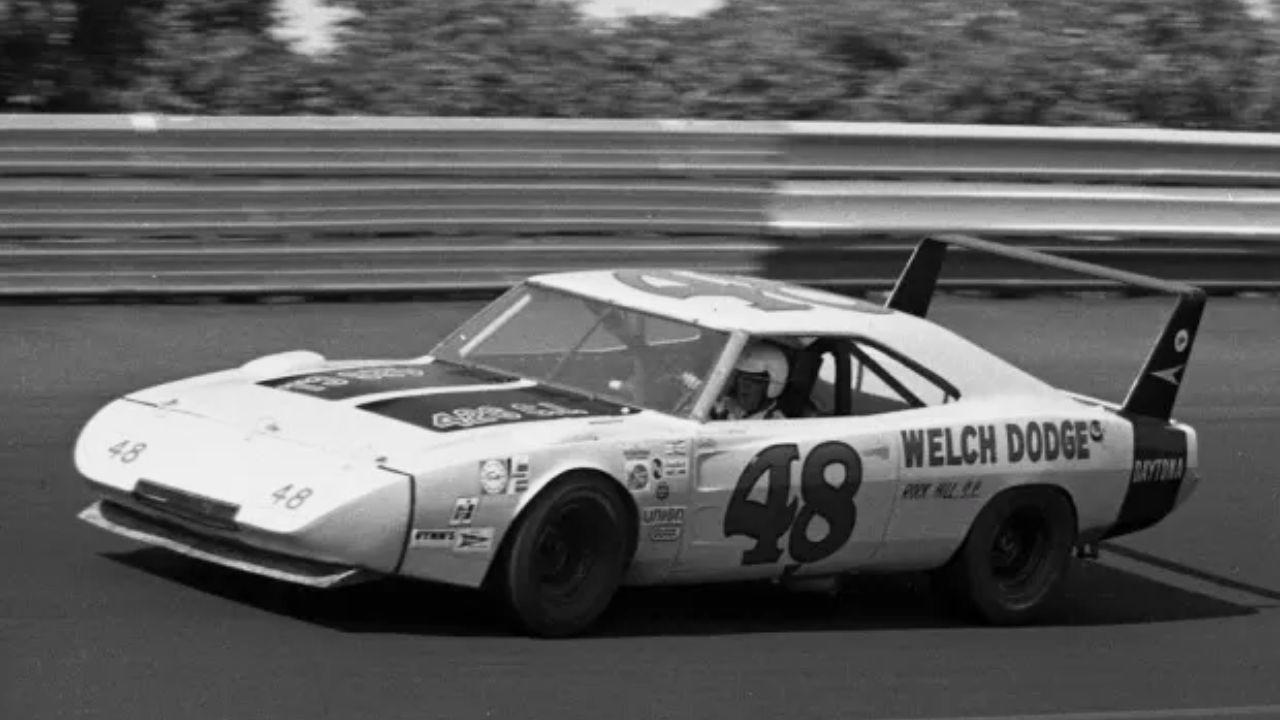
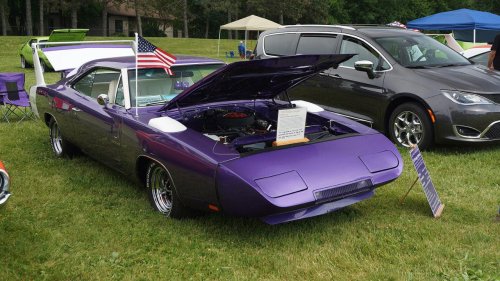
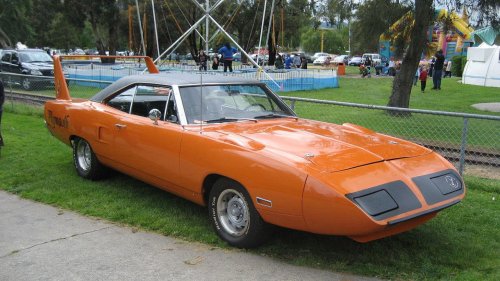
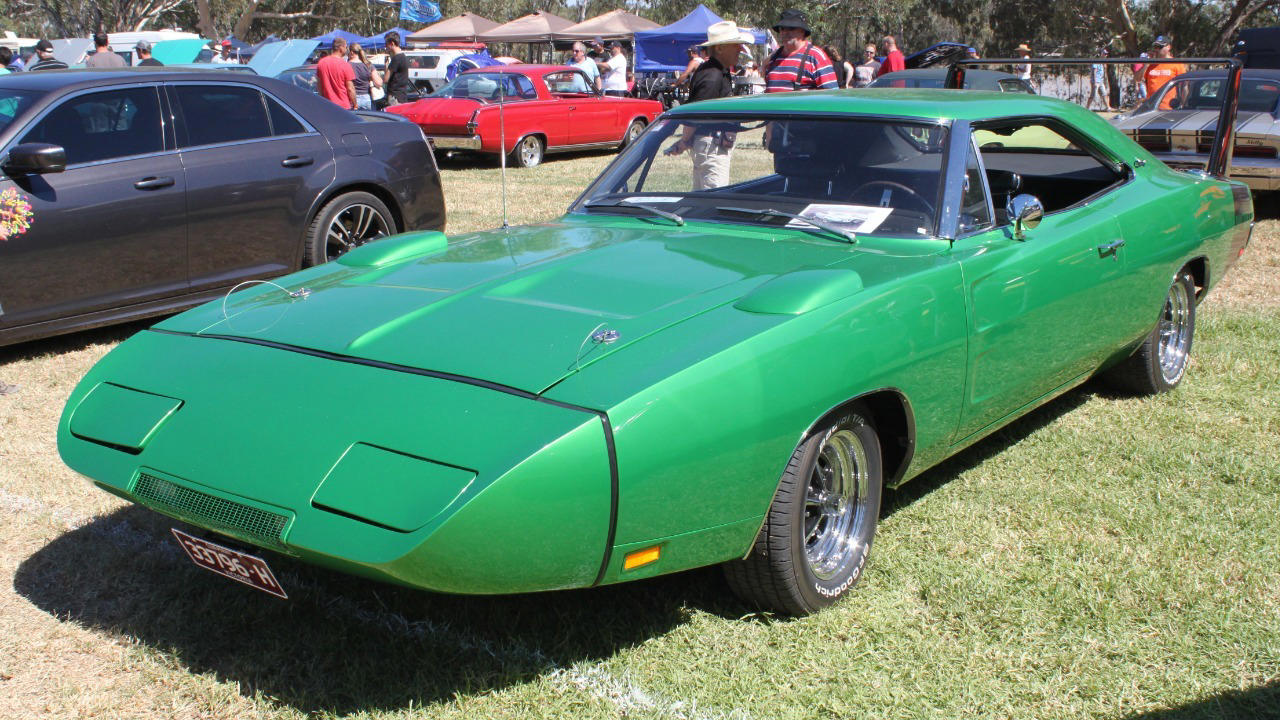
The Daytona pushed aerodynamics further than most expectedThe Dodge Charger Daytona arrived as a blunt instrument aimed at the air itself. In a sport that had long treated aerodynamics as an afterthought, it turned airflow into the main event, trading showroom beauty for speed and stability that few in stock car racing thought possible. The result was a car that not only won races but forced an entire rulebook and industry to catch up. A NASCAR problem that could not be fixed with horsepower alone After Dodge stumbled through a disappointing 1968 season in NASCAR, the company faced a hard truth: the standard Charger shape was fast in a straight line yet unstable when the air got messy in traffic. The traditional recipe of more cubic inches and a larger carburetor could not cure a car that wanted to lift at the front and wander at high speed. Engineers inside the program were told to stop trying to massage the existing body and instead rethink how the car met the air. That mandate produced a radical aero strategy that went far beyond the subtle tweaks rivals were trying. Dodge wanted to go faster in NASCAR, so its race group engineered specific aerodynamic advantages into the bodywork itself, a shift captured in period accounts of how Dodge chased stability as aggressively as power. The Daytona would become the most extreme expression of that push. The birth of the aero car era The Charger Daytona did not appear in a vacuum. By the late 1960s, the introduction of aerodynamic “aero cars” marked a significant shift in stock car thinking, as teams realized that a smoother shape could be worth more than a handful of extra horsepower. The Daytona was named after the Daytona 500, one of NASCAR’s most prestigious races, a clear signal that this car existed for the superspeedways where drag and lift made or broke a season. Within that new generation of slippery machines, the Charger Daytona stood out for how unapologetically it treated the body as a racing tool. Period coverage of the aero wars highlights how The Charger Daytona pushed beyond mild nose reshaping and small spoilers to something that looked more like a prototype racer grafted onto a muscle car shell. The goal was simple: reach and survive speeds that had previously been theoretical for a stock car. The pointed nose that sliced the air What set the Daytona apart was its wild aerodynamic design. At the front, it wore a sleek, pointed nose cone that stretched 18 inches beyond the original Charger bodywork. That long, tapered extension did three things at once: it reduced the blunt frontal area that created drag, it guided air smoothly over the hood and windshield, and it helped keep the front tires planted instead of trying to lift at speed. Accounts from owners and historians describe how what set them apart visually was that nose, which turned a familiar muscle car into something that looked almost like a Le Mans prototype from certain angles. On the track, the pointed cone calmed the air in front of the car, which in turn made it easier for drivers to hold a tight line in turbulent packs where older shapes would skate sideways. The massive rear wing that should not have worked, but did If the nose cone made the Daytona look fast, the rear wing made it unforgettable. Dodge created the Charger Daytona with a massive wing on its rear end and an extended nose piece to make it more stable at extreme speed. The vertical struts of that wing rose so high that a grown adult could walk under the main plane, a detail that has become legend among race fans. Period descriptions of how Charger Daytona engineers justified that height focus on two needs. The wing had to sit in clean air, above the turbulent wake of the roof and rear window, to generate consistent downforce. It also had to allow the trunk lid to open, which required the supports to be mounted on the quarter panels rather than the deck itself. The result was a structure that looked outrageous in the garage yet delivered a measurable increase in rear grip at the speeds that mattered. Outsmarting the rulebook The Daytona did more than cheat the wind. It also navigated the gray areas of the NASCAR rulebook. Regulations required manufacturers to sell a minimum number of road-going examples before a body could race, which turned the Charger Daytona into a homologation special. The car existed on the showroom floor largely to legalize the shape that engineers wanted on the track. Contemporary explainers on the aero wars describe how Chrysler used the tall wing and long nose to rethink not just a car but the entire relationship between bodywork and regulations. One widely shared breakdown of why Chrysler built a race car with a wing so tall emphasizes that NASCAR only allowed it to exist because the letter of the homologation rules did not forbid such an extreme design. That loophole would not stay open for long. From radical idea to 200 miles per hour reality The question was whether the Daytona’s dramatic shape could convert visual shock into lap time. The answer came quickly. The Dodge Charger Daytona became the first car to break 200 m in a NASCAR race, a milestone that turned the winged Charger from curiosity into a benchmark. It proved that a production-based stock car could run with the kind of speed previously associated with experimental machines. Later retrospectives on the aero wars describe the 1969 Dodge Hemi Daytona as a winged warrior built to break records and blow minds at 200+ mph. One enthusiast summary of the period calls the Dodge Hemi Daytona a car designed purely to dominate at those speeds, not to win styling contests. That shift in priorities is what made the Daytona feel so far ahead of its time. How the Daytona changed the driving experience Drivers who climbed into the Daytona found a very different personality compared with earlier Chargers. The combination of the 18-inch nose cone and the towering rear wing gave the car a planted feel on the long superspeedway straights, where others felt nervous. Instead of light steering and a wandering rear axle, the Daytona tracked with the calm of a much heavier car, yet it still cut through the air with less drag. Technical explainers on the project describe how the front cone reduced pressure build-up at the grille and bumper, while the rear wing added downforce with a relatively modest drag penalty. Video breakdowns of the aero tricks that bent NASCAR rules argue that this was the story of how an obsession with speed turned into one of the most fascinating chapters in motorsport history. One such feature on aero tricks walks through how the Daytona’s shape lets drivers carry more throttle through the corners without the car trying to lift or slide as the air piles up around it. The cost of pushing too far The same features that made the Daytona a weapon on the track made it a hard sell in dealerships. The pointed nose and sky-high wing were perfect for Daytona and Talladega, but they looked bizarre in a grocery store parking lot. Buyers who wanted a stylish muscle car often chose more conventional Chargers or rivals that did not wear such overt racing hardware. Enthusiast discussions of Daytona and Superbird sales struggles point out that the very details that set the cars apart for NASCAR also limited their appeal to ordinary drivers. One widely shared post on Daytona sales mentions how the wild aerodynamic design, including the 18-inch nose and massive rear wing, made the car a tough fit for buyers who were not chasing lap times. The Daytona became a legend in the garage area long before it became a collector darling. Rule changes and the end of the aero wars Success at 200+ mph came with a price. NASCAR officials grew uneasy with the speeds that the Daytona and its aero rivals were reaching, both for driver safety and for competitive balance. The sanctioning body responded with rule changes that limited engine displacement and restricted how far manufacturers could go with bodywork, effectively ending the first aero car era after only a brief, intense run. Retrospectives on the period describe how the aero wars forced NASCAR to define what “stock” should mean when manufacturers could bolt on wings and nose cones that transformed the cars. One detailed history of aerodynamic aero cars traces how rule changes followed the Daytona’s success, tightening homologation requirements and limiting the kind of radical add-ons that had made the Charger so effective. In that sense, the Daytona pushed aerodynamics further than most expected by forcing the sport to draw new boundaries. From outlaw to icon Once the regulations moved on, the Daytona’s reputation only grew. It became a fixture of lists celebrating the wildest competition cars, often highlighted as the first stock car to crack 200 m in NASCAR and as a machine so effective that it helped get its own concept regulated out of existence. One such overview of Dodge Charger Daytona lore notes that the Dodge Charger Daytona is the entry most people remember when discussions turn to banned race cars, and that most fans see it as the definitive example of a design that was too fast for its era. Collectors who once shunned the car’s radical looks now pay a premium for surviving examples, drawn by the same nose cone and rear wing that scared off period buyers. What was once seen as an awkward, rule-bending oddity has become a symbol of unfiltered engineering ambition in a sport that often prefers incremental change. The Daytona’s legacy in modern racing Modern stock cars do not wear towering wings on quarter panels or bolt-on nose cones that extend 18 inches beyond the bumper, yet they live in a world that the Daytona helped create. Every contemporary race car is shaped in wind tunnels and on computers, with airflow treated as a primary design variable rather than a side effect. The idea that a manufacturer would build a limited batch of road cars solely to legalize a racing body has also become a familiar part of performance culture. Historical explainers on the aero wars argue that the Charger Daytona helped normalize the concept of the homologation special, where a company accepts low sales and odd looks in exchange for a competitive edge at the track. One detailed feature on how aero tricks bent NASCAR rules, available through a period video, presents the Daytona as the moment when engineers stopped simply smoothing existing shapes and instead treated the car as an aerodynamic system from bumper to wing. Why the Daytona still feels ahead of its time Looking back, the Charger Daytona stands out not only for its numbers but for its philosophy. It treated drag and lift as problems that deserved bold, visible solutions, even if those solutions risked ridicule in the showroom. It showed that a car could be engineered from the air backward, with styling and sales concerns taking a distant second place to stability at 200+ mph. More from Fast Lane Only Unboxing the WWII Jeep in a Crate 15 rare Chevys collectors are quietly buying 10 underrated V8s still worth hunting down Police notice this before you even roll window down



















 +32 others