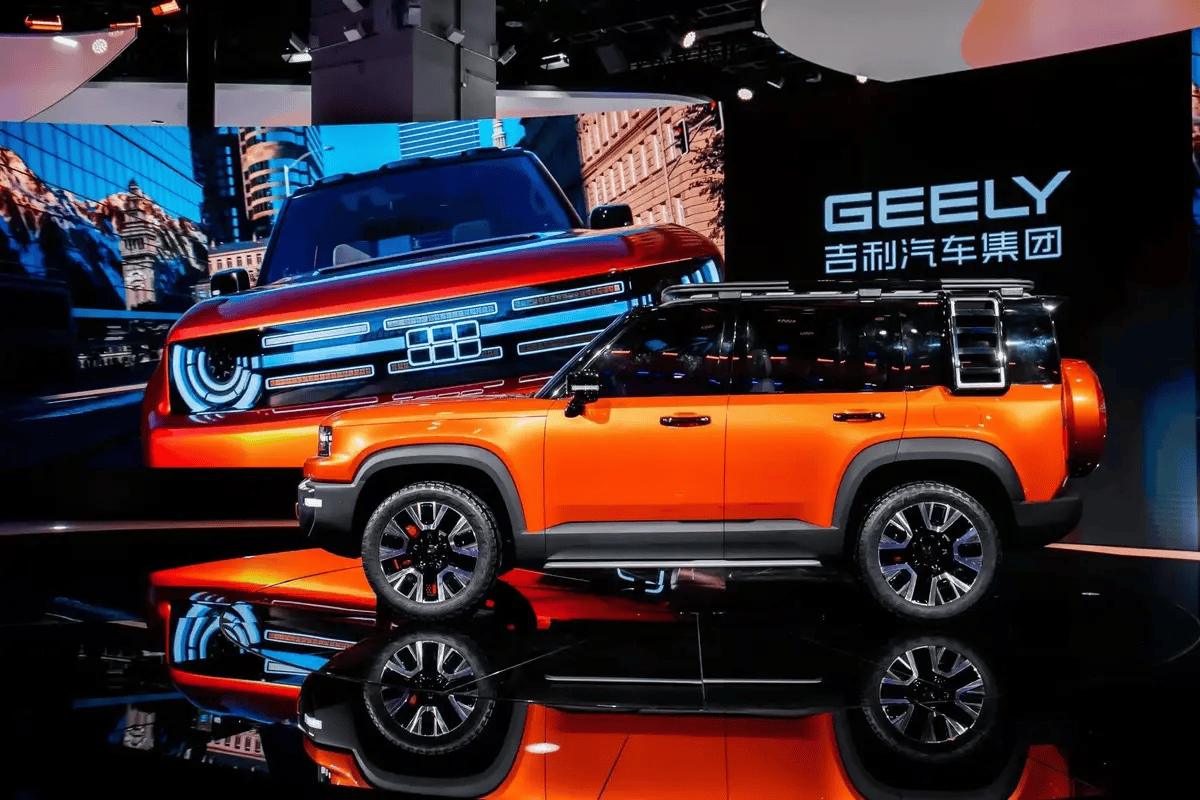
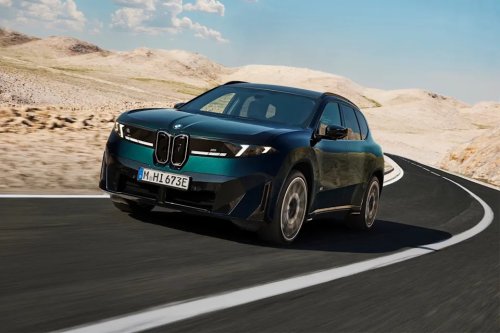
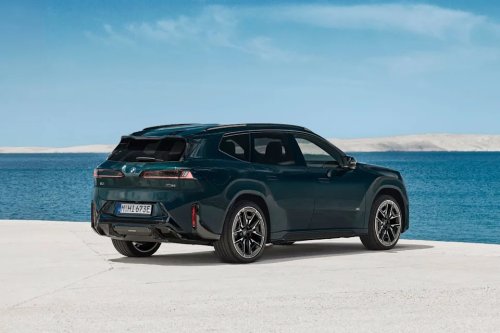
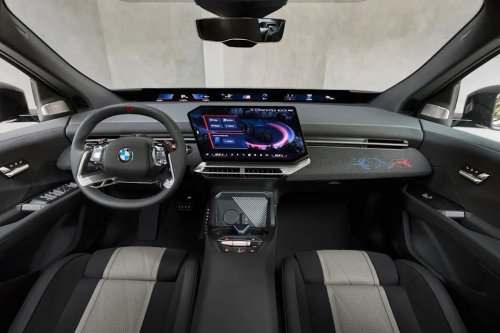
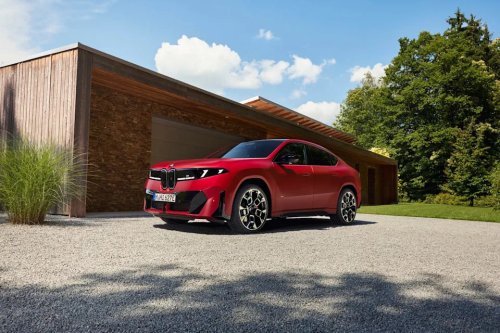
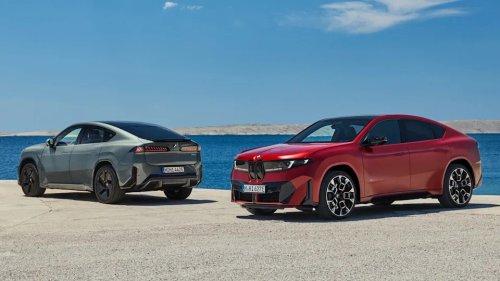
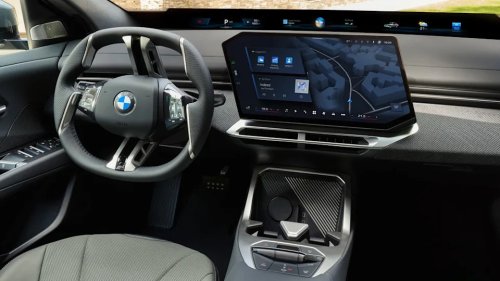
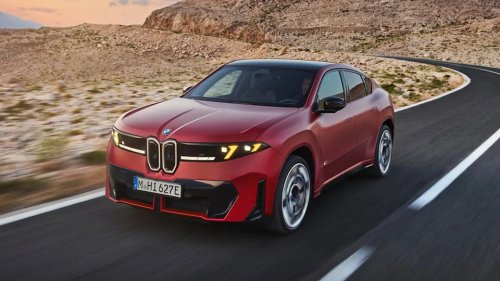
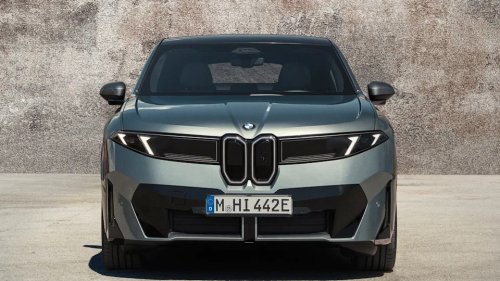
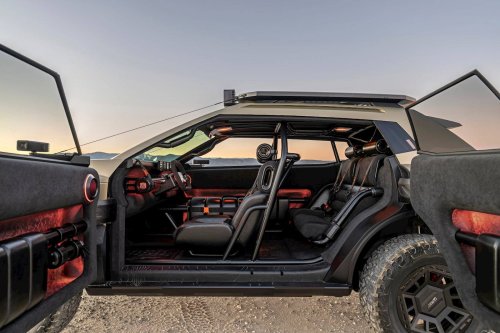
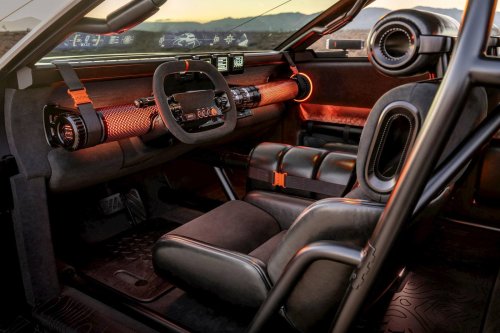
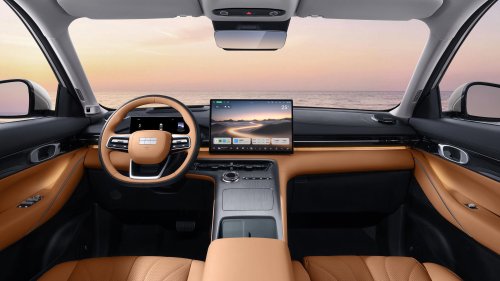
The tech-focused model features GVMC motion control, AI intelligent AWD and 800 mm wading depth, targeting the growing hardcore NEV SUV segment. On March 3, Geely Galaxy released spy photos of its upcoming Galaxy Cruiser SUV undergoing testing. Positioned as a technology-focused SUV, the model is currently conducting winter tests in Northern Europe. It is expected to make its official debut at Auto China 2026 and launch within the year. Compared with the concept car unveiled at Auto Shanghai 2025, the test vehicle shows noticeable revisions in exterior detailing. Geely Galaxy Cruiser debuted in Auto Shanghai 2025 Spy images indicate the front fascia adopts a semi-closed grille design with a more rugged lower bumper. The full-width light bar and hood ventilation openings seen on the concept model have been removed. The side profile retains a boxy silhouette, featuring squared side mirrors and conventional door handles. At the rear, the externally mounted spare tire and vertically oriented taillights remain. Off-road accessories such as a rear storage box, side ladder and roof platform are expected to be offered as optional equipment. On the technical front, the vehicle will be equipped with Geely’s self-developed GVMC (Geely Vehicle Motion Control) dynamic control system. Geely Galaxy Cruiser test model Official data indicate the system enables the vehicle to complete a moose test at speeds of up to 80 km/h. Combined with features such as a snorkel and onboard sonar, maximum wading depth reaches 800 mm. Satellite communication capability is also included to enhance adaptability in outdoor environments. In terms of drivetrain, the SUV features AI-based intelligent four-wheel drive, capable of automatically switching among front-wheel drive, rear-wheel drive and all-wheel drive modes. Geely Galaxy Cruiser test model Additional functions include active suspension, crab-walk mode, tank turn and run-flat tire driving control. The presence of a roof-mounted lidar unit suggests support for advanced driver assistance systems, potentially integrating the H7 G-ASD platform to enable point-to-point commuter assistance. Upon launch, the Galaxy Cruiser will directly compete with the Fangchengbao Tai 7, which launched in September last year with a price range of RMB 179,800–219,800 ($25,170–$30,770). As of mid-January this year, cumulative sales of the Tai 7 had exceeded 100,000 units. As demand for new energy hardcore SUVs continues to rise, the Galaxy Cruiser is expected to strengthen Geely’s presence in the off-road segment.