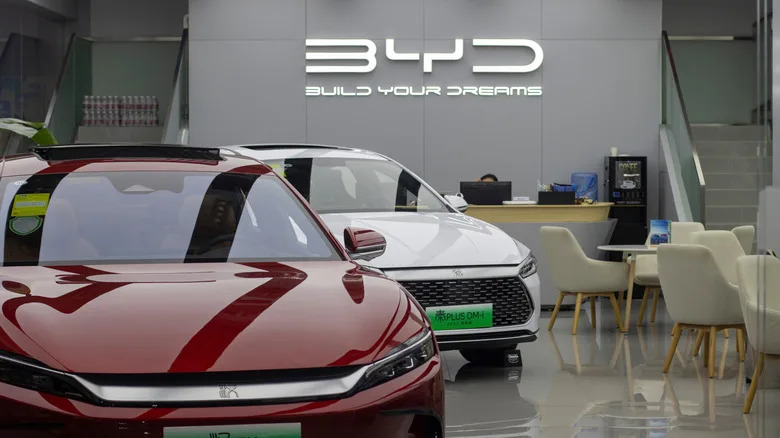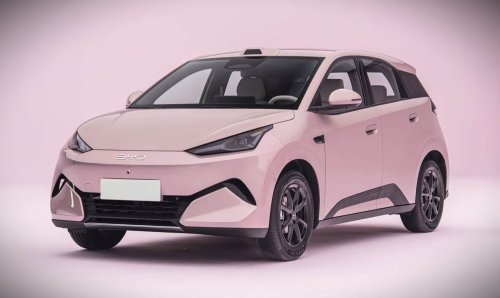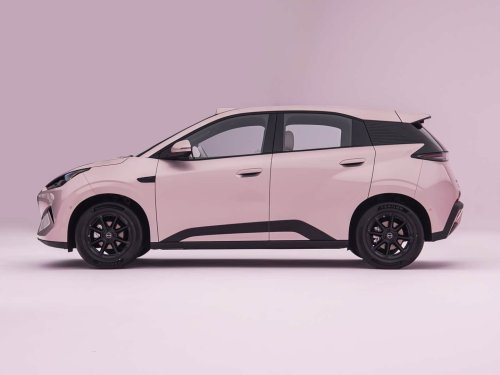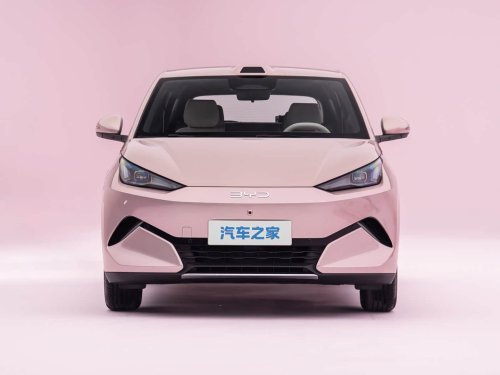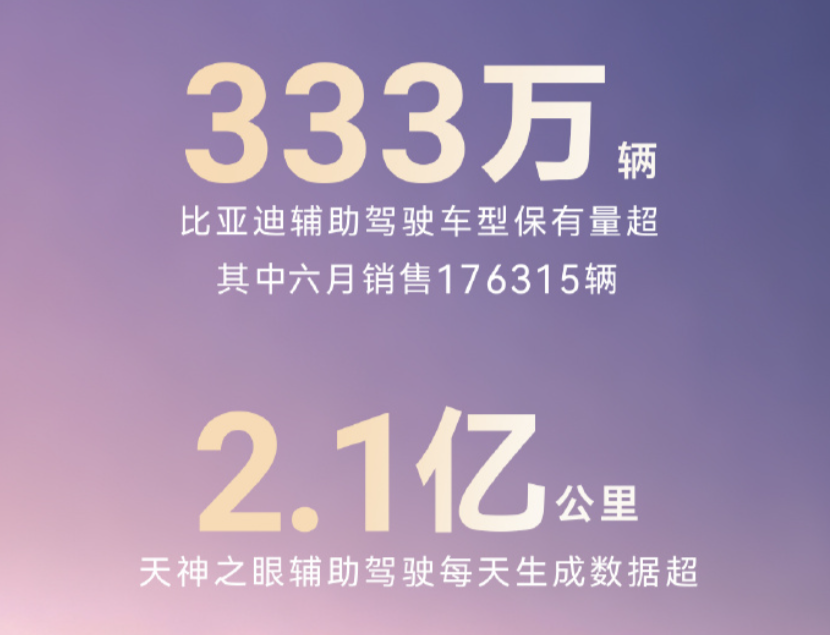



















Gasgoo Munich- On July 15, 2026, BYD officially announced its total fleet of vehicles equipped with driver-assistance features has surpassed 3.33 million units, with June sales alone reaching 176,315 units. Meanwhile, the company's "DiPilot" advanced intelligent driving system generates over 210 million kilometers of driving data every day.Image Credit: @BYD Auto"DiPilot" is BYD's full-stack, in-house solution for high-end intelligent driving, utilizing a three-tier hardware architecture (A, B, and C). Built on the Xuanji architecture, the system relies on massive real-world and simulated driving data to form a continuously evolving closed loop, covering functions such as navigation on autopilot, parking assist, and active safety.The installed base of BYD's driver-assistance vehicles is on an accelerated growth curve. By the end of March 2026, the figure stood at 2.85 million; it broke through 3.15 million on May 28 and reached 3.33 million by July 15 — a net increase of roughly 480,000 units in less than two months. During the same period, daily data generation by "DiPilot" climbed from 180 million kilometers at the end of March to 200 million by the end of May, and now stands at 210 million. Public information shows BYD's intelligent driving R&D team has expanded to over 5,000 engineers.At the industry level, BYD has been making aggressive moves in the intelligent sector. On May 28, 2026, the automaker held its "Dare to Act" intelligent strategy conference, announcing a one-year safety guarantee for city navigation. This makes BYD the first global automaker to offer a "dual guarantee" for both city navigation and intelligent parking.On July 2, the Ministry of Industry and Information Technology officially released China's first mandatory national standard for L2 driver-assistance systems, "Safety Requirements for Combined Driving Assist Systems of Intelligent Connected Vehicles" (GB 47955—2026). As a primary drafting unit, BYD was deeply involved in the formulation of this standard.