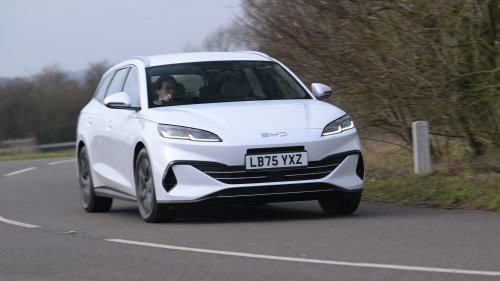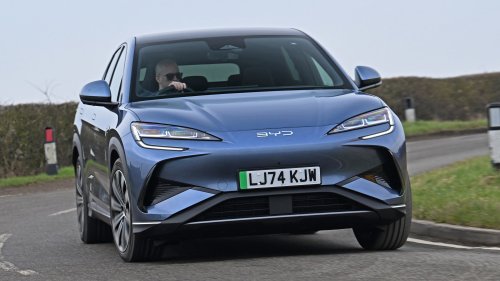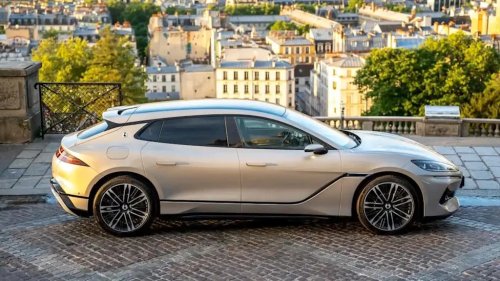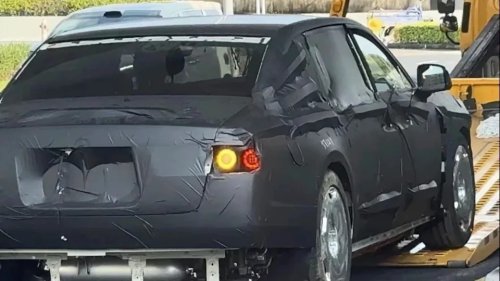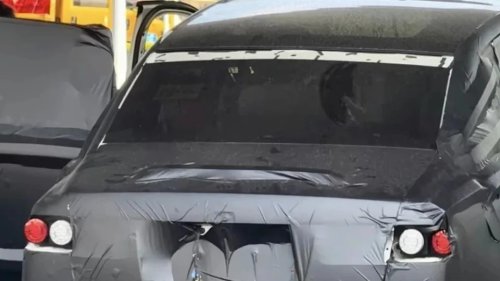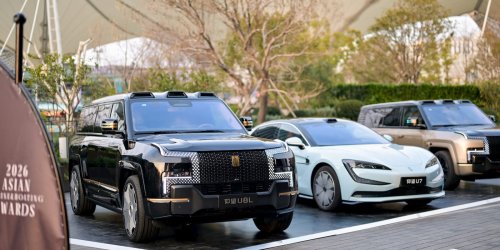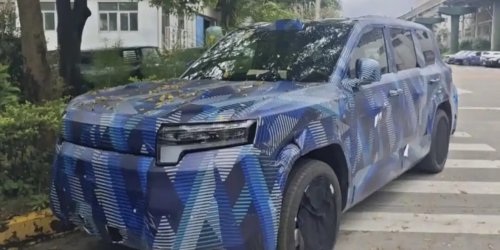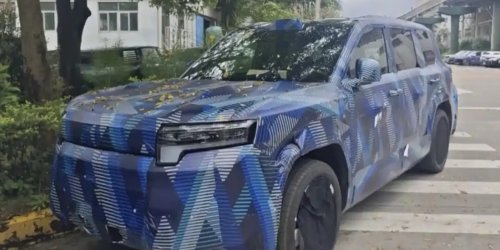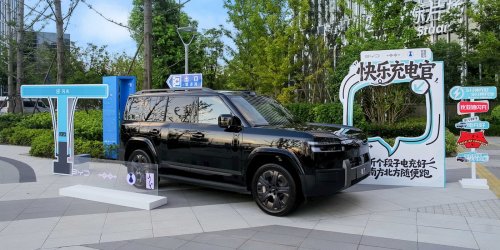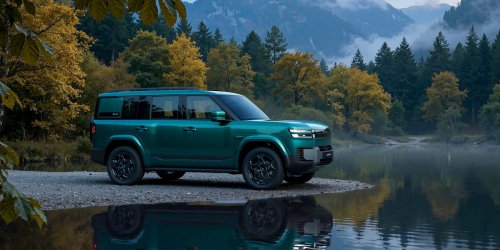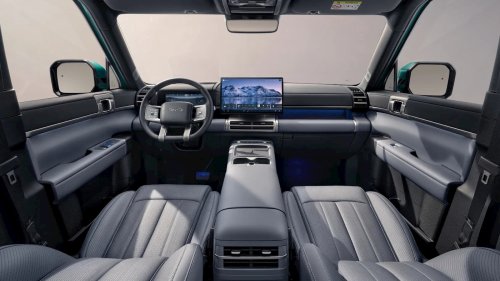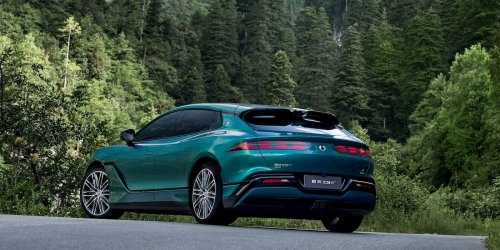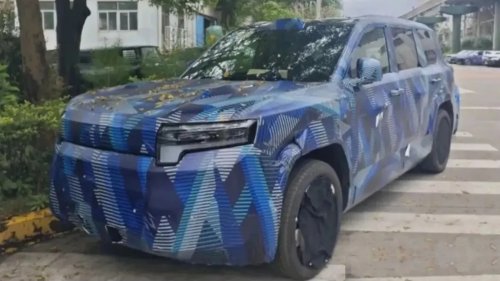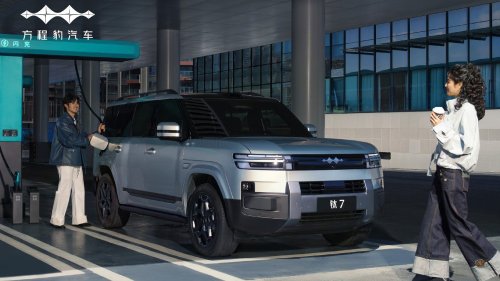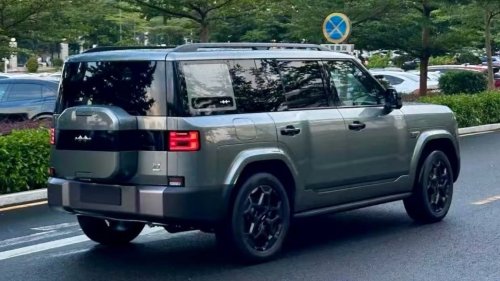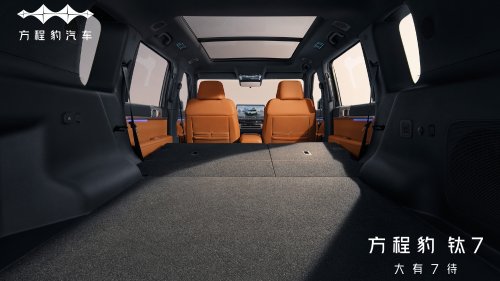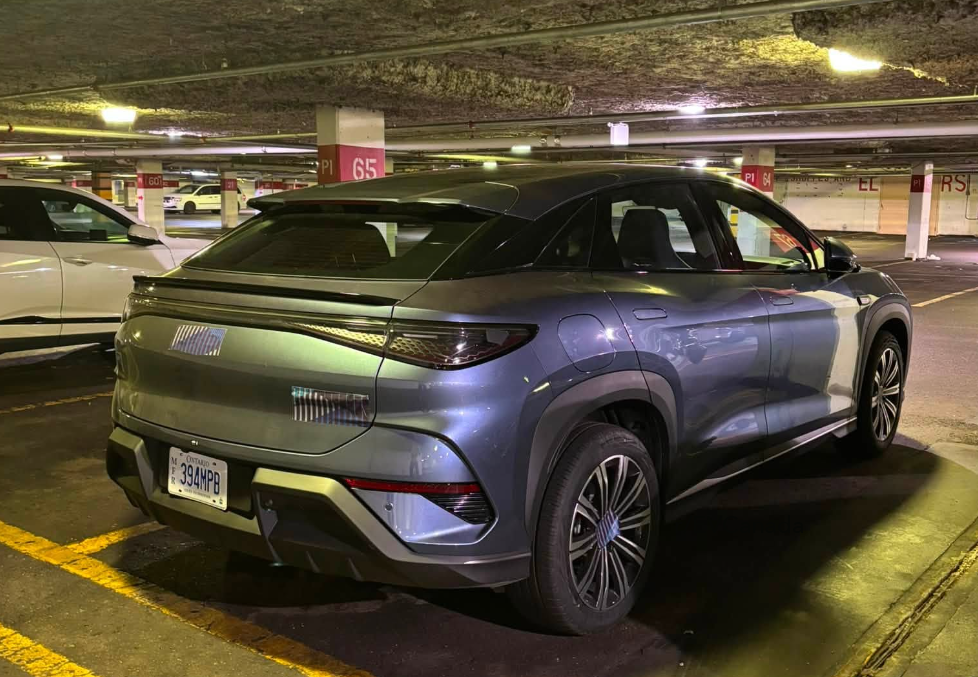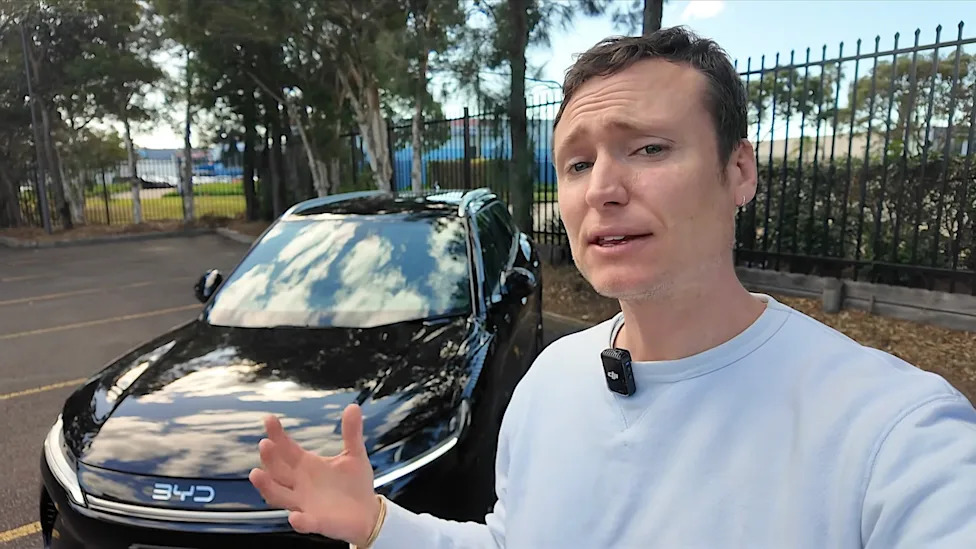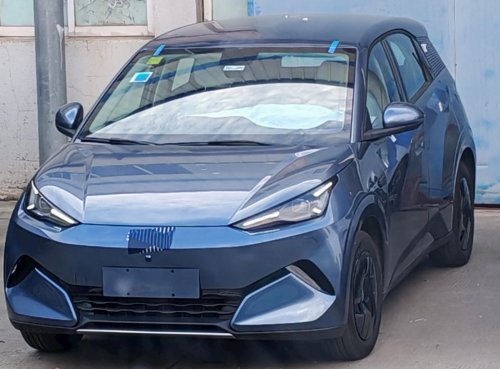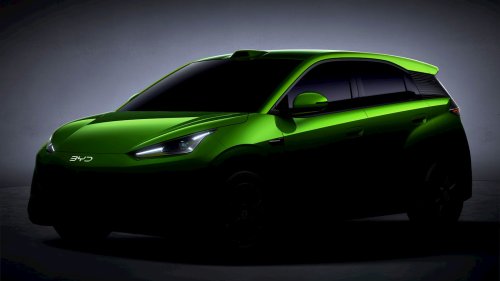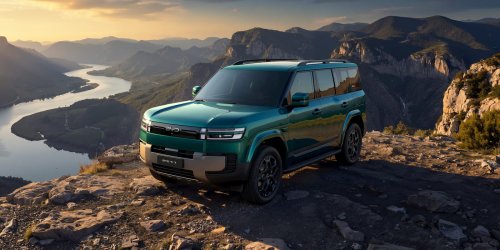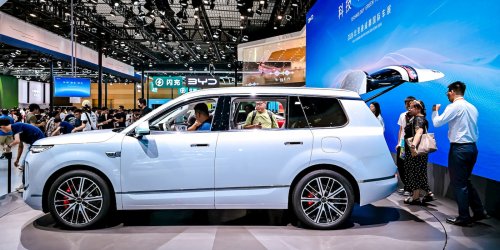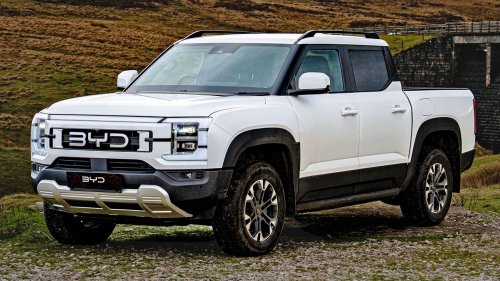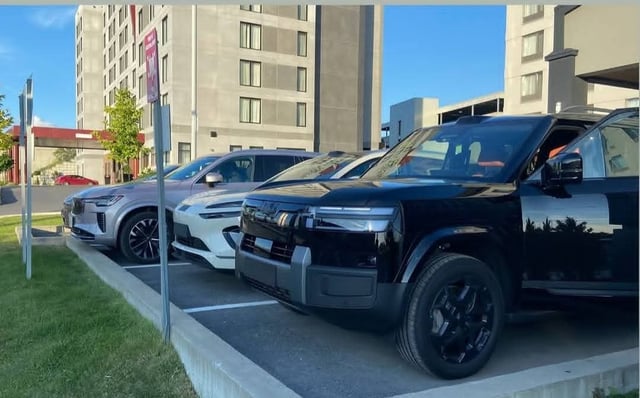
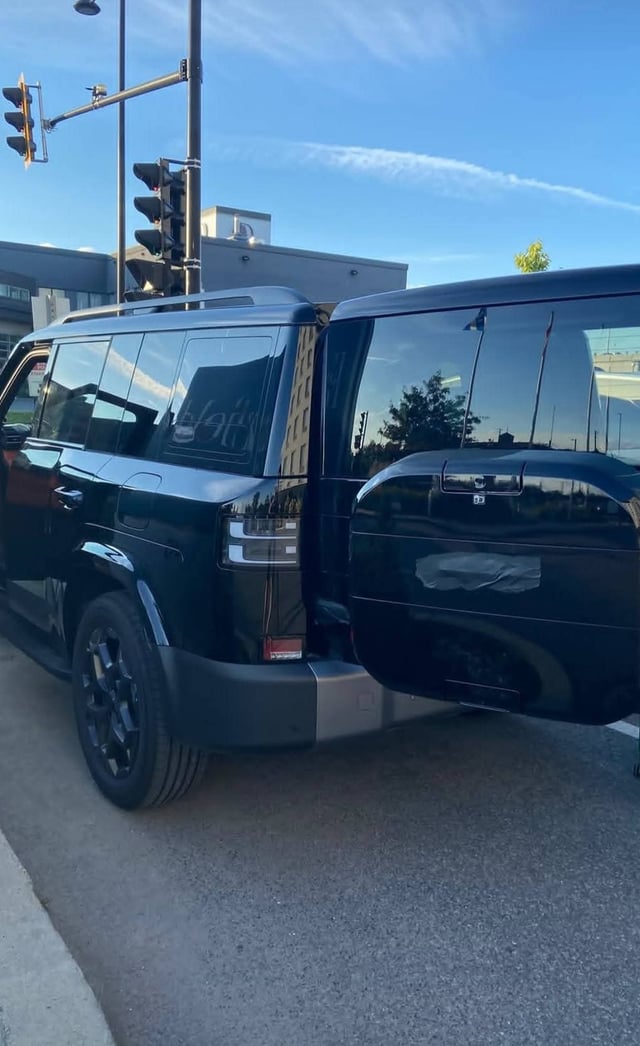

















Photos posted to the r/EVCanada subreddit on August 28, 2026 show a BYD (HKG: 1211) Sealion 7, a white Sealion 06 EV and a black FangChengBao SUV parked together in a Montreal parking lot. Commenters on the thread pointed to the size of the vehicles' licence plate frames and rear badging as signs of Chinese-market specification, which would make them evaluation or homologation units rather than retail stock. The post, from user IronLover64, had drawn 92 upvotes and 34 comments within nine hours.According to the original poster, the photos were taken by Jean-Marc Hamelin and shared on Facebook before being reposted to r/EVCanada. Several commenters noted this was not the first time Chinese-brand test vehicles had turned up in the wild in Canada this year, alongside earlier sightings of Geely and MG models being evaluated in Ontario.One commenter who said they used to manage temporary imports of testing and evaluation vehicles for an automaker noted that such cars typically come from the home market because logistics are coordinated centrally at headquarters, though a manufacturer will occasionally source a donor vehicle from another market instead. That squares with the mixed sourcing already seen in Canada this year: some Chinese test cars, like an MG4 spotted earlier, have arrived in European specification, while others, including BYD vehicles used for a film shoot in Sutton, Ontario, came from Mexican production lines. The timing lines up with a broader shift in Canada's posture toward Chinese-built EVs. Ottawa replaced its 100 per cent tariff on Chinese-made electric vehicles with a tariff-rate quota effective March 1, 2026, cutting the duty to the standard 6.1 per cent most-favoured-nation rate on a capped volume of vehicles. The quota allows 49,000 EVs in its first year, rising to 70,000 annually by 2030, provided half of that later volume is priced at $35,000 CAD or less.Global Affairs Canada split the first year into two six-month windows of 24,500 vehicles each and opened public consultations on how to divide future allocations among automakers on April 7, 2026. The first window, running from March 1 to August 31 on a first-come, first-served basis, issued permits valid for 60 days. As of August 24, 2026, importers had used 15,063 of those 24,500 permits, or about 61.5 per cent, with roughly one week left before the window closed.Tesla (NASDAQ: TSLA) has claimed most of that volume by shipping Shanghai-built Model 3 sedans into Canadian delivery centres, leaving thousands of permits unused as the deadline approached. Those leftover permits carry forward into a second window opening September 1, 2026, for which the federal government had not yet published administration rules as of this writing. The white Sealion 06 EV and black FangChengBao SUV from the same sighting. Photo: Jean-Marc Hamelin, via u/IronLover64/r/EVCanada.BYD has largely stayed out of that first window, focused instead on building a Canadian sales network before it commits to imports. The automaker is reportedly working toward roughly 20 dealerships in its first year, starting with three locations in the Greater Toronto Area before expanding to Vancouver, Montreal and Calgary.BYD has not confirmed a Canadian launch date or pricing for any model, including the Sealion 7, a mid-size electric SUV the company positions against the Tesla Model Y, Hyundai Ioniq 5 and Kia EV6 elsewhere. The Sealion 7 carries a Blade LFP battery pack of up to 91.3 kWh, a dual-motor layout producing up to 390 kW combined, and a WLTP range around 502 km in its higher trims. The FangChengBao SUV in the photos appears consistent with the Bao 8, the boxy plug-in hybrid off-roader from BYD's dedicated off-road sub-brand. Reddit users flagged roof-mounted sensor housings on the vehicle as a likely giveaway of driver-assistance testing; BYD fits lidar units to the Bao 8's intelligent-driving trim, which in China starts around 379,800 yuan (roughly $78,500 CAD) and pairs a 2.0-litre turbo engine with dual motors for a combined 550 kW output. FangChengBao has not announced any plans to enter Canada.A closer look at the FangChengBao SUV's boxy off-road styling. Photo: Jean-Marc Hamelin, via u/IronLover64/r/EVCanada.The white Sealion 06 EV is a China-only nameplate that BYD refreshed in March 2026 with a longer 710 km CLTC range on its top variant and nine-minute flash charging, priced from 159,900 yuan (about $33,000 CAD) at home. Unlike the Sealion 7, which is already sold across Europe and other export markets, the Sealion 06 EV has no export version yet, something several commenters flagged as unusual for a vehicle apparently being validated for a North American market.Whether these particular cars belong to BYD's Canadian entry effort or a different testing program was not confirmed by either the original poster or BYD. What the sighting does confirm is that Chinese automakers are moving equipment into the country well ahead of any retail commitment, a pattern likely to keep repeating as the second quota window opens and dealership buildouts continue.Conversion rate: 1 CAD = 4.84 CNY (1 CNY = 0.2066 CAD) as of August 29, 2026.