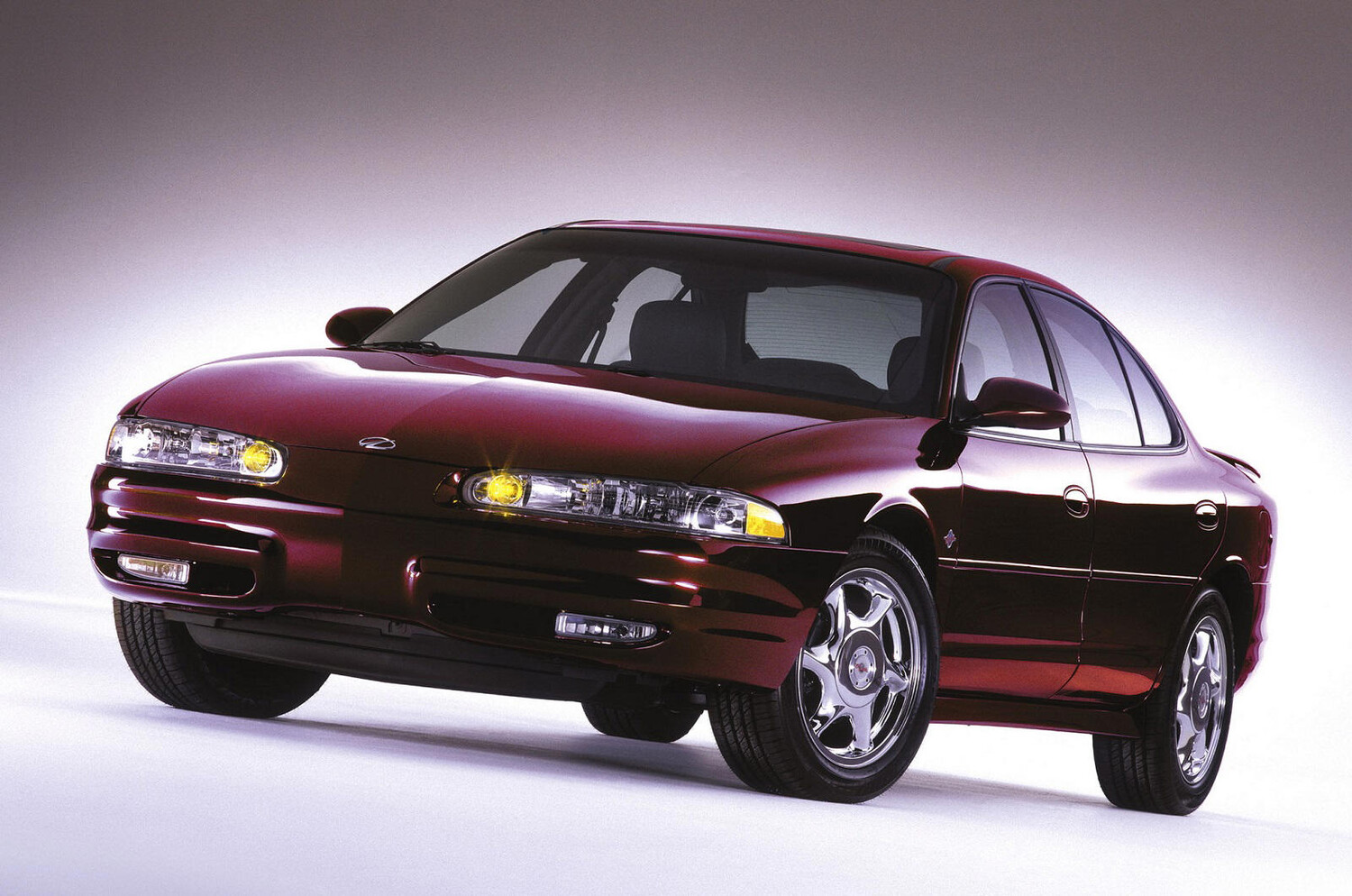
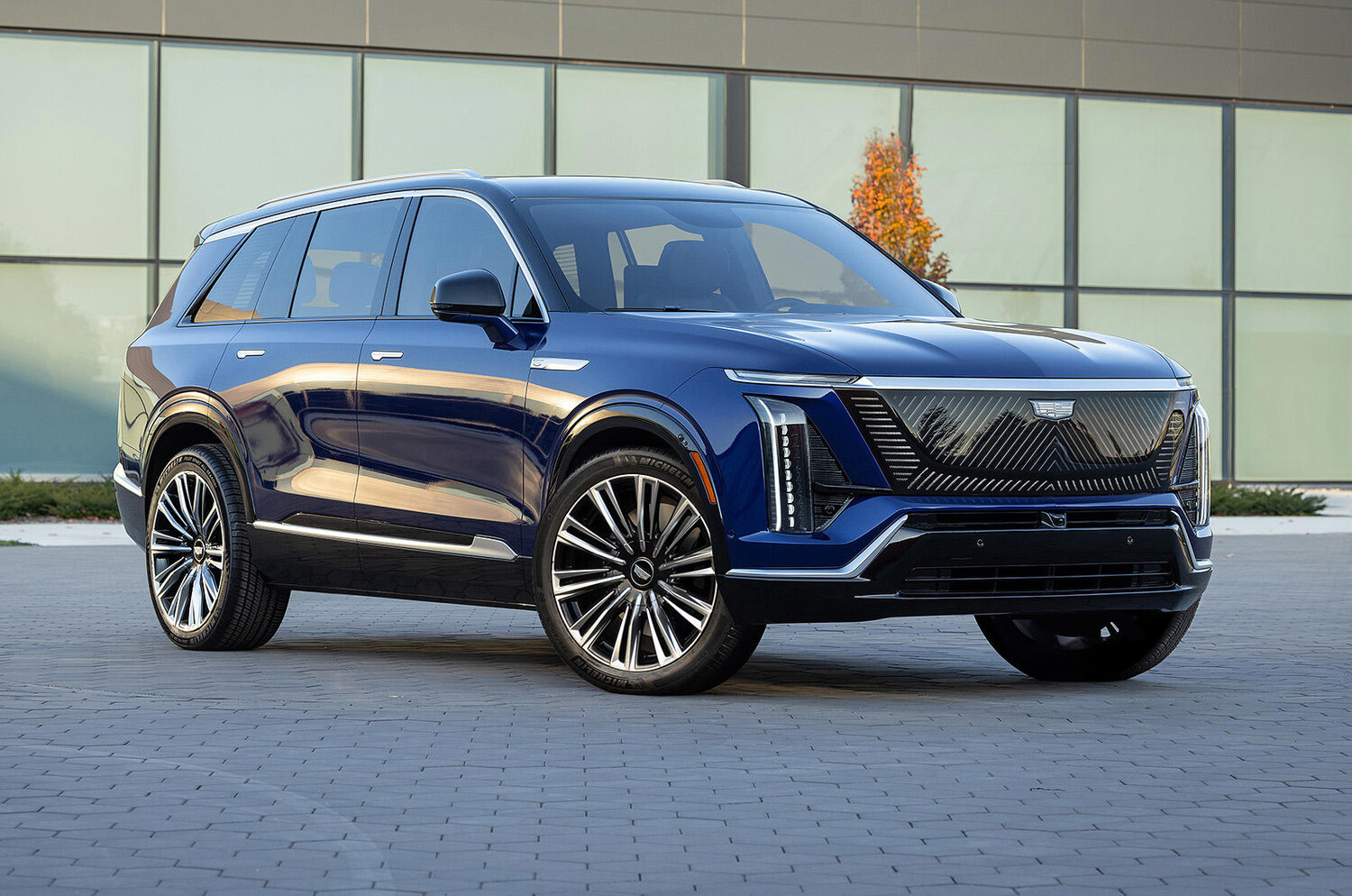
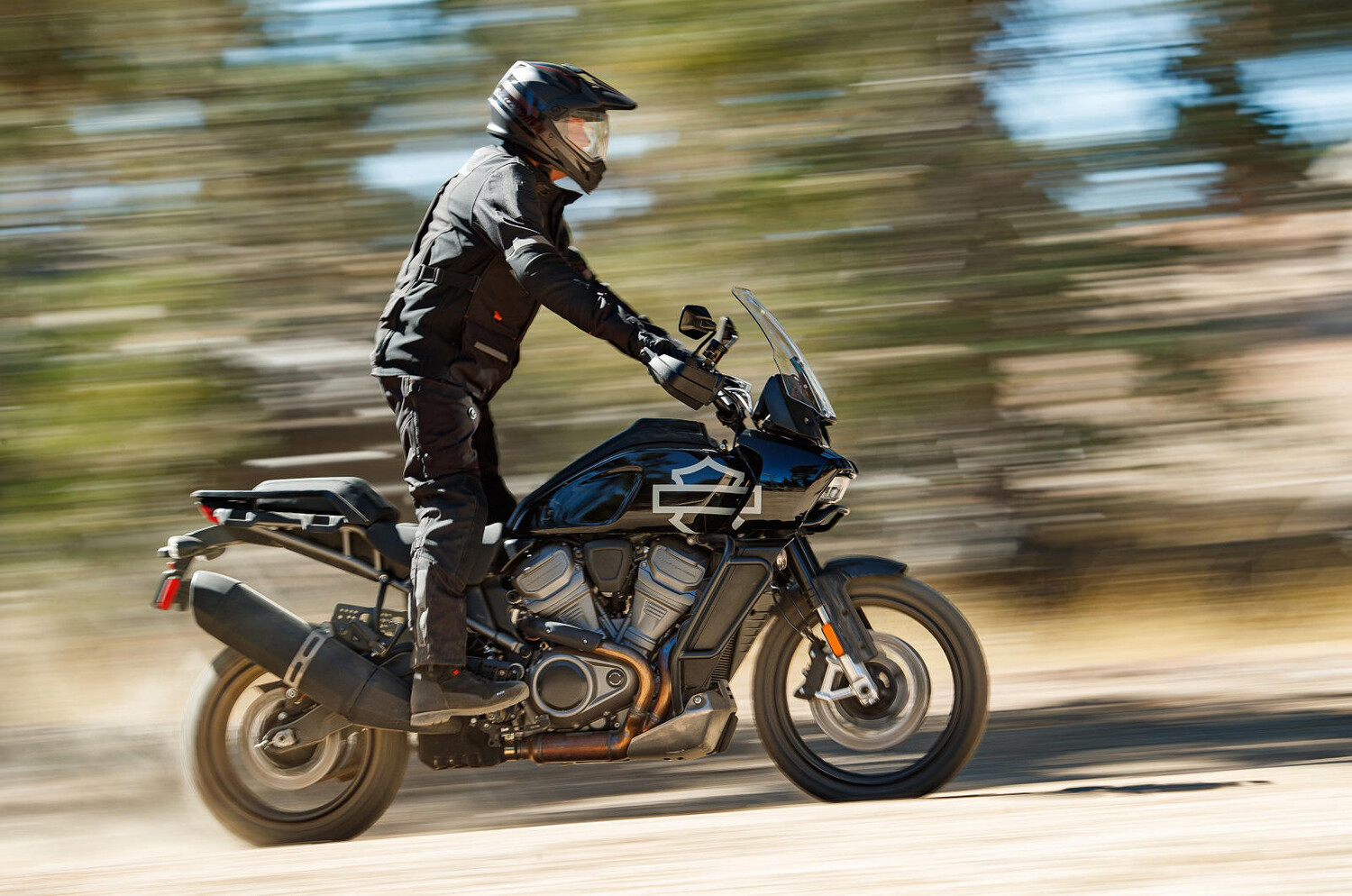
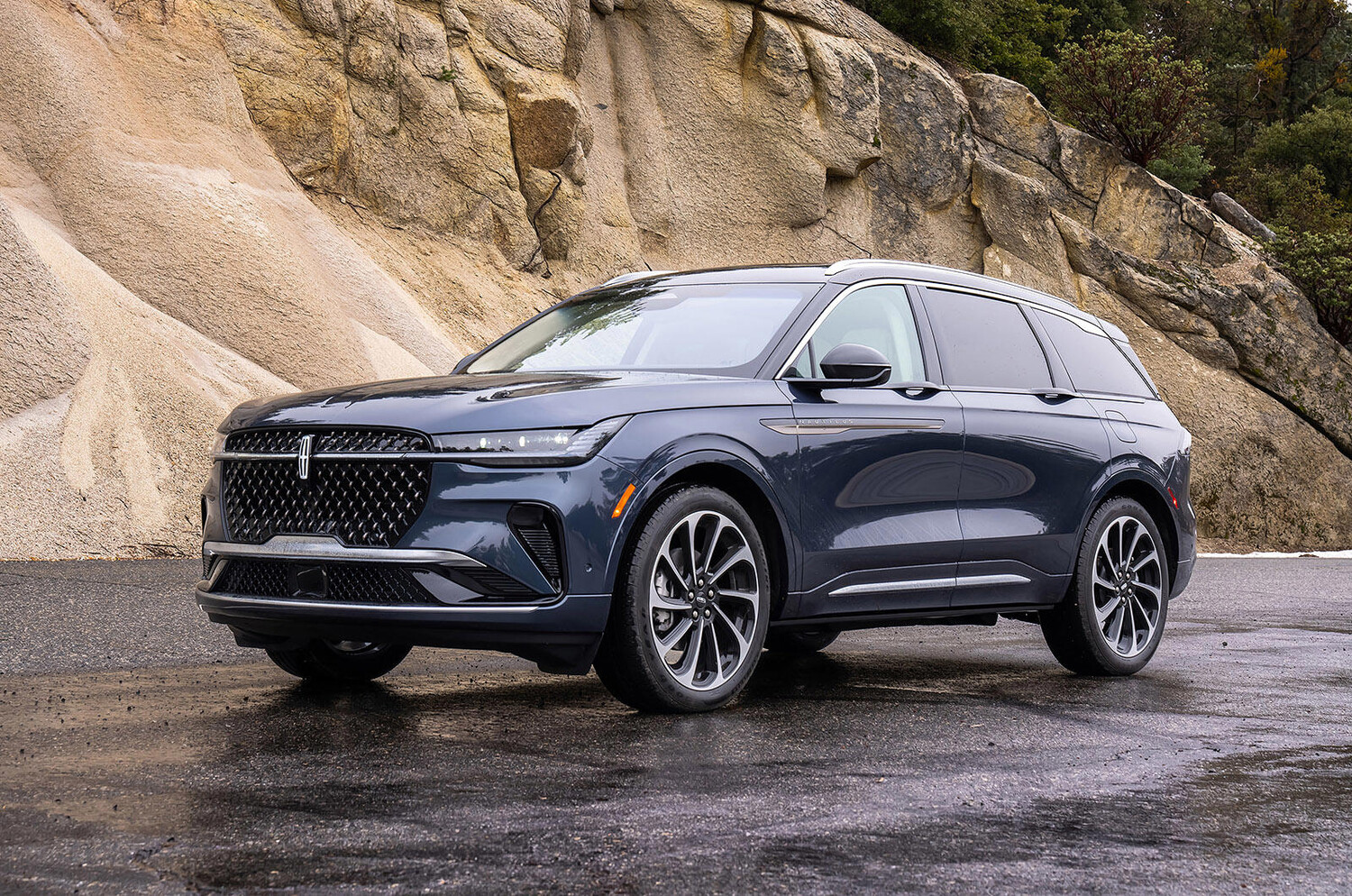
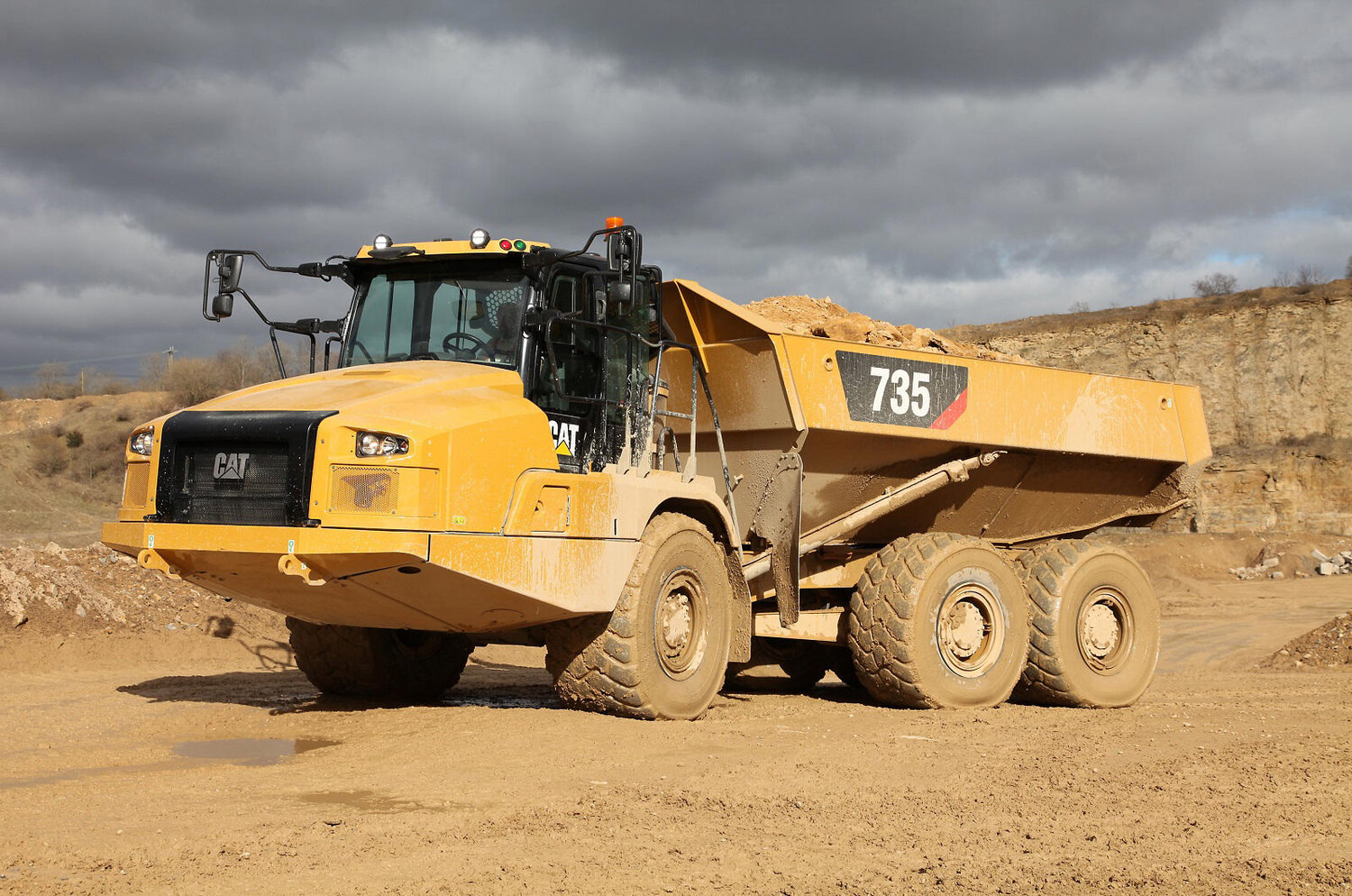
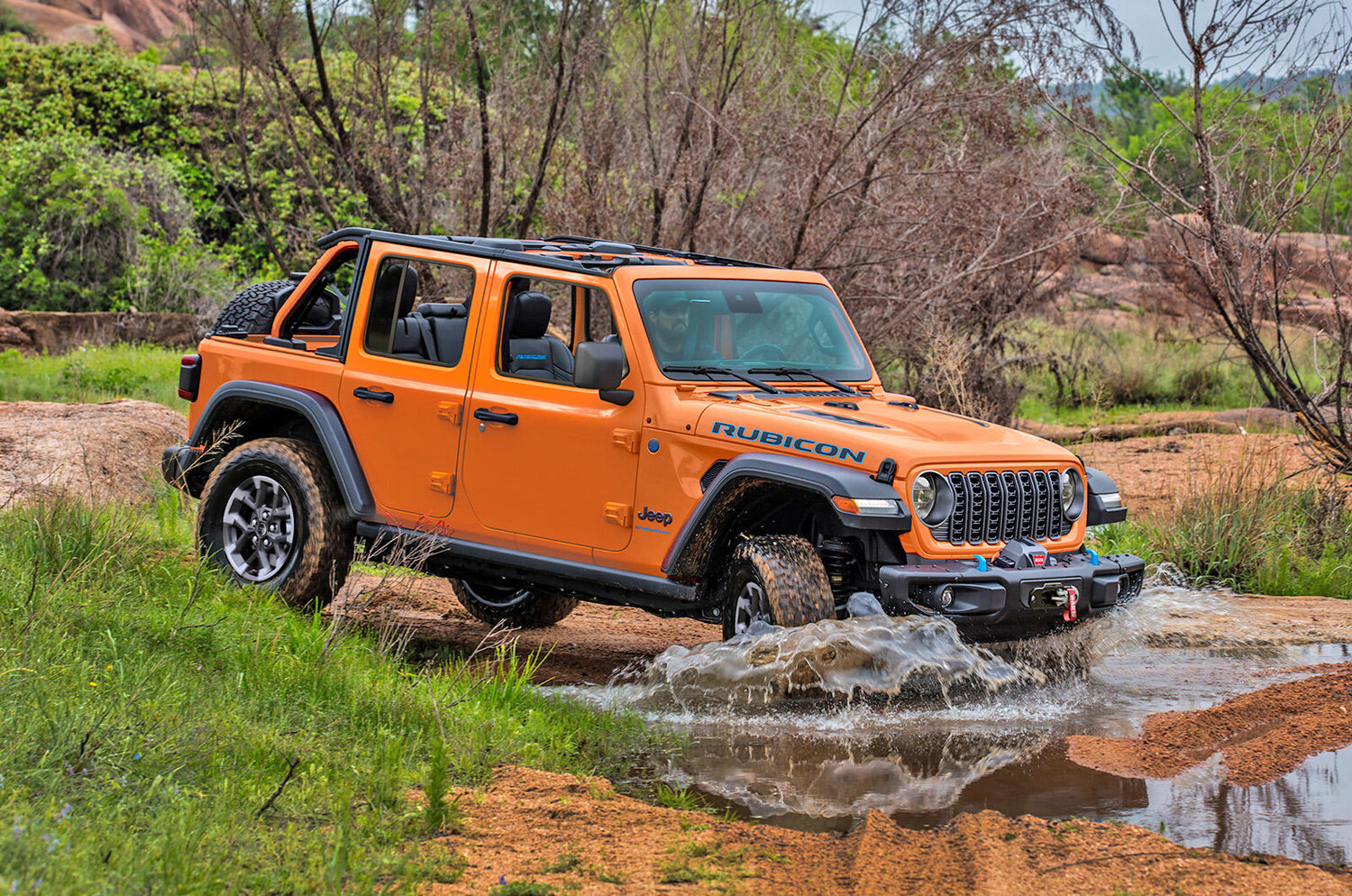
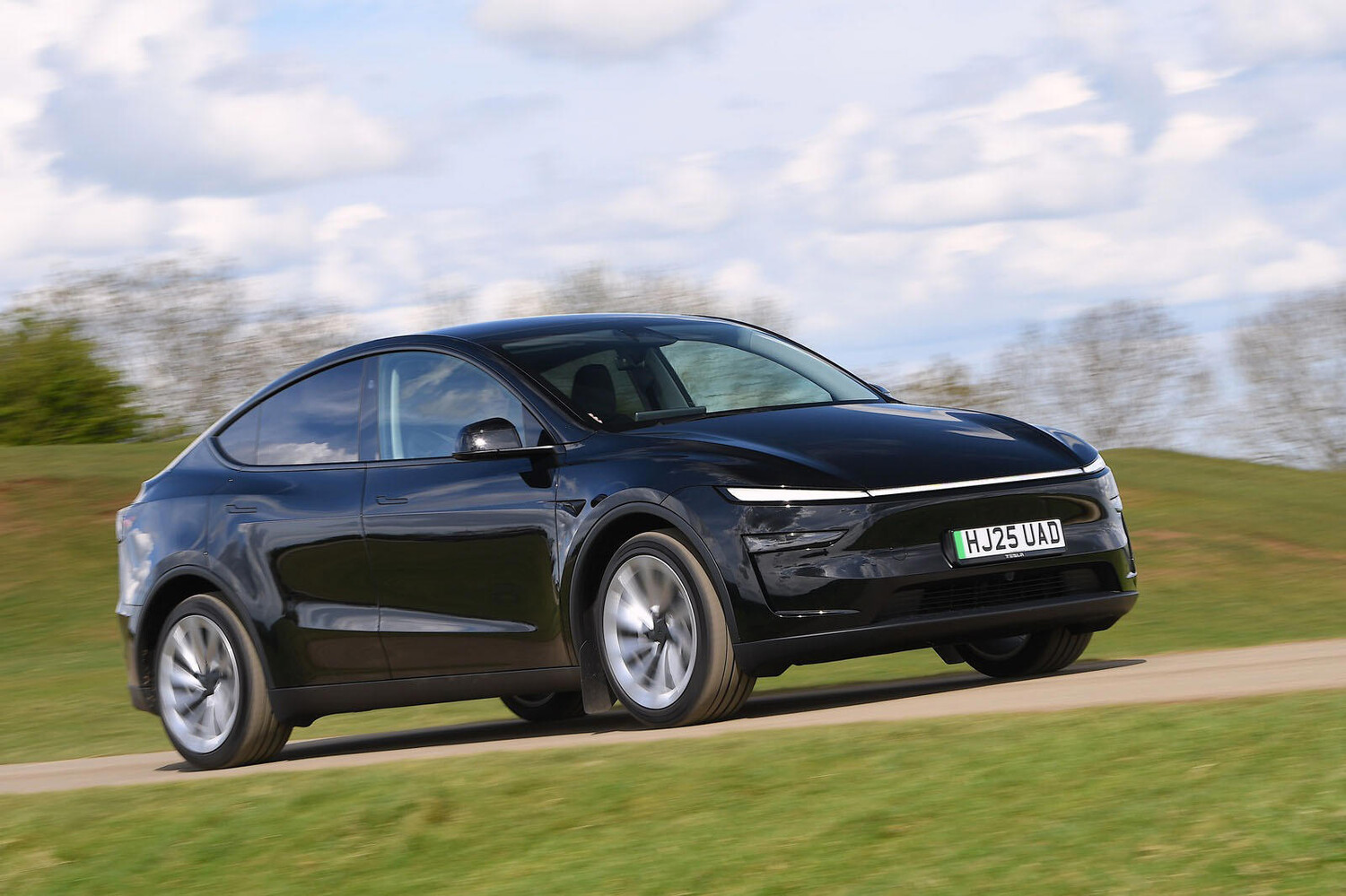
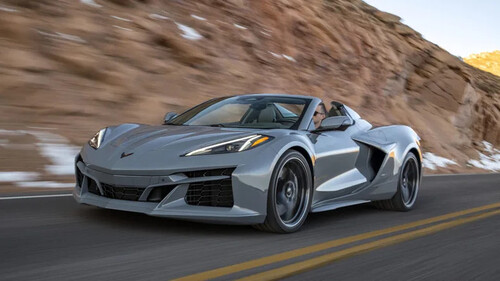
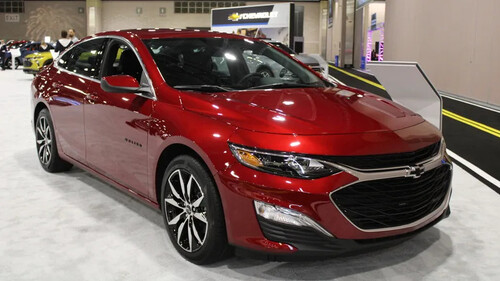
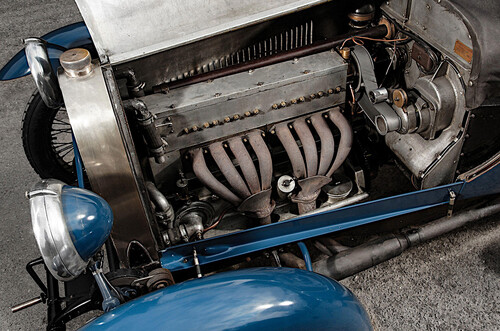
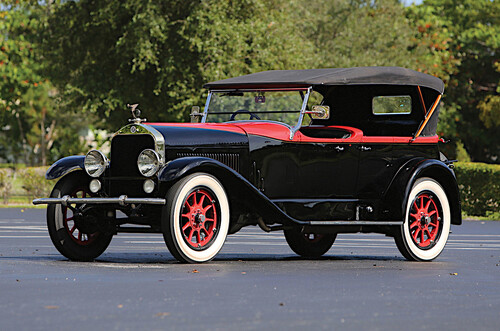
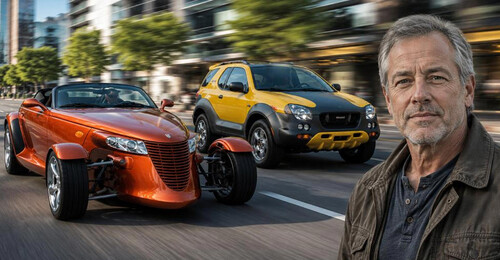
Manufacturing is permanently woven into the American canvas.Relying on Europe for cars, trucks, tractors and other machines was impractical due to the nation’s geographical location so factories building locally-designed products dotted the landscape by the turn of the 20th century. Most of these companies merged, were taken over or disappeared as the industry consolidated but the stronger ones survive (and thrive) to this day.From John Deere to Rivian, join us for a look at the oldest and newest companies based in America:John Deere (1837)John Deere (1804-1886), a blacksmith, developed a steel plough that was better suited to the thick soil in Illinois than existing tools designed primarily for sandy soils in the eastern part of America. He built his first prototype in 1837 using a broken sawblade and sold 18 plows in 1839. The company grew quickly during the second half of the 19th century; it made sulkies and other farm equipment. It tested its first gasoline-powered tractor in 1892 but it didn’t enter the market until it purchased the Waterloo Gasoline Engine Company in 1918. It sold 5634 tractors in its first year.Today, John Deere - now known under the corporate name Deere & Co – has a vast range of products also includes combine harvesters, landscaping, construction, and forestry machinery. It’s even now developing a self-driving tractor.Oldsmobile (1897)Oldsmobile was created in Lansing, Michigan, in 1897 as the Olds Motor Vehicle Company. Founded by inventor Ransom Olds (1864-1950), it experimented with a wide variety of cars that it hoped to bring to production in the early 1900s. Its plans derailed when a fire destroyed its factory in 1901. Prototypes, machines, tools and blueprints were lost forever but workers managed to save a single car.Olds started from scratch and built its future on its only surviving vehicle, which was named Model R but was later nicknamed Curved Dash. The company managed to manufacture 425 cars in 1901 and it sold 5,508 units in 1904. General Motors purchased Olds in 1908 and renamed it Oldsmobile in 1942. Badge-engineering and a string of mediocre products diluted Oldsmobile’s image during the 1980s and the 1990s. General Motors closed what was then America’s oldest car manufacturer in 2004.PICTURE: Intrigue Final 500 editionMack (1900)Brothers Jack, Augustus and William Mack formed the Mack Brothers Company in Brooklyn, New York, in 1900. All three had prior experience in manufacturing wagons and carriages. The company notes its first successful piston-powered vehicle was a 20-passenger sightseeing bus built and sold in 1900.Renault began investing in Mack in 1979, the same year it bought a major stake in American Motors Corporation (AMC), and it purchased the company in 1990. It’s part of the Volvo Group today, after that company purchased Renault Trucks in 2001.PICTURE: AnthemIndian Motorcycles (1901)George Hendee (1866-1943) opened a bicycle-making business named Hendee Manufacturing Company in 1897. His early models weren’t equipped with an engine but he began dabbling in internal combustion technology in 1901, when he needed to build bikes capable of pacing bicycle races. His creation gathered a tremendous amount of attention from the public. He fine-tuned the design with the help of his employees, opened a factory in 1901 and sold the first Indian motorcycle in 1902.Indian’s success was relatively short-lived and it shut down in 1953. The name went through the hands of several owners over the following decades and it has been part of Polaris since 2011.PICTURE: Scout BobberCadillac (1902)Some of Henry Ford’s earliest investors hired Henry Leland (1843-1932), an American engineer and entrepreneur, as a consultant to help them sell his factory and the machines in it. They had grown impatient waiting for a return on their investment and Ford’s main interest seemed to be building race cars, not mass-produced models.Leland convinced them to invest in his company instead by demonstrating an engine developed for (and rejected by) Olds. They named the carmaker Cadillac as a tribute to Antoine de la Mothe Cadillac (1658-1730), the French explorer who discovered Detroit.Cadillac built its first car in 1902 and it displayed the model at the 1903 New York motor show, where it received 2286 orders. It rose to the top of America’s automotive industry and enjoyed decades as one of the world’s best-known luxury companies. It’s the flagship of the General Motors empire today, and has recently started releasing its first all-electric vehicles such as the new Vistiq SUV, pictured.International-Harvester (1902)Cyrus McCormick (1809-1884) created the McCormick Harvesting Machine Company in the 1840s to sell mechanical reapers, a tool he received a patent for in the 1830s. He wasn’t the only industrialist manufacturing mechanical reapers but his sold particularly well and his company grew at a rapid pace. It merged with four companies in the agriculture sector to form the International-Harvester Company in 1902 and expanded its range to include plows, tractors, and later trucks and SUVs.International-Harvester exited the passenger car business after it ended production of the Scout II (pictured) in 1980. Unable to claw its way out of a financial rut, it sold most of its assets in the 1980s and vanished into the history book. Its main descendant today is International Motors (formally Navistar), now owned by Volkswagen. VW is now in the process of reviving the Scout brand for a range of off-road EVs.Buick (1903)Scotland-born engineer David Dunbar Buick (1854-1929) made a name for himself in the plumbing industry before turning his attention to cars. He notably developed a way to affix porcelain to cast iron which was widely used to build bathtubs. He founded the Buick Auto-Vim and Power Company in 1899 to develop internal combustion engines and formed the Buick Manufacturing Company in 1902.It morphed into the Buick Motor Company the following year. Buick burned through a substantial amount of money designing an overhead valve engine. It sold its first car in 1904 and made a total of 37 cars that year. General Motors purchased Buick in 1908 and still owns it today, where it’s an established mid-range brand for GM.PICTURE: Buick EnclaveFord Motor Company (1903)Henry Ford (1863-1947) became fascinated with machines at an early age. As an adult, he tested engines in his family’s kitchen sink and built his first car in a shed in 1896. Part of the building had to be taken apart because the car was bigger than the door. After getting it out and testing it, he sold it for $200 (about $7000 today) and used the proceeds to develop his second vehicle.He was recruited by the well-funded Detroit Automobile Company in 1899 but his fascination for racing got him pushed out of the business. After several false starts (including the Henry Ford Company, the Ford & Malcomson Company and the Fordmobile Company), he founded the Ford Motor Company in 1903. It sold its first Model A in July 1903 for about $750 (approximately $27,000 in today’s money); sales totaled 670 units that year.Ford is still one of the largest car-makers in the world, and the Ford family still controls the company via a 40% share of the vote in company affairs.PICTURE: Ford Mustang Mach-E & Ford F-150Harley-Davidson (1903)Harley-Davidson’s first factory was a small wooden shed in Milwaukee, Wisconsin. William Harley (1880-1943) and Arthur Davidson (1881-1950) formed the company and sold their first motorcycle, which blurred the line between a bicycle and a moped, in 1903. It was developed with racing in mind. C.H. Land opened the first Harley-Davidson dealership in Chicago, Illinois, in 1905 and sold one of the first three regular-production motorcycles made by the company.The firm moved out of its shed in 1907. Although Harley-Davidson is often associated with cruiser- and touring-style motorcycles, its modern range includes street-oriented models and the electric Livewire.Chevrolet (1911)William Durant (1861-1947) formed Chevrolet in Detroit in 1911 with the help of Louis Chevrolet (1878-1941), a race car driver born in Switzerland. Durant had lost control of General Motors, the company he founded, and he wanted to buy his way back in.Chevrolet wanted to use the lessons he learned on the track to build his own car. On paper, the partnership was perfect. Chevrolet’s first car, the Six Type C Classic, made its debut in 1912. Approximately 3000 units were sold that year. Durant made enough money by expanding the Chevrolet range with smaller models to purchase a controlling stake in General Motors in 1915 and one of his first moves was to add Chevrolet to the General Motors portfolio.Today it’s GM’s most important brand and usually in the top 3 best-selling brands in America.PICTURE: Corvette ZR1XGMC (1911)General Motors created GMC in 1911 when it merged the Rapid Motor Vehicle Company and the Reliance Motor Car Company, two automakers William Durant purchased after forming the company. It grouped their operations into the General Motors Truck Company (GMC) and put it in charge of developing trucks.Although other divisions (notably Chevrolet) also sell trucks today, GMC focuses exclusively on pickups, crossovers and SUVs. All of the vehicles in its line-up have a Chevrolet-badged counterpart, and they’re nearly identical under the sheet metal, but stylists go to great lengths to differentiate the two brands.PICTURE: 2026 GMC Acadia Denali UltimateDodge (1914)John and Horace Dodge (1864-1920 and 1868-1920, respectively) ran a machine shop in Detroit, Michigan, that built mechanical parts for Olds and Ford, among other companies. Henry Ford was one of their biggest clients around the turn of the 1910s but his policy of manufacturing parts in-house threatened their business. They chose to enter the automotive industry to end their reliance on other brands and built their first car, the Model 30-35, in late 1914.It was immediately successful; about 45,000 examples had been built by the end of 1915 and Dodge Brothers had become America’s second-largest carmaker by 1920. John and Horace died that year and their widows sold the business for $146 million (roughly $2.7 billion in today's money) in 1925. It was the largest cash transaction ever recorded at the time.Chrysler purchased Dodge in 1928, and it still owns the company today, though it’s slightly overshadowed by the RAM pickup-brand that was spun off from it in 2010.PICTURE: 2026 Dodge Charger Scat PlusLincoln (1917)Henry Leland left the Cadillac brand he founded in 1917 after a disagreement with William Durant. He formed Lincoln, which he named after the American president, and secured a multi-million-dollar contract to build 6000 aircraft engines for the American military. He set up a factory and recruited thousands of workers but peace treaties were signed sooner than expected.Demand for plane engines dropped considerably after the war so he did what he knew best: build cars. Lincoln’s first car, the Model L, was released in late 1920 and it was available in over a dozen configurations. It manufactured approximately 3000 cars in 1920 and 1921, though some historians debate that number.Ford purchased Lincoln in 1922 and continuously nudged it upmarket during the 1920s. It was celebrated as one of America’s greatest luxury car companies in its heyday, its cars were notably used by the White House, but its image weakened during the 1990s and the 2000s and Ford nearly closed it. It was saved at the last minute and it’s still part of Ford today.PICTURE: 2024 Lincoln Nautilus Black LabelKenworth (1923)Kenworth was founded as Gerlinger Motors in Seattle, Washington, in 1912. It was originally a dealership but the Gerlinger brothers branched out into truck manufacturing in 1915. Investors Frederick Kent and Edgar Worthington purchased Gerlinger Motors in 1917 and renamed it Kenworth after themselves in 1923. It sold 80 trucks in 1924 and production averaged about two trucks per week the following year.The Pacific Car and Foundry Company (known as PACCAR since 1972) purchased Kenworth in 1945 and still owns it today. PACCAR Inc also owns Peterbilt, DAF and Leyland.PICTURE: W990Chrysler (1924)Walter Chrysler (1875-1940) took his first steps in the automotive industry when he joined Buick as its works manager in 1910. He climbed the corporate ladder and became the company’s president but he left in 1919 because he hated working with General Motors founder William Durant. He held positions at Willys and Maxwell Motor Corporation before founding the carmaker that bears his name in 1924. Chrysler’s first car, B-70, was an instant hit. 32,000 units were sold in 1924, a first-year sales record in the United States. It was quick, advanced for its era and affordable.Chrysler is part of Stellantis today, but it’s far from being the group’s most important division, with only a very small range of cars, mostly sold in the USA only.Caterpillar (1925)Benjamin Holt (1849-1920) and Clarence Leo Best (1878-1951) shared a passion for innovation. Holt built a steam-powered tractor in 1890 and put tracks on another model in 1904. Best allocated a tremendous amount of time to making the internal-combustion engine more reliable. The Holt Caterpillar Company and the C.L. Best Tractor Company were bitter rivals, and they often sued each other over copyright infringement, but they set aside their differences and merged in 1925. Both companies were struggling financially when they joined forces; the merger put them on better foundations.Caterpillar is today one of the biggest machinery companies in the world. Its immense product portfolio includes 4000 hp off-highway trucks and bulldozers, and anything needed to build, dismantle and build again.PICTURE: 735Pontiac (1926)General Motors introduced the Pontiac division in 1926 to prop up the struggling Oakland division. Pontiac’s cars were cheaper than Oakland’s and they sold much better; the Series 6-27, its first car, found 76,696 customers during its first year on the market. Executives closed Oakland in 1932 to focus on Pontiac, whose sales had dropped sharply, and leveraged value to lure customers into showrooms.Pontiac morphed into one of America’s most-loved performance brands during the 1960s and cars like the GTO are still highly sought-after by enthusiasts in 2020. It slowly lost its identitity in the General Motors empire during the 1990s and it was permanently closed in 2010.PICTURE: G8 GXPPlymouth (1928)Chrysler formed Plymouth in 1928 and positioned it below the Chrysler brand. Its cars were aimed at those manufactured by Chevrolet and Ford, and they were both priced and sized accordingly. Its existence helped Chrysler survive the Great Depression and it skyrocketed to the top of the sales chart during the 1930s.It sold 66,097 cars during the 1928 model year and it built its millionth car in August 1934. Chrysler closed Plymouth in 2001 after failing to revive it. The Prowler (pictured) turned heads everywhere it went but it did little to salvage the company’s image, let alone save its finances.Mercury (1938)Ford established Mercury on the premise that a big car didn’t need to be an expensive one. Launched in late 1938, its models filled the gap between Ford’s and Lincoln’s and they were surprisingly popular; it built 80,000 cars in 1941. Production resumed after WW2 and it continued to bridge the gap between its two sister companies.Cars like the Meteor, the Comet and the Cougar were common sights in America during the 1960s but the division lost much of its appeal during the 1980s because its products were too close to Ford’s. Ford closed Mercury in 2011.Peterbilt (1939)T.A. Peterman (1893-1944) worked in the logging industry in America’s Pacific Northwest region. After years of modifying used trucks, he founded Peterbilt in 1939 to design and build vehicles to his own specifications. Although the company started small, it grew quickly when it earned a contract to supply the Model 364 to the American military. Civilian production resumed after WWII.Peterbilt joined PACCAR in 1958 and it’s still part of that firm today.PICTURE: 579Jeep (1941)Jeep’s heritage is well-known; its family tree starts when Willys built the MB for the American military during the second world war. Willys trademarked the name Jeep in 1943 and regularly used it in promotional material during the 1940s.Jeep has gone through a long series of owners over the past six decades. It’s part of Stellantis today and it’s a key source of profits for the group as it capitalises on global demand for SUVs.PICTURE: Jeep WranglerFreightliner (1942)Leland James designed trucks before his company, Consolidated Freightways, founded Freightliner. James pioneered weight-saving techniques that allowed drivers to cruise at higher speeds over mountainous terrain. Armed with a vast amount of experience, James created Freightliner in 1942 and introduced the first truck with a cab made entirely of aluminum. Its early models were built exclusively for Consolidated Freightways, though it switched to military production during the second world war, and it began selling to private and fleet buyers in 1949.Germany's Daimler-Benz purchased Freightliner from Consolidated Freightways in 1981 and Daimler Truck still owns it today.PICTURE: CascadiaPolaris (1954)Polaris was founded in 1954 by Edgar Hetteen (1920-2011) and its first snowmobile was released in 1955. Today Polaris remains a leader in the snowmobile market it played a significant role in creating. It also manufactures all-terrain-vehicles, neighborhood electric vehicles, boats and Indian-branded motorcycles.Saturn (1985)General Motors created the Saturn brand to develop “a new, innovative small car project” envisioned as a way to reclaim market share lost to Japanese rivals. General Motors chairman Roger B. Smith (1925-2007) and president F. James McDonald (1922-2010) publicly announced the Saturn project in November 1983. The first prototype was introduced in 1984 and Saturn was formed the following year.Saturn relied on its own platform, its own models and a unique 'no haggle pricing' way of selling cars to stand out from the other brands under the General Motors umbrella. This approach worked well in the 1990s, it built its 500,000th car in 1993, but sales dropped as it quickly became yet another badge-engineered GM brand. It built its last car, an Outlook (pictured), in early 2010.Hummer (1992)Hummer traces its roots to 1970, when AMC purchased Jeep from Kaiser and reorganized its General Products Division into AM General Corporation. The company began manufacturing the Humvee for the American military in 1984 and it released a civilian variant of the off-roader named Hummer in 1992 after Arnold Schwarzenegger allegedly convinced executives it would sell well. General Motors purchased the marketing rights to the Hummer in 1999 and expanded it into a standalone brand.The brand was shut down in 2009, but it was revived in 2022 as a sub-brand of GMC for electric pickup trucks and SUVs (pictured).Tesla (2003)Entrepreneurs Martin Eberhard, Marc Tarpenning, Elon Musk, and JB Straubel founded Tesla Motors in 2003. Named after inventor Nikola Tesla (1856-1943), its goal was to help wean motorists off of fossil fuels. It developed its first car, the Roadster, by starting with a bare Elise shell purchased from Lotus. It later explained developing a car from scratch would have cost more than it could afford at the time.Revenue generated by the Roadster funded Tesla’s next car, the Model S, introduced in 2012. It’s still in production today, and can reasonably be called one of the most important ever, as it finally gave the world an electric car with a decent single-charge range. Today it’s the world’s most valuable car company and its CEO Elon Musk is the world’s richest person.PICTURE: Tesla Model YZero Motorcycles (2006)Former NASA engineer Neal Saiki founded an electric motorcycle manufacturer named Electricross near Santa Cruz, California, in 2006. Its first prototype was a battery-powered dirt bike that weighed 140lb. The company changed its name to Zero Motorcycles in 2007 and released a model named X.Zero’s range grew during the 2010s, as did its global presence, and it formed partnerships with well-known suppliers like Bosch (for ABS brakes) and Pirelli. In 2020, it’s one of the largest and best-known electric motorcycle manufacturers.PICTURE: SR/FRam (2009)Fiat Chrysler Automobiles (FCA) formed Ram in 2009 and lumped Dodge’s pickup trucks under the new brand. Creating a new entity gave Dodge the freedom to focus on passenger cars, like the Challenger and the Charger, while letting Ram represent the group in the lucrative light- and heavy-duty segments.PICTURE: 2026 Ram 1500 REV Big Horn