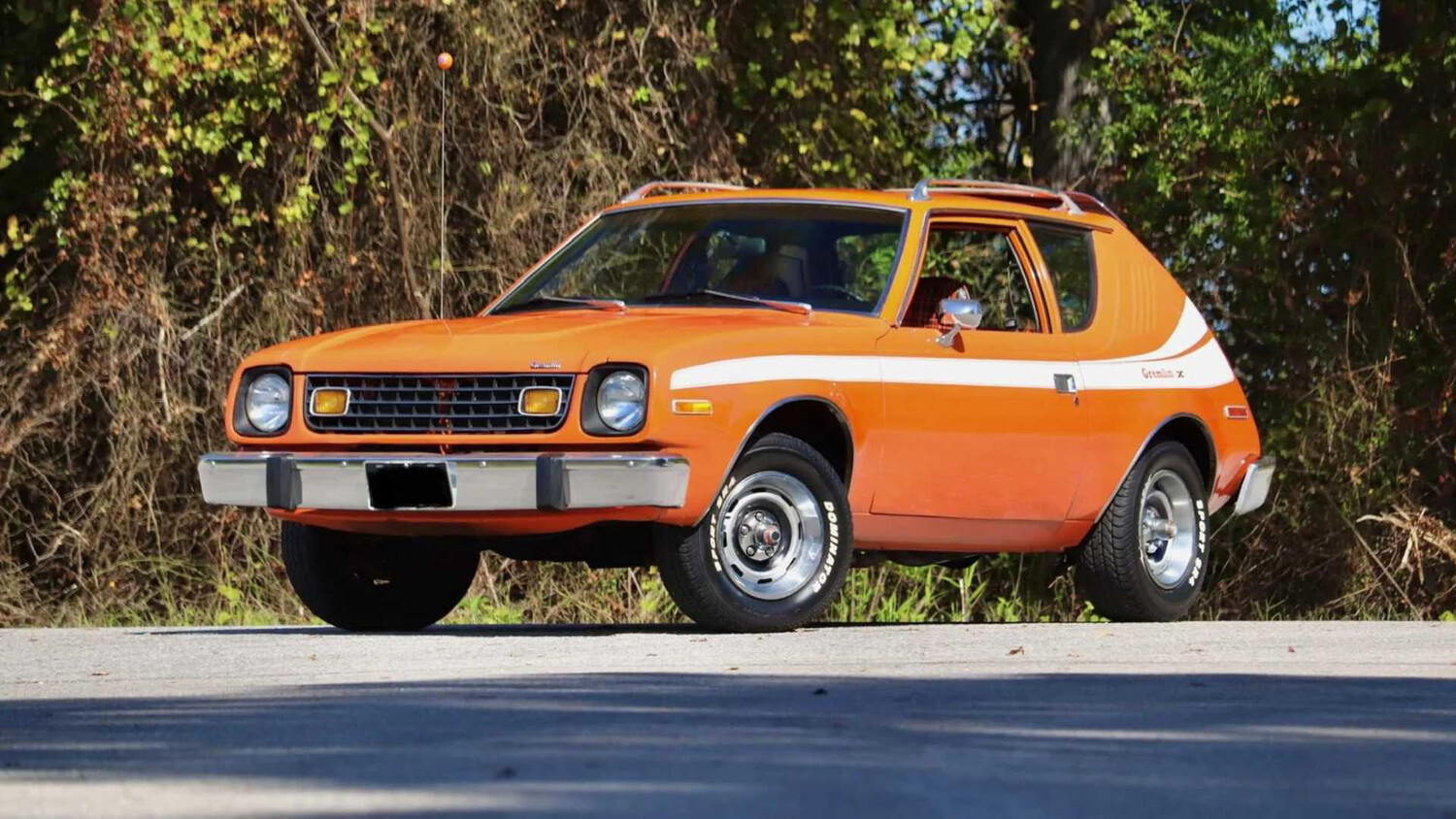
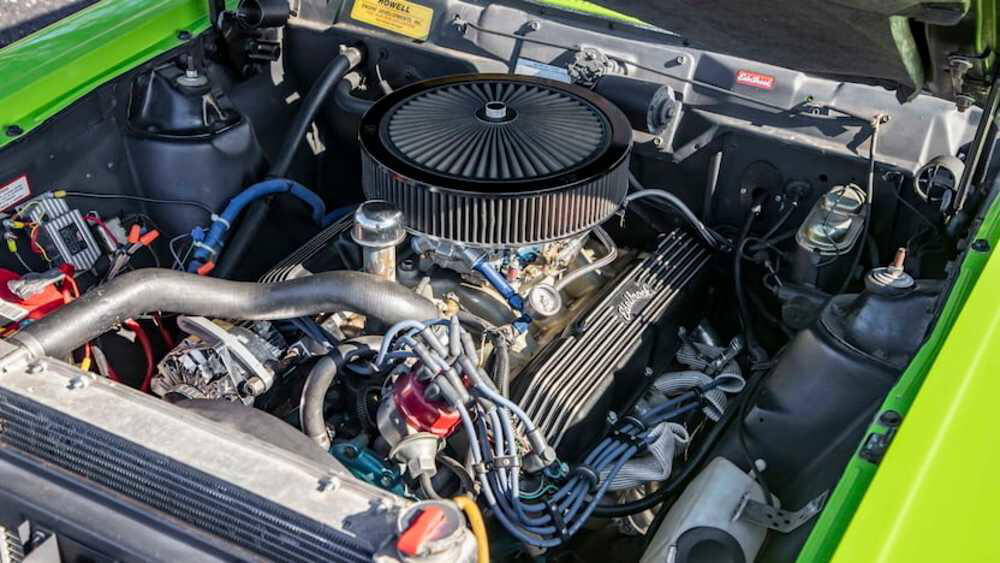
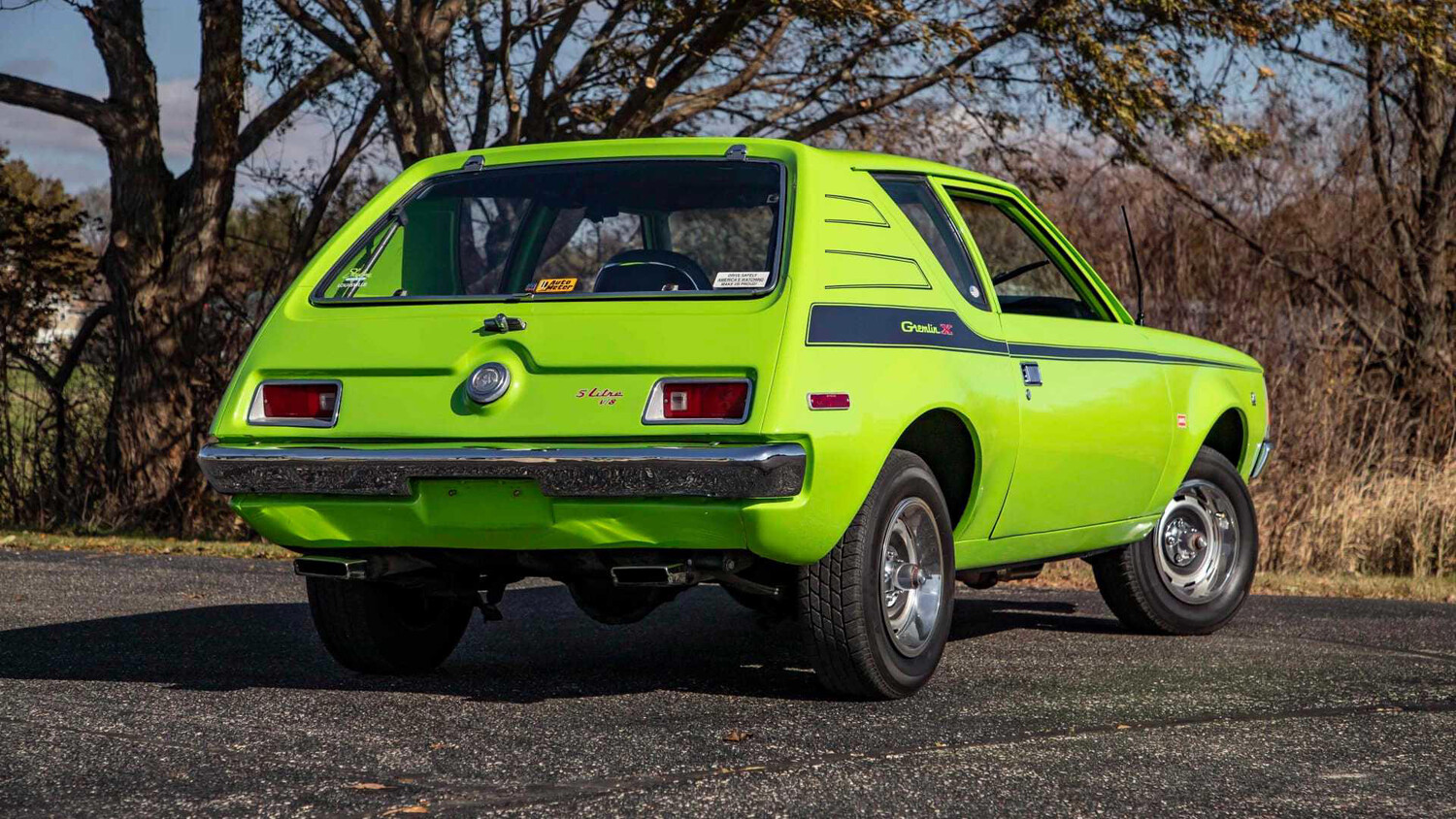
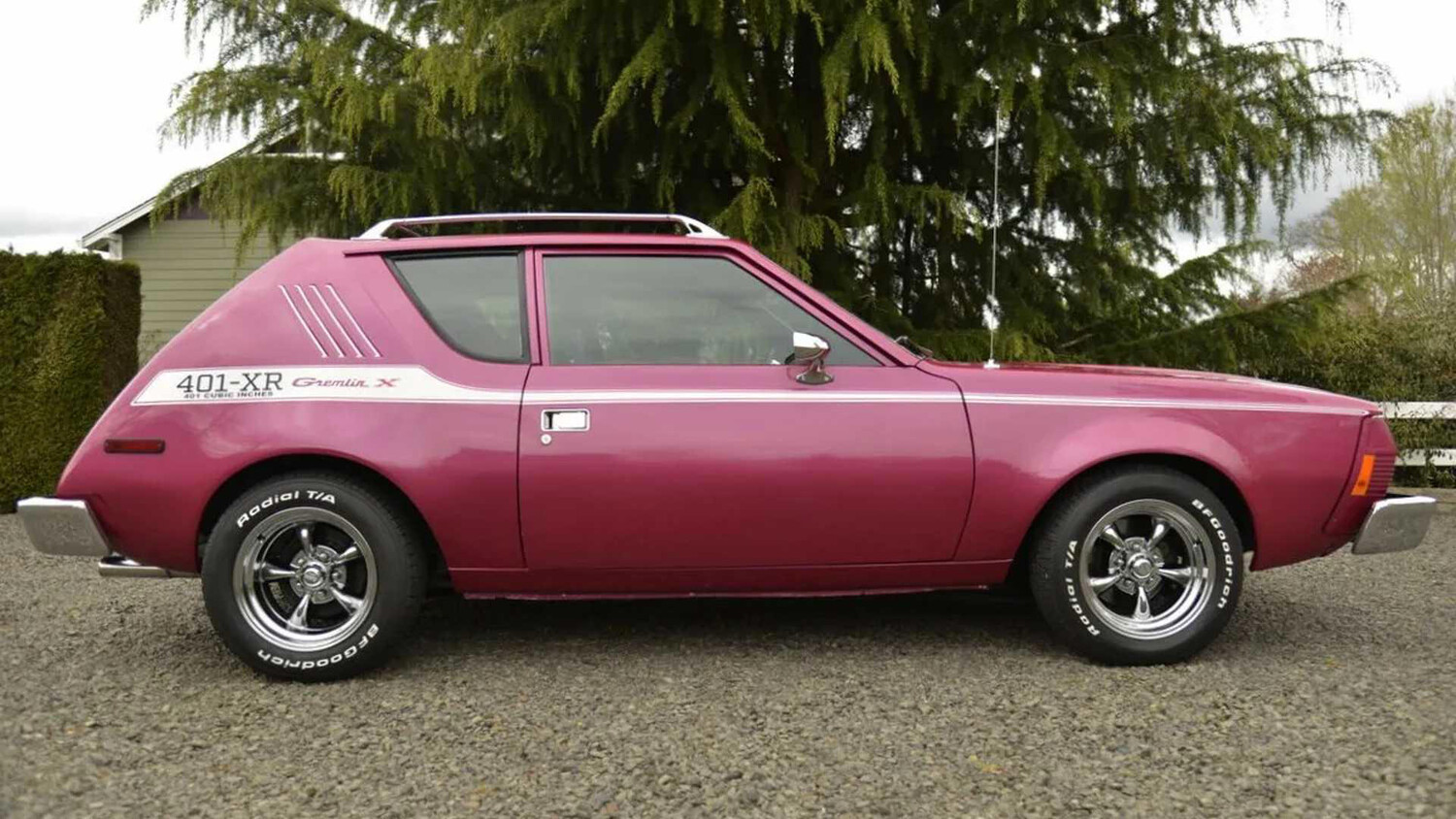
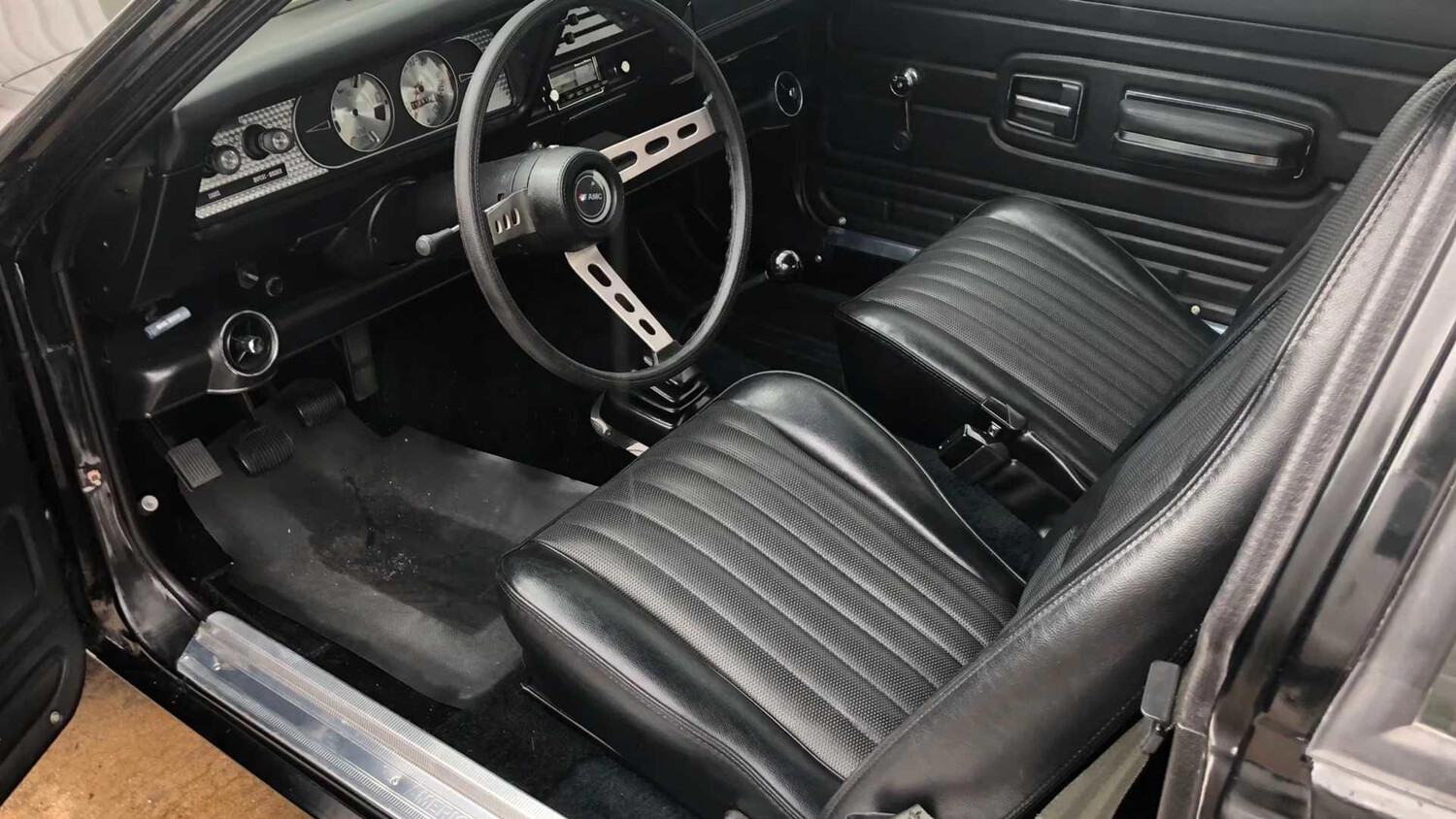
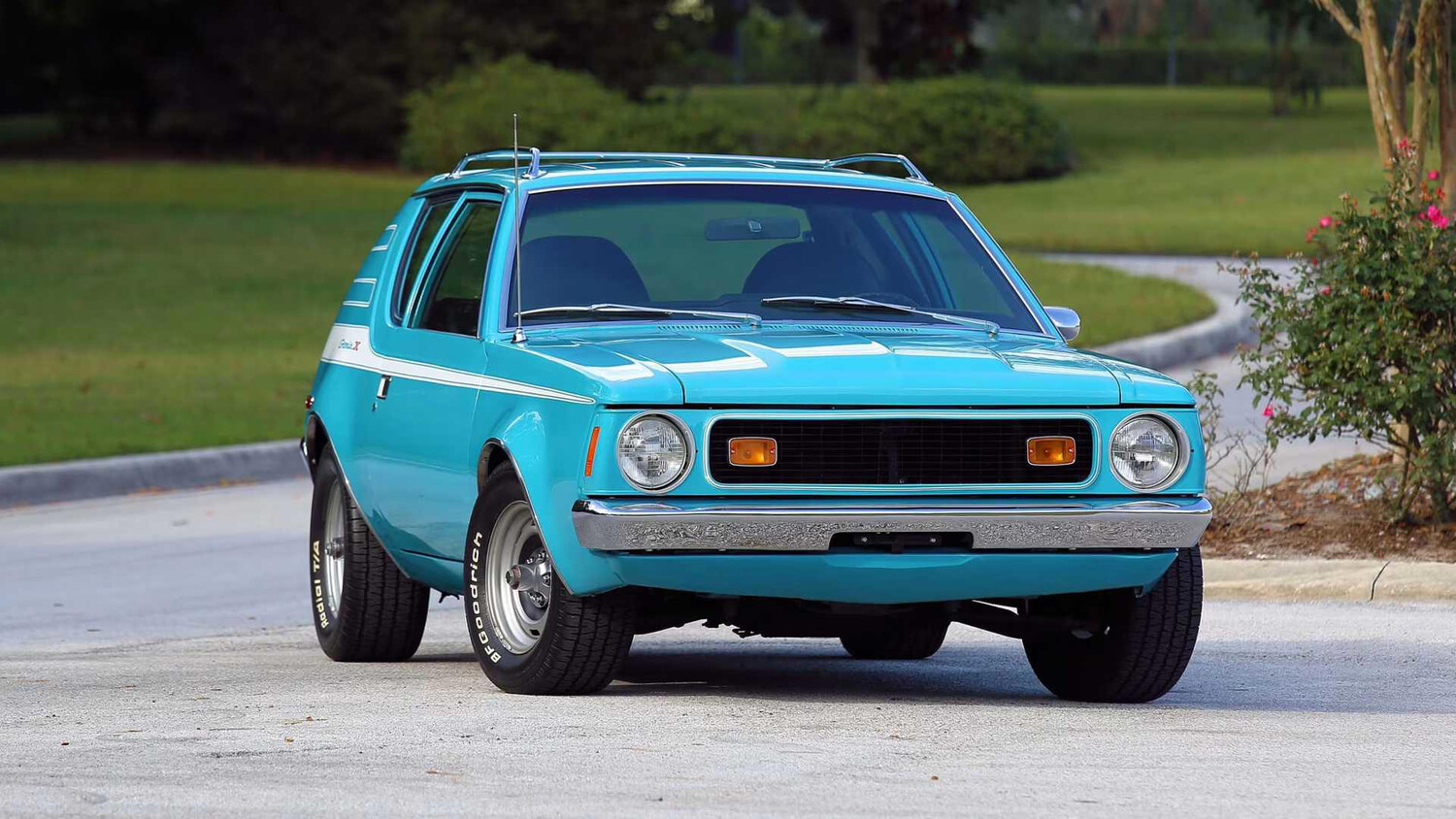
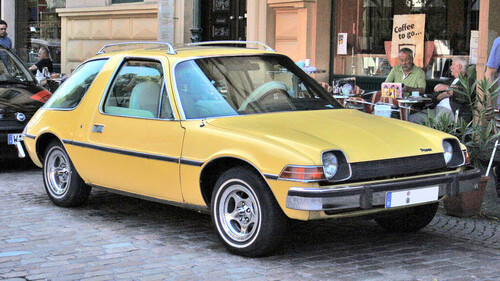
During the closing years of the 1960s and into the early '70s, America's automotive landscape belonged to high-horsepower muscle cars, full-size family cruisers, and cavernous wagons. Yet amid this sea of conventional offerings, one unusual compact arrived that would fundamentally reshape our understanding of small-car performance. What made it remarkable? It carried no storied badge, nor did it emerge from Detroit's Big Three. Perhaps more surprising still, nobody even called it a "hot hatch" at the time—the term hadn't yet entered the American vocabulary.This overlooked pioneer has largely faded from collective memory. Ask most car enthusiasts to name the first hot hatchback, and they'll point to the Volkswagen GTI – particularly on this side of the Atlantic. But the real story begins much closer to American soil. Surprisingly, its lineage connects directly back to those tire-shredding muscle cars of the 1960s. The AMC Gremlin X Was A V8-Powered Hot Hatch Bring a Trailer In keeping with the competition – Chevy's Vega, Ford's Maverick, Volkswagen's Beetle, and Toyota's Corolla – AMC offered the Gremlin in a variety of trim levels suited to different price points. The budget-oriented base models were meant to show buyers how affordable the car could be; however, the top-of-the-line performance options were intended to cater to enthusiasts.AMC first offered the 'X' as an appearance/equipment package in 1971, with body stripes, rally wheels, and a blacked-out grille distinguishing it from the standard models. The following year, the Gremlin gained some grunt to match its sporty looks – AMC squeezed a massive 304 V8 into X-optioned cars. It was revolutionary. The Gremlin's Styling Broke The Compact Car Mold Bring a Trailer As the 1970s dawned, American car buyers watched the industry pivot away from the sprawling luxury sedans that had defined the previous decade, embracing instead a new generation of tighter, more sophisticated coupes. But even within this shift toward smaller vehicles, the Gremlin was an outlier. Park it alongside contemporaries like the Ford Pinto or Chevrolet Vega, and AMC's scrappy newcomer looked noticeably shorter, almost stubbier. That abruptly truncated rear end sparked debate from the start: admirers saw flowing, rounded character; detractors saw a design that appeared incomplete.Bring a Trailer The car's diminutive dimensions proved equally controversial. At its 1970 launch, the Gremlin stretched just 161 inches from bumper to bumper, riding on a mere 98-inch wheelbase. AMC had fully committed to the compact philosophy and wore it as a badge of honor, promoting their creation as "the smallest production car made in America." They even drew favorable comparisons to the Volkswagen Beetle, highlighting similar overall dimensions and maneuverability. While hatchback proportions feel perfectly natural to modern eyes, this pint-sized AMC struck many as peculiar in its era – particularly coming from a domestic automaker. AMC Gave The X Muscle Car Credentials Bring a Trailer AMC introduced the Gremlin in 1970 with a pedestrian 3.3-liter inline-six. At launch, the car made a little over 100 horsepower, and AMC touted it as having "the best gas mileage of any production car made in America." With time, that grew to become a 3.8-liter inline-six, and AMC even offered an optional 4.2-liter inline-six, though those were still economical in their performance. AMC Gremlin X Engine Specifications Via: Mecum The real fun came in 1972 when AMC gave the Gremlin X a 5.0-liter V8. The same 304 as featured in the infamous AMX, it was good for 150 horsepower and 235 lb-ft of torque, and it made the Gremlin one of the smallest cars to be offered with a V8 from the factory. In typical AMC fashion, the Gremlin line offered options aplenty. Whether it was heavy-duty suspension, power discs, a three-speed Synchromesh, or a Chrysler TorqueFlite, buyers could spec their X to their heart's desire. AMC Basically Made It Boxy Budget AMX MecumThe AMC Gremlin shared more than its engine withthe AMX. In designing the plucky little compact, AMC had looked to its AMX GT concept car for design inspiration. The production Gremlin carried strikingly similar proportions to its parent, though it was shortened and scaled for affordability.In a period review, Hot Rod Magazine put the two AMCs head to head, weighing everything from initial MSRP to cost of insurance in their comparison. For instance, writer Steve Kelly highlighted that the Gremlin "has a one-inch-shorter wheelbase, yet its overall length is nearly 16 inches less, while the tread width is within one inch of being the same as on the old AMX. With the Gremlin, you can get a larger V8 than was standard in the first AMX and, if you need to, a passenger load of four."Via Mecum Auctions The comparison was made even more interesting when you considered the price. As Hot Rod found, "When we ordered our Gremlin X, we loaded it with just about everything you could check off on the order blank, except air conditioning and automatic transmission. The total price came out under $3400, which is within shooting distance of the original 2-place AMX base price ($3,245) when it was introduced in 1968. The Gremlin X is an economy AMX."In making the Gremlin a parts bin special, AMC had imbued the little hatch with the AMX's muscle car spirit. AMC Also Made A Super Hot 401-XR Bring a TrailerBetween 1972 and 1974, a Mesa, Arizona dealership created one of the most extraordinary performance packages to ever wear an AMC badge. Randall Brothers AMC, already well-established in the performance community since 1967, received AMC's unofficial blessing to build just 21 Gremlins equipped with the exclusive 401-XR package—20 designated for street use, plus one purpose-built drag racing monster. The conversion was remarkably straightforward: thanks to identical external block dimensions between the 304 and 401 V8s, Randall could swap in AMC's 255-horsepower 401 cubic-inch powerplant without special fabrication. The hefty suspension and brake upgrades already included in the 304 V8 Gremlin X made the installation nearly plug-and-play.Bring a Trailer At $2,995 (equivalent to roughly $22,500 today), the 401-XR commanded nearly $800 more than a base Gremlin but undercut heavier factory muscle cars offering comparable horsepower. Stock 401-XRs could blast through the quarter-mile in the high 13-second range, but Randall offered a menu of upgrades including headers, aggressive camshafts, high-rise intakes, and Twin Grip limited-slip differentials. When Car Craft magazine tested a fully-optioned example in spring 1972, they recorded an astonishing 12.22-second pass and christened it the "Street Sweeper."Externally, aside from discreet 401 badges applied by the dealership, these pocket rockets were virtually indistinguishable from standard Gremlin X models—making them true sleepers. Today, the 401-XR stands as one of the rarest American performance cars of its era, with its limited production run and dealer-conversion status making authentication challenging, though surviving examples command premium prices when they surface at auction. 401-XR Gremlin Highlights The 401-XR made 345 lb-ft of torque despite weighing only 2,600 lbs X stood for the AMC factory appearance package and R for Randall Brothers AMC sent 20 401 engines to the Randall Brothers, so 401-XRs are extremely rare The Gremlin Was Quirky And That Made It Good MecumWhile larger, more financially well-off manufacturers like General Motors and Ford had the resources to design their compacts in the Vega and the Pinto, AMC was far from cash-flush. The smaller automaker had spent $70 million on the failing Kaiser Jeep division, and the Gremlin was therefore developed for as little as possible.Mecum AMC essentially truncated a Hornet in order to create the Gremlin, designing a sharp hatch to finish off the rear. It wasn't intended to be exotic or luxurious; rather, it was marketed as something that was almost "cute" or "quirky" in its personality. However, the strategy was polarizing – some viewed the Gremlin as a joke, and its April 1st debut date did nothing to inspire confidence in the design.Mecum Even still, the onset of the OPEC crisis and the resulting surge in fuel prices made the little AMC incredibly popular. In contrast to the rust-ridden Vega and the fire-prone Pinto, the Gremlin was a true example of a tough American-built economy car. AMC sold some 671,475 Gremlins between 1970 and 1978. Small potatoes compared to the likes of Chevy, but it was enough to make the Gremlin the automaker's second-best-selling model. AMC Gremlin Production Emissions Strangling Killed The Gremlin X Like many other cars of the malaise era, the Gremlin X met an untimely demise at the hands of ever-tightening emissions standards. Come 1976, US EPA regulations had reduced the power in the 304 V8 to a mere 120 horses. Consequently, appeal for the engine option slowed, and AMC dropped the model from the lineup by the middle of the year. AMC Paved The Way For American Hot Hatches MecumThe Gremlin ranks among the first hot hatchbacks made here in the States, but that's not to say it's the only example. If you're a fan of offbeat American cars, the Dodge Omni GLH is sure to strike a chord. Chrysler launched the front-wheel-drive subcompact in an attempt to compete with the Volkswagen Rabbit in 1978. Come 1984, Caroll Shelby helped develop the GLH or "Goes Like Hell" Omni. With time, the car received a turbocharged 2.2-liter inline-four, stiffer sports suspension, improved stopping power, and larger tires. Dodge Omni GLH-T Engine Specifications Shelby Made An Even Faster Omni BaT The Shelby GLHS made 175 horsepower 12 lbs of boost enabled a 6.5-second 0-60 mph time Shelby removed the limiting peg from the 85-mph speedometer The GLHS used stickers to denote the new 130-mph top speed Chrysler eventually killed the Omni GLH, but Caroll Shelby remained convinced of the car's potential. Accordingly, he purchased the 500 remaining GLH-T (turbo) cars for the 1986 model year and decided to modify them in his own shop. He fitted a larger Garrett turbo, a bigger throttle body, injectors, and some improved plumbing, resulting in the Shelby GLHS (Goes Like Hell S'more).Sources: Hagerty, Silodrome, Hemmings.