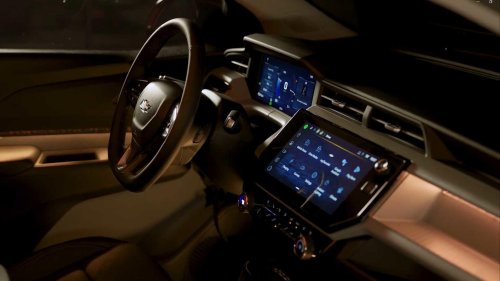
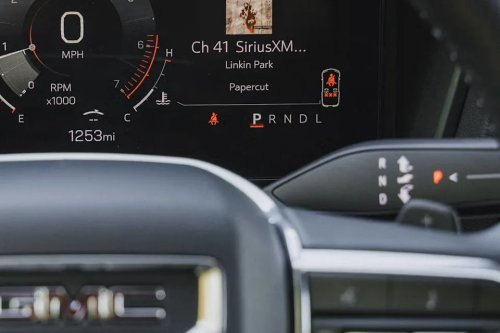
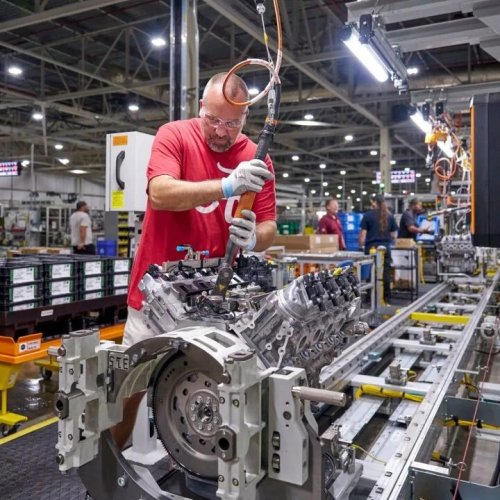
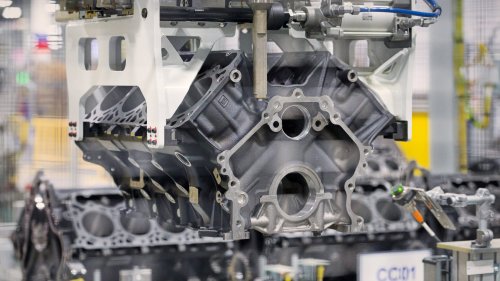
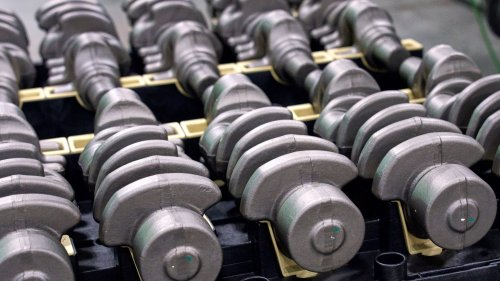
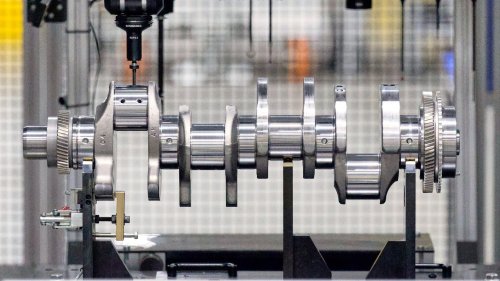
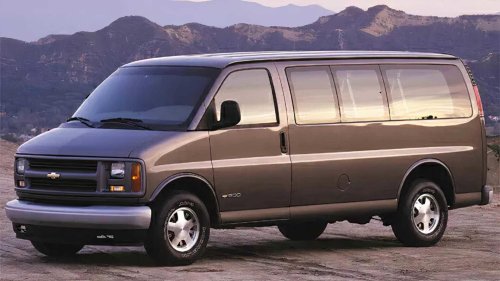
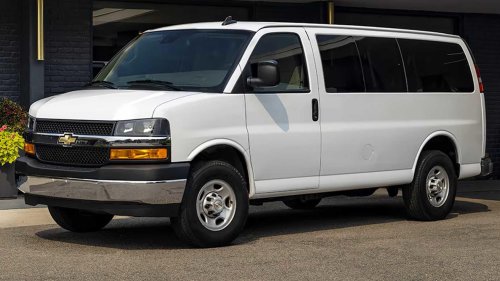
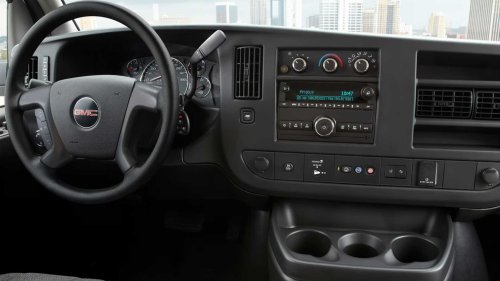
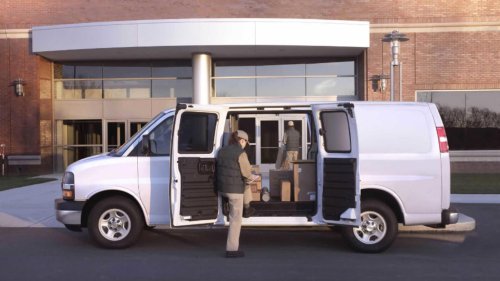
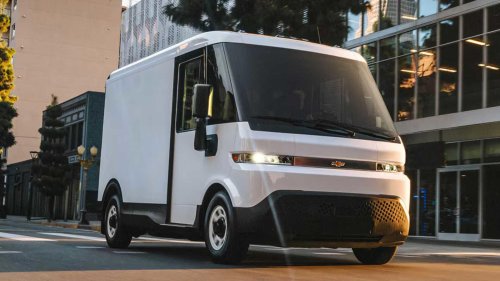
You could probably think of a handful of model names that have been around for quite some time. The Ford Mustang has been prancing in the streets for over 60 years, and Porsche has been cranking out 911s von Stuttgart since 1964. As far as some of our favorite muscle cars and sports cars go, they’re rivaled by one vehicle that’s been around in its current form for far longer than you might think.The 2026 Chevrolet Express has looked the same since 2003 after it was refreshed from the original which went on sale for the 1996 model year. Replacing the equally-geriatric for the time Sportvan, the Express was a more capable vehicle that you could work out of, take on vacation, or be shuttled to the airport in if you didn’t feel like cruisin’ America in a converted one. The best part is it still does this today, and no, it’s not just a nameplate continuation. The van is still in production today as it has looked since 2003. Pre-Facelift: 1996–2002 ChevroletKicking-off GM’s iconic workhorses were the Chevy Express and GMC Savana, replacing their respective marque’s established nameplates. The Chevy Sportvan and GMC Vandura would cease production in 1995, finishing the long marathon that began for the 1964 model year. Both the Express and Savana were given access to GM’s arsenal of redesigned Vortec engines, a plethora of gas-powered options plus a diesel engine as well, with each bolted to a four-speed automatic transmission. 2003–Today ChevroletThe most exciting edition to the redesigned vans for 2003 were the rear doors on both the driver's and passenger's sides. AWD was also added to 1500 series vans from 2003 to 2014, along with revised engine options. A diesel power plant would bow out of the lineup until 2006, when a 6.6-liter V8 diesel was added and made available until 2016. Slotting in the V8 diesel’s place would be a 2.8-liter turbo diesel for 2017–2022 models.Today, the Express and Savana come with a few engine options, along with door configurations and wheelbase lengths that have made it versatile enough to withstand its 30-year run. Only 2500 and 3500 models are for sale in both cargo and passenger configurations, with your choice of either engine: a 4.3-liter V6 or 6.6-liter V8. The duo is paired to an eight-speed automatic, with the beefier V8 getting GM’s heavy-duty version. Why Is It So Old? GMCFirst off, rude. Second, I share in your query and are determined GM is employing the pretext “if it ain’t broke, it’s making money.” And making money it is.These vans are GM’s cash cow, which the company has been milking since last century. Just in the last 15 years, GM has sold over 1.3 million Express and Savana vans, no doubt raking in tens of millions in profits. Last year, GM saw a considerable increase in sales, spotlighting the auto giant’s steamrolling success with this aging yet flexible platform. It handles multiple powertrains and drivetrains as we’ve seen, not to mention its timeless design does not need any re-tooling yet.Inside, it’s “hello 2008.” The steering wheel, gauge cluster, center console, and seats have remained frozen in time—clad in recession-gray colored plastics and cloth seats. Everything you touch is plastic. The dashboard is plastic, and so are the door cards. If this thing had any more plastic, it’d be a Kardashian. The vinyl floor is grippy and if you tick the box for the vinyl seats, you could hose this thing out no problem if your passengers don’t take well to the roads you’re on.Back before large screens ruined the landscape of dashboards, simple ergonomics prevailed. Buttons and dials for the radio are just a slight reach away with the only steering wheel-mounted controls being the cruise control. Luxuries include air conditioning, a center console storage bin, and a whopping three whole cupholders up front. Once the back-up camera was mandated in all vehicles sold in the US, GM added a rearview mirror which displays the camera feed in a small square inside the mirror. Major Use Cases ChevroletThese vans are used across trades for their configurability and catalogs of aftermarket options. The 12 and 15-passenger vans are used for everything from airport and hotel shuttles to personal private jets for the road. Utility Vehicles In most cases, these vans are purchased by companies for use in their fleets to provide services of all kinds. In 2022, there were rumors of GM canceling its archaic vans to make room for a new model said to ride on the Ultium EV platform. The BrightDrop EV was the make’s newest cargo van but has been canceled after just four years of production. Conversion Vans Conversion vans were all the rage starting in the 1970s, with nomads throwing everything from bean bags and shag carpets to waterbeds and lava lamps to denote the times. In the late 1990s and early 2000s, luxury vans were produced by a few companies which shoved recliners and TV sets in the back, even raising the roof an extra few feet to accommodate movement about the cabin. Campers The latest craze, which pays homage to the original leisure-oriented use cases, are the vans retrofitted to conform with the “van life.” One company, VanLab, offers pre-fabricated kits made of plywood available to purchase and install into your vehicle. That’s a more bare-bones approach compared to the companies that go all-out on installing 4x4 drivetrains, lift kits, and exterior scaffolding to develop the ultimate camping overlander. What’s The Future Hold? ChevroletNo official word has come from GM about the Express and Savana’s replacement, but we do know about the new Express Max cargo van which has gone on sale in Mexico thanks to GM Authority. An electric version of the van was announced this past December, but there has been no official statement from the company regarding models reaching the US.The shakeup of electric vehicles within GM’s lineup might extend the life of its vans, but who’s to say it won’t crank out a revised model after its newest V8 engines from its Tonawanda Propulsion plant in Buffalo, New York. It’s handled a slew of engines throughout its life, so the story shouldn’t change too much with the new engines.When Ford threw in the towel on the Econoline van, it ended an equally long-running model that served the same purpose. The Transit started life in 2013, becoming the more comfortable and modern offering compared to GM’s sister vans. The Econoline lives on today sans everything after its front doors. The E-Series Cutaway cab, while not a complete vehicle, is Ford’s oldest model on sale in 2026.If GM finds the humor in continuing to produce the same vehicle for three decades, we have no doubt that this joke could stretch to 35, maybe even 40. But the chances of that are unlikely as fuel efficiency standards will surely become stricter and customer needs will exceed what is offered as standard. So as far as we can tell, GM’s old-school vans will remain relevant for as long as its brutalist plastic and nostalgic vibes are considered strong marketable features.



















 +64 others