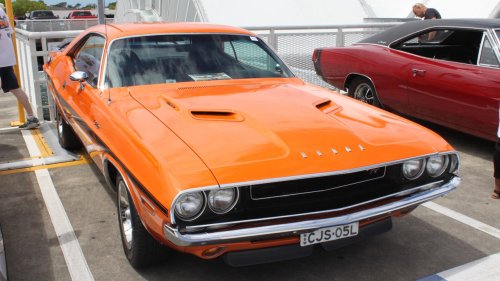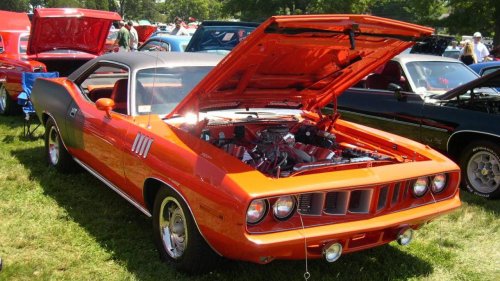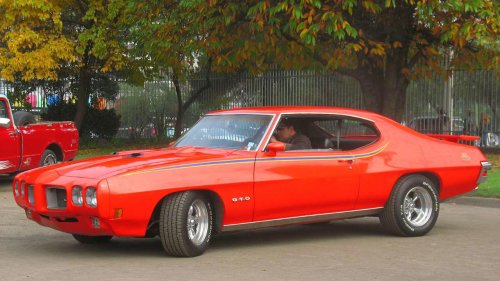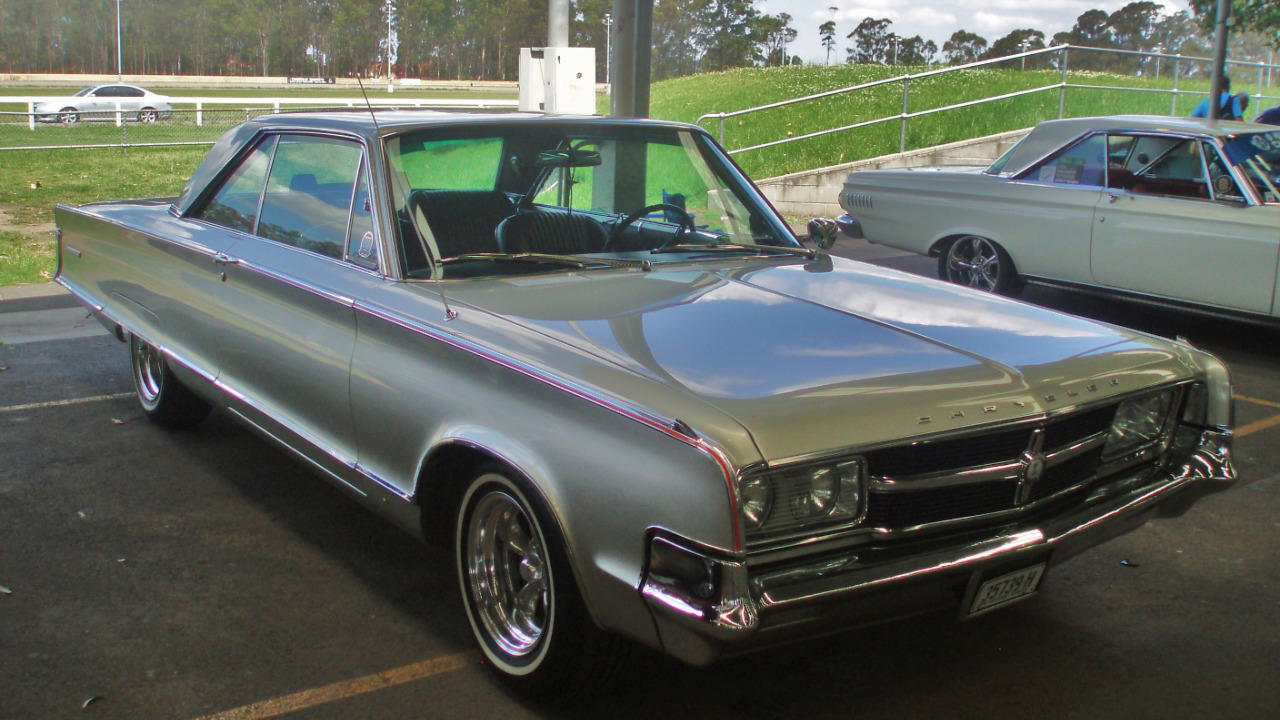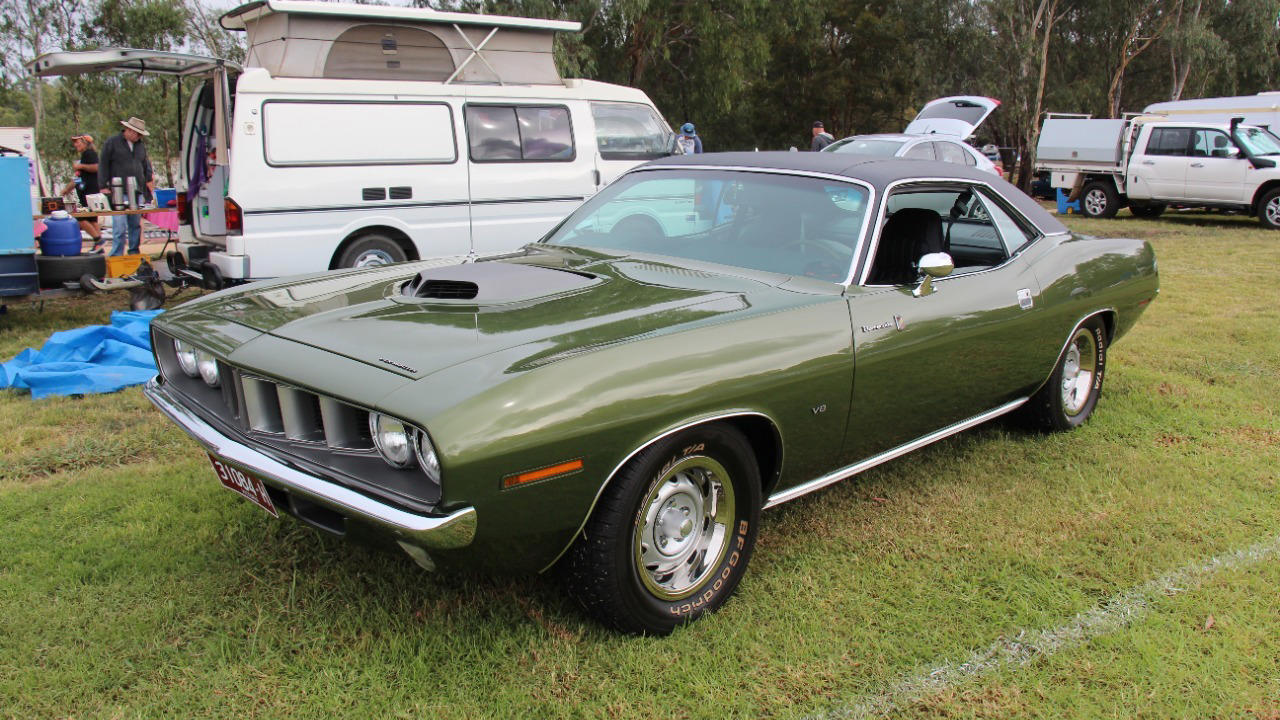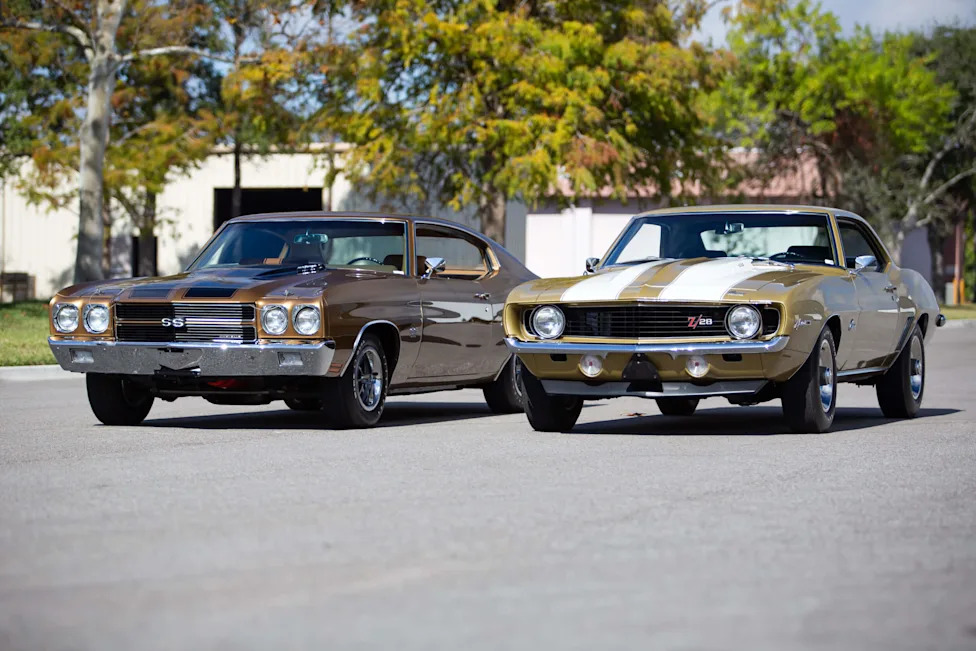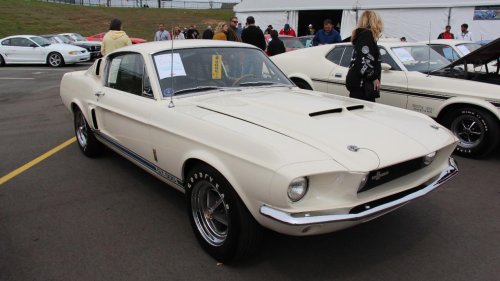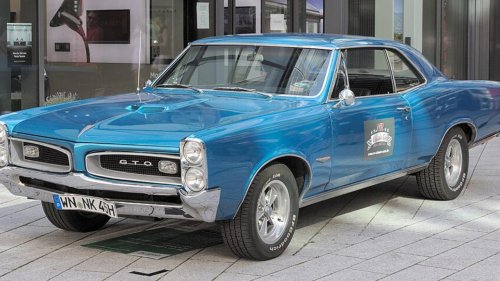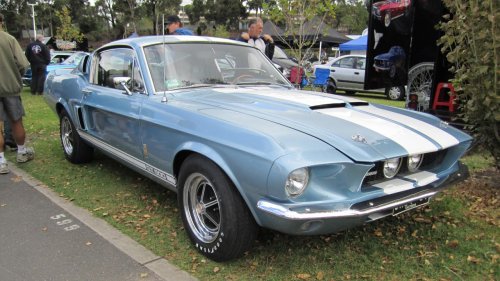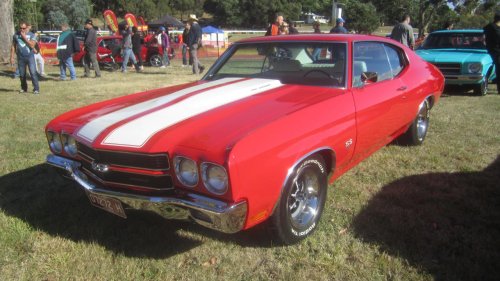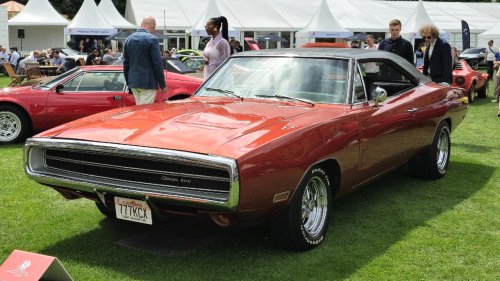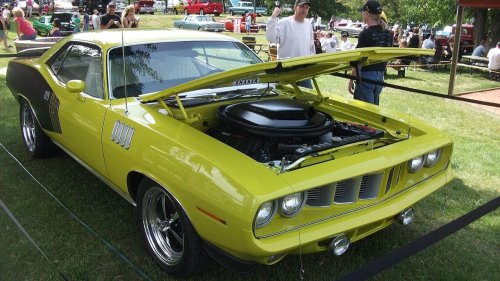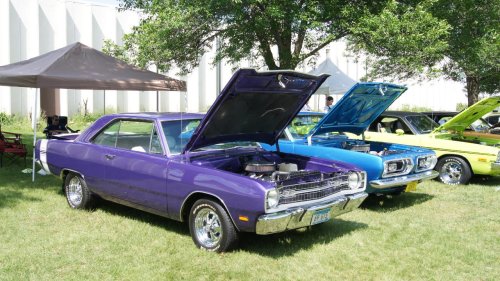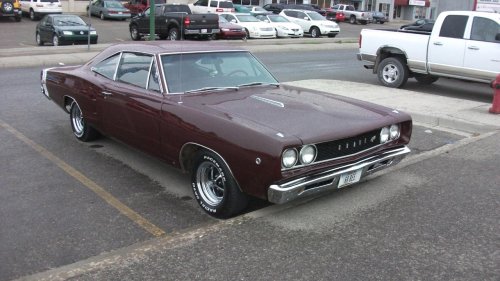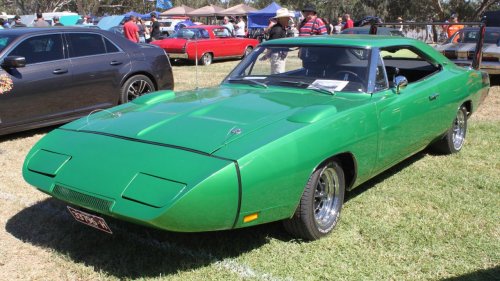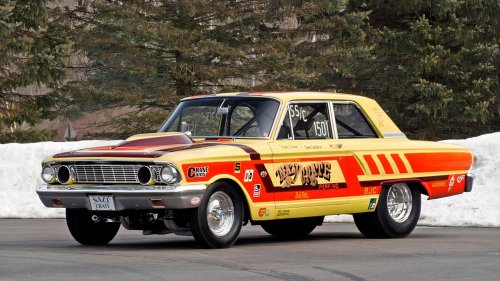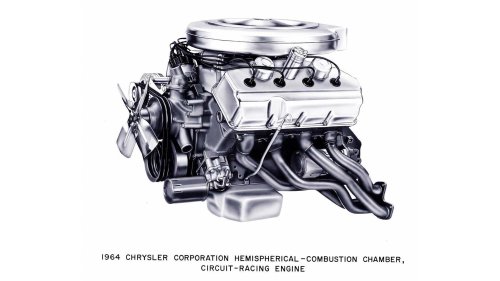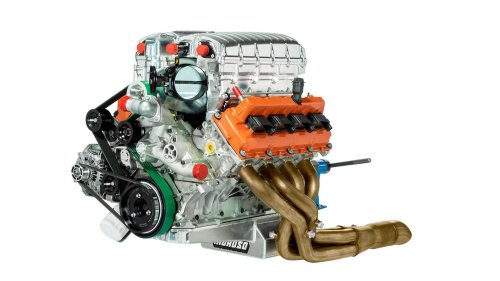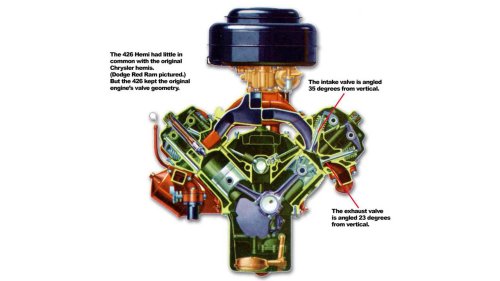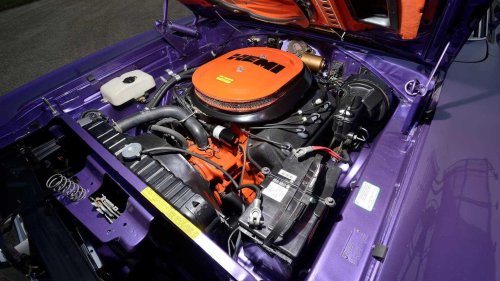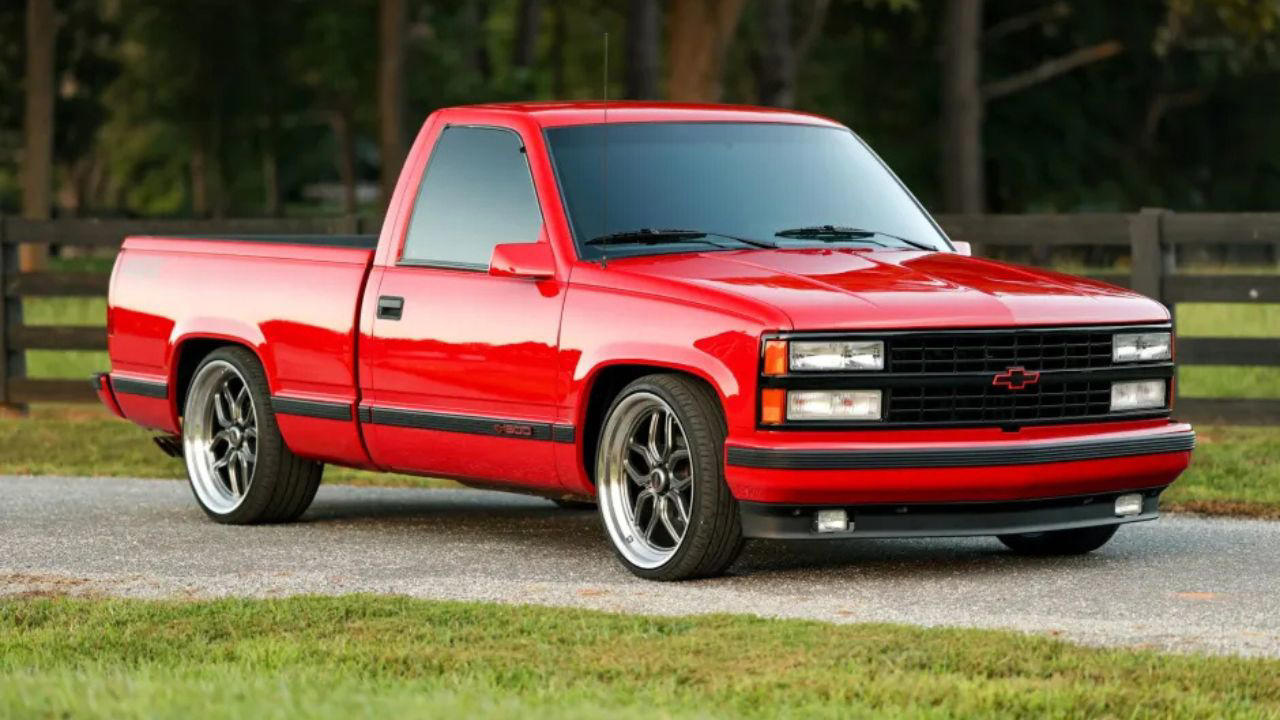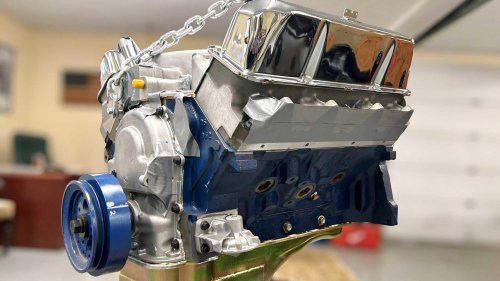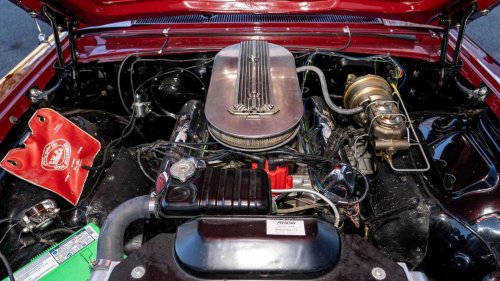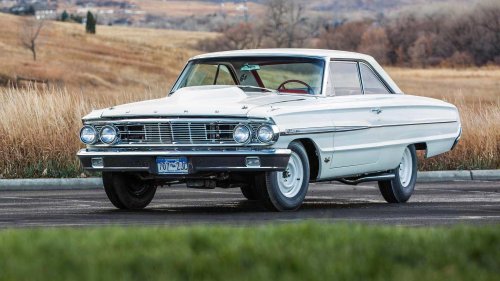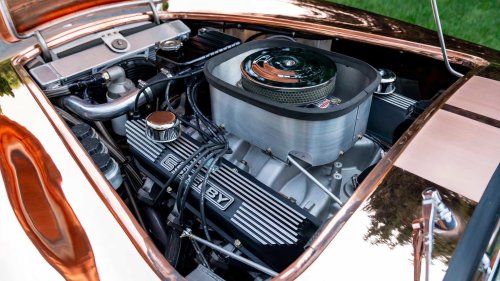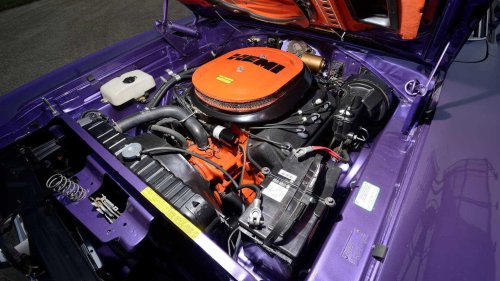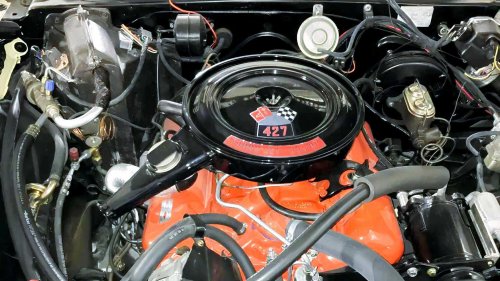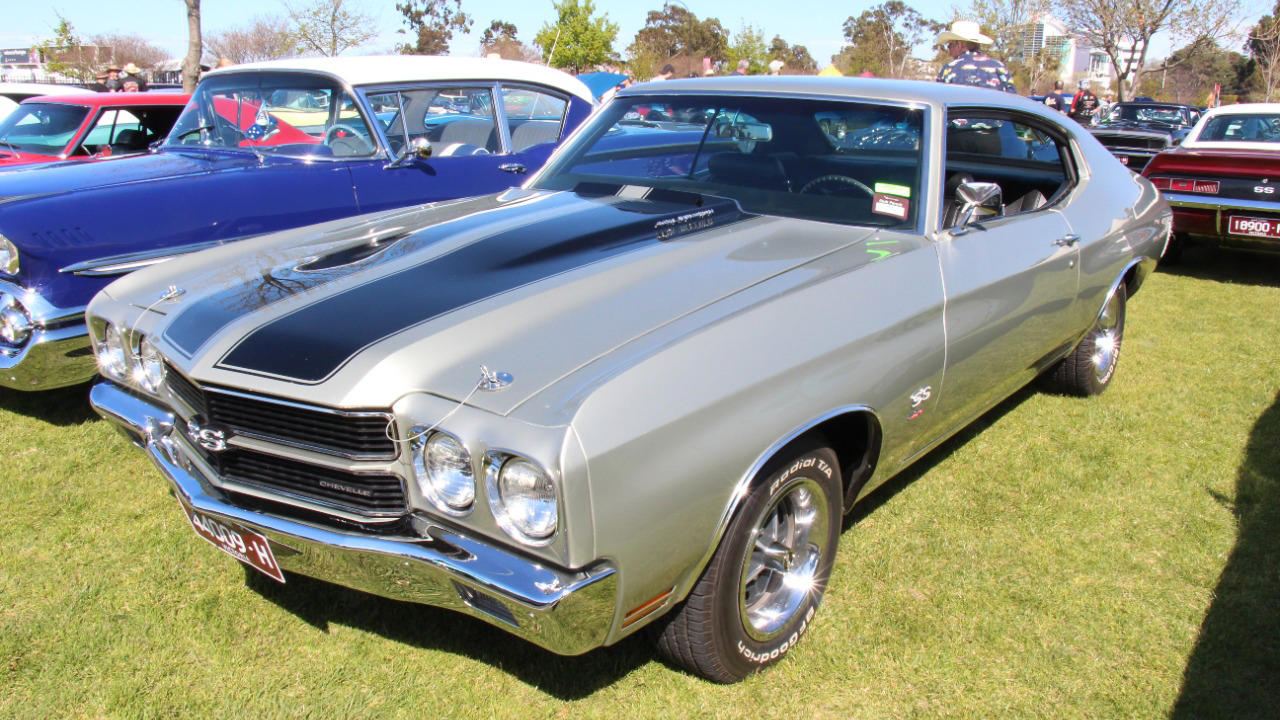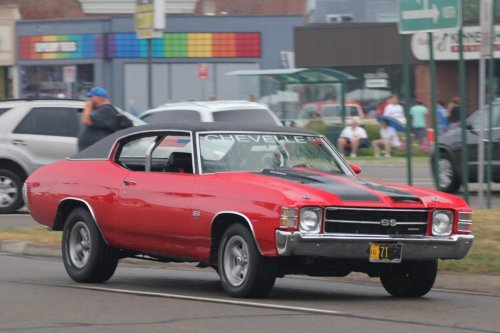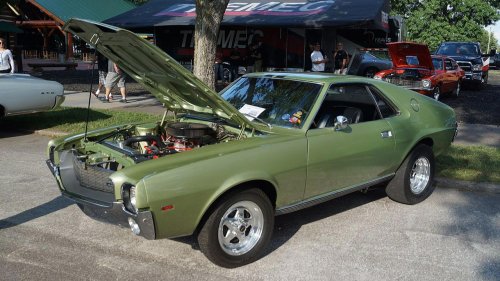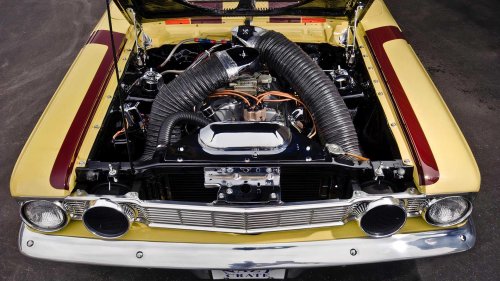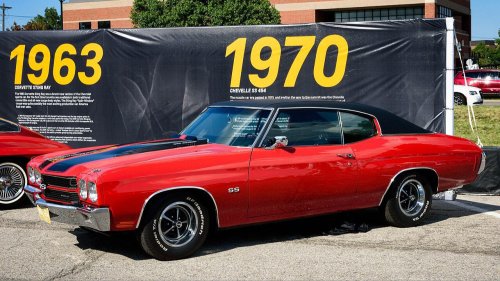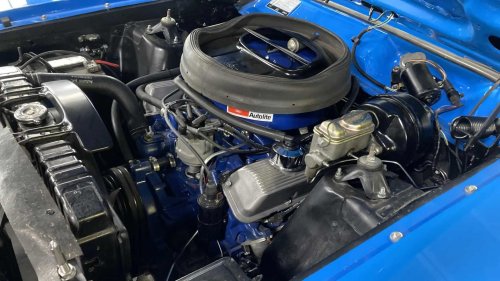
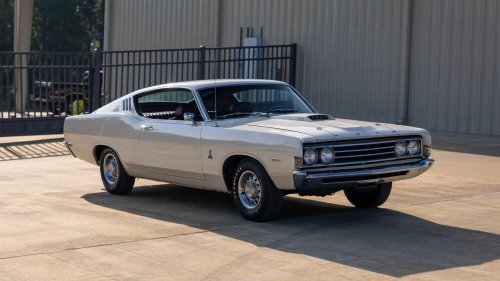
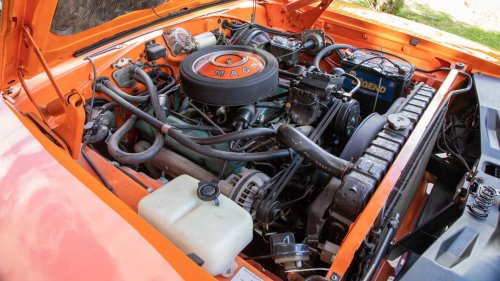
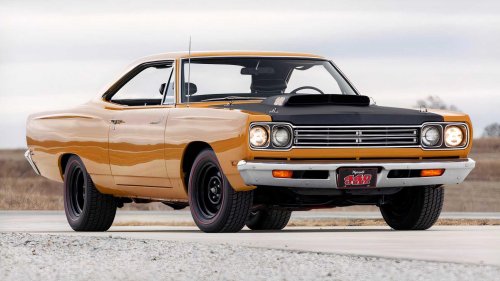
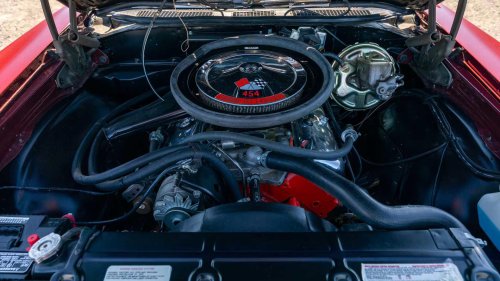
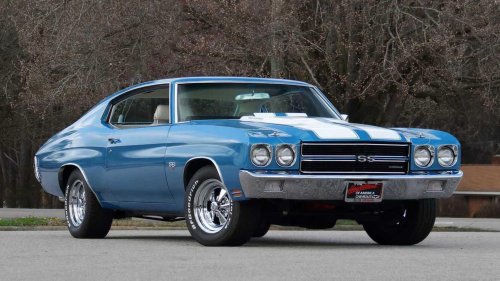
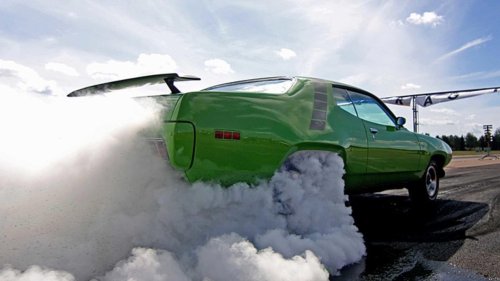



















The horsepower wars of the 1960s are characterized by automakers producing full-on doomsday machines with no holds barred. These muscle cars were sharp, unfiltered, and, while respectable in stock form, offered the performance potential to keep them at the front of the pack sixty years later. They were defined by sculpted sheet metal and monstrous big-blocks.The 'Big Three' took turns trading blows with more and more wicked versions of flagship cars. While every model year was a bit more radical than the last, three things stayed constant at the top of the food chain. They were the 428, 440, and 454 V8 engines. They certainly weren’t alone, but these were the big-blocks that powered the masses, defining an entire era of street performance enthusiasts can’t stop celebrating to this day. Ford 428: The Masterpiece You Don’t Hear Enough About Bring a TrailerFord delivered some of the meanest performance engines of all time. Sure, its performance division is mostly remembered for small-block-powered Pony cars, but big-blocks were on the menu, too. And if you were rolling in a big-displacement Blue Oval back in the day, chances are it had a 428 Cobra Jet under the hood.In the first half of the 1960s, Ford was making waves with the legendary 427 engines. On domestic tracks, it was decimating the competition by way of its factory drag racers, like the mighty Thunderbolt. On the European front, the side-oiler was burying Ferrari under the finish line of Le Mans.Mecum Ford 428 Cobra Jet Specs In 1967, the Mustang was given big-block power, but it fell short of expectations. The 390-cubic-inch mill was underwhelming at best. With the other manufacturers dialing up the heat with their own big-block cars, this put Mustang sales in the red. Bob Tasca, a prolific Ford dealer, decided to do something about it. He took the free-flowing heads from the successful 427 and bolted them onto the police interceptor 428 short-block based on the same FE platform with some modifications.Tasca called the combination the KR-8 and began marketing it to help push Mustang sales. It worked so well that Ford brought it into the fold, officially naming it the Cobra Jet. With a conservative rating of 335 horsepower and 440 lb-ft of torque tied to it, this became Ford’s big-block of choice for everything from Mustangs to Torinos. The performance potential and Drag Pack option made the Cobra Jet a thing of legend and something you'd want to steer clear of at a stop light. Mopar’s Mighty Magnum 440 MecumWhen people think about Mopar muscle, the 426 Hemi tends to dominate their brainwaves. While it is arguably the greatest V8 race engine ever made, it didn’t make the best street engine. With a propensity for top-end performance and a detune from its race version for production cars, they were kind of lousy down low. The 440 offered muscle where it counted for the masses.The 440 debuted in 1966 as the mill of choice for Chrysler’s full-size lineup. It didn’t take long for Mopar to make it a performance legend. In 1967, the 440 became the standard option for the legendary R/T package on its mid-size muscle cars.Mecum Mopar 440 Six-Pack Specs While the 440 tends to live in the shadow of the elephant, you shouldn’t doubt its racing performance. It is, after all, the successor of the legendary Max Wedge engines that dominated the drag strip just a generation prior. Not only did it have the low-end grunt to make it a happy street car, it also had the potential to put the Hemi in its rearview mirror.With a four-barrel carburetor up top, a prime 440 could produce 375 horsepower and 480 lb-ft of torque. This is enough to keep up with the Joneses, but halfway through the 1969 model year, Mopar went for broke and released the legendary Six-Pack motors. With three Holley two-barrel carbs up top, these new variants produced 390 horsepower and 490 lb-ft of torque. While the A12 cars that bore them had official times in the mid-to-high 13s, pacing behind the Hemi, they had more in them. Ronnie Sox of Sox and Martin proved it when he ran a 12.91 quarter-mile with all-factory hardware, effectively making it the quickest package of the era. King Rat: All Hail The 454 Mecum The big-block Chevy deserves more of your respect than you think. Despite being the biggest performance engine from General Motors, it tends to live in the shadows of the Chevy small-block and LS family. Most of today’s performance builds lean on those mills due to accessibility and value. However, the reality is that the 454 may be the most well-rounded V8 engine ever developed, so long as fuel economy isn’t a major concern.The 454 arrived late to the party, debuting for the 1970 model year. However, it was the evolutionary successor of some of the absolute nastiest engines ever to grace this earth. Before it got here, the legendary 427 cubic-inch big-blocks had already been putting a hurting on the competition, famously through Chevrolet’s COPO system. Whether it was an L72, L88, or ZL1, the last place you wanted to find yourself was on the business end of Chevrolet’s big-block.Mecum Chevrolet 454 LS6 Specs Chevrolet’s ‘rat’ engine earned its name for being the big brother of the coveted small-block ‘mouse’ engines that are said to have earned their name by being the only thing the 426 ‘lephant’ feared. Though, the big-block Chevy was technologically superior in every measurable way. Durability and displacement made the BBC a natural contender for any performance build. However, the canted valves gave the top end the flow it needed to mesh low-end grunt with follow-through up top to make it a viable choice in every setting. It was so good that Chrysler even planned to copy it for the lost generation of Hemi engines.By 1970, the horsepower wars were at their peak. If Chevrolet were to introduce a new contender, it’d need to be a weapon of mass destruction. The 454 did not disappoint. While there were multiple versions available off the rip, the LS6 is the one everyone remembers. The official rating of 450 horsepower and 500 pound-feet of torque made it the most potent engine developed in the era, instantly propelling the 1970 Chevelle SS to the top of the food chain. So, Which Is The Real Winner? Dodge If you ask muscle car enthusiasts which of these three engines is the best, you’re going to get different answers every time. You’d think that, by now, with all the history these engines made and the data to back them, there’d be a clear answer. There’s not, though. Even to this day, there’s a ton of debate over which engine is actually best. And that’s leaving out the fact that a good amount of gearheads who asked that very question will say none, then name-drop one of the many other golden age engines that offered physics-defying performance.The reality is that, while these engines were great in stock form, hot rodding culture merely treats those numbers as the baseline. Gearheads are inevitably going to tear into them, making modifications that help these engines belt out twice as much power as they left the factory with, if not more. And when the manufacturers behind them were putting their best foot forward to best the others in an all-out war, there are no wrong answers. Pick the one you like best, find its limitations, make the right corrections, and you’re guaranteed to have a bona fide weapon, regardless of the make.Sources: Ford, Chevrolet, Dodge