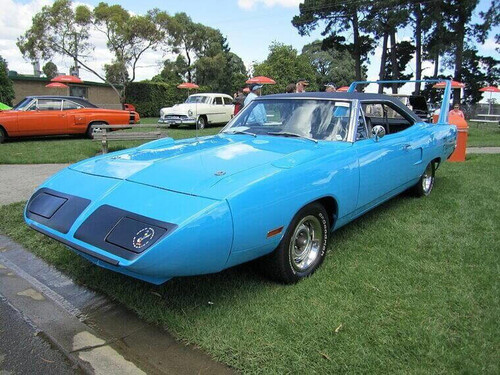
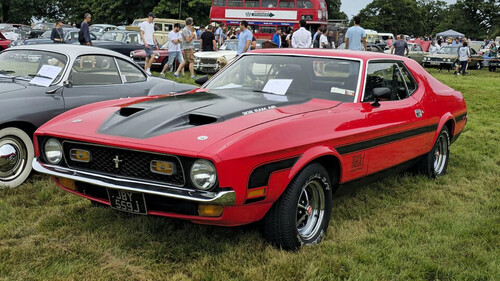
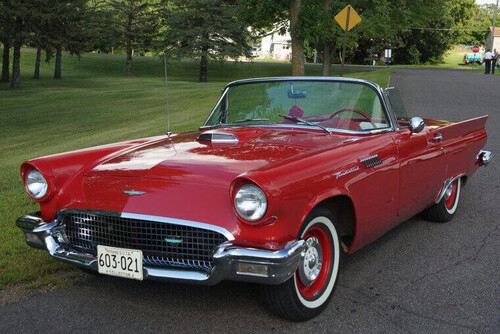
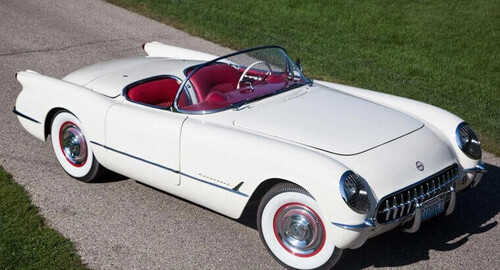
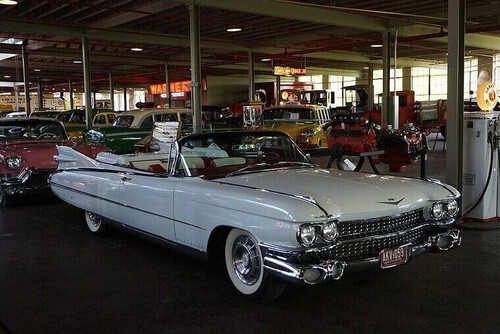
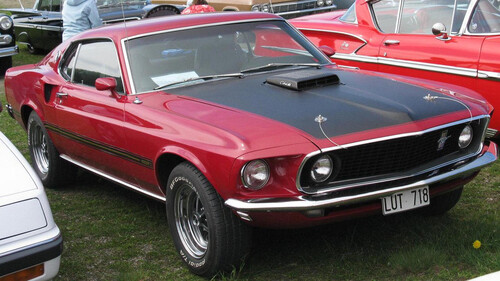
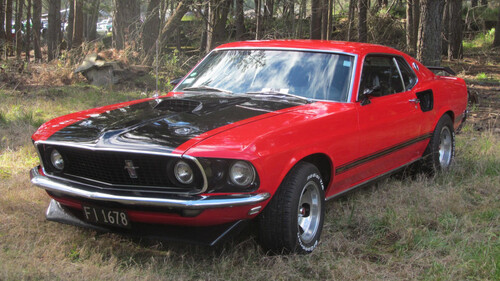
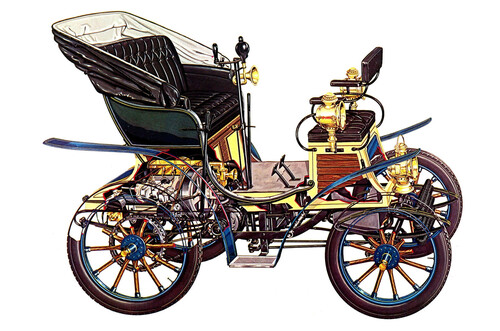
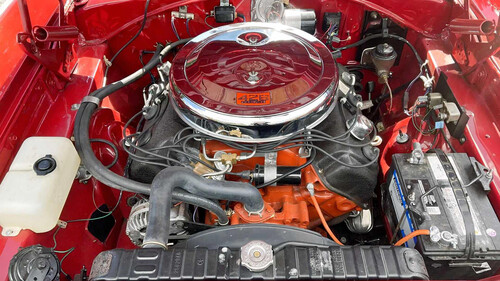
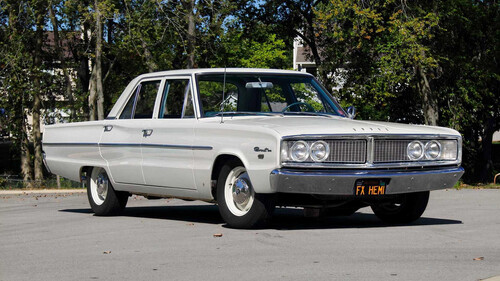
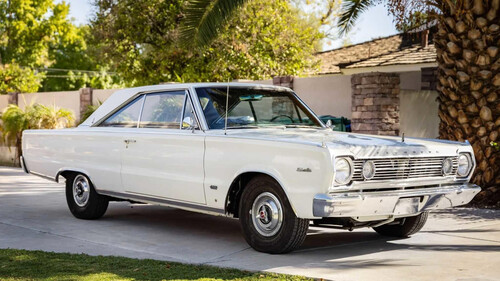
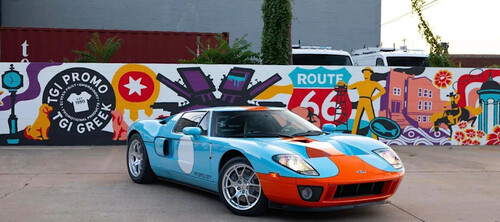
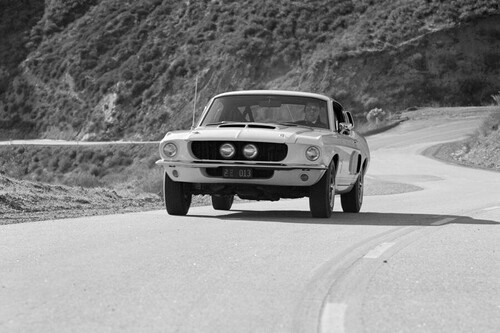
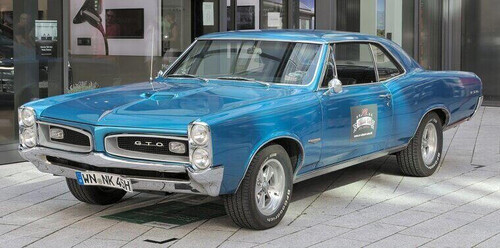
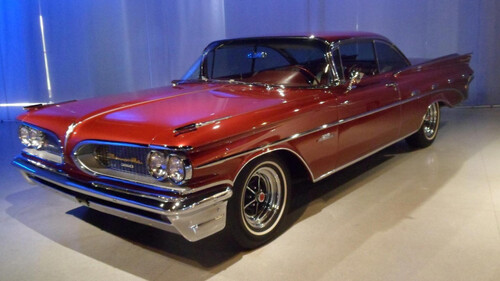
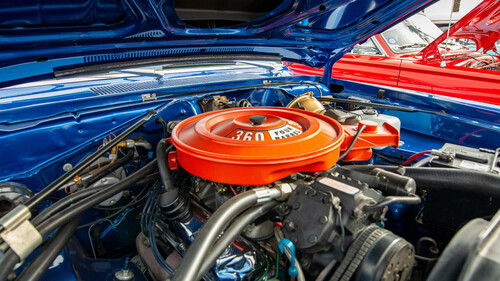
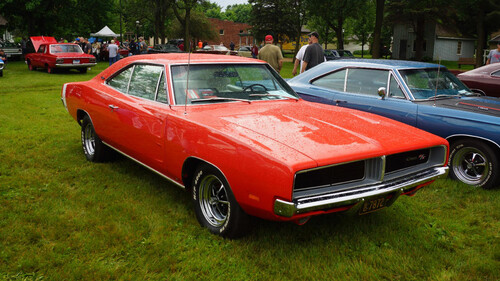
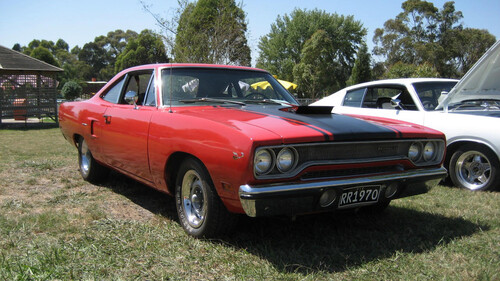
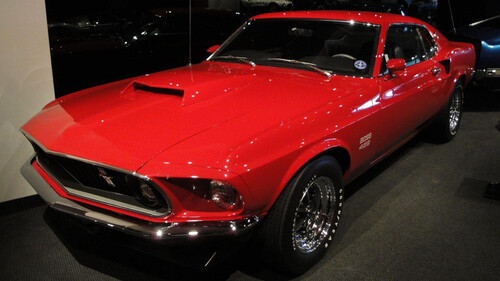
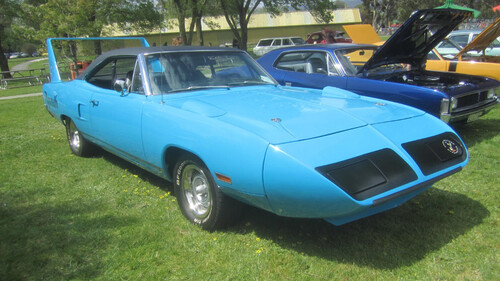
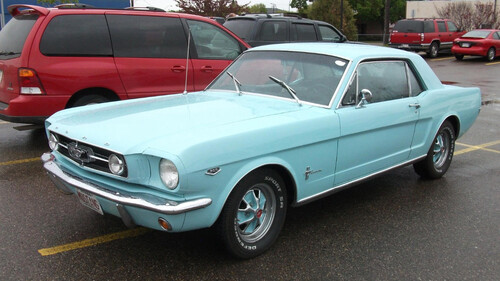
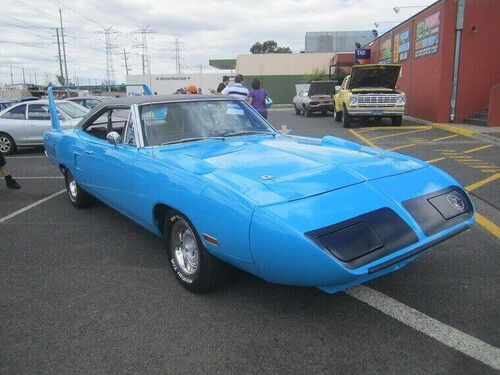
Since the very beginning, America has played a crucial role in the automotive industry. From the inception of the mass production of automobiles to the birth of hot-rodding culture and throughout the many heights of racing history, American carmakers have been hard at work, helping shape cars as we know them today.As long and storied as America's love affair with cars is, it's easy to neglect its heights and focus on its most recent notable productions. Anytime the topic of high-performance American cars comes up, cars like the Demon 170 or Mustang Dark Horse can dominate the conversation. As great as these cars are, it's impossible to truly appreciate them without knowing the pivotal moments in time that led to their production.Over the years, America's been responsible for some of the most insane and definitive moments in automotive history. It introduced core trends, produced some of the most important technology, and achieved some of the most insane feats. And while we can't talk about all of them in one article, we can walk you through ten times in history when American cars changed the game. 1901 Oldsmobile Model R First Mass Production Car Bomhams Specs Henry Fordwas one of the great American industrialists whose legacy was built on putting the assembly line to use for automobile production. He wasn't the first to do it, though. That award goes to Ransom Olds, the founder of Oldsmobile.Oldsmobile definitely isn't the first manufacturer to come to mind when you think of glorious automobiles. Even its performance models like the Cutlass are overshadowed by plushy, mundane counterparts often bearing the same name. Still, it's a legend in the space for a reason, and when Oldsmobile introduced the Curved Dash, otherwise known as the Model R, in 1901, it would change the way cars were built from then on.The Oldsmobile Model R is often regarded as the world's first mass-production car, with 425 models built in its first year and a grand total of 19,000 being built over its three-year production run. Part of what made this possible was the fact that it was built on an assembly line with interchangeable parts. The model of business would be adopted by other automobiles, quickly changing the market and, ultimately, the way the world worked. 1949 Oldsmobile Rocket 88 First Unofficial Muscle Car Via Pinterest / Bob Morton Specs If you're in a debate about which was the first true American muscle car, the 1949 Oldsmobile Rocket 88 should be the car you argue in favor of. While the later cars of the 1960s may have been more definitive of the segment, the first car to fit the mold really was this earlier Oldsmobile. It also proved the formula worked, as it dominated NASCAR at the time.The 1949 was a mid-tier car with a powerful V8 engine, which is exactly what the muscle car would later become known for. While not exactly earth-shattering by later standards, the 135-horsepower V8 was plenty potent for its time. Partially thanks to its use of an overhead valve design that was much better than the popular flat-head engines of the era.For the next three years, the Rocket 88 would dominate NASCAR races piloted by several Hall of Famers. In fact, it earned its own place in the Hall of Fame as one of the many amazing cars featured in the Glory Road exhibit. 1956 Chrysler 300B First Car To Produce One Horsepower Per Cubic-Inch Mecum Auctions Specs If someone asked you what the most significant Hemi-powered Chrysler 300 is, you'd probably think of the SRT8 model equipped with a 6.1 Hemi. As great as that car is, the right answer might be the 1956 Chrysler 300B.The first generation of Chrysler Hemi engines was introduced way back in 1951. Dodge, Desoto, and Chrysler each got their own line of Hemi engines, with Chrysler naming its Firepower. Despite a legacy of performance, these engines were originally favored for consistent running characteristics at various elevations. Still, power benefits were glaringly obvious, with many significant impacts on the world of performance out of the gate.What makes the 1956 Chrysler 300B so special is that it was the first production car to produce more than one horsepower per cubic inch, boasting a 355-horsepower 354 cubic-inch Hemi engine under its hood. Interestingly enough, the Hemi C-300 of the 1955 model year is often argued to be the first true American muscle car rather than the Rocket Olds. 1964 Pontiac GTO First Official Muscle Car Bring a Trailer Specs Growing up, we all heard that the Pontiac GTO was the first muscle car. That's a take that's grown to be controversial, with the aforementioned Delta 88 wearing the crown. However, it's fair to say the GTO car was intentionally designed as a muscle car in the form that's most commonly known and celebrated.There were a lot of high-powered V8 cars produced in the ‘50s and ‘60. Many of which were used for racing. John DeLorean—yes, that DeLorean—decided to capitalize on the cultural phenomenon, using the Pontiac Tempest as the platform. He and his team crammed a big, powerful engine into the mid-size car, named it after a Ferrari, put an affordable price tag on it, and targeted it at the youth.This effectively birthed the muscle car market that would dominate the latter half of the 1960s and the height of the American horsepower wars. While it's sad that the GTO name didn't last quite as long as that of future contenders, it still made a massive mark on car culture that's still prevalent today. 1964 Ford Mustang First Pony Car Ford Specs Picking just one year of the Mustang to feature on this list feels like an injustice to its legacy. Over the years, some incredibly cool versions of this car have shaken the world to its very core. However, the first is still the most significant, as it defines a segment.The 1964 Ford Mustang was a sleek, stylish car with not the biggest, but plenty of respectable power plants under its hood. Unlike the bigger muscle cars of the era, these put an emphasis on power-to-weight ratios, allowing them to do more with less. The results speak for themselves. The Mustang quickly became one of the most popular cars of the era, with the competition quickly rushing to produce their own version of it, birthing the Pony car segment.Interestingly enough, the Mustang wasn't truly the first of its kind. The Plymouth Barracuda is often cited as the first true pony car. However, the Mustang was released only a few weeks behind it and was far more popular, earning its place above the Mopar for many. 1966 Ford GT40 Ford Conquers Le Mans, And Ferrari 20th Century Fox Specs With the majority of our cars focusing on mass-produced cars, the 1966 Ford GT40might feel like an oddball. However, its tale at Le Mans still rings out as one of the greatest moments of racing history, period.In the mid-1960s, American cars were known as powerful, excessive, and, most of all, big. They weren't the choice contender for agility or endurance. So, when Ford set out to win Le Mans, it was almost laughed out of the room. Still, the executives proceeded and wisely hired the only American who could help them pull it off, Carol Shelby. Shelby American famously took the Lola MK6 GT and crammed Ford parts into it.Miles, Shelby, and crew took the GT40 along with two more to Le Mans and beat Ferrari at the world's most prestigious race. This earned American cars the respect they deserve on the world stage. However, Ford's demand for a photo op that unfortunately stripped Ken Miles of the first-place spot is a cold reminder that corporate interest doesn't mesh well with pure racers. 1969 Dodge Charger Daytona First American Car To Hit 200 MPH At NASCAR Mecum Specs The 1969 Dodge Charger Daytona is a symbol of not only the pinnacle of American engineering in the 1960s but also a tragic reminder of what could have been. Whereas its sister car, the Plymouth Superbird, was more popular thanks to the marketing team's involvement in development, the Daytona was raw, radical, and ultimately faster.The 1968 Dodge Charger was the manufacturer's choice car for NASCAR racing. While it had Hemi power in its favor, its limited aerodynamics were a major problem at high speeds. To correct this, Dodge engineers brought in engineers from Chrysler's missile division, which led to the addition of a nose cone, a flush rear window, and a massive wing at the rear. The result was a top-speed tyrant that set many speed records in NASCAR racing and dominated the superspeedways.The introduction of this car set up an absolute slugfest between Dodge and Ford. The Blue Oval was preparing to bring in its own aero car, theTorino King Cobra, and both were working on big-displacement overhead cam engines that were absolute animals at high speeds. Unfortunately, a rule change for the 1970 season put massive restrictions on aero cars, and all we're left with are thoughts of what developments like this might have done for American cars from thereon. 1969-1/2 Plymouth Road Runner Plymouth Builds The Fastest Muscle Car In The Quarter Mile Mecum Auctions Specs The Road Runner is another storied muscle car with multiple versions worthy of being on this list. For the sake of keeping things simple, the 1969-1/2 models are our top pick.The Road Runner was introduced in 1968. With most options stripped to save cost and only two engine options available, both of which were high-performance big blocks. It is arguably the most true-to-form muscle car ever produced. Interestingly enough, the 440 wasn't one of the available options. Instead, buyers could only select between the 383 cubic-inch big block and the legendary 426 Hemi.The 1969-1/2 Road Runner came with an optional 440 engine. These motors were reserved for the legendary A12 cars. Not only did these Road Runners feature the iconic Six Pack carburetor setup, but they also featured heavy-duty suspension, fiberglass hood, and 4.10 gears out back. These are often regarded as the fastest muscle cars from the '60s in stock form, capable of cutting a 13.0-second quarter-mile. However, with the right tires and a proper tune, they’re pure brutality, with a reputation for "hitting like sledgehammers." 1987 Buick Grand National GNX Buick Proves There's Replacement For Displacement – Turbos Bring A Trailer Specs Buick's turbo cars of the 1980s are game-changers across the board. However, if only one could be selected as the most impactful of the batch, the 1987 Grand National GNX is the obvious choice.Upon their introduction, Buick Regals featuring the turbocharged 3.8 V6 redefined the engine's position on the performance food chain. While it was introduced for the 1978 models, things really started to take shape when Buick released the first Grand National in 1984. Each year, its edge was refined until the 1987 Buick Grand National GNX was produced. Buick partnered with ASC/McClaren, where 547 cars were retuned, given an intercooler, and a bigger turbo. The result wasn't just a fast car, but the fastest, most menacing thing that ever came out of the '80s.The Grand National GNX isn't just fast for a V6 muscle car. It the brakes out of most things on wheels. When they released the car, a 276-horsepower rating was provided. When it went on to beat monsters like the Corvette and competitors abroad, the world knew that number was conservative at best. Unfortunately, it lasted just one year before Buick pulled the plug. Still, its legacy will forever be confirming that there is indeed a replacement for displacement. 2020 C8 Chevrolet Corvette Chevrolet Builds A Mid-Engine Corvette Mecum Specs The Corvette is an American icon for a reason. In fact, you can write an entire article titled Ten Times the Corvette Changed the Game. However, since only one can make the list, the C8 Corvette is the one to go with.Plenty of purists will argue against the C8 Corvette being here, and the reason is the same as why we're talking about it. For this model year, Chevrolet changed the platform from its traditional front-engine configuration to a mid-engine setup. This totally transformed the dynamic of the Corvette, making it an absolute beast of a car on all counts. In fact, it is currently considered the fastest American production car ever produced, with the ZR1 reaching a blistering top speed of 233 mph. Sure, some specialty American cars might best the C8, but it's still absolutely insane for something you can just buy at the dealership.Love it or hate it, there's no denying that the C8 Corvette is a significant part of automotive history. Unlike previous examples, there are still plenty of them on the roads today that automotive enthusiasts at large have the chance to take in and appreciate before they become another legend of days gone by.