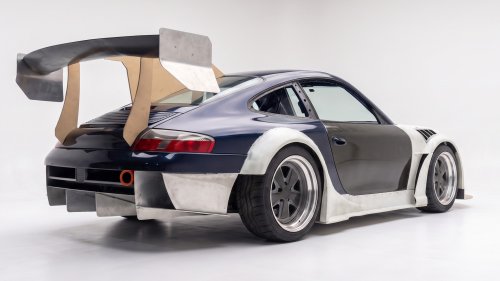
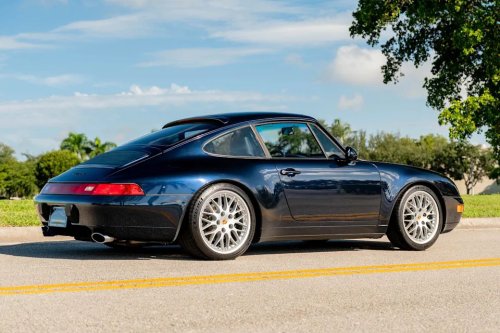
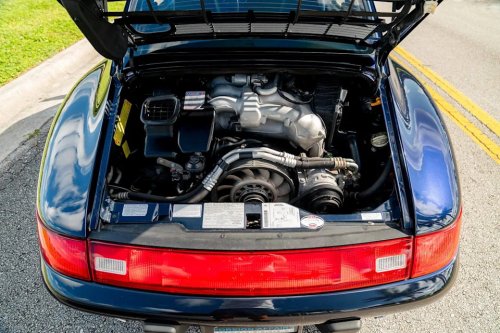
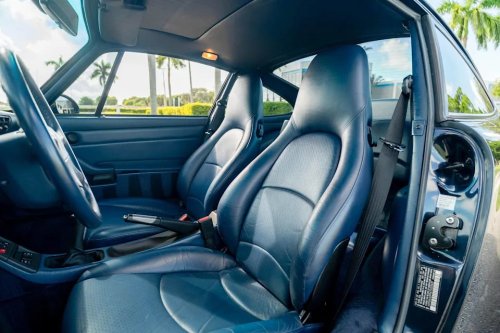
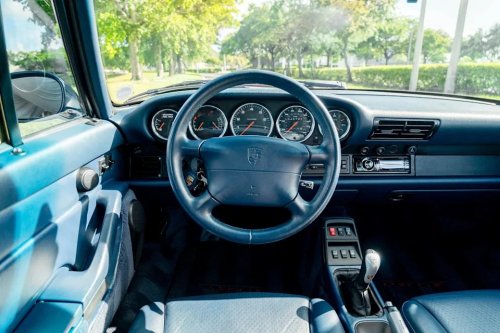
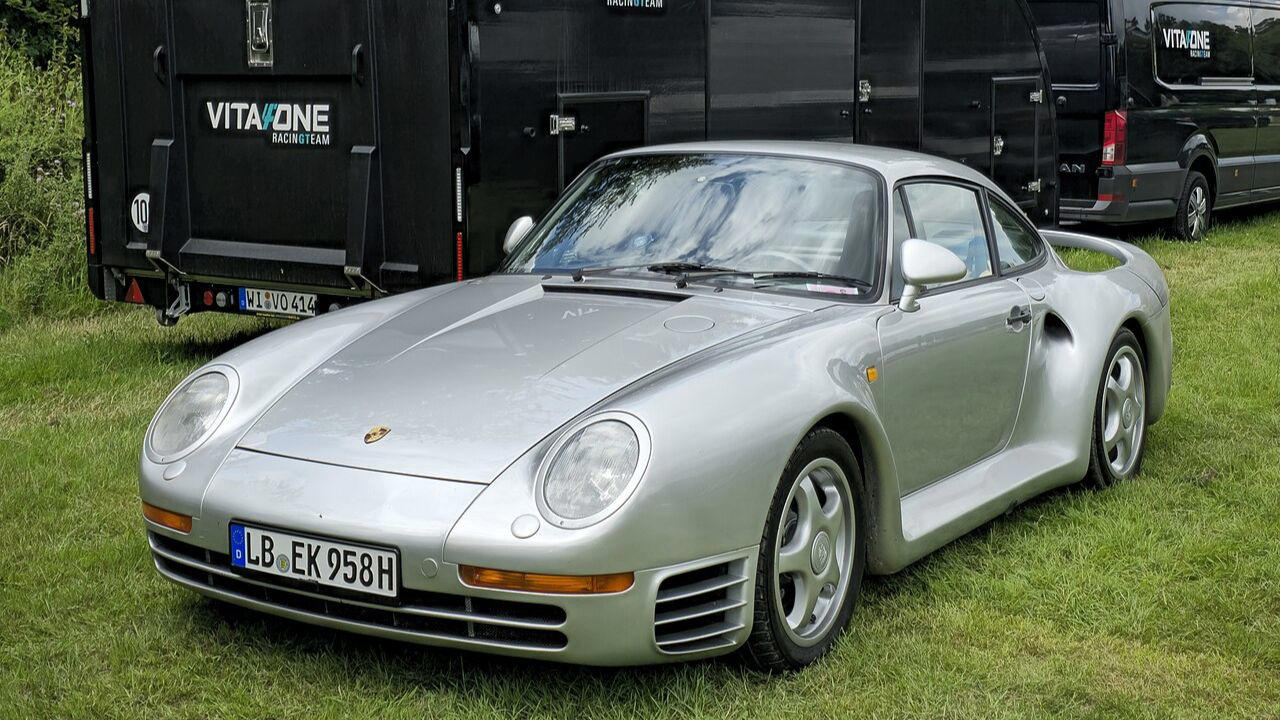
This classic Porsche wasn’t the fastest—but it changed expectations completelyThe Porsche 959, introduced in the mid-1980s, might not have been the fastest car of its time, but it revolutionized automotive engineering and set new benchmarks for performance and technology. Its innovative design and features changed the landscape of sports cars, influencing future models and altering consumer expectations. The Rise of the Porsche 959 Before the launch of the 959, Porsche had already established itself as a leader in the sports car market with models like the iconic 911. The 959 emerged during a transformative period for the automotive industry, where manufacturers were beginning to push the boundaries of speed and performance. As consumer preferences shifted toward higher performance vehicles, Porsche sought to create a car that not only met these demands but exceeded them in ways that were previously unimaginable. Debuting at the 1985 Frankfurt Auto Show, the Porsche 959 captured the attention of automotive enthusiasts and critics alike. It was not simply another sports car; it was a technological marvel that showcased Porsche’s commitment to innovation. With a production run from 1986 to 1989, the 959 was produced in limited numbers, creating an aura of exclusivity that would become a hallmark of luxury performance cars. Technological Innovations The Porsche 959 was a pioneer in integrating advanced technology into sports cars. One of its most notable features was the introduction of an all-wheel-drive system, which provided unprecedented traction and handling capabilities. This system allowed the 959 to maintain stability in various driving conditions, setting a new standard for performance in the automotive industry. Additionally, the 959 was equipped with a turbocharged flat-six engine that produced up to 450 horsepower. This engine was a significant advancement over its contemporaries, utilizing lightweight materials and enhanced aerodynamics to improve both performance and efficiency. The incorporation of computer technology played a vital role in optimizing the car’s driving dynamics and safety features, further solidifying the 959’s reputation as a cutting-edge sports car. Performance and Specifications When comparing the Porsche 959’s performance metrics with other supercars of the era, it becomes clear that while it may not have claimed the title of the fastest, it offered a unique balance of speed, handling, and everyday usability. With a top speed of around 197 mph and the ability to accelerate from 0 to 60 mph in just 3.6 seconds, the 959 was certainly no slouch. However, it was the car’s overall driving experience that truly set it apart. The 959 excelled in providing a refined driving experience that could be enjoyed on both the track and the road. Its advanced suspension system and well-tuned chassis allowed for exceptional handling, making it a favorite among driving enthusiasts. This balance of performance and comfort paved the way for future high-performance vehicles, influencing models like the Porsche 911 Turbo and many others that followed. Design and Aesthetics The design philosophy behind the Porsche 959 was a blend of functionality and aesthetic appeal. Its sleek lines and aggressive stance were not just for show; they played a crucial role in enhancing aerodynamics, which contributed to its performance capabilities. The 959’s unique look, characterized by its wide body and distinctive rear wing, turned heads and set a new standard for sports car design. The influence of the 959’s design can be seen in subsequent Porsche models, with many elements echoing its innovative styling. Critics and consumers alike praised the 959 for its modernist approach, which combined form and function in a way that was groundbreaking for its time. This aesthetic appeal helped solidify the 959’s status as an automotive icon, leaving an indelible mark on the industry. Cultural Impact and Legacy The cultural impact of the Porsche 959 extends far beyond its technical achievements. It has become a symbol of innovation in the automotive world, influencing car culture and shifting consumer expectations for performance vehicles. The car’s presence in various media, including films and video games, has further solidified its legendary status. For instance, it appeared in the popular video game series Need for Speed, introducing a new generation of car enthusiasts to its legacy. Moreover, the 959’s legacy continues to shape the standards for high-performance vehicles today. As manufacturers strive to incorporate advanced technology and design into their cars, they often look back to the innovations pioneered by the 959. It has become a benchmark against which modern performance cars are measured, proving that its influence is not just a fleeting moment in automotive history. Marketing Strategies Porsche’s marketing approach for the 959 during its launch was as innovative as the car itself. By emphasizing the vehicle’s exclusivity and limited production run, Porsche created a demand that was fueled by the allure of owning a piece of automotive history. This strategy not only attracted serious collectors but also positioned the 959 as a must-have for luxury sports car enthusiasts. The marketing campaign highlighted the car’s technological advancements and performance capabilities, appealing to a demographic that valued both speed and sophistication. This precedent set by the 959’s marketing strategies has influenced how luxury sports cars are marketed today, with a focus on exclusivity, technological prowess, and lifestyle branding. Reception and Critique Upon its launch, the Porsche 959 received a warm reception from automotive journalists, who praised its groundbreaking technology and performance metrics. Reviews often highlighted its cutting-edge features and the driving experience it offered, cementing its status as a game-changer in the sports car market. However, critiques did arise regarding its pricing and accessibility for average consumers, as the 959 was priced significantly higher than many of its competitors. Over the years, perceptions of the 959 have shifted, with many now viewing it as a collector’s item and a symbol of automotive excellence. Its limited production run and unique features have made it highly sought after among enthusiasts, leading to a marked appreciation in its value in the classic car market. The Legacy of the Porsche 959 Today Today, the Porsche 959 holds a notable place in automotive history, with current market values reflecting its status as a collectible. Enthusiasts admire its blend of performance and technology, and it continues to influence modern Porsche models, including the 911 Turbo. The 959’s legacy is evident in the design and technological advancements that have become standard in high-performance vehicles. Reflecting on the impact of the 959, it is clear that it set the stage for the evolution of sports cars. Its innovations in design, performance, and technology continue to resonate with both manufacturers and consumers, ensuring that the Porsche 959 will remain a significant chapter in the story of automotive engineering for years to come. For anyone interested in the evolution of luxury sports cars, the 959 is a remarkable case study in how one vehicle can change expectations completely. More from Fast Lane OnlyUnboxing the WWII Jeep in a Crate15 rare Chevys collectors are quietly buying10 underrated V8s still worth hunting downPolice notice this before you even roll window down



















 +2 others