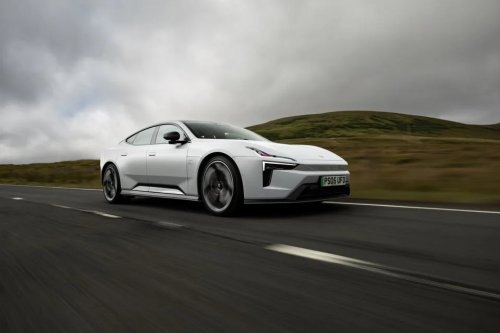
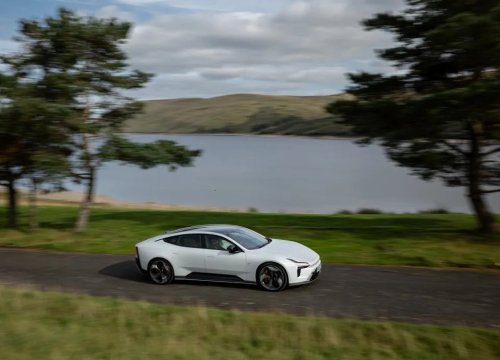
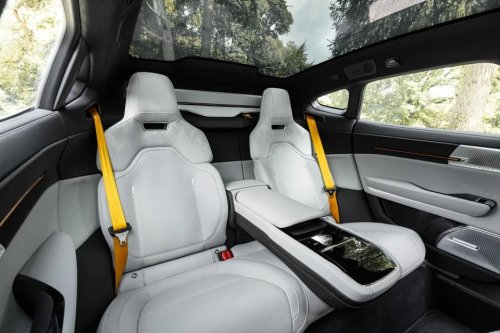
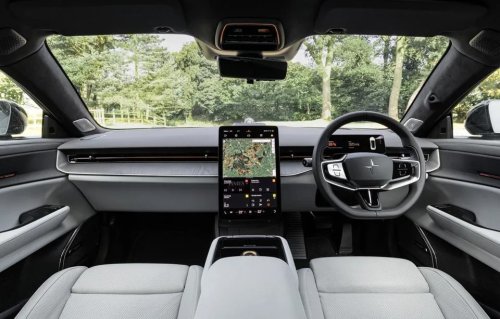
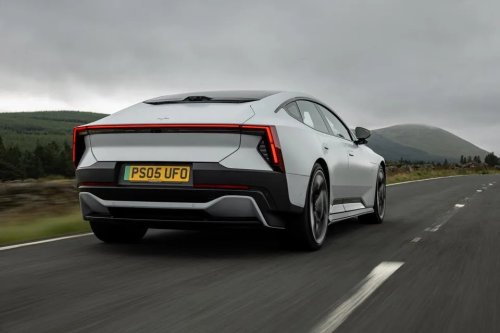
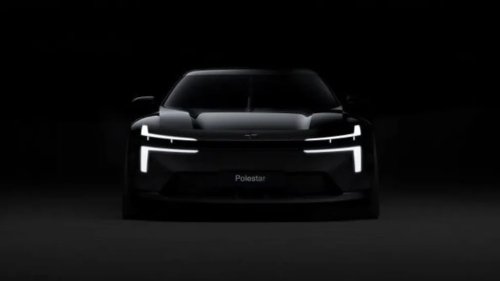
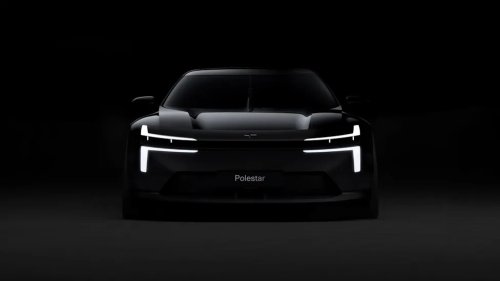
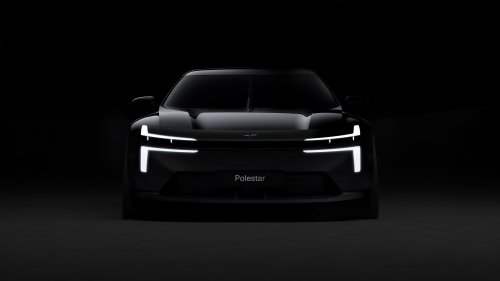
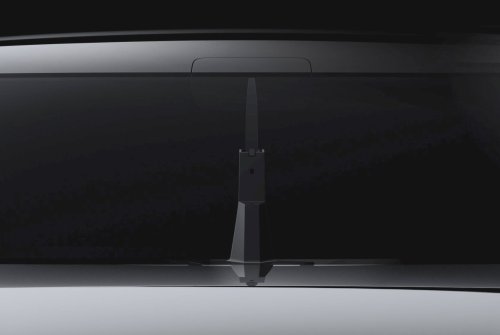
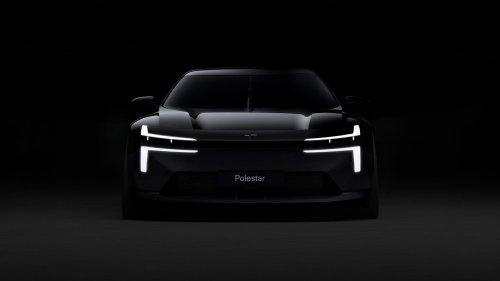
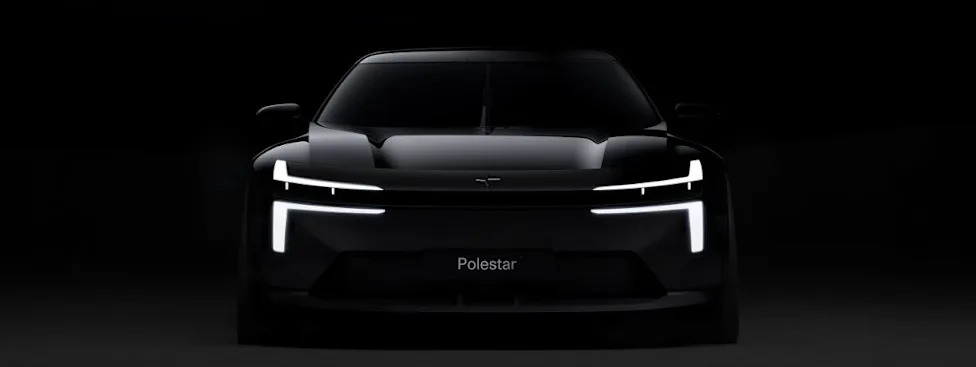
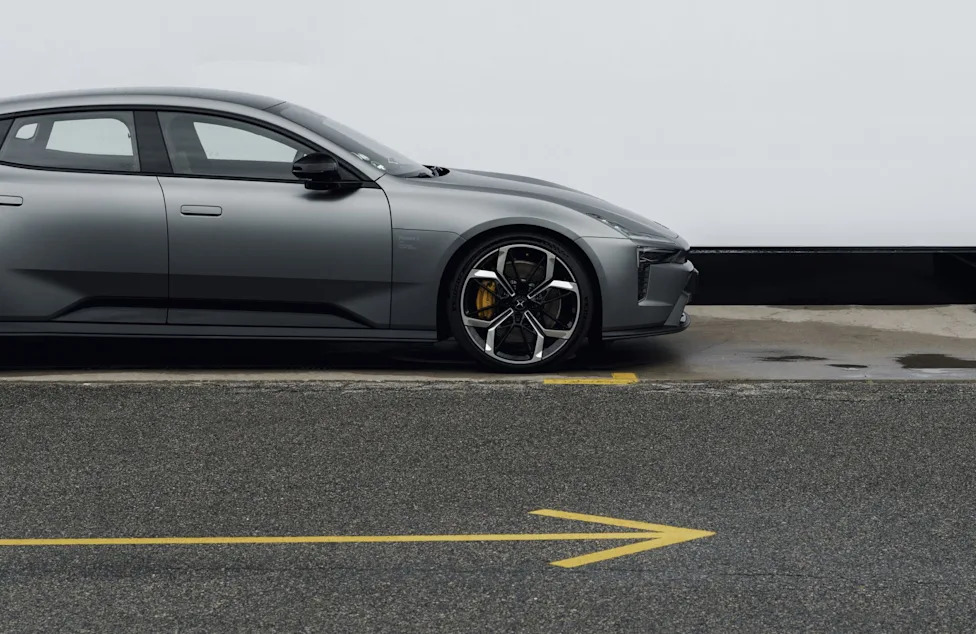
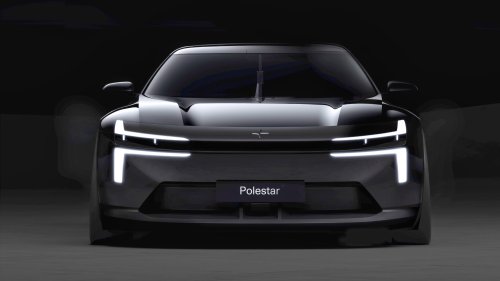
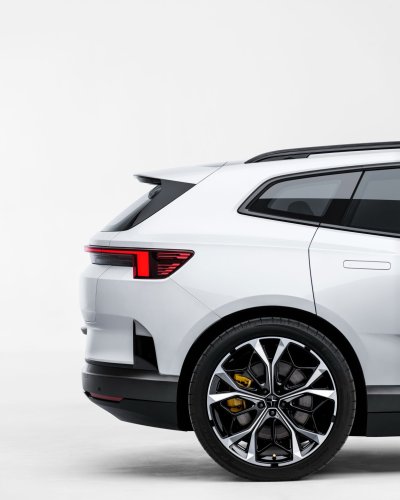
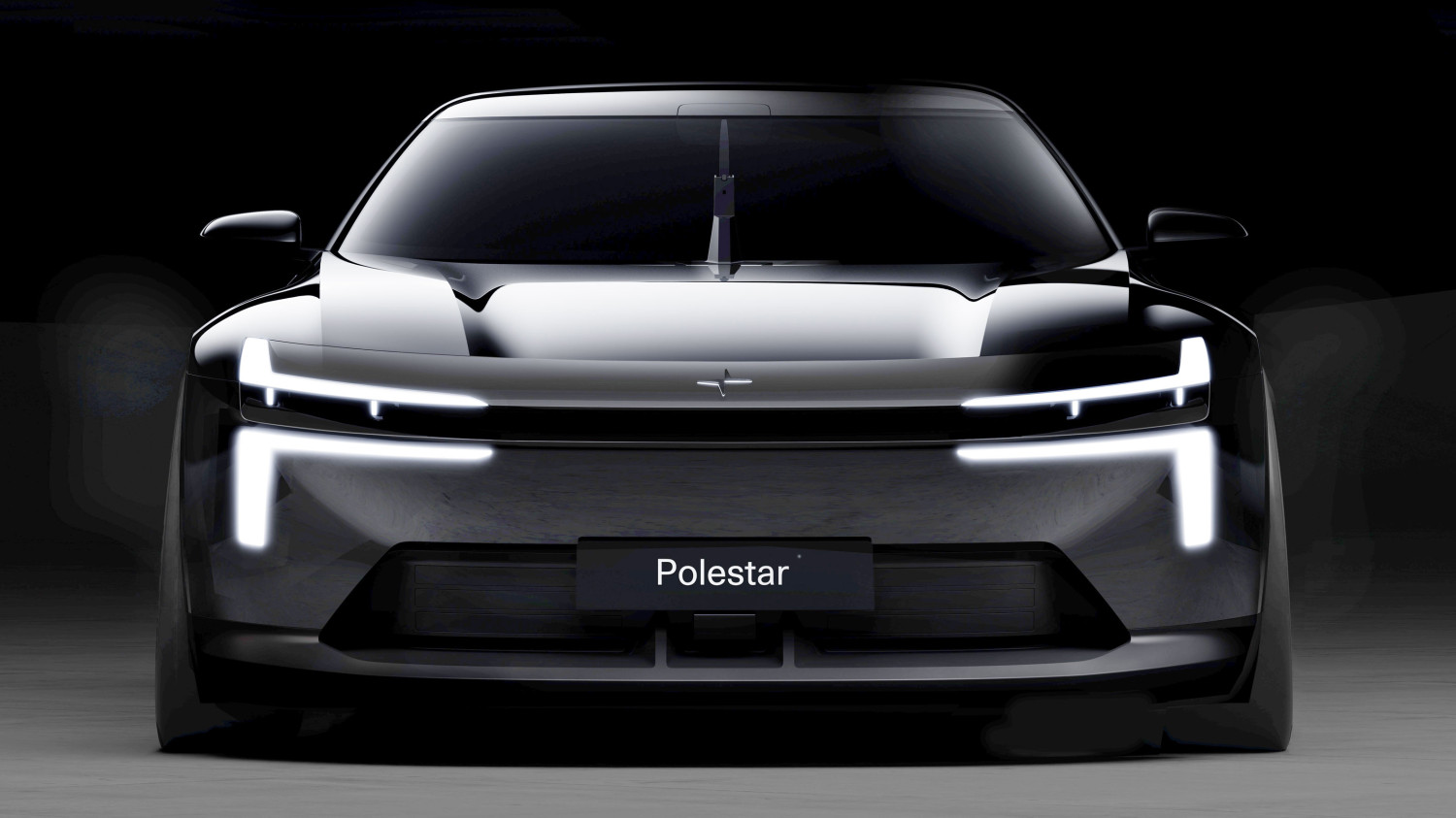
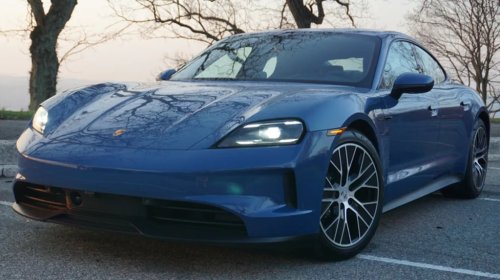
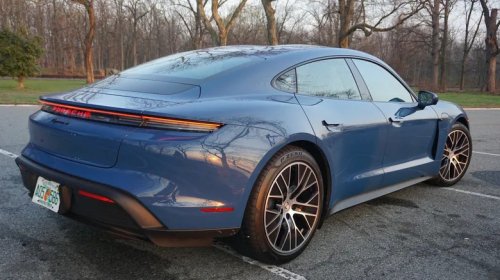
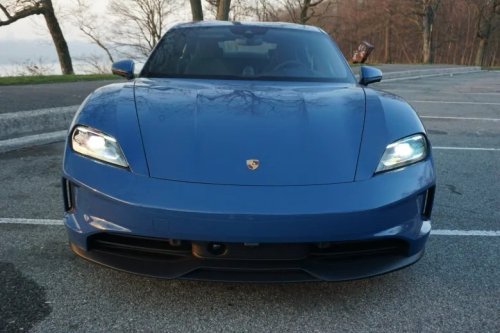
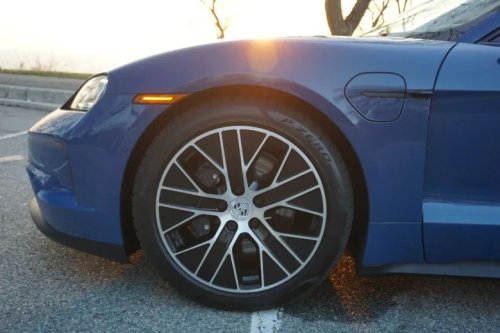
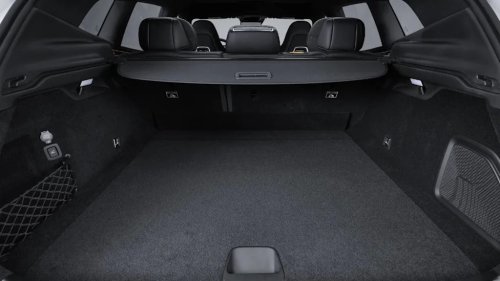
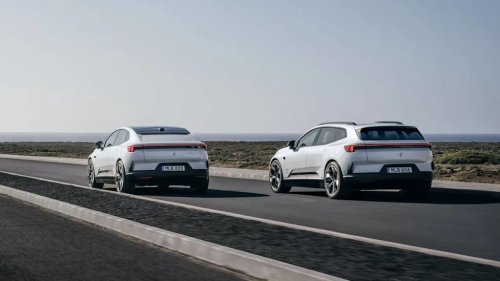
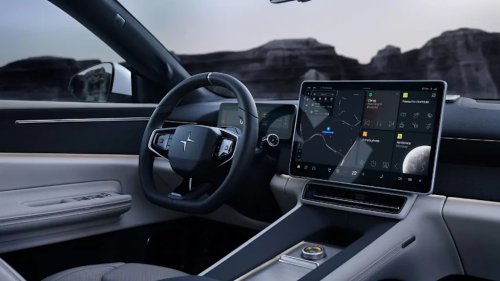
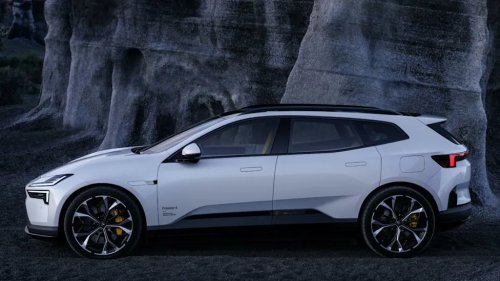
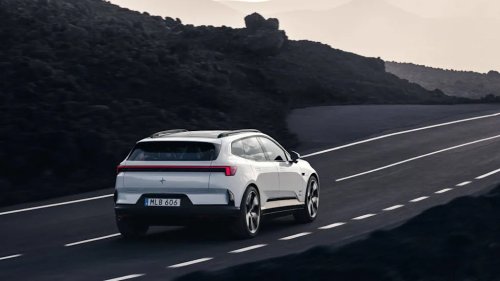
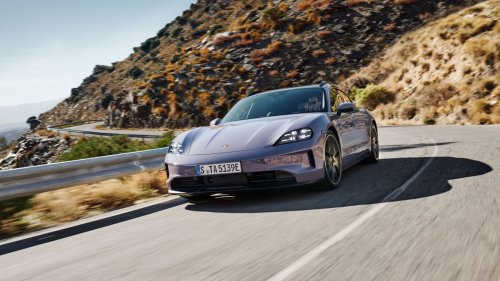
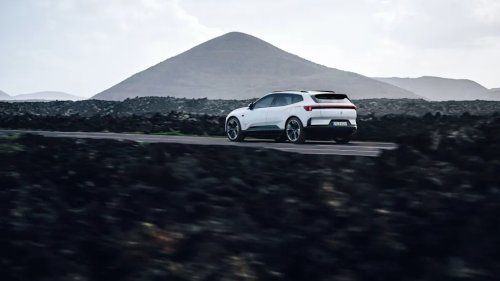
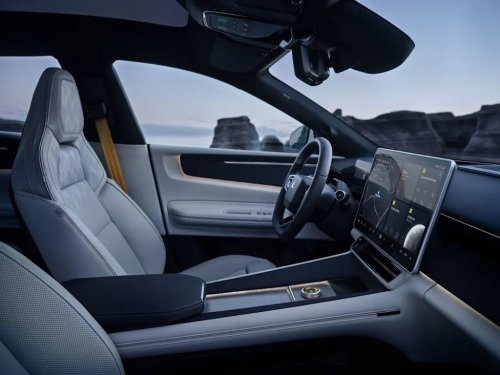
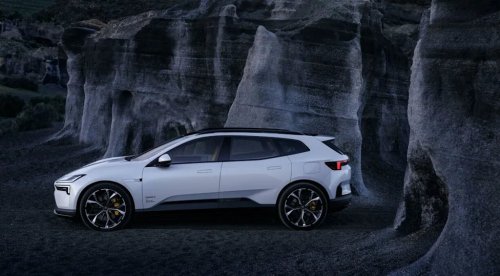
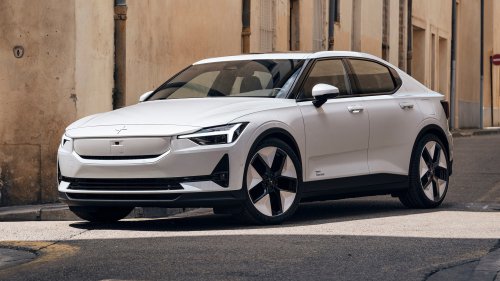
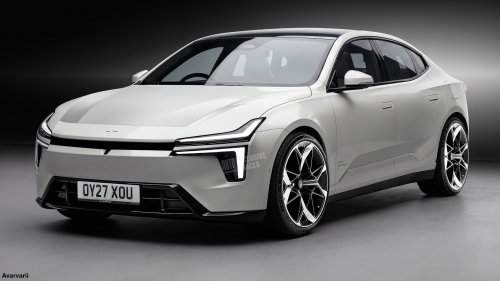
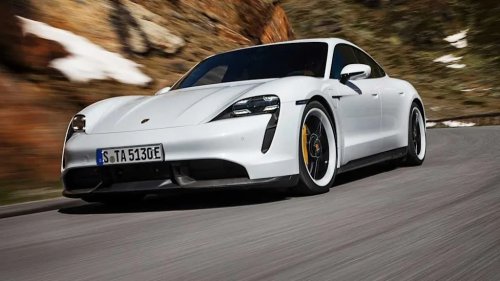
The Polestar 5 combines supercar looks with electric driving dynamics.COPYRIGHT DAVID SHEPHERD +44(0)7831 586258Polestar has already shown it can build a desirable electric SUV. The Polestar 3 is one of the most compelling cars in this class. But taking on Porsche requires something rather different. The Polestar 5 is a low-slung four-door GT with up to 871bhp, a bespoke bonded aluminum platform and a clear ambition to challenge the Taycan. It also promises enough range and charging speed to make the grand touring description mean something beyond expensive styling. I put both the Dual motor and Performance versions through their paces at the UK launch.Polestar 5 Design And EngineeringThis is the production realization of the Precept concept unveiled in 2020. There has been a long wait, but Polestar has used that time to develop some serious engineering underneath. The question is whether the resulting car can justify a price that starts at £89,500 ($118,500), before you even begin exploring the options list.The 5 retains the Precept's low hood, sharp shoulder line and distinctive Dual Blade headlights, although not the concept's pillarless door design. Flush glazing and door handles help tidy up the airflow, while active grille shutters and an aerodynamic underbody contribute to a drag coefficient of 0.244 for the Dual motor. The Performance is slightly less slippery at 0.249, but makes up for it with that headline 871bhp power.The Polestar 5 doesn't diverge enormously from the 2020 Precept concept.There is no conventional rear window, like the Polestar 4. Instead, a camera supplies the interior mirror with its view behind, allowing Polestar to package the rear cabin without the usual constraints of a sloping back window. Above the occupants is the largest panoramic glass roof fitted to a Polestar so far. The result is a seriously eye-catching vehicle. It doesn't stand out as much as the Lotus Emeya, but it still has supercar looks with huge 21in wheels filling their arches (22in an option), and the Polestar 5 will turn more heads than a Porsche Taycan. Color choices are also understated compared to the Lotus.The engineering has substantial British input alongside Swedish development. Polestar's own Performance Architecture, created especially for the Polestar 5 and future derivatives, uses bonded aluminum extrusions, pressings and castings to create a stiff structure. That gives the suspension a stable foundation, although the curb weight is still a hefty 2,500kg. This is a large luxury GT, stretching just over five meters long, rather than a lightweight sports car.Polestar 5 Interior And PracticalityRecaro front seats place their occupants low in the cabin. Standard upholstery is bio-attributed MicroTech, but both the cars I drove had the optional Bridge of Weir Nappa leather. This adds ventilation and five-level massage in the front and rear, plus adjustable front-seat side support and rear lumbar adjustment. At £5,300 ($7,000), that is an expensive upgrade, although rear-seat massage is an unusual luxury. Four-zone climate control also means the passengers behind aren't entirely dependent on the people in front for their comfort.Seating is primarily for two in the back, but a third rear occupant is possible.Polestar describes the rear layout as 2+1, with the center position intended for occasional use. The priorities are clearly the two outer passengers, with footwells beneath the front seats and controls in the rear armrest, but the latter can still be stowed to become the back of the middle rear seat. Think four adults traveling in comfort, with the flexibility to carry a fifth person when necessary. Rear-seat passenger space is surprisingly good for such a low car, with ample knee room and head room that is accentuated by that huge panoramic sunroof. However, getting in and out of the front or rear of this car does suffer from the low roofline.Rear luggage capacity is more like a hatchback, although there is a frunk as well.Luggage capacity is 365 liters including underfloor storage. Folding the rear seats (electrically executed and not entirely obvious how to operate) increases that to 1,128 liters, which is more like a compact hatchback than this size of vehicle. However, this isn't the car you buy for regular trips to IKEA. The seats split 60/40, but there is no separate ski hatch. A further 62-liter compartment under the hood provides useful extra storage. There is even a 1,800kg braked towing rating, although towing will inevitably eat into the available range and is unlikely to be a frequent scenario for this kind of car.Polestar 5 TechnologyThe main interface is a 14.5-inch portrait touchscreen running Android Automotive OS with Google built in. A separate nine-inch driver's display sits on the steering column, and a head-up display is included in the UK specification. You aren't expected to keep looking sideways to check your speed, like a Tesla, and the HUD also supplies navigation directions.A large portrait infotainment display is the focus for settings and controls.The equipment includes a 15W wireless phone charger, four USB-C ports and a 5G connection. Over-the-air updates provide scope for further features, but at the time of my test drive the promised wireless Apple CarPlay and the digital key hadn't yet been implemented. The Performance includes a 21-speaker Bowers & Wilkins system, which costs £4,000 ($5,300) on the Dual motor. That is another substantial item on the options list, although a good audio system is particularly appealing in a quiet electric GT.Driver assistance draws on 11 exterior cameras, a radar and 12 ultrasonic sensors, with a separate camera monitoring the driver. Pilot Assist and lane-change assistance are included through the UK Pilot pack. There was insufficient highway driving during my test to try this out properly, but I've used it extensively on a Polestar 3 and it's excellent. A 360-degree parking camera should also be useful when maneuvering a car of this size with no rear window.Driving The Polestar 5Even the entry-level Dual motor provides 550kW, equivalent to 737bhp, and 599 lb-ft of torque. That delivers 60mph in 3.8 seconds. The Performance raises output to 650kW, or 871bhp, with 749 lb-ft, cutting the sprint to 3.1 seconds. Both versions have all-wheel drive and a 155mph top speed. That 0.7-second acceleration difference may not look like much on paper, but in practice the Performance is far more immediate and brutal on the throttle. In the top power setting, the car responds instantly to a tap on the accelerator, delivering supreme overtaking confidence.However, the more interesting distinction is the suspension. The Dual motor uses passive dampers, which are very effective, but the Performance gets adaptive MagneRide units. Polestar says these can adjust damping 500 times per second, with Standard, Nimble and Firm settings providing different responses. In practice, these deliver incredible ride quality when you want it, and taut, flat handling when you want that. You can choose between the three options from the infotainment screen. While the Dual motor car is a great drive, the Performance version is in a different league and worth the extra just for MagneRide.The company has spent four years tuning the dampers, including development on British roads and in northern Sweden. Polestar thinks a GT needs to absorb poor surfaces as well as control its body through corners, and extra power alone wouldn't justify the Performance's premium. Michelin has developed tires specifically for the Polestar 5, too, while Brembo supplies four-piston front calipers operating on 400mm discs. Steering weight and one-pedal driving each have three settings. There is plenty to experiment with before deciding which configuration works best for you.Polestar 5 Range And ChargingBoth versions of the Polestar 5 use an 800V system and a battery supplied by SK On, with 112kWh gross capacity and 106kWh usable. This delivers 421 miles of WLTP range for the Dual motor and 346 miles for the Performance. EPA ratings would be lower, but as I'll discuss in a bit, these are not likely to be available for the time being.The 75-mile difference is quite a lot, and anyone buying primarily for long journeys should weigh the Dual motor's range against the Performance's quicker acceleration and adaptive suspension. However, during my testing with the Dual motor I managed just 2.5 miles per kWh (equivalent to 260 miles of real-world range), and the Performance was dropping as low as 1.7 miles per kWh. Still, that's with extremely spirited driving. Any performance car will be uneconomical when driven with gusto.With MagneRide dampers, the Polestar 5 Performance offers incredible handling and ride quality.At least you'll be able to replenish the battery quickly when you've drained it with your automotive exuberance. DC charging peaks at 350kW, with a claimed 10-80% session taking 22 minutes under suitable conditions. The specification also lists up to 200kW from a 400V charger, which is better than some 800V systems manage. Peak power won't be sustained throughout a stop, of course, but the quoted charging time is promising for covering long distances without lengthy interruptions. AC charging supports up to 11kW, giving an 11-hour charge at that power. The heat pump supplied as standard should help manage the energy required for cabin heating in colder weather.Polestar 5 Puts Sustainability To The ForePolestar likes to stress its sustainability credentials. A car this powerful and heavy needs more than a few recycled trim pieces to make a convincing environmental case. Polestar's published life-cycle assessment puts the Dual motor's footprint at customer handover at 23.8 metric tons of CO2 equivalent. That includes materials, battery production, manufacturing and logistics.Over an assumed 200,000km lifespan, or about 124,000 miles, the total rises to 30.1 metric tons using the typical European electricity mix. Using wind-generated electricity brings it down to 27.1 tons, while the global electricity scenario produces 38.1 tons. The assessment includes maintenance and disposal, and the grid scenarios assume electricity becomes cleaner over the car's estimated 15-year life. Polestar attributes substantial production savings to recycled aluminum, aluminum smelted using renewable electricity, and renewable power in the battery supply chain. The footprint is still larger than a small economy EV, but a typical luxury car with an internal combustion engine could produce 70-90 metric tons of CO2 equivalent over its lifespan.Polestar 5 Price And VerdictPolestar cars never come cheap, and a halo vehicle like the Polestar 5 is predictably expensive. The Dual motor starts at £89,500 ($118,500), while the Performance is £15,400 ($20,400) more expensive at £104,900 ($138,900). Options push the two cars I drove to £102,100 ($135,200) and £117,700 ($155,800), respectively. The Performance combines matte paint, Nappa leather and optional 22-inch wheels. These are serious purchases even before insurance and running costs. But the Porsche Taycan and Audio e-tron GT are arguably the most direct competitors, and both are more expensive.The Polestar 5's impressive specification makes a strong case for putting it on the same shopping list as the Porsche Taycan and Audi e-tron GT. The Dual motor looks appealing on paper, combining already excessive performance with the longest range and a substantially lower starting price. However, the Performance's adaptive suspension and immediate acceleration response make it a cut above in driving experience, making the additional cost worthwhile. Either way, Polestar has given buyers a serious alternative to consider. Unless, of course, you live in America, because Polestar has now pulled out of the country despite having a manufacturing base there. That's a shame, because the Polestar 5 would be a great option for coast-to-coast American road trip. It's sure to garner the attention its abilities deserve.