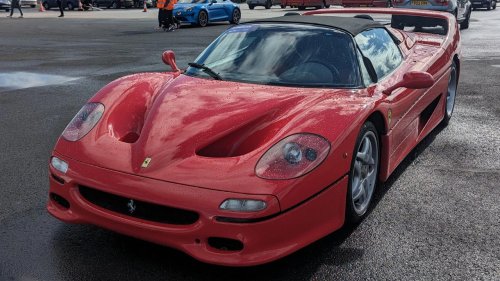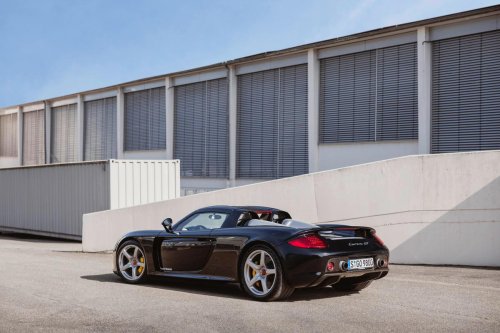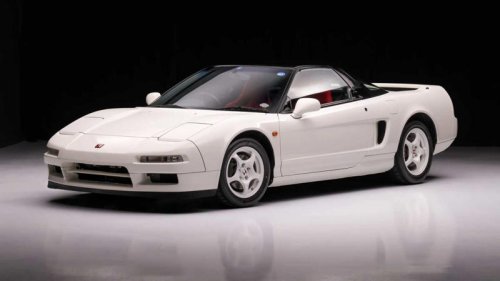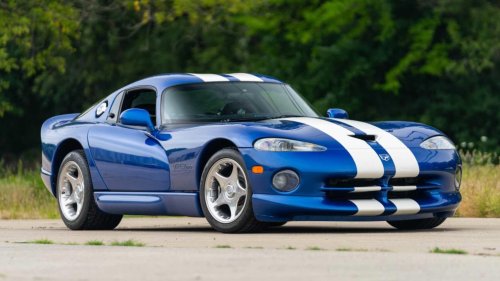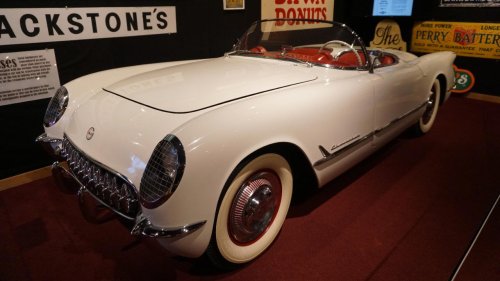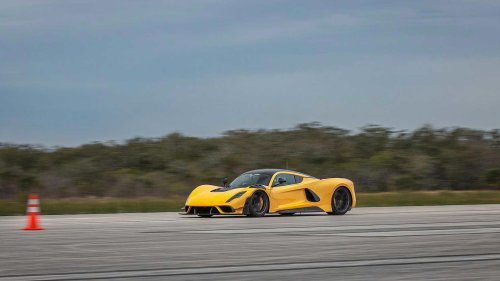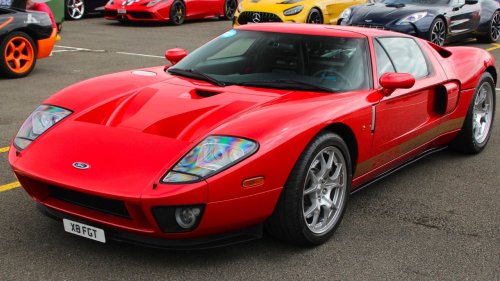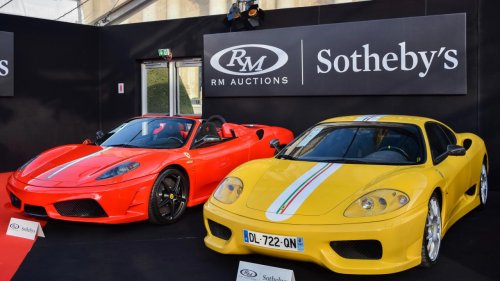
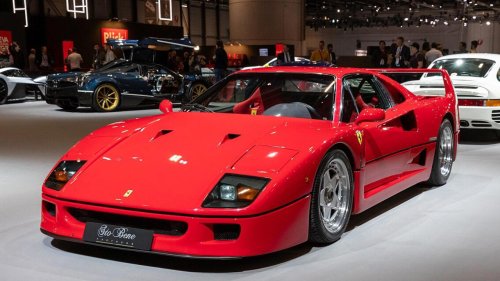
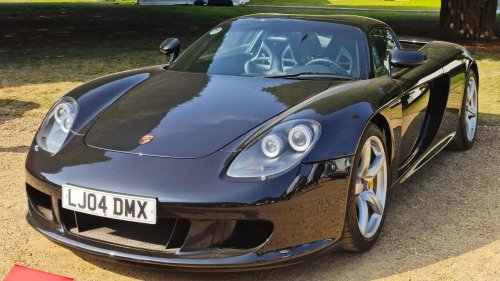
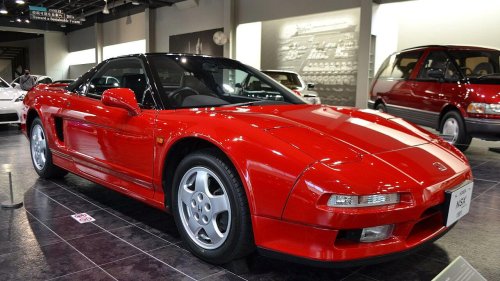
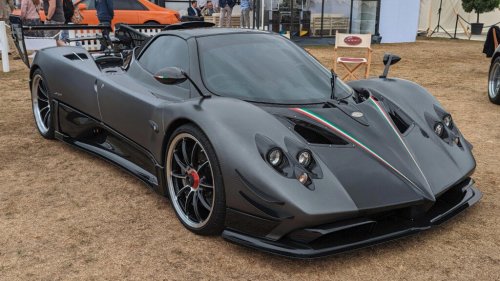
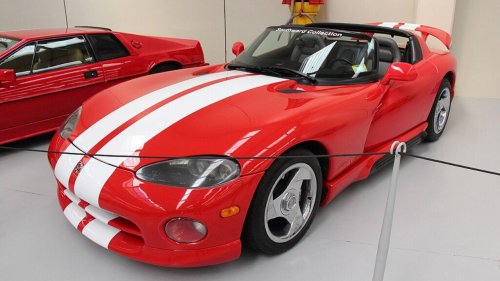
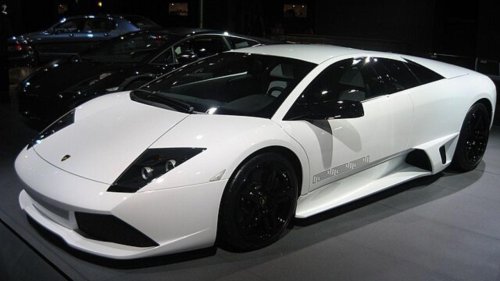
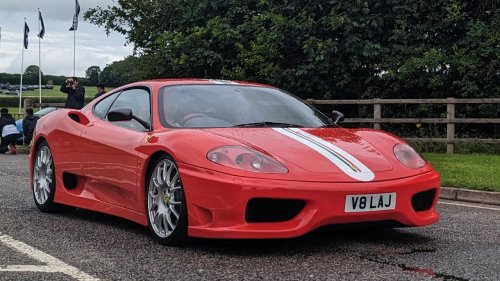
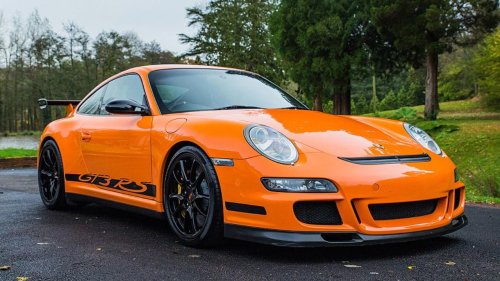
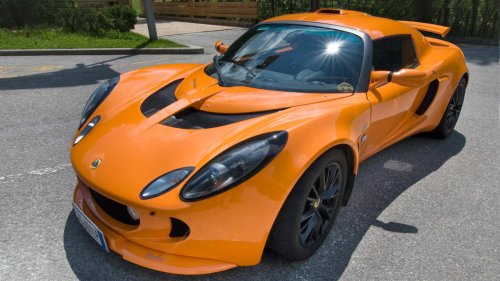


















Even as supercars drown in driving modes and electronic safety nets, a small group of analog icons still rewards drivers who bring real skill. These machines pair high revs and heavy clutches with minimal intervention, demanding commitment on every lap or back-road run. Each of the following ten cars proves that in the age of software, the most memorable supercar experiences still come from mechanical purity and a direct link between driver, engine, and road.Ferrari F40The Ferrari F40 remains the archetype of the analog supercar, with a raw twin-turbo V8, a gated manual gearbox, and almost no electronic aids. In period footage highlighting its stripped cabin and violent boost surge, enthusiasts treat the F40 as a reference point for mechanical engagement. The car’s lack of traction control means the driver alone manages turbo lag, grip, and braking distances. That unforgiving character is exactly why the F40 still commands such reverence among skilled drivers. Every corner exit becomes a test of throttle finesse, and every high-speed braking zone punishes sloppy inputs. Owners and track instructors often describe it as a car that exposes bad habits instantly, which keeps its legend alive as a benchmark for driver development rather than a garage ornament.Porsche Carrera GTThe Porsche Carrera GT is widely regarded as one of the most demanding analog supercars ever sold, combining a high-revving V10 with a six-speed manual and no stability control safety net. Coverage of modern manual supercars notes that its carbon clutch and instant throttle response punish hesitation. Whenever the Porsche Carrera GT appears in discussion, enthusiasts speak almost reverently about the concentration it demands. Further analysis of the Porsche Carrera GT describes it as “the last analog king of supercars,” a car that feels alive at any speed and deeply intimidating near its limits. That reputation has turned it into a touchstone for drivers who want to measure their skill against a machine that will not flatter them. For those stakeholders, the Carrera GT is less a collectible and more a test of nerve and precision.Honda NSX-RThe Honda NSX-R shows how a carefully honed chassis can make moderate power feel exotic when electronics stay out of the way. In a list of the last truly analog supercars, the Honda NSX-R is highlighted to show that 290 horsepower can still feel thrilling when paired with low weight and a manual transmission. Engineers stripped sound deadening and luxuries to sharpen feedback through the steering and seat. On a technical circuit, the NSX-R rewards smooth heel-and-toe work and precise placement more than brute acceleration. Track-day drivers often use it to refine lines and braking points because the car responds transparently to small adjustments. That clarity has influenced how modern performance brands think about driver engagement, proving that a relatively modest output can still deliver a supercar-level challenge when the car is this focused.Pagani ZondaThe Pagani Zonda blends dramatic styling with a fiercely analog driving experience that keeps even experienced owners alert. Enthusiast coverage emphasizes how its naturally aspirated AMG V12 and manual gearbox combine with minimal electronic intervention. The car’s steering is heavy at low speeds and alive with feedback at high speeds, so the driver must stay fully engaged. Because the Zonda was built in very low numbers, each example carries significant financial and emotional stakes for its owner. Yet many still choose to drive them hard on track days, accepting the risk in exchange for a level of connection that newer hypercars with extensive software cannot match. For that group, the Zonda is not only an artwork but also a rare chance to experience a big-displacement V12 in an unfiltered chassis.Dodge Viper RT/10The Dodge Viper RT/10 brought analog brutality to a broader audience, pairing a huge V10 with a manual gearbox and almost no electronic assistance. Enthusiast lists of analog supercars often highlight how early Vipers lacked traction control and anti-lock braking systems, leaving everything to the driver’s right foot and left leg. The side-exit exhaust and heavy steering add to the sense of wrestling a barely contained race car. On public roads, that lack of filters means the RT/10 can feel intimidating, especially in poor weather or on uneven surfaces. Drivers who master it, however, gain a deeper appreciation for throttle modulation and weight transfer, skills that translate to any performance car. The Viper’s continued appeal among track-day regulars shows that some enthusiasts still prefer a car that fights back rather than one that smooths over every mistake.Lamborghini Murciélago LP640The Lamborghini Murciélago LP640 represents one of the last flagship V12 models from the brand that was still available with a traditional manual transmission in certain markets. Its naturally aspirated V12, all-wheel drive system, and heavy clutch create a demanding package that rewards drivers who can coordinate gear changes with the engine’s rising howl. Without the fully adaptive electronics of more recent models, the LP640 feels large, physical, and slightly unruly. Owners who seek out the manual version do so precisely because it requires more effort and attention than later dual-clutch cars. On mountain roads, the need to plan downshifts and manage the car’s weight under braking turns each run into a workout. For collectors and drivers alike, the LP640 marks a turning point where supercars shifted decisively toward automation, which makes these analog examples especially prized.Ferrari 360 Challenge StradaleThe Ferrari 360 Challenge Stradale delivers an intense, track-focused experience through its high-revving V8 and stripped interior, even though it relies on an F1-style single-clutch automated manual rather than a traditional gated shifter. That transmission, operated through paddles, still feels mechanical and abrupt compared with modern dual-clutch units, which keeps the driver very aware of timing and throttle position. The car’s stiff suspension and aggressive brake setup further amplify every input. Because the Challenge Stradale was developed alongside Ferrari’s one-make race series, its responses are tuned for committed driving rather than relaxed cruising. Drivers must learn to anticipate the gearbox’s shift behavior and manage weight transfer carefully, especially on bumpy circuits. As a result, it stands as a bridge between fully manual analog supercars and the software-managed era, still rewarding skill while hinting at the changes that would soon reshape the segment.Porsche 911 GT3 (997)The 997-generation Porsche 911 GT3 is often cited as a sweet spot for analog involvement, with hydraulic steering, a naturally aspirated flat-six, and a six-speed manual transmission. In broader discussions of manual supercars, the 997-generation GT3 appears as a benchmark for how a modern car can still feel old-school. Its chassis balance encourages trail braking and mid-corner adjustments that drivers can feel instantly through the wheel and seat. Track-day participants value the 997 GT3 because it offers serious performance without overwhelming electronic intervention. Stability control can be relaxed or switched off entirely, placing responsibility back in the driver’s hands. That combination of speed and transparency has helped the GT3 shape expectations for future performance models, proving that there is still strong demand for cars that prioritize feedback over outright lap-time optimization through software.Lotus Exige S2The Lotus Exige S2 takes a minimalist approach to the analog supercar formula, relying on low weight and sharp chassis tuning rather than massive power. Its small-displacement engine, paired with a manual gearbox, forces drivers to maintain momentum through corners instead of relying on straight-line acceleration. With little insulation and simple controls, every vibration and surface change reaches the driver directly. For track instructors and serious amateurs, the Exige S2 is a favorite tool for teaching smoothness and precision. The car punishes late braking and sloppy steering inputs by immediately sliding or running wide, yet it also rewards clean technique with remarkable corner speeds. That learning-focused character has made the Exige a quiet hero among analog supercars, shaping how many drivers build skills before stepping into more powerful machinery.