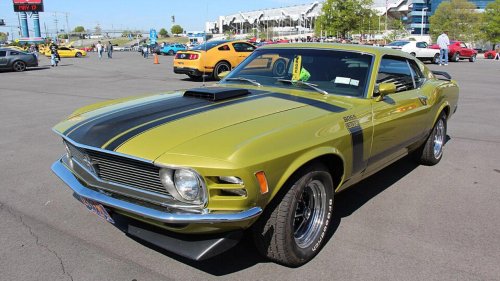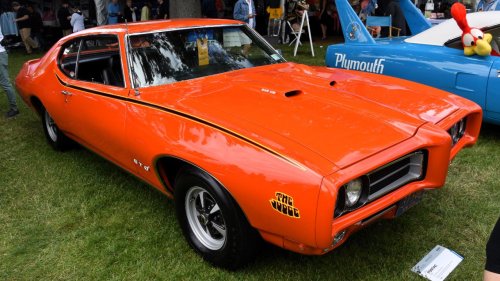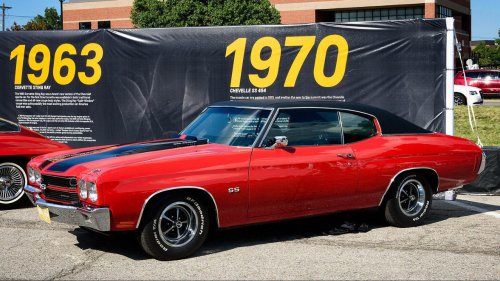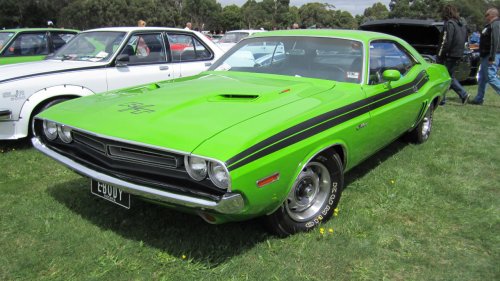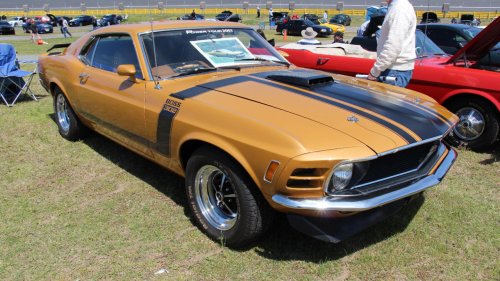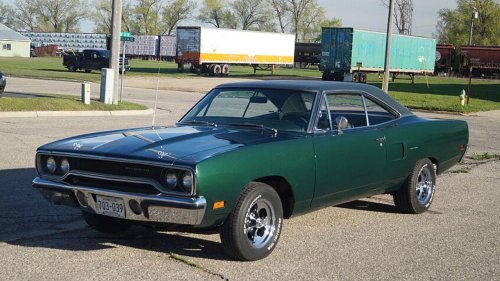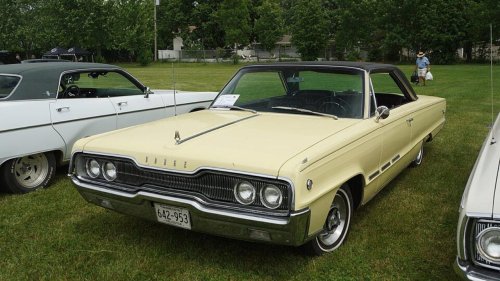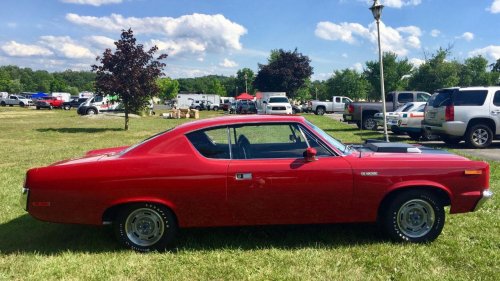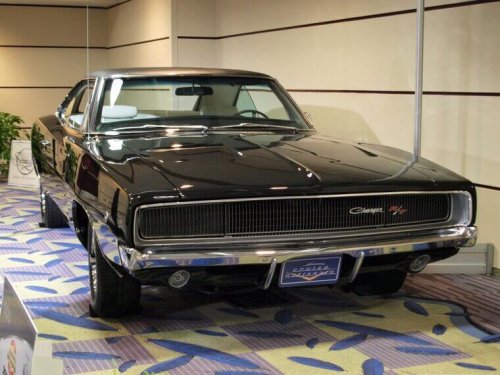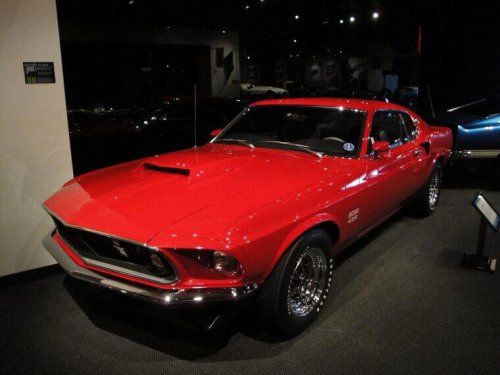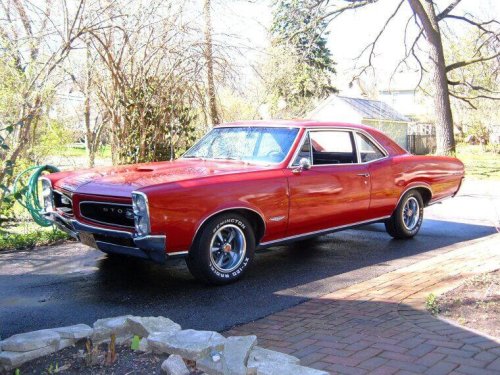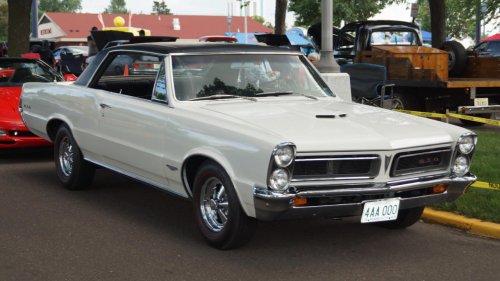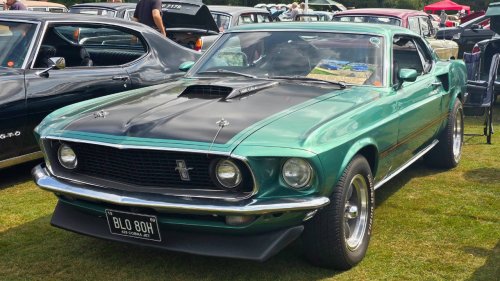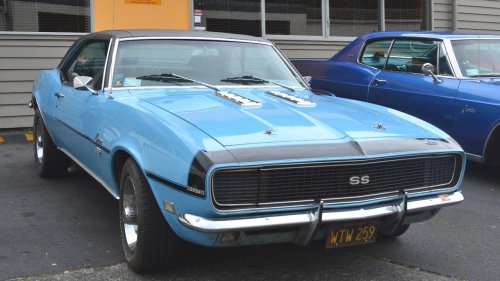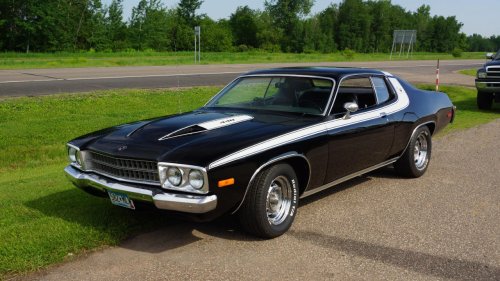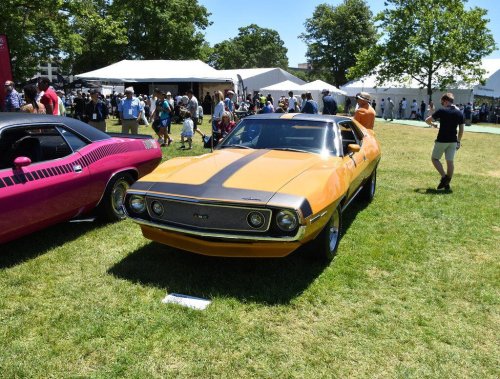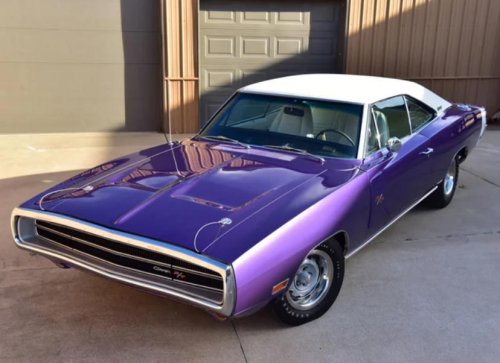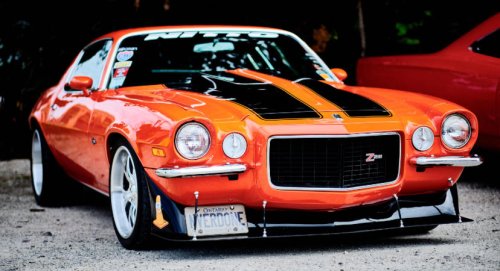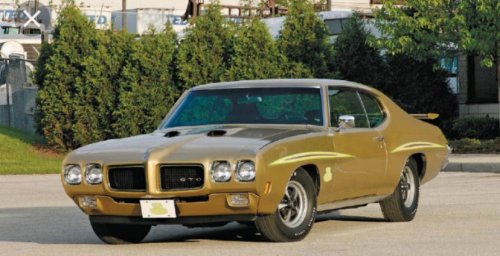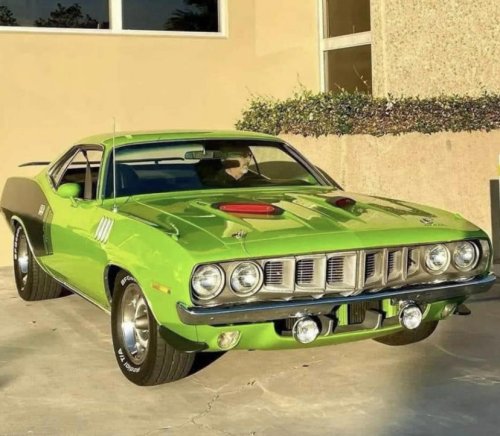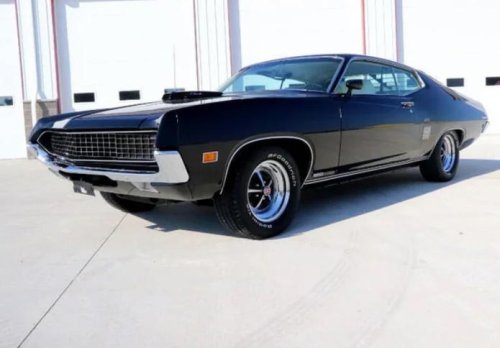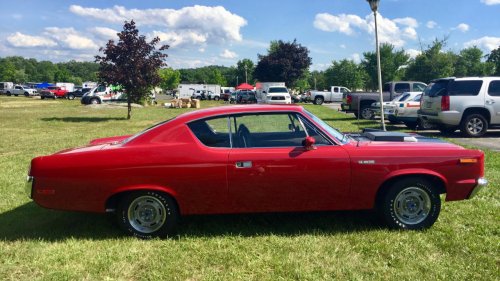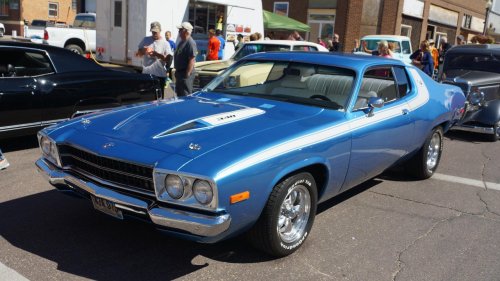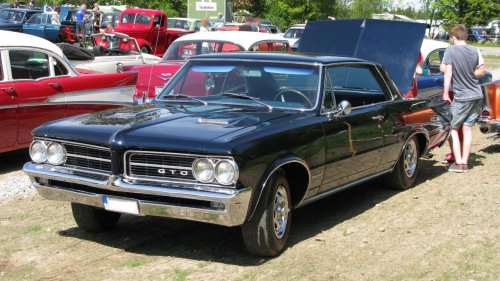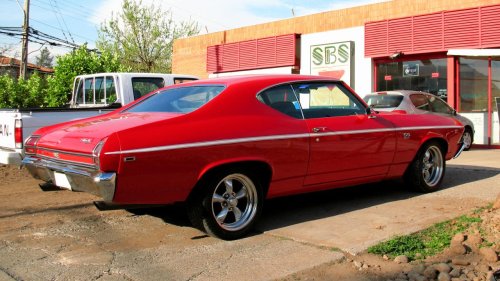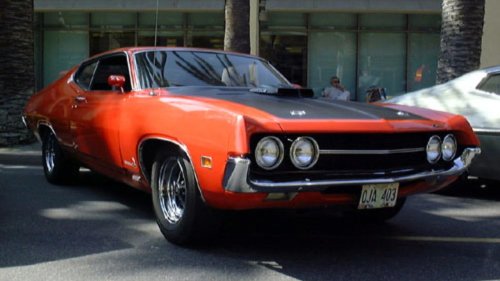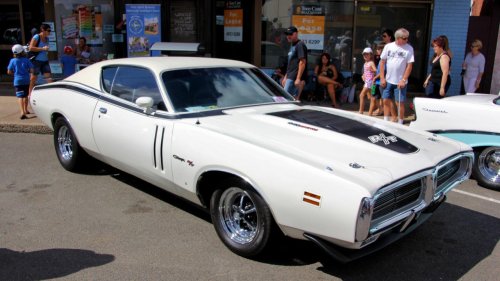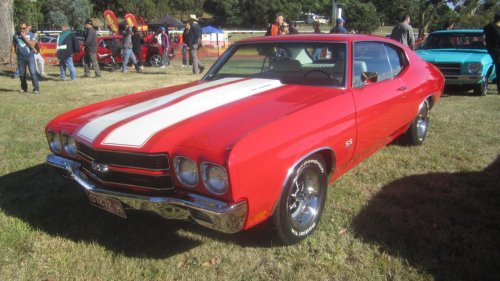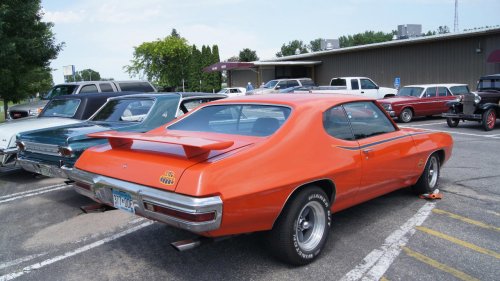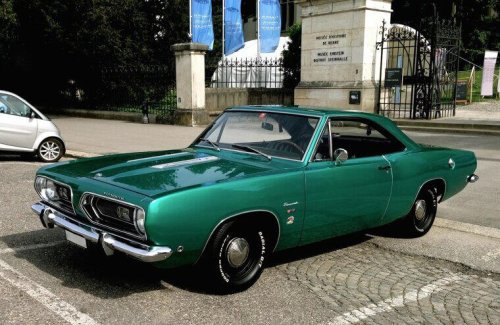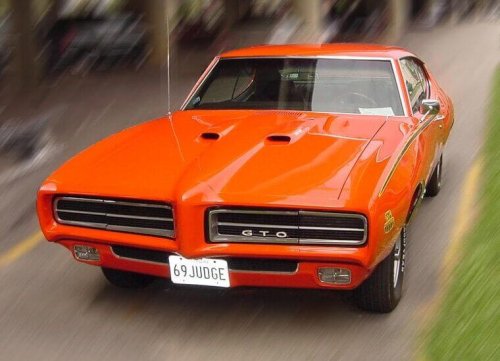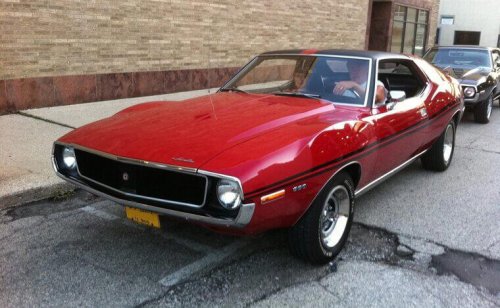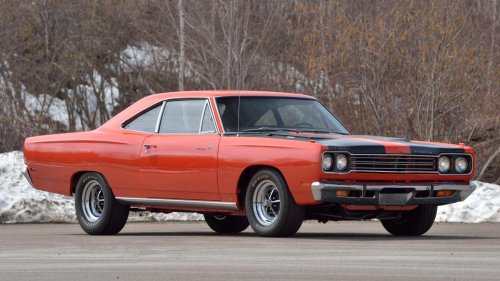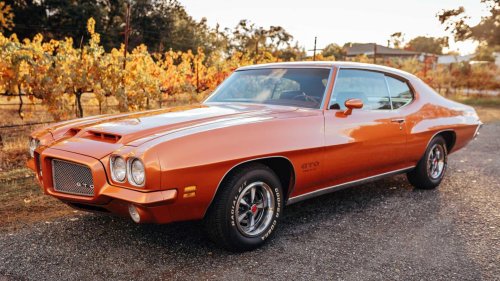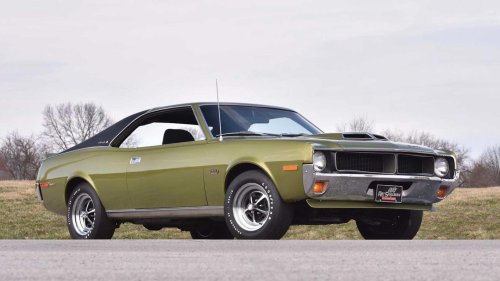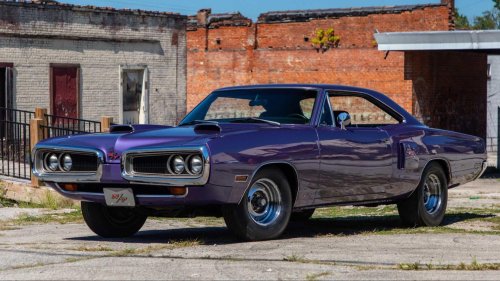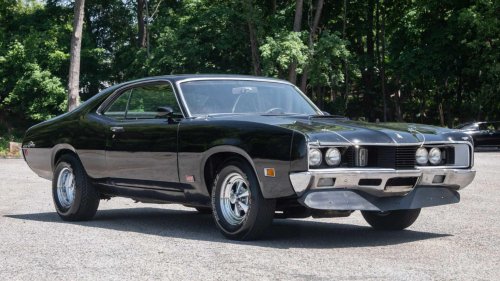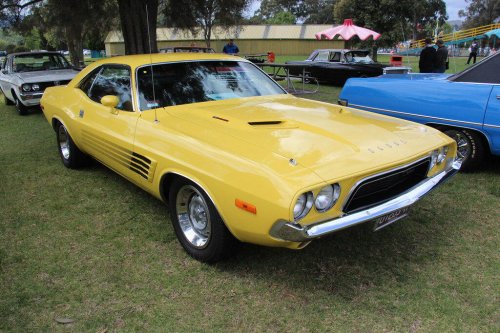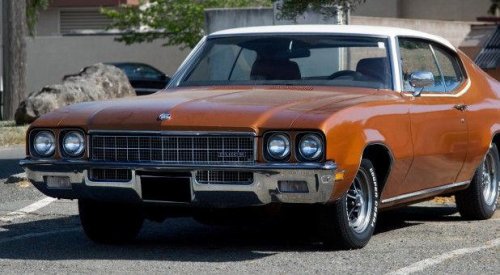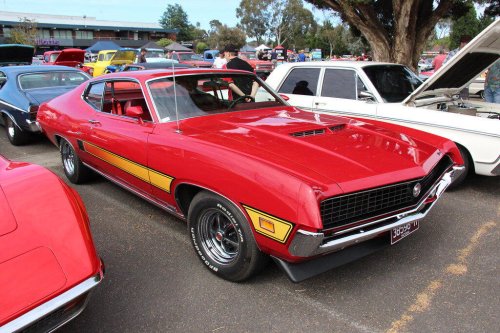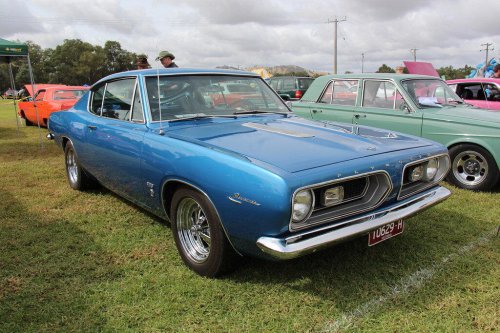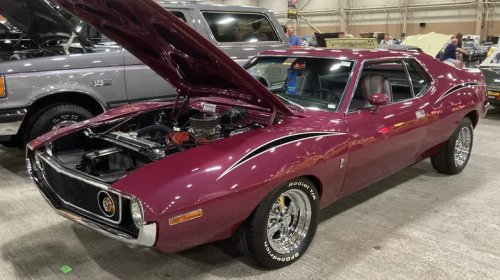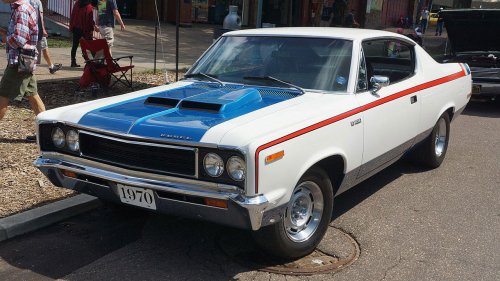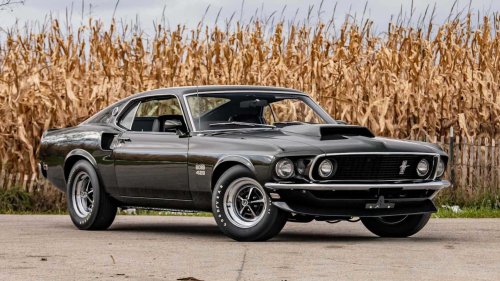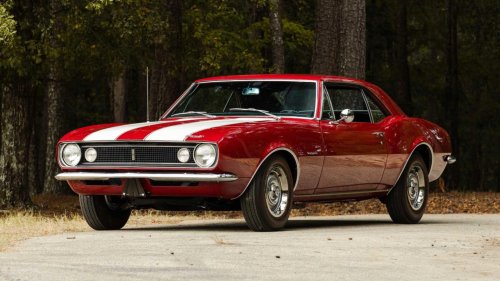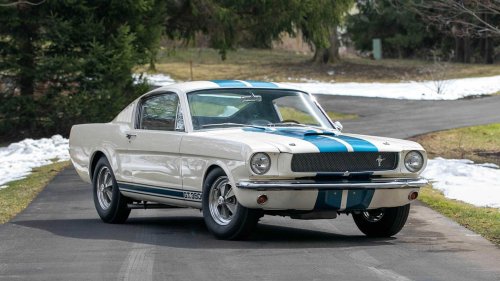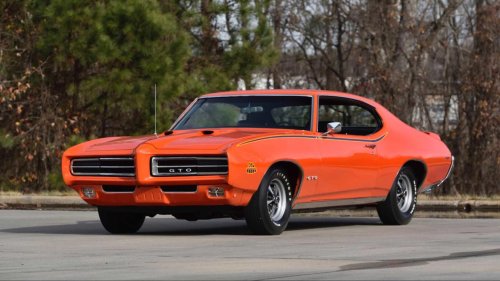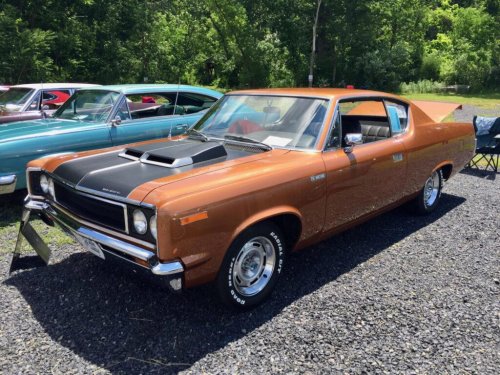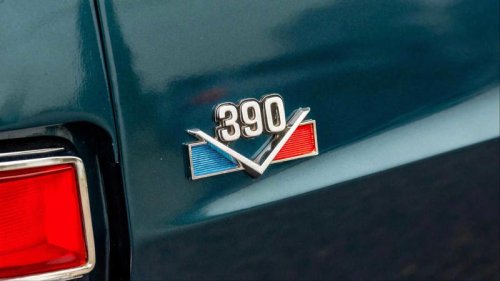
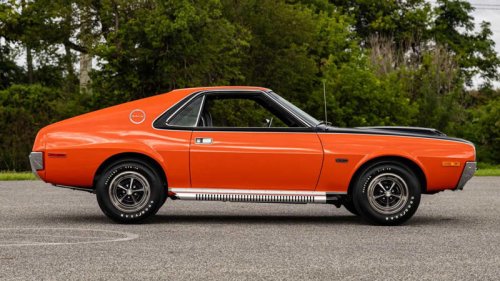
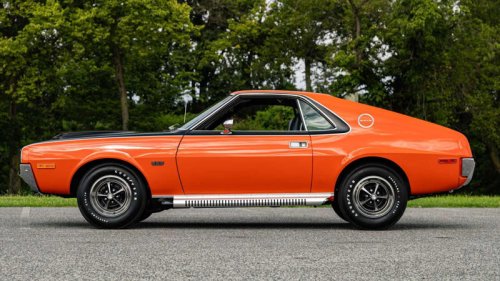
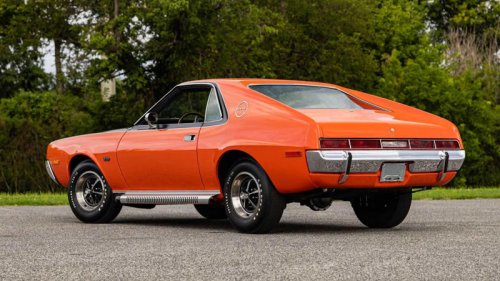
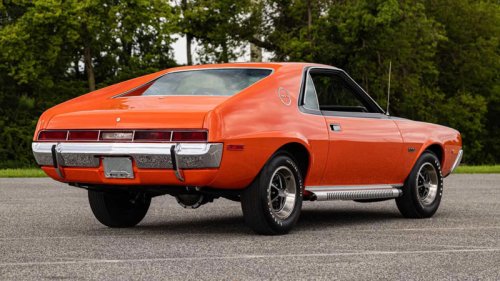
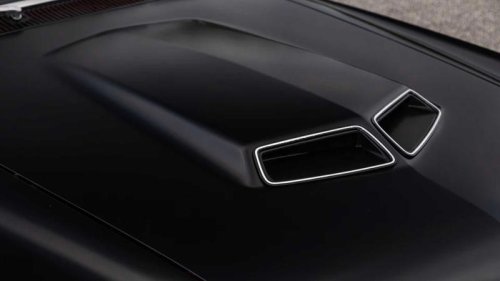
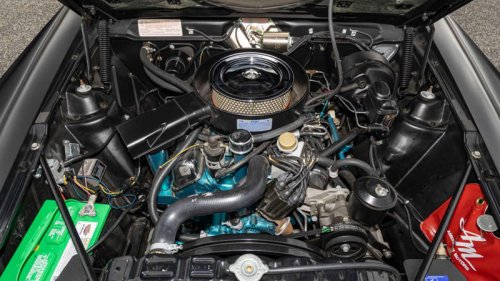
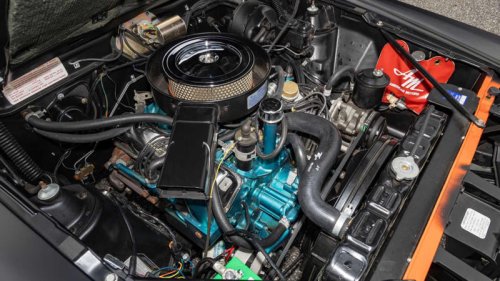
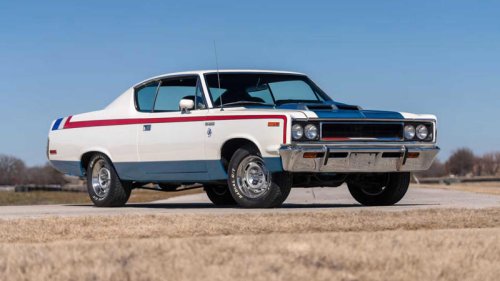
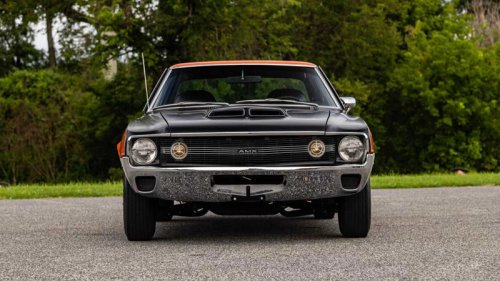
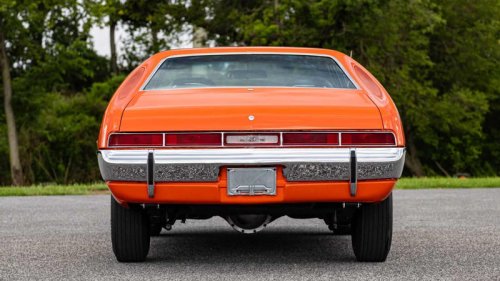



















Think 1960s Muscle Cars. Your mind probably went straight to early iterations of the Pontiac GTO, Ford Mustang, Dodge Charger, and other Detroit icons from the 1960s. These cars not only ruled the market during the muscle car golden era, but they also became cultural icons that gearheads still celebrate to this day.Not every great muscle car story started in Detroit. About 245 miles west of the Motor City in Kenosha, Wisconsin, a small independent carmaker known as American Motors Corporation got fed up with the Big Three dominating the muscle car conversation and built a worthy contender. This car blended muscle car power, sports car proportions, and a price that made it feel like a bargain, creating a package that proved that independent automakers could go toe-to-toe with the biggest names. However, while mainstream muscle cars fetch crazy prices today, this AMC is a forgotten piece of muscle history that many can still afford. AMC Was Late To The Muscle Car Party Bring a TrailerYounger enthusiasts may know AMC only as a defunct brand from the 1980s, but the Kenosha-based marque used to be one of the industry's greatest David vs Goliath stories. AMC was the largest independent American automaker slugging it out with the Big Three, and much of its business model revolved around selling compact, economical cars that the others largely ignored. Unfortunately, that strategy didn't work as well in the 1960s, when muscle cars burst onto the scene and took over. All of a sudden, buyers didn't have to sacrifice performance for affordability, which forced AMC to rethink its strategy.AMC resisted the muscle car wave for most of the '60s. But following a record loss of about $75 million, AMC's board replaced CEO Roy Abernethy with Roy D. Chapin Jr. in 1967. While the previous management was skeptical of racing and performance marketing, the new 1967 team wanted to build exciting cars that would help AMC shed its 'grandma car' image and impress younger buyers. The Platform That Changed Everything Mecum AuctionsShortly after the management change, AMC introduced the Javelin, its first pony car and the earliest sign of the great things that would follow. Although it was a carryover project from the previous administration, Roy Chapin Jr. is the one who championed it as the face of the "New AMC". As cool as the four-seat Javelin was, Chapin still wanted a specialized halo model that would generate excitement and prove the company could out-engineer the Big Three.But since AMC lacked the budget to build a ground-up machine, the engineers shortened the Javelin's chassis by 12 inches, got rid of the rear seat, and equipped it with the largest and most powerful V8 the company had ever built. The result was a model that not only challenged the muscle car establishment but also gave the Chevy Corvette a run for its money. The AMC AMX Is The Forgotten Corvette Killer You Can Still Afford Mecum AuctionsThe American Motors eXperimental, popularly known as the AMX, is a radical car that AMC built to disrupt the American performance car landscape in the late '60s. While the Javelin it was derived from was a conventional 2+2 pony car that rivaled the likes of the Ford Mustang and Chevy Camaro, the AMX fired direct shots at the Corvette as it was positioned as the only other American-built two-seater on the market.The AMX was a product of AMC's post-1967 performance-oriented direction, but it stayed true to AMC's reputation of undercutting Detroit rivals. It was far cheaper than the Corvette. In fact, AMC marketed it as "America's only sports car for less than $3,500." However, it's important to note that the AMX was no match for the big-block Corvettes that dominated the era's performance charts, but the top-tier version still offered better performance than the base Corvette for over $1,000 less. The AMX Blended Sports-Car Shape With Muscle-Car Attitude Mecum AuctionsThe AMX didn't fit into a single category. On one hand, one could argue that it was a sports car. The shortened chassis also made it significantly more agile and easier to toss into corners than the heavy, long-wheelbase muscle cars of the day.On the other hand, the AMX followed the classic muscle car formula at its core. It featured the aggressive hood scoops, dual exhausts, Coke bottle curves, and could only be equipped with V8 engines. That included a monstrous 390 cubic-inch mill that generated 425 lb-ft of torque, giving it neck-snapping acceleration. That dual identity helped the AMX stand out, even if it limited its mainstream appeal. It Peaked In 1970 Mecum AuctionsWhile many collectors prefer the 1968 AMX for being the purest, most original version, the 1970 model represented the pinnacle of the car's three-year run. It saw a major upgrade to the powertrain lineup. AMC replaced the 290- and 343-cubic-inch V8s with a new 360 rated at 285 hp, while the 390 rose to 325 hp.The aging trunnion front suspension was also ditched in favor of a modern ball-joint system. Together with a new rear sway bar, these changes significantly improved its cornering ability. With only 4,116 units built, the 1970 model year is also the rarest, and this is the kind of scarcity collectors love. Total production for 1968-1970 was 19,134 units. The AMX Is Surprisingly Affordable Mecum AuctionsAfter being undervalued for decades, the AMX is finally gaining recognition from mainstream collectors as a unique piece of American automotive history, which explains why it was included in the Hagerty Bull Market List in 2023. However, compared to Detroit icons from the era, the AMX is still a bargain, with the average price for one in good condition below $40,000. These figures track when you check recent auction results, with two 390-powered units having sold for under $40,000 in 2026.Collectors need to be aware of two iconic AMX factory options that can have a significant effect on value. The Go Package was available throughout the production run and added features like power front-disc brakes, heavy-duty cooling, Twin-Grip limited-slip differential, heavy-duty suspension, and performance tires, transforming the AMX into a track-ready machine. AMC also offered flashy 'Big Bad Colors' in 1969 and 1970 to attract younger buyers. The AMX Proved AMC Could Build A Proper Muscle Car Mecum AuctionsAMC stuck to its lane for as long as it could, building cars that catered to budget-minded buyers who wanted more value for money than the Big Three provided. Even though early AMCs like the Rambler Rebel of the 1950s gave the marque some performance credentials, the AMX is the car that finally proved that AMC could build a legitimate muscle car that could run with Detroit's finest.Even though the AMX wasn't a runaway success in sales, it gave AMC credibility and proved that the company's engineering and design ambitions were real. A Closer Look At The AMC AMX Performance Mecum AuctionsThe AMX was built to raise AMC's performance image, and it only had V8 engines throughout its run. 1968 buyers had three options, ranging from a 225-hp 290 cubic-inch V8 to a 390 cubic-inch V8 cranking out 315 hp. Again, AMC revised the engine options in 1970, introducing the 360 V8 and dialing up the 390's output. Regardless of the engine chosen, a curb weight of around 3,100 pounds gave it a competitive power-to-weight ratio.The 390 was engineered as a factory race engine for the street and featured a forged steel crankshaft and connecting rods from the factory, ensuring it could withstand the extreme mechanical stress of high-RPM racing. It also helped the AMX set 106 national and international speed records, including a 24-hour marathon where it averaged over 140 mph.Mecum AuctionsThe AMX was a force to be reckoned with on the strip, especially when equipped with the Go Package. A 0 to 60 of around 6.5 seconds and quarter-mile passes in the low to mid 14s ensured it could run with mainstream rivals. AMC also partnered with Hurst to build the AMX Super Stock, which was a highly specialized factory-built NHRA race car. Conservatively rated at 340 hp (the NHRA rated it at 420 hp), the Super Stock could blast past 60 mph in just 4.2 seconds and terrorized drag strips with sub-11-second passes at 127-128 mph. The AMX Opened the Door for AMC Performance Cars Mecum AuctionsThe AMX fundamentally shifted the company's identity from a manufacturer of sensible family cars to a legitimate performance brand. It also provided the street cred and engineering foundation for every AMC performance model that followed.In 1969, AMC partnered with Hurst to build the SC/Rambler, creating a low-cost drag strip sleeper. A year later, AMC built a special version of the Rebel known as The Machine, which used an upgraded version of the AMX's 390 that was rated to produce 340 horsepower and 430 lb-ft of torque. Why The AMC AMX Remains Underrated Today Mecum AuctionsThe AMX had all the ingredients needed to become a smash hit among American performance car buyers, but it ended up selling below AMC's original projections of about 10,000 units a year. The main reason why it's overlooked is that it was built by AMC, a brand whose reputation was selling affordable compact cars, not all-out performance machines. AMC also lacked the massive advertising budgets, dealer networks, and racing programs that would have helped make the AMX a household name.However, while it's still an affordable option for gearheads looking to collect a rare muscle car from the golden era, the tide is changing. More collectors appreciate its outsider badge, unusual two-seat formula, performance, and rarity. Rising prices of blue-chip Detroit rivals from the era are also pushing buyers toward alternatives.Mecum AuctionsThe AMX may fly under the radar of many enthusiasts and collectors today, but it represents one of the boldest moves by an independent automaker. It proves that through courage, engineering excellence, and sheer determination, the most unlikely names can build amazing cars that give Detroit giants a run for their money.