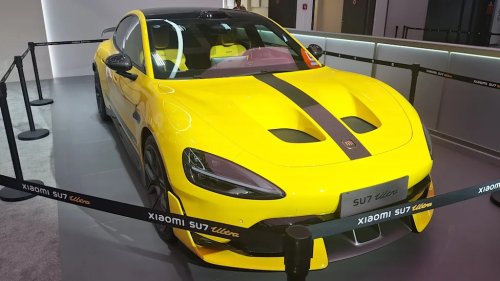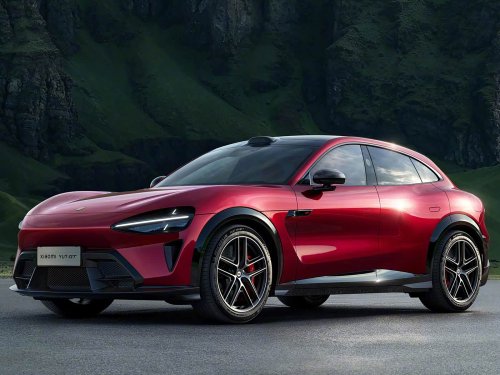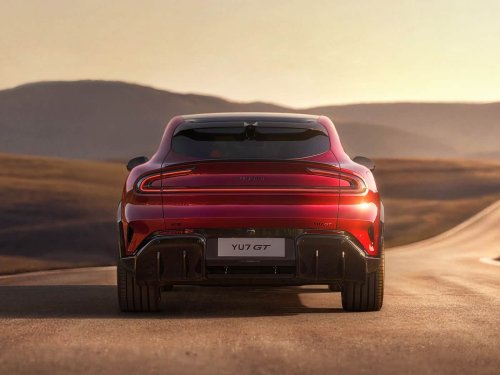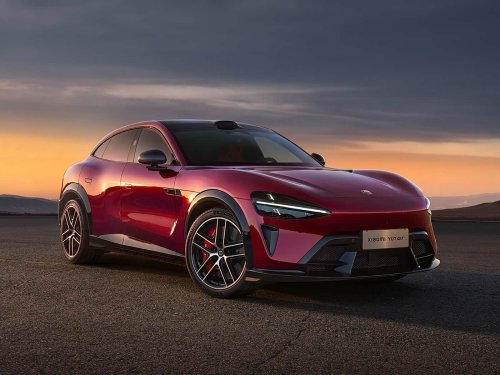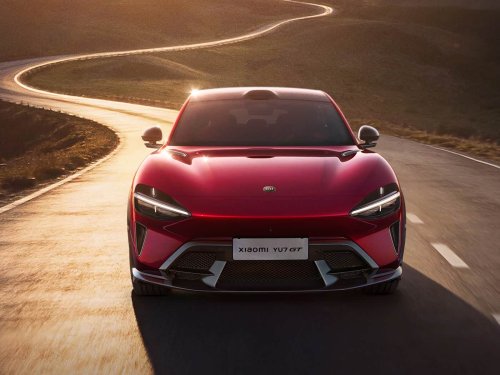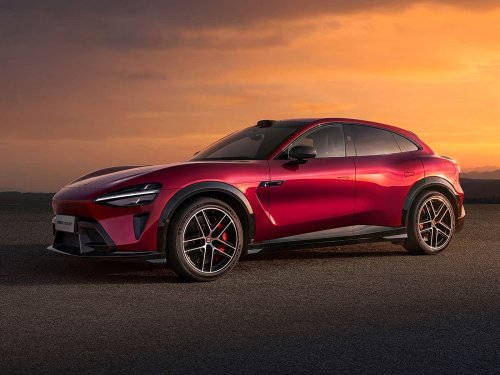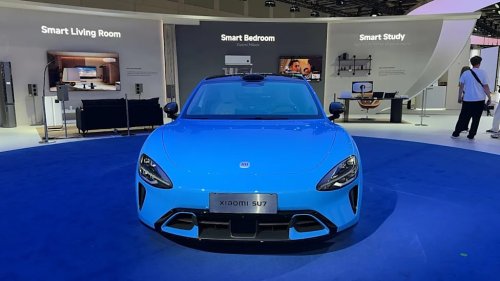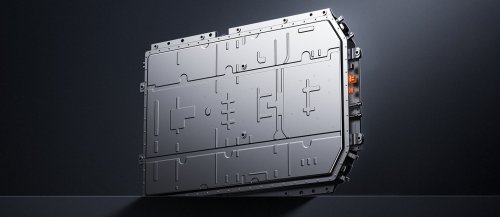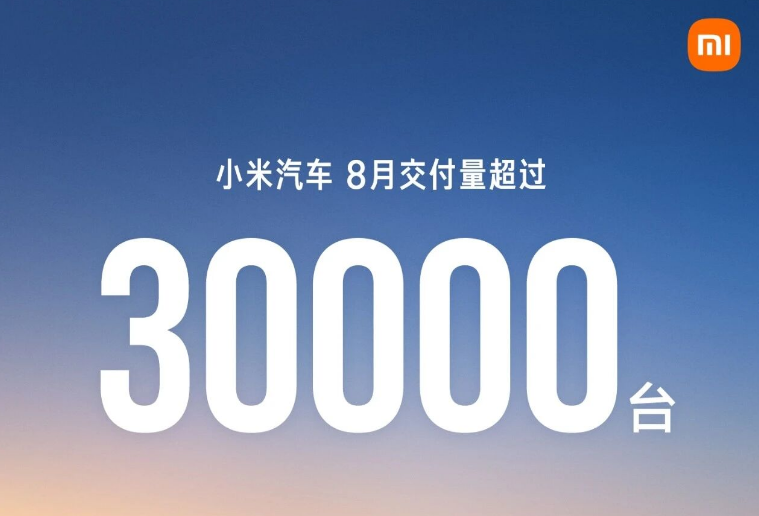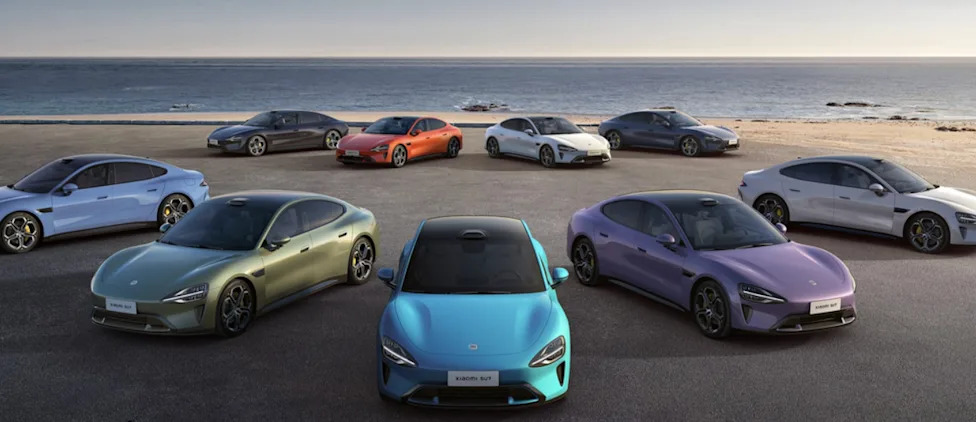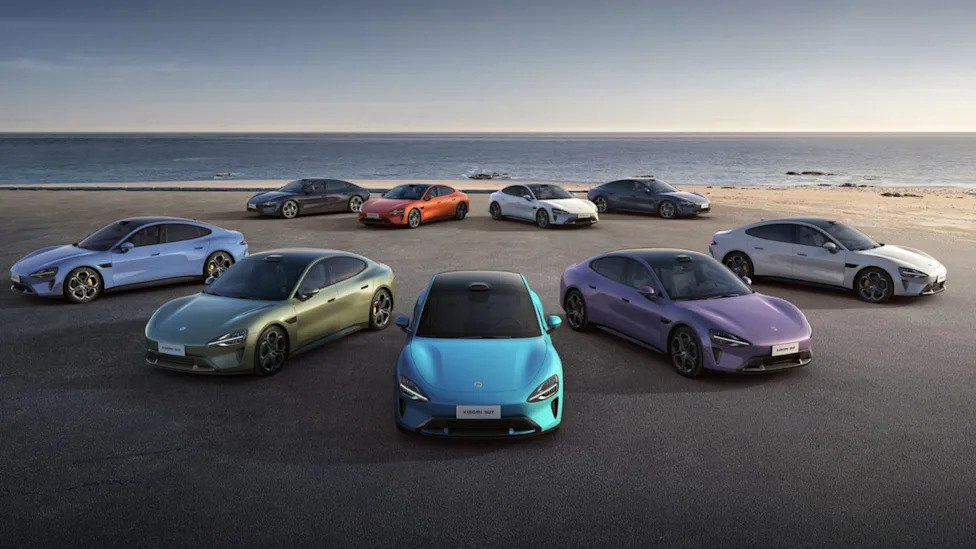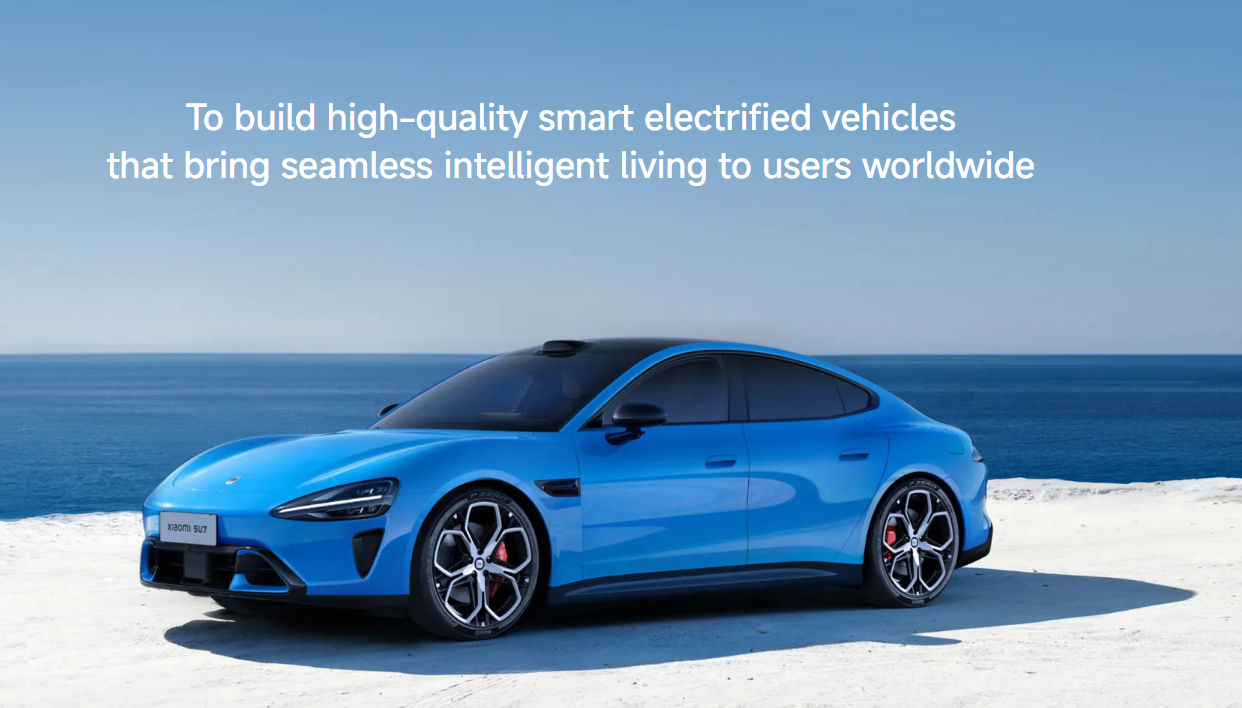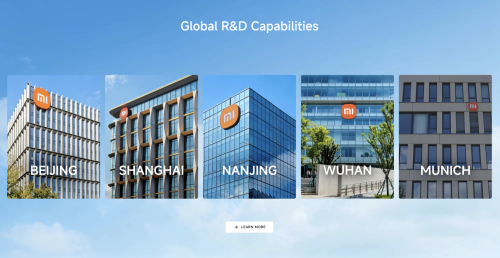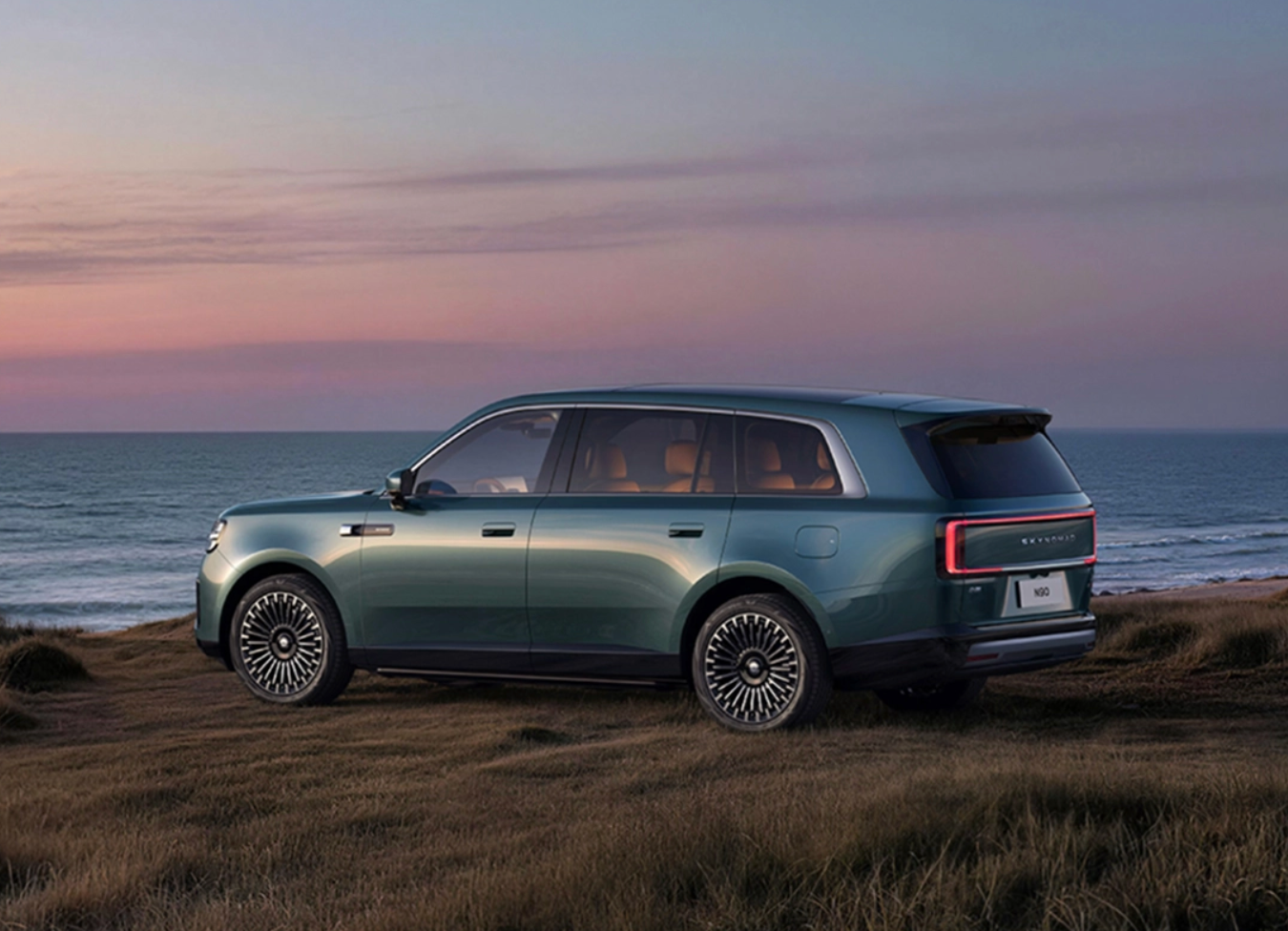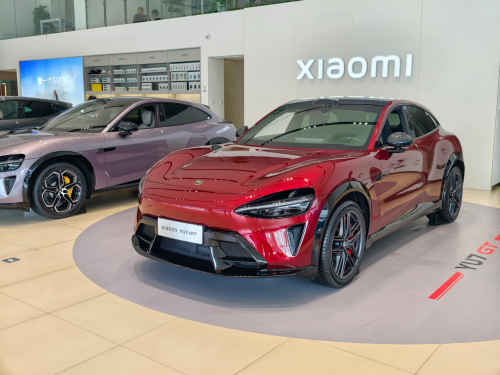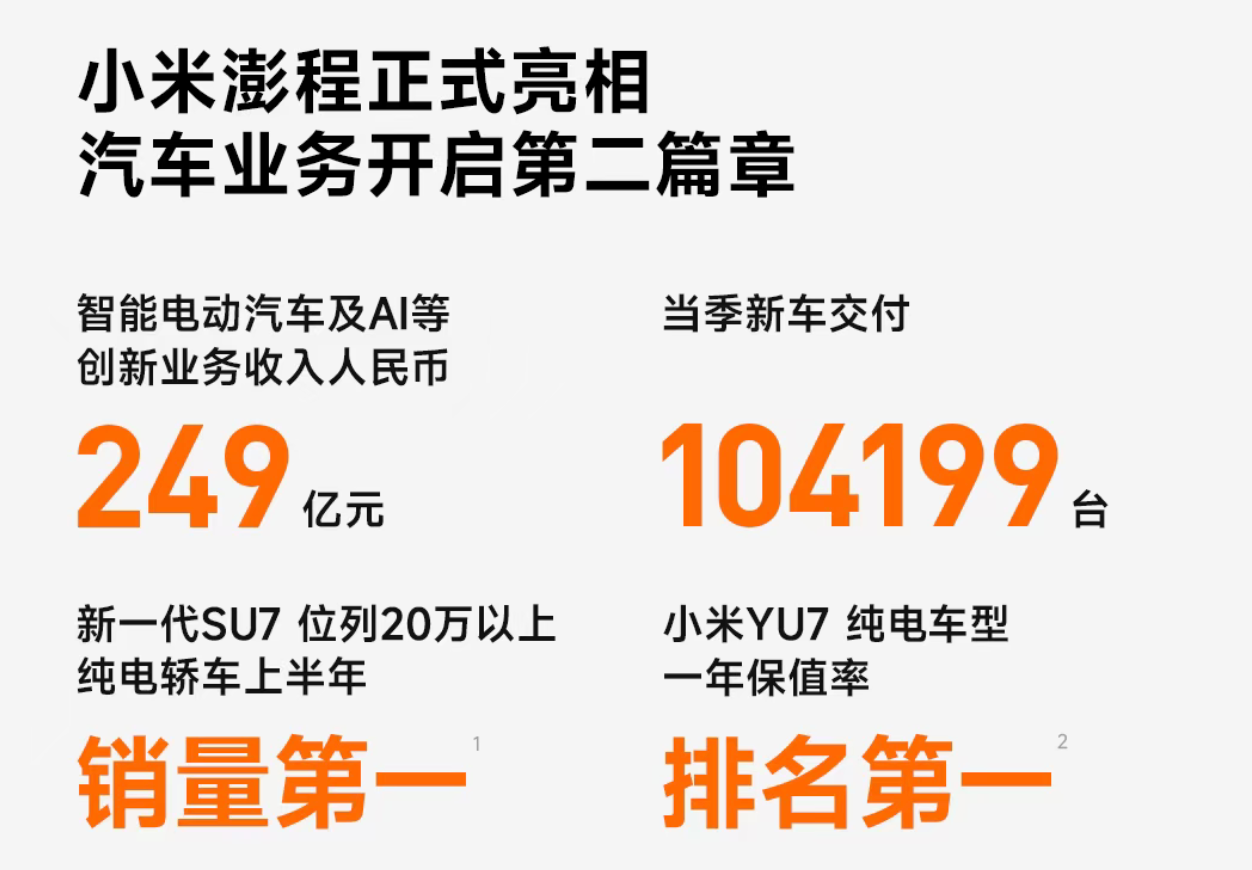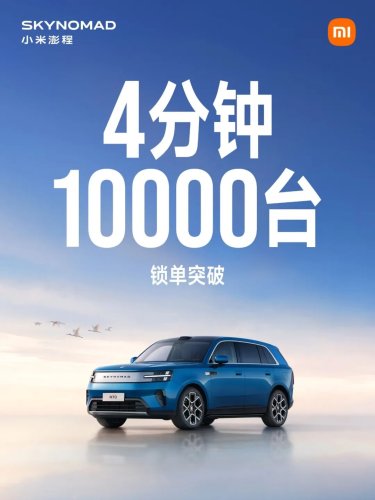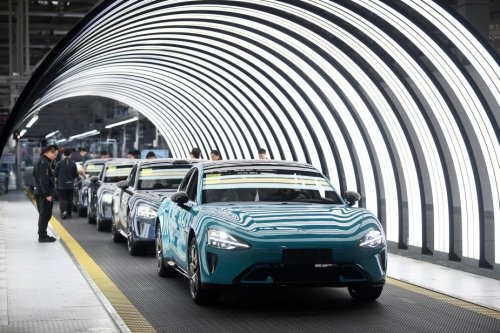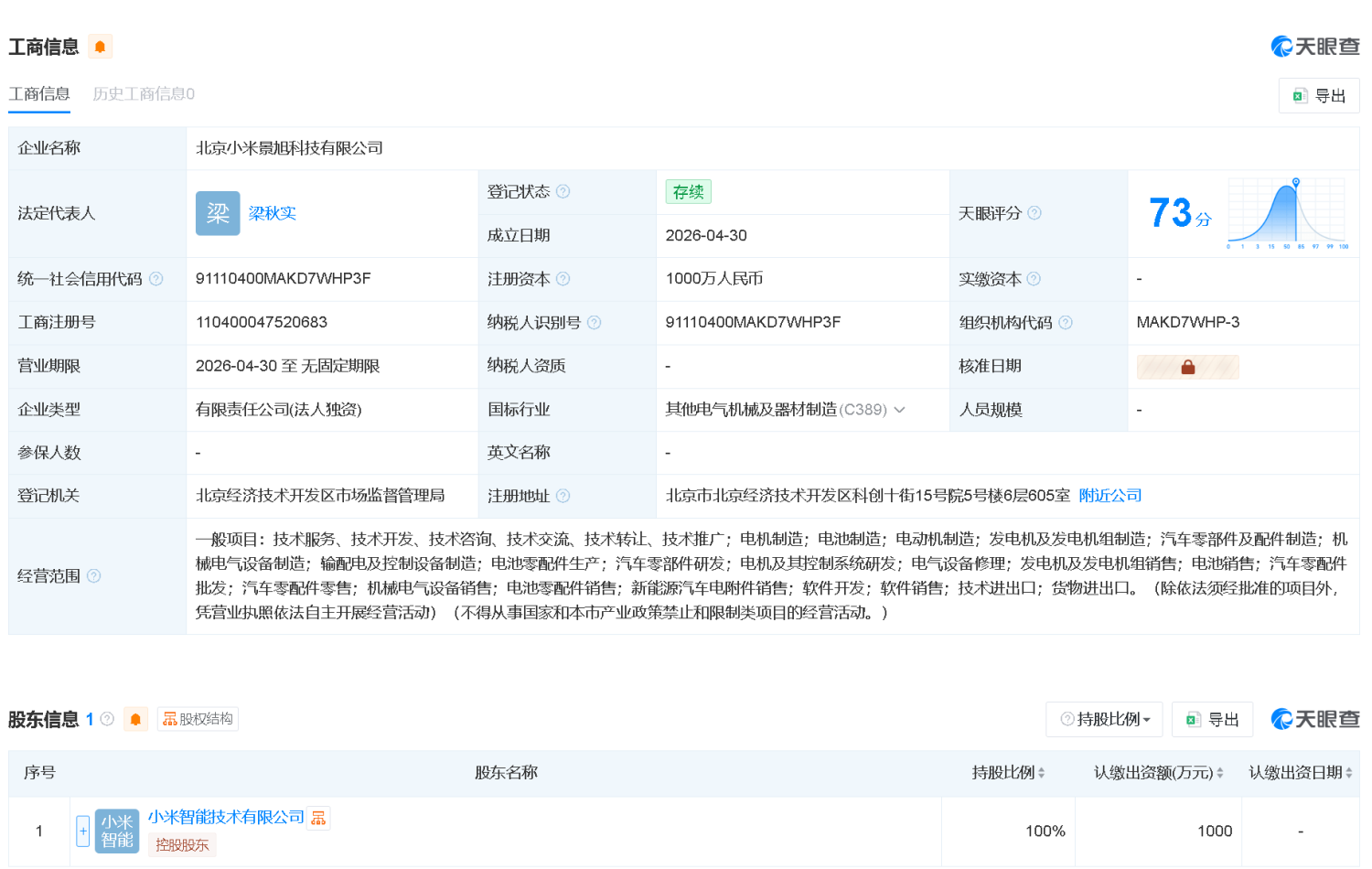
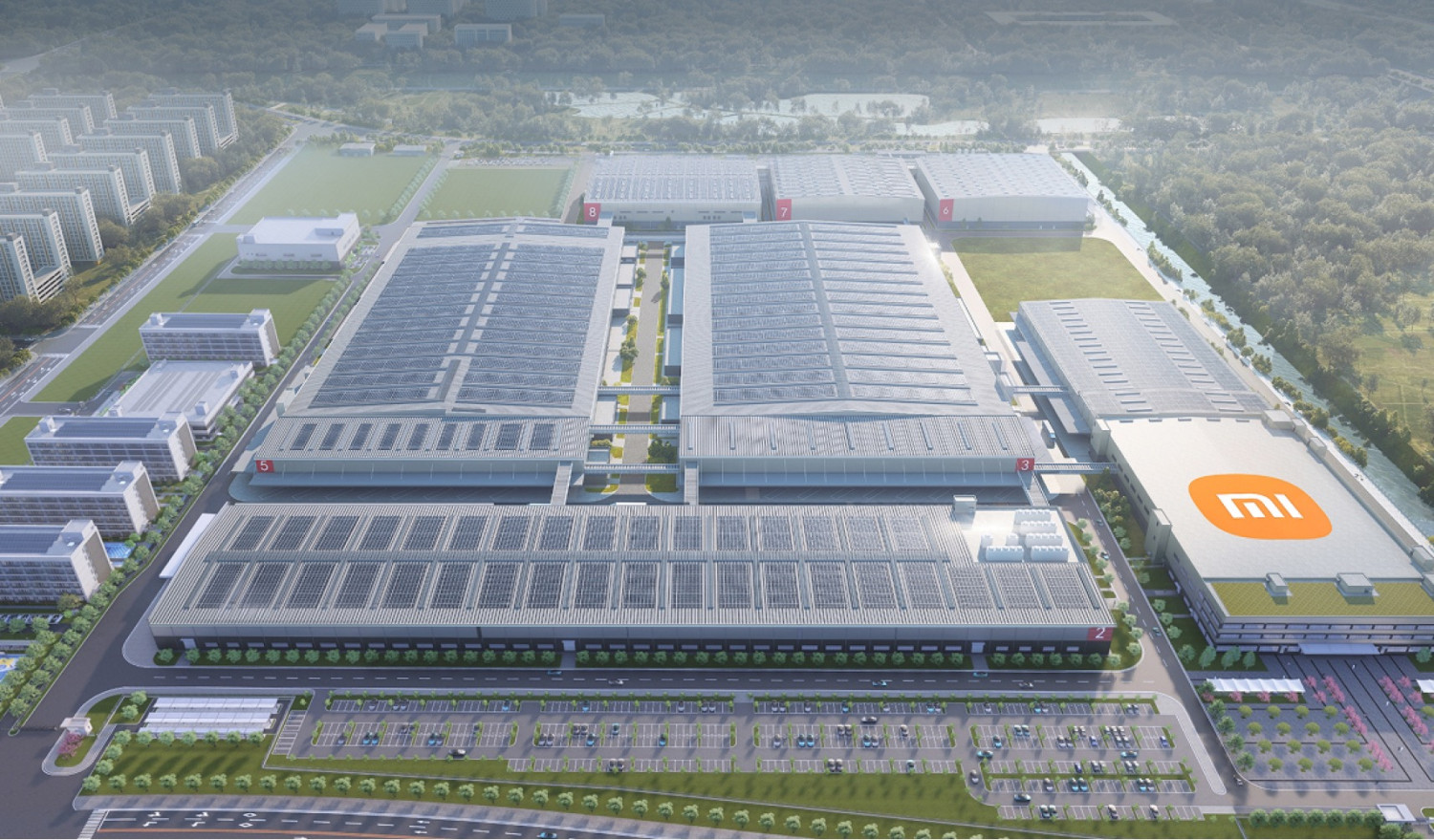
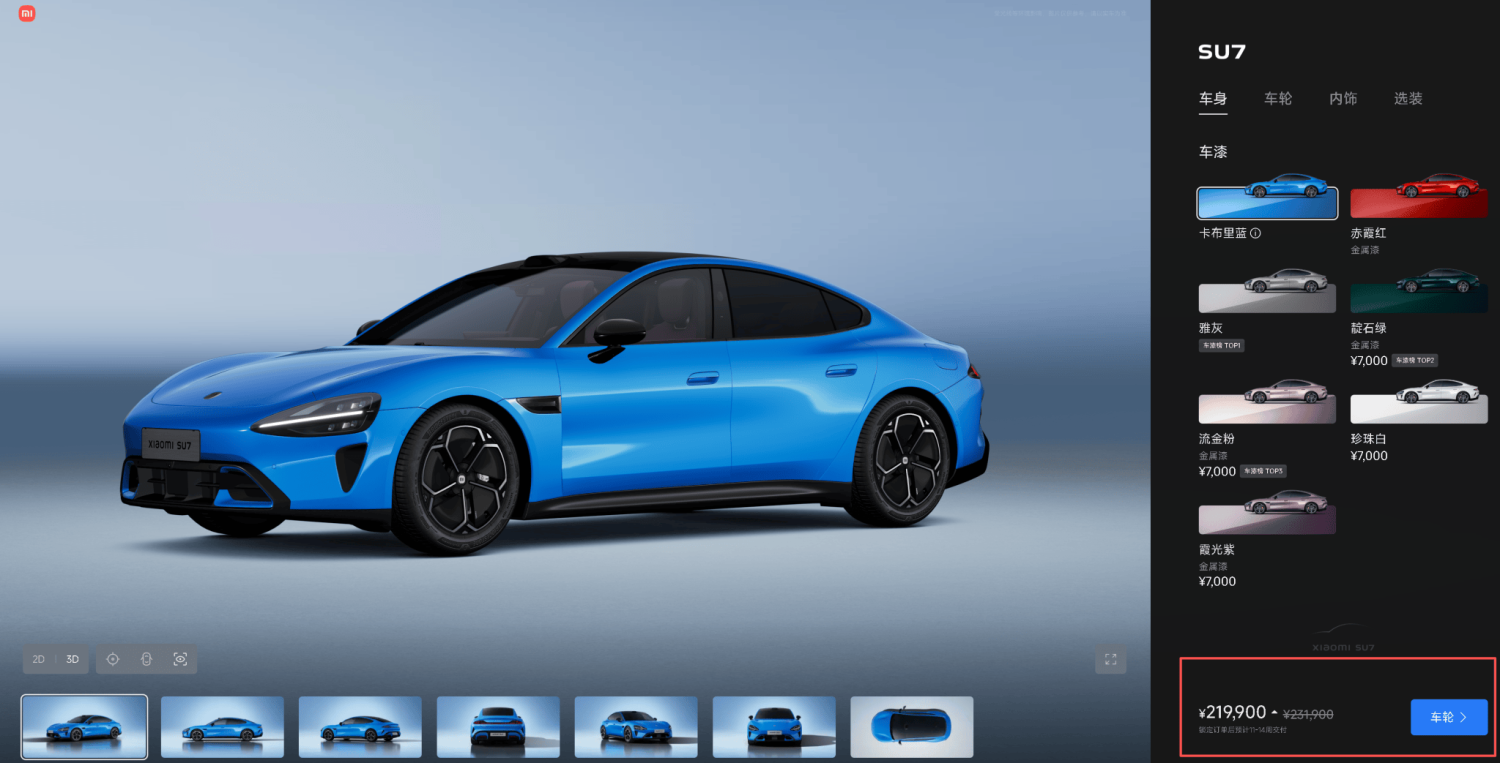



















Tianyancha ‘s official website shows that Beijing Xiaomi Jingxu Technology Co., Ltd. was officially established on April 30, with a registered capital of RMB 10 million (approximately USD 1.39 million). The company ‘s business scope covers core ‘three-electric’ (battery, motor, electric control) operations, including: electric motor manufacturing; battery manufacturing; electric motor manufacturing (again, but more precisely ‘motor manufacturing’ – in Chinese the second term is electric motor specifically; the first is general motor); generator and generator set manufacturing; auto parts and accessories manufacturing, etc. According to equity penetration information, the company is indirectly wholly owned by Xiaomi Intelligent Technology Co., Ltd., which also means that Xiaomi has taken a key step toward the independent controllability of key technologies. Beijing Xiaomi Jingxu Technology Co., Ltd. established Previously, in the three-electric field, Xiaomi Auto had adopted a dual-track strategy of ‘self-research + cooperation with leading suppliers’: on the battery side, it jointly developed the CTP3.0 battery pack with CATL, and cooperated with BYD Fudi on the lithium iron phosphate battery solution; on the motor side, it self-developed the HyperEngine V8s/V6s super motors, with a maximum speed of 27,200 rpm. The establishment of Jingxu Technology represents an extension of Xiaomi Auto from ‘self-research + cooperation’ toward ‘independent manufacturing’. It is worth noting that the three-electric system is the technical core of vehicle performance and safety. The power battery alone accounts for 40% to 50% of the entire vehicle cost, while the drive motor and electronic control together account for 10% to 15%. After the establishment of the new company, independent manufacturing of core components can effectively hedge against fluctuations in raw material prices and build a more solid moat for the supply chain. Xiaomi Auto Factory From an industrial logic perspective, the establishment of the new company is also highly aligned with the pace of Xiaomi Auto’s capacity expansion. In 2026, Xiaomi Auto’s delivery target is set at 550,000 units. The third-phase factory in Yizhuang, Beijing, has already gone into production after the Spring Festival, and the Wuhan factory will start production in May. The annual production capacity is expected to reach 1.2 million units. Under the demand for rapidly scaling up capacity, the independent controllability of core components is critical. While advancing its supply chain layout, Xiaomi Auto remains very strong in terms of market performance. The current delivery lead time for the Xiaomi SU7 is 11 to 14 weeks. Just today, Xiaomi Auto officially announced that since the launch of the new generation Xiaomi SU7 on March 19, the cumulative locked orders have exceeded 80,000 units in just 48 days. Behind the hot orders, production capacity and delivery have become the biggest challenge for Xiaomi Auto at present. As of May 6, about 30,000 units of the new SU7 have been delivered, which means that more than 50,000 orders are in the queue awaiting production (as of April 23, 26,000 units had been delivered; in the following two weeks, an estimated daily delivery of 800 units is used). The official website shows that locking an order now requires a wait of 11 to 14 weeks to get the car. As of May 1, 2026, Xiaomi Auto has delivered over 109,000 new vehicles cumulatively in 2026, achieving 20% of its annual sales target. Subsequently, with the release of models such as the YU7 GT and SU7L, the pace of data growth will further accelerate.