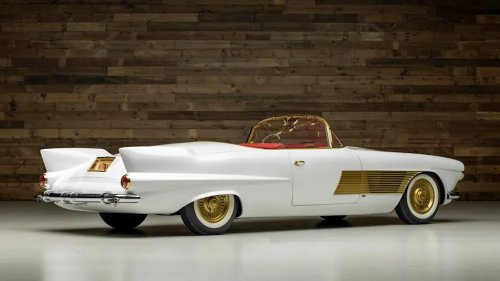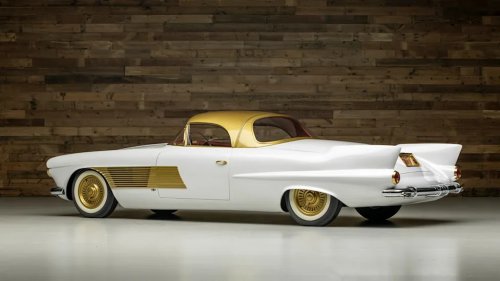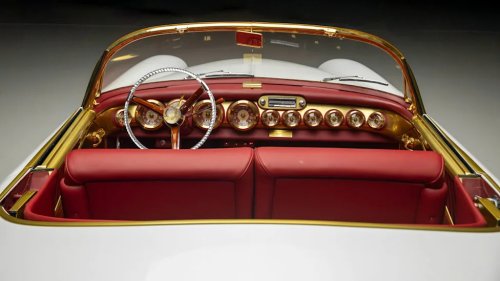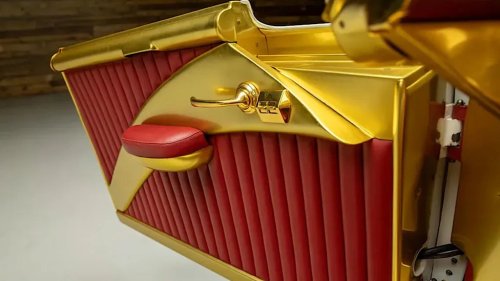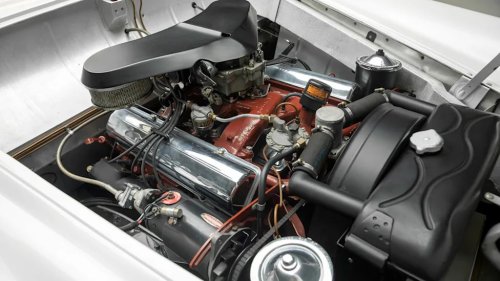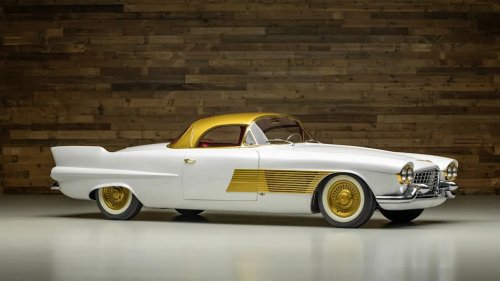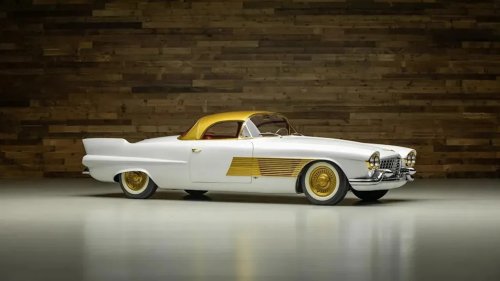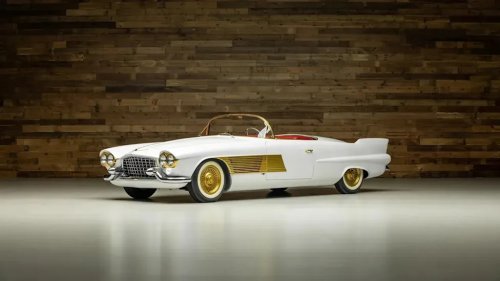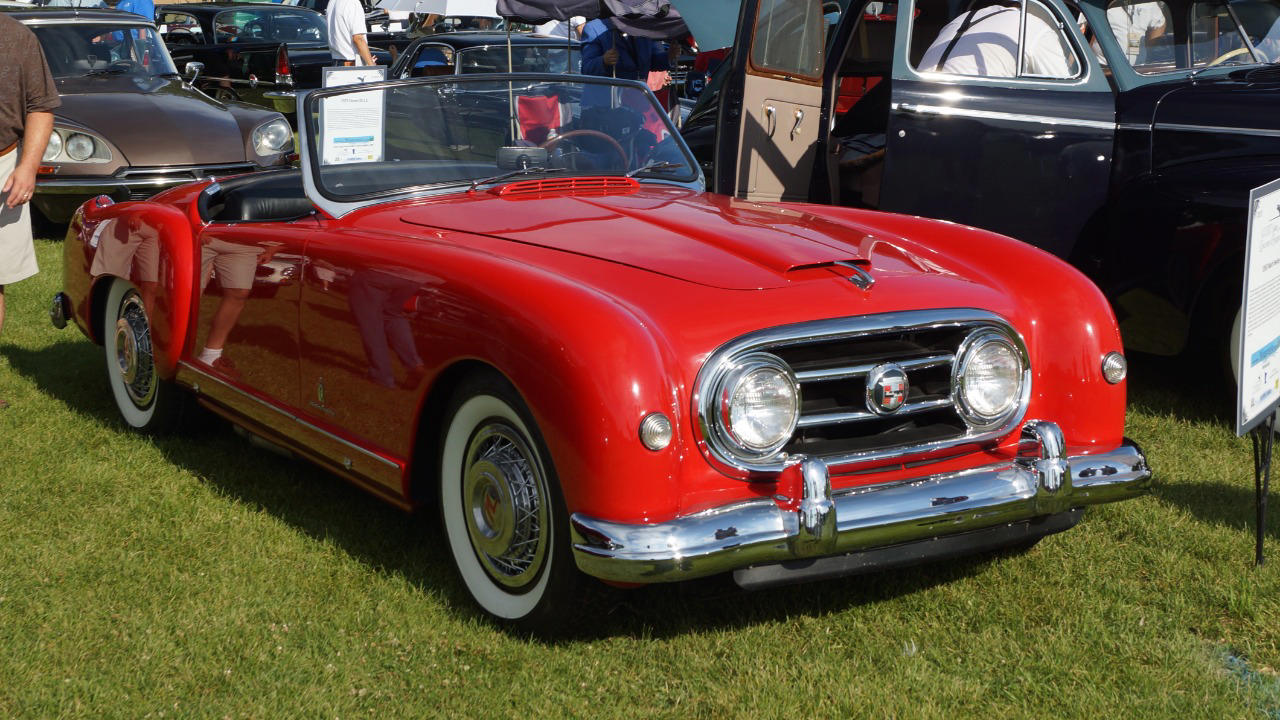



















When the 1953 Nash-Healey blended Europe and AmericaYou meet the 1953 Nash-Healey and suddenly the usual borders in car history stop making sense. Here is a luxury sports car that mixes an American engine, British engineering, and Italian style, then wraps it in a story about ambition, image, and timing. Look at this machine and you see a moment when Europe and America tried to build a shared idea of speed and glamour on four wheels. How a transatlantic idea became a car Start with two names that matter: Nash and Healey. On one side is Nash Motors, a solid American company that wanted something more exciting than family sedans. On the other is Donald Healey in Britain, already known for clever sports car engineering. Through that partnership, Nash motors supplied the Donald Healey motor company with the powertrain components, including the Ambassador’s inline six-cylinder OHV 234 engine. From the beginning, this was a car that ignored national boundaries. The early cars were assembled in England with American mechanicals, then shipped across the Atlantic for sale. Later, body production and final assembly were shifted from England to Farina’s shops in Turin, Italy, so the Nash Healey story adds Italian craftsmanship to the mix as Farina in Turin joins England and the United States in the production chain. By the time you reach the 1953 Nash-Healey, you are looking at a car literally built across three countries. One account of a Nash Healy Series 25 Roadster describes it as assembled in three countries, with work in England, Italy, and final steps in New York, so you can see how global the process became in practice through the Nash Healy Series story. The first American sports car after the war If you are used to hearing the Chevrolet Corvette described as America’s first sports car, the Nash-Healey quietly rewrites your mental timeline. The 1953 Nash-Healey roadster is described by the Blackhawk Auto Museum as the first new American sports car after WWII, so you are dealing with a pioneer rather than a follower, and that 1953 NASH HEALEY Roadster The American claim appears again in a detailed Blackhawk Auto Museum description. Earlier in the production run, you see how rare this experiment really was. One historical account notes that 104 units were produced in 1951. Over the next several years, the Nash Healey went through several changes, and you can trace that evolution through the 104 units figure that sets the scale. For you as a modern enthusiast, that small production number explains why you hardly ever see one in the wild. At the same time, you have the Corvette arriving as a Motorama dream. The very first Corvette ever built was a General Motors Motorama show car first exhibited at the Waldorf Astoria in January of 1953, and that concept led to a run of 195 cars that year, all assembled on a pilot line as 1953 Corvette history shows. When you compare those 195 Corvettes with the tiny Nash-Healey totals, you see how quickly the big automakers moved into territory that small partnerships had just opened. Design that wore three passports Stand next to a 1953 Nash-Healey Le Mans Sport Roadster and you can read the passport stamps in the sheetmetal. One enthusiast description calls the 1953 Nash Healey Le Mans Sport Roadster a unique American British Italian collaboration, a car that combines American power, British engineering, and Italian design, and you see that mix clearly in the proportions and detailing of the Nash Healey Le. After its initial introduction, the Nash Healey was restyled by Pininfarina and sub-assembly began in Italy, so by 1953 you are looking at a Pininfarina and Italy signature on the bodywork that sits over the American mechanicals as described in the Pininfarina and Italy account. The nose carries the familiar Nash grille, but the curves and stance feel much more Italian than Midwestern. Some enthusiasts describe the 1953 Nash-Healey Le Mans Sport Roadster as a luxury sports car, and that label fits when you look at the trim, the seating, and the overall presence. One detailed writeup calls the 1953 Nash-Healey Le Mans Sport Roadster a rare fusion of American engineering and European design, and highlights its role as a luxury sports car in a postwar market that was just learning what that phrase could mean, as seen in the Nash Healey Roadster description. Performance and the Le Mans connection You do not have to guess how serious this car was about performance. The powertrain used Nash’s inline six, and while the raw numbers look modest next to later V8s, the combination of relatively light weight and tuned suspension gave the car real pace. Some accounts highlight the car’s participation in international motorsport, including Le Mans, and that heritage is baked right into the Le Mans Sport Roadster name that appears in several period and enthusiast descriptions of the 1953 models. Watch modern presenters walk around one of these cars and you hear the same theme. A video from the Peterson Automotive Museum features associate curator Johnny Eisen, who introduces a Nash Healey model as America’s first post war sports car, and you can see how that claim connects to the broader story of American entries at Le Mans and other European circuits, as explained in the Peterson Automotive Museum segment. Another enthusiast video walks you around a 1953 Nash Healey and emphasizes how advanced the chassis and packaging felt at the time. You hear how the car balanced comfort and speed, and how its three-country build gave it a character very different from later domestic sports cars, in a walkaround that treats the 1953 Nash Healey as one of those orphan brands you rarely hear about, as seen in the 1953 Nash Healey presentation. How the Nash-Healey differed from the Corvette Set the Nash-Healey beside the Corvette that followed and two very different visions of an American sports car come into focus. The Corvette that appeared at the General Motors Motorama in the Waldorf Astoria in January of 1953, then entered limited production with 195 units, was an all American project in branding, engineering, and assembly, as recorded in the Corvette heritage record. It aimed squarely at mass-market aspiration, even if the first year numbers were small. The Nash-Healey, by contrast, felt like a boutique experiment. Production was tiny, the price was high, and the car relied on a fragile network of transatlantic shipping and coachbuilding. One detailed history of the model points out that the car was a collaboration across continents and highlights how that complexity limited volume even as it gave the car its distinctive personality, a point reinforced in the car ahead of analysis. For you as a modern enthusiast, that difference matters. The Corvette became a brand pillar and evolved through generations. The Nash-Healey ended after a short run, but it showed that American power could live happily under European coachwork long before that formula became familiar through later hybrids of Detroit engines and Italian or British bodies. Why the 1953 Nash-Healey still matters to you Look back at the 1953 Nash-Healey today and you see more than a pretty artifact. You see a car that anticipated the global nature of the car world you live in now. It was assembled in multiple countries, it wore styling from Pininfarina, and it used an American engine that came from a mainstream manufacturer. That mix feels very modern, even if the production numbers were tiny and the venture short lived. More from Fast Lane Only Unboxing the WWII Jeep in a Crate 15 rare Chevys collectors are quietly buying 10 underrated V8s still worth hunting down Police notice this before you even roll window down