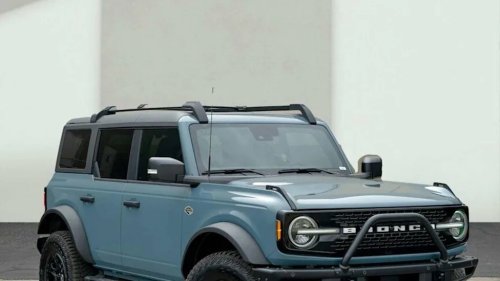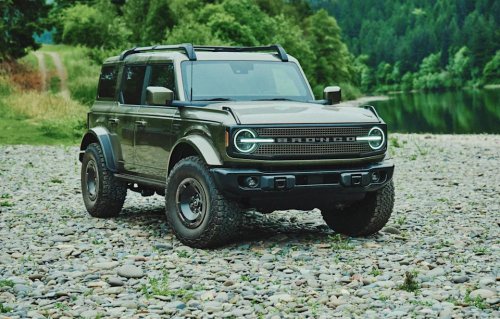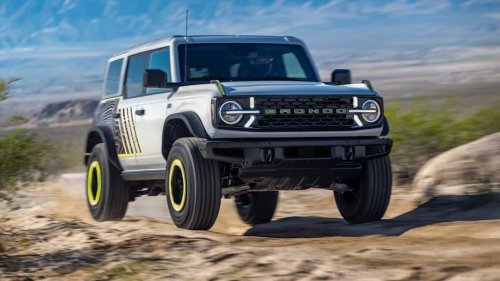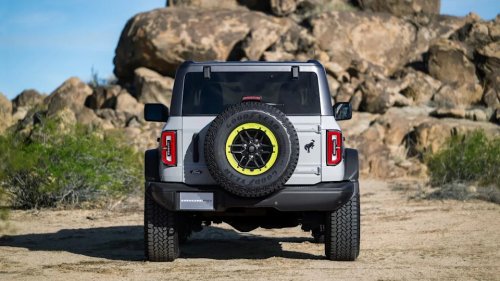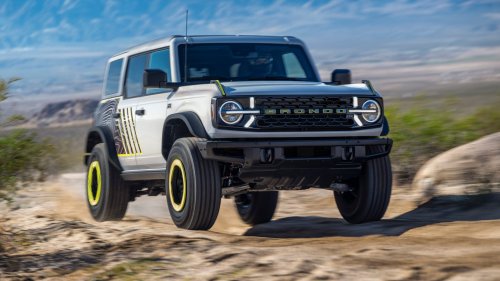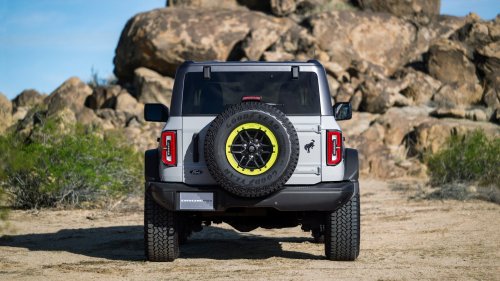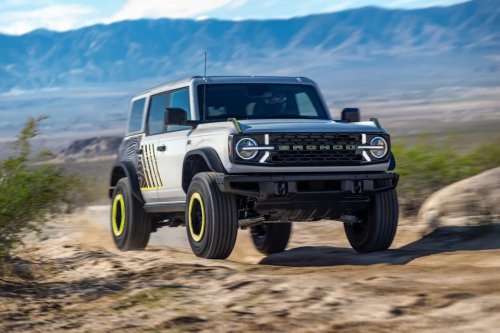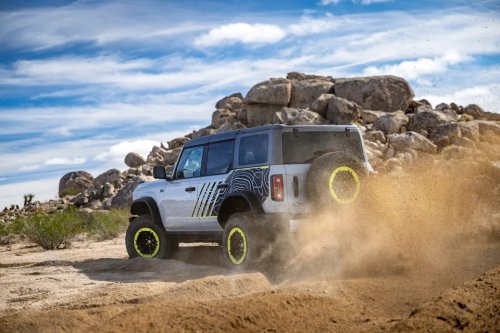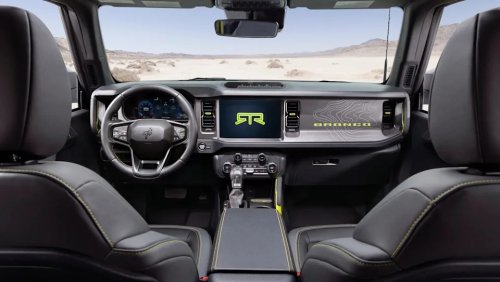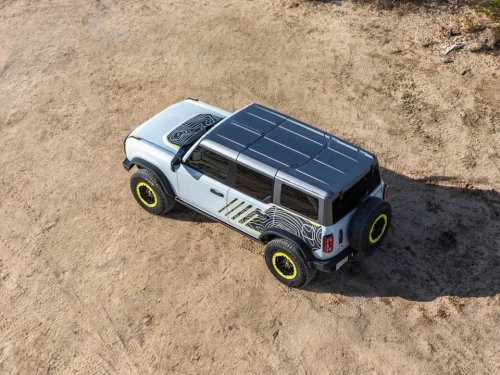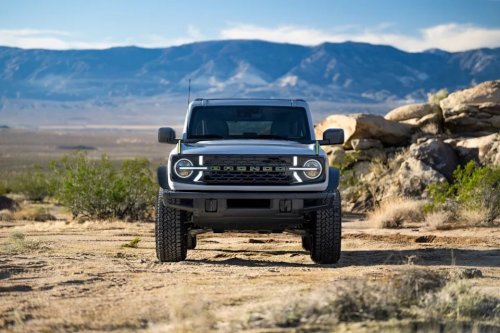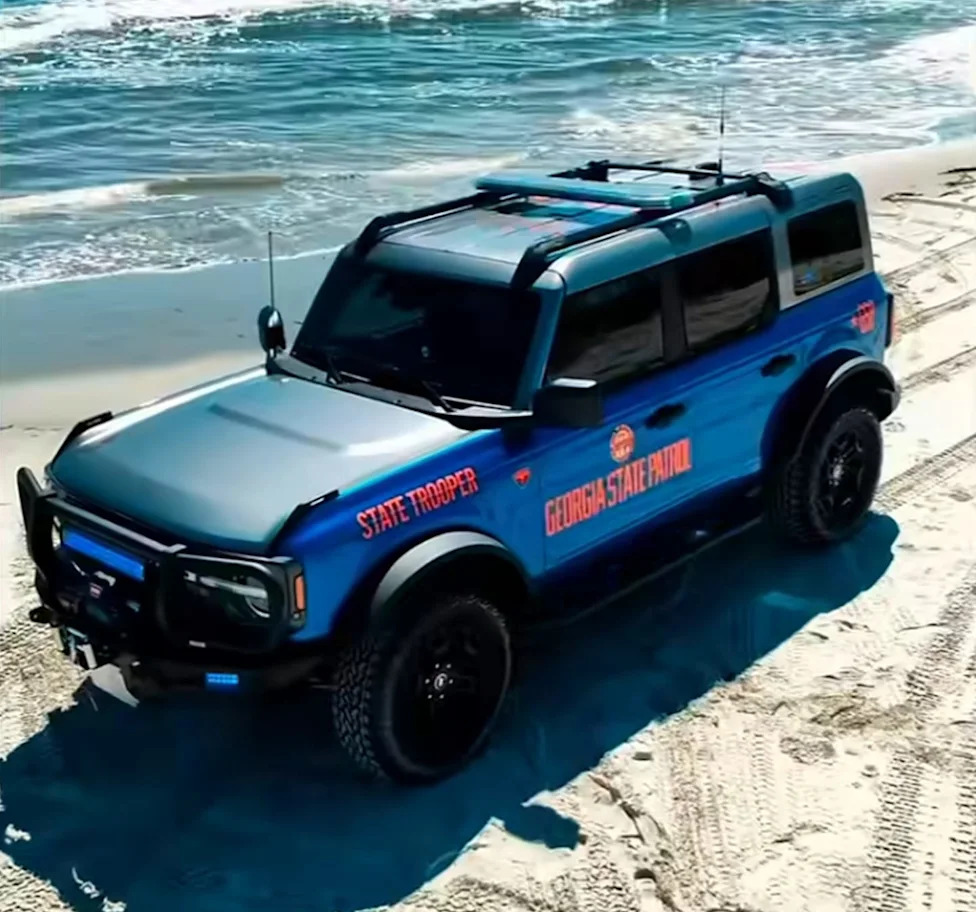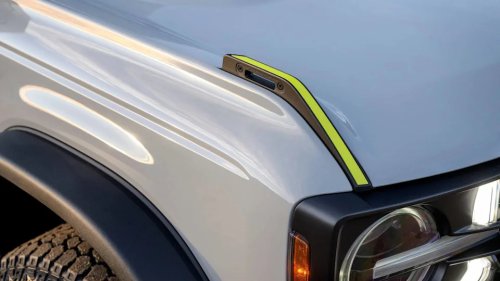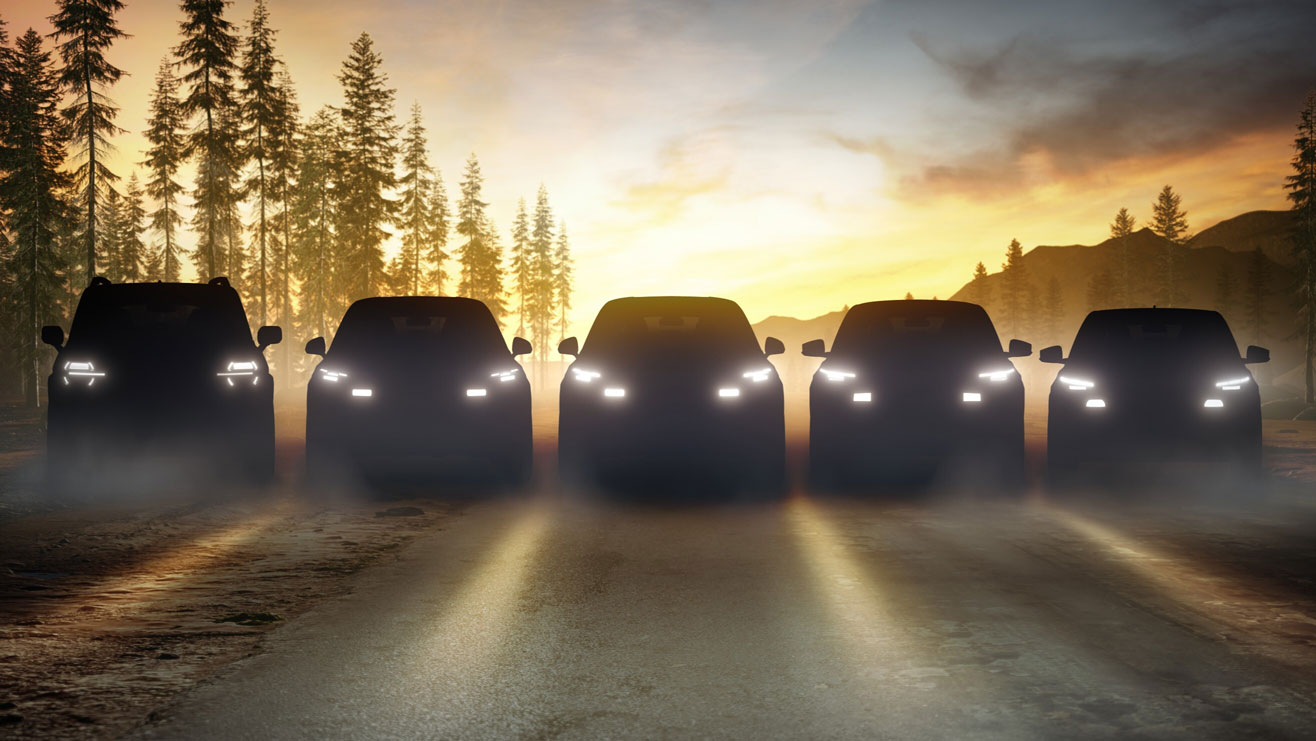



















Ford is laying out its fightback plan to turn around the European market, which promises five all-new models between 2027 and 2029. These new cars – tailored for European consumers – include a return to the supermini-segment with a new Ford Fiesta, plus SUVs with both BEV and hybrid powertrains in high-volume classes. The newcomers will be charged with stopping the bleeding at Ford: its new-car registrations have slumped from just over one million in 2019 to 426,459 last year. All five have been teased in an image showing off their front-end silhouettes and new lighting signatures, pointing to a dramatic shift in Ford’s current design language. The first car to arrive will be the new electric Fiesta in the B-segment, and from then on Ford has plans for a busy three years. The Fiesta will be built in collaboration with Renault, using the French firm’s RG EV Small architecture, which underpins the Renault 5 and Alpine A290. Ford claims this new model will be engineered with its motorsport heritage at the fore, giving a sporty, ‘rally-bred’ driving feel. The same applies to the other new cars in the plan. This will be made easier by the Alpine’s dynamic multi-link rear suspension layout. The new car will be the first Fiesta with such a back axle. Joining the all-electric Fiesta in the B-segment will be a new electric SUV. This should have similar basic dimensions to the current Ford Puma, at 4.2m-long, which is also the same size as the Renault 4 on which the SUV will be based. The new car will in effect replace the current Puma Gen-E, which features a retro-fitted electric powertrain added to the existing ICE-powered Puma chassis. But this won’t be Ford’s only SUV newcomer. That’s because the brand also has plans for two more SUVs, but we’re told these will use a multi-energy approach, suggesting that they’ll both run hybrid powertrains. The first will be another small SUV model, which should be slightly wider and taller than its BEV sister car, but the two will share a similar design language and potentially ‘Puma’ in their names. The second multi-energy SUV will be one size bigger, and should act as a replacement for the Ford Kuga. Sharing a similar sporty face to the other new models, this will be another dynamic interpretation of a family car, leaving space above for something more rugged and off-road capable. Little is known about the technical details of the new models, such as whether they will run hybrid, plug-in hybrid or range-extender hybrid engines. Ford says it’s entered into strategic partnerships to boost scale on these projects and speed up development times. “These aren’t just deals, they are strategic levers,” said Jim Baumbick, president of Ford in Europe. “We partner with the best to move with speed and scale, and we obsess over the product to deliver passionate, unmistakably Ford vehicles.” Will one of these new crossovers result in the revival of the Focus nameplate? “I’m not in a position to share anything, but certainly the history and the heritage of some of those names is not lost on us,” he responded. Both of these models should arrive by the end of 2029, and will help Ford Europe cover most of the continent’s major market segments with hybrid and electric models that will complement the existing Explorer and Capri mid-sized electric SUVs, based on Volkswagen underpinnings from an earlier Ford partnership. Ford will look to its home-market models for inspiration for its future flagship, finally bringing the Bronco name to the UK with a unique model tailored to European markets. Teased alongside the other models, the new flagship clearly features a distinct design language that channels the Bronco’s aesthetic highlights, such as a blocky silhouette, round daytime running lights and rugged styling. Hybrid power will also offer a more European feel and help with tighter emissions standards. As with the Broncos available in the US market, expect a rugged and versatile interior, with tough materials and flexible seating arrangements. There’s no indication of how large this new Bronco will be, but we suspect it will remain a two-row SUV, rivalling hybrid-powered SUVs such as the Toyota RAV4, Honda CR-V and hybrid-powered C-segment SUVs from the Stellantis conglomerate that include the Vauxhall Grandland, Peugeot 3008 and Citroen C5 Aircross. What the Ford should offer over its key competition is some level of off-road capability and the ability to tow. The model will be built in Ford’s plant in Valencia, Spain.