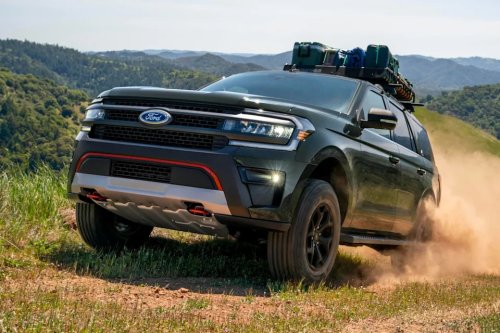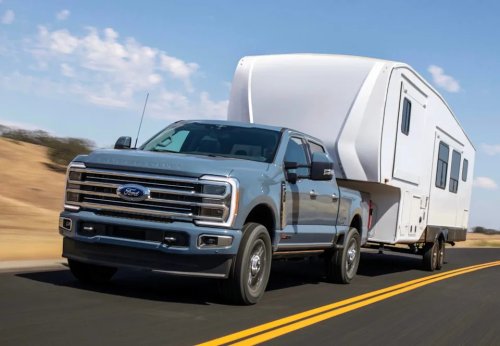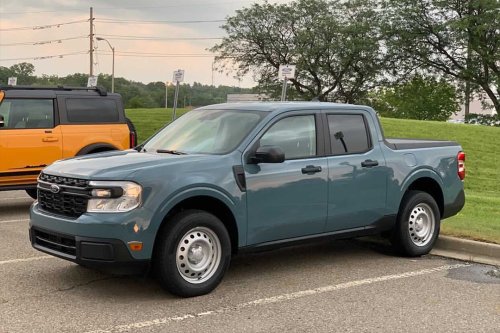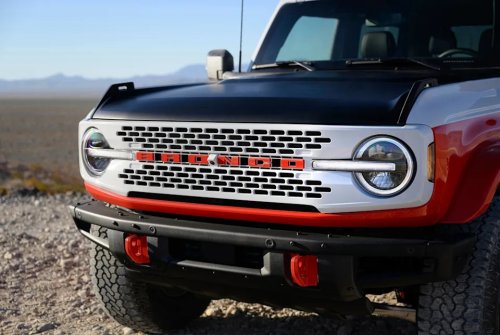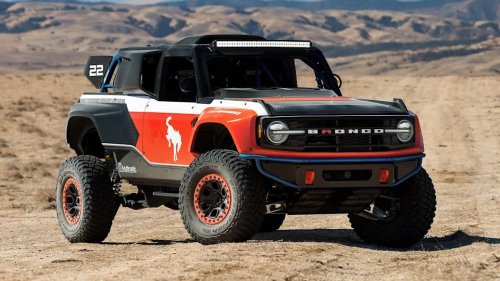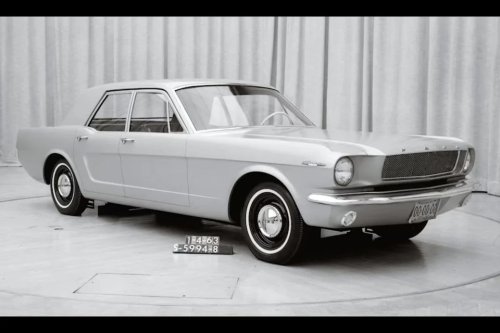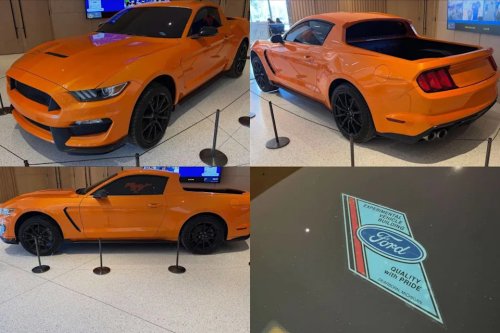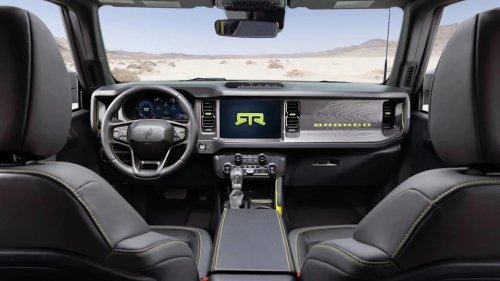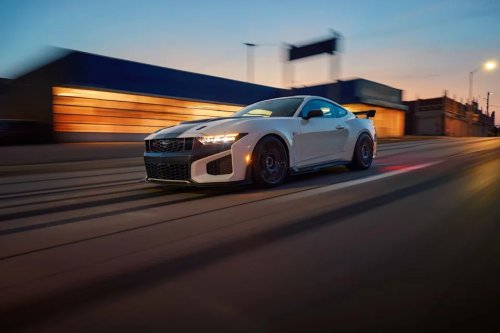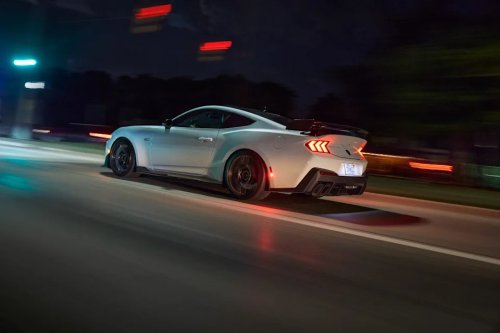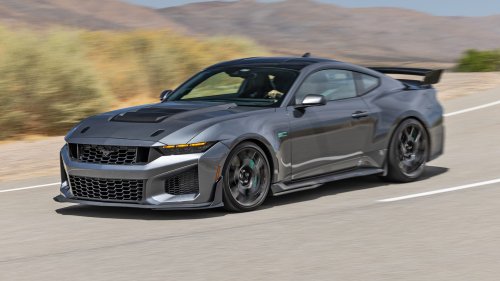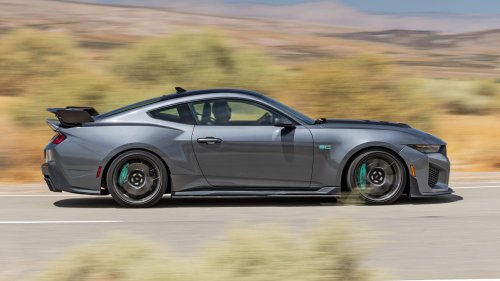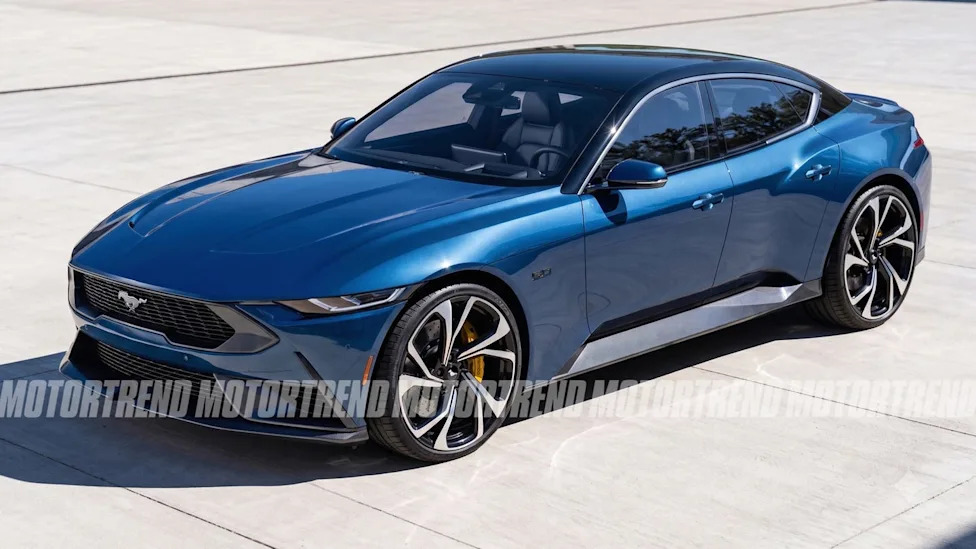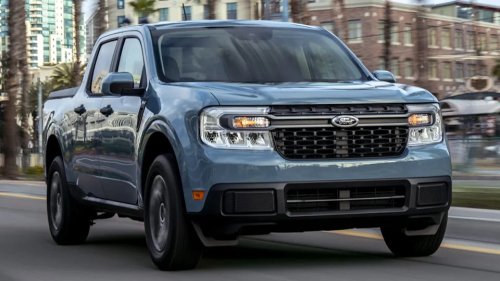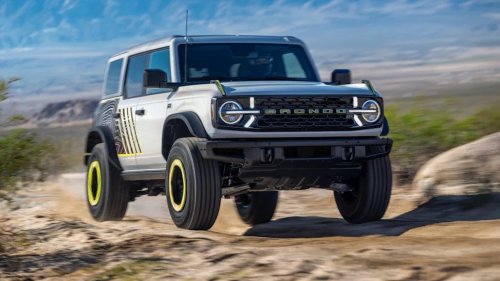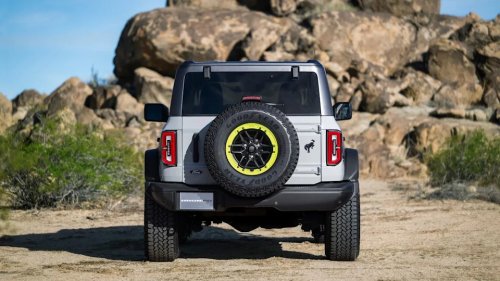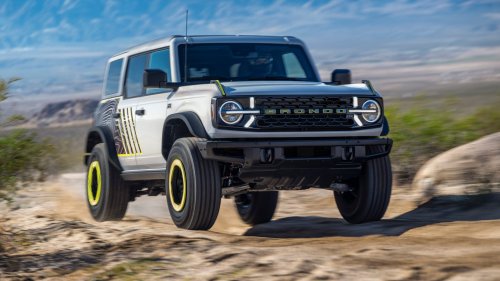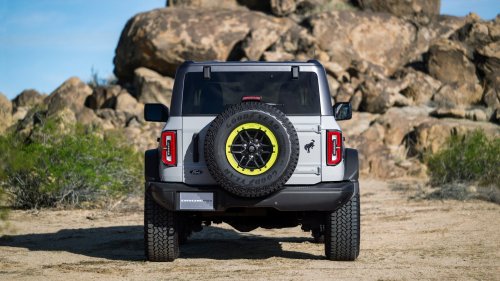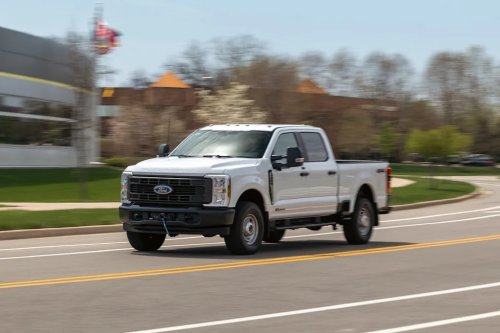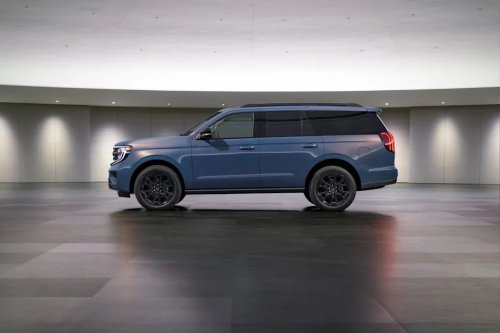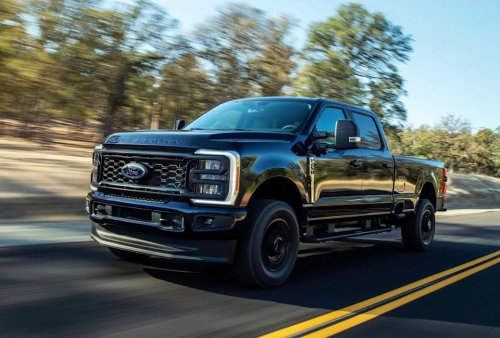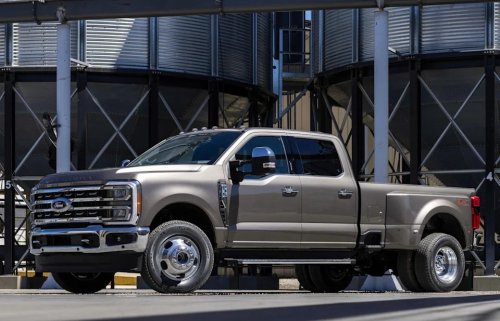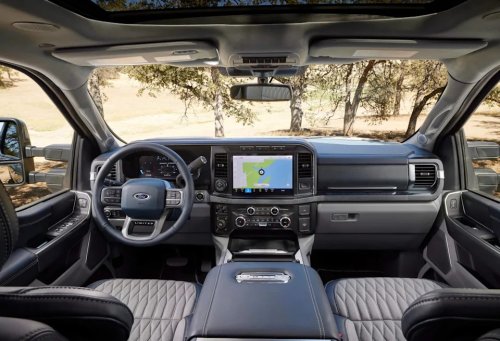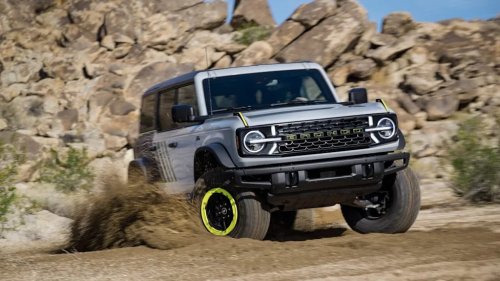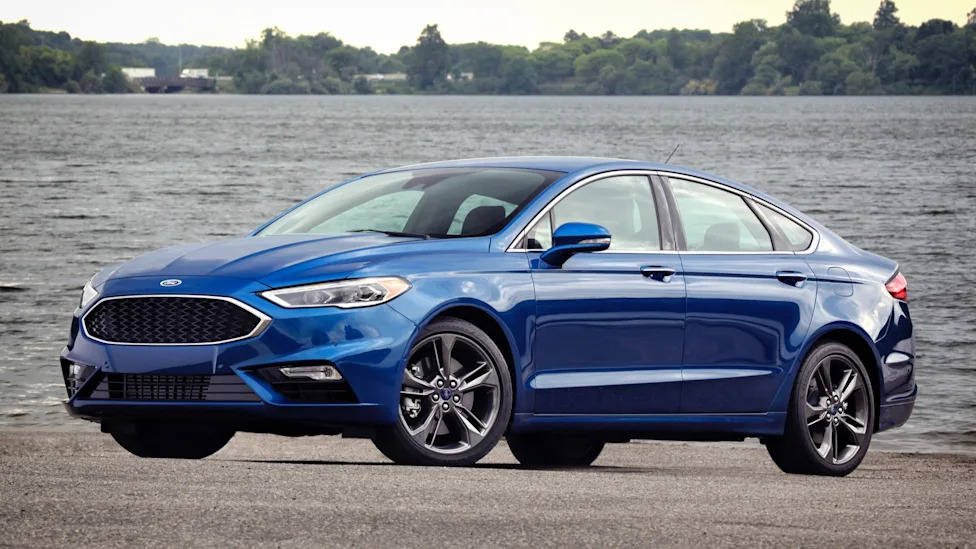
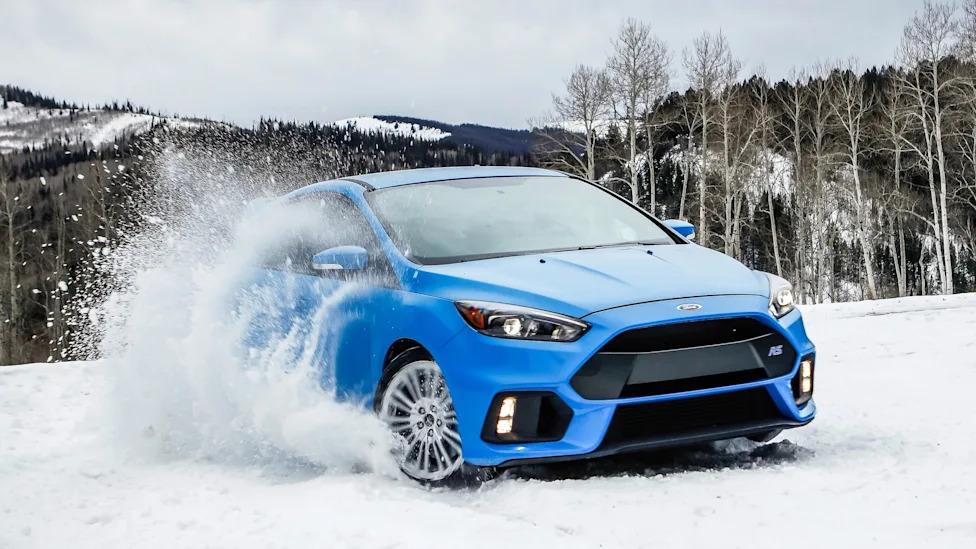
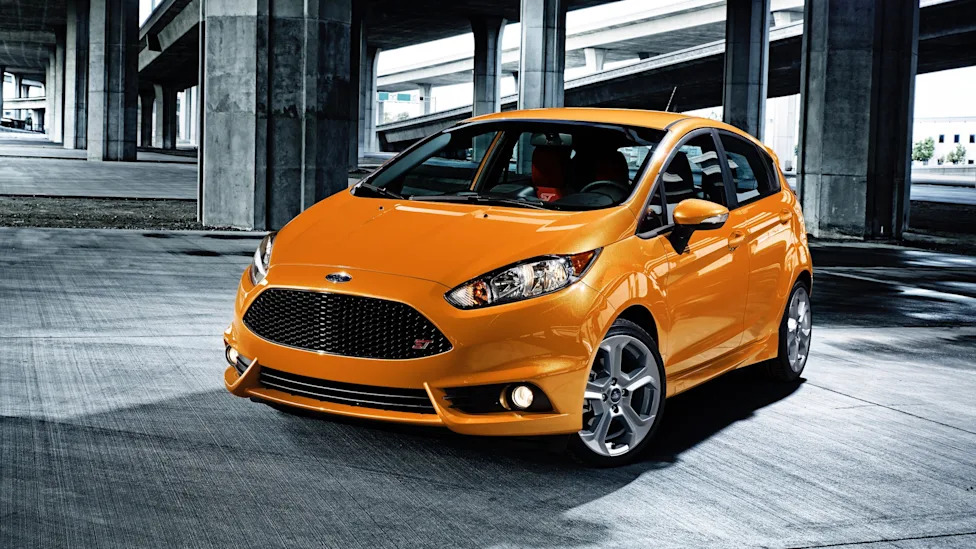



















2017 Ford Fusion Sport Profile ViewIt's been six years since Ford culled all sedans and hatchbacks from its U.S. lineup, and the company isn't regretting that decision, Andrew Frick, head of the Ford Blue and Model E business units that together encompass all of the automaker's passenger cars, said in a recent interview with Automotive News. But he wouldn't deny that Ford is considering a return to sedans.Ford eliminated all cars from its U.S. lineup after 2019, leaving only SUVs, pickup trucks, and vans. When asked if, in hindsight, he thought this was a good decision, Frick replied "absolutely.""In some of those vehicle lines, we were competing to compete," Frick said, adding that. "We took that capital and put that in other products where we are playing to win. We wouldn't have had a Bronco, we wouldn't have had a Maverick or Bronco Sport. We wouldn't have some of the product lines like Tremor. We wouldn't have expanded Raptor the way we did."FordFrick acknowledged that Ford might still have an "opportunity" in segments beyond its bread and butter pickups and SUVs, but said the way those vehicles are selling isn't leaving him nostalgic for the days of the Focus, Fusion, and Fiesta (even if so many of us are).AdvertisementAdvertisement"I would trade the way some of our cars were competing with the way Maverick's competing every day of the week."It's admittedly easy to see where Frick is coming from. In its best year (2014), the Fusion managed 306,860 sales. That was 81,514 units short of the Honda Accord and 121,746 less than the Toyota Camry. And it was about half the number of F-Series pickups sold that year. In the context of those truck sales, sedans are small potatoes to Ford. And as Frick said, Ford is playing to win in the truck segments, whereas it was never able to consistently fight the Japanese automakers in the sedan market.FordBut there might be more to this. The final-generation Fusion was great to look at and drive, even if interior space fell short of some competitors. Instead of addressing that issue, Ford put off a redesign until the Fusion slipped out of competitiveness. That's because redesigns cost money, and it takes longer to recoup that initial investment with sedans, which generally sell for less than comparable SUVs, and thus have lower profit margins. The equation is even worse for true economy cars like the Focus and Fiesta.Nonetheless, Ford and the other Detroit automakers seem to finally be acknowledging that increasing new-car prices could limit sales, and that sedans might be needed again. At the 2026 Detroit Auto Show, Ford CEO Jim Farley called the sedan market "very vibrant," but said "we just couldn't find a way to compete and be profitable."AdvertisementAdvertisementWhen asked about Farley's comments, Frick played a similar tune. He said for a sedan to make sense, it would have to be "very cost-effective for us" and that it would likely come from "within a family that we may already offer." He also said that "we look to expand on the Mustang family as we move forward." So it sounds like a new Ford sedan could wear the pony car's badge, if it happens at all. Ford's current priority is achieving 8% profit margins by 2029, which likely means continued emphasis on more-expensive versions of its existing trucks and SUVs. And Ford's much-discussed $30,000 EV will be another pickup.Got a news tip? Reach out to tips@thedrive.com