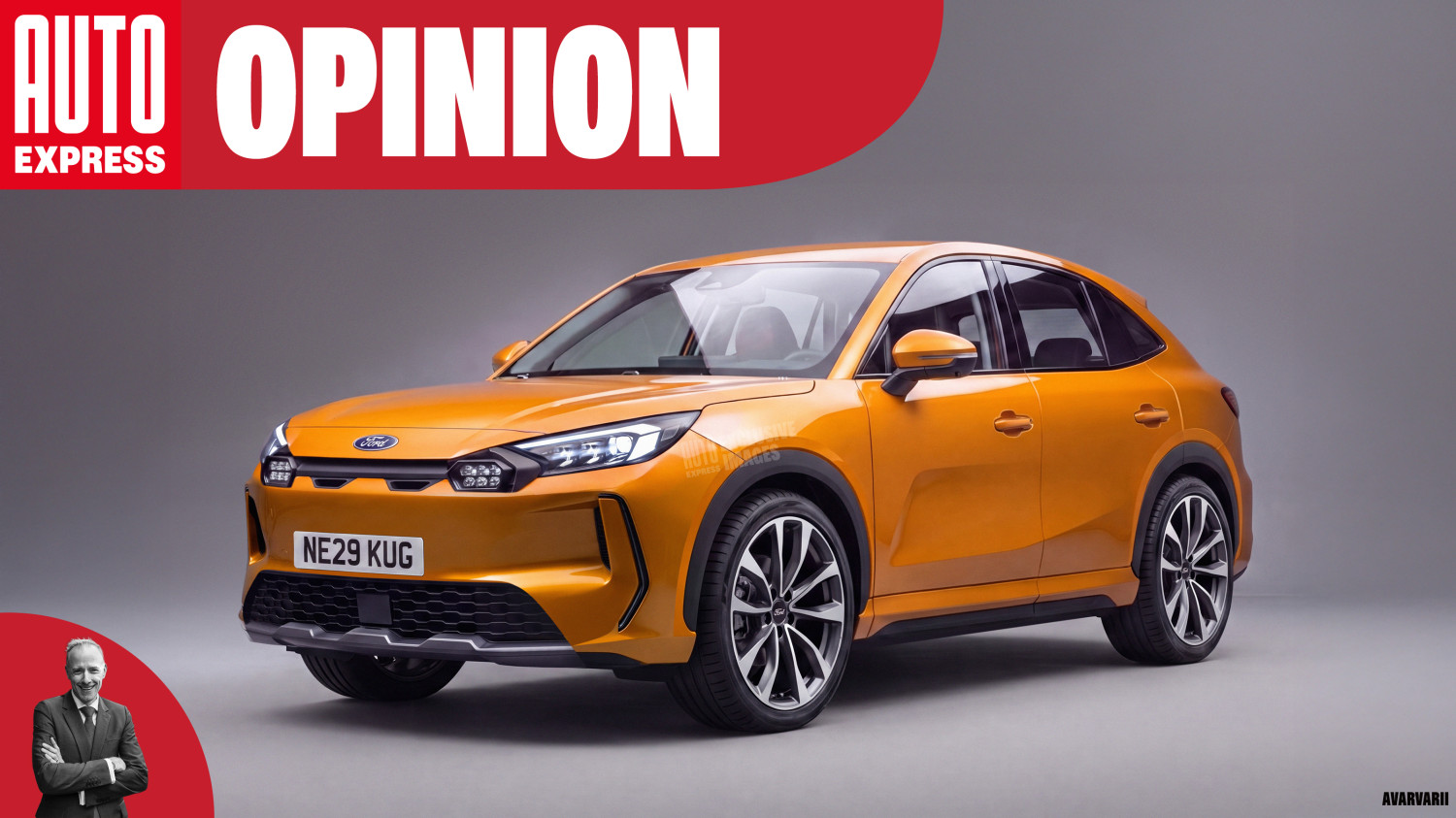
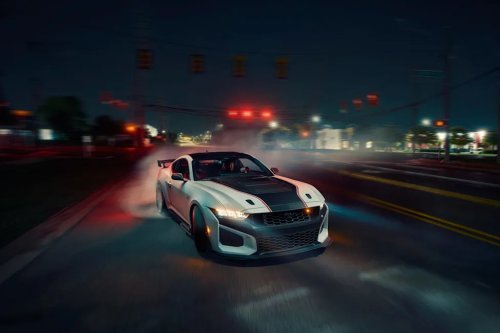
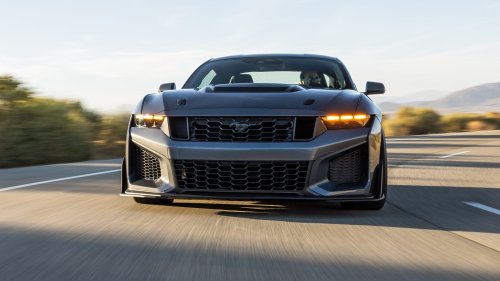
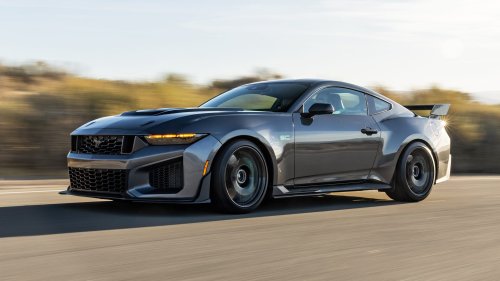
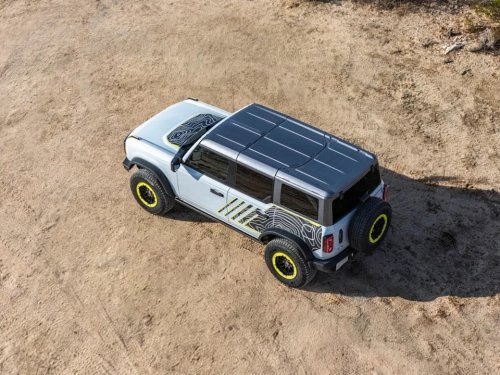
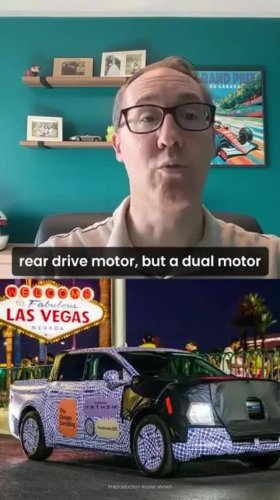
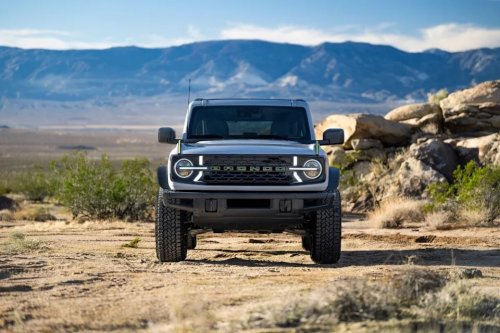
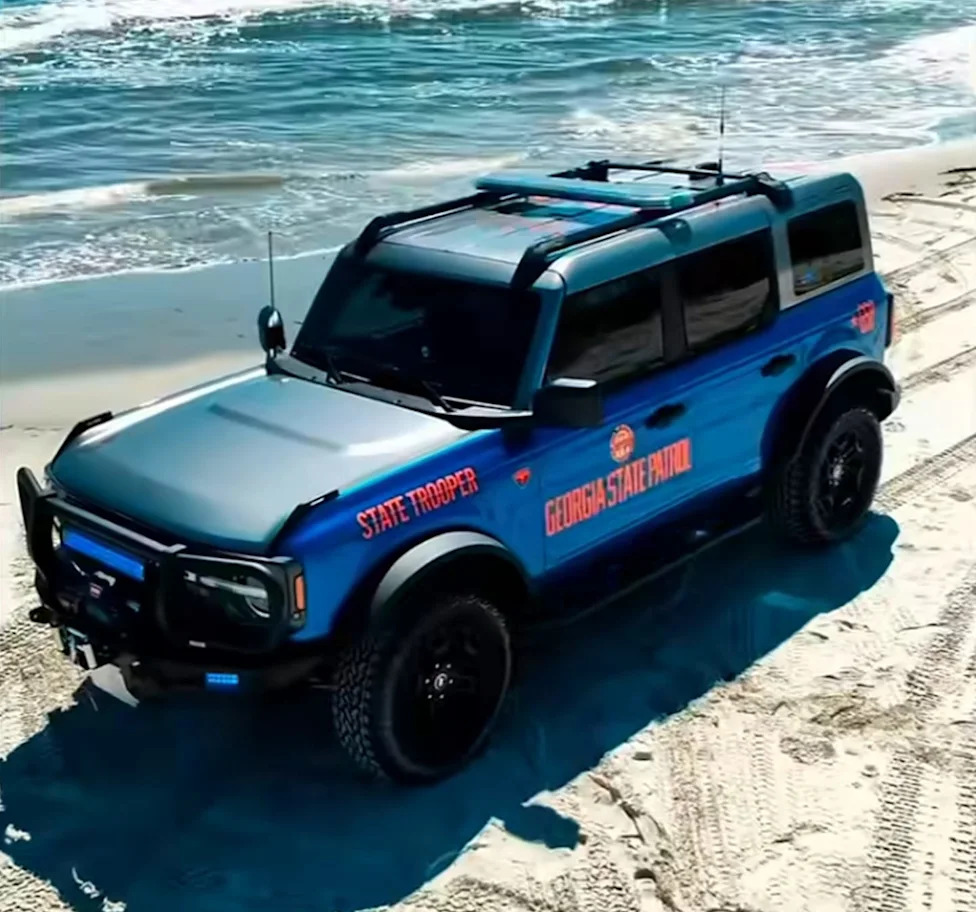
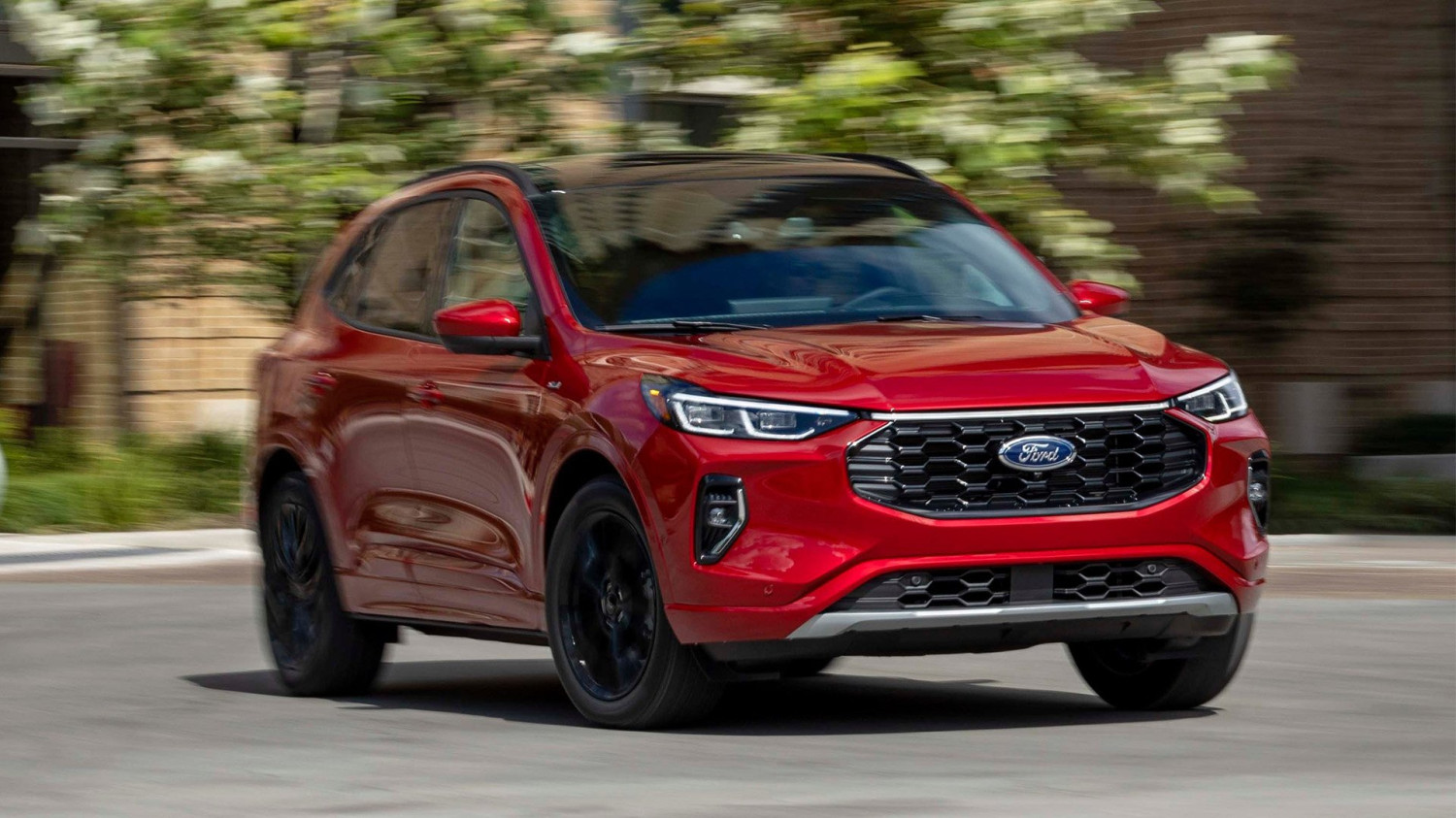
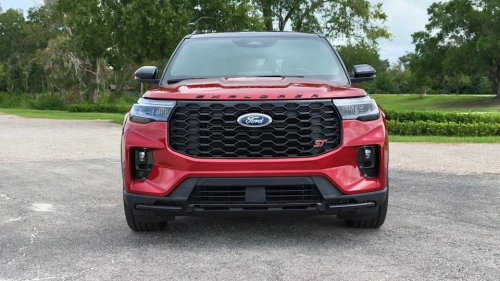
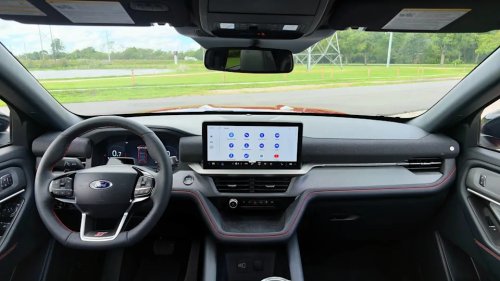
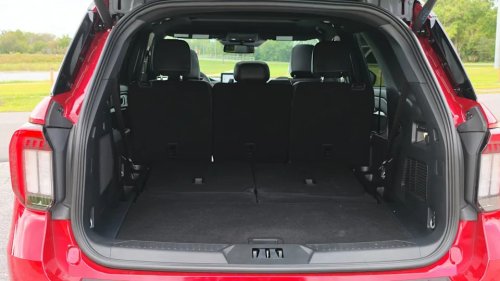
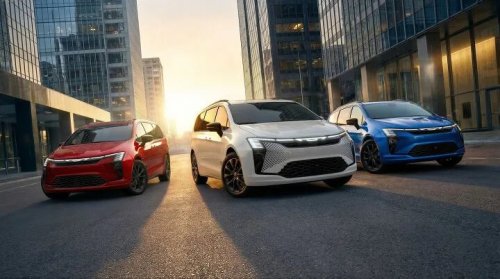
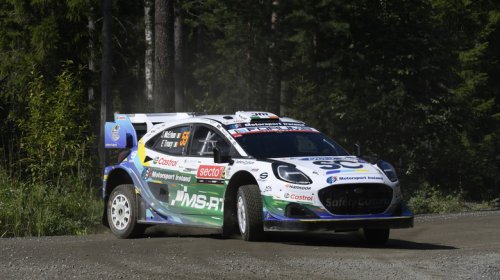
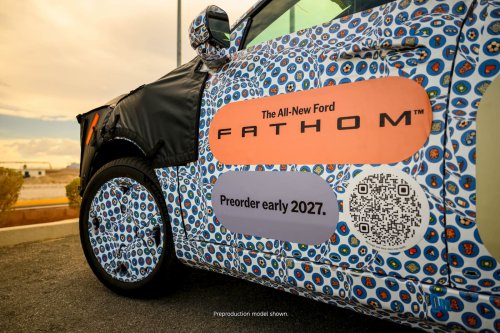
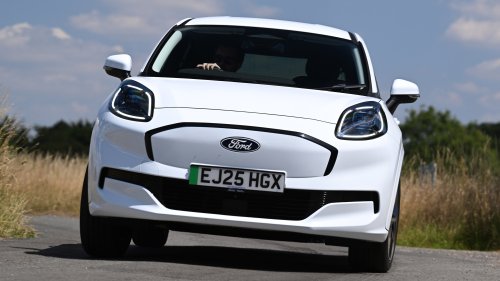
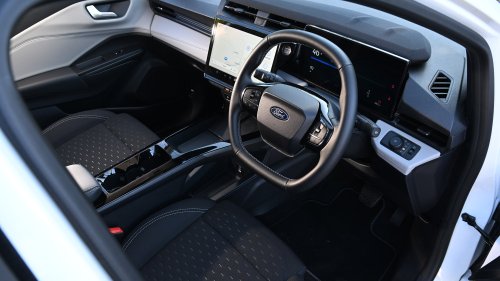
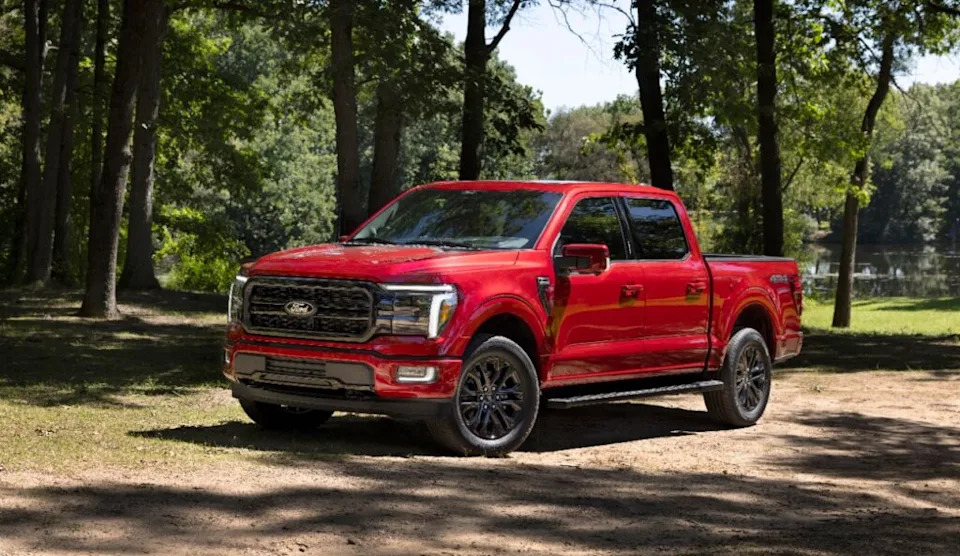
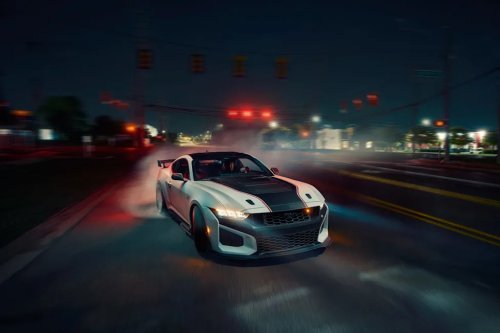
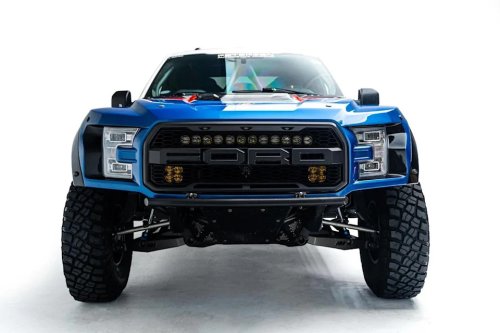
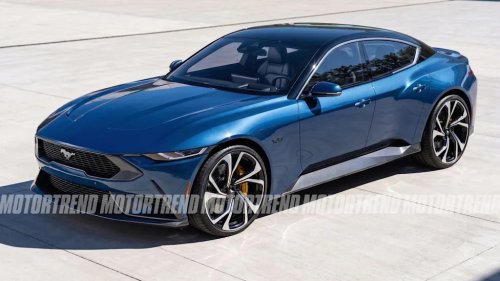
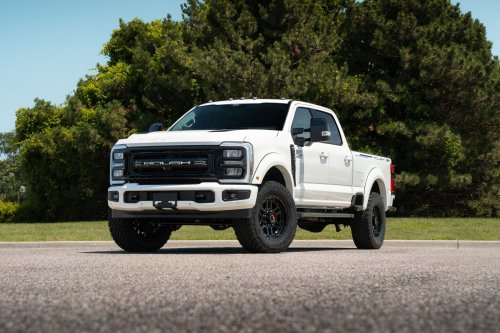
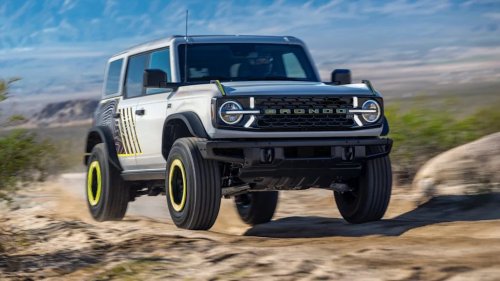
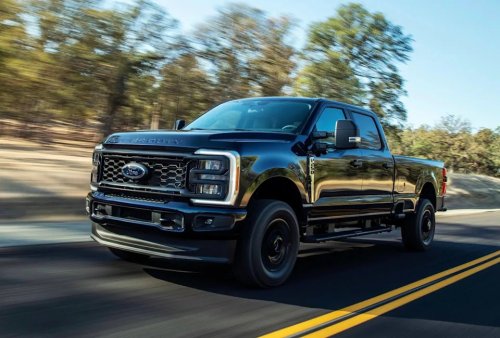
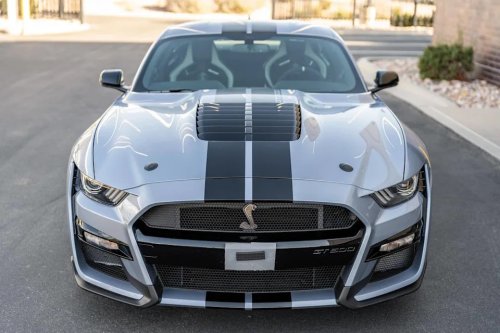
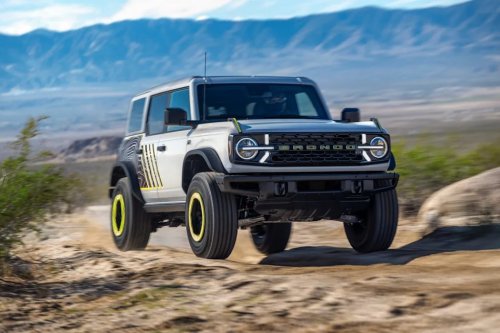
Ford has laid out its European survival plan: a new Fiesta in partnership with Renault, a reborn Kuga collaborating with Geely, a flagship Bronco SUV from within the Blue Oval – all part of a five-car blitz by 2029. With Chrysler, Dodge and, most significantly, GM retreating from Europe between 2011 and 2017, Jeep and Ford are the only big American beasts left. And given that the Blue Oval’s car sales slumped from 1.2 million 20 years ago to 426,459 in 2025, it would have been understandable if Ford gave up on cars and operated exclusively as a highly profitable commercial vehicle manufacturer. But through three key partnerships – with Volkswagen, Renault and Geely – Ford is renewing its vehicle line-up. Make no mistake, Ford could not do this alone. Only premium brands can sell genuinely global models, and even they are losing sales in China. The car world is fracturing into regions, and Ford’s Stateside line-up of mighty trucks with gas-guzzling engines has no place on the narrow streets of London or Paris. In collaboration with Renault and Geely, Ford can unlock the scale it needs to drive down car prices to stay competitive: as European boss Jim Baumbick says: “The battle we’re in is at a new level of cost”. Matching China’s low prices requires incredibly focused and lean organisations: Ford knows it can’t beat Geely on price, so it might as well join them. And piggy-backing other manufacturers’ capital investments in vehicle architectures, localised battery assembly and – in the Renault example – manufacturing to produce the electric Fiesta replacement is smart. It slashes development time, saving vast amounts of money and it’s nothing new: Ford based the 2008 Ka on the Fiat 500; the Renault/Nissan alliance is a case study. The Geely joint venture, owned 66:34 in Ford’s favour, has secured the future of a Valencia plant with a 500,000-car capacity; last year production dipped below 100,000 units, as the Mondeo, Galaxy and S-Max made way for just Kuga production. But all this smart strategy will fail if the cars aren’t any good. Renault’s RG EV Small is an excellent basis for the new Fiesta, and conceivably the replacement Puma. No-one would suggest the Geely EX5/Starray are world-beaters, and its current plug-in hybrid is far from refined. But Horse Powertrain is finessing a new range-extender for Renault’s use in 2028, which Ford should co-opt. And despite Ford’s European engineering being hollowed out, fun-to-drive remains a Blue Oval staple and its Volkswagen-based Explorer handles with more fizz than the ID.4. There’s no hiding place for average cars, and as the Fiesta and Focus aged they got left behind for tech and cabin quality. Ford is doubling down on adventurous SUVs and this nebulous ‘rally-bred’ tagline, which seems hard to reconcile with today’s Geelys’ looks or dynamics. But the plan makes sense. Now it’s all about execution – and fast.