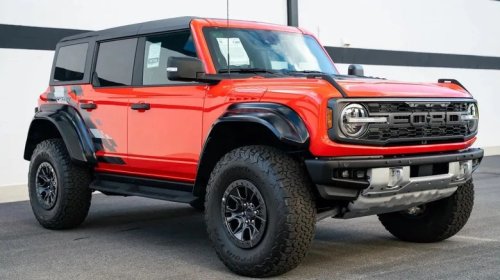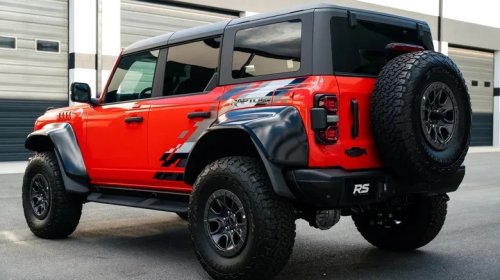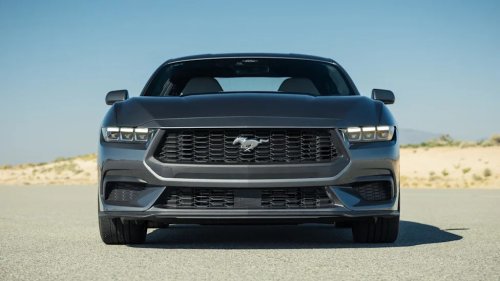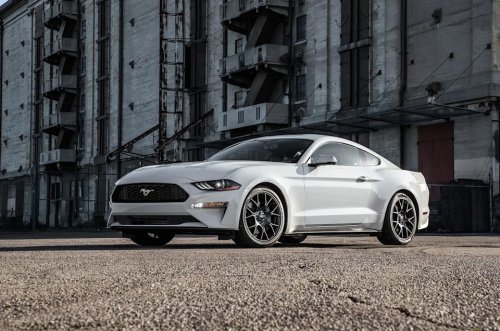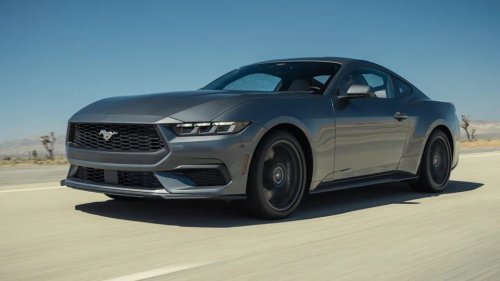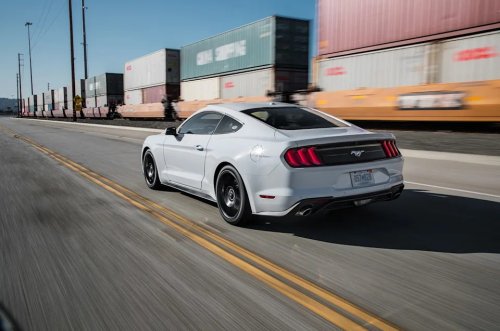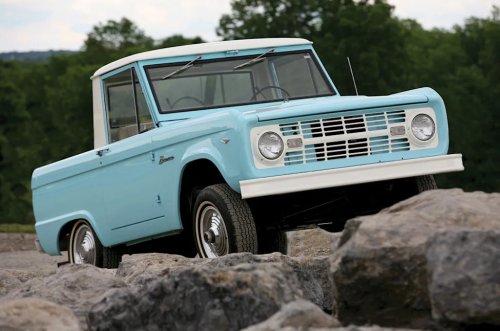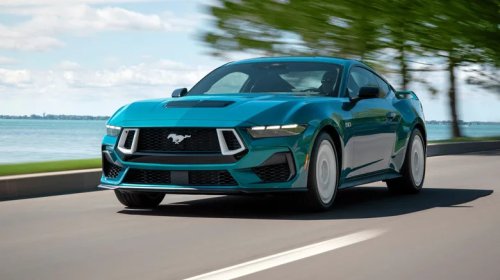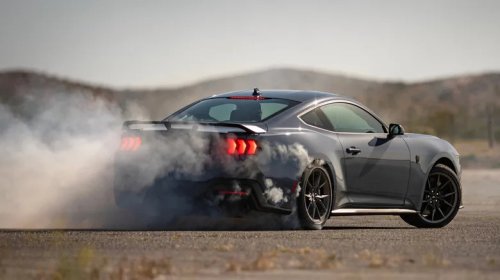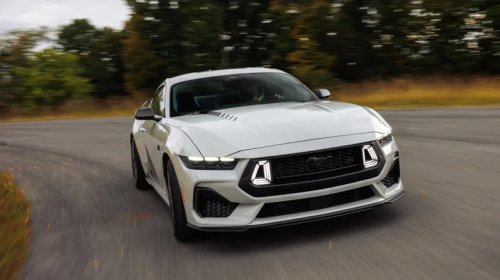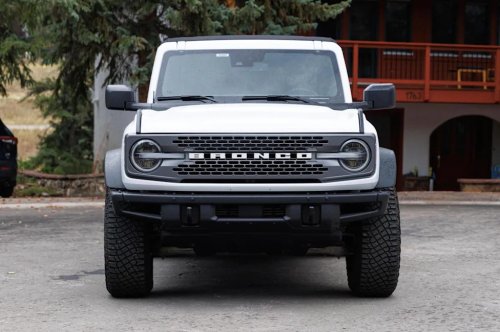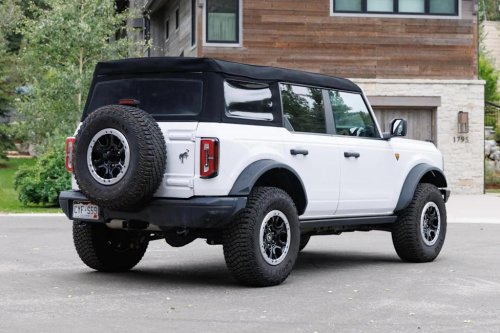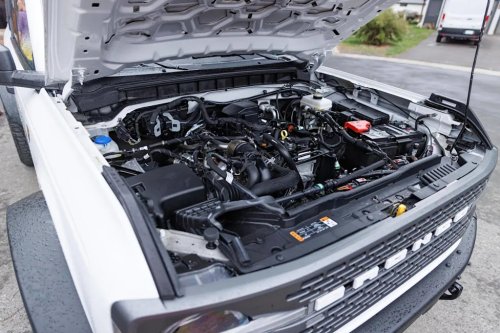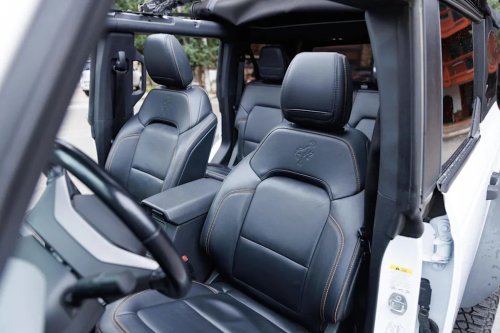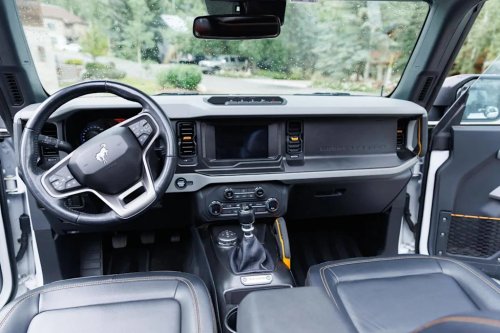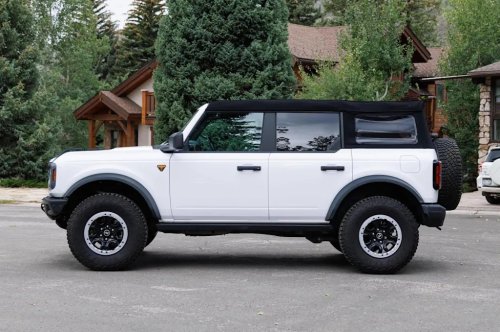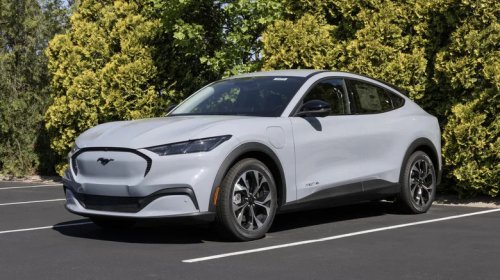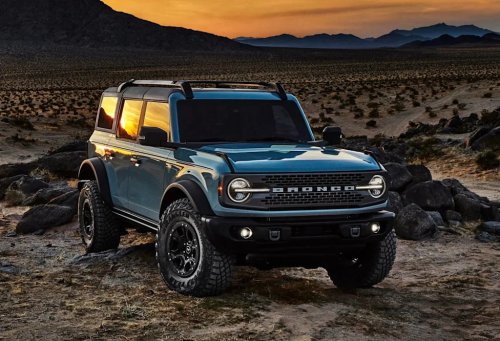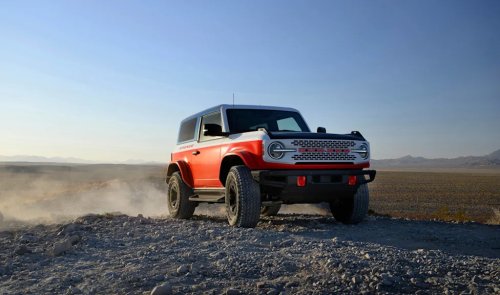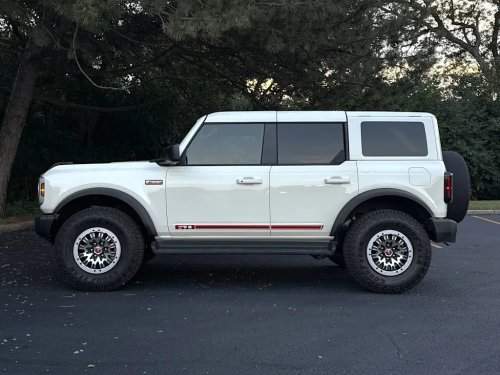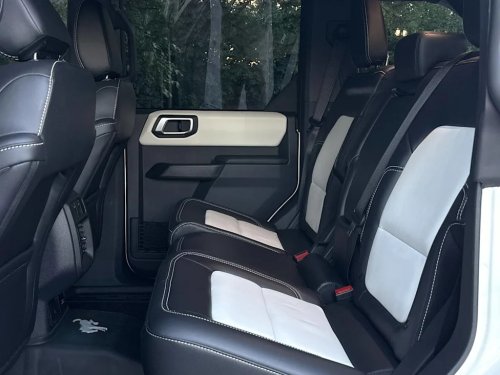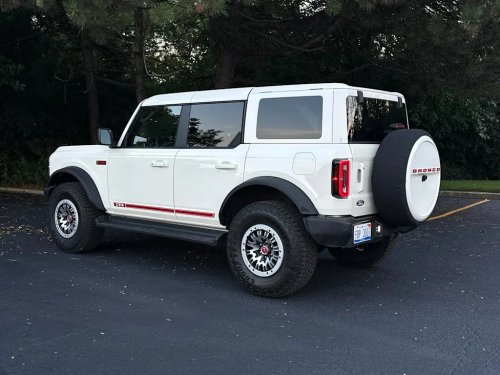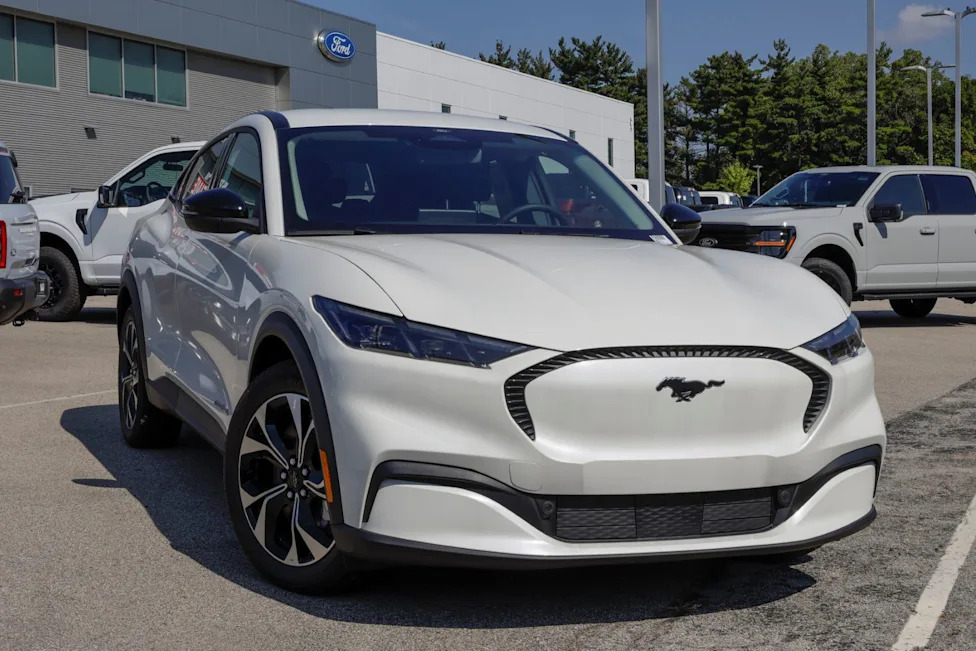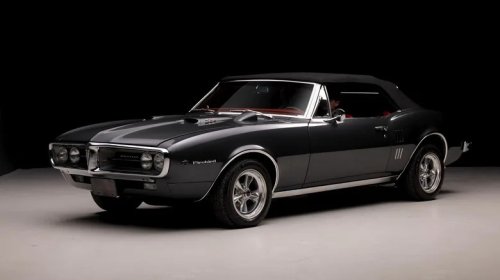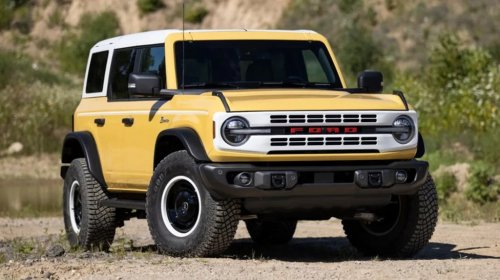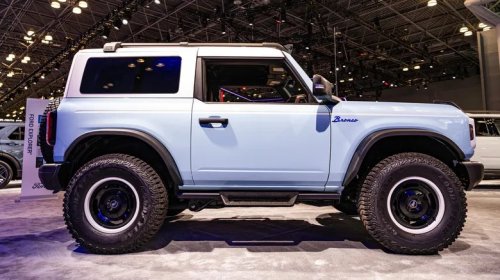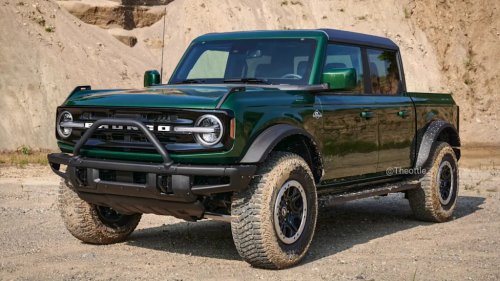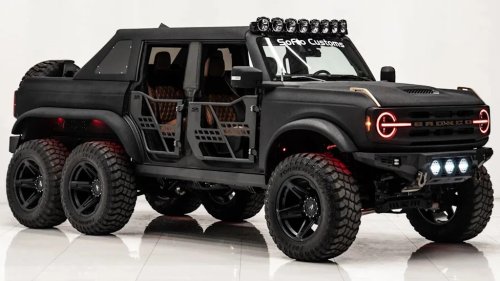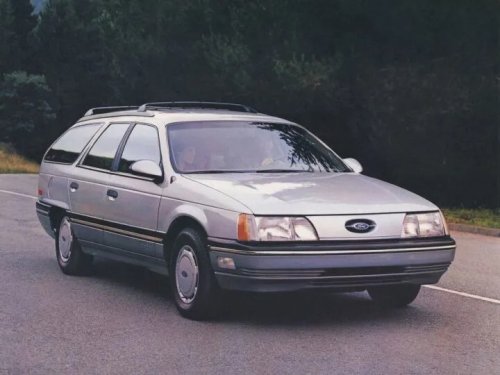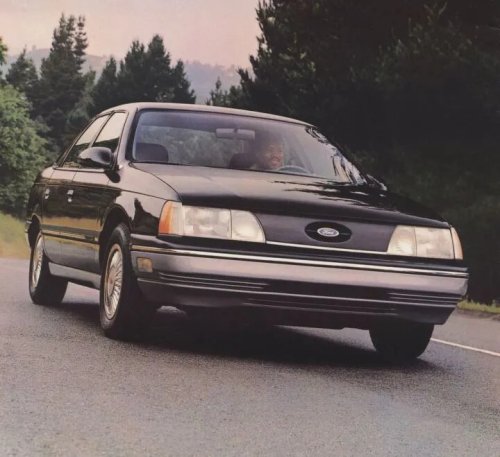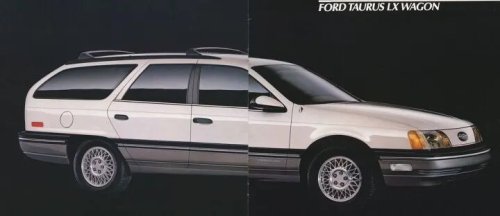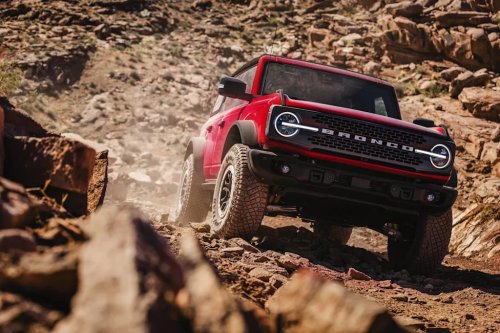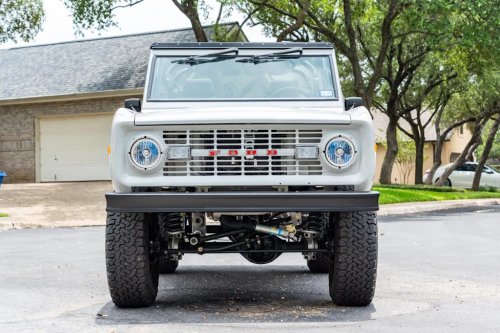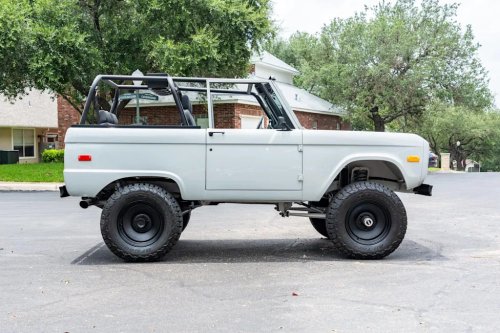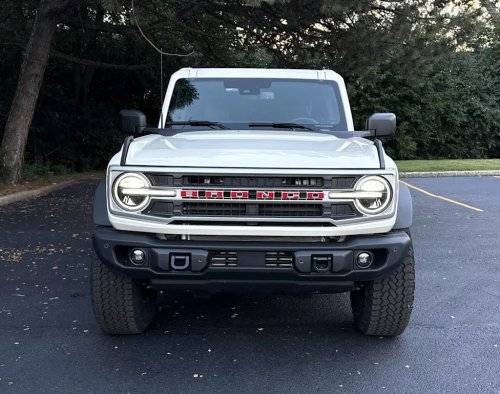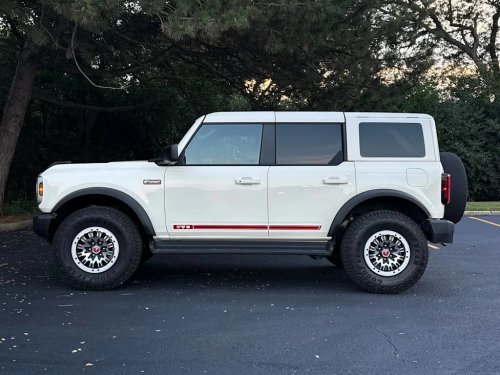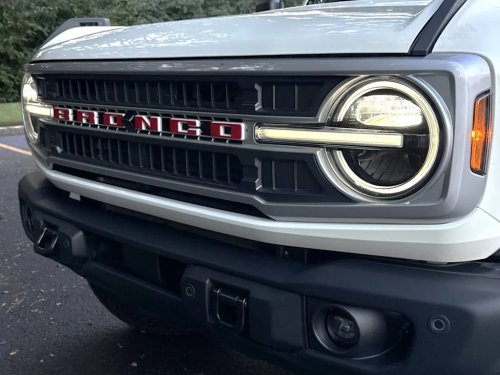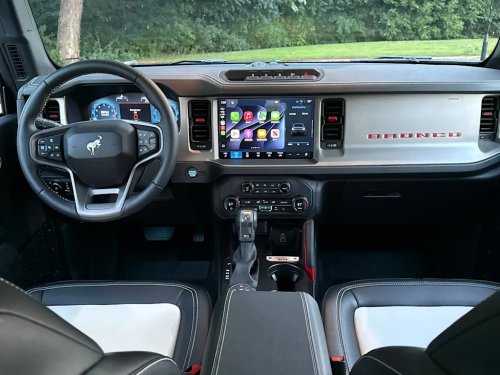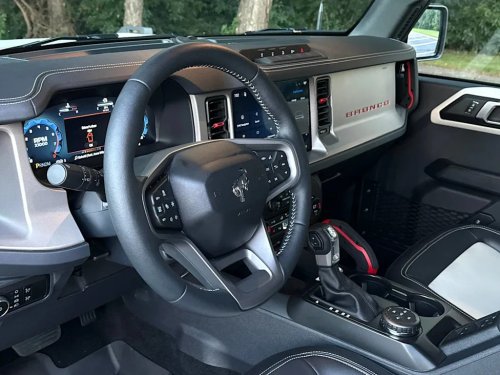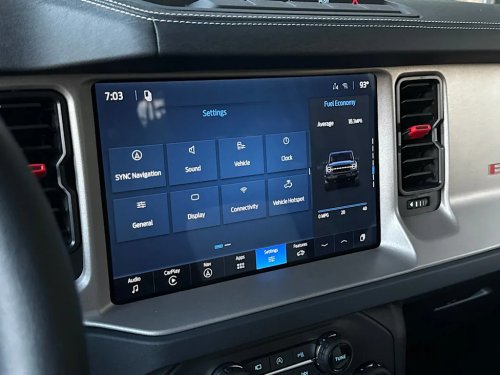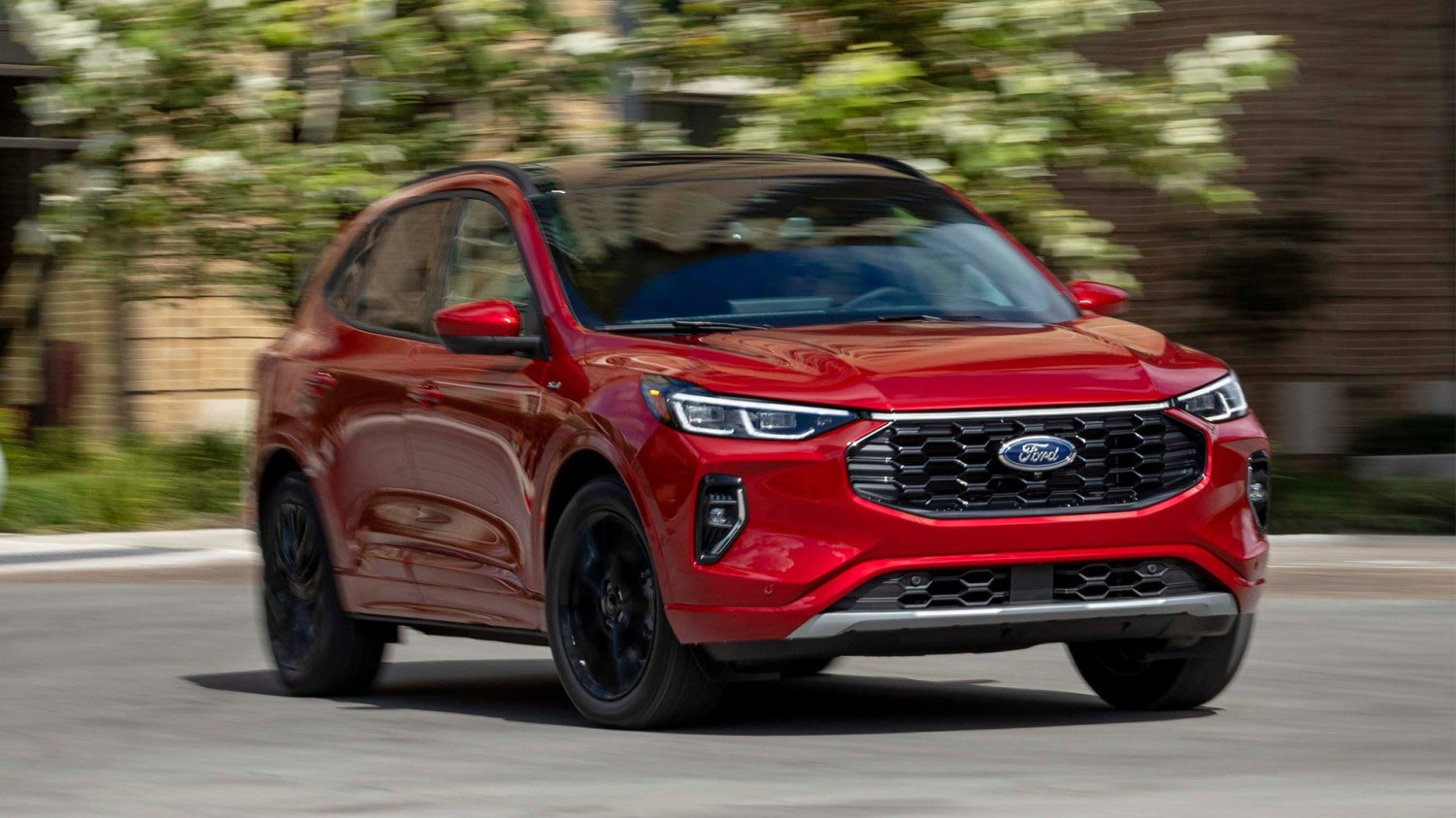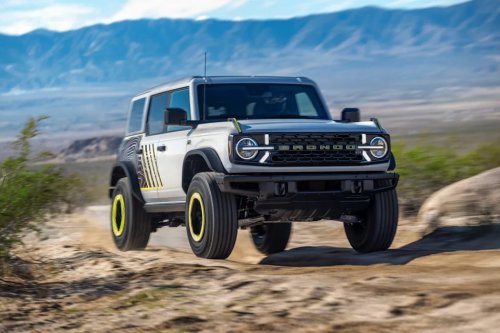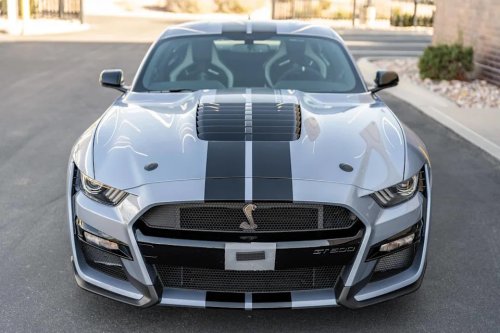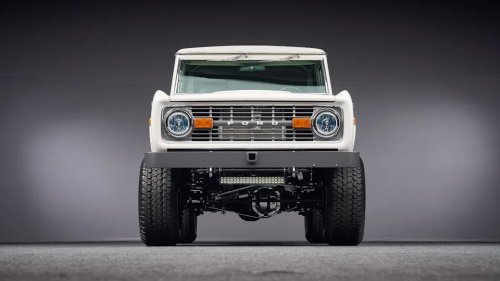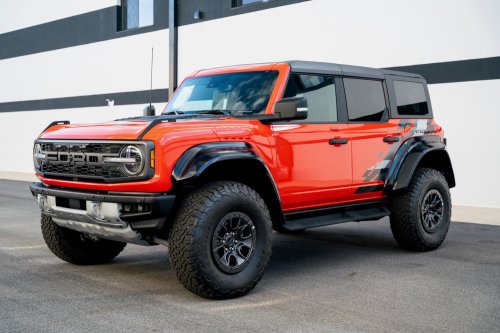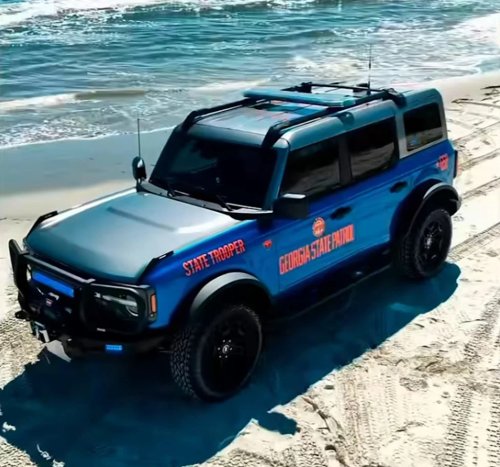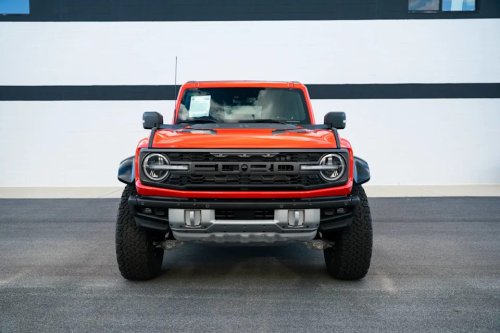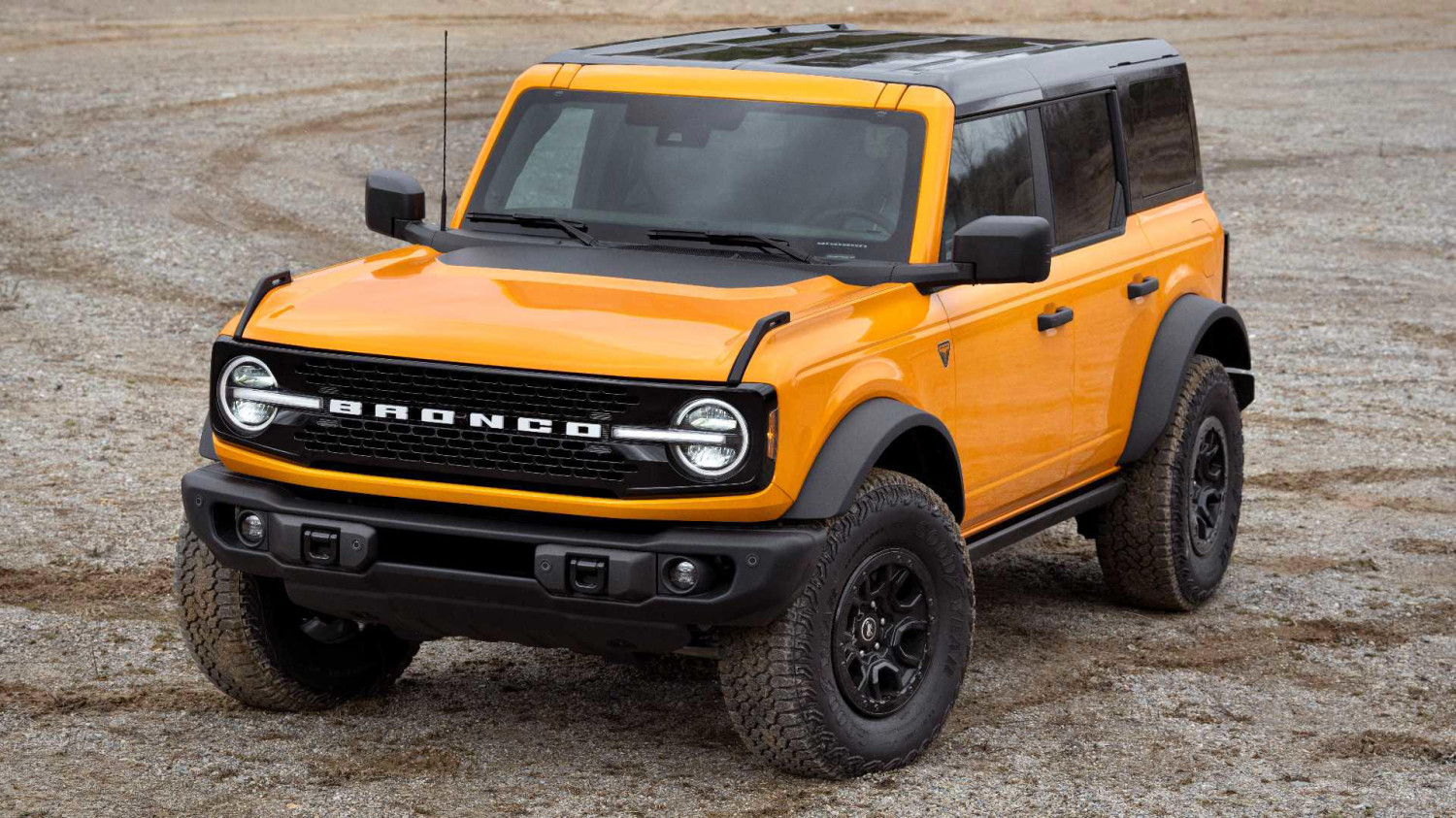
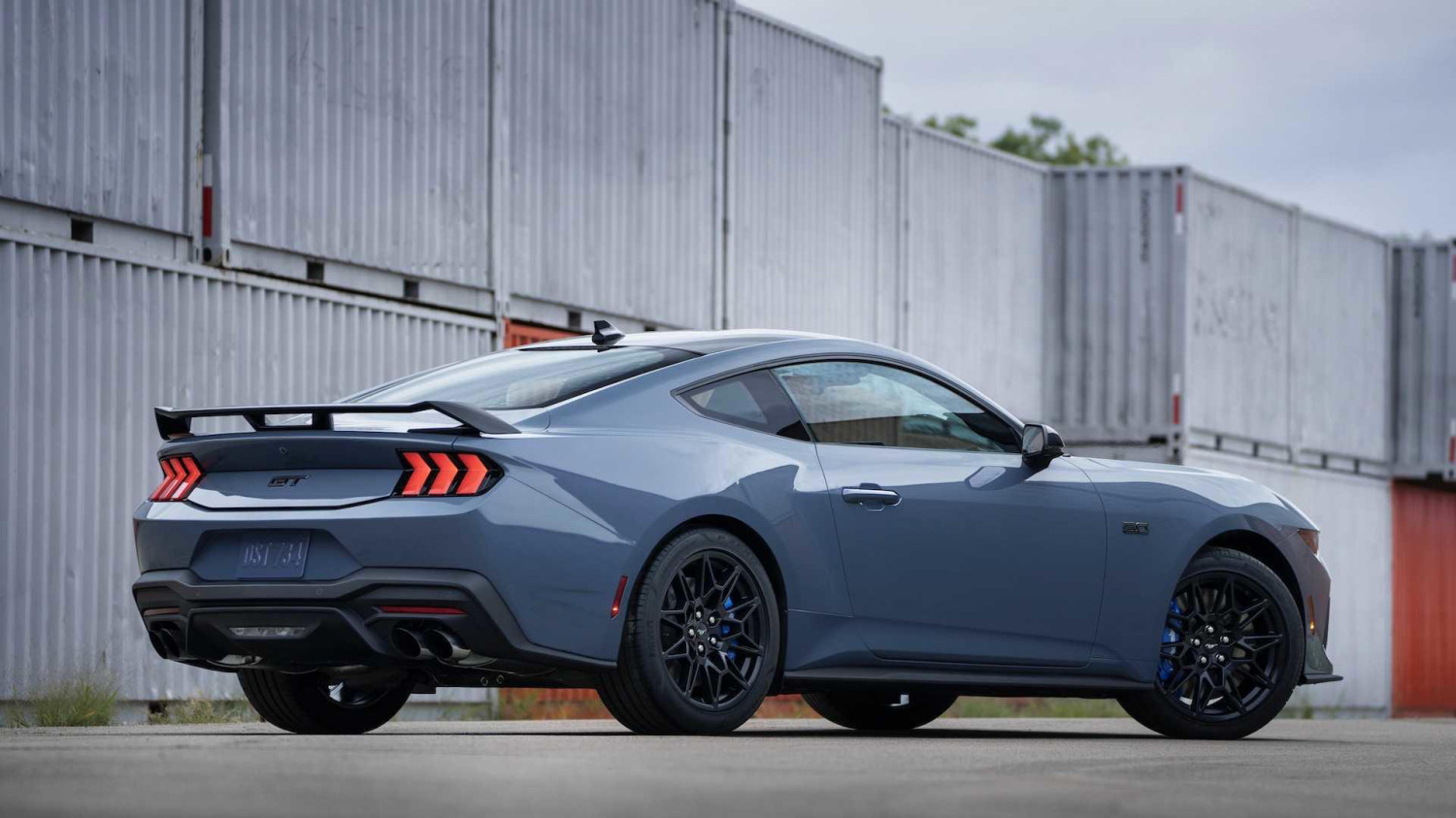



















When the Ford Fusion left the stage in 2020, it marked the end of a very long era at Ford. The decision to cut sedans from the lineup wasn't without controversy, as Fusion still accounted for over 100,000 sales in its final year. Prior to that, Fusion clocked 166,045 sales. The numbers were falling, but it was still a significant model in the company's portfolio.Flash forward to 2026. Ford has invested heavily in the Bronco, and there's no denying it's a sales success. The Jeep Wrangler competitor clocked 146,007 sales last year, and it could finally surpass Wrangler this year. But it isn't even close to the Fusion's heyday in the 2010s. And sedans decidedly aren't dead with other brands – the Camry is consistently a top-10 bestseller in the US, and this year, sedan sales are up big time at Honda as well as Hyundai.In the years since Fusion's demise, Executive Chairman Bill Ford and current CEO Jim Farley have suggested that ditching cars may not have been the best idea. Moreover, Farley has hinted on numerous occasions that sedans could return, possibly based on Ford's only existing car, the Mustang. But in a recent interview with Automotive News, Ford Blue President Andrew Frick doubles down by saying killing sedans was the right call. Apparently, Ford couldn't build sedans and create new SUVs at the same time. Ford Was "Competing To Compete" With Sedans Ford Motor Company As Frick explains, Ford decided to step away from certain segments and invest in areas where the company was strongest. It seems sedans were one of the segments where Ford just couldn't compete. So instead of trying, they refocused those resources on more trucks and SUVs."In some of those vehicle lines, we were competing to compete," Frick told Automotive News. "We took that capital and put that in other products where we are playing to win. We wouldn’t have had a Bronco, we wouldn’t have had a Maverick or Bronco Sport. We wouldn’t have some of the product lines like Tremor. We wouldn’t have expanded Raptor the way we did. We took that capital and repurposed it into brands that are number one in their segment. I would do it all over again."Looking at sales numbers, this methodology does make some sense. In 2025, Bronco, Bronco Sport, and Maverick combined for 428,931 total sales. That's easily beyond the Fusion's best sales years in the early 2010s when it hovered in the 300,000 range. Of course, it takes three vehicles to eclipse one, and back then you still had Taurus sedan sales as well. But would Ford still have those SUV sales and another 100,000 sedan sales if Fusion was still around? That's the tricky question to answer. More Rumors Of Mustang Sedan Ford The interview with Frick also brought a new round of Mustang sedan rumors to life. This is something that's been hovering over Ford for years, going all the way back to the Mach-E debut. This time around, it's a passing comment from Frick fielding sedan questions that has eyebrows raised."We have a really great Mustang that people consider a car. We look to expand on the Mustang family as we move forward. I think, for us to do it, it's going to have to make sense within our portfolio. It's going to have to make sense within a family that we may already offer. And it's going to have to be very cost-effective for us to do it."-Andrew Frick, Ford Blue presidentTaken out of context, Frick could simply be talking about another Mustang trim in its traditional two-door pony car chassis. However, considering he was asked specifically about sedans, one could easily interpret this as a four-door Mustang being en-route, possibly to face off against the new Dodge Charger Sixpack.Of course, Ford already has a four-door Mustang with the Mach-E. It's been reasonably successful, though being an electric crossover, it sent Mustang purists through the roof. It's unclear if a four-door Mustang sedan would be received any better. But it seems Ford is seriously thinking about it – and thus thinking about reentering the sedan segment in the process. CarBuzz Insight – Why This Matters: History has proven that the proverbial eggs-in-one basket strategy seldom works. Ford dodged a bullet in 2009 when the financial collapse nearly wiped out Detroit brands that had thirsty trucks, SUVs, and little else. Ford no longer has little else – the most basic Maverick pickup barely slips in under $30,000, and it's not an ideal family vehicle due to its size. A small family could fit, but you'll need to option it up with a bed cover if you want to carry any groceries. Realistically, you'll need at least $32,000 to make the most basic Maverick work.Meanwhile at Toyota, you can get a nicely equipped Camry with considerably more room for the same price. Ditto for the Honda Accord and Hyundai Sonata. Camry is Toyota's bestselling vehicle at the moment; Sonata is up 39% and Accord is enjoying its best sales run in years. All three automakers had positive sales momentum in May. But at Ford, sales fell over 13%. Go figure.