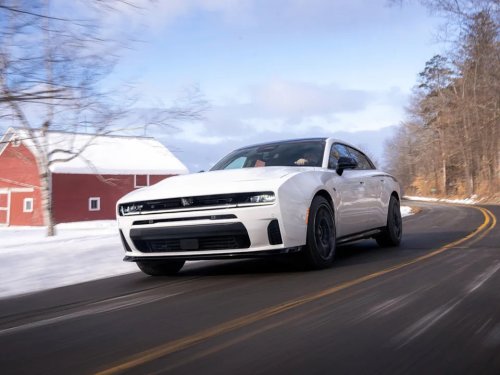
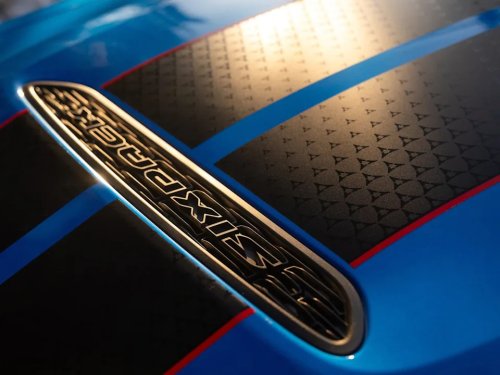
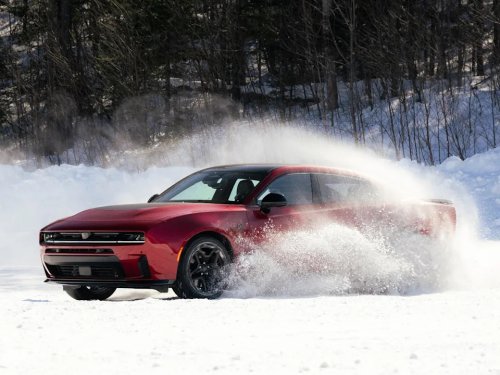
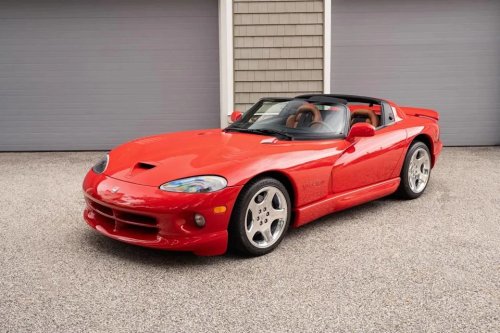
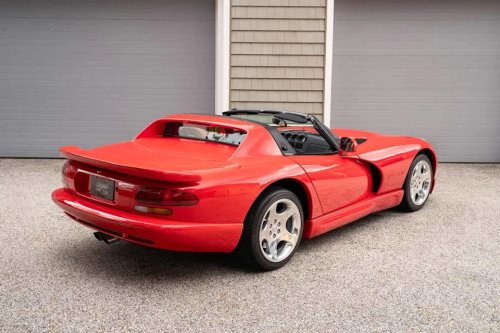
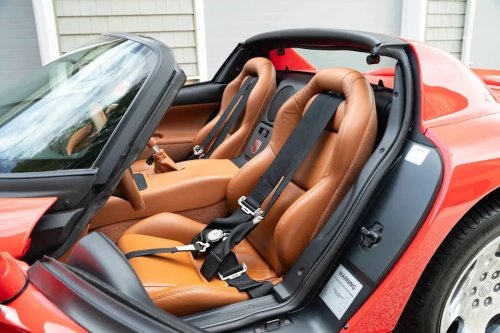
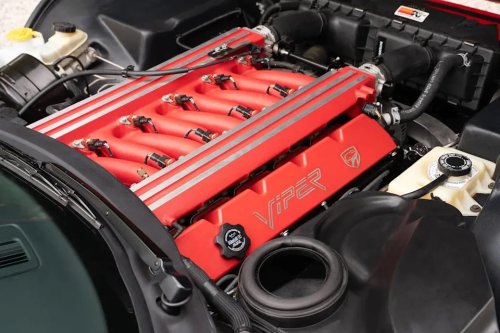
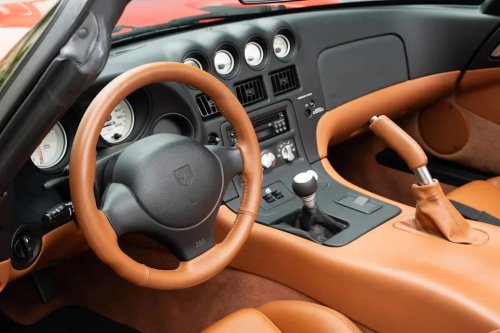
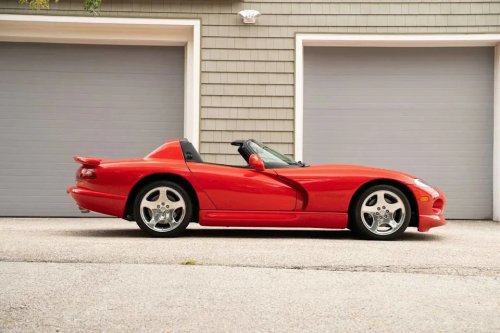
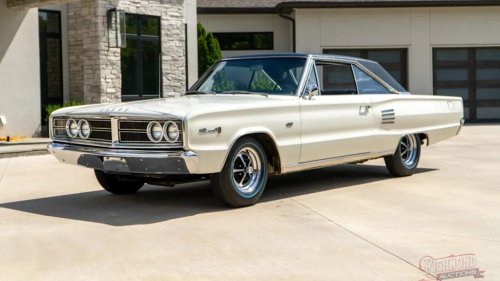
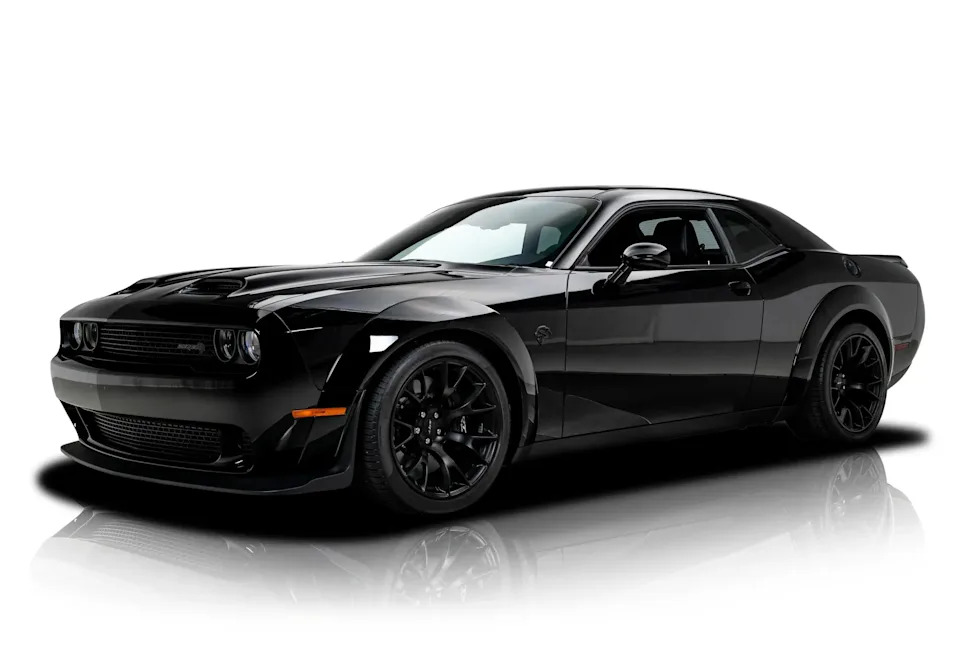
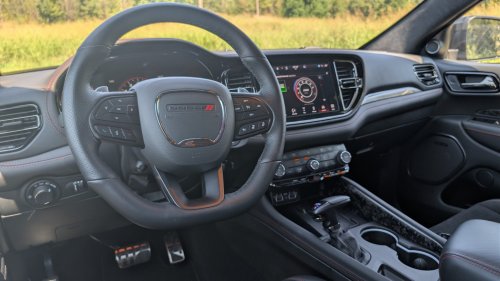
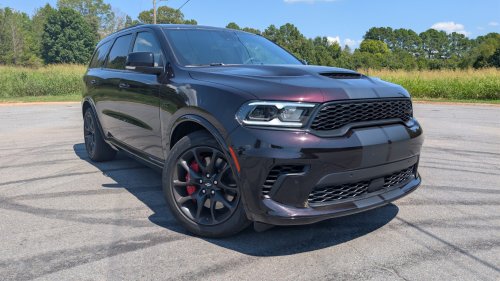
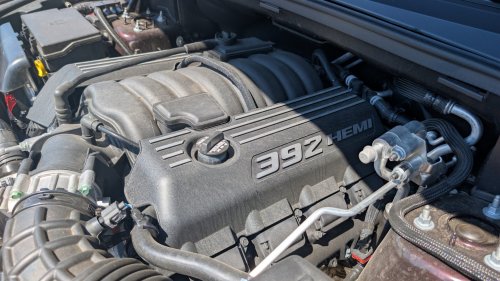
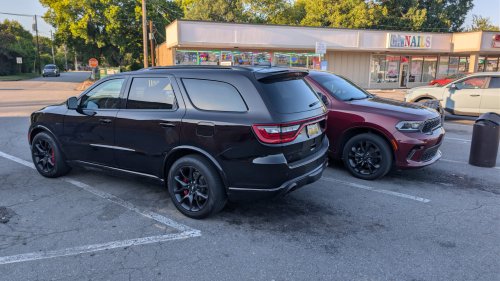
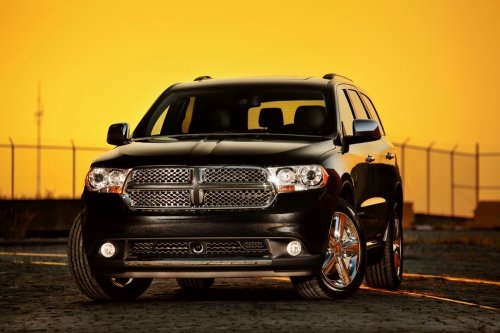
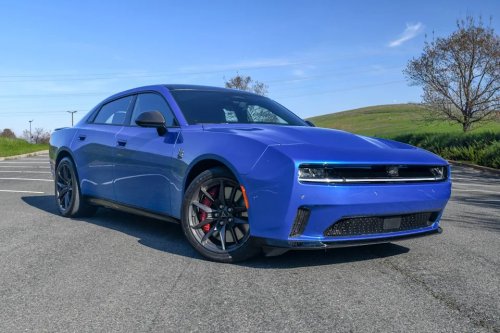
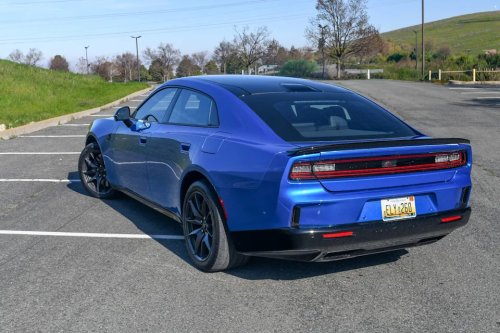
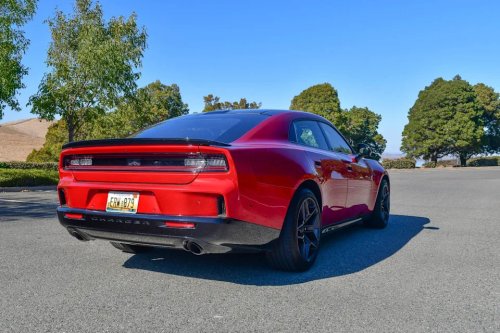
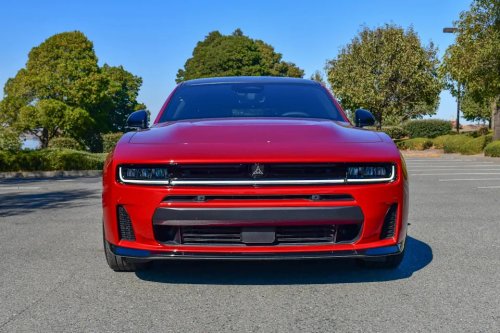
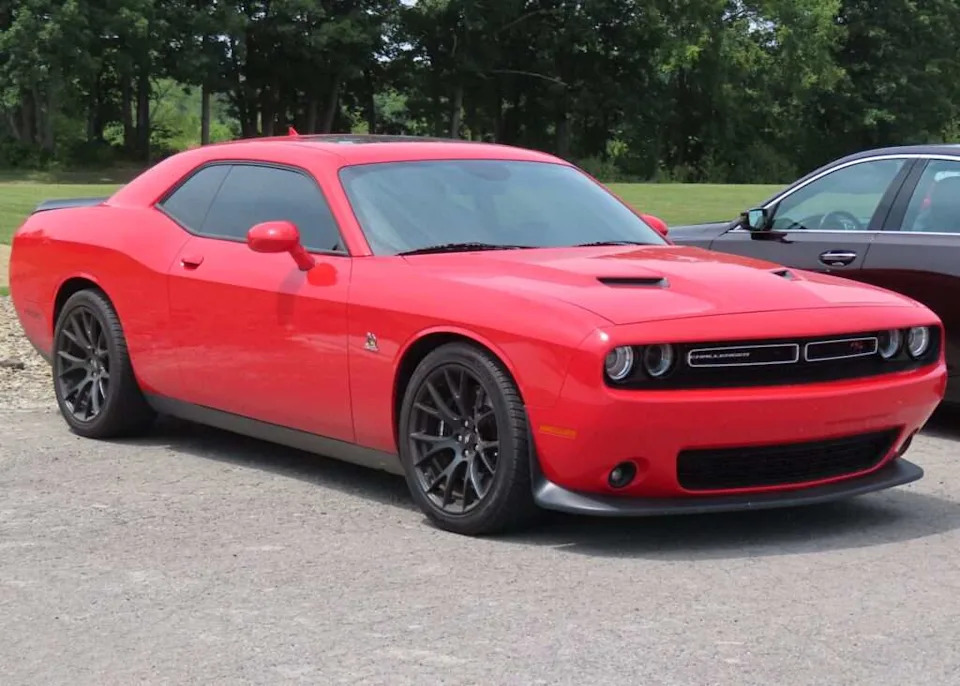
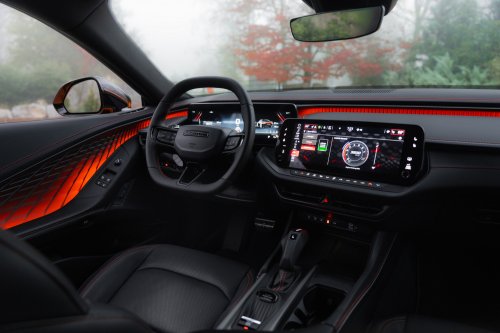
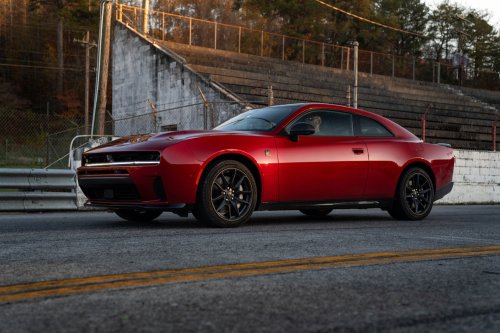
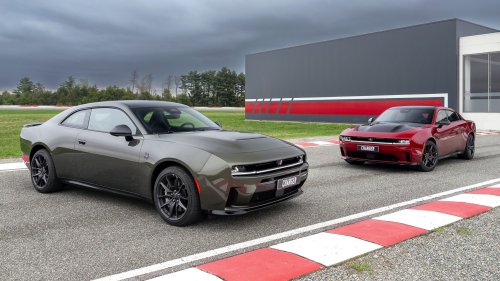
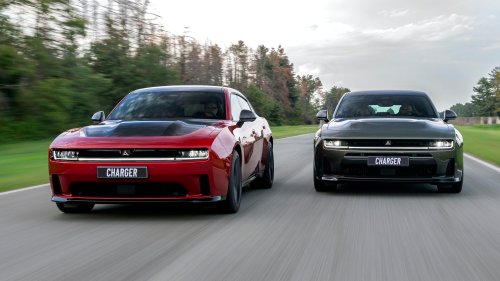
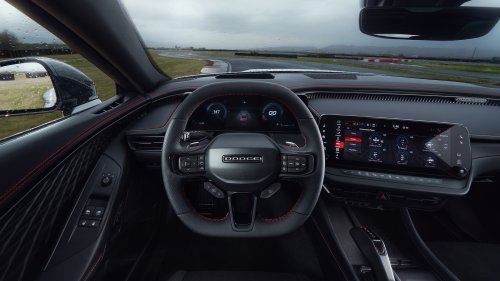
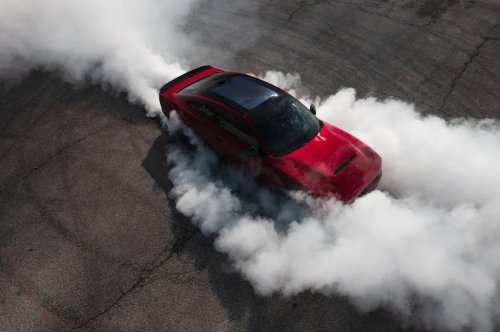
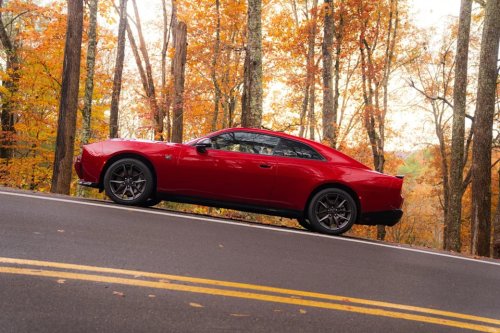
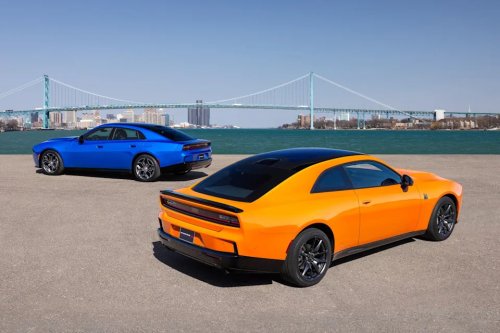
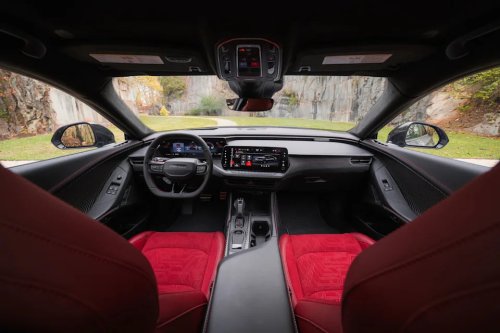
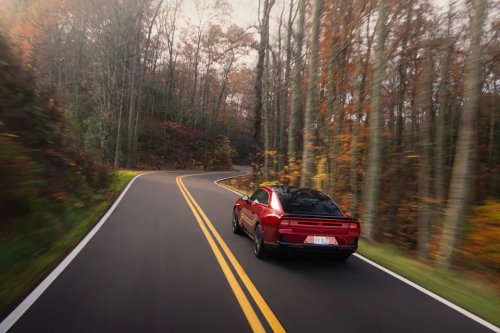
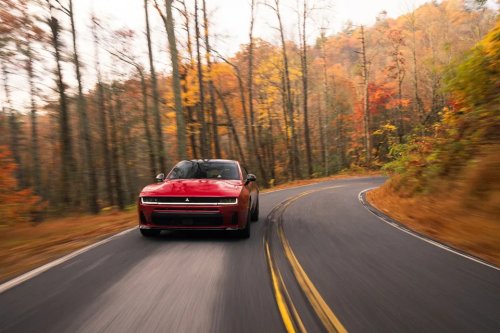
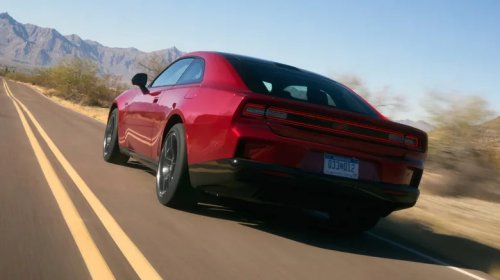
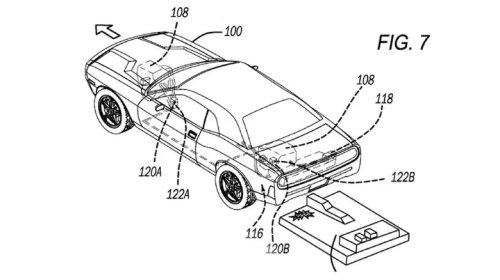
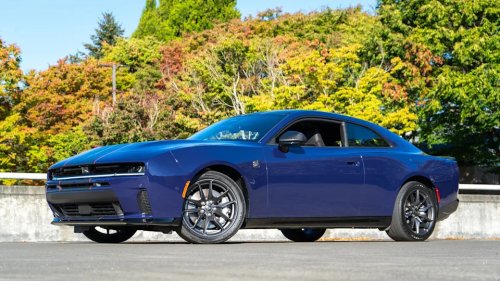
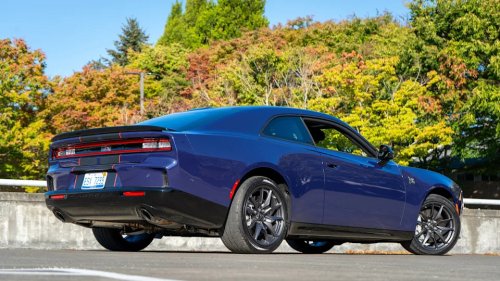
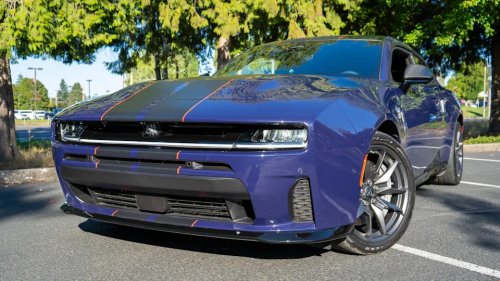
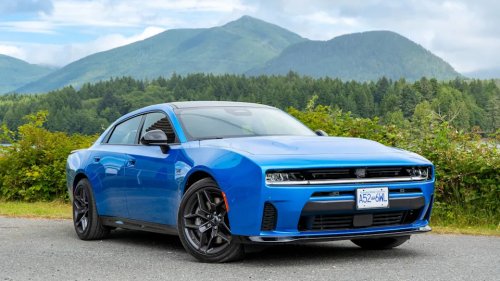
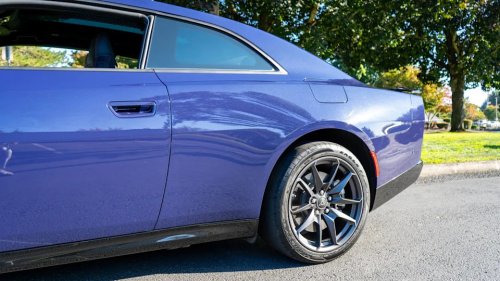
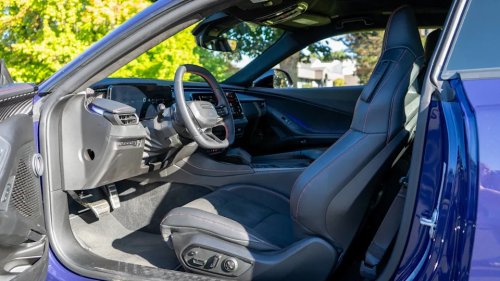
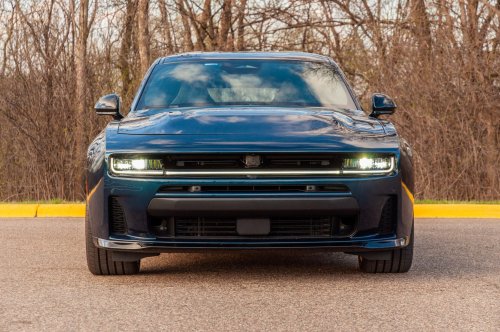
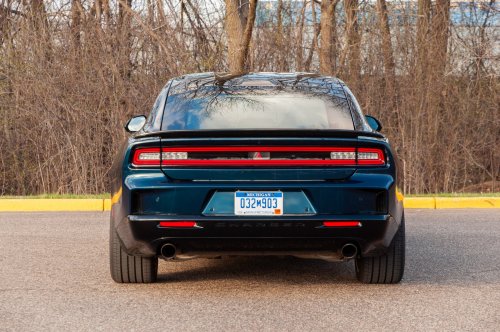
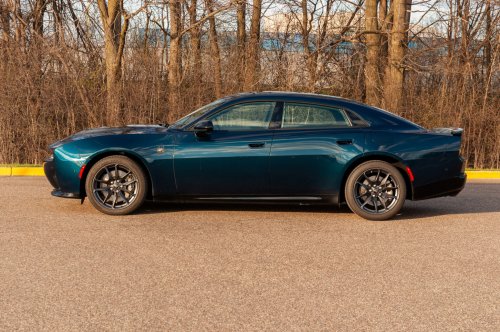
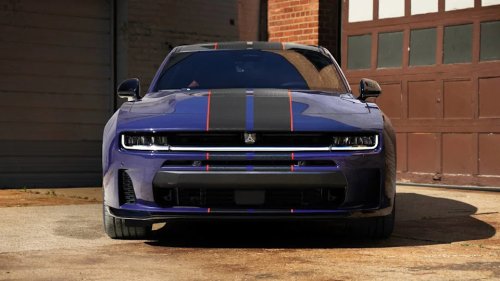
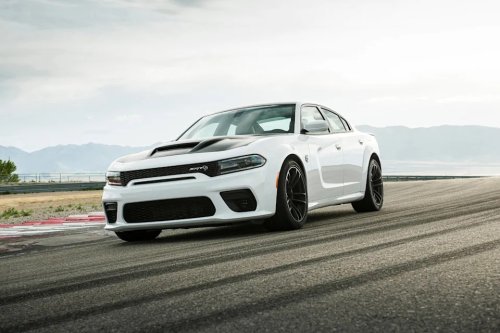
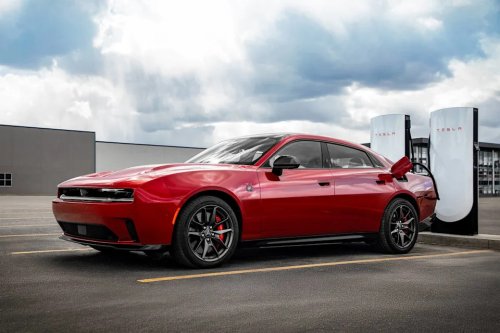
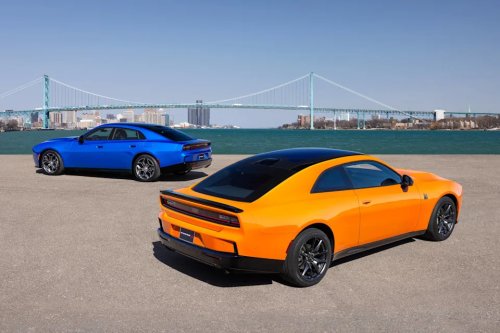
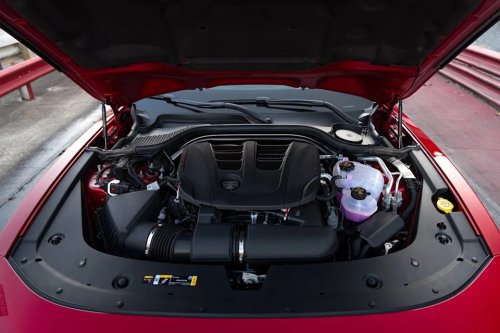
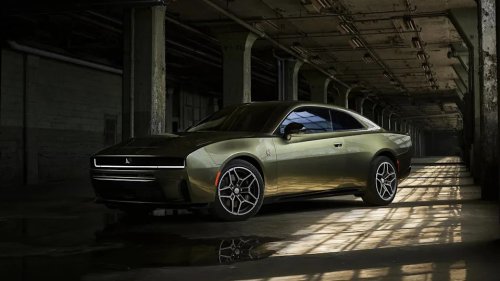
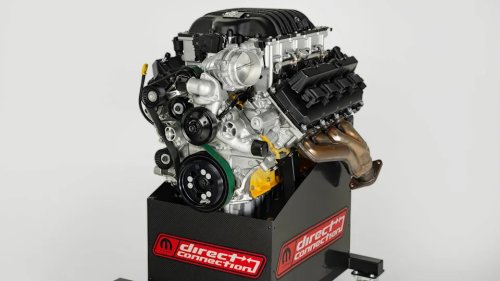
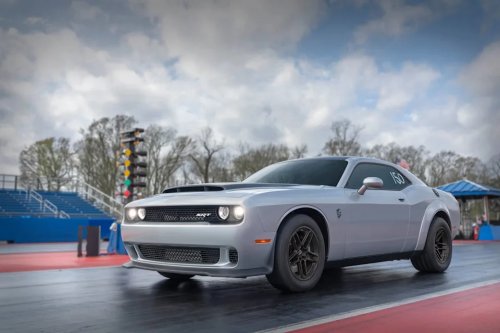
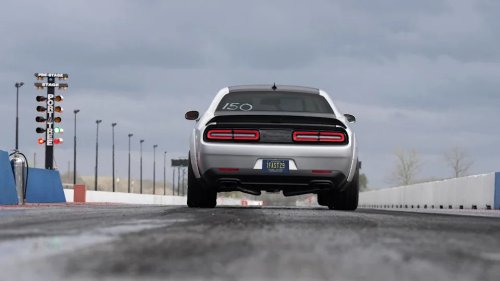
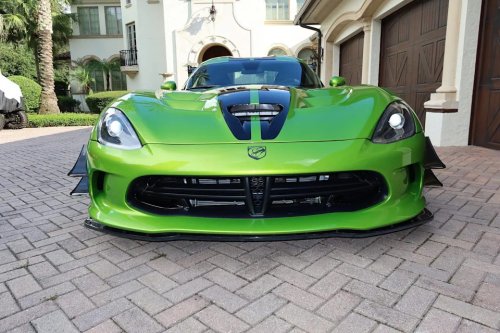
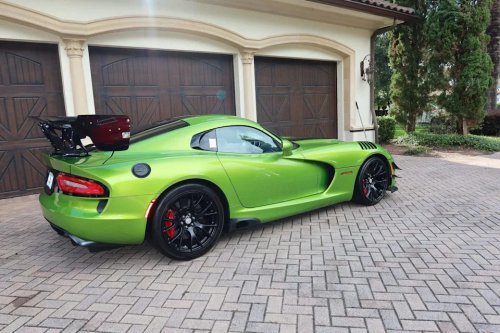
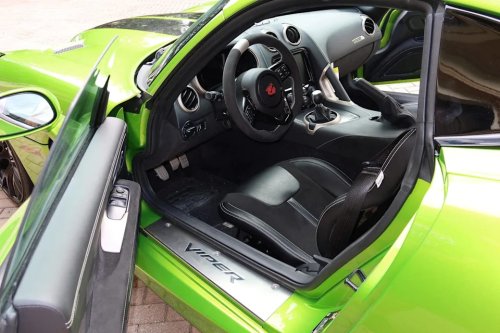
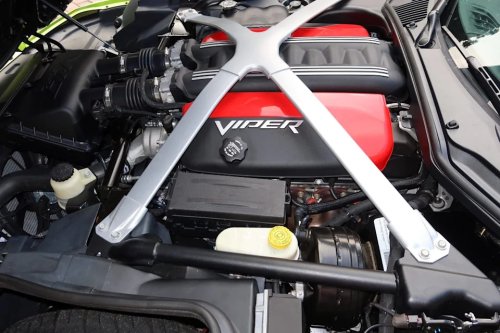
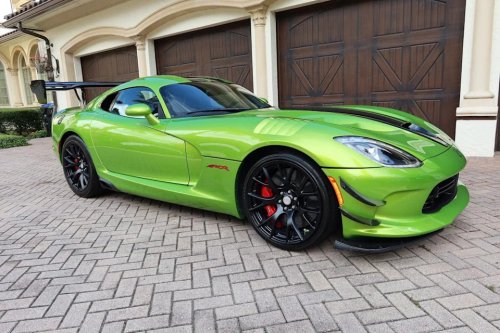
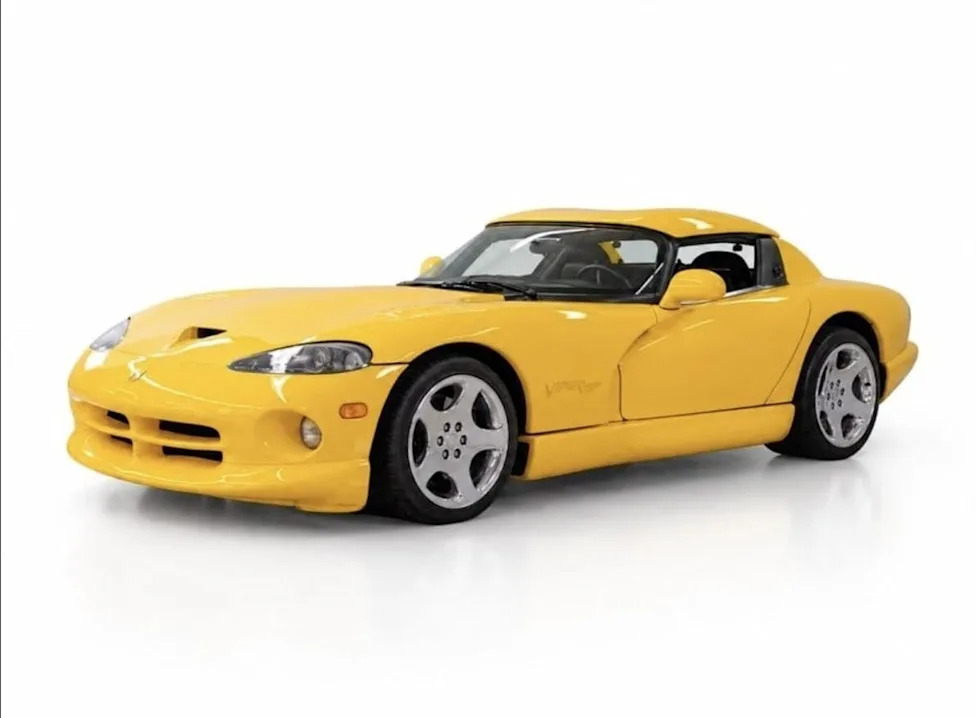
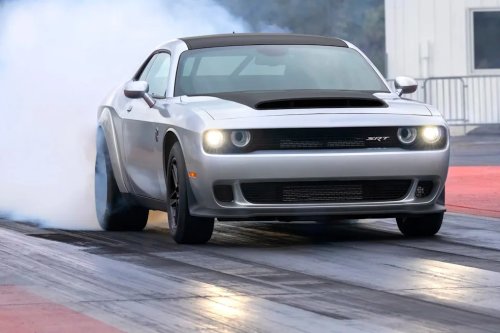
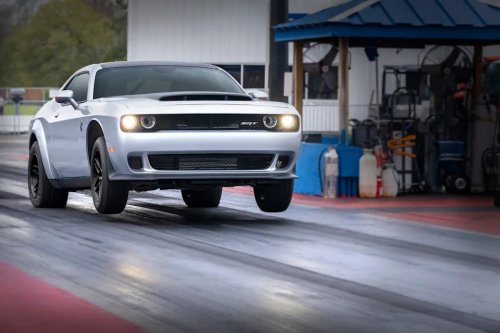
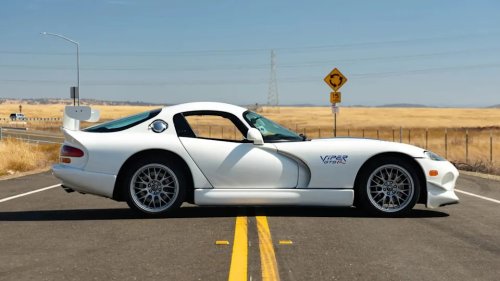
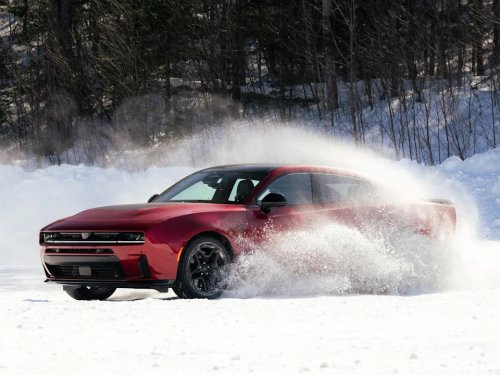
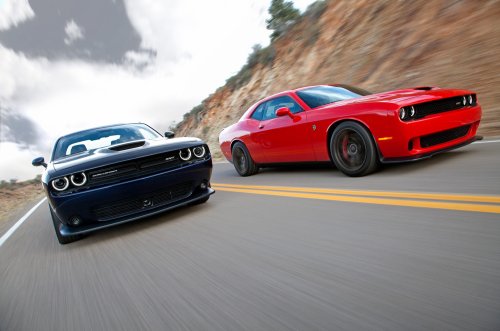
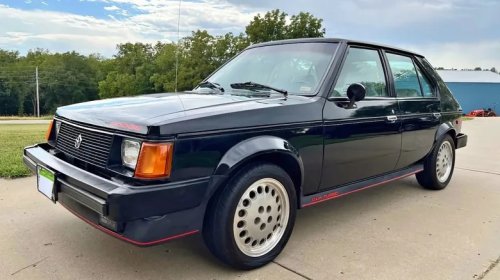
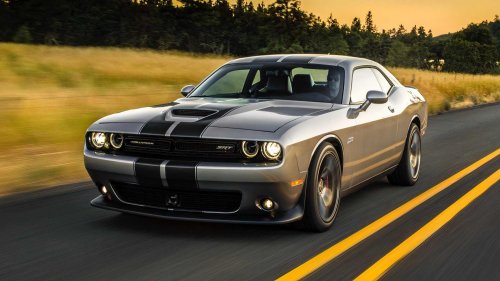
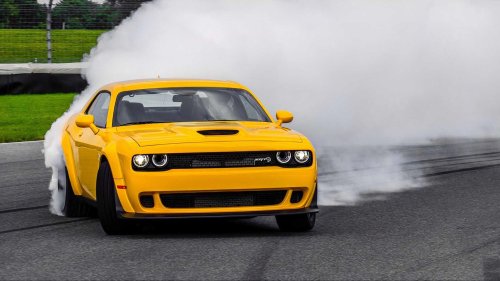
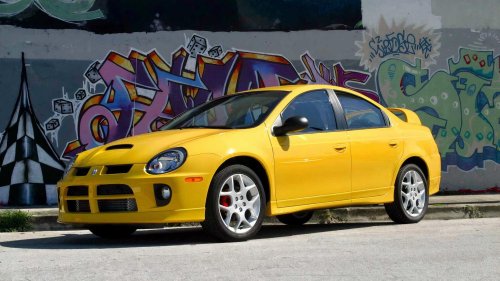
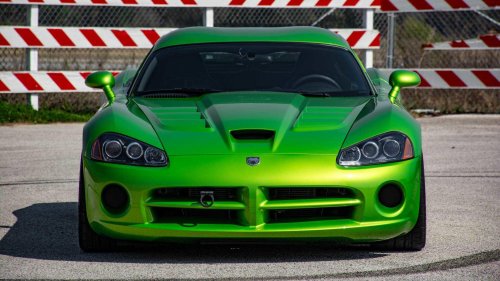
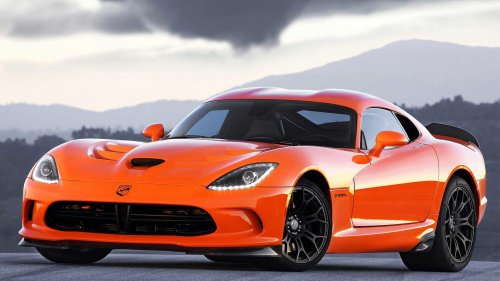
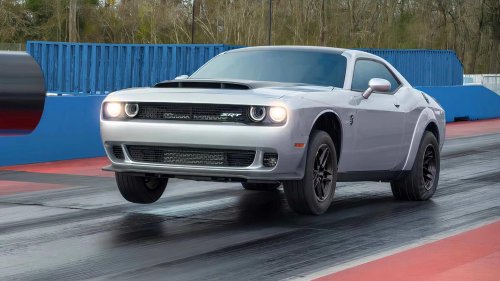
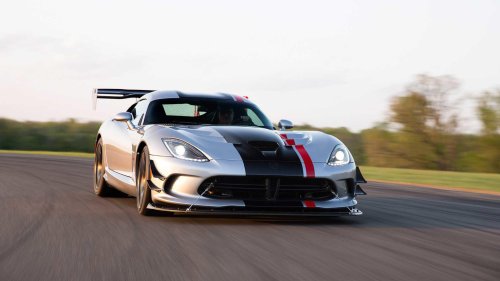
In the past, Dodge made headway with its SRT lineup. Models like the Charger, Challenger, and Durango were known for featuring some of the most impressive engines in regular production models, pushing the boundaries of performance.However, the previous generation Charger and Challenger have since been discontinued, replaced by an all-new Charger platform, with the SRT badge currently missing from its lineup. This leaves only the Dodge Durango as Dodge’s sole SRT offering; it's an aging model, released all the way back in 2011. This brings forth the question, what does SRT mean on new and future Dodges. Why Dodge Moved Away From V8 SRT Via Bring A Trailer One of the biggest reasons the SRT badge feels uncertain today comes down to tightening global emissions regulations and changing market demands. The fire-breathing supercharged V8 engines that defined SRT—especially the Hellcat—are becoming increasingly difficult to justify in a world pushing toward lower emissions and electrification. In fact, it was Stellantis that made the push for an EV muscle car.Automakers across the board are downsizing engines, adding turbocharging, or going fully electric to meet stricter rules. For Dodge, this meant the iconic 6.2-liter supercharged HEMI V8 didn’t fit into the long-term strategy, no matter how beloved it is.Instead, Dodge pivoted toward new performance solutions like the twin-turbo Hurricane inline-six and fully electric drivetrains. While these may lack the raw character of a V8, they offer comparable—and in some cases superior—performance with far better efficiency and emissions compliance.This shift doesn’t necessarily mean performance is going away. Rather, it signals a transformation in how Dodge delivers it, which could redefine what the SRT badge stands for in the coming years. The Future Of SRT Models Dodge2026 Dodge Charger Sixpack Scat Pack SpecsThe latest Dodge Charger is available either as an EV or with the straight-six Hurricane engine, a decision heavily criticized for straying too far from the model's identity. The new Charger is now both a four-door and two-door version and still has the performance to match its name. The twin-turbo 3.0-liter Hurricane engine also has the power to match with 420 hp and 550 hp.As respectable as the new Charger SIXPACK is, and even though it is gas-powered, conventional muscle car enthusiasts have yet to fully embrace it. There’s still a lot of pull for Dodge to return the Charger to its former V8-powered glory. The brand has yet to confirm anything of the likes, and if the SRT badge will also come back to the muscle car. What Does SRT Actually Mean? Dodge2016 Dodge Challenger SRT 392 SpecsSRT stands for Street Racing Technology and is the performance division of the Chrysler group, taking ordinary models and tuning them into serious performance cars. It doesn’t limit itself to Dodges, but also modifies Jeep, Chrysler, and Ram vehicles. SRT works much like M-Performance for BMW, or AMG does for Mercedes. It's an in-house tuning division specializing in creating performance cars.In recent years, the Dodge Charger and Challenger were the division's greatest undertakings. The base Charger and Challenger featured a 3.6-liter Chrysler Pentastar V6 producing around 300 horsepower. There was also, of course, the R/T featuring a 5.7-liter Hemi V8 producing 370 hp.The SRT vehicles stand above and beyond the base cars, with the Charger and Challenger SRT8 increasing the Hemi’s engine to 6.4 liters cranking out 470 hp, later renamed to Scat Pack and 392 that belted out 485 hp.Stellantis2016 Dodge Challenger Hellcat SpecsHowever, this is nowhere near the end of the SRT upgrades to the platform, as in 2015, the Hellcat was famously introduced to change the landscape of the muscle car world. It used a supercharged 6.2-liter Hemi V8, now producing 707 hp and 650 lb-ft, and was capable of reaching a top speed of over 200 mph.These were insane figures 10 years ago. No other muscle car from Ford or GM could match them. Some exotic supercars were even outclassed by these wild Mopar muscle cars.The same story goes for the Durango, which also received an SRT 392 version, and the Hellcat variant which is still on sale today.Unlike BMW and Mercedes, which allow for the M and AMG badges to make it on the back of non-performance models, the SRT badge has always been reserved for the brand's most serious performance cars. History of the SRT Brand Dodge2005 Dodge Neon SRT4 SpecsSRT originated in 1989 with the development of the Dodge Viper, with the team responsible for the project named Team Viper. Chrysler similarly assembled a team for the Plymouth Prowler, imaginatively named Team Prowler. The two divisions would later merge into Special Vehicle Engineering.The team's first road car was the Dodge Neon SRT4, featuring the first apearance of the name which the SVE team would soon adopt. The Neon SRT4 had a turbocharged 2.4-liter inline-four producing 215 hp in 2003 models, and 230 hp for 2004 and 2005 variants. This was a lot of performance for a small car, easily outperforming cars like the Volkswagen Golf GTI. Other Early SRT Models Bring a Trailer2008 Dodge Viper SRT10 SpecsFollowing the Neon SRT4, a bunch of SRT models were released across Chrysler's brand umbrella, with the number following the SRT denoting the number of cylinders of the engine. The successor to the Neon SRT was the Caliber SRT4, produced only from 2008 to 2009.One of the most successful lines of SRT vehicles rode on the Chrysler LX platform, which featured SRT8 versions of the Chrysler 300, Dodge Challenger, Charger, and Magnum.The flagship of the whole program was the Dodge Viper, which was named the SRT 10, featuring a massive 8.4-liter naturally aspirated V10, giving genuine foreign supercars a serious run for their money. This engine was also fitted to the Ram pick-up truck to create the Dodge Ram SRT10, an insane V10 performance truck. Post-Recession SRT Models DodgeThe 2008 economic recession was a big reset in the automotive industry. Many brands' vehicle lineups had to be narrowed down to core models and best sellers. The Chrysler group was no exception to this, as it had to declare bankruptcy. This resulted in the wide selection of SRT products in the early 2000s being heavily reduced. Post 2011, this left Dodge’s lineup limited to the Challenger, Charger, and Viper.Unfortunately, the flagship Viper was discontinued in 2017 due to declining sales. SRT decided to give it a strong send-off with the track-ready Viper ACR that featured a full-size rear spoiler and front splitter.In its spot, Dodge released the SRT Durango in 2018, featuring the same 392 engines as in the muscle cars, later fitting the SUV with the Hellcat engine in 2021. Hellcat Variants Shook the World Dodge2023 Dodge Challenger Demon 170 SpecsFamously, the Hellcat Charger and Challenger Hellcat were not the final or the most powerful iterations of the LX platform, as the SRT team pushed the limits of performance.The SRT team decided to focus further performance efforts exclusively on the Challenger, and in 2018, Dodge released the Demon. This used an upgraded Hellcat engine that featured a 2.7-liter supercharger boosting the power to 808 hp, and 840 hp when run on 100-octane fuel.The Demon was only produced for 2018 and was replaced in the lineup by the Challenger Hellcat Redeye, producing 797 hp.The final and most insane iteration of the Challenger was the Demon 170, released in 2023. The 170 bumped the power output all the way up to 1025 hp with 945 lb-ft. These power figures allow it to accelerate from 0-60 mph in just 1.66 seconds when running on drag tires, capable of a quarter-mile time of under nine seconds. Only 3,000 units were produced for the US market and 300 units for Canada, making this a thorough send-off for the platform. SRT Prices Continue to Climb Stellantis2017 Dodge Viper ACR SpecsUnsurprisingly, used SRT prices vary heavily depending on the car, with the cheapest ones you can pick up being the Caliber and Neon, with prices hovering between $10,000 to $20,000.Meanwhile, SRT8 Challenger and Charger prices sit between $20,000 to $30,000 for nice examples. Hellcat versions start at $30,000 on the lower end of the spectrum, going all the way up to $70,000 for newer models or those equipped with the Scat Pack.The Dodge Challenger Demon has become notably desirable, with prices on the used market typically ranging from $100,000 to $150,000. Meanwhile, the most powerful and limited Demon 170 prices have risen to the $150,000 to $200,000 range.As for the Viper, prices also greatly vary. The cheapest SRT 10, third-gen Viper made between 2003 and 2010, sits comfortably between $40,000 and $60,000. However, the last-gen Viper produced between 2013 and 2017 is far more expensive, with regular GTS versions selling for between $120,000 to $140,000. This price tag pales in comparison to the track-ready Viper ACR made between 2016 and 2017, with one example auctioned at Barrett-Jackson for $566,000 in January of this year.



















 +67 others