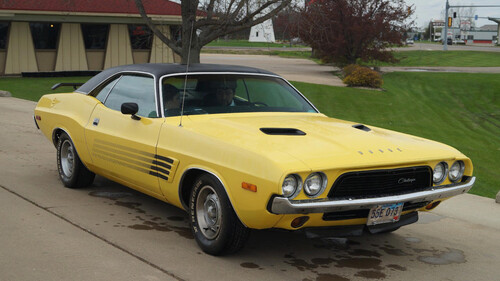
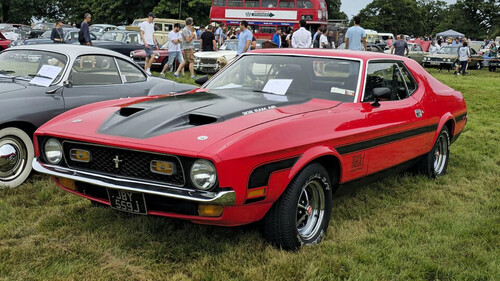
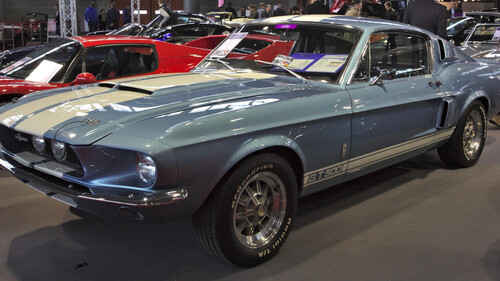
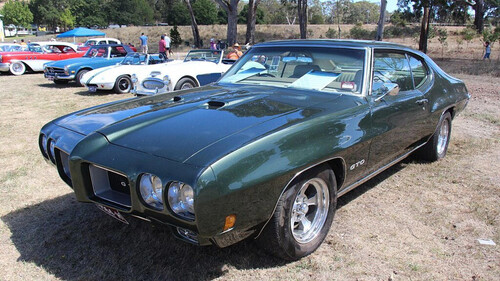
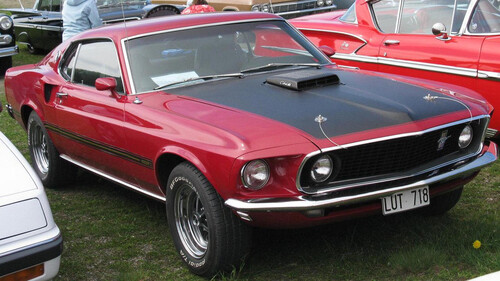
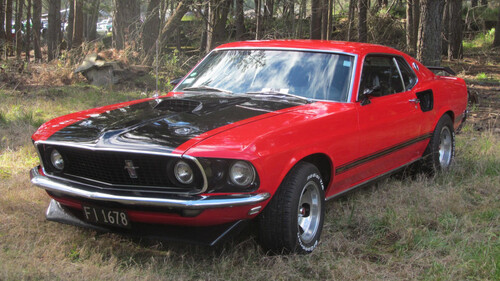
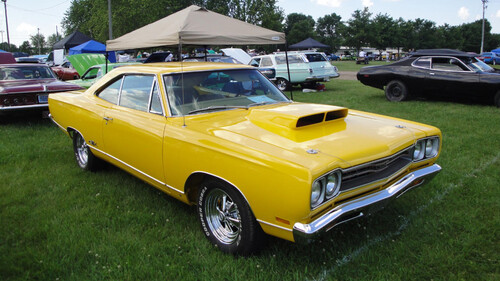
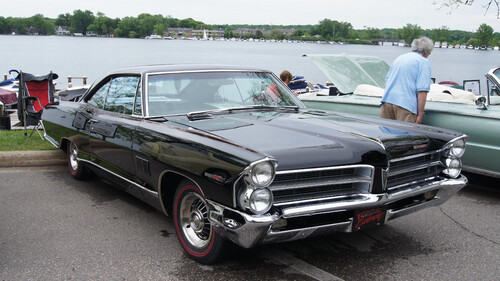
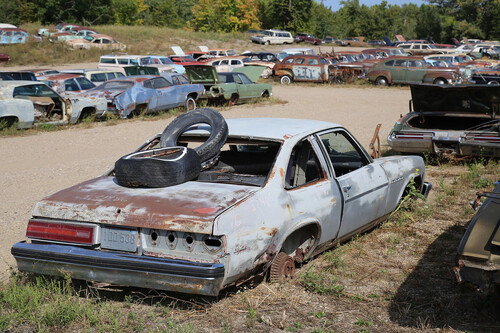
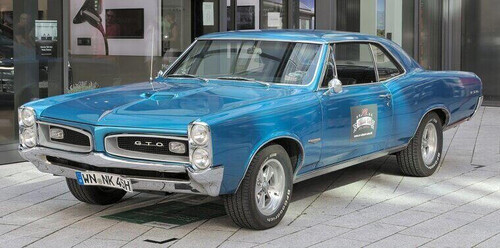
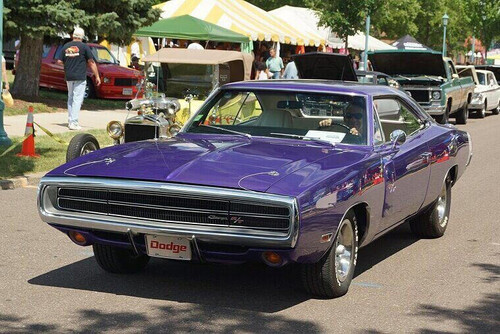
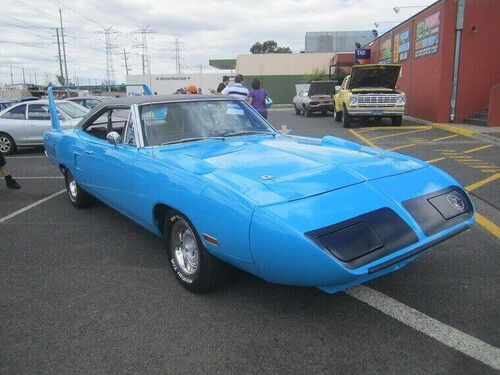
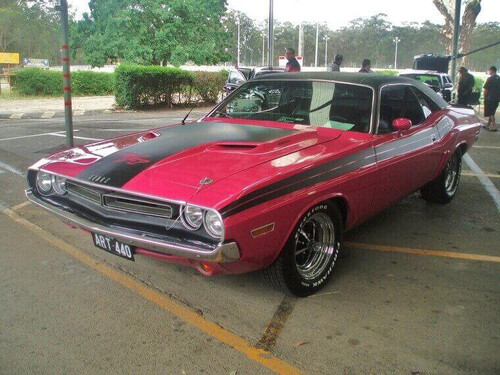
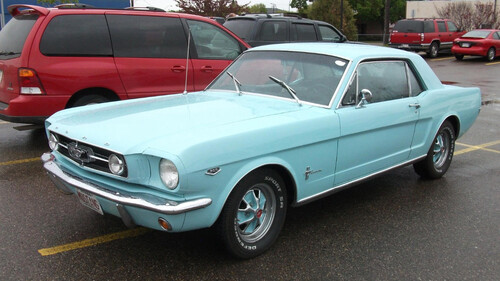
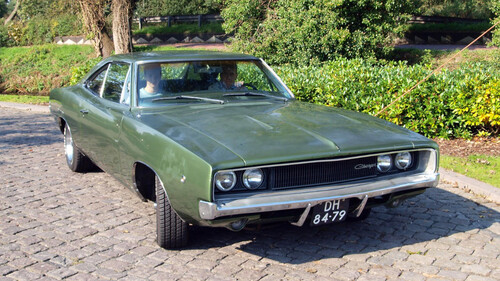
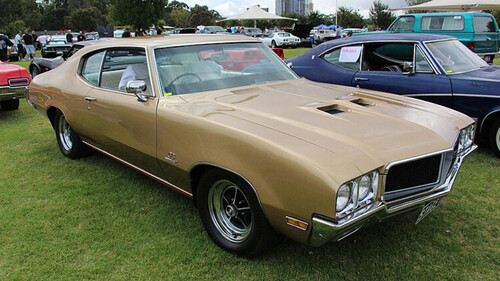
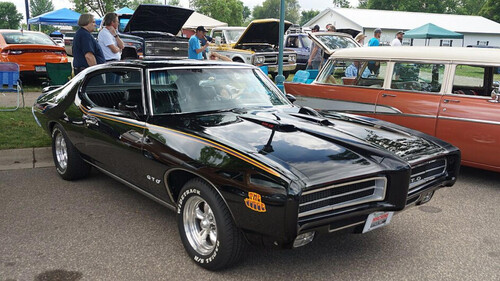
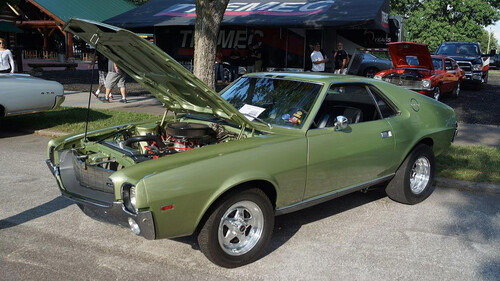
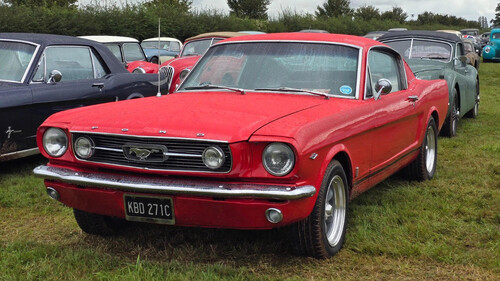
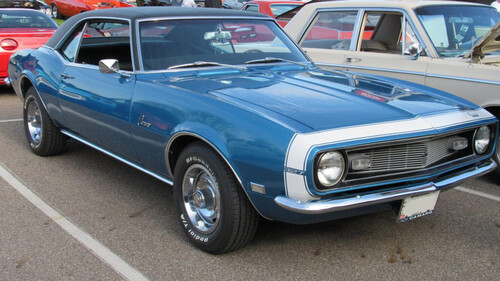
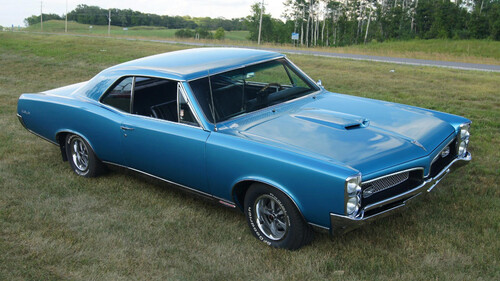
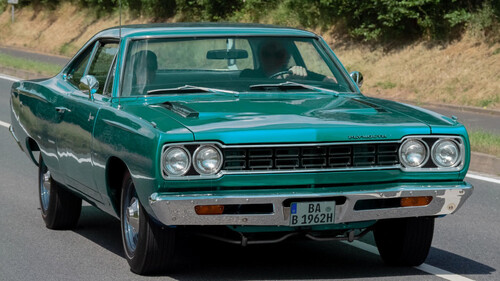
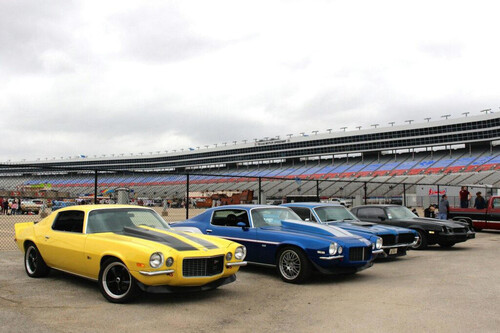
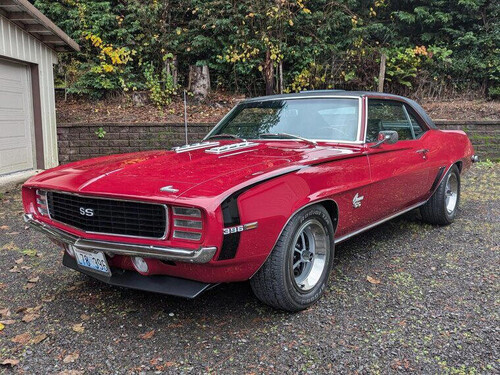
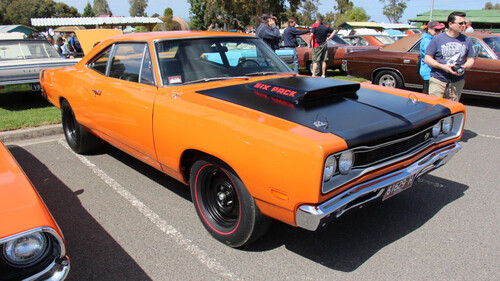
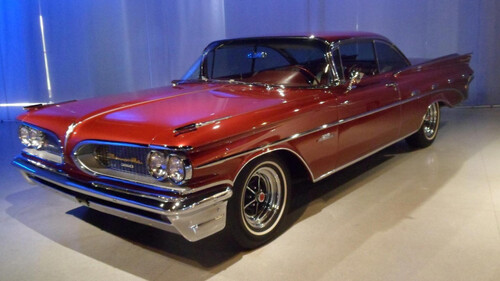
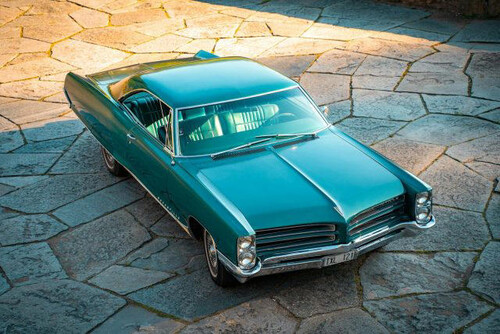
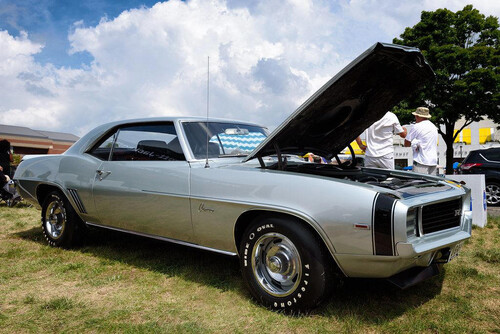
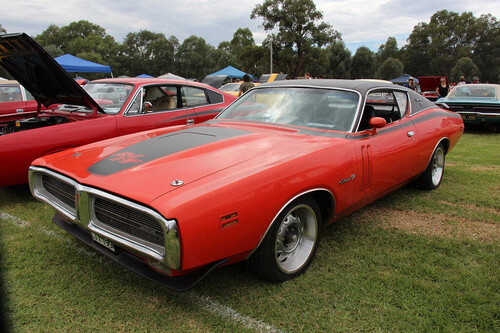
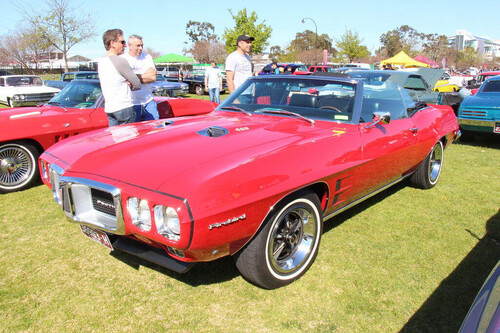
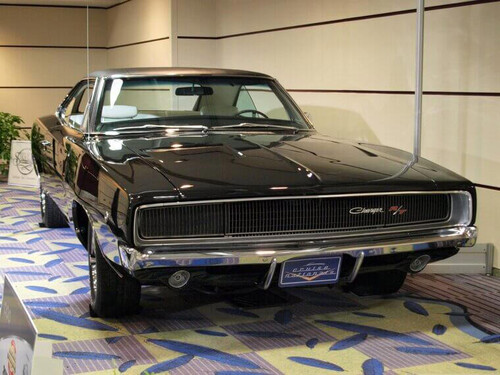
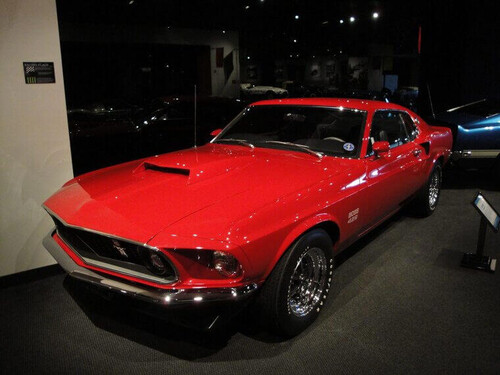
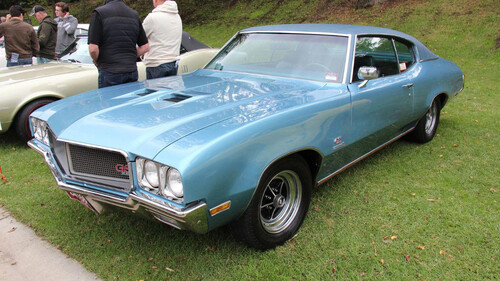
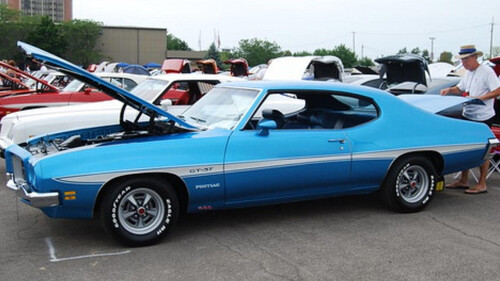
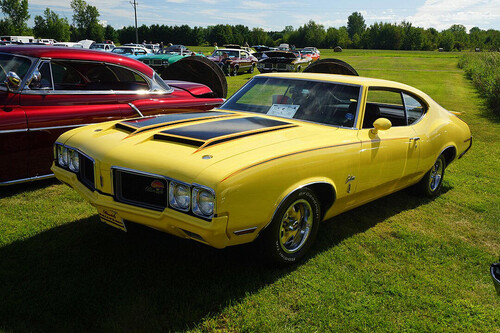
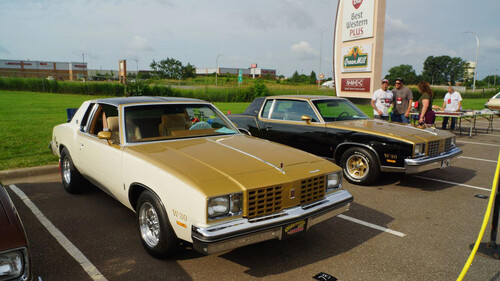
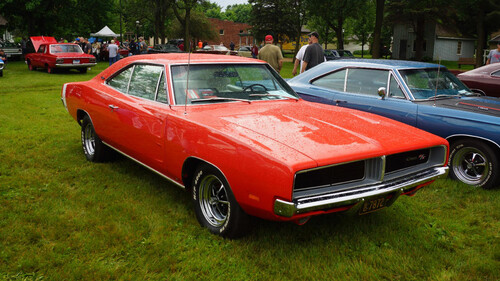
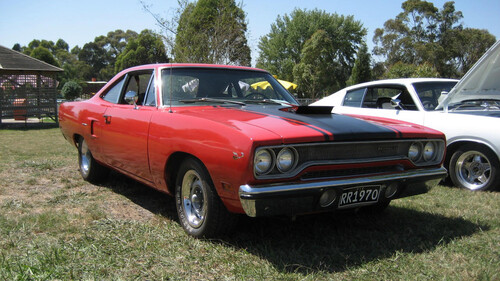
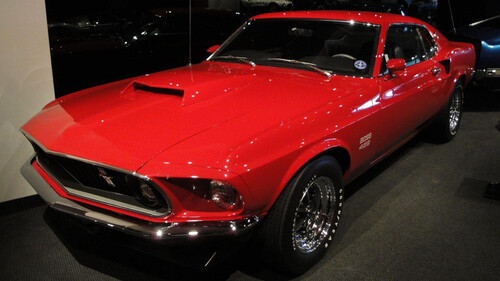
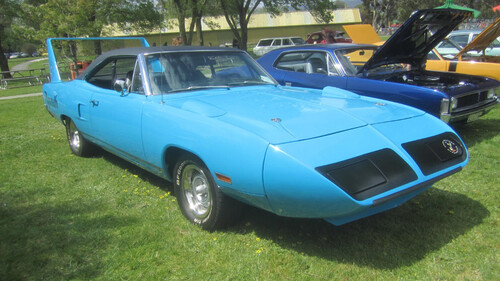
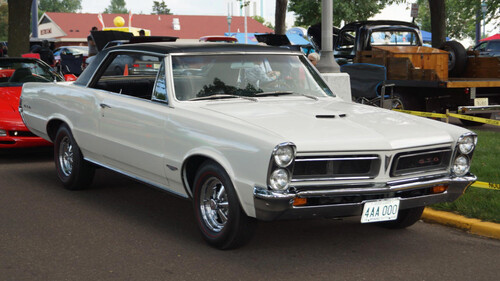
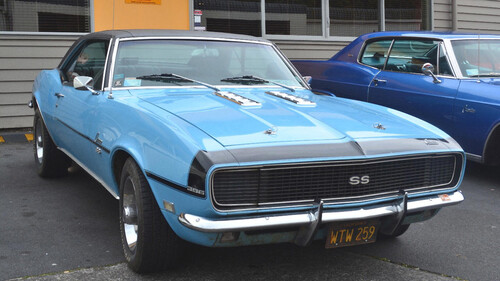
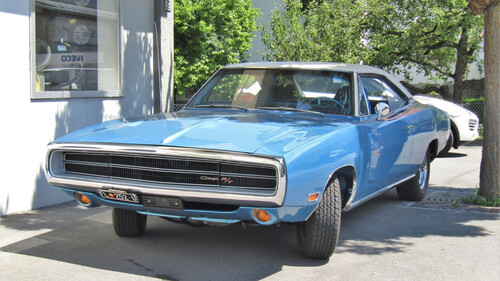
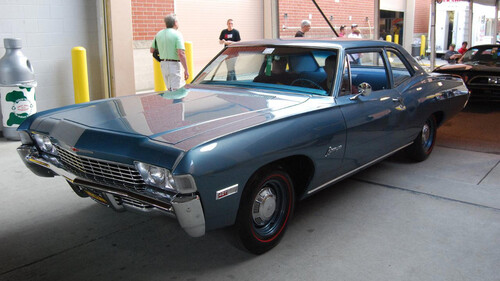
Classic American performance cars have become status symbols with auction prices to match, but not every vintage muscle machine has disappeared into six-figure collections. For buyers willing to look beyond the obvious nameplates and accept a few quirks, there are still older V8 cars that deliver authentic sound and style without requiring a hedge fund. I see the real opportunity in models that sat in the shadow of headline-grabbing legends, yet share much of the same hardware and driving character. The overlooked sweet spot in the muscle market Values at the top of the collector world can make it seem as if every old V8 coupe is now unattainable, but the market is far more nuanced once I move away from halo models and concours restorations. Auction data and pricing guides consistently show a steep drop from the rarest specifications into more common trims, even when the underlying platform and engines are closely related. That gap is where buyers can still find usable, driver-grade muscle cars that feel special on the road while trading for the price of a new family crossover, as reflected in recent pricing snapshots for cars like the 1969 Camaro and 1969 Mustang. The key is separating cultural fame from mechanical substance. A first-generation Pontiac Firebird with a modest V8, for example, shares much of its architecture with the same-era Chevrolet Camaro yet typically trails it in price guides, even in comparable driver condition, according to valuation spreads between the 1968 Firebird and its Chevrolet sibling. Similar patterns appear across the segment, where mid-level engines, four-door bodies, or less celebrated badges keep asking prices in check despite period-correct power and rear-wheel-drive layouts that still feel every bit like classic muscle from behind the wheel. Undervalued nameplates that still deliver real muscle Some of the best buys sit with brands that never quite achieved the pop-culture saturation of Chevrolet or Ford, even though their cars were competitive when new. Mid-1970s Buick and Oldsmobile intermediates, for instance, often carry lower valuations than equivalent Chevelle or Monte Carlo models, despite sharing General Motors chassis and drivetrain components. Pricing data for cars like the 1977 Buick Regal and 1977 Oldsmobile Cutlass Supreme shows that solid driver examples can remain accessible, particularly when equipped with small-block V8s rather than rare performance packages. Even within the most iconic lines, there are trims that stay relatively attainable because they lack the badges collectors chase. A late-1960s Dodge Charger with a small-block engine and automatic transmission, for example, typically commands far less than a 426 Hemi or high-spec R/T version, yet still offers the same fastback profile and period driving feel, as reflected in the spread between base and top-tier 1968 Charger valuations. The same pattern holds for cars like the 1969 Pontiac GTO, where non-Judge, automatic-equipped cars remain significantly more affordable than the most collectible variants while still delivering the torque-rich V8 experience enthusiasts associate with the name. Why some vintage muscle stays relatively affordable Image Credit: JOHN LLOYD from Concrete, Washington, United States, via Wikimedia Commons, CC BY 2.0 Several structural factors help keep certain classic performance cars within reach, even as headline sales climb. Insurance costs, fuel consumption, and emissions-era reputations all weigh on demand, particularly for mid-1970s models that enthusiasts once dismissed as underpowered. Yet many of those cars still carry V8 engines and rear-wheel drive, and modest factory output can be addressed with period-correct upgrades, which is why pricing for cars like the 1977 Camaro and 1977 Firebird often lags behind earlier high-compression models while still offering a similar ownership experience for drivers rather than investors. Body style also plays a major role. Two-door coupes and convertibles tend to command premiums, while sedans and wagons with the same engines and chassis can be dramatically cheaper. That dynamic is clear in valuations for cars like the 1970 Chevelle Malibu, where four-door versions trail hardtop coupes despite sharing much of the same hardware. For buyers focused on sound, feel, and weekend cruising rather than show trophies, these less fashionable configurations can deliver the same V8 soundtrack and highway presence at a fraction of the cost of their two-door counterparts. How to shop smart for budget-friendly muscle Finding a genuinely affordable classic that will not become a financial sinkhole requires more than chasing the lowest asking price. I prioritize structural integrity and completeness over cosmetic perfection, since rust repair and missing trim can quickly erase any savings. Price guides and recent auction results for specific models, such as the 1973 Mustang or 1972 Dodge Dart Swinger, provide a realistic baseline for what driver-quality cars should cost, which helps separate fair deals from projects that are cheap only on the surface. Mechanical simplicity is another advantage of many undervalued muscle-era cars, since carbureted V8s and basic suspensions are relatively straightforward to maintain. Parts availability for popular platforms remains strong, and cross-compatibility within corporate families often keeps costs down, as seen in the shared components across GM intermediates like the 1972 Pontiac LeMans and its Chevrolet and Oldsmobile counterparts. By focusing on models with robust parts support and avoiding heavily modified examples with undocumented work, buyers can keep long-term ownership costs aligned with the initial purchase price instead of watching expenses spiral. Future appreciation and the case for buying to drive Speculating on which specific models will surge in value is inherently uncertain, but broader trends suggest that usable, well-kept driver cars have room to rise as top-tier examples move further out of reach. As younger enthusiasts enter the market, interest often shifts toward the cars they grew up seeing on the street or in media, which increasingly includes later 1970s and even early 1980s performance models. Valuation curves for cars like the 1981 Camaro Z28 and 1979 Firebird Trans Am show gradual upward movement from previously depressed levels, suggesting that the stigma around emissions-era muscle is slowly fading. That said, I see the strongest case for approaching these cars as long-term drivers rather than short-term investments. The real value lies in the experience: the heavy steering, the mechanical feel, and the unmistakable sound that modern performance cars rarely replicate. If appreciation comes, it is a bonus, but the more reliable payoff is years of weekend drives in a car that still turns heads without requiring a collector’s budget. By targeting overlooked trims, less fashionable body styles, and mechanically sound examples verified against realistic valuation tools, enthusiasts can still park genuine vintage muscle in the garage without shocking their bank accounts.