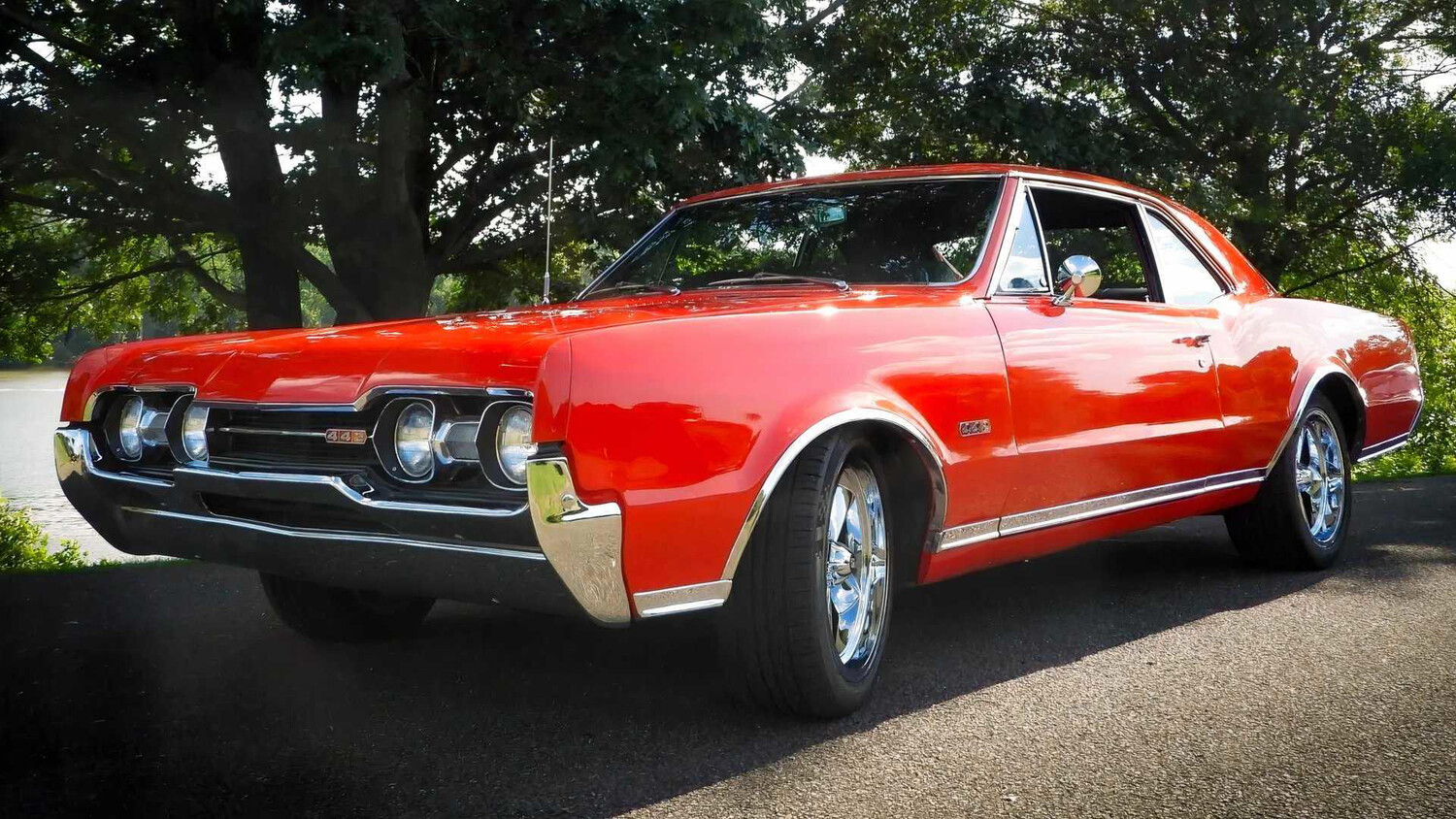
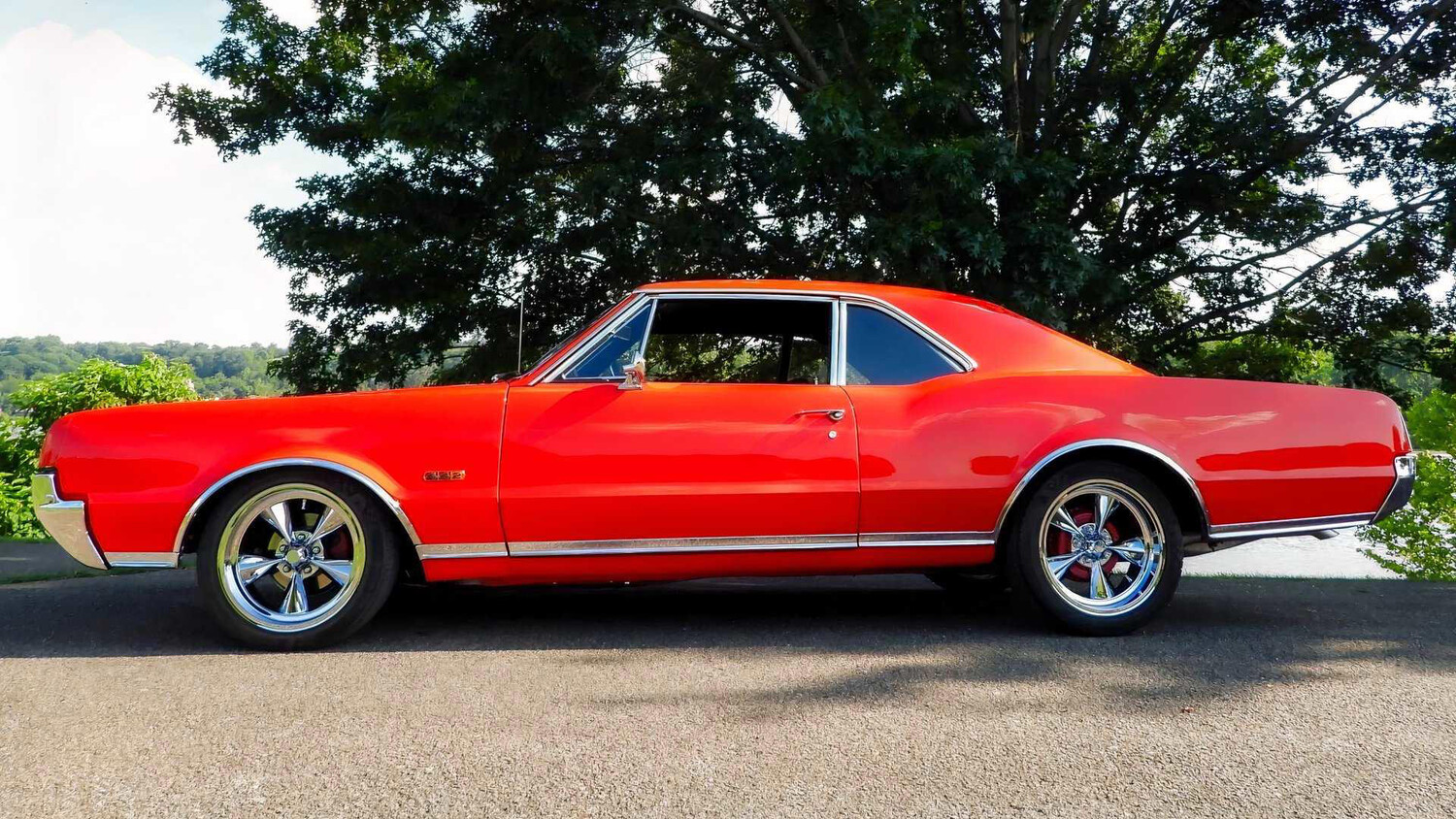
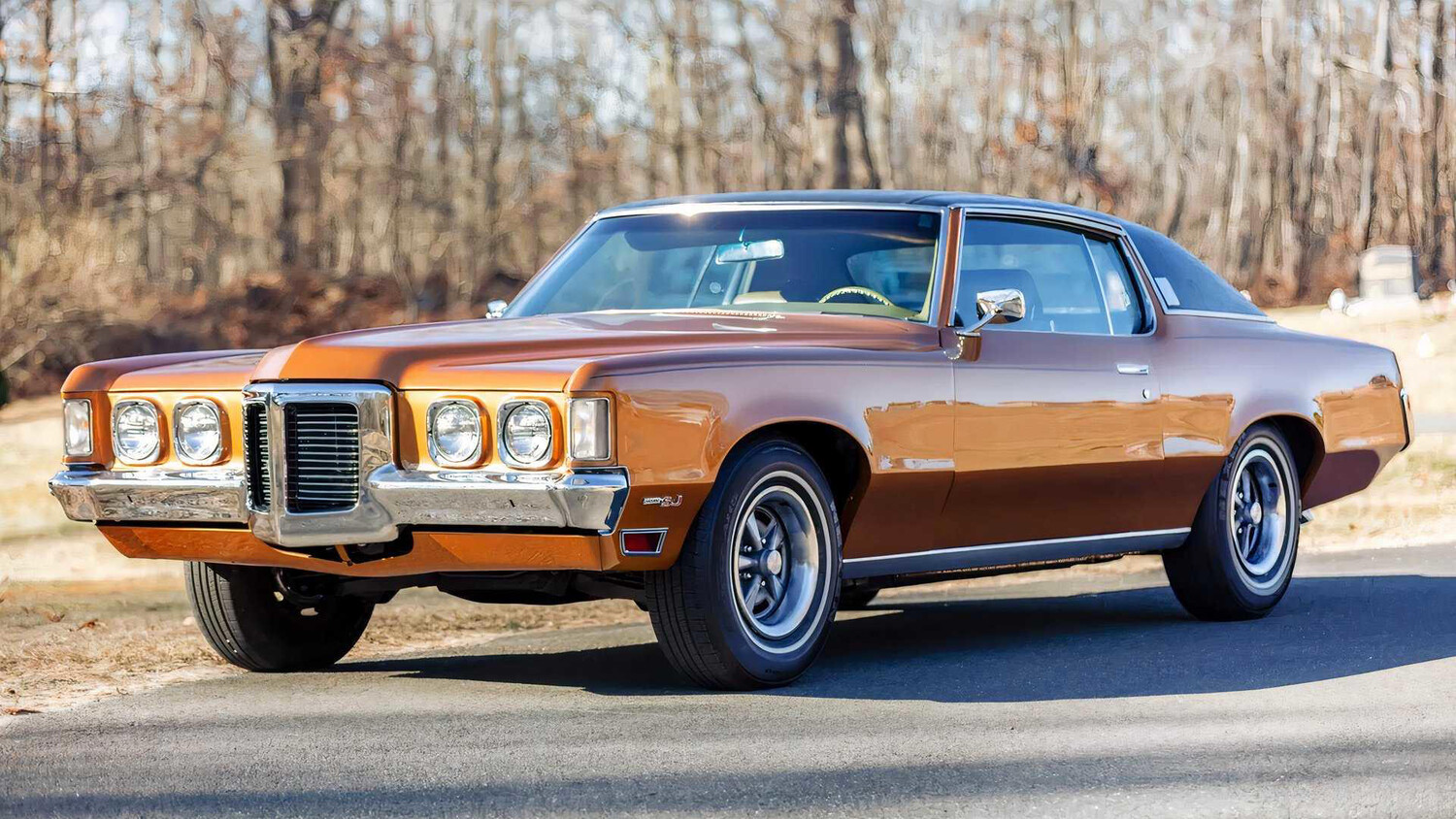
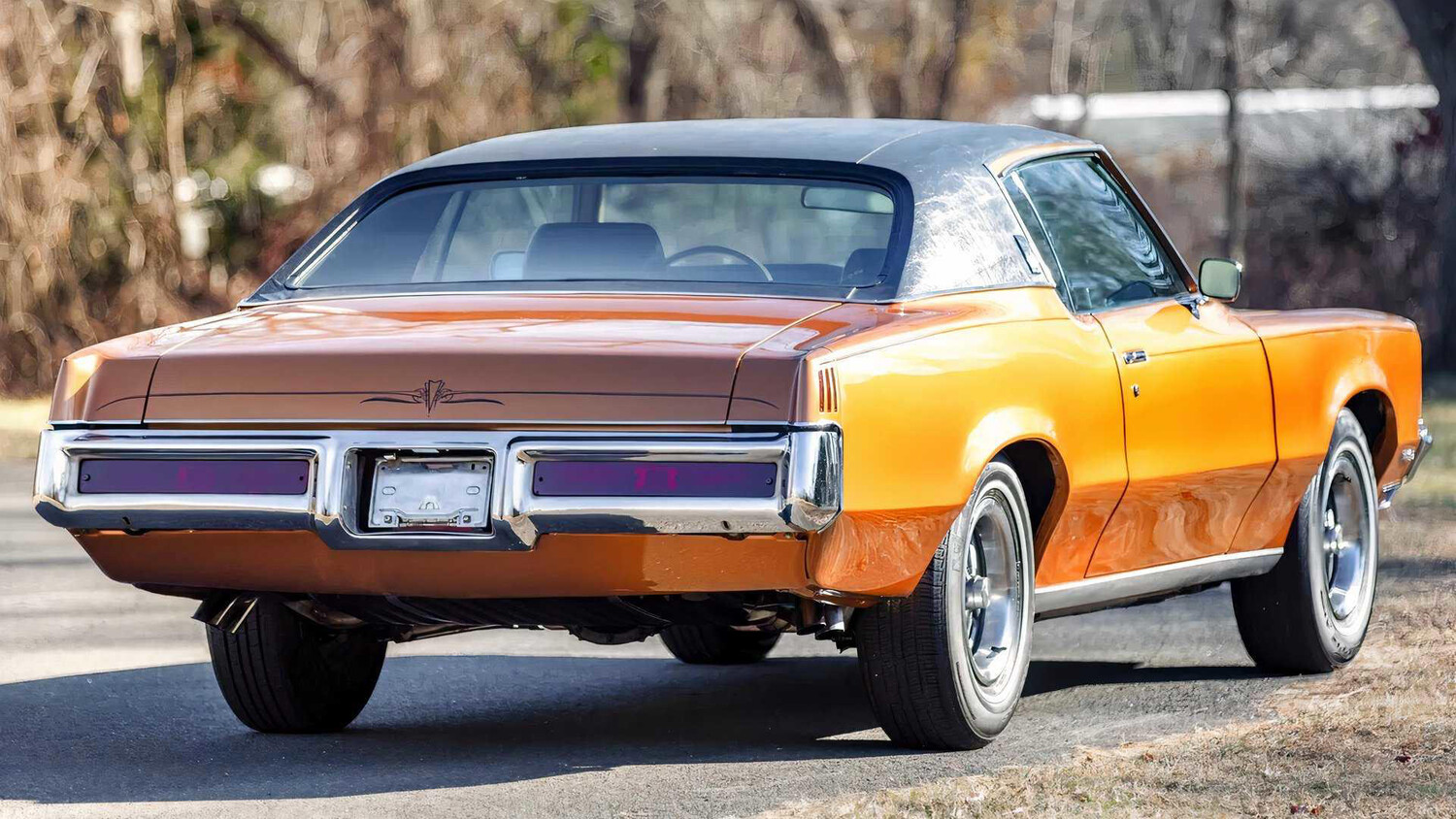
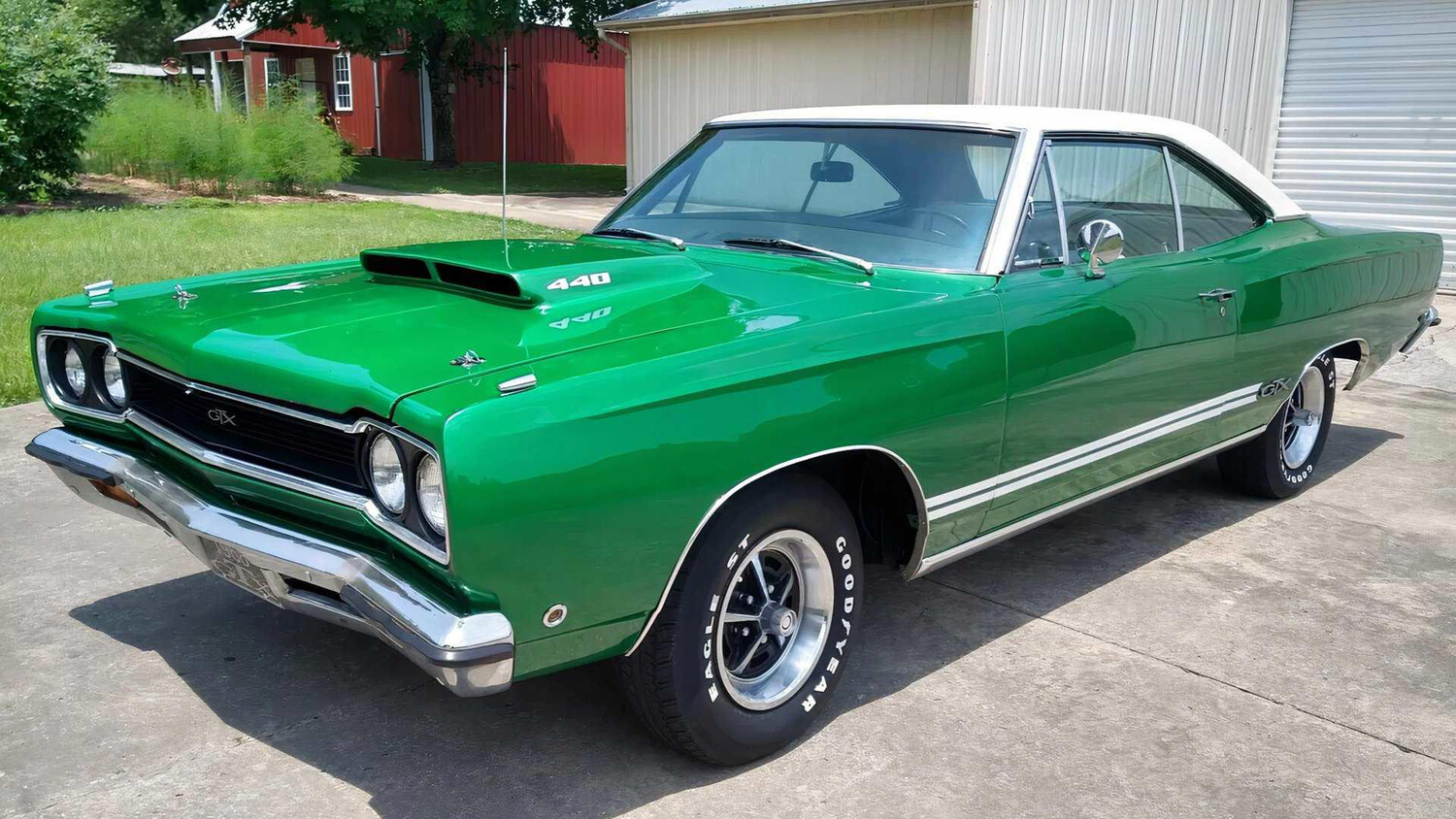
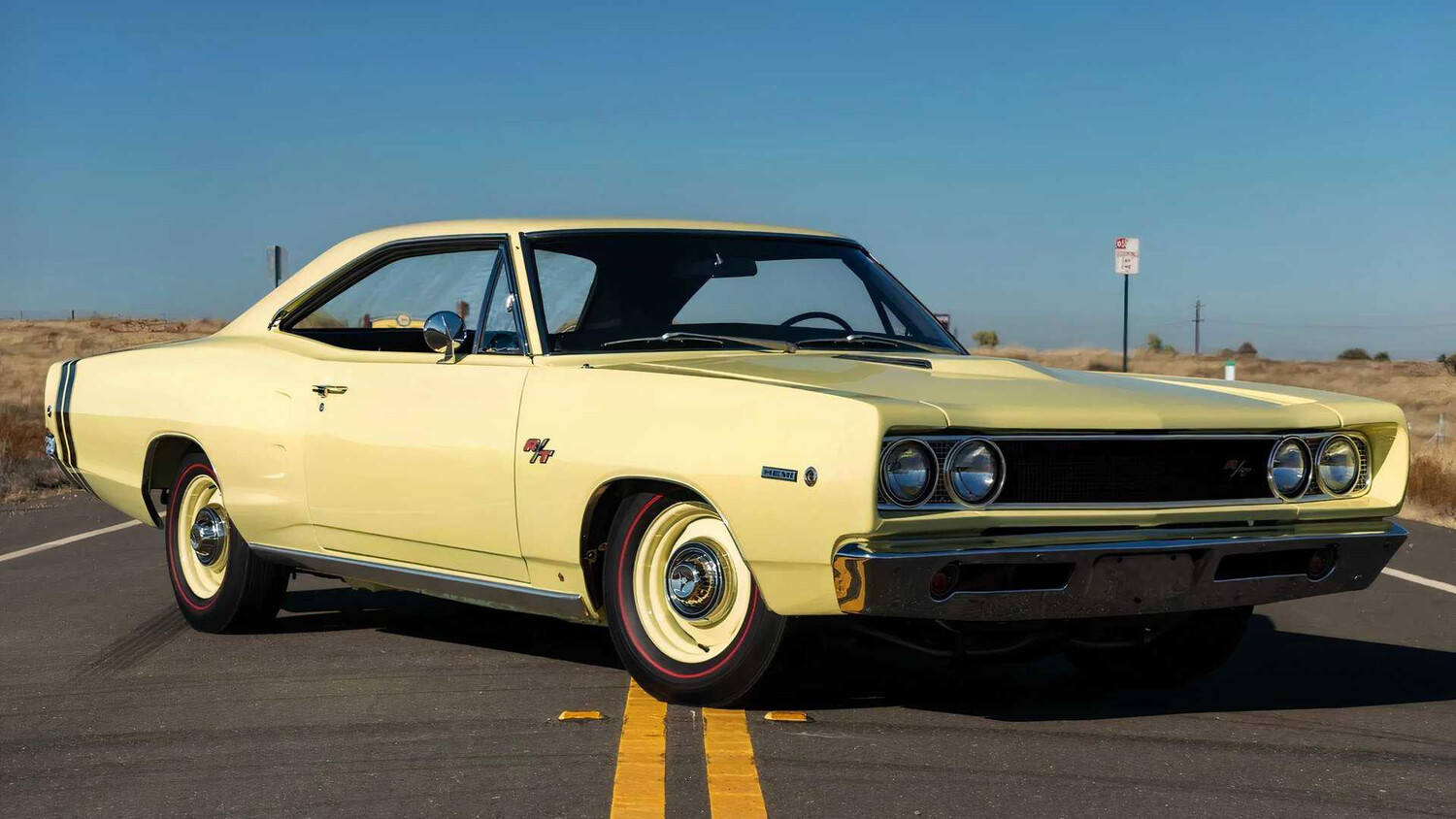
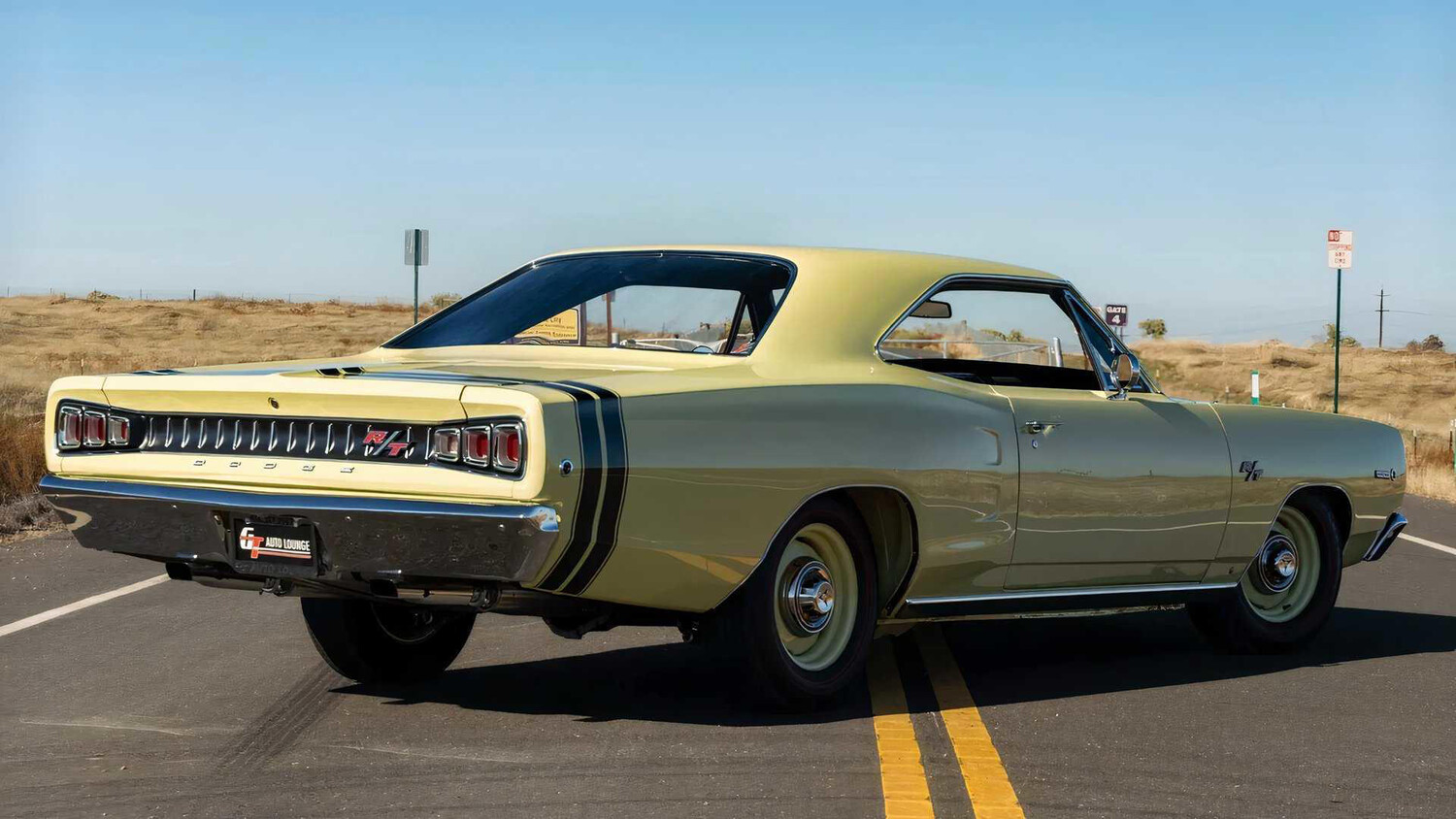
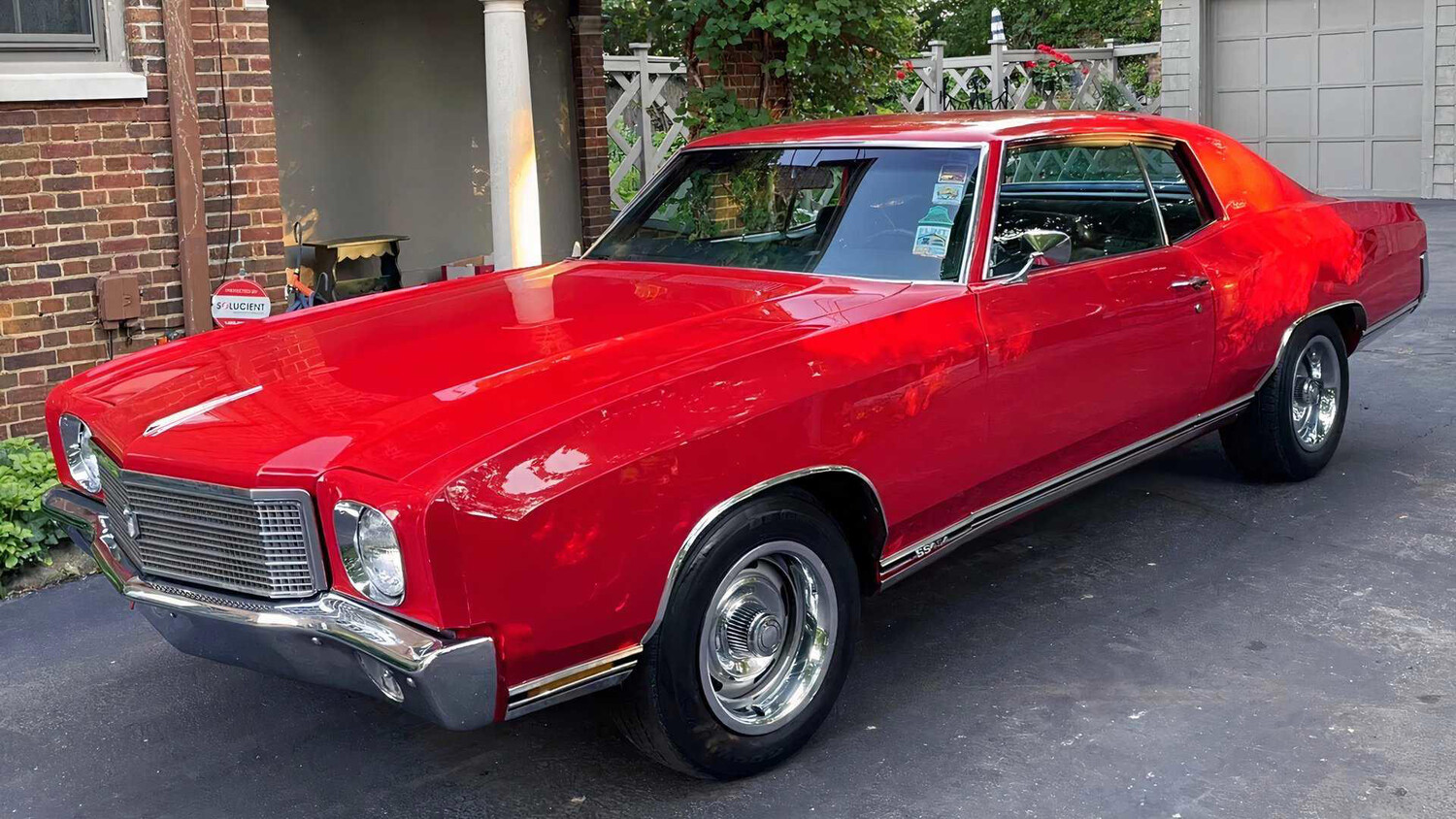
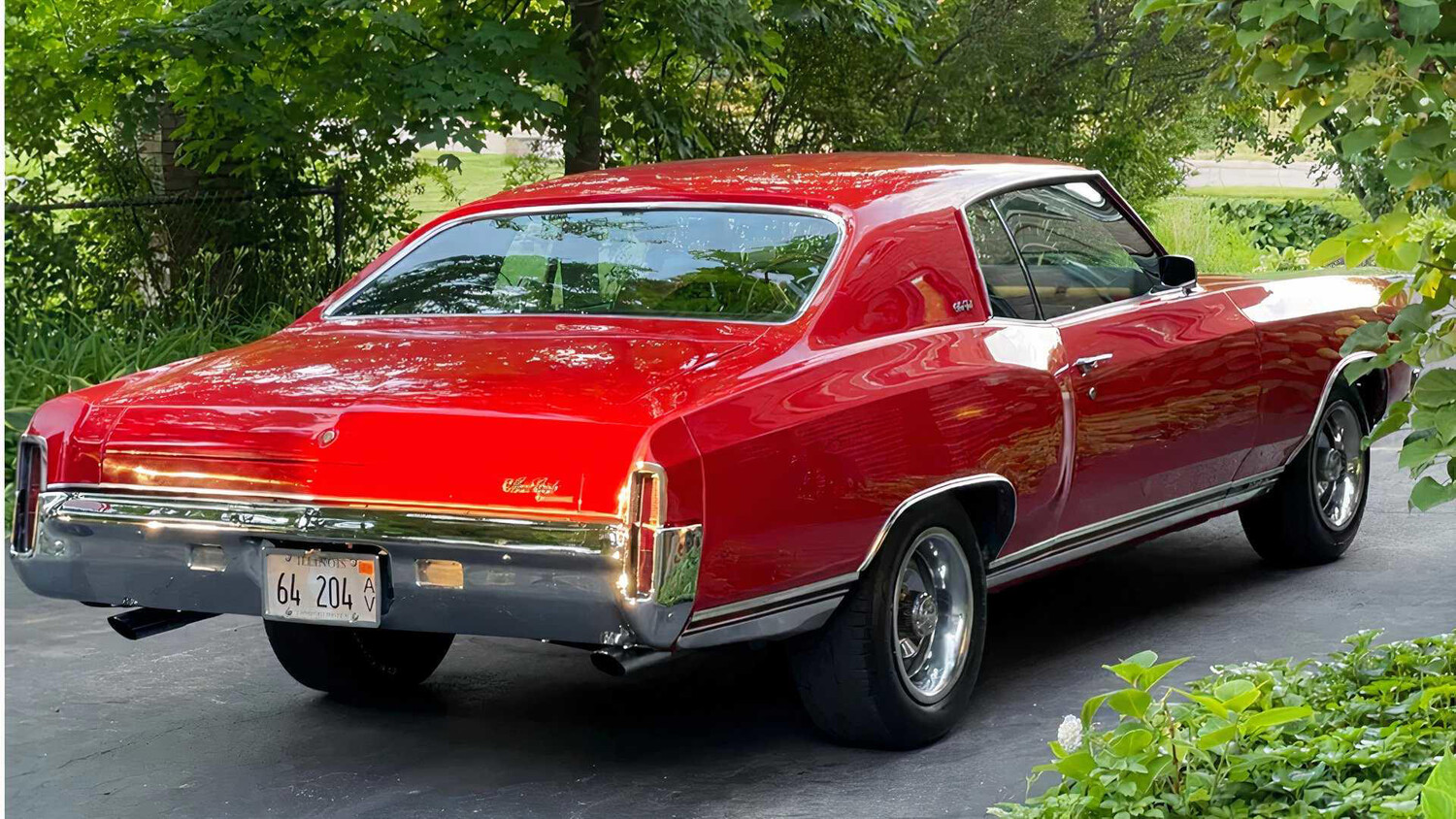
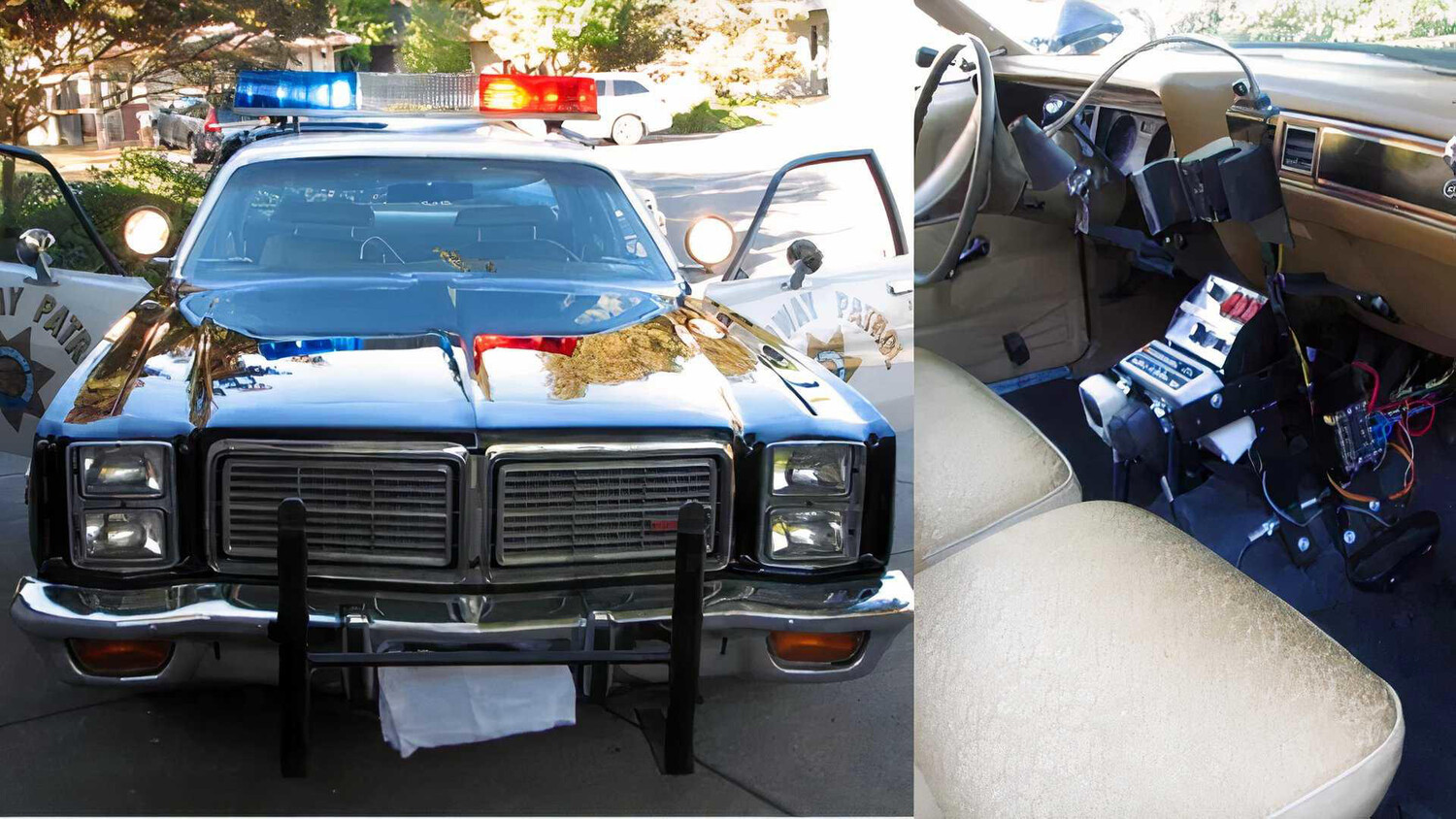
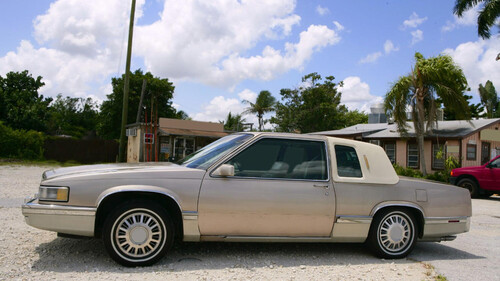
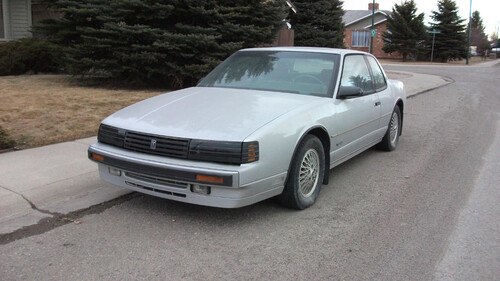
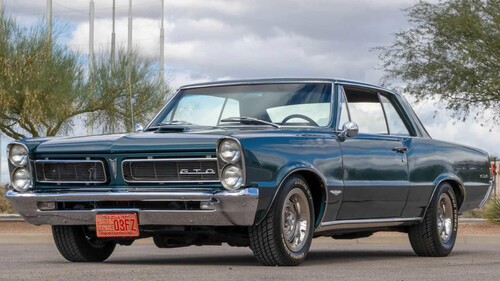
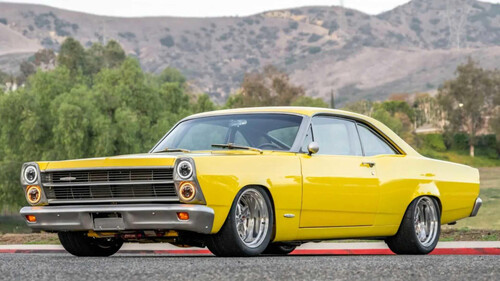
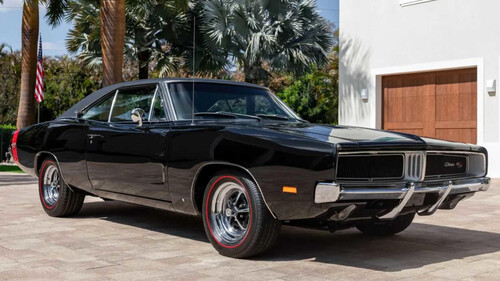
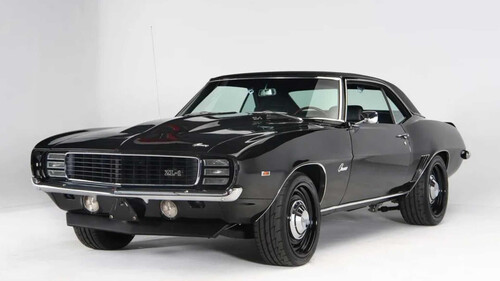
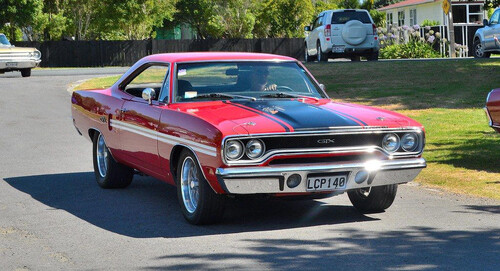
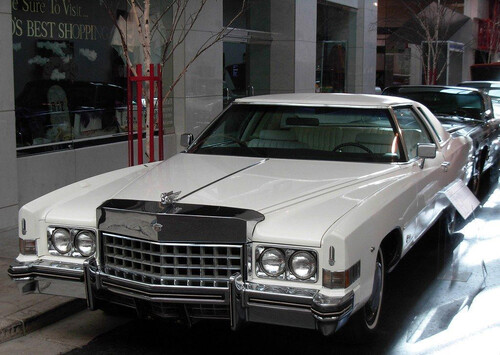
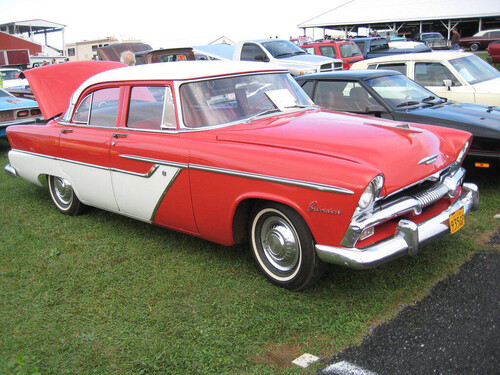
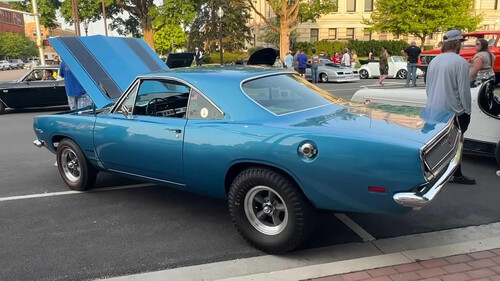
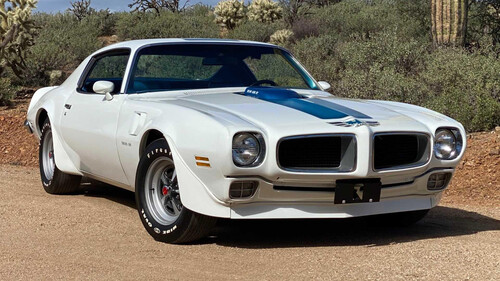
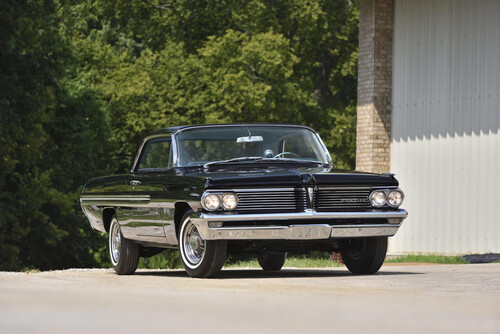
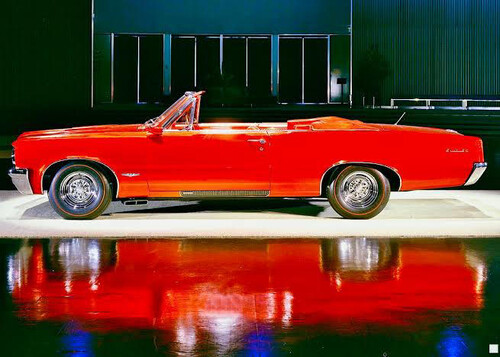
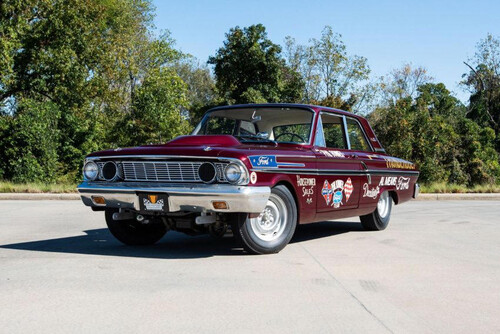
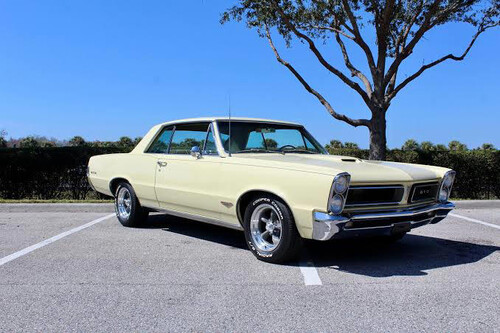
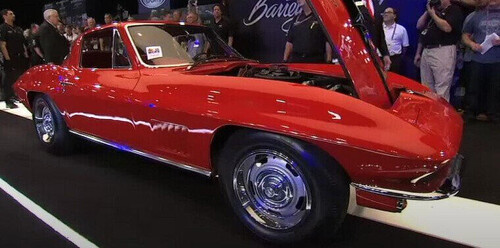
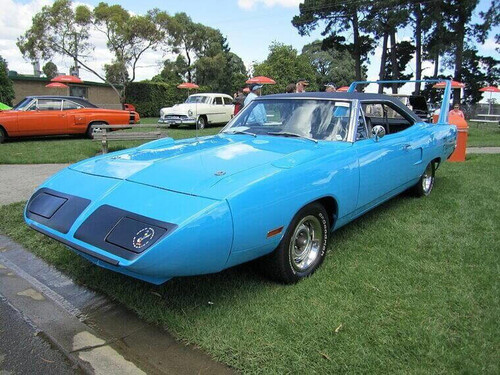
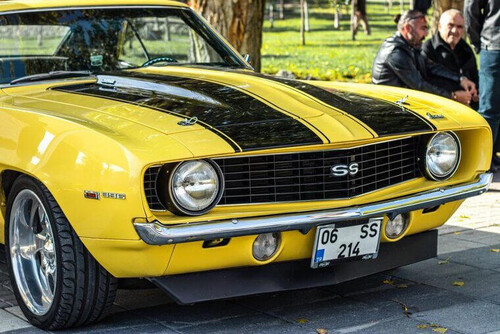
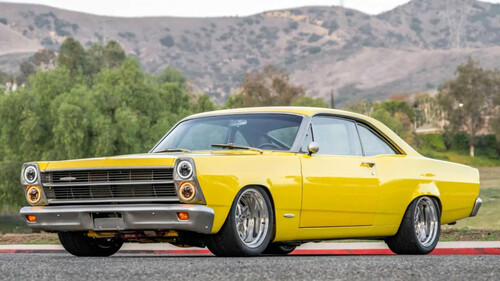
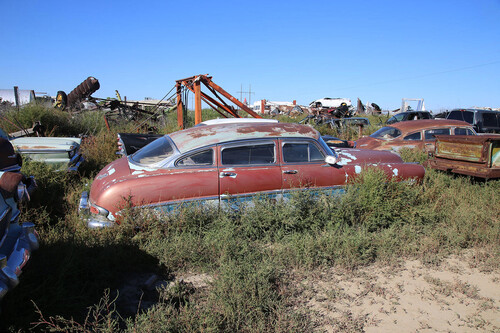
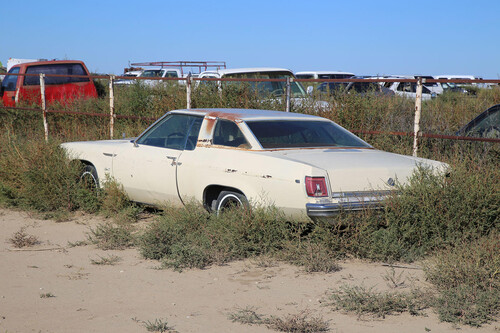
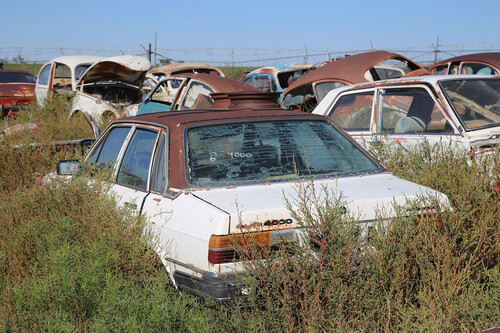
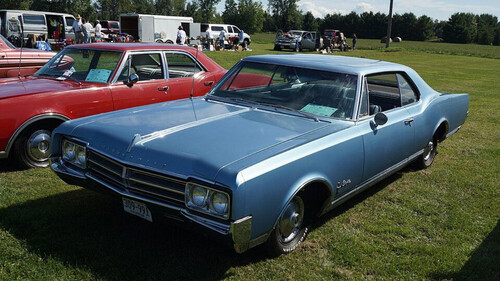
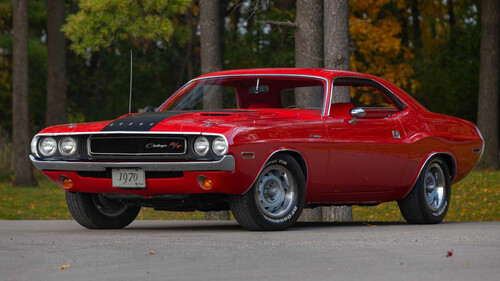
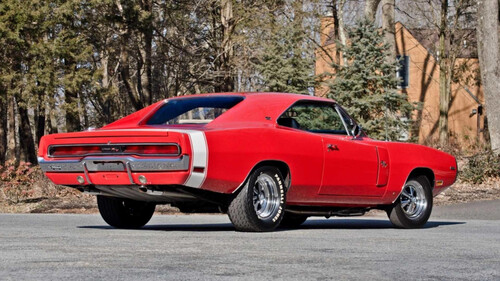
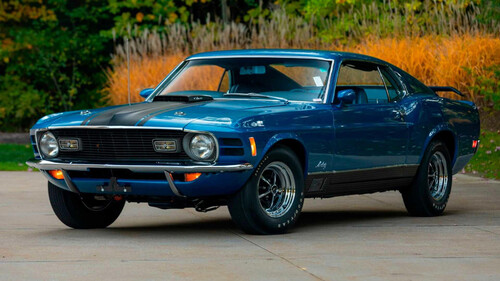
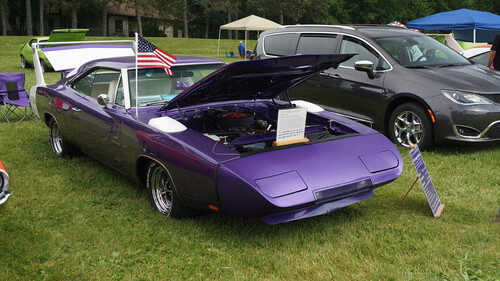
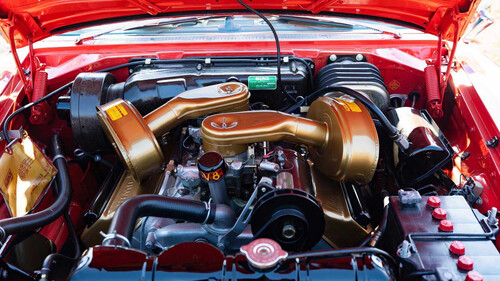
When people talk about the golden age ofmuscle cars, the same heroes always take the spotlight. The GTO, the Charger, the Chevelle SS, the Mustang Boss, the icons with the posters, the movie roles, and the auction prices that make your jaw drop. But the truth is, most Americans in the ’60s and ’70s didn’t buy those cars. They bought the practical ones, the stylish ones, the fast-enough ones. The cars with big V8s, real street presence, and the reliability to handle school drop-offs, road trips, and the occasional stoplight challenge.These were the muscle cars that actually ruled American roads. They outsold the legends by huge margins, shaped the look and feel of everyday car culture, and filled driveways from coast to coast. And then, somehow, they vanished from the conversation, overshadowed by the cars that became pop culture royalty. Each one played a bigger role in performance history than most people realize, even if they disappeared before anyone thought to celebrate them.These production and sales figures come from the most reliable public sources available, including factory archives, enthusiast registries, period brochures, and historical databases like GM Heritage, Marti Reports, Mopar registries. For trims where exact breakdowns aren’t publicly released, we used the most widely accepted registry totals and factory documentation to provide accurate, verifiable estimates.1976 Oldsmobile Cutlass S / Cutlass SupremeSales/Production: Over 600,000 (1976) Bring a TrailerThe OldsmobileCutlass was a commercial powerhouse. By the mid-1970s, it had become America’s go-to mid-size car. According to Hemmings, in 1976, the Cutlass line was reported as the best-selling car in America, with Olds moving more than 600,000 units in that year alone – more than almost any muscle car from GM or the Big Three. Its combination of comfort, style, and available V8 power made it the uncelebrated champion of everyday muscle-car buyers.Bring a Trailer But as muscle-car culture rewrote its heroes, the Cutlass largely faded. In a world chasing Chevelles, GTOs, and Challengers, the Cutlass, once so ubiquitous, became the background noise.Ford Torino GT / Torino CobraSales/Production: 230,411 (1970) HagertyIn 1970, Ford moved more than 230,000 Torinos (The Standard Catalog of American Cars 1946–1975) – a massive volume that dwarfed many pure-muscle contenders. The Torino catered to buyers who wanted a big, stylish car with real engine options: 302, 351 (Cleveland/Windsor), and the big 429 CJ/SCJ, so it could be both a cruiser and a performer.Hagerty The variety in trim and power made it a practical choice for families and muscle fans alike. Yet despite those numbers, the Torino, especially the Cobra/GT variants, rarely shows up on today’s muscle-car radar. Cars that dominated driveways are now largely invisible. Mercury Cougar XR-7 Sales/Production: 150,893 (1967) Bring a TrailerWhen the Cougar hit the streets in 1967, it wasn’t some fringe model; Mercury moved 150,893 units that year. That’s far more than many muscle cars that still enjoy legendary status today. The XR-7 trim made the Cougar a comfortable, sometimes luxurious, but also potent option, and with optional big-block engines, the appeal was for real-world muscle plus style.Bring a Trailer Despite that strong start and impressive production numbers, the Cougar rarely makes the muscle-car highlight reels now. Mustang, Camaro, and Mopar cars get all the attention. The Cougar XR-7 remains a quiet anomaly in the history of performance coupes.Pontiac LeMans SportSales/Production: 178,370 (Total) Bring a TrailerThe LeMans Sport quietly dominated for Pontiac. In many years, it moved well over 100,000 units, outperforming the more celebrated GTO. According to a Pontiac registry, between 1970 and 1975, the total number of LeMans Sport models sold exceeded 170,000, not counting LeMans GTO models. Because Pontiac didn’t always separate “Sport” vs. base LeMans in public data, exact year-by-year production is tricky. The broad six-figure sales estimate comes from aggregated Trim-level reports and Pontiac-era production summaries.Bring a TrailerFor buyers who wanted big engines (350, 400, 455) and Pontiac’s styling without GTO pricing, the LeMans Sport was a smart choice. Yet today, almost nobody remembers it. The GTO had the name, the legend, the hype, so LeMans gets overshadowed. It’s a car that had muscle, volume, and presence, but not legacy.Pontiac Grand Prix SJ 455Sales/Production: 112,486 Grand Prix (1969) Bring a TrailerThe 1969 redesign of the Grand Prix was a hit. Pontiac sold 112,486 units that year alone, a remarkable figure that even beat newer Firebird sales. The Grand Prix SJ 455 trimmed muscle under a more luxurious coupe skin, giving buyers torque-rich V8 performance in a fancy package. It was muscle for grown-ups.Bring a Trailer Despite that success, the Grand Prix SJ seldom gets credit in modern muscle car discussions. It’s caught in no-man’s-land: too plush for die-hard muscle purists, too powerful to be ignored. A forgotten heavyweight.Plymouth Satellite 383 / 440Sales/Production: Tens Of Thousands Per Year Bring a TrailerIn its day, the Satellite was Plymouth’s bread-and-butter, not the flashy Road Runner, but the dependable big car that buyers actually drove. With tens of thousands sold annually, it often outpaced the Road Runner in number of units. Buyers could get a 318, 383, or even a 440 Super Commando engine, giving Mopar muscle without the cartoonish badge. Because Chrysler split body styles and trim levels broadly, exact Satellite 383/440 numbers are approximated from total B-body production and known trim ratios.Bring a Trailer Today, Plymouth Satellites are almost invisible at gatherings. Collectors focus on the more iconic cars, leaving these functional muscle machines ignored. We still love you, Satellite.Dodge Coronet R/TSales/Production: Over 10,000 R/T Units Sold In 1967 Bring a TrailerThe 1967 Coronet R/T moved over 10,000 units, more than some early Charger R/T runs. As with other Mopar entry-level muscle cars, full public breakdowns by trim are rare; figures are based on best-known registry studies and factory option documentation. With big-block Mopar engines like the 440 Magnum or 426 HEMI, it was a no-nonsense speed machine for buyers who didn’t want window scoops or fluff. It delivered power, practicality, and (relatively) affordability.Bring a Trailer But as Chargers and Challengers became icons, the Coronet R/T faded from memory. It’s rarely restored or shown, even though it played a big role in Dodge’s early muscle history.Mercury Cyclone SpoilerSales/Production: 13,496 Cyclones, 1,631 Spoilers (1970) Bring a TrailerThe Cyclone Spoiler was Mercury’s unexpected and very underrated muscle offering, with 1631 Spoilers built in 1970 alone, according to Hemmings, sometimes exceeding production of comparable Mopar B-body performance cars. After 1971, the “Spoiler II” homologation specials were extremely limited (almost zero production), which contributes to the rarity and obscurity of performance Cyclones today. With engines like the 351, 428 CJ, and even 429, and either manual or automatic transmission options, the Cyclone offered real performance under the radar.Bring a Trailer Despite being competitive, Cyclone Spoilers are rarely seen today. The lack of a strong collector base for “lesser-known” aero-muscle has left these cars largely forgotten.Chevrolet Monte Carlo SS 454Sales/Production: 3,823 (1970) Bring a TrailerThe Monte Carlo was a massive hit out of the gate. Most sources agree Chevrolet sold 130,657 Monte Carlos across the line in 1970 alone, many of which were SS 454 variants packing real V8 punch. Under the hood, the Monte Carlo SS offered a range of potent power plants, from small-block 350s to the big-block 402 and 454 V8s, giving buyers plenty of muscle to choose from.The Monte Carlo spanned many trim levels and body styles, but a total of 3,823 SS versions left the factory in 1970 alone and another 1,919 in 1971 (Hemmings), making it more common than a Chevelle SS 454. It was a Chevelle-like ride wrapped in a more genteel, personal-luxury body. Owners got a car built for comfort that could still show serious muscle when asked.Bring a TrailerToday, the muscle-car crowd tends to ignore early Monte Carlos. They lean toward Camaros, Chevelles, and other pure performance coupes. That’s a shame, the SS 454 Monte Carlo deserves at least a footnote in muscle history. Bonus: Dodge Monaco / Plymouth Fury 440 Police-Spec Sales/Production: Thousands Annually In The 1970s Bring a TrailerIn the 1970s, dozens of state police agencies and local forces across the U.S. ordered 440-equipped Monacos and Furys, often in heavy-duty spec, making them some of the most-produced big-block Mopars of the era. Because these were fleet orders, production numbers are fragmented across many jurisdictions and years; precise national totals are difficult to confirm, but aggregated procurement data shows substantial volume compared to many dedicated muscle models. These were powerful, no-nonsense cars built for pursuit, not show. Their 440 engines were identical in many respects to those in Mopar’s “muscle” lineup.But when their duty ended, most of these cars were scrapped, impounded, parted out, or neglected. Today, they’re nearly invisible in classic-car circles, even though they outsold many street-only performance models when new.Bring a TrailerThe muscle cars everyone remembers today aren't always the ones people actually bought. While GTOs, Road Runners, Chargers, and SS Chevelles became poster icons, it was cars like the Cutlass, Torino, LeMans, and Satellite that quietly filled American driveways and parking lots. These were fast enough, loud enough, and stylish enough for regular people who wanted power without chasing bragging rights.Over time, the spotlight narrowed, and the high-profile legends took center stage while these volume heroes slipped into the background. But looking back at their sales, engines, and the role they played in shaping everyday car culture, it's clear they were just as important. They deserve a place in the muscle-car story not because they were rare, but because they were everywhere, and that makes them the most “disappeared” cars of all.Sources: GM Heritage, Marti Reports, Mopar registries, Pontiac Registry, Hemmings, Hagerty, Bring a Trailer, GM, Ford, and Chrysler