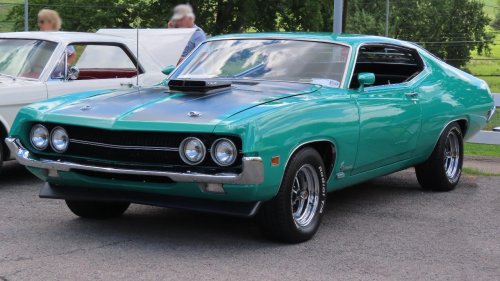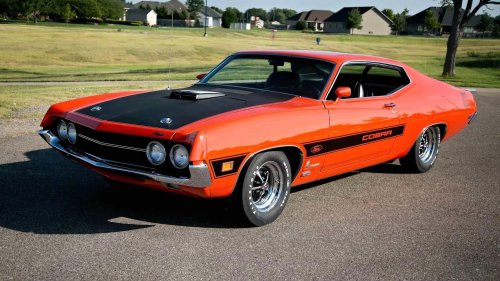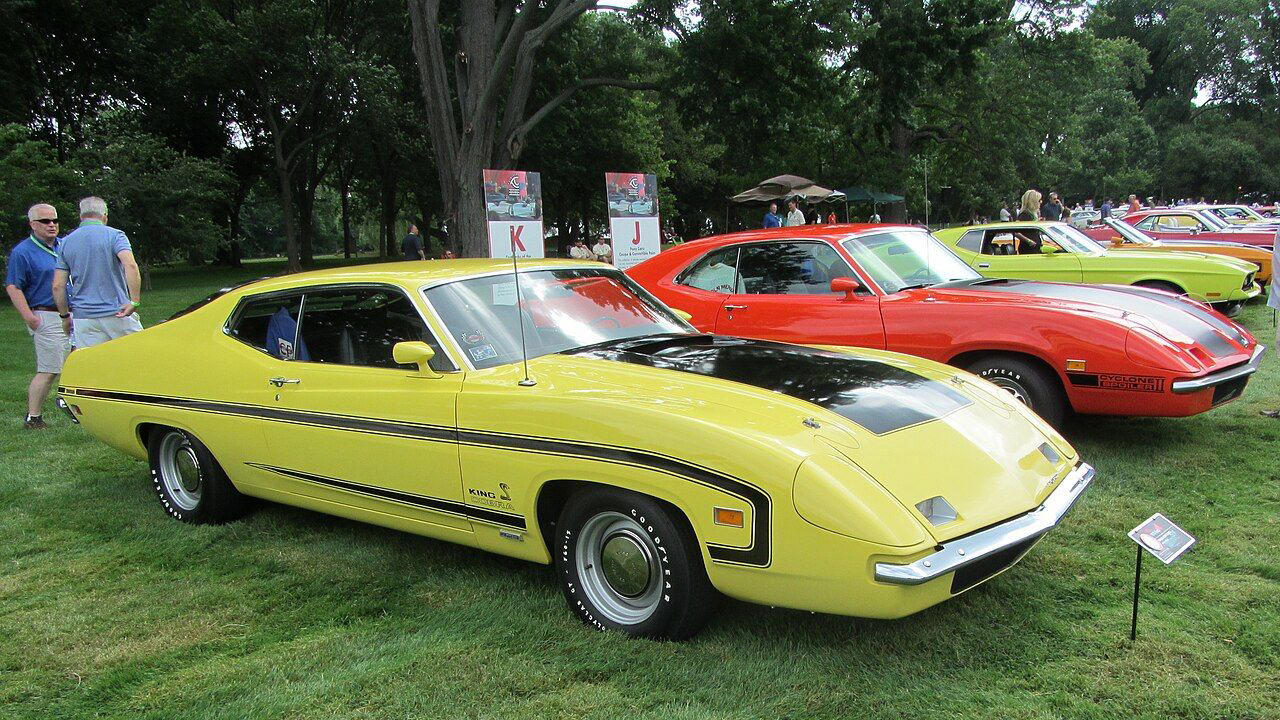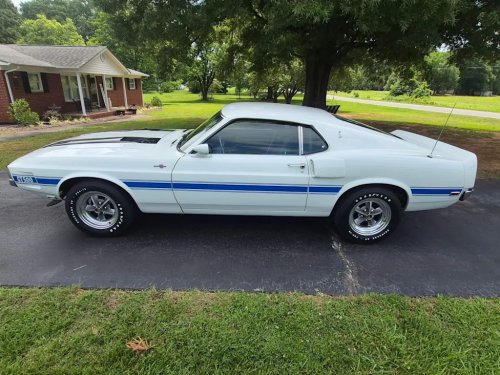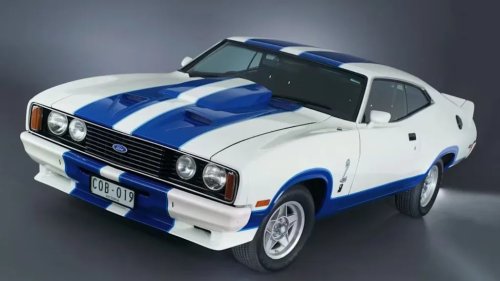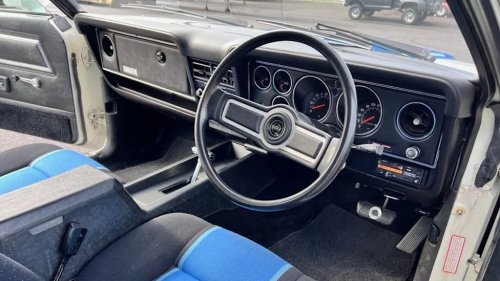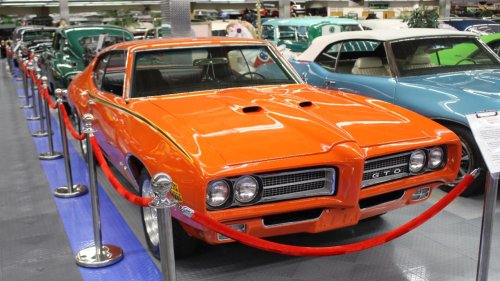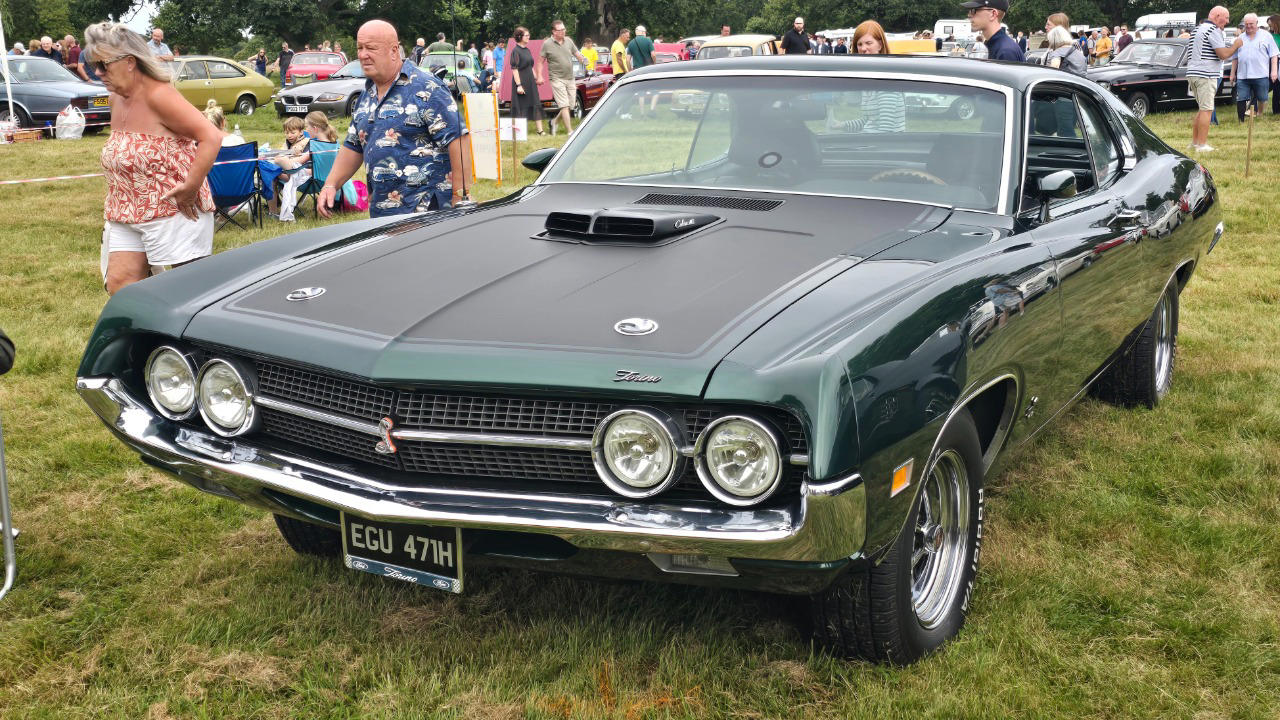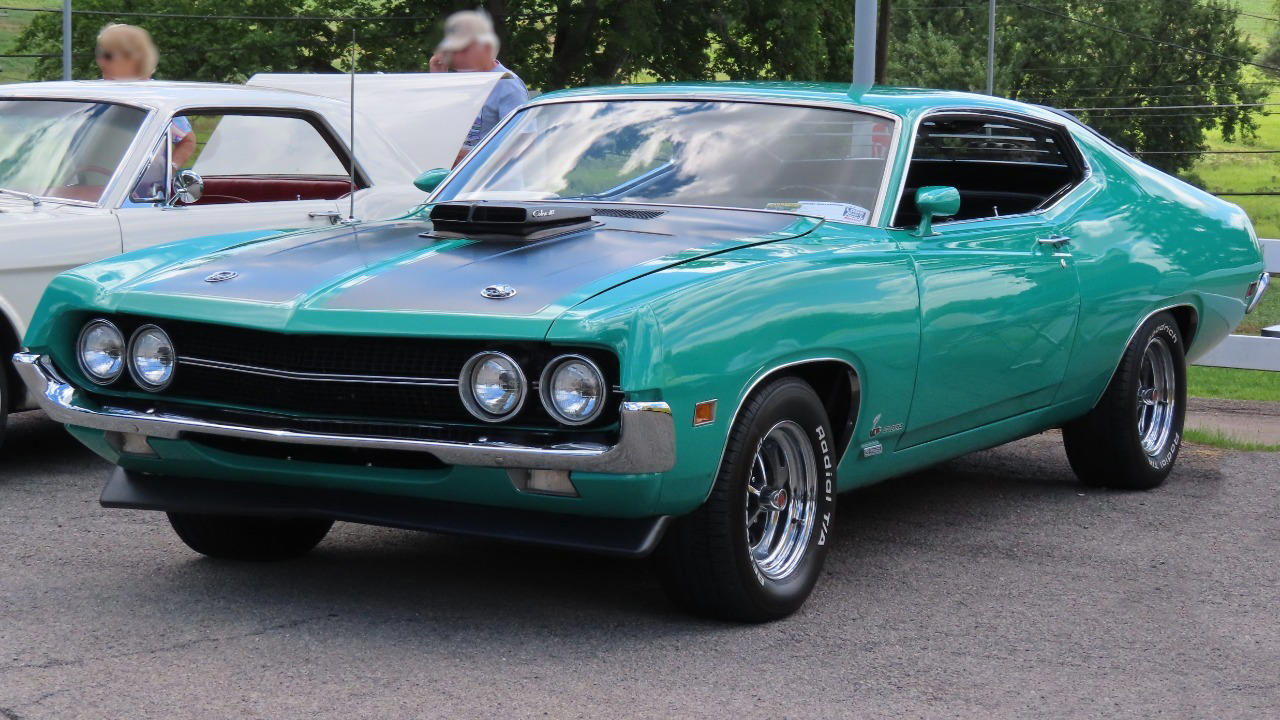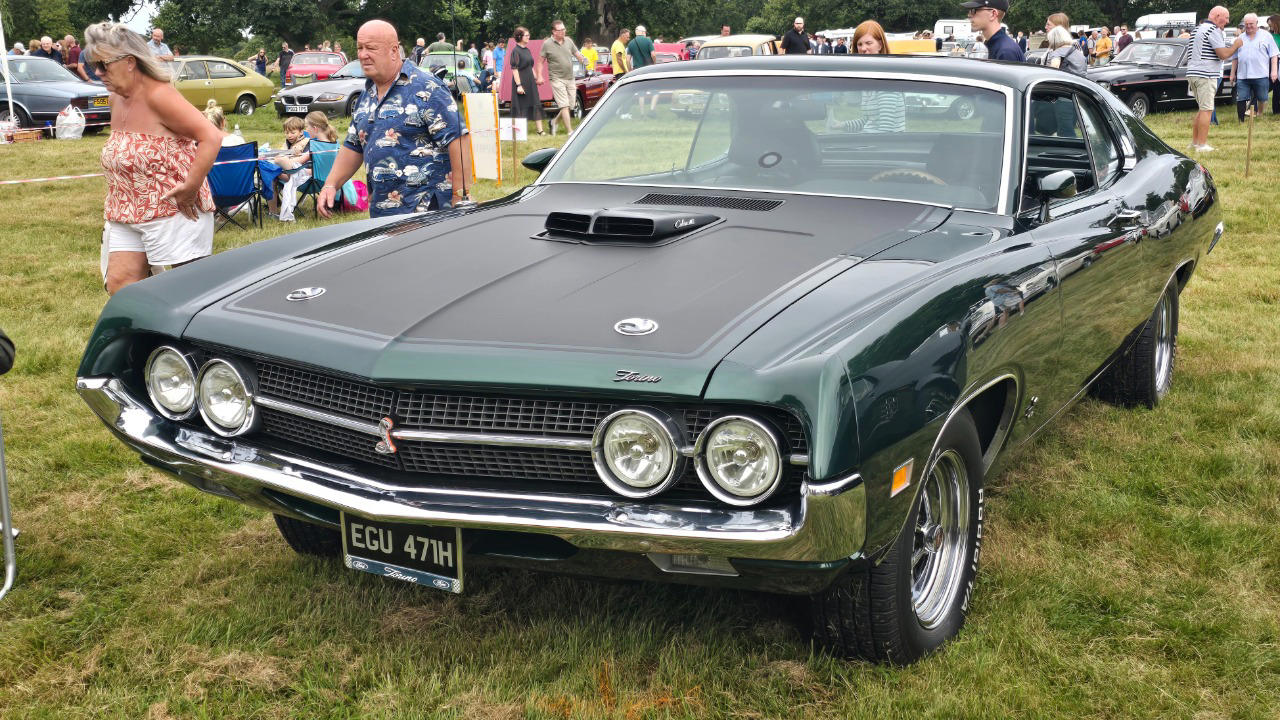



















This 1970 Torino Cobra was built with purpose you can still feelThe 1970 Torino Cobra did not exist to be polite. It was built to swallow distance, punish pavement, and give Ford a weapon that could stand shoulder to shoulder with the most feared Detroit muscle of its time. More than fifty years later, that intent is still obvious in every line of the body and every hard-edged mechanical choice baked into the car. Stand next to a well-preserved example and the purposefulness is almost physical. From the big block under the hood to the way the chassis and cockpit were laid out, the Torino Cobra was engineered so the driver would feel speed, not just measure it. The muscle era context that shaped the Torino Cobra Ford did not create the Torino Cobra in a vacuum. The late 1960s had become an arms race of cubic inches and quarter-mile times, and by 1970 the company needed a midsize muscle car that could hit harder than a Mustang. The broader Torino and Fairlane family had just been redesigned, with the 1970 Torino described as Completely new inside and shaped in the so‑called coke-bottle style that swept American showrooms. Within that lineup, the Torino Cobra was the blunt instrument. Period descriptions call the 1970 Ford Torino Cobra 429 Detroit’s Muscle Powerhouse The, a car that brought Ford into direct battle with Mopar and GM heavyweights and wore its intent openly. One enthusiast account notes that the 1970 Ford Torino Cobra was Detroit muscle at its peak, a no-excuses answer to rival big blocks from Pontiac, Chevrolet, Dodge, and Plymouth, and that positioning still defines how collectors see the car today. Design that broadcasts its mission Visually, the Torino Cobra had little patience for subtlety. The bodywork followed the broader Torino cue of long hood and short deck, but the performance model turned up the aggression. Contemporary descriptions emphasize The Torin featured a bold, aggressive design with a long hood, wide grille, and on some cars a functional shaker hood scoop that rose through a cutout in the sheet metal. The front fenders carried a sharply pointed leading edge, flanking a blacked out grille that visually lowered the nose and made the car look like it was already in motion. Period profiles describe Crisp body lines that ran down the flanks, pinching in at the doors before swelling back over the rear wheels. The effect was both stylish and functional, since it visually emphasized the rear tires that had to transfer all that torque to the ground. Color choices only amplified the message. Enthusiasts still talk about cars sprayed in high-impact shades, including grabber green examples that, as one account puts it, demanded attention even when parked next to a scrapyard full of rusted relics. The Torino Cobra was meant to be seen, and its paint, stripes, and badging made sure no one mistook it for a base family sedan. The 429 that gave the Cobra its bite The heart of the Torino Cobra’s purpose was the big block under the hood. Ford offered several engines in the Torino line, and period summaries of Ford Torino Engines describe everything from inline six cylinder I 6 units to large displacement V8s. The Torino Cobra, however, was defined by the 429. In its standard form, the 1970 Ford Torino Cobra 429 used a big block V8 that enthusiasts still cite as the core of the car’s legend. One detailed breakdown of 1970 Ford Fairlane Torino Factoids notes that the 429 Cobra Jet used a 429 Cobra Jet with a Rochester Quadra Jet carburetor, a strong hydraulic camshaft, and serious internal hardware that helped it deliver 375 horsepower at 5,600 rpm and 450 pound feet of torque at 4,000 rpm. With the available shaker scoop, this engine was called the With the 429 Cobra Jet Ram Air, but stayed at 370 rated bhp. The number on paper hardly tells the full story, since period testing and modern drag strip experience suggest that Ford’s official figures were conservative. Drivers felt a wall of torque that arrived early and stayed with them all the way through the quarter mile. Super Cobra Jet and the step beyond For buyers who wanted even more focus, Ford offered the 1970 Ford Torino Cobra 429 Super Cobra Jet. Enthusiast coverage describes the 1970 Ford Torino Cobra 429 Super Cobra Jet (SCJ) as a legendary muscle car that earned its reputation through brute force and durability, with the SCJ package aimed squarely at serious drag racers. The Super Cobra Jet added internal upgrades that turned the already stout 429 into a track-ready piece. One detailed profile explains that for that $155 upcharge, buyers received an engine with four bolt main caps on the middle three bearings, forged aluminum pistons on beefed up connecting rods, and other heavy duty parts that could survive repeated high rpm launches. The SCJ option also tied into drag strip focused gear ratios and often came with additional cooling and driveline reinforcements. Accounts of the 1970 Ford Torino Cobra 429 Super Cobra Jet SCJ emphasize that this combination turned the car into a standout in Ford performance history. The package was not about comfort or quiet cruising. It was about getting every possible advantage on the strip while still wearing a factory warranty. Chassis, gearing, and the feel from behind the wheel The Torino Cobra’s structure and suspension were just as purposeful as its engine bay. The car sat on a sturdy Torino midsize frame that balanced weight and rigidity, giving the big block something solid to push against. Enthusiast descriptions of the 1970 Ford Torino Cobra highlight that it was a no nonsense, high performance machine built for speed, power, and dominance on both street and strip, and that character came through in the way the chassis was tuned. Period ads positioned the 70 Cobra as a car that put a lot of muscle in a buyer’s driveway at a reasonable price, and the mechanical layout backed that up. Contemporary marketing material, sometimes tagged with names like STACEO, framed the Cobra as a top gun car that delivered striking power without requiring exotic knowledge or race team resources. Gear ratios were chosen with acceleration in mind. Super Cobra Jet cars, in particular, often paired the big block with steep rear axles that kept the engine in its power band through the traps. Suspension settings leaned firm, and while the Torino Cobra was not a delicate sports car, it communicated road texture and weight transfer clearly enough that an attentive driver could feel exactly what the rear tires were doing. Inside the cockpit, function ahead of frills Open the door and the Torino Cobra continues the theme of purpose over pretense. Profiles of the BODY and INTERIOR describe bench or bucket seats, a driver oriented dash, and straightforward controls that were more about surviving hard use than impressing luxury buyers. Some options enthusiasts might expect, such as an electric clock, were simply not available, which underlines how focused the car really was. Instrumentation was clear and legible, with the most important gauges directly in the driver’s line of sight. The steering wheel and shifter felt substantial, and the view over the long hood constantly reminded the driver of the 429 waiting just ahead. Compared with some rivals, the Torino Cobra’s cabin could seem sparse, but that sparseness was part of the appeal. It felt like a place to work, not a lounge. How the GT Cobra Jet fit into the family The Torino lineup also included the Ford Torino GT Cobra Jet, a closely related model that blended some of the Cobra’s performance hardware with slightly more comfort and trim. Enthusiast descriptions of the Ford Torino GT describe it as Raw Power Meets Sleek Muscle, built for one purpose, to deliver serious straight line performance while still appealing to buyers who wanted a bit more style and convenience. Both cars shared core hardware in the 429 Cobra Jet family, but the pure Torino Cobra leaned harder into stripped down performance. The existence of the GT Cobra Jet, however, shows how central the big block program was to Ford’s strategy. The company was willing to create multiple variants around the same core engine so it could reach different slices of the muscle market without diluting the engineering effort. Street presence that still grabs attention On public roads, the Torino Cobra projected a mix of menace and authenticity that still resonates. One vivid account describes a 1970 Ford Torino Cobra sitting next to a scrapyard full of rusted relics, yet demanding attention in grabber green. The writer notes that the 1970 Ford Torino Cobra was Detroit muscle at its most aggressive, a car that could hold its own next to Mopar and GM heavyweights and did so without apology. That presence is not just about color or noise. It comes from proportions, stance, and the knowledge that under the hood sits a 429 that was engineered to do serious work. Even at idle, the big block’s lope hints at the camshaft timing and compression hiding inside, and the way the car squats under throttle makes its intent clear to anyone following behind. From factory brochure to digital legend The Torino Cobra’s reputation has only grown in the decades since it left showrooms. Enthusiast communities continue to share photos, build sheets, and personal stories, keeping the car alive for new generations. One widely shared feature describes the 1970 Ford Torino Cobra as a muscle car beast, Powered by the legendary 429 Cobra Jet V8 and delivering performance that still commands respect. Another enthusiast spotlight calls the 1970 Ford Torino Cobra a no nonsense, high performance machine built for speed, power, and dominance on both street and strip. That kind of language reflects how owners and fans experience the car today. It is not a museum piece. It is something they drive, race, and wrench on, and the car’s original design choices make that ongoing engagement possible. The way purpose translates into feeling Ask people who have driven or ridden in a well sorted Torino Cobra what stands out, and their answers often circle back to feel. The way the 429 comes on strong as the secondary barrels open. The slight twist in the chassis as torque hits the rear axle. The steering that loads up in a long corner, reminding the driver of the car’s size and weight but also of its willingness to respond. That sensation is rooted in the engineering decisions Ford made at the height of the muscle era. The choice to prioritize big displacement, stout internals, and drag strip friendly gearing. The decision to give the car a long hood, wide track, and bold styling that told onlookers exactly what it was built to do. The commitment to offering packages like Super Cobra Jet, even if they appealed to a relatively small slice of buyers, because they sharpened the car’s identity. More from Fast Lane Only Unboxing the WWII Jeep in a Crate 15 rare Chevys collectors are quietly buying 10 underrated V8s still worth hunting down Police notice this before you even roll window down