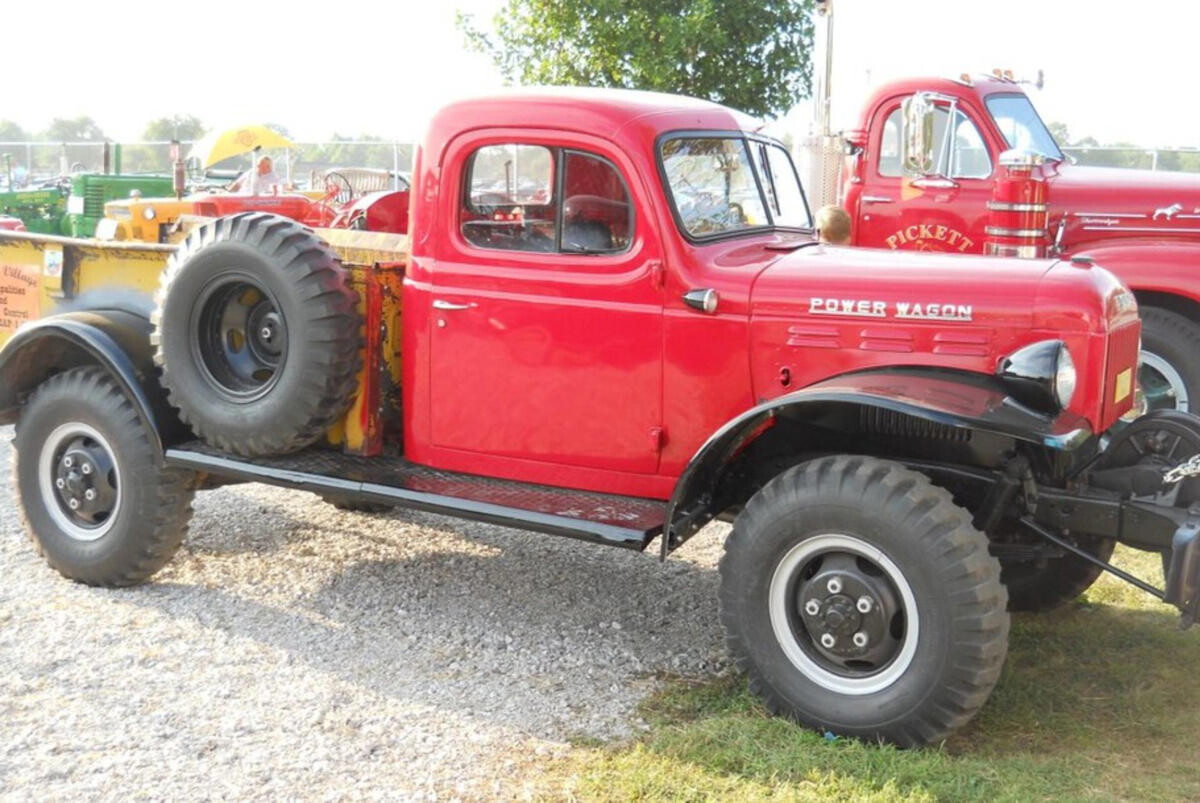
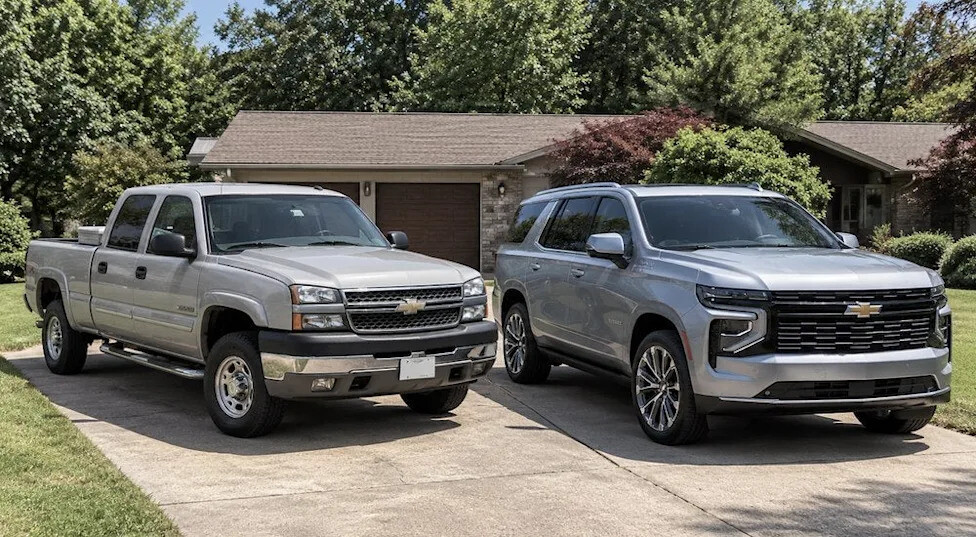
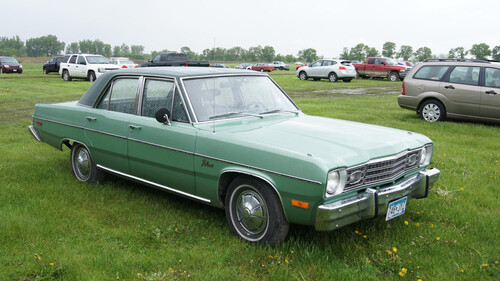
The short period when trucks were built to last foreverYou live in a time when trucks are smarter, safer, and more connected than ever, yet you still hear stories about old pickups that just refuse to die. For a brief stretch in the late 1980s and 1990s, truck engineering hit a sweet spot where simple, overbuilt machines could rack up staggering mileage with only basic care. When someone says trucks used to be built to last forever, that short period is usually what they are remembering. Drive a modern half ton every day and pass a square old work truck with faded paint and a steady idle, and you are seeing that era still at work on the road. You are also seeing a different philosophy of design, one that favored thick metal, conservative power, and repairable parts over touchscreens and complex driver aids. The golden age of longevity Look back at truck history and it is easy to see why enthusiasts talk about the 1990s as a golden age. Fuel injection and electronic ignition were mature, so you got reliable cold starts and clean running, but you did not yet have layers of fragile sensors and complex emissions hardware that fail expensively. One discussion of longevity flat out calls the 1990s the period when cars and trucks across manufacturers hit a balance where they could run for years without needing constant service, and you feel that every time you turn the key on an old V8 that just lights off and settles into a steady rumble. That same balance shows up in broader reliability arguments about 1990s vehicles. Compare eras and you see that newer models come loaded with features, but older designs often win on simplicity and durability. Analyses of 1990s machines point out that while modern vehicles are packed with electronics, cars from that decade are often easier to keep on the road, especially for home mechanics who appreciate straightforward layouts and fewer electronic failure points. One explanation of why 1990s cars can still feel more dependable than modern ones highlights how fewer gadgets and simpler systems can stay reliable in the long run, especially when you understand how to work with Easier to Repair hardware. Why those 1990s trucks feel unkillable Pop the hood on a 1990s pickup and you see why owners talk about them as if they are farm equipment that just happens to be street legal. You get cast iron blocks, simple multiport fuel injection, and engine bays with room to swing a wrench. Enthusiasts who compare eras point out that newer vehicles pack in more electronics, accessories, and convenience features, which means more parts that can fail and more maintenance you have to budget for. One truck owner summed it up bluntly by saying all of the fancy tech brings extra complexity, while older trucks keep things basic enough that you can fix most of it yourself with standard tools, a point echoed in discussions of why Newer vehicles have. Body and frame construction also changed in ways you feel every time you close a door. Owners who have lived with both eras talk about how parts that once used thicker metal are now often plastic, and even when metal remains, it is usually thinner and engineered to crumple for safety. That is good for crash performance but not always for decades of abuse. One explanation of this shift points to the rise of the crumple zone, where structural pieces are deliberately designed to deform in a collision rather than stay rigid, which means you trade some long term toughness for occupant protection, as you can see in arguments that same parts that now behave differently by design. The trucks that built the legend Talk about that short period of nearly indestructible trucks and you are really talking about specific nameplates that built reputations on high odometer readings. Enthusiasts often point to 1990s models that still show up on job sites and trailheads with 300,000 miles on the clock and original drivetrains. Lists of the most reliable 1990s pickups highlight how owners and fans routinely cite these trucks for their ability to deliver astonishing mileage if treated right, and they describe that decade as a golden age for flat bed, ladder framed haulers that simply keep working, a pattern you see in coverage of There is a for this niche. You see the same story when you look at classic examples from earlier eras that still set the tone for what you expect from a tough truck. One survey of bulletproof pickups singles out the 1967 Dodge Power Wagon as a symbol of an era where simplicity meant longevity, and it uses that truck as a benchmark when judging later models. Compare that kind of old school workhorse to a mid 1990s Ford or Toyota and you notice the shared priorities: stout frames, straightforward engines, and cabins that feel more like tools than living rooms. That continuity helps explain why you still see owners hunting down Dodge’s Power Wagon and its 1990s descendants when they want something that feels unbreakable. GM’s rock solid workhorses If you want one brand that captures this period of overbuilt trucks, you end up looking hard at General Motors. Full size GM pickups from roughly 1988 through the early 2000s, including the GMT800 series, have become known among fans as cheap to run, easy to fix workhorses that soak up abuse. Owners who rack up high mileage praise the way these trucks combine simple V8 engines with parts availability and straightforward service procedures, which is why you still hear people describe the GMT800 series from the late 1990s through the mid 2000s as cheap to run,. The market has started to recognize that durability. Values for GM full size trucks built from 1988 to 2002 have stayed strong, with enthusiasts describing them as rock solid in both mechanical reputation and resale. People who grew up riding in these trucks talk about a shared memory of climbing into a family pickup that just always seemed to start, haul, and keep going, and they see the gradual rise in collectibility as a reflection of that experience. Coverage of these rigs notes how Gen X drivers these trucks as ever present, which helps explain why clean examples now draw serious attention. Icons that refuse to die Beyond GM, you can point to specific trucks and engines that have become legends for their ability to keep working. One spotlight on reliable classic pickups highlights the 1994 Ford F 150 and notes a Highest Mileage Recorded figure of 210,000 miles for a particular example, which is impressive when you remember how many of those trucks spent their lives towing, plowing, or carrying loads. That same coverage shows a 1994 Ford F 150 XL 4×4 on Bring A Trailer and explains how, by the mid 1990s, Ford had already refined the formula for a half ton that could run up big numbers without feeling fragile, a story captured in the way mid 1990s, Ford trucks earned their reputation. Japanese brands built their own legends in the same window. Before the Tacoma became a household name, Toyota offered the T100 in the United States from 1993 to 1998 as its first full size truck. Enthusiasts remember it for its durability more than its flash, and owners and fans routinely cite the T100 for its ability to rack up serious miles when used as an actual work truck, not just a commuter. One rundown of reliable 1990s pickups points out how Owners and enthusiasts the T100’s toughness when they talk about trucks that can last a lifetime. More from Fast Lane Only Unboxing the WWII Jeep in a Crate 15 rare Chevys collectors are quietly buying 10 underrated V8s still worth hunting down Police notice this before you even roll window down