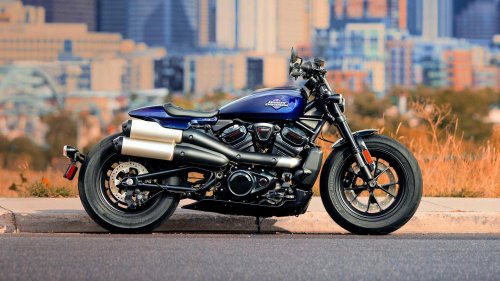
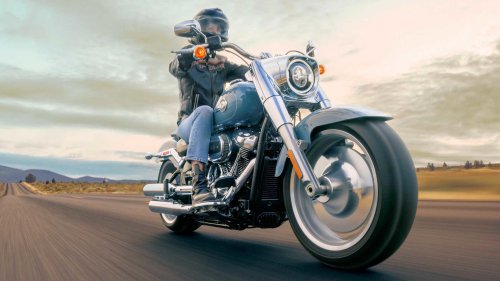
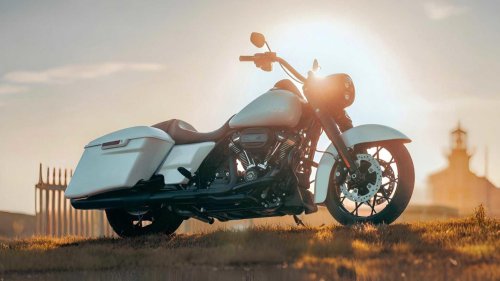
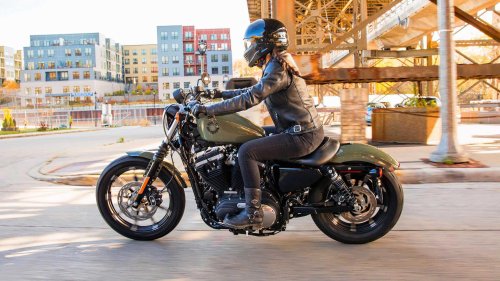
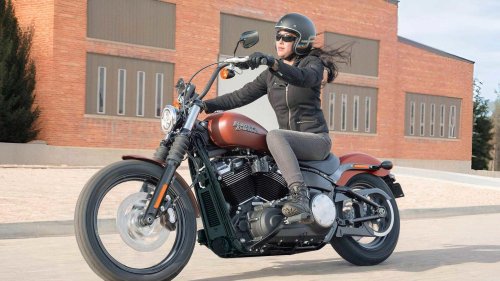
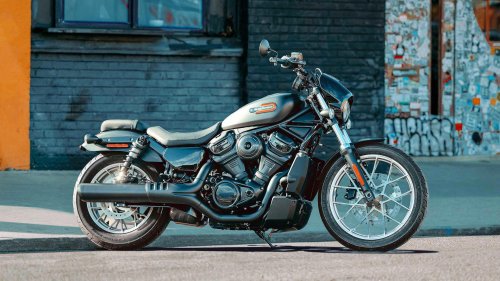
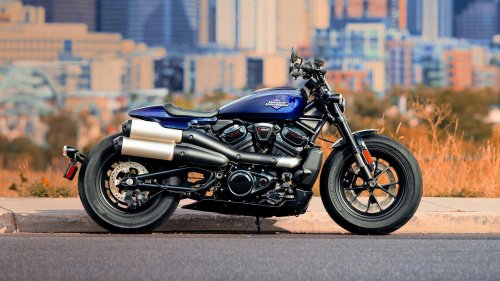
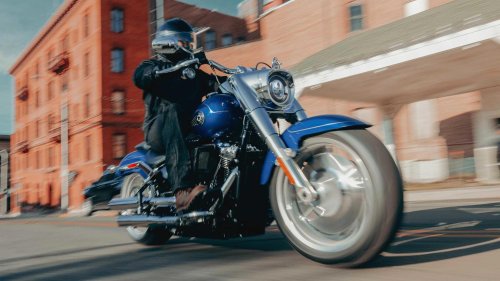
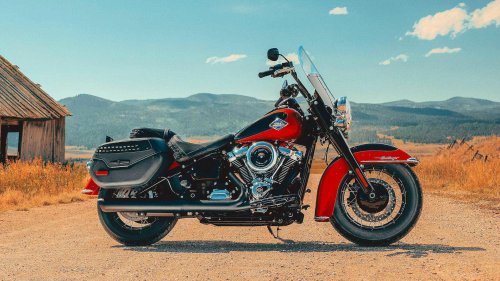
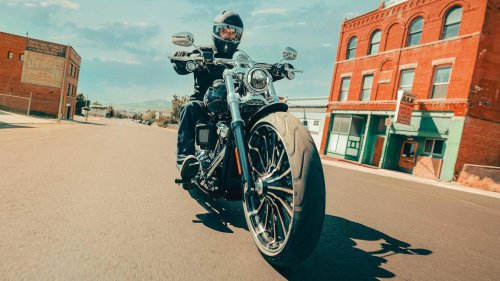
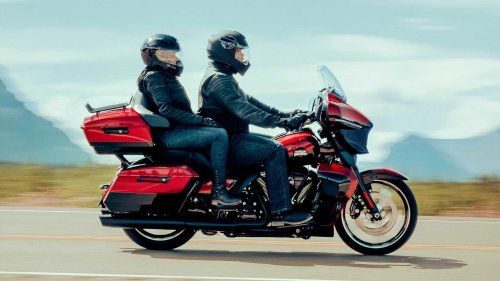
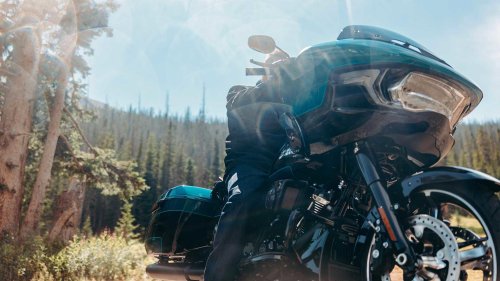
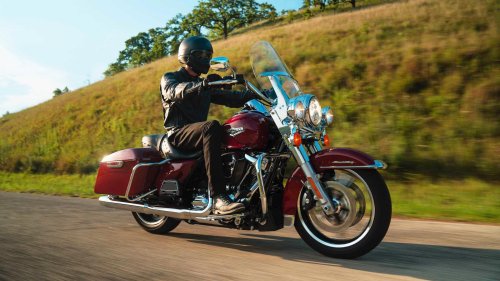
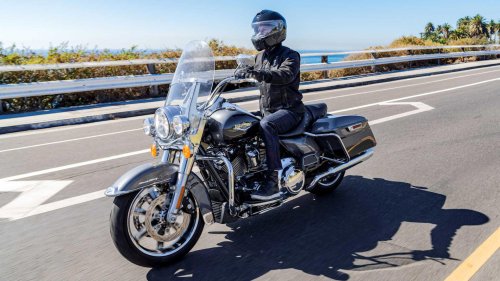
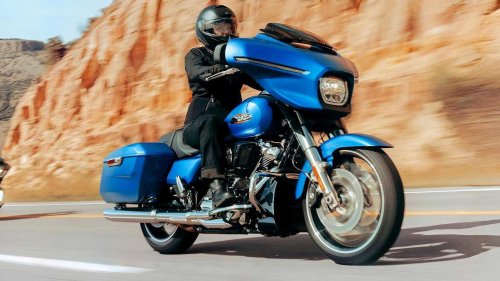
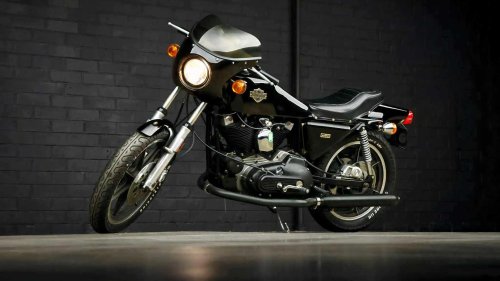
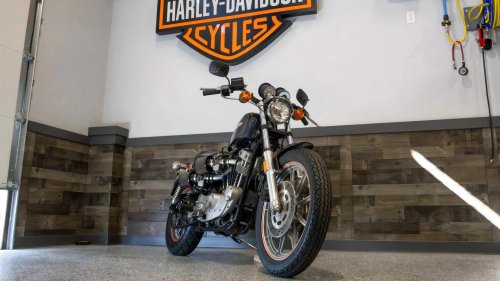
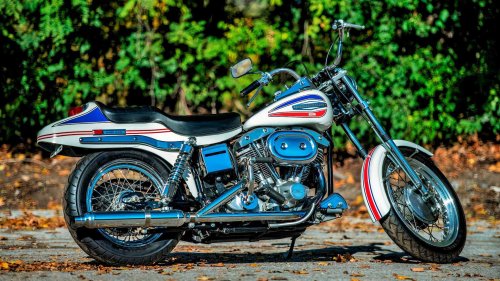
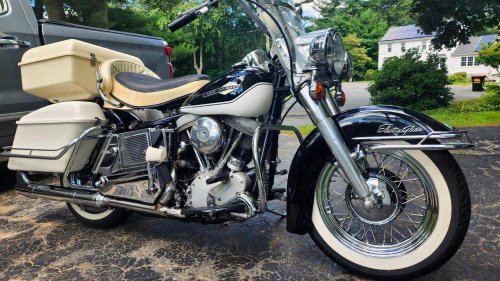
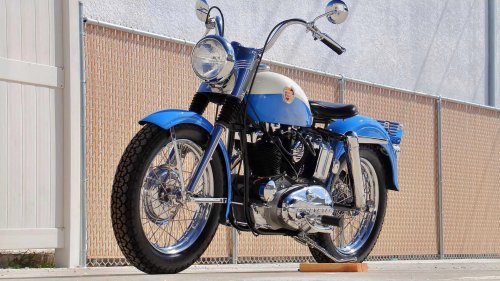
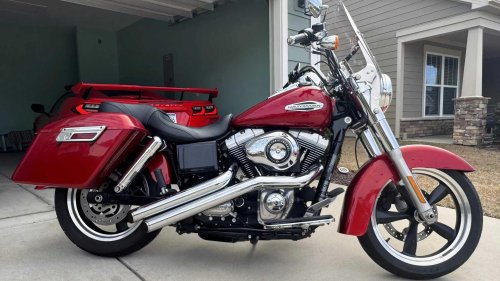
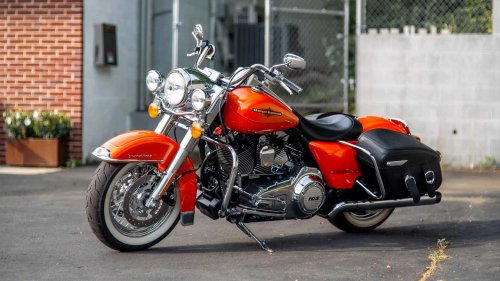
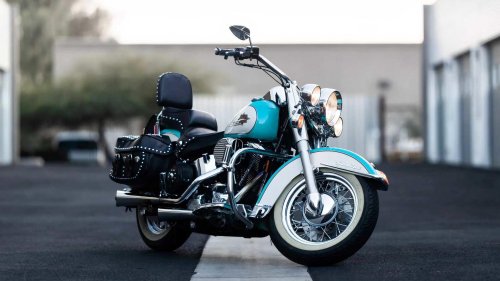
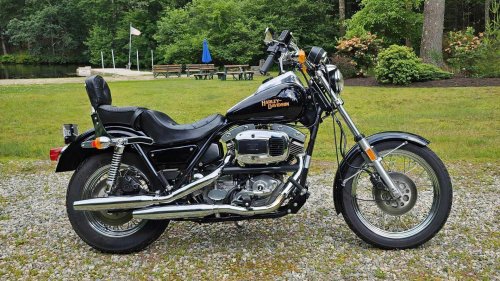
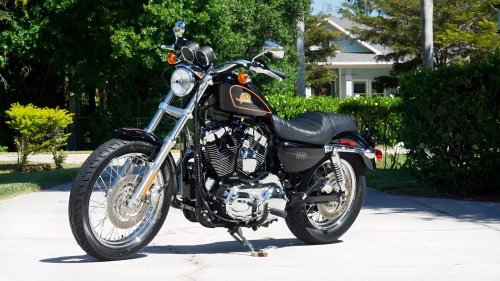
Harley-Davidson’s reputation in terms of reliability is a bit of a mixed bag, but people’s prejudice isn’t always grounded in truth nor is it entirely fair. Of course, the brand’s image did take a pretty big hit during AMF’s ownership between 1969 and 1981, when build quality was indeed a major concern. Things changed rapidly once AMF was no longer in charge, though, and the Motor Company went to great lengths in order to mitigate the damage inflicted during those tough times. Aside from a few hiccups along the way, Harley managed to dispel that negative connotation associated with unreliable motors and a lack of proper quality control — at least for the most part.Much of that had to do with the revered Evolution engine introduced in 1984, which was light-years ahead of the leaky Shovelhead it replaced. The Evo, as it is often referred to, brought Milwaukee’s machines into an entirely new age, one no longer plagued by the same issues that defined the infamous AMF era. It wasn’t perfect right from the get-go, mind you, but Harley had a solid foundation to work on at last and went on to take full advantage of it. That’s how the Evolution V-twin became synonymous with bulletproof dependability and a great piece of the company’s long history. And because today’s article is all about five Harley models that’ll last an eternity and then some more, this wasn’t the last you’ll hear of the legendary Evo. Now then, let’s dive in without further ado. Dyna (2012-2017) Twin Cam 103 Models Bring a TrailerKicking off our list with something powered by a different motor, we’ve got the long-running Dyna platform and more specifically its later Twin Cam 103 constituents. Some of you might be quick to point out the reliability concerns surrounding early Twin Cam engines, such as excessive cam chain tensioner wear, heat management issues and inadequate oil circulation. However, these issues had largely been fixed by the time Harley released its 103 in 2010, and further refinements made for a very solid powerplant by 2012. That’s the year when most Dyna models adopted it as standard equipment, to then be found across the entire lineup two years later.The FLD Switchback was the first Dyna variant to receive the Twin Cam 103, and other notable ones include the FXDB Street Bob, FXDL Low Rider and FXDF Fat Bob. Harley discontinued the Dyna in favor of its new Softail platform after 2017, but you can score a used one in good shape today without breaking the bank. A well-kept Street Bob, for instance, could be yours for about $9,000, while the Switchback will generally set you back $7,000–$8,000. And as long as you stick to the 103-powered Dynas, you’ll be getting all that sweet Milwaukee charm minus the trouble associated with older Twin Cams. The motor may not be as tough as the Evo (those would be some big shoes to fill), but it is arguably your next best bet. Twin Cam 103 Engine Specs Road King (2010-2016) Twin Cam 103 Models Bring a TrailerWe’re staying with the Twin Cam 103 engine for now, and the next entry on today’s list is the Harley Road King. To be exact, we’re referring to the models produced with the 103 between 2010 and 2016, boasting the same level of refinement as the aforementioned Dynas but better-suited to long-distance touring. In fact, the Road King nameplate is something of a staple in its segment, having been introduced all the way back in 1994. It boasted a 1,340cc Evolution V-twin from its inception up until the model-year 1998, subsequently receiving the Twin Cam 88 for 1999. Much like the Dyna, reliability was far from ideal following the 88’s adoption, but Harley managed to sort things out when it released the bigger 103.The Road King underwent another heart transplant in 2017, when it gained the 1,745cc Milwaukee-Eight mill and kept it until the end of production in 2022. In some regards, the M8 was actually better than the outgoing Twin Cam, though early iterations did have issues and were thus not as reliable. By contrast, the 103 had plenty of time to be improved and become almost bulletproof, so that’s why we went with the Road Kings which reigned before 2017. They’ll cost you a bit more than a contemporary Dyna, though, with prices generally ranging between $10,000–$15,000 for later models. Twin Cam 103 vs. Milwaukee-Eight Comparison Softail (1984-1999) Evolution Era Bring a TrailerNow we’re on to the undisputed reliability top dog from Milwaukee — the Evolution engine that replaced the Shovelhead back in 1984. It was a huge step forward for Harley as it was slowly recovering from the AMF days, playing a key role in reviving the brand’s credibility at a time when it desperately needed redemption. The Motor Company wasted no time upgrading the stylish Softail with the new powerplant in ‘84, making it a perfect choice for those seeking vintage looks without any of the headaches.Among the several Softail variants produced during the Evo years, you had the iconic Fat Boy popularized by Terminator 2: Judgment Day. The vintage-looking Heritage Softail Classic was a commercial smash-hit, too, while the Springer Softail looked absolutely phenomenal and is highly desirable today. Prices on Evo Softails typically sit in the neighborhood of $10k, but they can climb as high as 15 grand or more for the Heritage Springer Softail. And with that trusty Evolution engine, these things will churn along for many years without any major issues to speak of. Evolution Engine Specs FXR (1984-1994) Evo Years Bring a TrailerThe mighty Evolution powerplant remains at the forefront of our discussion, but with a pretty different application this time around. Enter the FXR, developed with a helping hand from Erik Buell and tailored for performance rather than flashy aesthetics. It came out in 1982 powered by the Shovelhead motor, featuring a more rigid frame and better lean angle than most other Harleys. Isolated engine vibration was made possible by rubber mounts, and the FXR went on to ditch the Shovelhead in favor of the Evo in 1984. Just like the Dyna and Softail, the FXR offered many flavors for buyers to choose from.You had the Super Glide II serving as the base model, the touring-oriented FXRT Sport Glide and the upscale FXRS Low Glide, among other variants. Even though it didn’t do that well commercially, the FXR has often been called one of the best-handling Harleys out there, so you can make great use of all that dependable Evo power. In terms of their value on the second-hand market, these machines have experienced a steady surge in pricing over the last few years and seem to be on their way toward cult classic territory. For instance, a more desirable FXRT in great condition might be able to command close to $20,000 when changing hands. Shovelhead vs. Evolution Comparison Evo Sportster Bring a TrailerFinally, the Sportster nameplate has been in continuous production ever since 1957, longer than any other motorcycle out there. It got the Evolution treatment in 1986 as either an 883 or 1,100cc, with the latter making room for a 1,200cc version in ‘88. And from then on, the Evo has been part of the Sportster family all the way up until 2022, when it was replaced by the liquid-cooled Revolution Max marking the end of an era. That’s a whopping 36 years of Evo Sportsters coming off the assembly line, which ought to give you a pretty good idea of how solid this V-twin beast really was!Sportster variants like the Iron 883 or the Forty-Eight are considered to be great entry points into Milwaukee’s lineup, even if they are often dismissed by purist Harley fans. The Evo Sporty also benefits from extensive aftermarket support thanks to its prominence on the custom bike scene, so it can be tweaked and personalized to your heart’s desire without much fuss. And with prices ranging from around $3,000 for older models to just under 10 grand for newer ones, you can hardly go wrong with an Evolution-powered Sportster if a reliable Harley is what you’re after. Evolution Engine Specs (883 & 1200 Versions)

















 +66 others