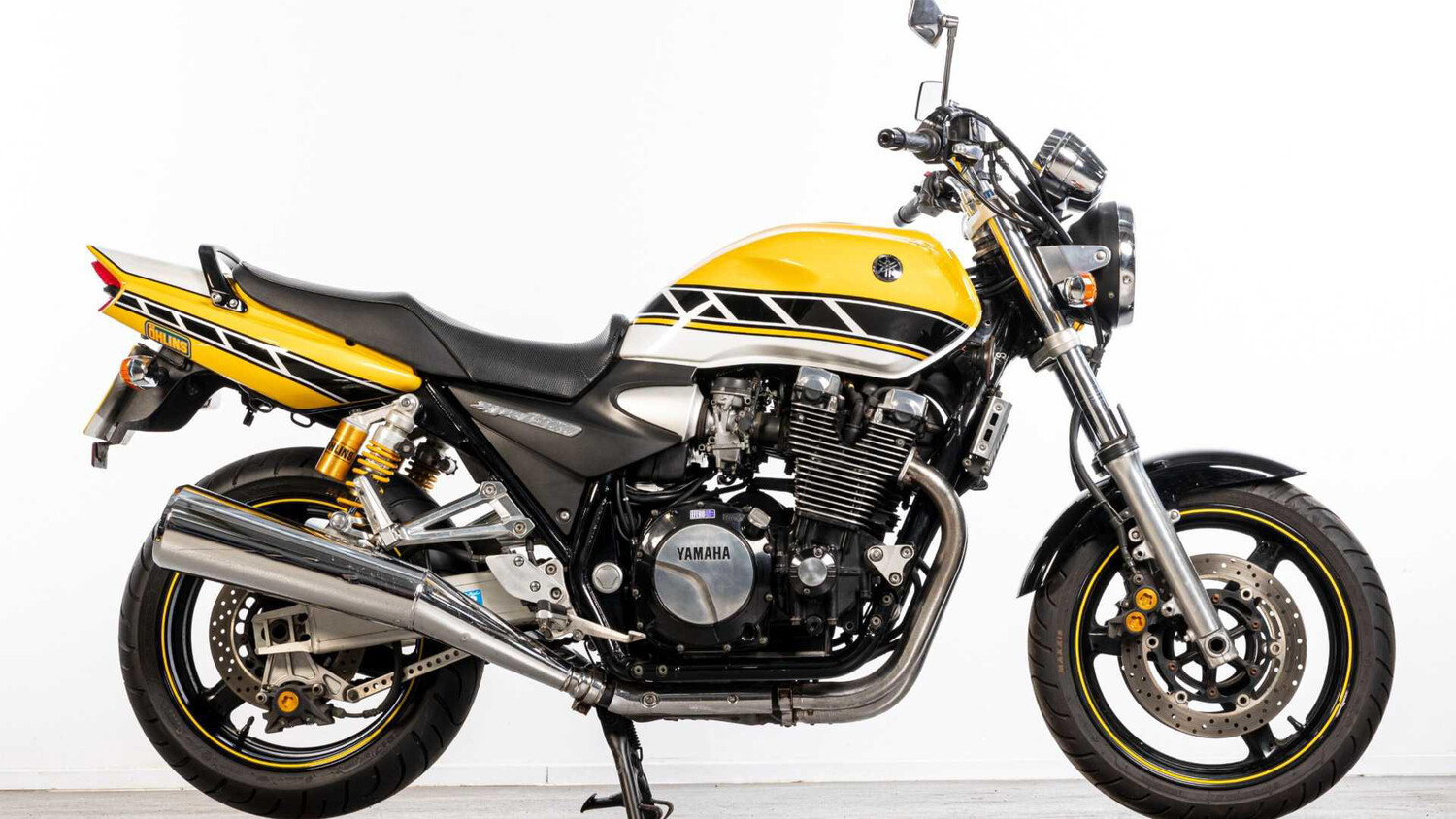
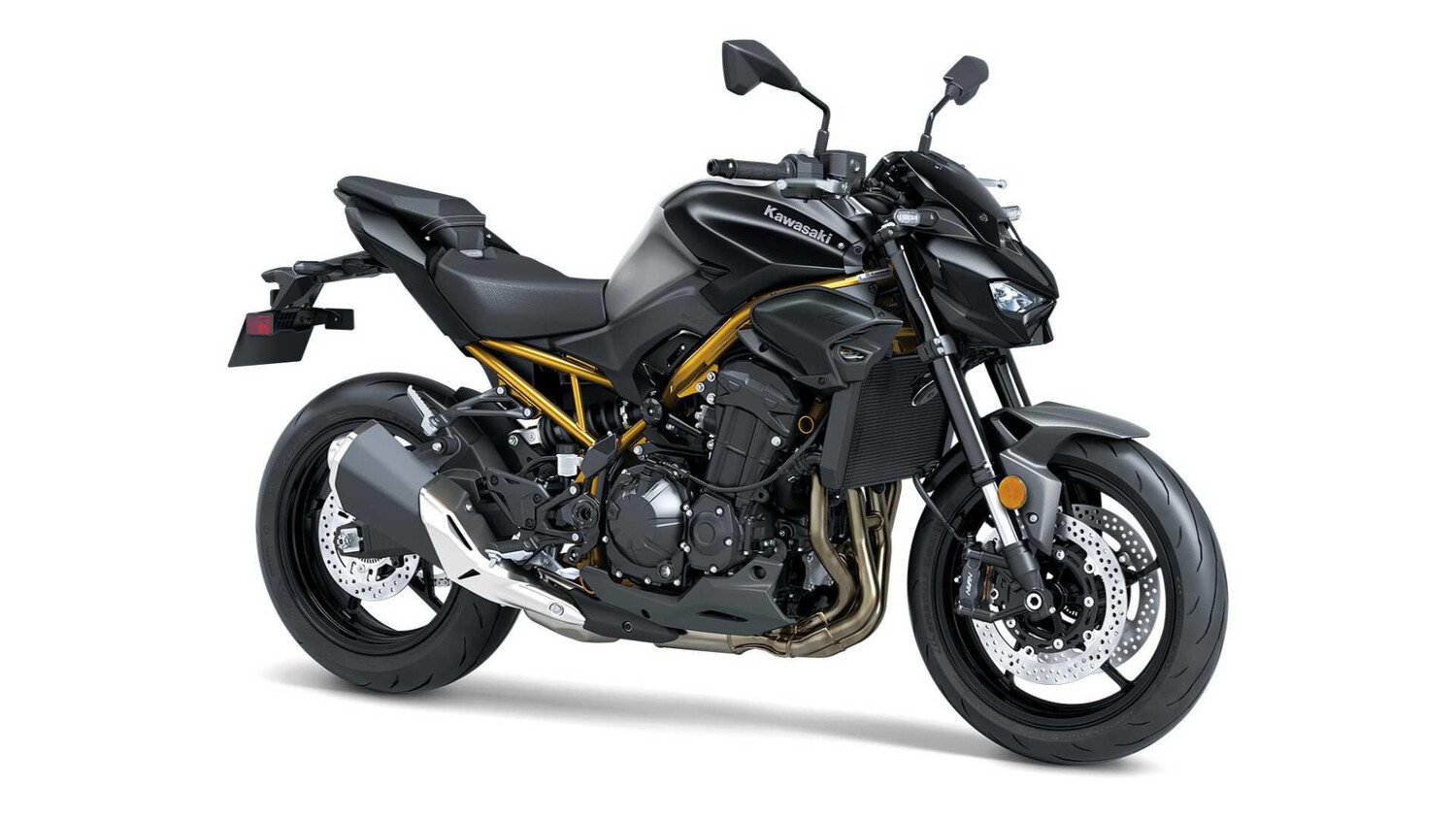
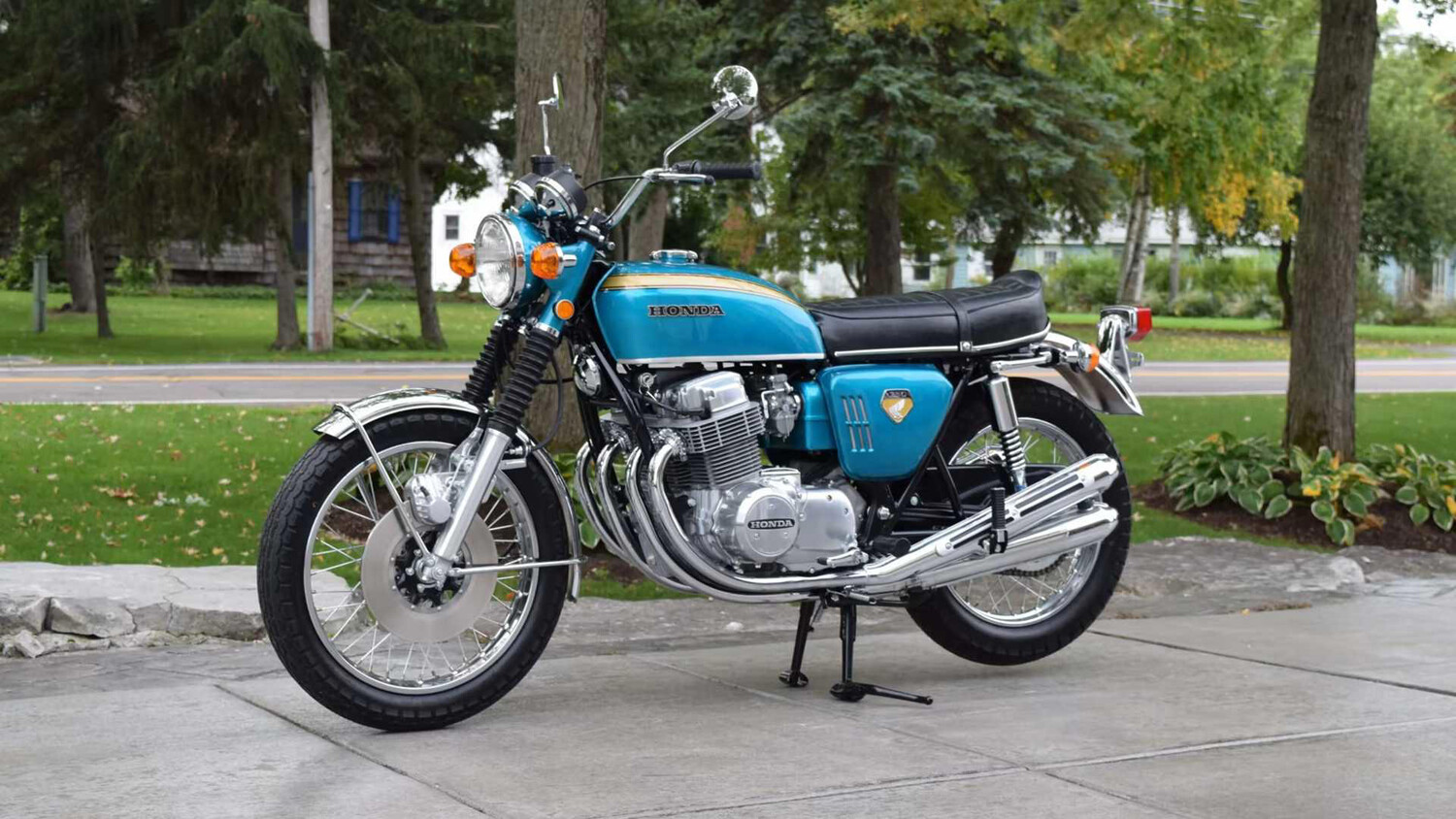
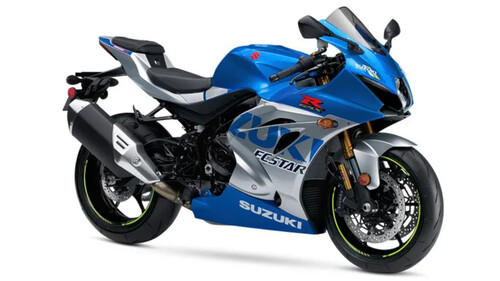
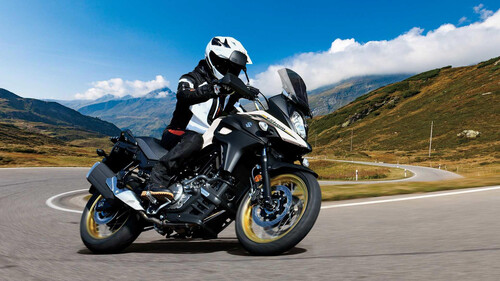
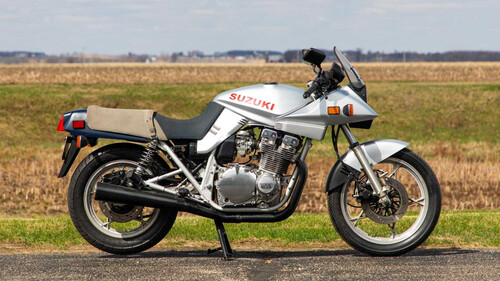
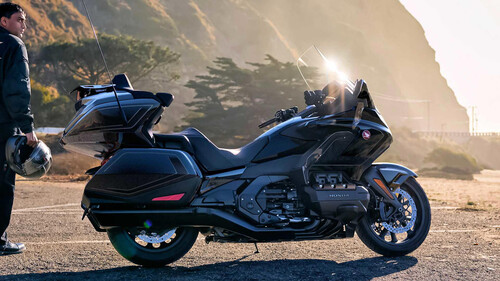
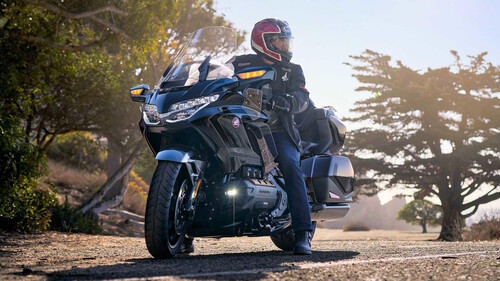
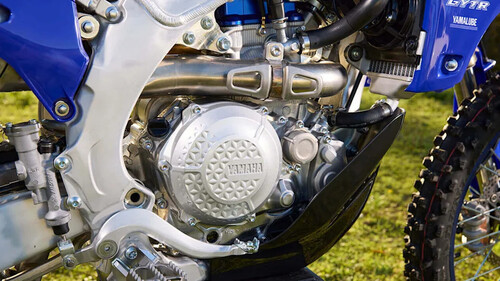
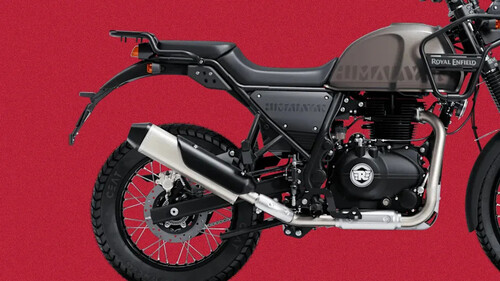
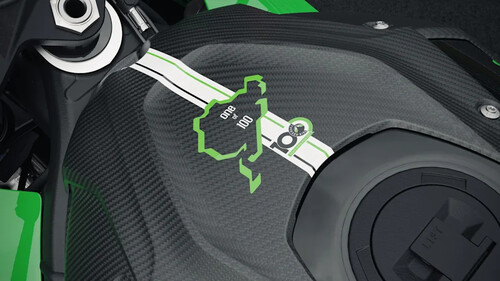
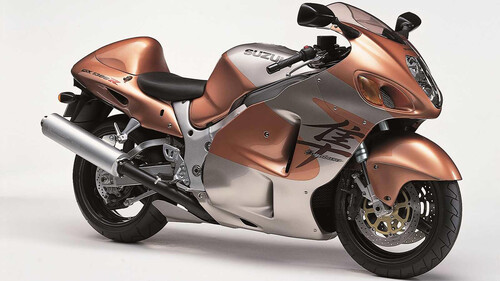
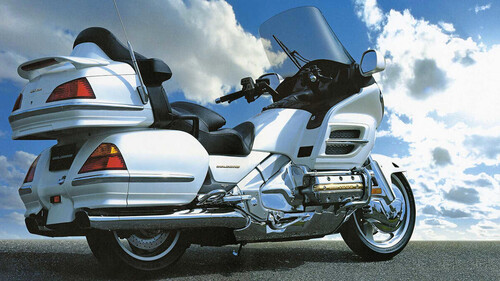
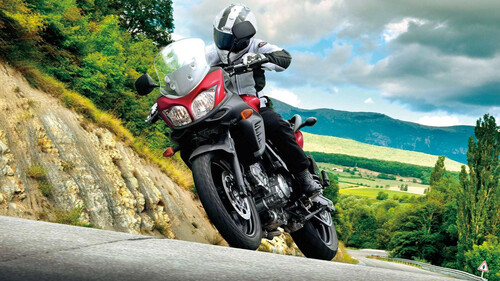
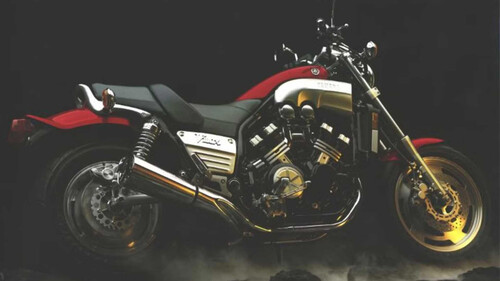
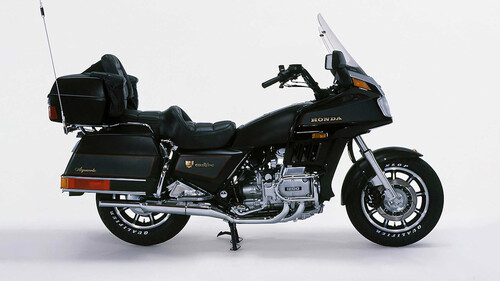
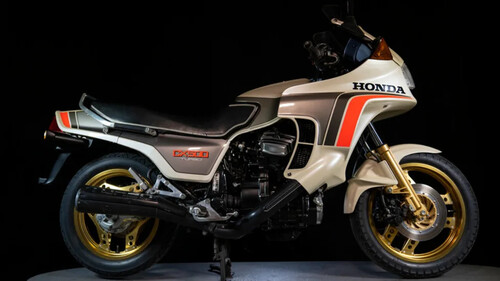
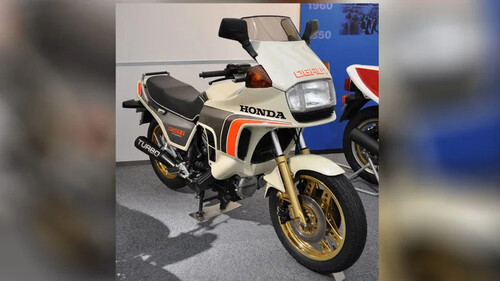
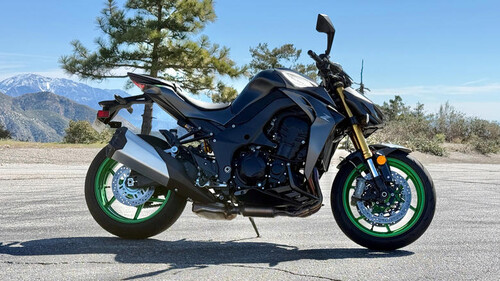
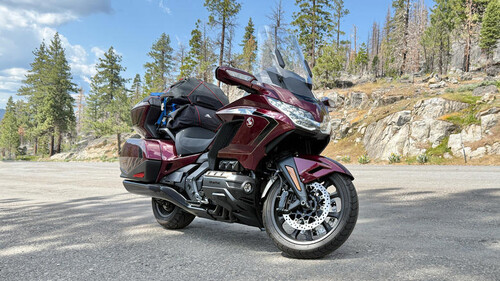
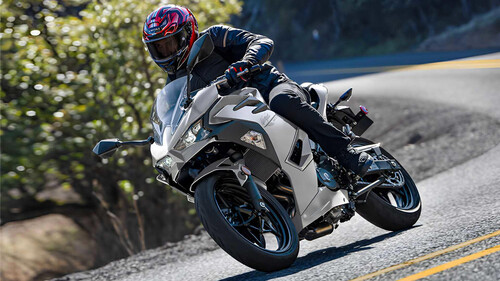
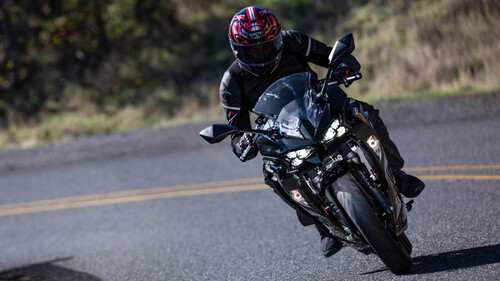
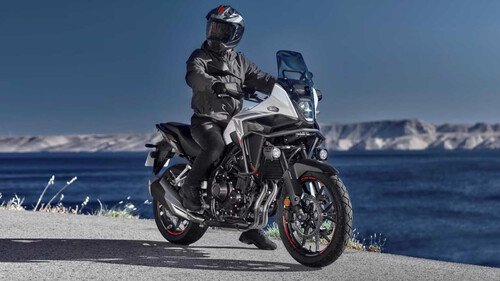
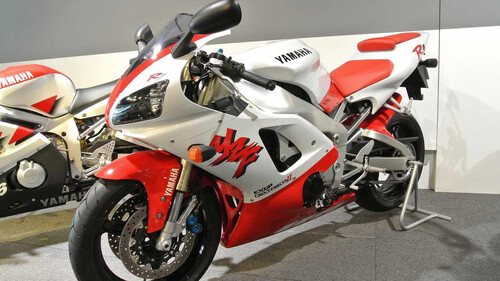
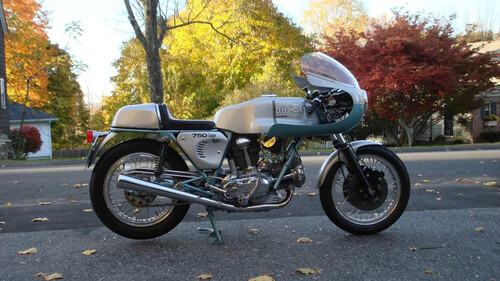
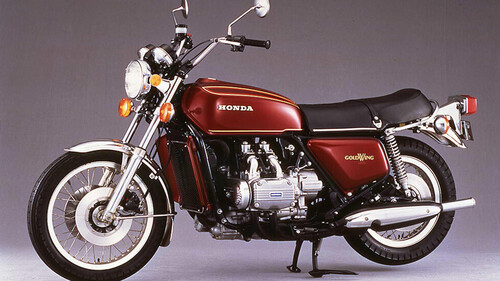
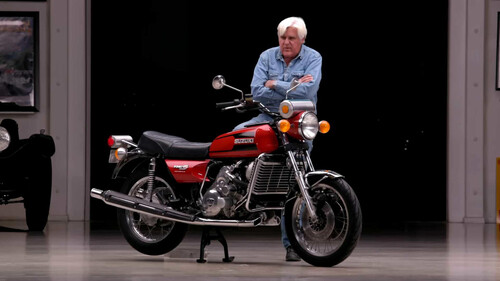
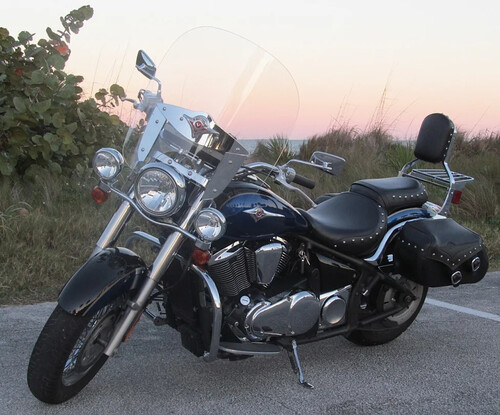
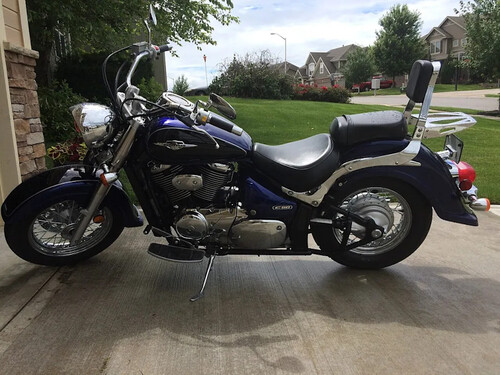
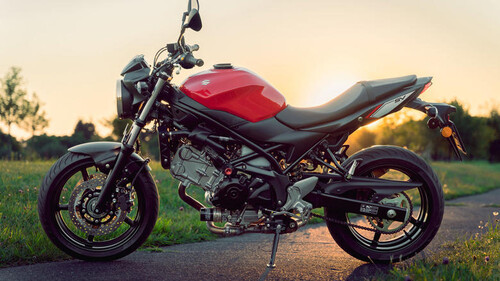
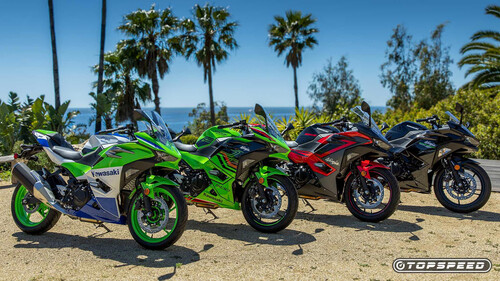
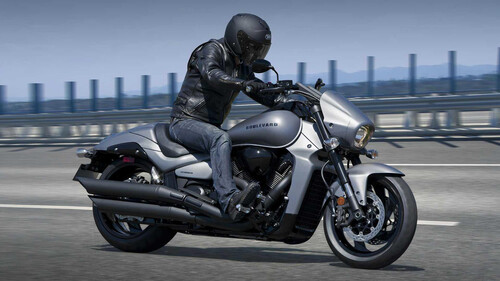
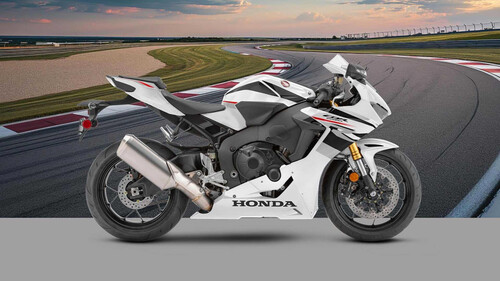
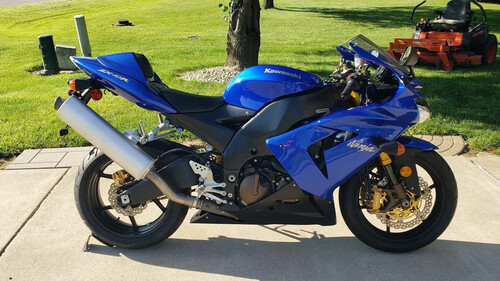
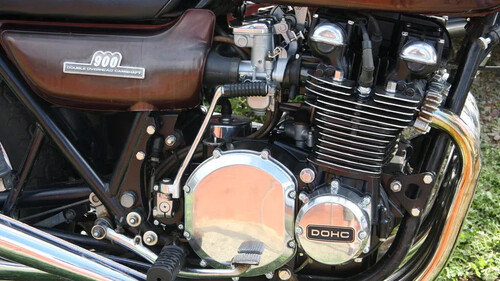
Japan's reputation for engineering reliability did not happen by accident. It was built one engine at a time, across decades of conservative tolerances, over-specified components, and manufacturing processes at Honda, Yamaha, Suzuki and Kawasaki, that treat longevity as a design goal rather than a side effect. The result is a category of motorcycles that, with basic maintenance, simply refuses to stop.These ten bikes are the ones that have proved it most convincingly. The list covers everything from naked bikes and tourers to sport bikes and adventure machines, but the common thread is the same: buy any of these, maintain them properly, and you are unlikely to be pushing one home. Honda CB1100: The Modern Classic Built To Outlast Everything Bring a TrailerHonda built the CB1100 for a specific kind of rider: one who wanted a large-displacement air-cooled inline-four that looked like the CB750 of 1969 but was built to 2013 quality standards. The engineering brief was not to chase performance but to deliver refinement and longevity in a package that rewarded long-term ownership. Honda succeeded. The 1140cc air-cooled four is one of the most deliberately understressed engines in Honda's modern lineup, producing 84 hp from a displacement where competitors extract 20 to 30 hp more. That decision pays dividends in engine life and maintenance costs.Owner data for the CB1100 shows a reliability record consistent with Honda's best work. The air-cooled architecture eliminates cooling system maintenance entirely, and the lack of complex electronic rider aids removes a common source of modern motorcycle ownership headaches. What it has instead is an engine designed to run for a very long time without drama, and an ownership experience that rewards patience over pace. For anyone who wants a daily rider that will still be running well a decade and six figures of mileage from now, the CB1100 makes that promise with more conviction than most. It is the kind of motorcycle Honda has always been best at building: thoroughly, honestly, and for the long term. Suzuki V-Strom 650: The Do-It-All Bike That Never Breaks SuzukiThe Suzuki V-Strom 650 is not beautiful. Suzuki has never really tried to make it that. What it has tried to make it is dependable, practical, and easy to live with over very high mileage, and in all three areas it delivers a result that few adventure tourers at any price can match. The V-twin architecture is inherently simple, the engine runs cool enough at highway speeds to reduce thermal stress on components, and the upright ergonomics encourage the kind of regular, moderate-paced use that engines respond to with long service life.Owner data accumulated over two decades of V-Strom 650 production tells a consistent story: minimal mechanical failures beyond consumables, with the no-frills engineering translating directly into fewer things to go wrong. The V-Strom 650 holds a reputation for reliability that has built up across two decades of production, with owners regularly citing 70,000-plus miles without significant mechanical intervention. The modest state of tune, 70 hp from 645cc, is a conservative output for the displacement that means the engine operates well within its design limits at all times. At used prices that frequently undercut equivalent mileage examples from competitors, it is one of the strongest value propositions in the segment. Kawasaki Ninja 650: Two Cylinders, Zero Drama KawasakiThe Kawasaki Ninja 650 has been in production in various forms since 2006, which by itself is a statement about what the market thinks of it. Manufacturers do not keep making motorcycles for nearly two decades unless they sell, and the Ninja 650 sells because it delivers what it promises consistently and without incident. The 649cc parallel twin is a low-stress design that rewards regular oil changes with years of trouble-free operation. Reliability guides consistently rank it among the most dependable middleweights on sale, and owner reports back that up with a near-absence of mechanical failures in normal use.Service intervals run to 7,500 miles on the current generation, and the things that wear are the things that are supposed to wear: tires, brake pads, and chain. The engine, transmission, and chassis ask for very little beyond what the service schedule specifies. With proper care, Ninja 650s regularly reach 75,000 miles without major intervention, a figure that, for a parallel twin in this class, represents strong value. For riders who want faired middleweight performance alongside the kind of ownership costs that do not erode the pleasure of ownership, the Ninja 650 makes an unanswerable case. Yamaha XJR1300: Air-Cooled Simplicity at Its Best BonhamsThe Yamaha XJR1300 ran essentially unchanged for seventeen years, which is either a sign of laziness or a sign that Yamaha got it right the first time. The evidence points firmly toward the latter. The air-cooled 1251cc inline-four has no liquid cooling system to develop leaks, no complex electronic aids to develop faults, and no variable valve timing to develop opinions about when to work. What it has is an engine that Yamaha over-engineered from the start for a market, the European standard naked class, that demanded durability above outright performance.Owner communities for the XJR1300 are consistently positive on long-term reliability. The absence of electronics is an asset, not a shortcoming. Fewer components means fewer failure points, and the XJR1300's mechanical simplicity translates directly into lower ownership costs over time. Parts supply remains healthy despite production ending in 2016, supported by an active owner community and the broad crossover with earlier XJR models. For buyers who want a large-displacement air-cooled motorcycle that will not punish them for owning it, the XJR1300 is the standard against which others in this category are judged. Honda CB500F: The Benchmark for Entry-Level Dependability HondaThe Honda CB500F is not going to trouble the performance rankings. What it is going to do is run, without complaint, for a very long time on very little input. The 471cc parallel twin is one of the most benign and low-stress engines Honda makes. Two cylinders, eight valves, a compression ratio calibrated for longevity over peak power, and service intervals of 8,000 miles that reflect how little the engine is being pushed in normal use. Owner data across the entire production run, which began in 2013, shows almost no pattern of mechanical failure. The complaints that do appear in forums are cosmetic: finish quality on certain components, not engine or drivetrain.Honda updated the CB500F significantly for 2024, adding traction control, a TFT display, and revised styling, which means the used market now offers well-specced 2022 and 2023 examples at significant discounts from new pricing. Independent testing confirmed the CB500F's formula as a capable, friendly machine that won't cost an arm and a leg to run. For a rider who wants a long-term relationship with a motorcycle rather than a constant project, the CB500F is one of the most sensible purchases on the used market today. Suzuki Hayabusa: The Unstoppable Hyperbike SuzukiIn 25 years of production and nearly 300,000 units sold, the Suzuki Hayabusa has built a reliability record that defies what its specification sheet implies it should be. A 25-year retrospective on the model confirmed the engine has proven almost unkillable, with documented owners reaching six-figure mileage on the same powertrain. Considering how much power that engine produces and how often Hayabusas get used hard, that result is extraordinary.The weak link on the Suzuki, when there is one, is the transmission. Hayabusas used heavily at the drag strip can develop worn gear dogs, particularly on early second-generation cars. For road-ridden examples, this is rarely a problem. The real-world ownership profile is big, comfortable, smooth engine that most riders never push past a fraction of its capability, which means the Hayabusa spends most of its life operating well within its limits. At 186 mph electronically limited, there is plenty of margin before the engine feels any stress at legal road speeds. The finish quality on earlier Gen 1 cars can deteriorate, but the mechanical package underneath remains solid. Kawasaki Z900: Modern, Reliable, and Built To Last KawasakiThe Kawasaki Z900 is not the most talked-about motorcycle in its class. The Yamaha MT-09 gets more attention, the Triumph Street Triple more praise in the press. But among riders who actually live with their bikes year-round and track maintenance costs, the Z900 keeps coming up for one reason: it simply does not break. Issues are reported as few and far between even for examples ridden year-round in all conditions, which is a meaningfully different endorsement than a controlled press test on a dry road.One owner's four-year, 33,000-kilometer ownership report listed the total mechanical interventions as: brake pads, tires, and a chain set. No engine work, no electrical faults, no suspension failures. The 948cc inline-four runs from tickover to its 10,500 rpm redline with consistent, predictable delivery and 7,500-mile service intervals that make ownership costs genuinely manageable. The Kawasaki Z900 is not the most exciting naked bike on the road. It is, however, one of the most consistent, and for a bike you plan to keep for a decade, those are the terms that matter more. Yamaha V-Max 1700: Outrageous Power, Surprisingly Bulletproof MecumNearly 200 hp from a 1679cc V4 sounds like a recipe for mechanical carnage. The Yamaha V-Max 1700 has spent the better part of fifteen years proving that assumption wrong. Owner reviews across the model's production run show no prevailing mechanical problems, a remarkable record for a motorcycle producing supercar-grade output. One owner reported 42,000 km before a single failure, which turned out to be a light bulb. That is the kind of record that belongs on a diesel van, not a nearly-200-hp muscle cruiser.The V4 architecture is the key. The engine's four cylinders share the load in a way that keeps individual component stress manageable even at high output, and Yamaha's engineering brief for the V-Max was always durability alongside performance. The hand-finished aluminum intake covers and Brembo brake package signal a motorcycle built to be kept, not worn out. The V-Boost system, which opens butterfly valves between cylinder pairs above 5,750 rpm to deliver maximum torque, is mechanically simple and rarely causes issues. MCN owner reviews show the buying experience as a bigger headache than the motorcycle itself. At current used prices well below the original $19,890 MSRP, the V-Max 1700 represents a serious performance motorcycle with one of the cleanest reliability records in its class. Honda Gold Wing GL1800: Built To Tour Forever HondaTouring bikes lead hard lives. They carry weight, cover distance, run in heat, sit through rain, and get pushed through long days at highway speeds in ways that expose any weakness in an engine fast. The Honda Gold Wing GL1800 has been doing all of this since 2001 without flinching. Its horizontally opposed flat-six is one of the most understressed engines ever put in a production motorcycle, running well below its limits at normal cruising speeds and hitting its service intervals with almost nothing to report.The GL1800 holds a 5/5 score for reliability, a rating it has maintained across more than two decades of owner reviews with almost no mechanical complaints logged. Owner forums document 200,000-mile examples that have never had a head pulled. One Gold Wing forum member noted a 2002 GL1800 with 114,000 miles that still runs exactly as it left the showroom. The horizontally opposed six has valve clearance checks scheduled at 32,000 miles, longer than most bikes' first major service, which tells you everything about how conservatively it is engineered. The weak points, when they appear, are electrical connectors and the wiring loom on older examples, not the engine itself. Buy one with service history, check the alternator, and the rest will take care of itself. Honda CB750: The Bike That Defined Reliable MecumThe Honda CB750 did not just change motorcycling in 1969. It set the benchmark for what dependable mechanical engineering should look like on two wheels. Before the CB750, British bikes needed their points set every other ride. The Honda started on the button, ran without drama, and came with hydraulic disc brakes and an overhead cam inline-four that other manufacturers could only dream about matching. It also, as it turned out, ran essentially forever.The later Nighthawk CB750 variants (1991-2003) are where the longevity record is most remarkable. Owners routinely report 80,000 to 100,000-mile examples with nothing beyond oil changes, tires, and batteries required. The hydraulic valve adjustment system eliminates one of the most common maintenance headaches on older machines. An owner on Cycle Insider reported 82,000 miles on an original example with no oil burning and no mechanical failures outside of a starter motor rebuild. The engine, described as a precision-engineered Japanese watch by one publication, does not ask for much. What it asks for, it is very clear about. Find a clean Nighthawk example with documented service history and it will reward that diligence for years to come.Sources: Motorcycle News, Kelley Blue Book, Hagerty, Cycle World, Rider Magazine, Motorcycle Classics, Mecum, Honda, Kawasaki, Yamaha, Suzuki, Bring a Trailer.