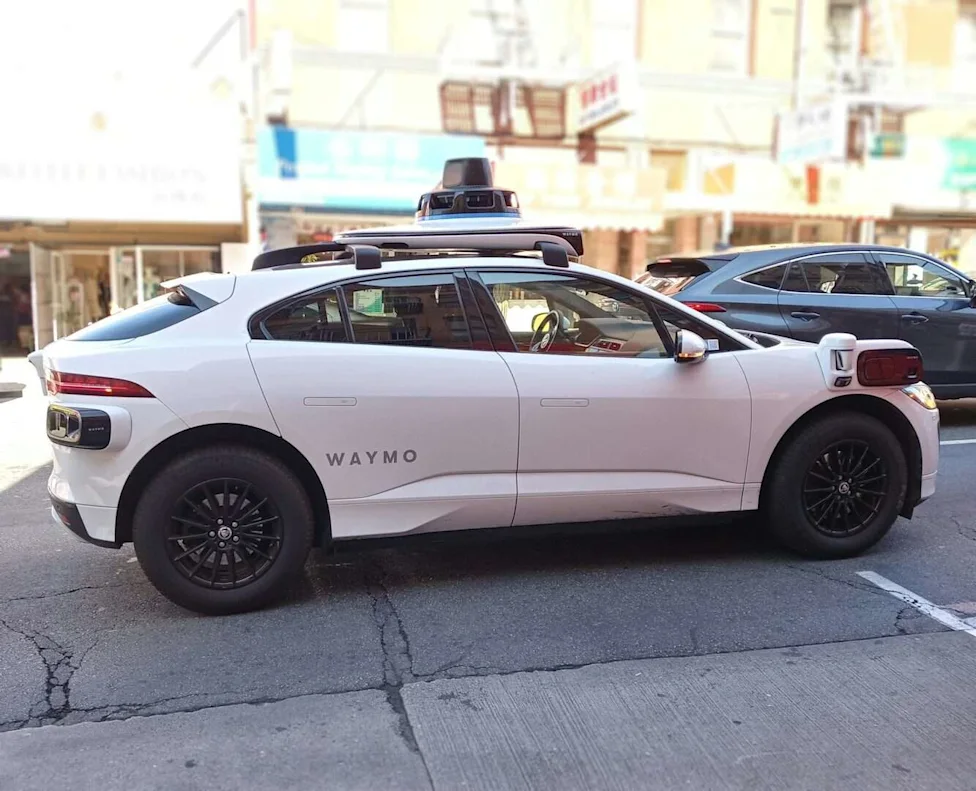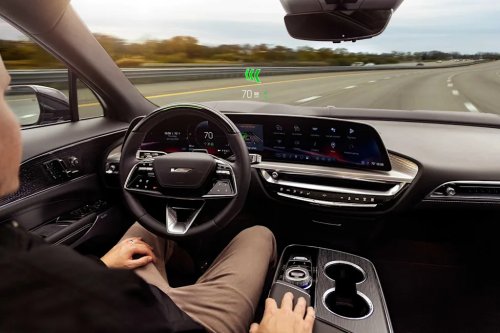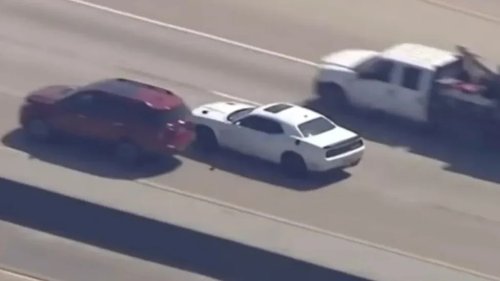























In the realm of automotive legends, certain vehicles have garnered a reputation not just for their cruising capabilities but for their ability to outrun the long arm of the law. These cars, often celebrated for their speed and agility, have etched their tales in the annals of car culture, drawing a line between high-speed adventures and law enforcement pursuits.Technological Advancements in Law EnforcementAs high-performance cars have evolved, so too have police pursuit vehicles. Today, law enforcement agencies are equipped with highly specialized vehicles designed to keep pace with speedsters on the run. These pursuit vehicles are equipped with powerful engines, reinforced frames, and advanced communication systems to aid in high-speed chases. The integration of technology has also transformed modern police chases. Helicopters and drones are now used to track speeding vehicles from the sky, providing real-time data and visuals to officers on the ground. These aerial assets allow for better coordination and increase the chances of apprehending fleeing suspects. However, despite these technological advancements, high-speed chases still rely heavily on the intuition and skill of the officers involved. There are limitations to technology, particularly when it comes to the unpredictable nature of high-speed pursuits. Human intuition and decision-making are crucial in these situations, as technology cannot always account for the dynamic and rapidly changing conditions of a chase. Officers must rely on their training and experience to make split-second decisions that prioritize public safety.The Legal and Ethical DilemmaHigh-speed chases pose significant risks to public safety, as they can lead to accidents and endanger bystanders. The potential for collateral damage is a pressing concern for law enforcement agencies, which must weigh the benefits of pursuing a suspect against the risks involved. Policies and guidelines are in place to help officers assess whether a chase is justified, but the decision ultimately rests with the officer in the field. Drivers caught after a high-speed chase face serious legal repercussions. They can be charged with a variety of offenses, ranging from traffic violations to more severe charges like reckless driving or endangerment. The prosecution process can be lengthy and complex, often involving multiple legal proceedings to determine the appropriate penalties. There are also ethical considerations in high-speed pursuits. Law enforcement agencies must balance the need to apprehend suspects with the responsibility to protect the public. This delicate balance requires careful judgment and adherence to established protocols to ensure that chases are conducted safely and effectively.The Cultural Phenomenon of High-Speed PursuitsMovies and video games have perpetuated the fascination with outrunning the law, creating a cultural phenomenon that transcends generations. These media portrayals often glamorize high-speed chases, depicting them as thrilling adventures that captivate audiences and inspire imitation. Social media has also played a significant role in documenting and glamorizing real-life chases. Videos of high-speed pursuits are frequently shared online, attracting millions of views and sparking debates about the ethics and dangers of such actions. The viral nature of these videos contributes to the public’s fascination with speed and the allure of evading capture. For car enthusiasts, these stories of high-speed pursuits serve as sources of inspiration, fueling their passion for performance vehicles and the pursuit of speed. The cultural impact of these tales continues to resonate, shaping the aspirations and interests of a new generation of speed lovers.The Future of Speed and Law EnforcementThe advent of autonomous vehicles could potentially spell the end of high-speed pursuits. With self-driving technology, cars could be programmed to obey traffic laws and avoid dangerous situations, reducing the need for police chases. However, the transition to fully autonomous vehicles is still in its early stages, and many challenges remain before this technology becomes widespread. Innovations in vehicle design are also shaping the future of speed and safety. Advances in materials, aerodynamics, and propulsion systems are enabling manufacturers to create cars that balance performance with safety. These innovations could lead to a new era of high-speed driving, where speed is no longer synonymous with danger. As car enthusiasts look to the future, they can expect continued advancements in automotive technology and law enforcement strategies. The next generation of drivers will likely experience a world where speed and safety coexist, offering new opportunities for exploration and adventure on the road.