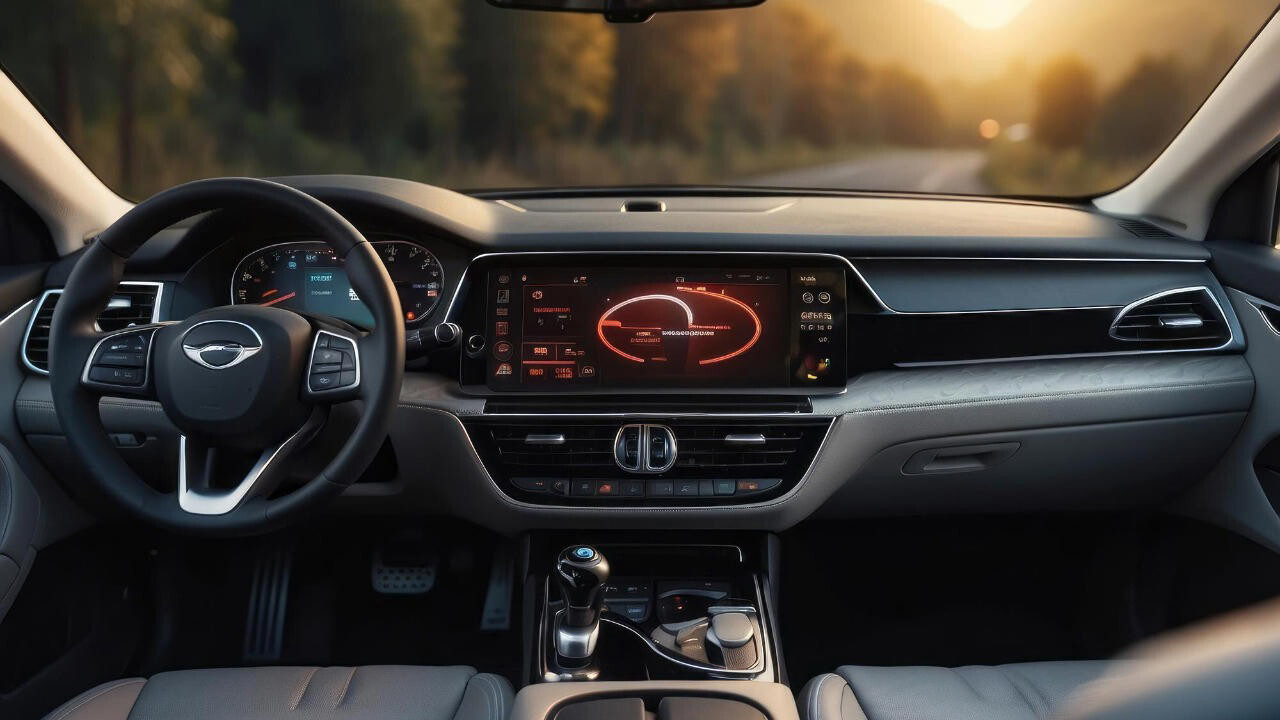
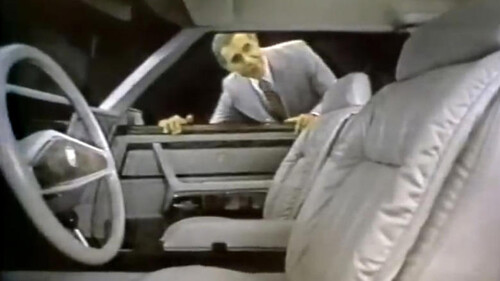
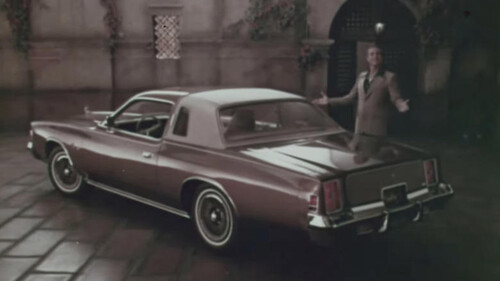
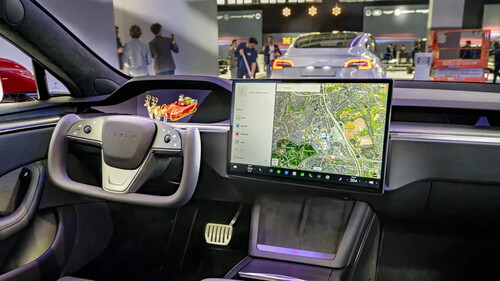
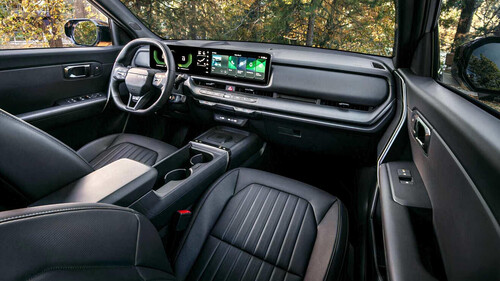
The design feature automakers don’t advertise but shouldModern car marketing sells a feeling, yet the feature that most profoundly shapes daily driving rarely appears on screen. Screens, horsepower, and lifestyle imagery dominate, but the quiet discipline of how a cabin is laid out and how controls are designed has far more to do with safety, comfort, and long‑term satisfaction. The unglamorous truth is that the best design feature in a new car is not a gadget at all, but a thoughtful human‑machine interface that respects drivers’ attention. That interface lives in the spacing of buttons, the restraint of the screen, and the way a driver can reach for a control without hunting or swiping. It is a form of design that saves seconds at 70 miles per hour, reduces fatigue on a long commute, and makes complex technology feel simple. Automakers rarely spotlight it in glossy campaigns, yet it is rapidly becoming the difference between a car that feels like a partner and one that feels like a nagging, glowing chore. Why car ads hide their smartest work Advertising departments are not shy about dramatic vistas or choreographed drifts, but they tend to stay quiet about the subtle ergonomics that separate a good cockpit from a distracting one. One reason is competitive: engineers who spend years refining control placement and interface logic do not necessarily want a thirty‑second spot to hand those ideas to rivals, a point echoed by insiders who argue that want to share with the entire industry. Another is that small improvements in reach distance or menu depth are hard to dramatize, even if they matter more to drivers than a staged mountain road. There is also a long marketing habit of selling a lifestyle instead of a machine. Commenters tracing this pattern back to Ricardo Montalbán’s soft‑sell luxury persona note that many campaigns now seem to focus almost entirely on mood, with one comments section arguing that maybe the entire format has become an exercise in aspiration rather than explanation. That approach helps explain why a viewer can sit through several prime‑time spots without hearing a word about seat adjustability, control layout, or how quickly a driver can mute a chime with one hand on the wheel. The quiet safety system built into the dashboard The most valuable unadvertised feature in many modern cars is not a visible option at all, but an interior that lets the driver operate essential functions by feel. In online discussions, frustrated owners point out that anyone watching recent car advertisements learns almost nothing about how a vehicle actually functions from behind the wheel. Yet that is where design decisions about physical knobs for climate, dedicated buttons for defrost, and clear gear selectors quietly prevent mis‑taps and glances away from the road. Safety regulators and researchers have focused heavily on active systems such as automatic emergency braking, and industry groups report satisfaction with their progress. The same vehicles can undermine that progress, however, if basic tasks such as changing fan speed or skipping a track require deep menu navigation on a glossy screen. A well‑designed dashboard that keeps those tasks on simple, tactile controls effectively becomes a passive safety system, trimming the cognitive load that modern driving already imposes. Screens, tech fatigue, and the push back to practicality The industry’s obsession with giant touchscreens has made this hidden design feature both more important and more endangered. Analysts observing current lineups note that nearly every modern dashboard is now dominated by a large touchscreen, whether buyers want it or not. That shift has enabled rich mapping and smartphone‑style apps, but it has also buried simple functions inside software layers, which drivers must navigate while in motion. Some customers argue that any function used while the vehicle is moving should have a physical control, reserving touchscreens for occasional settings. Automakers appear to be listening. Reporting on the latest product planning shows that automakers such as Tesla, Mercedes, Benz, and Audi are re‑evaluating their push for futuristic technology, with automakers admitting it. That recalibration gives interior architects room to prioritize clarity and tactility again, even if the marketing materials still highlight software tricks. What drivers actually want, and how design can answer Market research suggests that the gap between what automakers promote and what drivers value is wide. An analysis of car marketing found that recent reviews of major brand campaigns concluded that automakers emphasize performance, while buyers prioritize fuel economy and safety. That same preference pattern extends naturally into interior design: a cabin that keeps the driver calm, informed, and in control serves both efficiency and safety better than one that dazzles with cinematic graphics. Manufacturers are also rethinking how they speak to women, who influence a large share of purchases yet often feel underserved in showrooms. Industry voices note that manufacturers are increasingly recognizing that many women emphasize practicality and aesthetics when evaluating vehicles. A cabin that is intuitive, with clear sightlines and controls that do not require a tutorial, aligns directly with those priorities. The most forward‑thinking companies are beginning to showcase such usability in walk‑through videos and dealer training, even if the national television spot still leans on sweeping drone shots. Behind the scenes, a secondary conversation is unfolding on professional and social channels where industry stakeholders share these shifts. Company pages such as AutoNews, automotive updates, and industry networks circulate the same guest perspectives that stress practicality and user‑friendly cabins. On the technology side, training platforms and industry channels highlight that some automakers may have gone too far with gadgetry and now see value in restraint. The design feature automakers should be proud to advertise is that restraint itself: a cockpit that respects human limits, anticipates real‑world use, and quietly turns every trip into an easier, safer task rather than a constant negotiation with the screen. More from Fast Lane Only Unboxing the WWII Jeep in a Crate 15 rare Chevys collectors are quietly buying 10 underrated V8s still worth hunting down Police notice this before you even roll window down