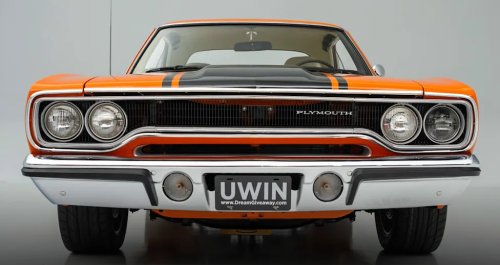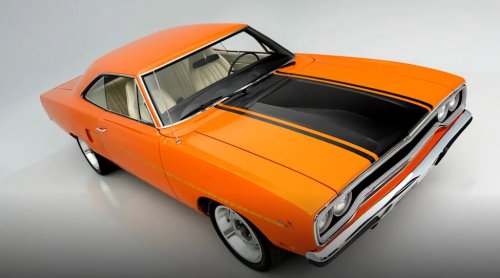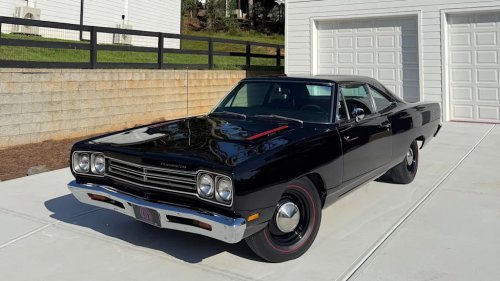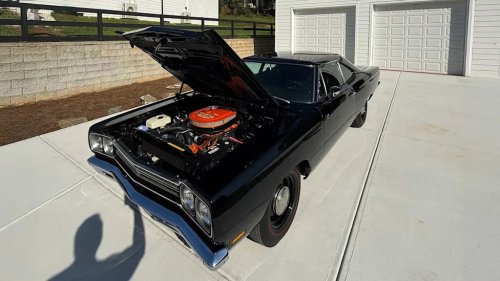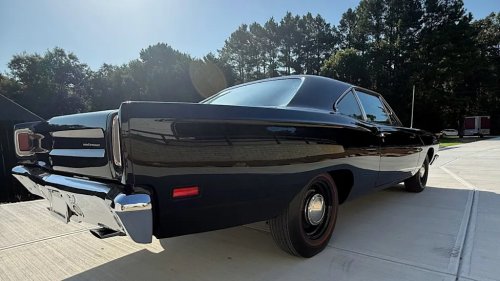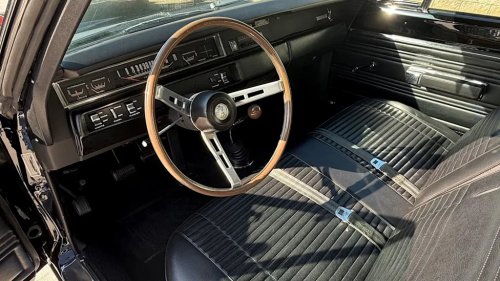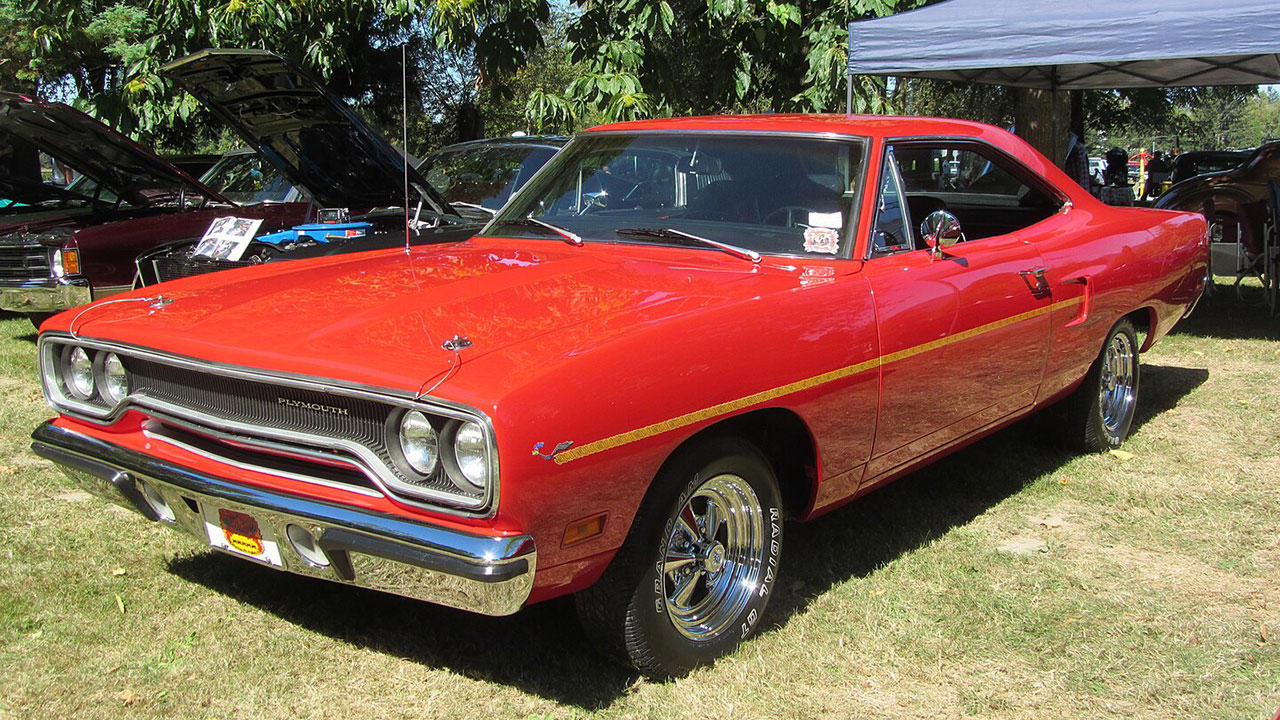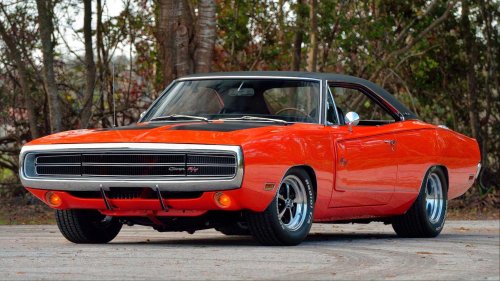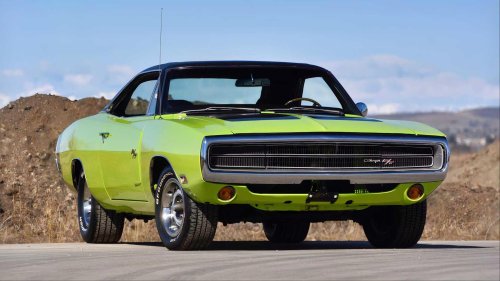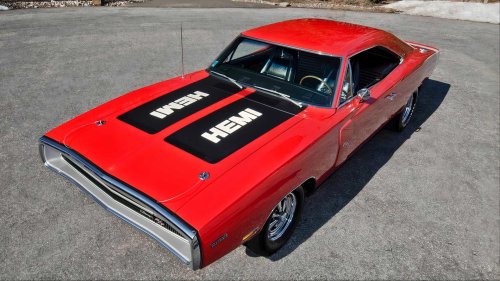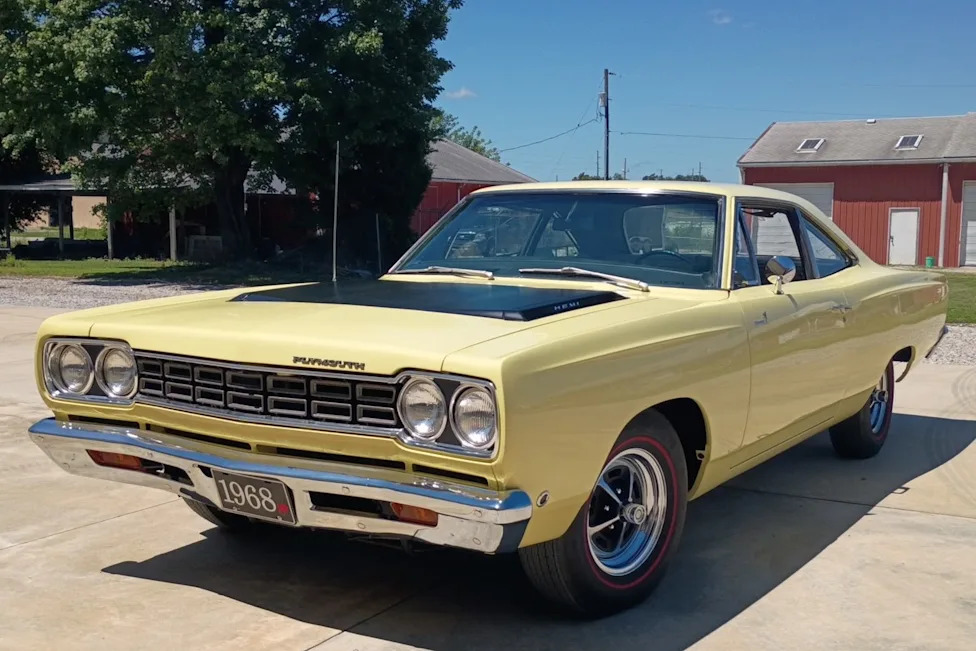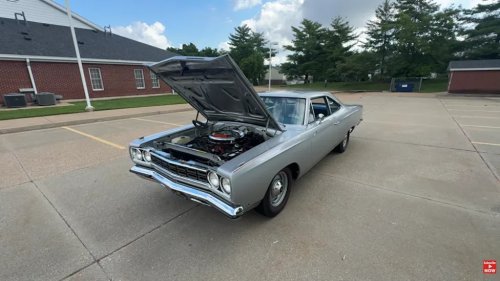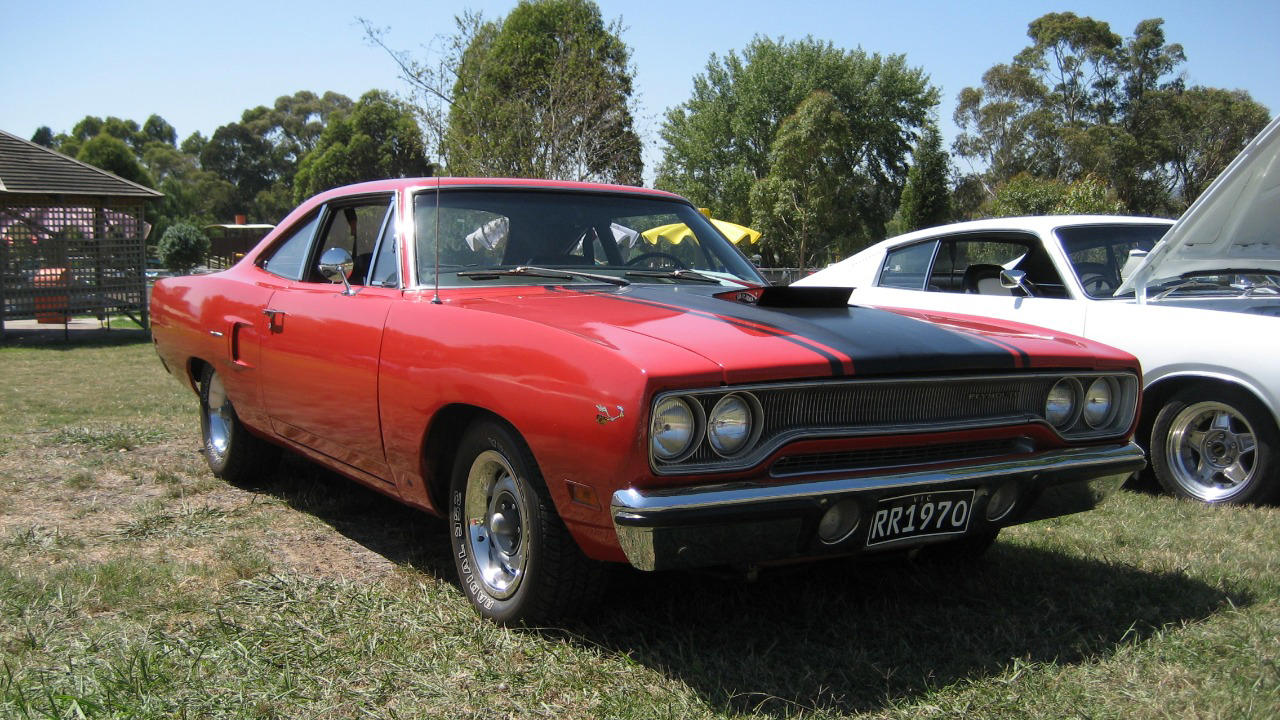



















The 1970 Road Runner was built to be fun and it still isThe 1970 Road Runner arrived as a simple idea executed with a sense of humor: build a car that felt like unfiltered fun, then price it for ordinary drivers. More than half a century later, that formula still works. The same mix of cartoon attitude, big-block power and stripped-down hardware keeps the 1970 Plymouth Road Runner lively on modern roads and firmly lodged in car culture. The no-nonsense muscle car that refused to grow up By 1970 the muscle car market was already drifting toward luxury, but the Plymouth Road Runner stayed focused on performance and affordability. Enthusiast descriptions of the Plymouth Road Runner emphasize that it was a stripped-down street racer designed for the common driver, with aggressive styling that looked as tough as it ran. That concept carried over from the original 1968 cars but reached a visual peak in 1970, when the front end adopted a loop bumper and more expressive grille while the body kept its clean, mid-size proportions. Under the hood, the standard engine remained the 383 cubic inch four-barrel V8. Contemporary breakdowns of Road Runner Features list output at 335-hp from the 383, paired with a floor-shifted three-speed manual transmission and dual exhaust. The package also included heavy-duty suspension and 83 inch wide track hardware that gave the car a planted stance. This was not a luxury grand tourer; it was a mid-size shell wrapped around big power and the bare essentials needed to keep it pointed straight. For buyers who wanted more, the options list was short but serious. The 440 Super Commando with multiple carburetors and the legendary 426 Hemi transformed the car from quick to brutal, and profiles of the Plymouth Road Runner describe it as one of the most feared combinations of the period. The Auto Editors of Consumer Guide frame these cars as the apex of Plymouth performance, and the Road Runner sat at the center of that story. Inside, function first and little else The cabin of the 1970 Road Runner was intentionally plain. Enthusiast retrospectives describe the interior of the Plymouth Road Runner as a Stripped Down Interior. Unlike luxury muscle cars, it used simple bench or basic bucket seats, minimal trim and vinyl surfaces that were easy to clean but hardly plush. One later summary of the 1970 Road Runner notes that Inside, Road Runner owners got a spartan but functional layout, with the focus on driving rather than comfort. Instrumentation followed the same philosophy. The Rallye gauge cluster grouped a large 150 mph speedometer with straightforward auxiliary gauges. No fake wood, no ornate bezels, just clear data. That simplicity is part of the appeal today. In an era of layered menus and digital interfaces, the Road Runner’s dashboard offers a direct connection between driver and machine that feels refreshing rather than crude. The “beep beep” personality What truly set the Road Runner apart was its sense of humor. Plymouth paid for the rights to the Warner Bros. cartoon character and then doubled down with graphics and sound. The steering wheel carried a cartoon bird logo, the body wore playful decals, and the horn delivered the unmistakable “beep beep” that still fascinates enthusiasts. A short clip shared on social media points out that the Plymouth Roadrunner has one of the funniest horns anyone is likely to hear on a car, and the laugh factor is a big part of why people still share and replay those sounds today. The hardware behind that joke has become a collectible in its own right. Reproduction parts like the Purple Painted Road BEEP BEEP Horn, which Includes a Voice of RR Decal and a long style bracket, show how much effort owners invest in keeping the personality correct. Product listings describe the Plymouth Road Runner Purple BEEP BEEP Horn and the matching Voice of RR Decal as faithful to the original tone and appearance, down to the purple finish that hides behind the grille yet signals authenticity to anyone who knows where to look. Other suppliers sell similar pieces under names like Comes with Voice of Road Runner decal, emphasizing the Long bracket and Excellent reproduction quality. The fact that such small, whimsical components are reproduced in detail speaks to the enduring charm of the car’s cartoon branding. Hardware that still rewards a spirited drive Fun is not just about graphics and horns. The Road Runner’s chassis and powertrains were tuned for abuse, which is part of why surviving cars still feel lively. Standard equipment included heavy-duty shocks, a front anti-roll bar and 11 inch drum brakes at all four corners, as highlighted in period style breakdowns of the Road Runner Features. The 383 engine shared cylinder head and valvetrain concepts with the larger 440 Super Commando, and some later profiles of the 1970 Plymouth Road Runner 383 Super Command configuration state that the 383 combination was one of the most fun to drive Mopar setups, thanks to its balance of torque and rev capability. For those who chose the 426 cubic inch Hemi, the experience was even more intense. The Plymouth Road Runner is often cited as a benchmark for straight line performance from the era, with 70 style engineering that paired huge cylinder heads with high-flow exhaust and aggressive camshaft timing. That hardware is demanding to maintain today, but when properly tuned it still delivers the kind of acceleration that makes modern traffic feel slow. Even in more modest trim, the Road Runner’s relatively low weight and straightforward suspension geometry give it an honest, predictable feel. There is body roll, the rear axle will step out if provoked, and the brakes require planning, yet the car communicates every movement. For many owners, that analog clarity is exactly why the 1970 Road Runner still feels like a good time on a back road. Rarity, survivors and the collector market Not every 1970 Road Runner has survived in pristine condition. One story of a Pristine 1 of 59 1970 Plymouth Road Runner cars highlights how rare certain option combinations have become. That car is described as one of 59 built with a particular E74 coded setup, and it is presented as possibly the only one of its kind on the planet. At the other end of the spectrum, a New Year junkyard crawl with Steve Mananti at Backyard Auto in Milford New Hampshire shows a tired but complete Road Runner resting among other relics, a reminder that many of these cars lived hard lives before anyone thought to preserve them. The market reflects this spread. Online listings range from project shells to fully restored examples. One current listing on a major auction platform shows a 1970 Plymouth Road offered with detailed photos and a full breakdown of its engine, transmission and options. Prices vary widely depending on originality, drivetrain and documentation, but the common thread is demand from buyers who want a car that still feels playful rather than precious. Parts support helps keep these cars on the road. Companies that specialize in classic Mopar components offer reproduction sheet metal, trim and mechanical pieces. One catalog entry for a Chrysler B Body part labeled MQ68, illustrated in detail by images hosted under Discovered Untitled filenames, shows how specific the aftermarket has become. Owners can source correct style moldings, emblems and hardware that match factory pieces closely enough for both drivers and show cars. From drag strips to memes The Road Runner’s cultural footprint reaches far beyond the auction block. The cartoon tie-in gave it instant recognition, and that association still surfaces in modern media. A humorous video titled coyote still can on a racing channel plays on the original Looney Tunes rivalry, showing that the gag of coyote still can not catch the bird works just as well in car form. Digital art and merchandise keep the 1970 shape in circulation for people who may never see one in person. Posters featuring the 1970 Road Runner are advertised as High quality prints, with Multiple sizes and Printed on semi gloss paper for dorm rooms and offices. Tin signs that depict the Road Runner as a gas and oil themed advertisement, Made in the United States, turn the car into wall art that fits comfortably alongside other Americana. Even niche corners of the hobby echo the Road Runner’s influence. A video about restoring Mongoose and Snake Funny Cars toy models explains how Recently the host bought a collection of 1970 and 1971 drag racing replicas. They were in rough shape, but they capture the same era of outrageous graphics and straight line obsession that produced the Road Runner and its rivals. The promo cars and oddities that fuel legend Beyond standard production, the Road Runner story includes a handful of curiosities that underline how playful the brand could be. One feature on a Road Runner promo car describes a 1970 Plymouth Road Runner with a big bird sculpture emerging from the Air Grabber hood. The whole story of that promo car remains partially unknown, but it reportedly resurfaced in 2003 and is considered a one of one beauty. That kind of oddball factory backed showpiece reinforces how central the cartoon character was to Plymouth’s marketing. The horn itself has inspired a small ecosystem of memorabilia. Search results for the Plymouth Road Runner show products that highlight the Purple Painted Road Runner finish, the BEEP sound and the fact that each Horn Includes a Voice of RR Decal. Another listing framed as Plymouth Road Runner repeats those details, underlining how carefully vendors mirror the original specification. Why the 1970 Road Runner still feels relevant Part of the modern appeal comes from contrast. Today’s performance cars are faster, safer and more refined, but they are also heavier, more complex and often more serious. The 1970 Road Runner offers a different experience. It is quick enough to be exciting, simple enough to understand in an afternoon and silly enough to make bystanders smile when the horn sounds. Social media clips of the beep beep horn rack up views among audiences who may not know a 383 from a 440. Merchandising, from posters to tin signs, keeps the image of the 1970 Road Runner in circulation. Detailed parts catalogs like the Discovered MQ68 illustration and its companion Discovered graphic show that the restoration ecosystem is still active. Even share buttons tied to these parts, such as Discovered social links, Discovered Facebook tools and Discovered Pinterest integrations, encourage owners to broadcast their projects. Enthusiast groups that celebrate the Plymouth Road Runner often point out that the 1969 and 1970 cars defined muscle car attitude. One community post describes the earlier model as a no nonsense muscle car built for speed and affordability, and that same description fits the 1970 version with its updated styling. Another group entry focused on Plymouth Road Runner history emphasizes how the car remained popular among street racers and gearheads long after production ended. More from Fast Lane Only Unboxing the WWII Jeep in a Crate 15 rare Chevys collectors are quietly buying 10 underrated V8s still worth hunting down Police notice this before you even roll window down