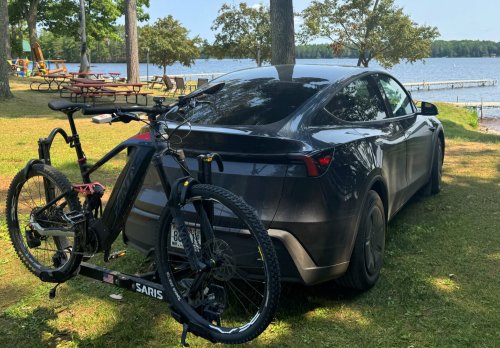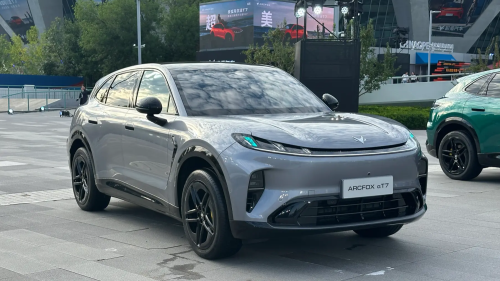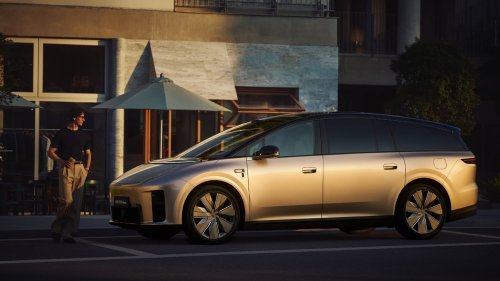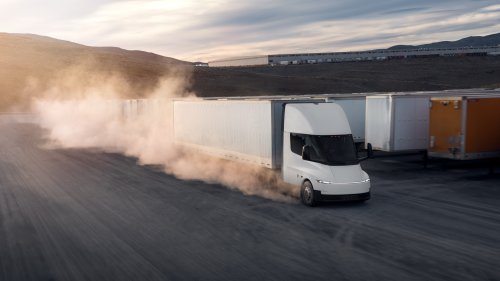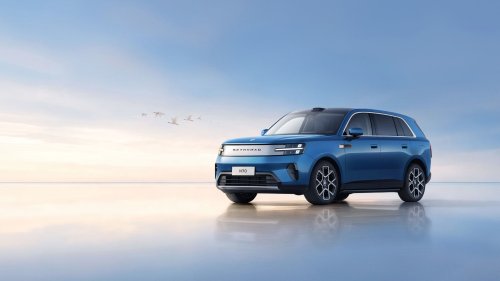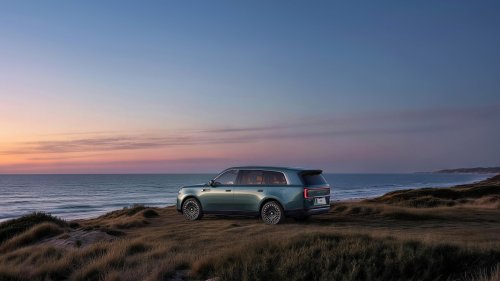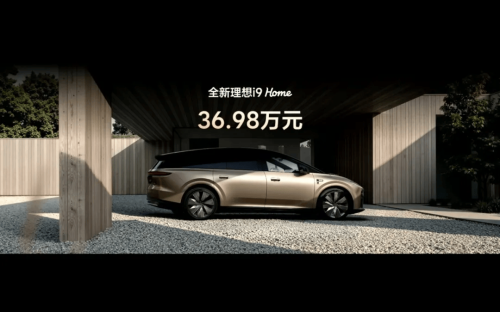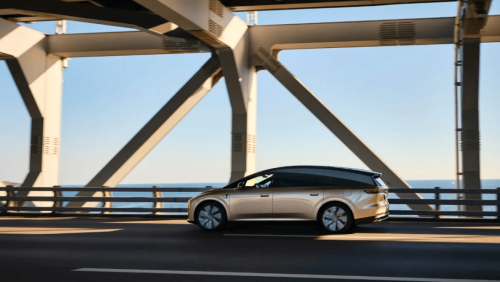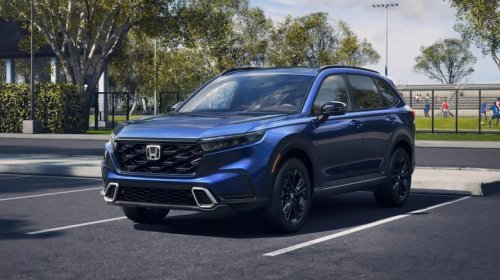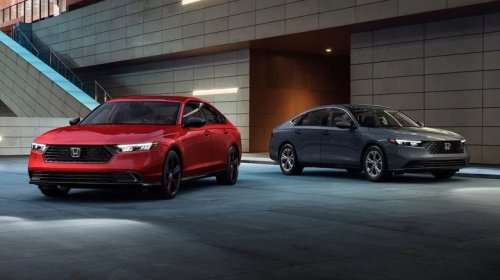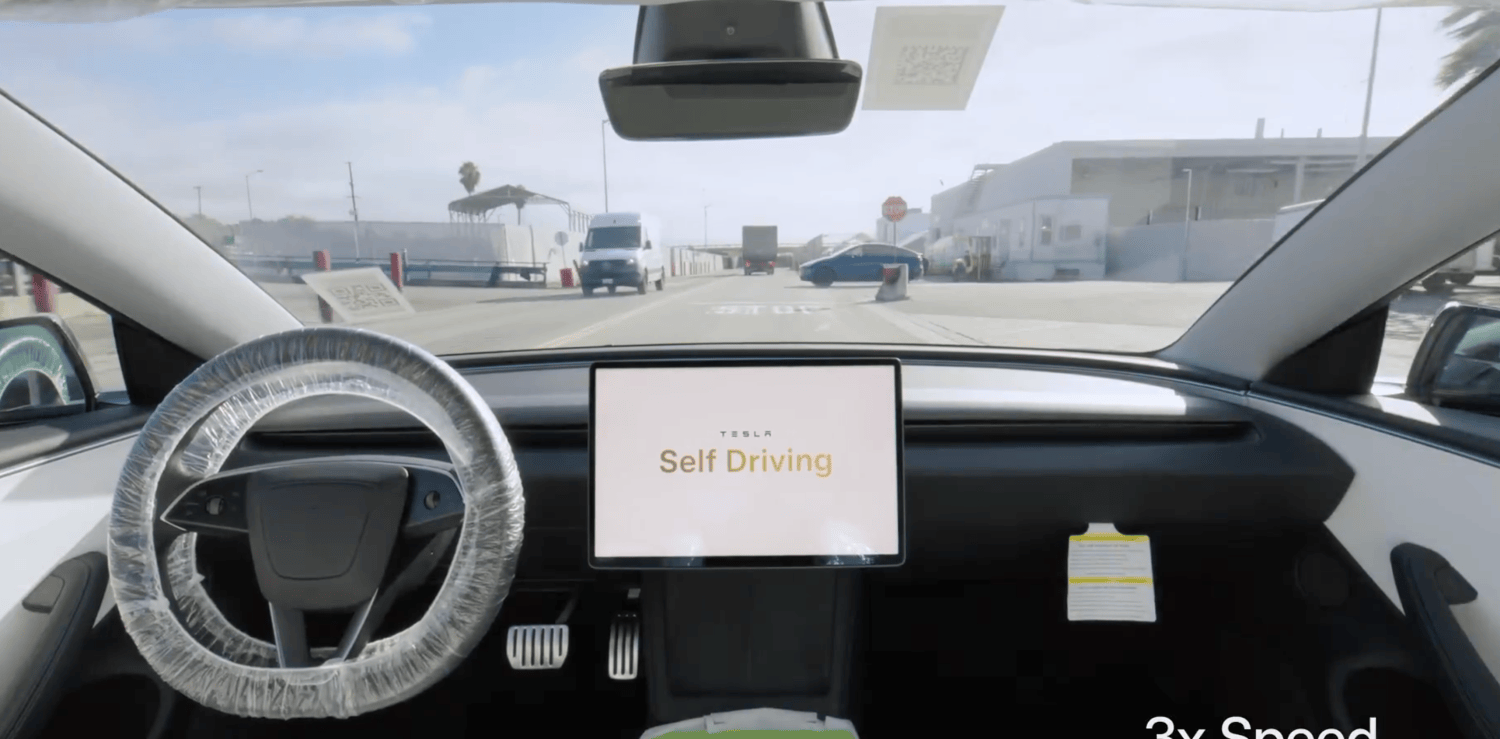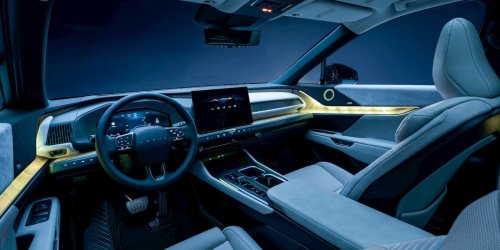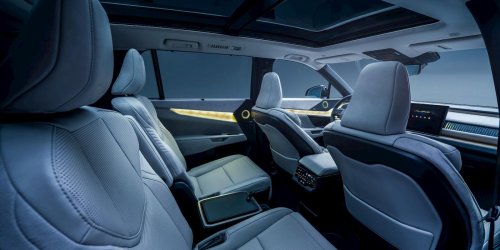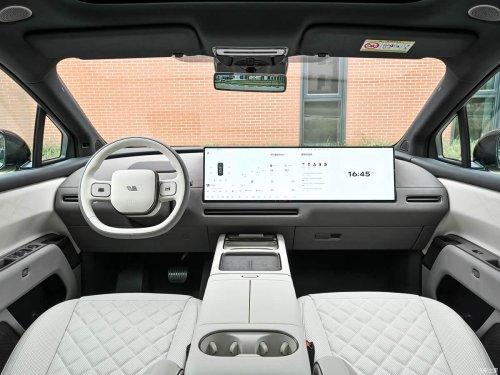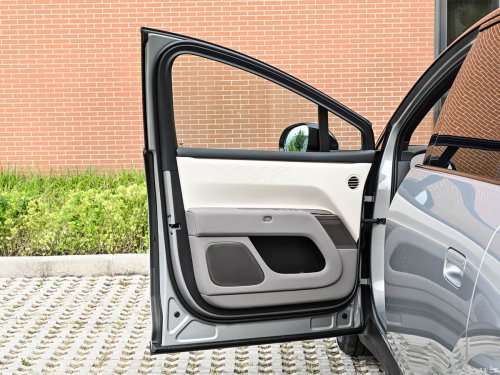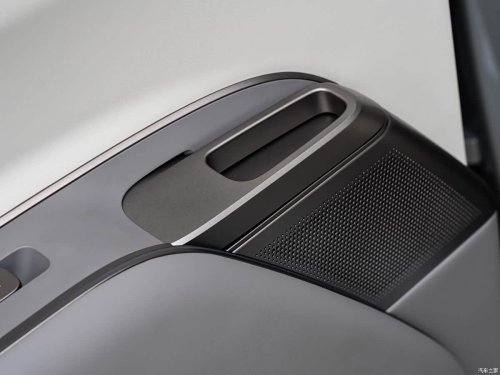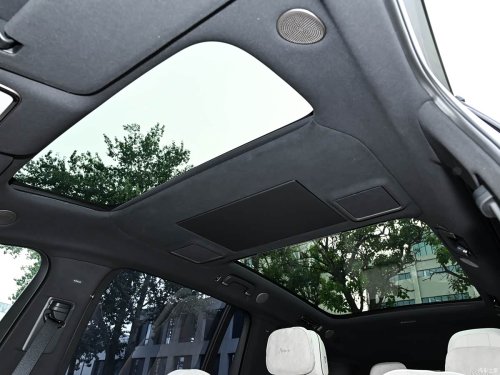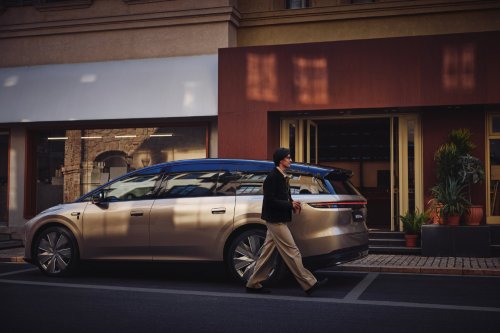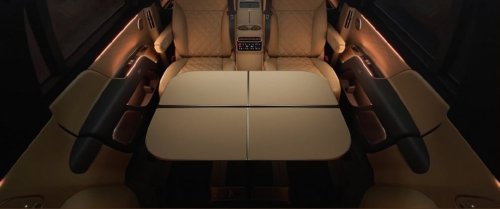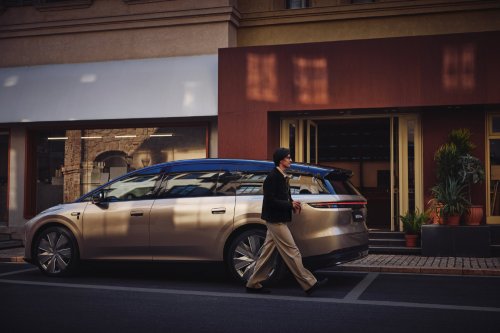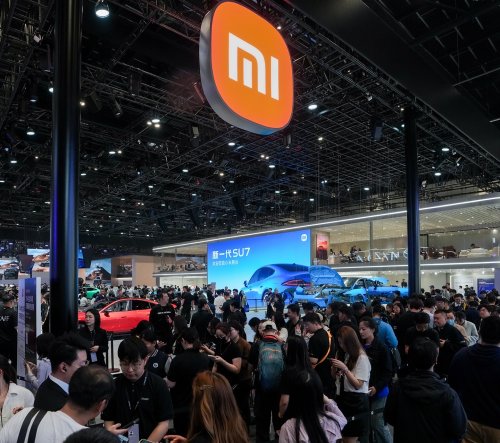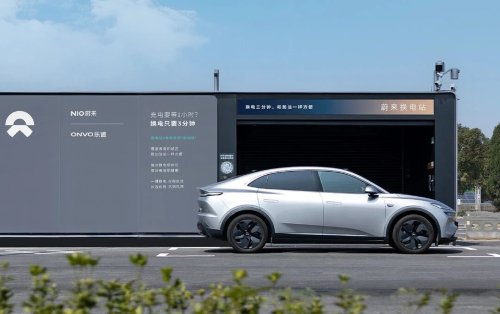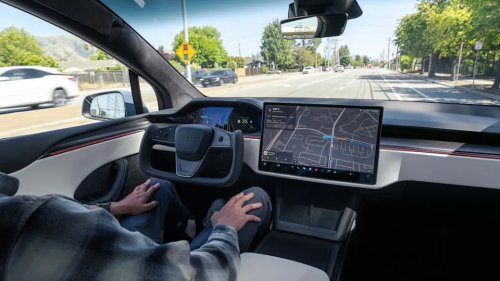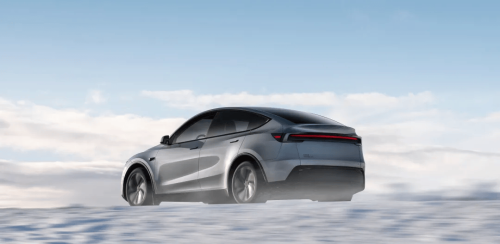
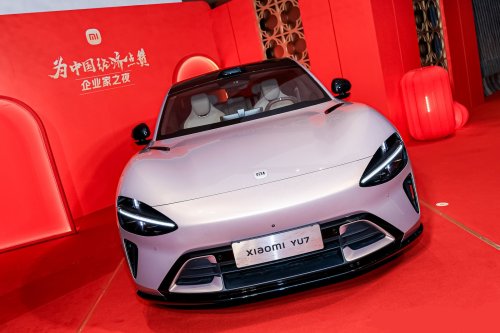
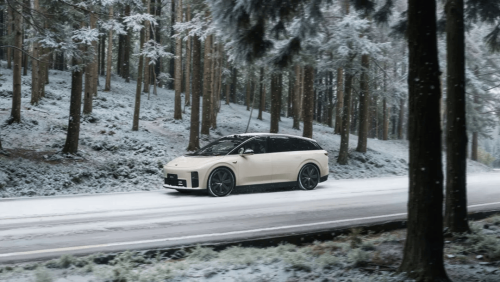
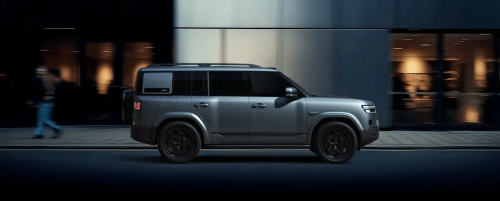
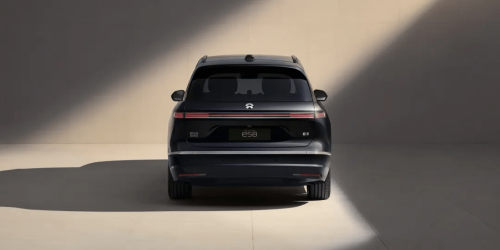
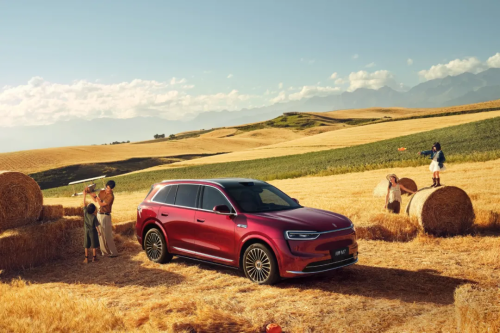
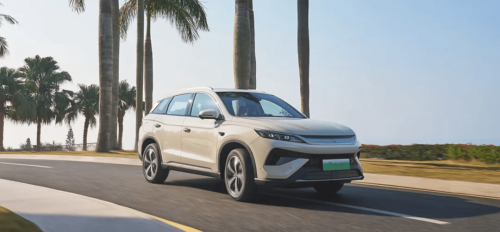
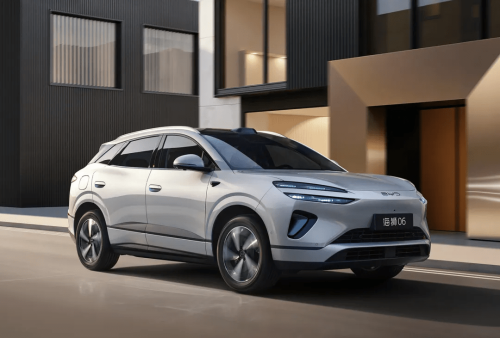
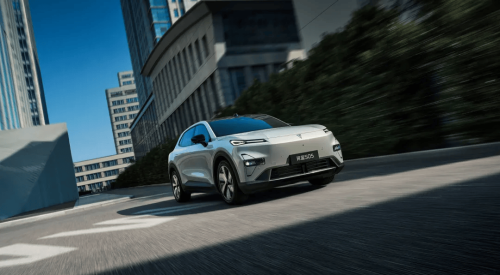
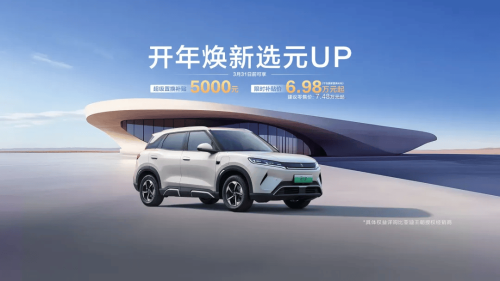



















China’s new energy SUV market in February showed a pronounced concentration at the top of the rankings. Retail data for February show that the top three models in the NEV SUV sales ranking—Tesla Model Y, Xiaomi YU7 and Li Auto i6—sold a combined 61,489 vehicles, accounting for 50.7% of the Top 10 total of 121,284 units that month. At the other end of the ranking, BYD Yuan UP placed tenth in February with 5,235 units sold. For comparison, that sales figure would have ranked only 17th in January and was more than 20,000 units behind the February sales leader Model Y, which delivered 25,286 vehicles. Against this increasingly polarized backdrop, most automakers introduced seven-year low-interest financing policies in February. This offset the impact of the Lunar New Year holiday and the gradual withdrawal of purchase tax incentives. The effectiveness of these measures, however, varied widely. Overall, the February rankings suggest a challenging market environment. Under such conditions, which models managed to deliver resilient sales? A closer look at the list provides some answers. No. 1 Tesla Model Y: 25,286 units Tesla Model Y In February, Tesla Model Y sold 25,286 units, up 215.8% year-on-year and 50.1% month-on-month, making it the only model in the ranking to post strong growth both annually and sequentially. The sequential increase may be related to Tesla’s long-standing quarterly delivery strategy: exports account for a higher share early in the quarter, while domestic deliveries typically accelerate later in the period. Tesla’s brand influence, combined with five-year interest-free financing and seven-year low-interest loan programs, continues to support strong demand for the Model Y in China. Another point of attention for Tesla is the progress of Full Self-Driving (FSD) in the Chinese market. Elon Musk previously said FSD could receive full approval in China as early as February or March this year. Meanwhile, Tesla shifted the FSD purchase model in the U.S. from a one-time buyout to a subscription in January, prompting speculation that a similar change could eventually occur in China. Market observers will be watching closely this March to see whether new developments around FSD in China could provide additional momentum for the Model Y. No. 2 Xiaomi YU7: 20,196 units Xiaomi YU7 In February, Xiaomi YU7 sold 20,196 units, down 46.7% from January, reflecting the impact of the Lunar New Year holiday. Xiaomi has now discontinued the first-generation Xiaomi SU7. Earlier this month, the company reported monthly deliveries exceeding 20,000 vehicles, with the YU7 accounting for the bulk of that figure. Despite the sequential decline in February, the model has retained the sales crown in the mid-to-large SUV segment for six consecutive months. To stimulate demand, Xiaomi introduced a new seven-year low-interest financing plan in February, offering a starting down payment of RMB 99,900 ($14,530) and minimum monthly payments of RMB 1,931 ($281). The program supplements existing offers, including three-year interest-free financing and a low down payment starting at RMB 49,900 ($7,260). No. 3 Li Auto i6: 16,007 units Li i6 In February, Li Auto i6 sold 16,007 units, down 5.2% month-on-month, while rising from fifth place in January to third place in the ranking. As the volume driver in Li Auto’s pure electric lineup, the company introduced several compensation options on January 29 for customers facing delivery delays. These included continuing to wait with compensation credits, switching to a battery supplied by Sunwoda, or receiving a cash discount of RMB 10,000 ($1,454) when selecting a different model. At the same time, Li Auto has been ramping up production capacity for the i6. These measures, combined with improved delivery timelines, a zero down payment policy and growing market recognition, have helped the i6 maintain relatively stable demand during the seasonal slowdown. On March 10, the head of Li Auto’s product line said deliveries of the i6 have improved significantly and further product optimizations are planned, with the goal of surpassing 20,000 monthly deliveries. No. 4 BYD Fangchengbao Tai 7: 11,693 units BYD Fangchengbao Tai 7 In February, BYD Fangchengbao Tai 7 again ranked fourth, with monthly sales of 11,693 units, down 31.7% from January. Notably, after launching a seven-year low-interest financing plan in February, the Tai 7 has become the primary sales driver for BYD’s Fangchengbao brand. Fangchengbao recorded total sales of 17,036 units in February, with the Tai 7 accounting for 68.6% of that volume and remaining among the leading plug-in hybrid SUVs in the market. Meanwhile, the pure electric version of the Tai 7 entered the Ministry of Industry and Information Technology (MIIT) regulatory catalog in February and was showcased during BYD’s technology launch event on March 5. The new vehicle will be offered with single- and dual-motor configurations and a maximum CLTC range of 755 km. The flash-charging version of the electric Tai 7 is scheduled to launch on March 13. No. 5 NIO ES8: 11,260 units NIO ES8 In February, the NIO ES8 sold 11,260 units, down 36.1% month-on-month. Even so, the NIO ES8 remained the best-selling large pure electric SUV in February. The premium SUV reached its 70,000th delivery on February 27—just 160 days after launch—maintaining one of the fastest delivery records in the high-end SUV segment. Through updates such as the rollout of NWM 2.0 and improvements to perception accuracy via the SkyOS system, NIO continues to enhance the ES8’s capabilities through technological upgrades in addition to offering seven-year low-interest financing options. No. 6 AITO M7: 10,093 units AITO M7 In February, AITO M7 experienced a sharp month-on-month decline in sales, delivering 10,093 units, up 93.9% year-on-year but down 61.8% compared with January. To stabilize sales during the off-season, deliveries of the extended-range long-range version of the M7 began in early February. The model was also offered with incentives valued at up to RMB 60,000 ($8,724), along with a limited-time final payment reduction of RMB 3,000 ($436). On February 28, AITO further upgraded the M7 purchase incentives. In addition to the RMB 60,000 ($8,724) benefits package, buyers were offered an additional RMB 10,000 ($1,454) purchase tax subsidy, a RMB 20,000 ($2,908) discount on the ADS advanced driver assistance package, and an RMB 8,000 ($1,163) free upgrade for the front passenger zero-gravity seat. No. 7 BYD Song Pro: 9,295 units BYD Song Pro In February, BYD Song Pro sold 9,295 units, down 38% year-on-year but up 19.5% from January. The Song Pro sold 7,418 units in January, significantly below the roughly 18,000 units recorded in December 2025. To support sales recovery, BYD introduced a RMB 3,000 ($436) limited-time purchase tax subsidy across the entire lineup throughout February. The entry-level version with 133 km of pure electric range was priced from RMB 99,800 ($14,520), helping improve demand. Even so, the figure still lags behind the 15,000–20,000 unit range the model typically recorded over the past two years. In March, BYD adjusted its promotional strategy by offering seven-year low-interest financing with a down payment starting at RMB 39,800 ($5,790), as well as a three-year interest-free option with the same down payment requirement to reduce purchasing pressure for consumers. No. 8 BYD Sealion 06: 6,287 units BYD Sealion 06 In February, BYD Sealion 06 sold 6,287 units, down 5.3% from 6,640 units in January. While the sequential decline is smaller than that seen in many other models, sales have dropped sharply compared with the 20,000–30,000 monthly range recorded during its launch period from July to December 2025. In mid-February, the long-range DM-i version of the Sealion 06 completed regulatory filings with MIIT and received an official energy consumption label. The updated model features a more powerful motor producing 175 kW, a pure electric range of 143 km, and fuel consumption of 4.6 L/100 km in charge-depleted mode, enhancing its competitiveness. On March 5, the 2026 model year Sealion 06 EV was also officially launched. It is equipped with BYD’s second-generation Blade Battery and a 900V high-voltage flash-charging system. The upper trims, starting at RMB 168,900 ($24,560), offer a CLTC range of up to 710 km. Whether these new variants can help the Sealion 06 regain the sales momentum it enjoyed in the second half of 2025 remains to be seen. No. 9 Deepal S05: 5,932 units Deepal S05 In February, Deepal S05 sold 5,932 units, down 1.3% year-on-year but up 10.7% from January. The model’s domestic sales have generally remained moderate, typically below 10,000 units per month, though the brand has increasingly focused on overseas markets. On March 5, the company announced that the Deepal S05 ranked first in registrations among compact pure electric SUVs in Spain. The model is priced between €38,990 and €44,990 (about RMB 310,600–358,500, equivalent to approximately $43,120–$49,770) in overseas markets, and its global cumulative sales have now surpassed 180,000 units. By contrast, the model’s domestic market performance in February remained relatively subdued despite terminal discounts of RMB 10,000–15,000 ($1,454–$2,181) and purchase incentives worth up to RMB 5,000 ($727). No. 10 BYD Yuan UP: 5,235 units BYD Yuan UP In February, BYD Yuan UP sold 5,235 units, down 50.1% year-on-year and slightly down 0.3% from January. The model remains in an adjustment phase. Similar to the Deepal S05, its recent market focus has shifted toward overseas markets. In Spain, the Yuan UP DM-i sold 969 units in February, becoming the country’s top-selling plug-in hybrid model that month. It accounted for 32.3% of BYD’s total Spanish sales of 3,003 vehicles in February, highlighting its importance in the company’s overseas expansion strategy. In China, BYD did not introduce major incentives for the Yuan UP in February. However, in March the company began offering a trade-in subsidy of RMB 5,000 ($727), reducing the starting price to RMB 69,800 ($10,160) after incentives.