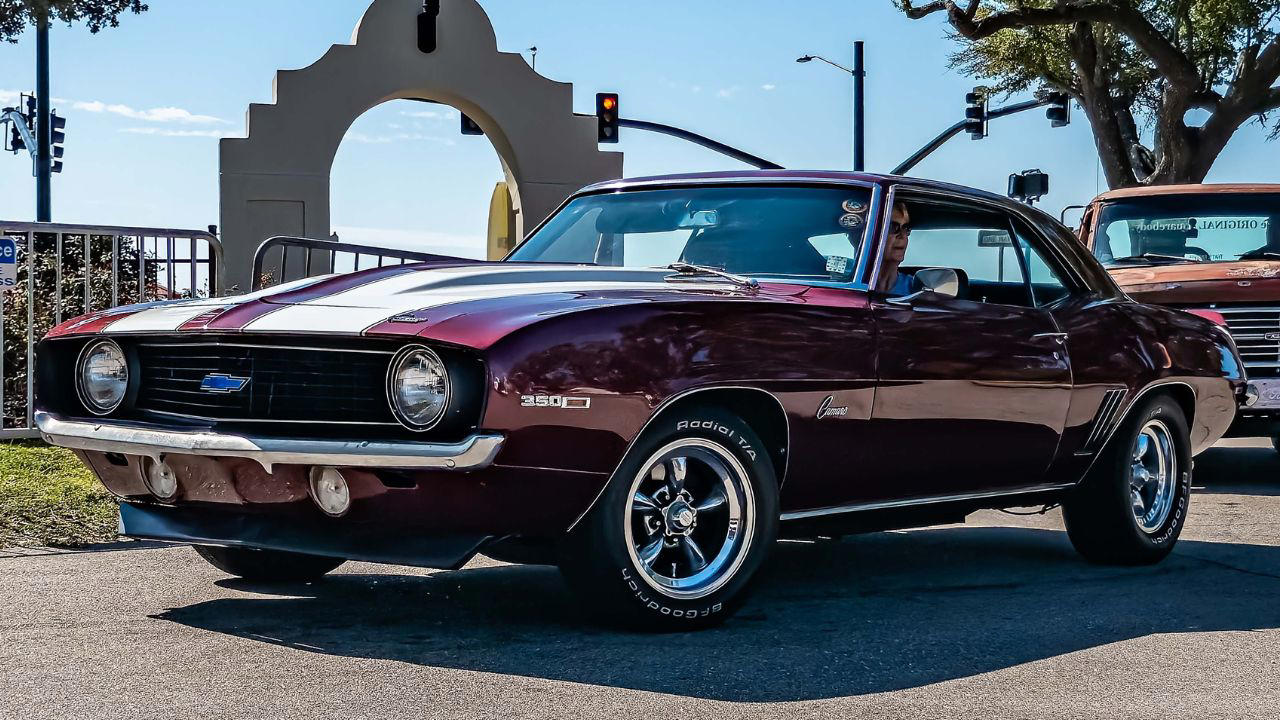
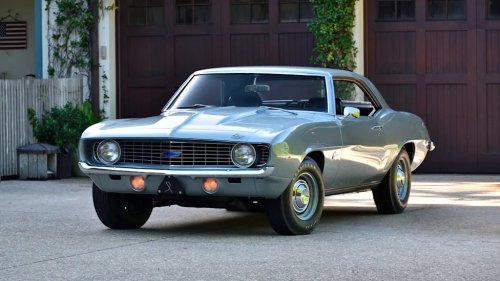
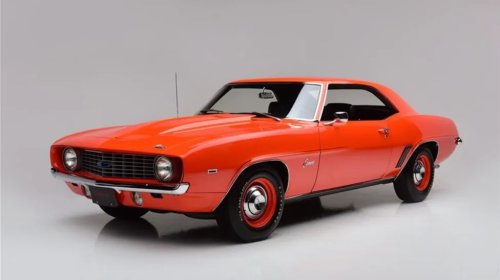
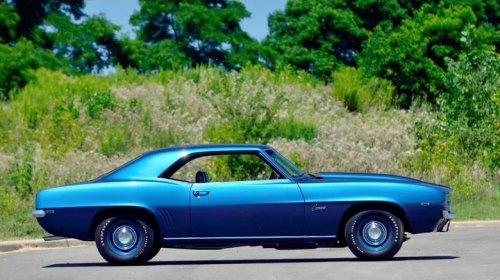
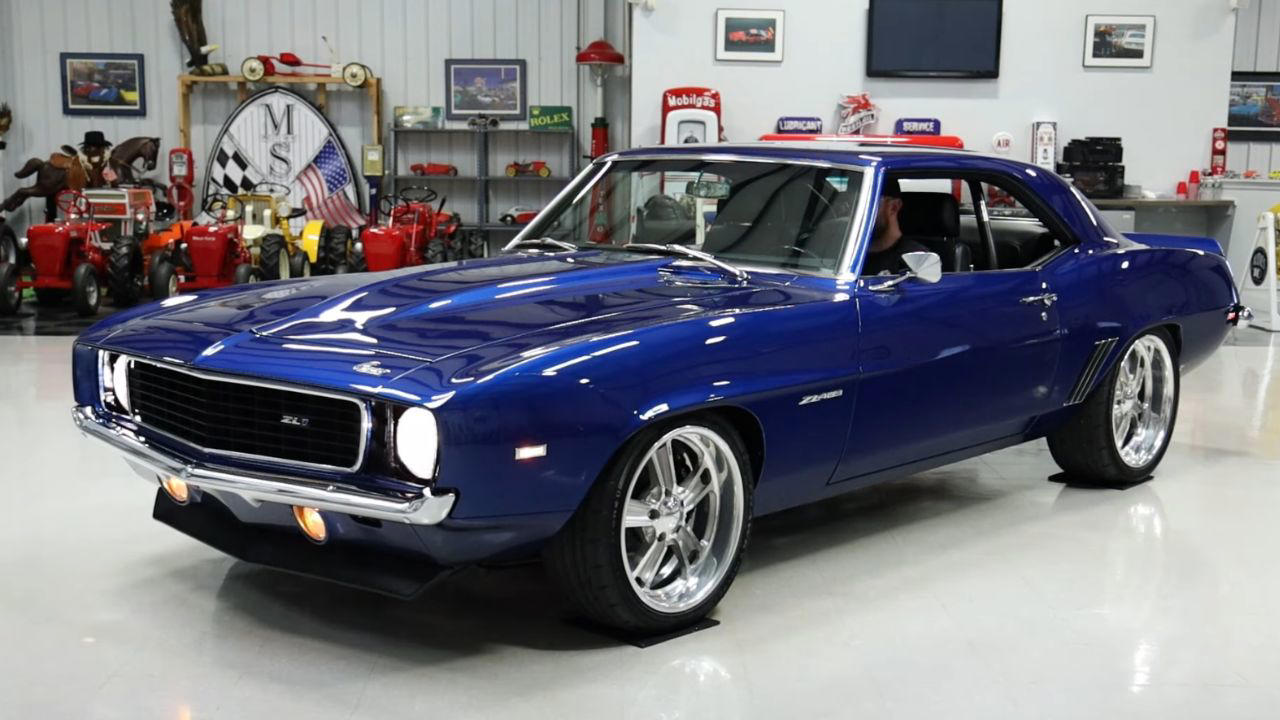
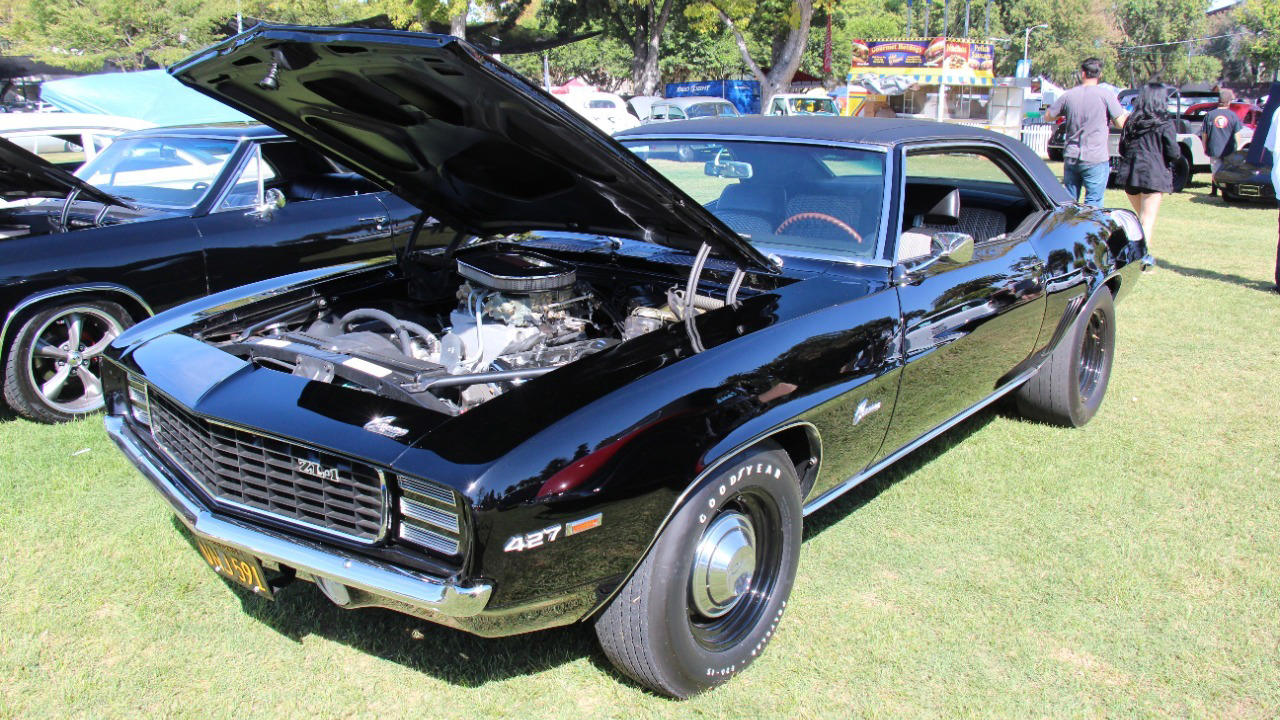
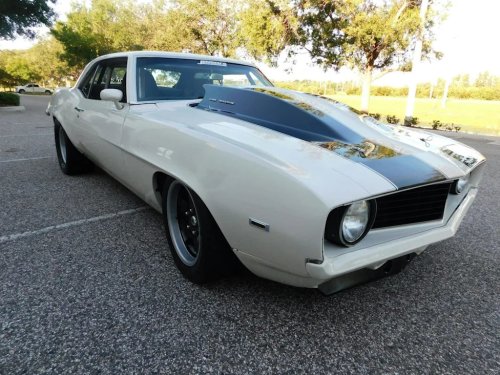
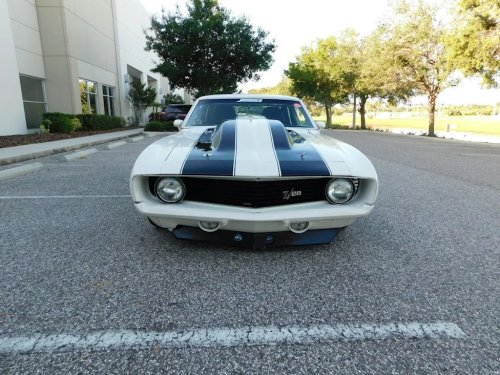
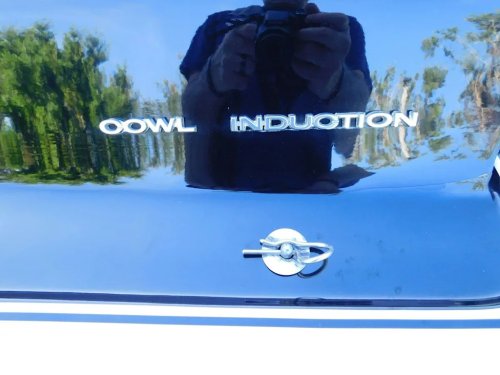
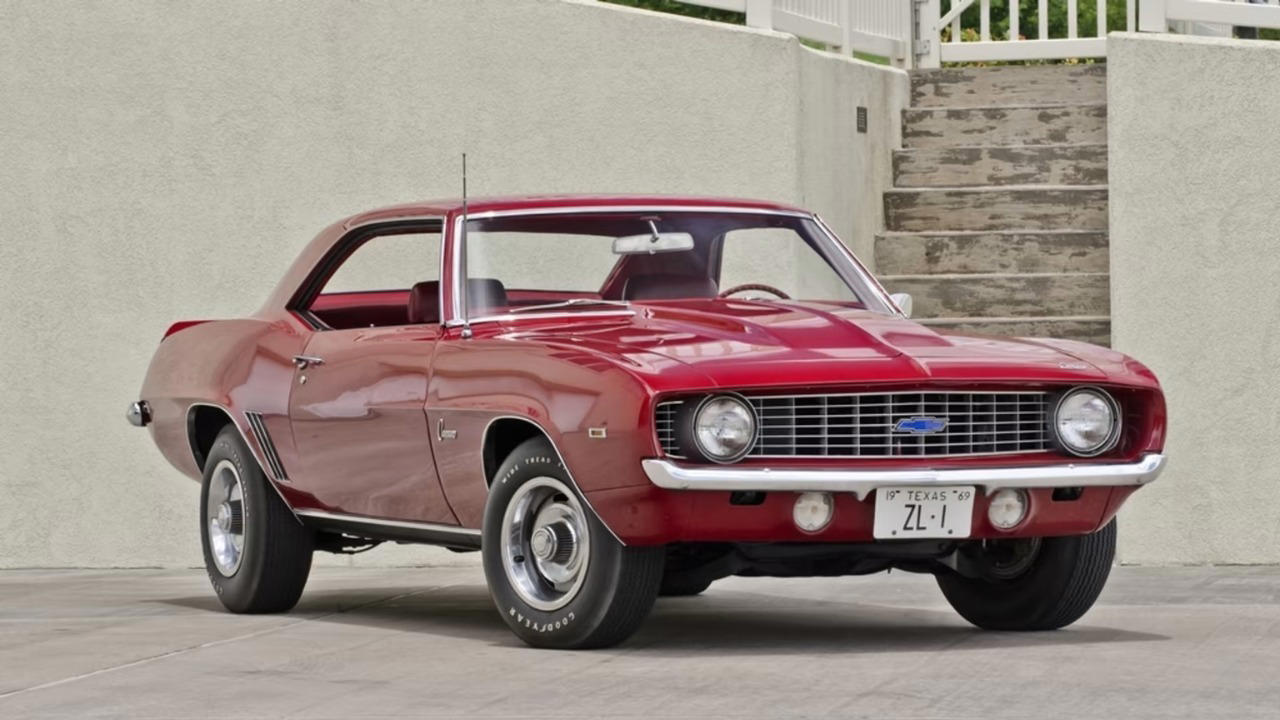
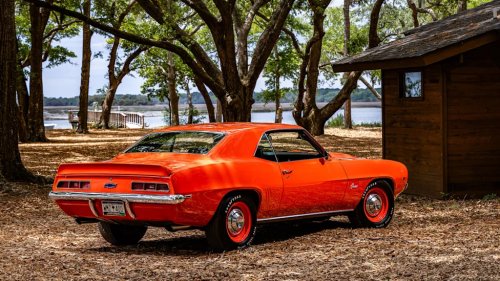
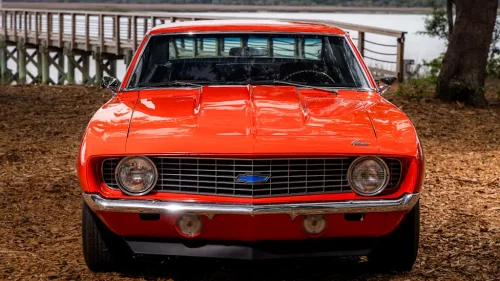
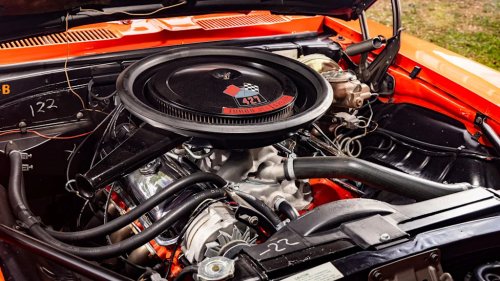
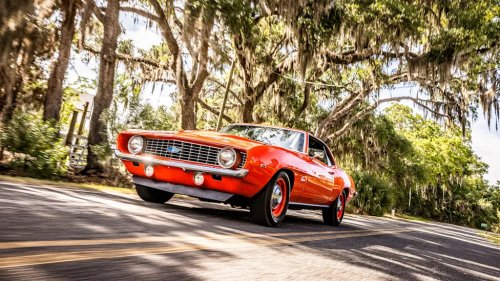
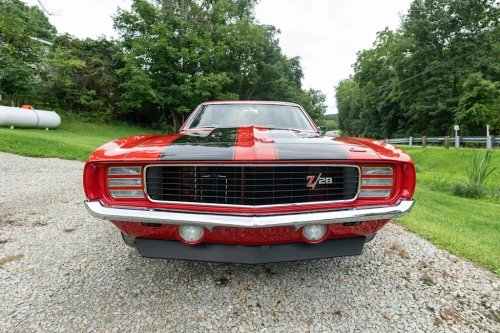
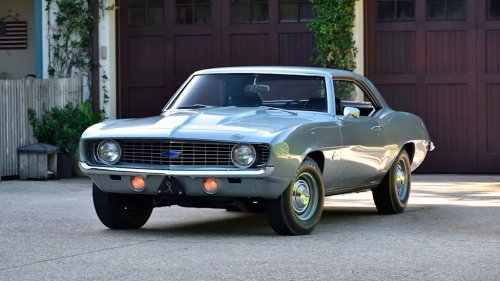
One factory decision turned the 1969 Camaro ZL1 into a legend overnightThe 1969 Camaro ZL1 did not become a legend through slick advertising or a movie cameo. Its status traces back to a single, audacious factory decision that took a racing engine meant for Can-Am competition and slipped it into a handful of showroom Camaros. That one choice created a car so fast, so expensive and so rare that it flopped on dealer lots, then decades later became one of the most coveted muscle machines on earth. Only 69 examples left the assembly line, each carrying an all-aluminum 427 big-block that weighed like a small-block but hit like a sledgehammer. The ZL1 went from being an overbuilt drag racing experiment that few buyers wanted to a seven-figure auction headliner, and the path between those two realities runs straight through the way Chevrolet agreed to build it in the first place. The secret back door called COPO The story starts with paperwork, not pistons. Chevrolet had corporate limits on engine size for its smaller cars, and on paper the Camaro was not supposed to carry the wildest big-blocks. Dealers who knew the system, however, could use the Central Office Production Order, or Central Office Production Order system, to sidestep those rules. The COPO process existed for fleet and special-use orders, but performance-minded dealers realized they could use the same channel to spec Camaros far beyond the regular catalog. Those dealers did exactly that. They learned that the COPO mechanism could be used to order fully warranted, factory-built high performance packages that ordinary customers could never tick on a showroom order form. One video account describes how Clever dealers used the Central Office Production Order system and their understanding of the COPO process to order Camaros that existed outside the standard performance hierarchy. Within this gray zone sat a particular internal code, COPO 9560. That code would unlock a racing engine that General Motors engineers had developed for Can-Am competition, and it would turn the Camaro into something closer to a factory-built drag car than a street cruiser. The key was convincing Chevrolet to treat that racing engine as a production option, not a one-off experiment. Fred Gibb’s big ask The bridge between race shop and showroom was a small-town dealer with a big idea. Fred Gibb, a Chevrolet dealer deeply involved in drag racing, saw potential in pairing the Camaro with the all-aluminum 427 that engineers had created for Can-Am. Sources describe how he used the COPO 9560 code to order a fleet of 50 ZL1-equipped Camaros, essentially betting his dealership on the idea that serious racers would pay for the most extreme Camaro possible. That order was the crucial factory decision. Chevrolet agreed to treat the Can-Am derived ZL1 as a production engine and to build a run of cars around it, as long as Gibb committed to a substantial batch. The company would not have created such a radical package for a handful of cars, but a COPO request for 50 units made it viable to engineer, certify and warranty the combination. Once that green light came through, the Camaro ZL1 was no longer a theoretical drag racer. It was a line item in Chevrolet’s internal system, a car that could be assembled on the line and delivered with a factory warranty, even if only a few dealers understood how to order it. The exotic heart: an aluminum 427 from Can-Am The ZL1 engine that came out of this decision was unlike anything else in Detroit’s showrooms. It was an all-aluminum 427 V8, competition proven in Can-Am racing, and it weighed around 500 pounds while producing more than 500 brake horsepower. One technical account notes that ZL1’s all-aluminum 427 was competition proven in Can-Am racing, weighed a mere 500 pounds and produced more than 500 bhp. Another source ties the same engine directly to Can-Am racing, codenamed ZL1, and notes that this engine weighed about as much as a small-block 327 V8 but made a claimed 435 horsepower in one configuration. That account adds that the ZL1 motor made well over 500 horsepower from the factory, despite the conservative 435 figure. The combination of low mass, big displacement and racing pedigree made the ZL1 unlike any other engine that a Chevrolet customer could buy in a Camaro. Factory paperwork rated the ZL1 at 430 horsepower, but auction coverage notes that the ZL1 mill exceeded 430 HP and and that it debuted as the most powerful engine Chevrolet offered to the public at the time. A separate enthusiast description of a heavily up-specced version of the COPO ZL1 notes that it was rated at 430 HP by its manufacturer, though real-world dyno figures often exceeded 500 to 550. In practical terms, the ZL1 turned the Camaro into a factory sanctioned race car that could still be registered for the street. With the factory’s stock dual exhausts and tires, one period test recorded low 13 second quarter miles, and with headers, slicks and tuning the same combination dropped into the 11.6s at 122 mph. That level of performance in a showroom car was almost unheard of in 1969. Sticker shock and slow sales The same factory decision that made the ZL1 so exotic also made it nearly impossible to sell. The ZL1 engine package alone carried a price tag of $4,160, and one breakdown notes that this pushed the total price of the Camaro ZL1 to $7,200, more expensive than a Corvette with the L88 engine. Another account confirms that the ZL1 engine alone cost $4,160, pushing the total price of the Camaro ZL1 to $7,200. One analysis calls the $7,200 MSRP obscene in 1969 and explains that Gibb ended up having to sell most of his $7,200 M cars back to Chevy as nobody wanted them. The same source states that Gibb had 50 cars allocated, but the combination of high price and bare bones equipment made the ZL1 a tough sell to ordinary buyers who could get a well optioned big-block Camaro for much less money. Ultimately, Gibb sold only about 13 cars, and approximately 20 entered other dealer inventories. The rest were redistributed across the country, where salespeople struggled to explain why a stripped Camaro cost as much as a high end Corvette. The factory decision to price the ZL1 engine at racing levels made sense given its exotic construction, but it left dealers with inventory that sat on lots for months. Why only 69 cars exist The production run that resulted from the COPO 9560 program was tiny even by muscle car standards. An enthusiast breakdown notes that only 69 ZL1 Camaros were made, making them very rare and highly sought after by car collectors today. That figure reflects both the initial batch tied to Gibb’s 50 car commitment and a small number of additional orders placed once word filtered through the racing community. One detailed description of a specific car identifies it as a 1969 Camaro ZL1, number 36 out of only 69 produced. The same account notes that this Camaro features an aluminum block and aluminum cylinder heads and that it sold for a high six figure price at auction. The fact that collectors today track individual cars as number 36 of 69 underlines how small the original run was. The limited production was not a marketing stunt. It was the result of a factory program that proved too extreme for its own good. Once Chevrolet realized how slowly the cars were selling and how much each ZL1 cost to build, the company pulled the plug. The COPO code disappeared, and the 69 completed cars became a closed chapter in Camaro history. From drag strip weapon to unicorn On paper, the ZL1 was built for the quarter mile. The COPO 9560 option was designed for drag racing, and one analysis notes that it features an all-aluminum 427 engine derived from Can-Am racers. That same overview explains that the package, Known as COPO 9560, was aimed at serious racers who wanted a Camaro with a competition grade powerplant. The car’s combination of minimal options, huge engine and high price made sense for that narrow audience. In practice, the ZL1’s blend of speed, power and rarity turned it into something different. An enthusiast description calls the 1969 Chevrolet Camaro ZL1 a legendary and exceptionally rare muscle car and notes that combination of speed, power and rarity has made it a holy grail among collectors. Another video profile describes the 1969 ZL1 Camaro as the craziest and rarest Camaro ever made and an absolute icon, language that reflects how far the car’s reputation has climbed from its slow selling origins. The COPO program itself helped cement that legend. One analysis explains that the COPO program gave dealers a way to equip the Camaro with incredibly powerful big-block engines and other performance focused hardware straight from the factory. Another enthusiast breakdown of the ZL1 notes that the COPO (Central Office Production Order) system allowed Chevrolet dealers to bypass corporate restrictions on engine size and install powerful engines in cars that officially were not supposed to carry them. The ZL1 sits at the extreme end of that spectrum, a car that embodies what COPO could do when pushed to its limit. How the market caught up to the myth The same traits that made the ZL1 hard to sell in 1969 now make it a star at auctions. Only 69 cars exist, each with a documented link to the COPO 9560 program and the Can-Am derived 427. Collectors know that the ZL1 engine weighed like a small-block 327, made at least 435 advertised horsepower and likely delivered well over 500 in real use. They also know that the car’s original $7,200 price, which once scared buyers away, kept production low and ensured exclusivity. Recent auction results show how far values have climbed. One enthusiast watching the Mecum Auction described a 1969 Chevy Camaro ZL1, only one of a handful made, that just went for $700,000 and called it a gorgeous car and a rare ZL1 Camaro. A dedicated auction video confirms that a 1969 Chevrolet Camaro ZL1 sold for $700,000 and highlights its factory rated 430 HP engine that actually exceeded 500 horsepower. Analysts who track classic car values note that good condition examples of the ZL1 can cost serious money, reflecting both the limited run and the car’s performance credentials. The fact that collectors now pay more for a ZL1 than for many exotic European sports cars underlines how the market has revalued a package that once gathered dust on dealer lots. The decision that made a legend Strip away the mythology and the Camaro ZL1’s story hinges on one internal choice. Chevrolet agreed to let the Central Office Production Order system, originally intended for fleet and special equipment, be used to install a Can-Am derived, all-aluminum 427 in a regular production Camaro. That decision required a committed dealer like Fred Gibb willing to order 50 cars, a willingness to price the engine at $4,160 and accept a $7,200 MSRP, and a readiness to certify and warranty a car that was effectively a race machine with license plates. More from Fast Lane Only Unboxing the WWII Jeep in a Crate 15 rare Chevys collectors are quietly buying 10 underrated V8s still worth hunting down Police notice this before you even roll window down