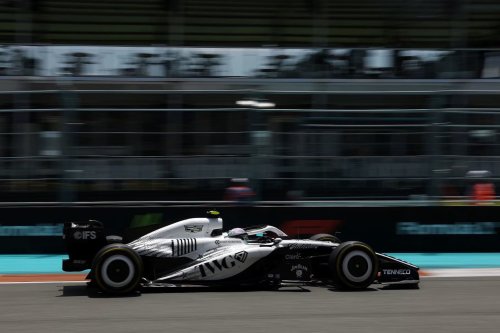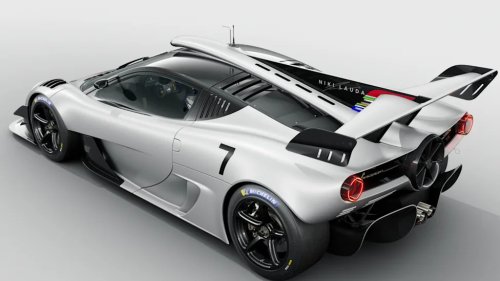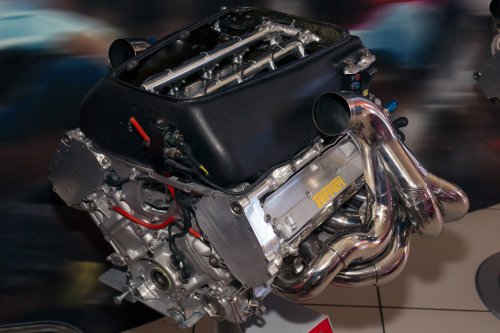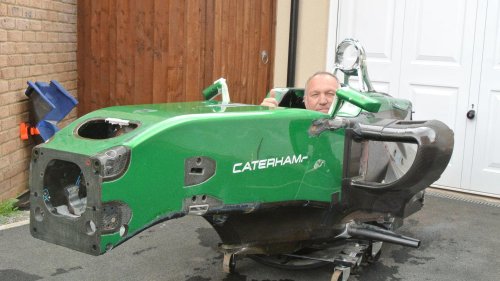
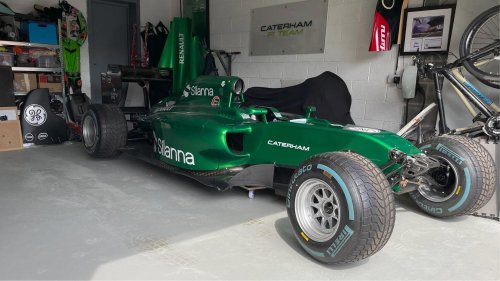
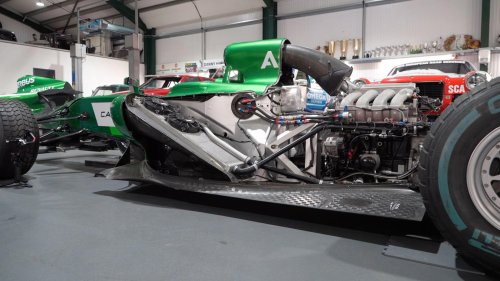
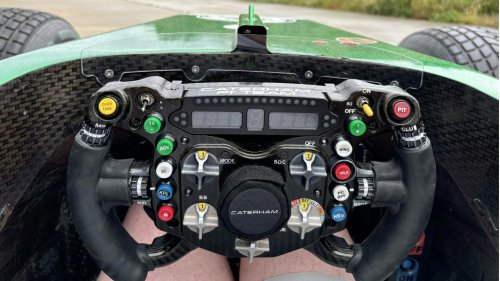
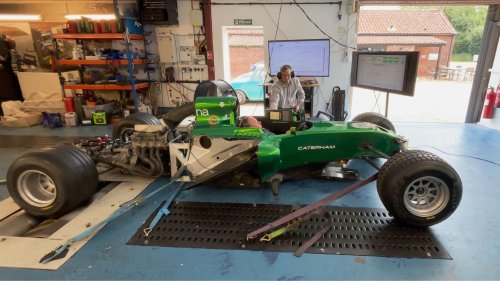
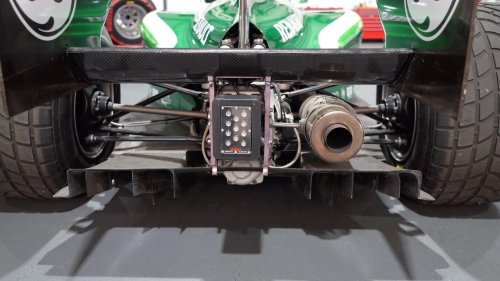
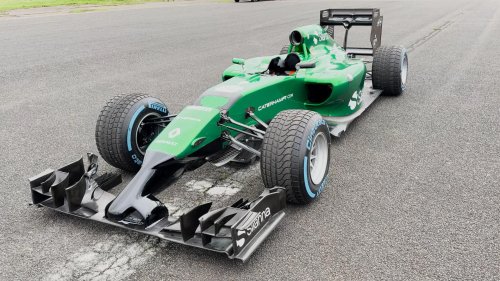



















Damaged tub came from an old wreckThe central tub was the primary remnant of a high-speed collision. When Thomas purchased it, the structure was missing three wheels and had significant damage to its center. Debt collectors had seized the items from the defunct racing team before selling them to the public. Thomas viewed the mangled parts as a foundation for a complete car despite having no formal technical college education.Sourced various parts from online auctionsThe reconstruction required Thomas to find parts through auctions and online marketplaces. Because factory-original components were unavailable, he had to modify existing parts or create his own through trial and error. He recorded the entire engineering process on his YouTube channel, Boosted Lifestyle. The video series covers over thirty stages of the project, starting from the bare chassis.Builder reinforced the chassis and installed enginesThe project began with a detailed inspection of the carbon fiber to identify and repair crash damage. Thomas reinforced the tub before installing a Honda power unit capable of 11,000 rpm. He then integrated the engine with the differential and rear suspension. This phase required manual measurements to create custom brackets, as standard parts did not fit the modified assembly.Custom steering arms helped create a rolling chassisThe car reached a major milestone when the engine successfully started for the first time in the garage. Thomas then built a rolling chassis using custom-fabricated steering and suspension arms. He designed these components to match the specifications of the original racing gear. To manage power delivery, he installed a chain drive system at the rear and a custom fuel system to support the engine.New mechanical systems enabled the car to moveThomas installed an exhaust system designed to mimic the layout and sound of original Formula 1 vehicles. He also added an air shifter, which enables the driver to change gears without using a clutch pedal. These mechanical additions transitioned the project from a stationary frame to a mobile vehicle. The builder focused on ensuring all systems worked together before attempting a road test.Personal 3D printers helped finish the car bodyTo finish the exterior, Thomas added a full body, a custom nose cone, and wings. He used a personal 3D printer to manufacture sections of the rear wing. This integration of modern home technology allowed him to complete the aerodynamic profile without relying on expensive carbon fiber manufacturing. The final assembly resulted in a car that visually resembles a professional racing machine.Reconstructed vehicle completed its first road testThomas conducted the first test drive on local roads to evaluate the car’s handling. The vehicle proved to be responsive and functional during its maiden outing. Following the successful drive, he continued to update various components to improve reliability. The project concluded with the transformation of a discarded crash wreck into a driveable, track-capable automobile.