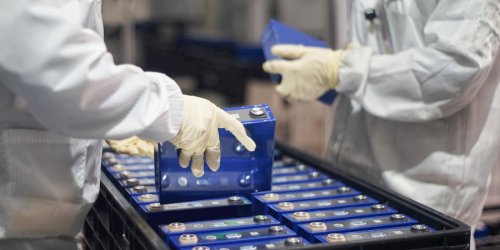
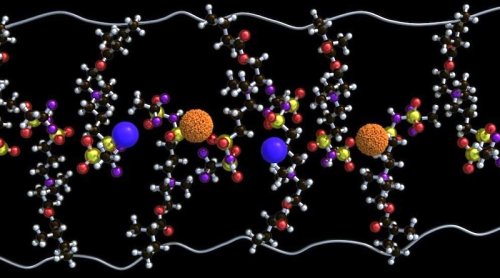
Photo Credit: MIT News; iStockFor years, solid-state batteries have been touted as a major upgrade for electric vehicles because they could improve safety, shorten charging times, and deliver more range. New research may now point to one way forward that could foster them into EVs sooner, as InsideEVs reports.What's happening?Researchers from MIT and the Technical University of Munich say a major obstacle may come from tiny structural weak spots inside the solid electrolyte known as grain boundaries, the publication says.AdvertisementAdvertisementAccording to InsideEVs, those boundaries appear to create an electrical imbalance that slows lithium ions while allowing electrons to build up where they should not. That environment can produce dendrites, which are small lithium metal spikes that may damage the battery and potentially cause a short circuit, the outlet explained.To investigate, InsideEVs said the team examined a material called lithium lanthanum zirconate, using artificial intelligence-based analysis and other advanced methods to trace how current travels through it. Once they identified the issue, they changed the way the electrolyte was processed to limit the damage, as they explained in the study published in Nature Nanotechnology journal.The adjusted material reached a current density more than 300% higher than the baseline sample, which InsideEVs said could mean much faster charging and discharging while also extending battery life.AdvertisementAdvertisement"We showed we can control the initiation of these dendrites to maximize solid state batteries' high performance," first author Hyunwon Chu said in a press release.Why does it matter?If solid-state batteries can be made reliable, they could address several challenges for everyday drivers. Automakers have long said these batteries may offer longer driving range, shorter charging stops, and a lower fire risk because they do not rely on flammable liquid electrolytes, InsideEVs noted.That could make EV ownership more practical for people with daily commutes, frequent road trips, or limited time for charging. For companies operating delivery fleets, faster charging and longer battery life could also reduce downtime and lower operating costs.Improved batteries could eventually strengthen energy storage beyond cars, helping homes, businesses, and even cities store power more safely and effectively during outages or severe weather.AdvertisementAdvertisementSolid-state technology has remained largely stuck in the prototype phase, InsideEVs observed. Researchers and companies still need to lower costs and figure out how to manufacture the batteries at scale without defects.What's being done?The study offers a clearer blueprint for solving a stubborn technical problem rather than simply working around it.By identifying grain boundaries as a key trigger for dendrite growth, InsideEVs noted the researchers showed that performance gains may come not only from inventing entirely new battery chemistries but also from improving how promising materials are processed and built.Practical manufacturing fixes can sometimes help speed commercialization. If battery makers can apply similar methods in their own designs, it could help move solid-state batteries from the lab into real-world vehicles and, eventually, other energy-storage applications.AdvertisementAdvertisement"In this paper, we've decided to do something about grain boundaries, and by doing something we've shown improved performance and demonstrated the importance of grain boundaries more broadly," senior author Harry Tuller declared in the release.Get TCD's free newsletters for easy tips, smart advice, and a chance to earn $5,000 toward home upgrades. To see more stories like this one, change your Google preferences here.



















 +32 others