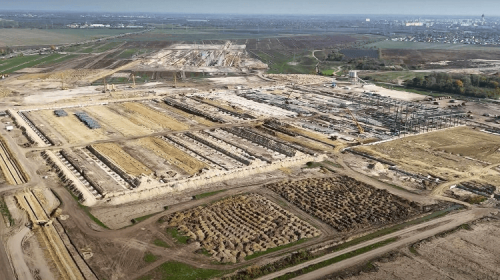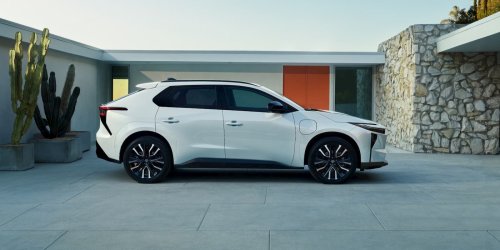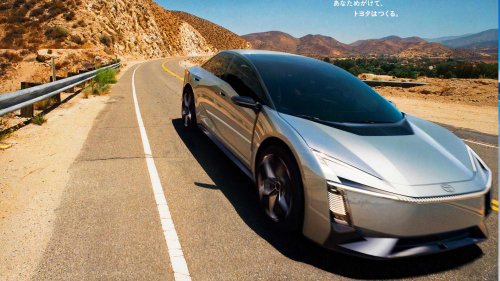
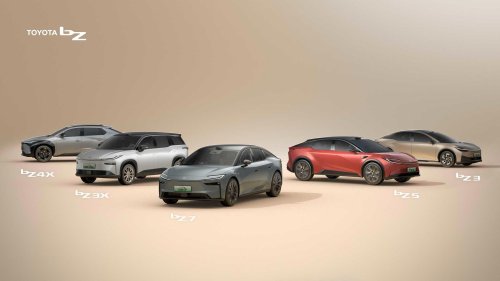
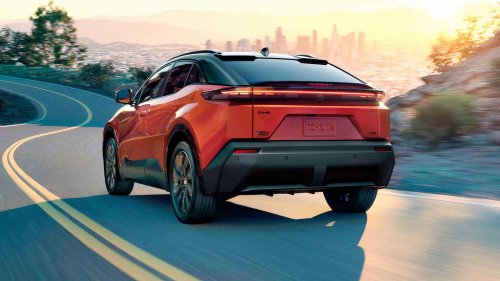
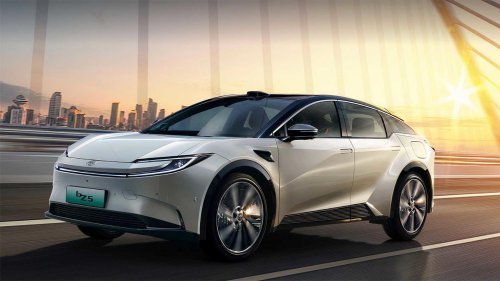
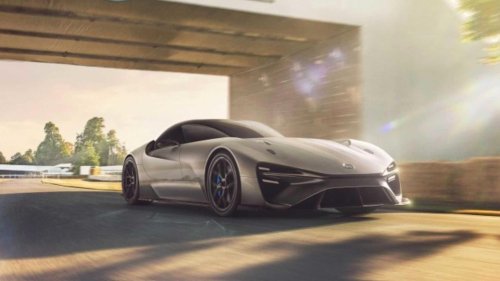
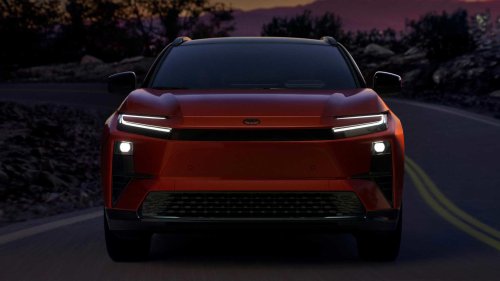
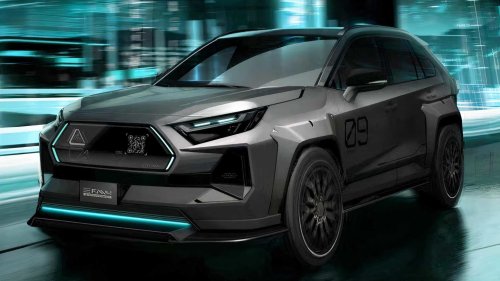



















Toyota is one of the most noteworthy brands, sitting at the forefront of solid-state battery technology, with plans to release a revolutionary option with 745 miles of rangeby the end of the decade. This will be one of the most significant introductions to the EV industry and will change the way consumers see EV products. The premise of solid-state battery technology aims to provide longer ranges and faster charging times, resulting in improved overall longevity and convenience. Brands like Samsung are also currently in the race to introduce a solid-state battery option to the market, but it looks like Toyota may be aiming for the most impressive road-legal solid-state battery.Many experts punt solid-state batteries to be the next major step in making EVs a more viable mainstream option. This is thanks to the substantial benefits that they offer over lithium-ion batteries, which are today's standardized option. As is the case with anything, this technology also has its fair share of cons, such as high development costs and a complicated manufacturing procedure. Toyota has been open and honest about its timelines and key landmarks for its development progress, but quite secretive about the engineering behind its progress. Toyota's Aggressive Solid-State Battery Strategy Key Investments And Mergers Give It An Edge In The Race Toyota Toyota has already confirmed a noteworthy collaboration with the Tokyo-based oil firm Idemitsu, which includes the construction of a facility that will produce lithium sulfide and other raw materials that the Japanese automaker needs to create solid-state batteries at scale. The goal is to get the product to the market as early as 2027, but 2028 appears to be a more realistic deadline.The Li2S facility will be located at the Idemitsu Chiba Complex in Ichihara City, Chiba Prefecture, and will be up and running by the third quarter of 2027. Japan's Ministry of Economy, Trade and Industry has already approved its construction plans. The facility will cost around $144.3 million. Idemitsu will speed up the mass production of solid electrolytes using lithium sulfide from this facility as the main material.Toyota Joining this is a crucial series of deals and investments that it has made with numerous third-party organizations within the field, in a bid to create a fully holistic ecosystem best suited for its upcoming next-generation fully electric products, which will start rolling out in the U.S. by next year with the bZ SUV. Toyota's Bold BEV Mileage Goals The Japanese Brand Wants Range Estimates To Exceed 700 Miles Toyota Toyota's main goal in the solid-state battery field is to get its EVs tosurpass the 700-mile range threshold. Lucid currently benefits from the highest EPA-estimated range figure in the U.S., with the Air Grand Touring achieving more than 500 miles on a single charge. Extending this by an additional 200 miles is no simple feat, even if you are taking advantage of solid-state tech.Traditional lithium batteries feature liquid electrolytes, which can limit energy density and pose safety risks such as overheating and fires. In contrast, solid-state batteries get rid of the liquid electrolyte solution in favor of a solid material, which results in a higher energy density, faster charging times, and reduced safety concerns. The benefit of this design also means that the pack takes up less space and contributes less to the EV's curb weight, making for lighter EVs. Toyota's Push Could Elevate Tech Outside Of The Auto Industry FAW Toyota Solid-state batteries also address the ongoing issue of slower charging speeds, which has consistently been one of the biggest barriers to EV adoption. Once Toyota's new battery hits the market, we can expect charging times to be significantly sliced down to a matter of minutes without negatively affecting the longevity of the battery. This technology improves all sorts of industries, including smartphones and battery-operated tools.Toyota's goal to achieve a 745-mile range from a battery pack may be a bit over the top, as most car owners today barely travel farther than 35 miles within a day. This is only going to be a suitable solution for those wanting to frequent long-distance travel, but even then, it's still a bit overkill, considering solid-state batteries will also reduce charging times. Solid-State Batteries Will Shake The EV Market Up The New Technology Changes The Game For BEV Ownership LexusToyota’s solid-state battery will undoubtedly change the landscape and overall adoption of EVs, particularly in the U.S., if it manages to offer a battery that can cover 745 miles on a single charge. Most EVs typically cover an EPA-estimated range between 200 miles and 400 miles.By EV standards, this is an impressive achievement, but it is nowhere near as high as the distances you can cover with a conventional gasoline vehicle. Again, this isn't a concern for those who only engage in urban or extra-urban driving conditions. Putting usability aside, an EV that can cover 745 miles from one charge would act as a strong motivator for conservative car owners to finally make the switch from ICEs to EVs, even though they'd likely never come close to depleting the battery in a single drive. Improving The Entire EV Industry's Stigma ToyotaRange anxiety remains a concern for a lot of prospective EV consumers in the U.S., even though there are more public charging stations than ever before. EVs also achieve impressive range and efficiency levels, making them much more viable options than ICEs in today's market. The only issue is that they are much more expensive options to consider, and they depreciate at a much faster rate. Introducing a solid-state battery pack to these cars is likely to alleviate these issues, as it drastically improves the long-term ownership viability. The Japanese Brand Still Has Some Work To Do Crucial Refinements Need To Take Place Before Market Introduction Toyota When Toyota first revealed its , it said that it would release a pack that could cover 932 miles on a single charge, but this figure has since changed to a drastically lower but equally impressive 745-mile range claim. Fans and analysts were very excited by the near 1,000-mile range ability, as it would evolve the EV into a significantly more practical option when compared to even the most efficient ICEs of today's era.You may argue that this is a step backwards for electric mobility, which paints a bit of a grim and untrustworthy image, but the brand's decision to scale the range back is more beneficial. A solid-state battery that covers 745 miles will be substantially more affordable while remaining more practical than an ICE. Toyota may eventually introduce a battery that can cover more than 900 miles, but it would be a more logical choice once it has streamlined production and development into a more accessible and profitable state. To do this, it has to focus on making this breakthrough technology practical, scalable, and cost-effective for widespread use.