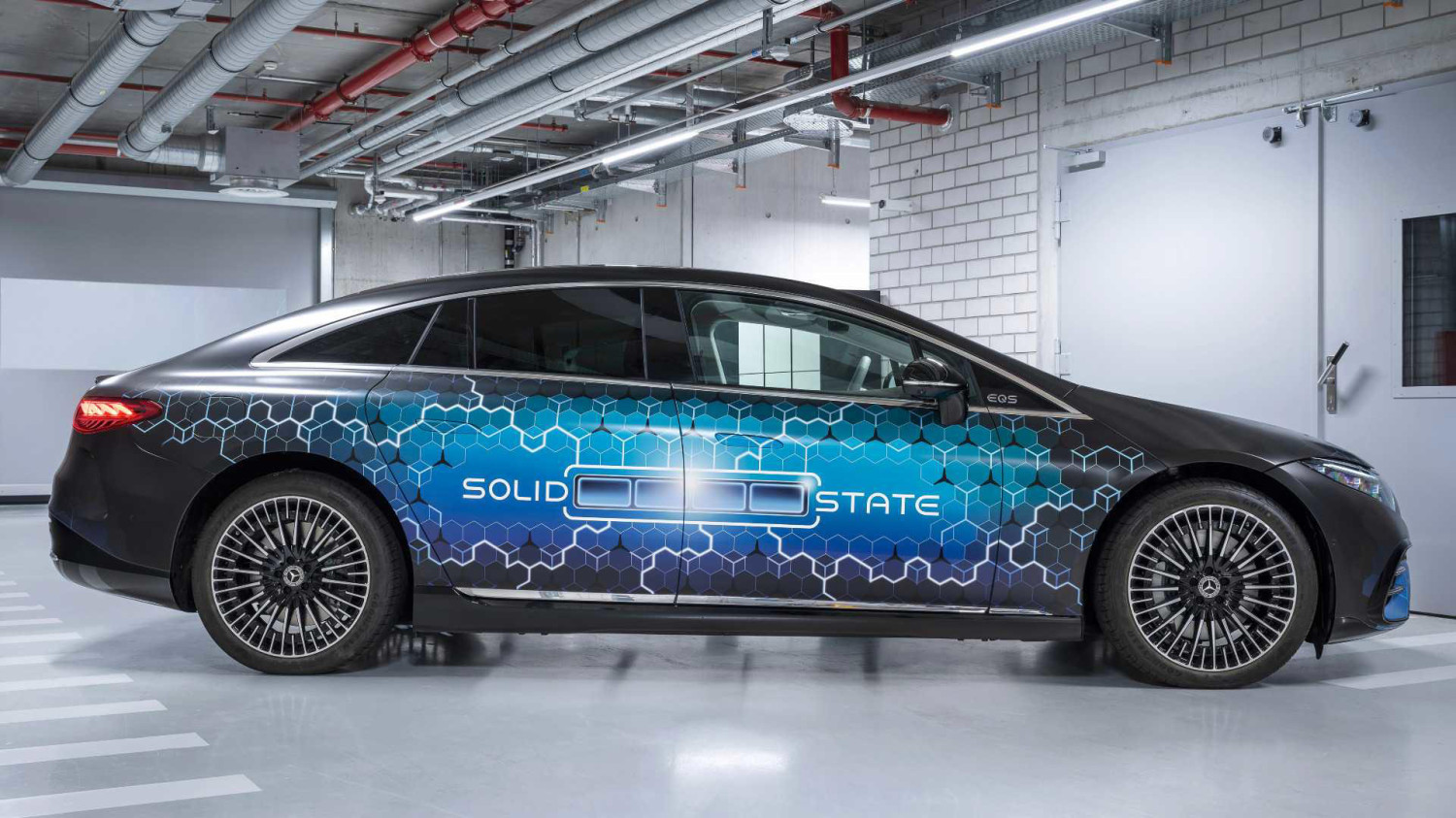
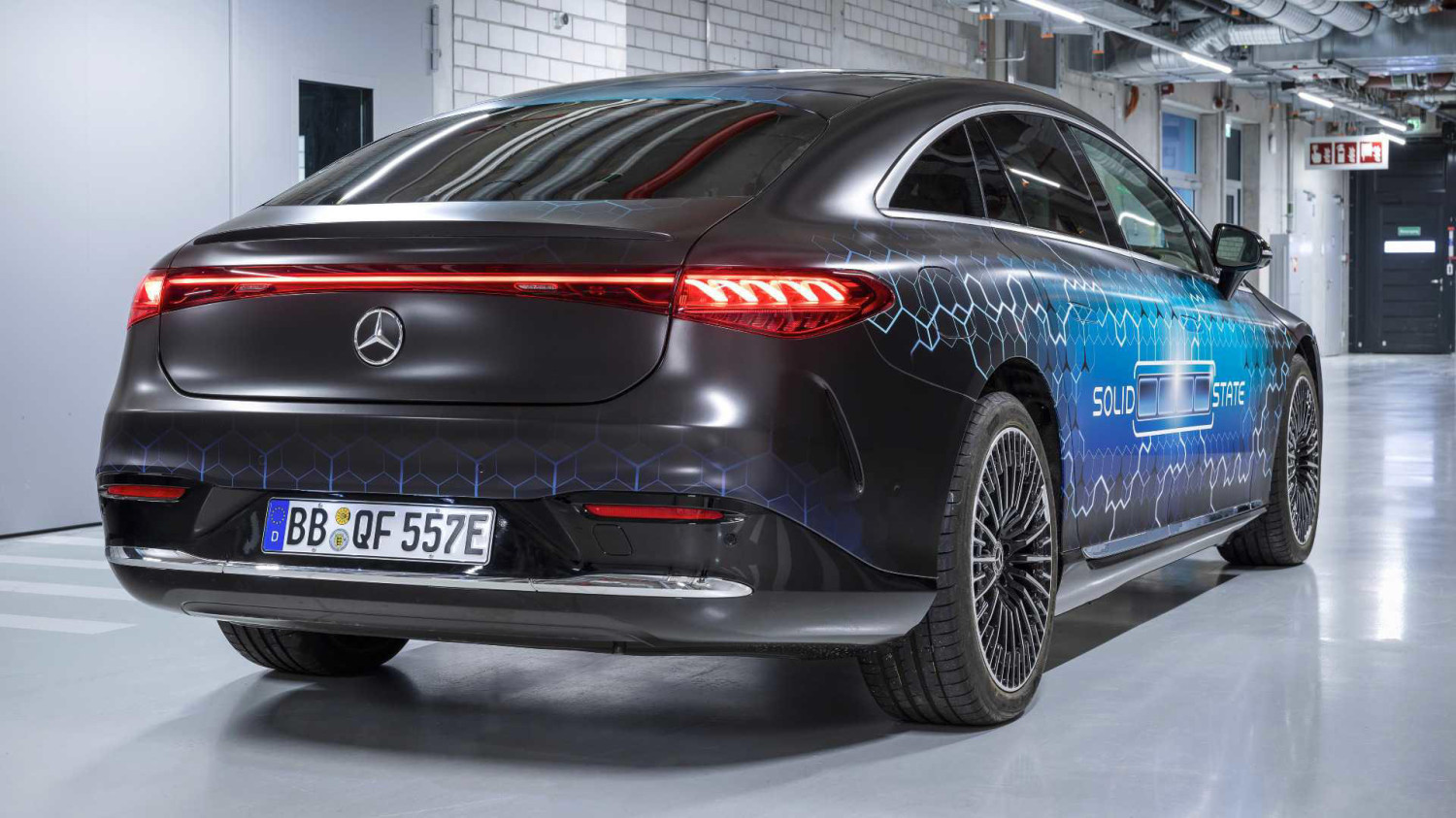
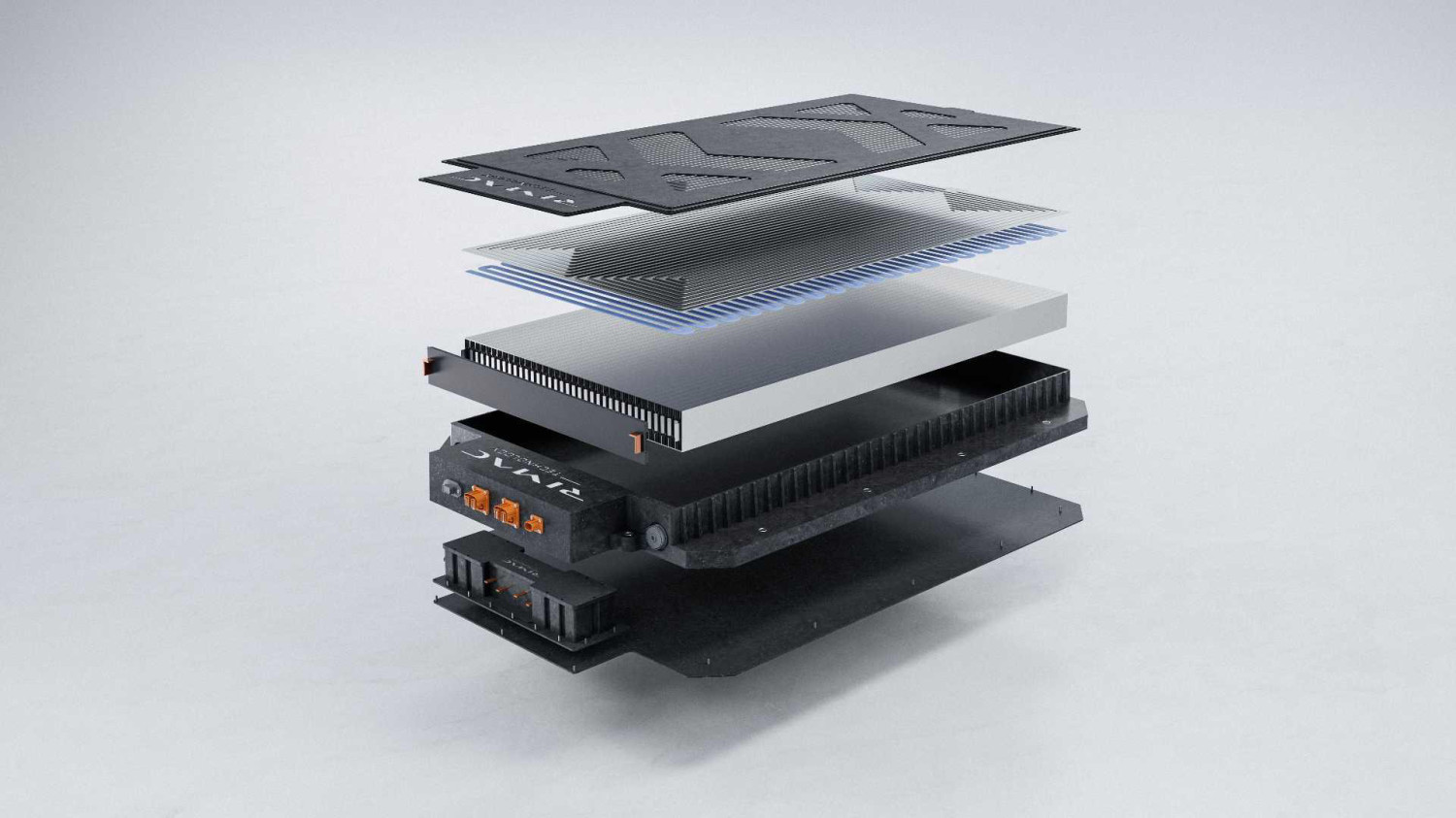
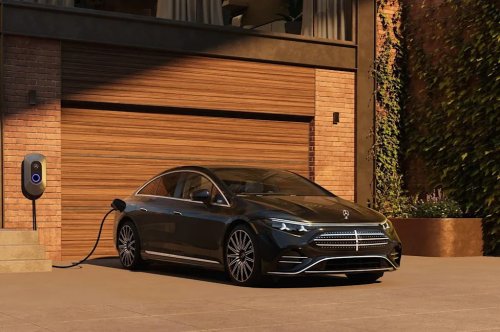
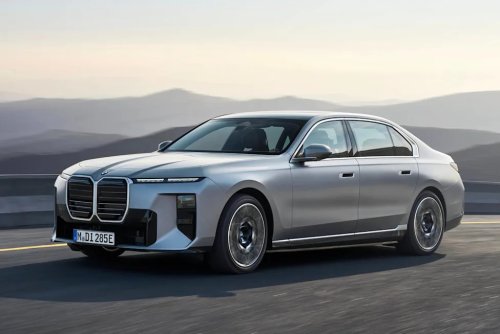
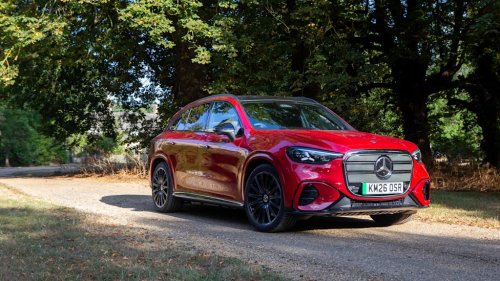
Mercedes-Benz is crushing it when it comes to electric motors thanks to its subsidiary YASA, but there are other areas where it isn't quite as advanced as the competition. One of those is in the area of batteries, where its solid state efforts seem to be behind other automakers, including car companies from its own country. A new patent for an anode and battery shows that it is looking to change that. Benz Is Speeding Up Development Mercedes-BenzCarBuzz uncovered the new patent which describes a multi-layered anode, the part where current flows into the cell. The first layer uses a metal like silver, magnesium, aluminum, or tin. The second layer is protective and is made of oxides of silicon or other metals.Both layers are extraordinarily thin, just 5 nanometers. Benz would use it in pouch-style cells to create a solid-state battery. Mercedes-Benz describes this type as being an anode-free battery, because it is such a thin layer. It was able to build a cell using this method, but the patent describes very limited and low-current testing.Mercedes-Benz This is Mercedes-Benz's second solid-state battery patent this year, but just its 18th in total. Compare that to Toyota, which has more than 2,200 solid state battery patents. Nissan has more than 300, and both Japanese brands plan to put a solid-state battery into production much sooner as a result. Toyota has said it is shooting for mass production in 2027, with Nissan not far behind.Other automakers are also closing in on the elusive solid-state battery. The tech uses a solid electrolyte instead of a liquid, and that comes with more power density for faster charging, as well as more range, and even higher levels of safety. BMW is testing an i7 with a solid-state battery already. Even Stellantis is getting ready to test one through one of its technology partners. Who Will Be First With Solid-State? Rimac TechnologyLate last year, Mercedes-Benz tested an EQS with an experimental solid-state battery on the road. The EV was able to drive from Stuttgart to Malmö, Sweden, a 748-mile trip, without needing to stop for a charge. It arrived with more than 80 miles remaining. A current production EQS has a maximum WLTP range of 488 miles, showing how much more range is possible with solid-state.Every automaker working on the problem might have been beaten to the punch, though. Donut Lab, a start-up from Finland, says that it has the first such battery ready to go for OEM vehicle manufacturing. Its battery has double the energy density of a Tesla cell. It can be fully charged in as little as five minutes, and it is almost unaffected by temperature. But getting it from production-ready to actual mass production will be the hard part.Mercedes-Benz also has some interesting ideas when it comes to balancing range and performance. Late last year, it got a patent for a battery that was two packs in one. The idea was that you could build a pack with some cells that could deliver incredibly high power for short periods and have the rest made of ones that did better at efficiency and long range. The car could then get its power from different parts for maximum effect.Source: WIPO