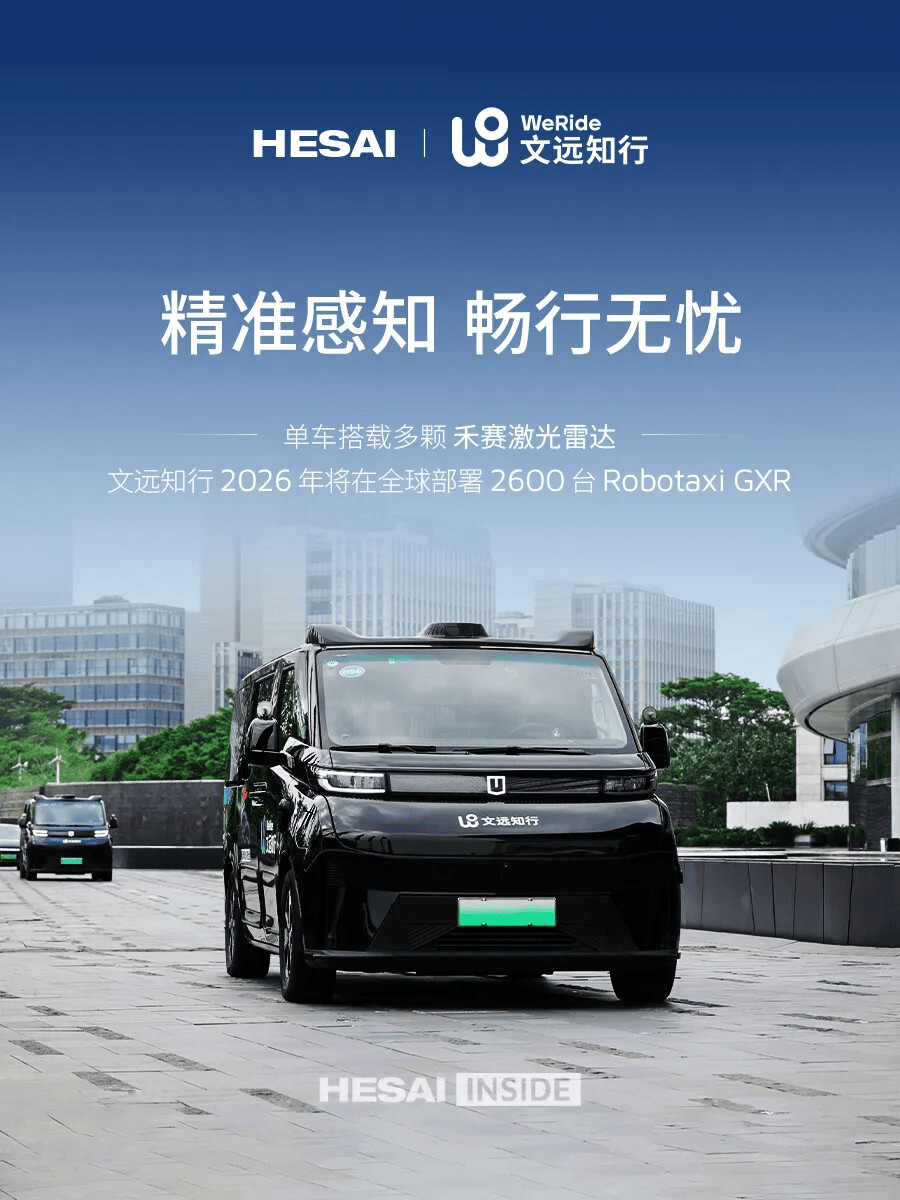
Amelia Pelletier · 6 months ago@ameliapelletier60Hesai Secures Changan L3 Program With Second-Gen Solid-State LiDAR Liked by+44 othersGeelyGeelyPost commentRelated PostsOverseas Factory Boom: China's Auto Industry's Next 7 Million Vehicles 30 · Gabriel Moreau · 1 months agoAustralian Plugin Vehicle Sales, September Update — Are Mainstream Media Finally Waking Up?Jackson Labelle · 11 days agoThe Unstoppable Rise of Leapmotor — August’s China EV Sales Report (45% BEV Share) 53 · Jacob Bouchard · 1 months agoGeely Battleship 700 launches: A BYD FCB Ti 7 challenger with 10,000+ orders in 12 minutesWilliam King · 12 days agoNearly Half of 2027 World Car of the Year Contenders Are Chinese 29 · Mia Rogers · 1 months agoThe GAC Aion V Looks Odd But Is Incredible Value | ReviewAudrey Nelson · 12 days agoIs the "One Toyota" Era Coming in China? 84 · Jackson Leblanc · 1 months agoFrance Passenger Car Market in September 2026: BYD Surges, Chinese Brands Reach 8.1% ShareAdam Pelletier · 13 days agoChina's passenger vehicle exporters overview (Jan.-Jul. 2026): Geely surges 410.7% in Central & South America丨Gasgoo Automotive Research Institute 60 · Nathan Labelle · 1 months agoGeely Confirms 2027 Canadian Launch, Offers No DetailsAlexander Tremblay · 13 days agoFuel-to-Electric Switch Accelerates: The Cold and Heat of the August Auto Market 61 · Amelia Brown · 1 months agoPolestar Has Nearly Sold Out All of Its Existing U.S. Inventory, Report ClaimsWilliam Pelletier · 14 days agoChina EV global sales in August 2026: BYD’s export volumes catching up with Chery’s 59 · Amelia Hall · 1 months agoGeely Is Officially Coming To CanadaGabriel Nelson · 14 days agoStarting at 97,900 Yuan, Fulwin T7 Aims to Make “Global Standards” Standard 31 · Kaitlyn Scott · 1 months agoChina’s Geely to Start Selling Cars in Canada In a Matter of Months, According to the CompanyJenna Brown · 14 days agoStarting from 97,900 yuan, Fulwin T7 Aims to Make "Global Standards" Standard 88 · Emma Macdonald · 1 months agoChina’s Geely to Start Selling Cars in Canada Next Year, Company SaysCaleb White · 14 days agoThe ICE Meltdown Continues — July’s China EV Sales Report (44% BEV Share) 62 · Gabriel White · 2 months agoGeely Auto will enter Canada in 2027 with a bunch of modelsAdam Côté · 14 days ago




 +44 others