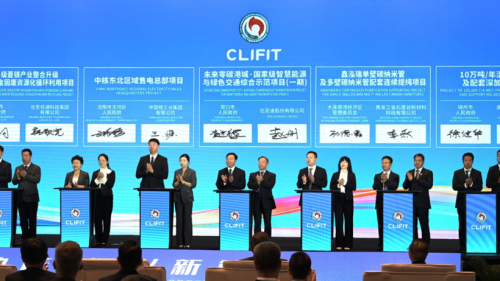
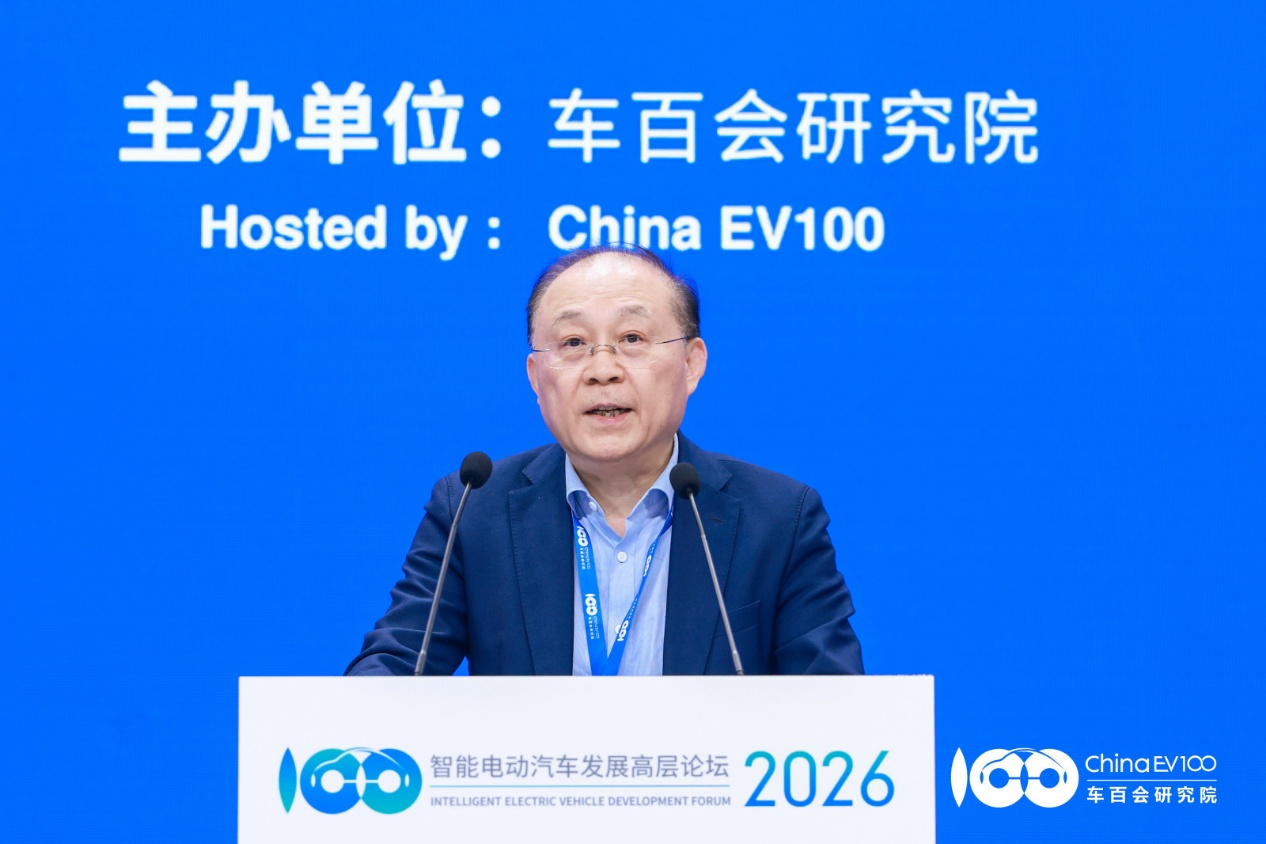
Gasgoo Munich- At the Intelligent Electric Vehicle Development Forum 2026 on April 11, BYD Group Chief Scientist, Chief Engineer, and President of the Automotive Engineering Research Institute Lian Yubo delivered a keynote address outlining the industry's crossroads. "As we stand at the outset of the 15th Five-Year Plan, the new energy vehicle sector is entering a phase defined by both certainty and uncertainty," Lian said.Lian identified sustained policy backing, deepening consumer awareness, and the overarching trend toward full electrification as the certainties driving the sector. Yet, the road ahead remains shaped by variables that require collective navigation — specifically, the uncertainty surrounding technological inflection points and shifting industry boundaries.Image Source: Intelligent Electric Vehicle Development Forum 2026What defines the uncertainty of technological inflection points? Lian noted that while the industry focuses on visible benefits like performance gains and space optimization in next-generation power batteries and smart chassis, the deeper impact lies in dismantling the rigid coupling between traditional powertrains, chassis, and bodies. Moving forward, development must rely on a deep understanding of user behavior and spatial needs. This means breaking free from traditional component-based spatial planning and softening long-standing engineering physical boundaries to prioritize user experience in vehicle design.As for the uncertainty of industry boundaries, Lian argued that automobiles are gradually evolving from mere "transport tools" into "intelligent agents with fused multi-attributes." In terms of energy integration, vehicle-to-grid technology is enriching the vehicle's energy profile; cars are no longer just energy consumers but are poised to become mobile energy storage units. Regarding AI integration, hardware and algorithms for intelligent driving are iterating rapidly. If fully realized, the primary driver could shift from the human to the system, triggering a comprehensive transformation in human-machine interaction paradigms. Combined with these energy attributes, vehicles are expected to develop into distributed AI computing units — a shift that will test system reliability, social acceptance, and regulatory adaptability.Amid these industry shifts and technological considerations, Lian emphasized that BYD remains convinced true competitiveness stems from long-term technological accumulation. Only by adhering to long-termism can the company secure future victories.Looking ahead, BYD is committed to fully embracing the waves of electrification and intelligence. The company plans to continuously expand its technology and product matrix to deliver a mobility experience that is safer, greener, and smarter for consumers.



















 +5 others
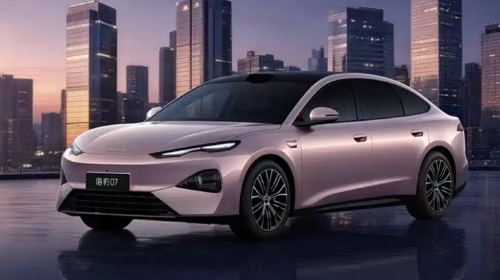
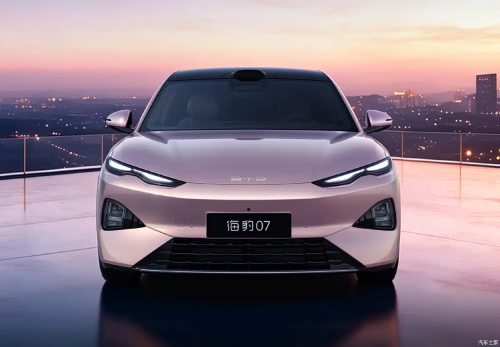
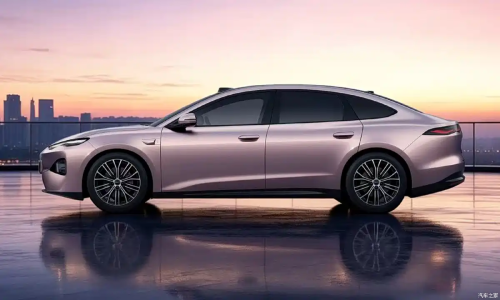
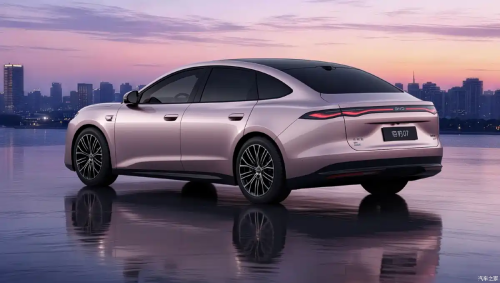
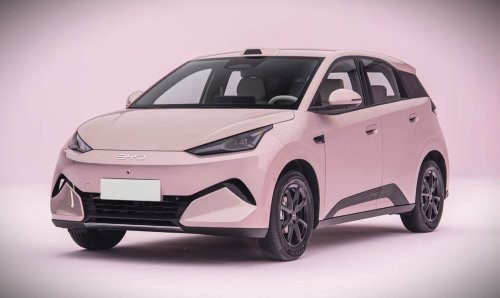
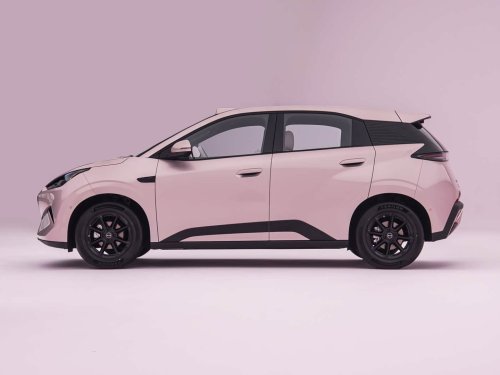
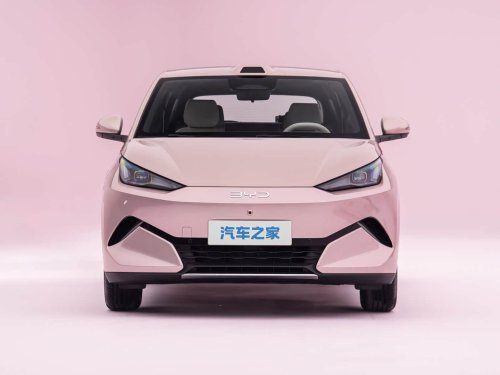
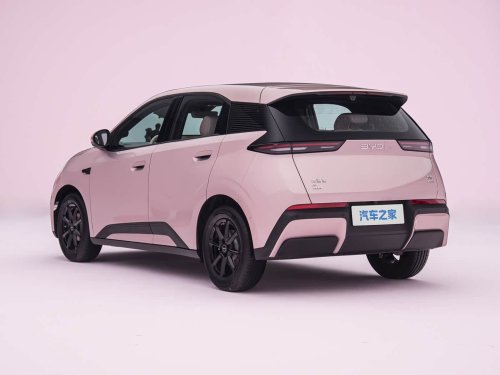
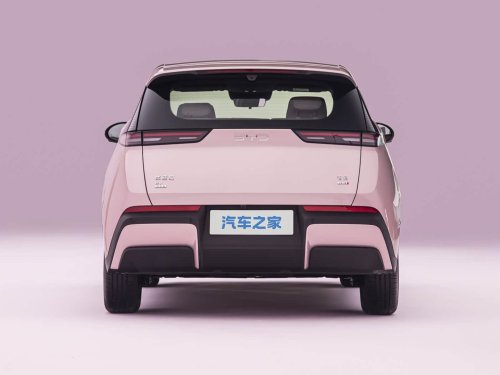
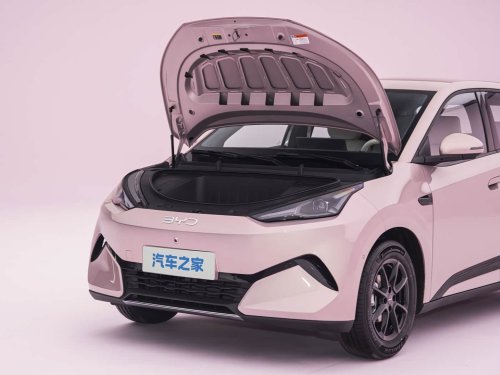
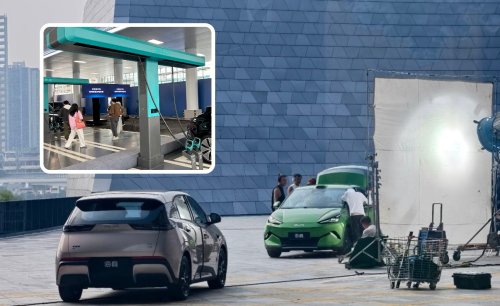
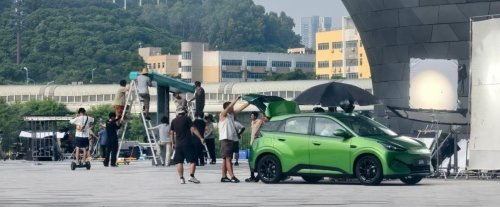
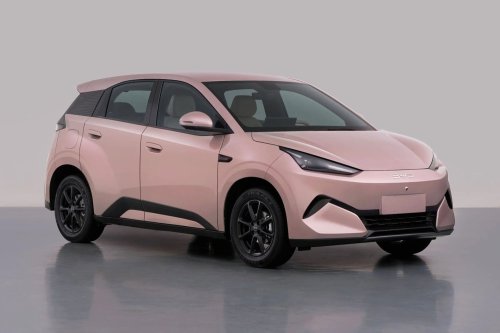
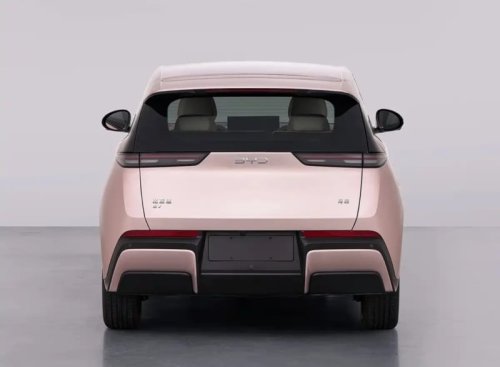

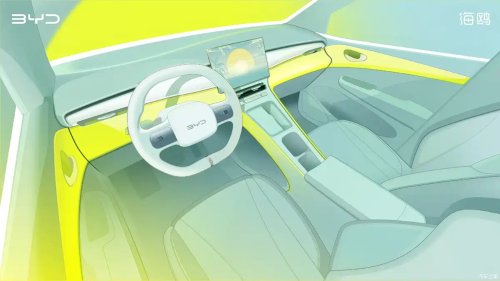
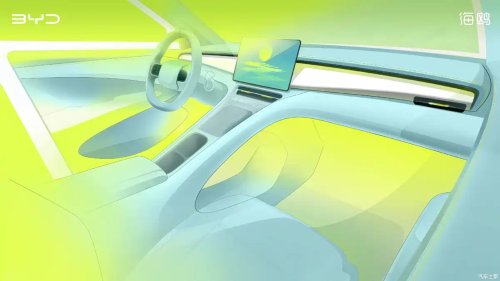
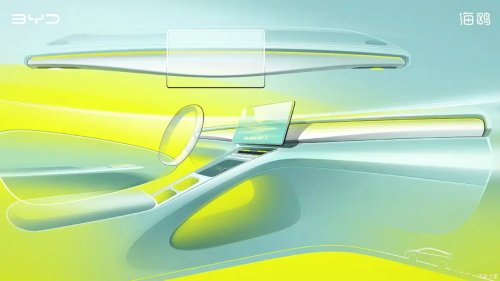
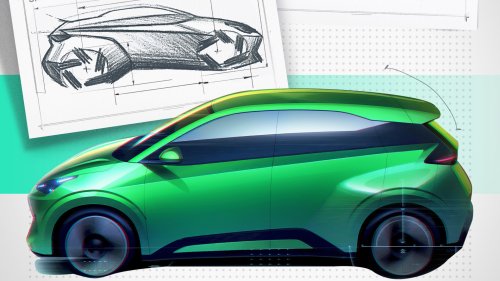
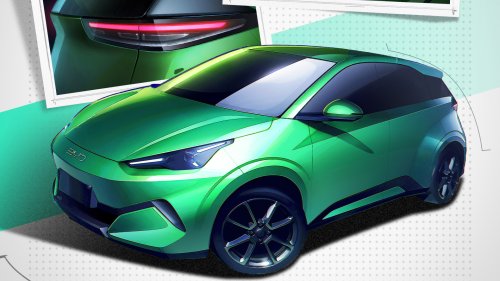
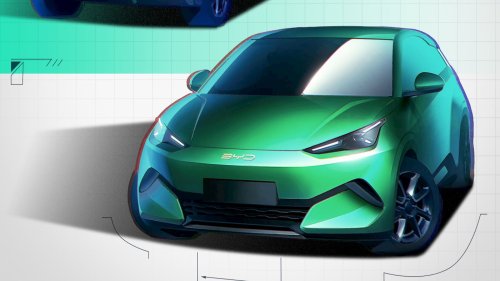
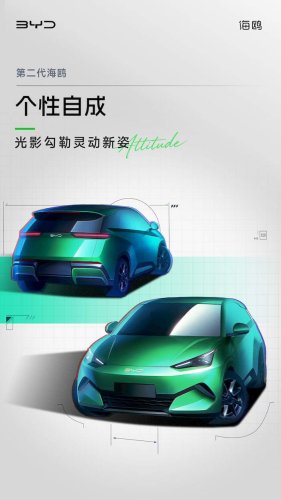
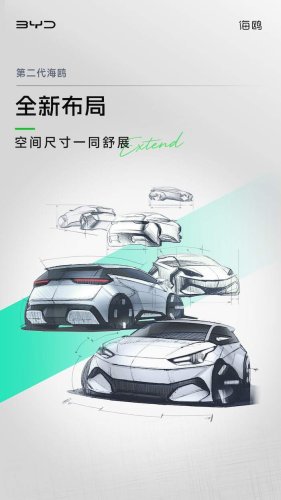
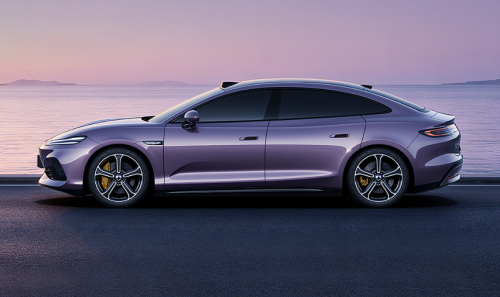
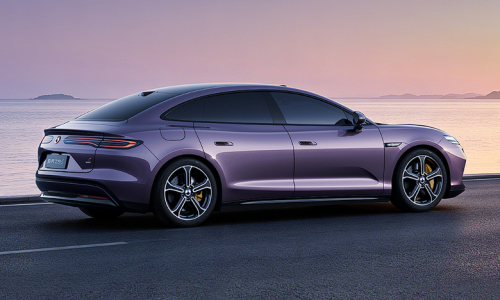
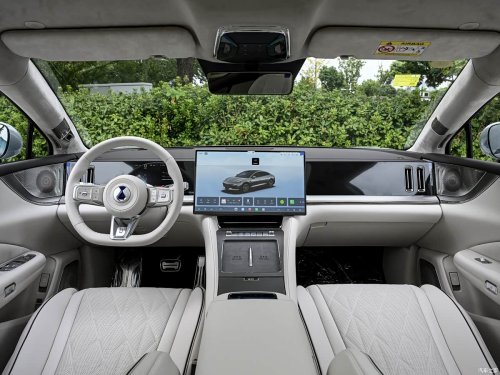
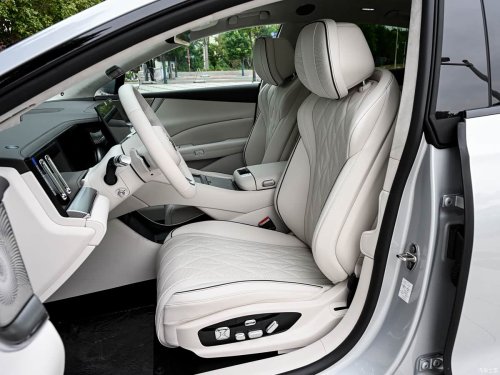

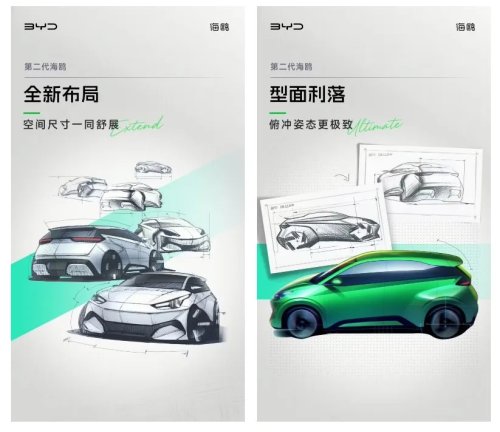
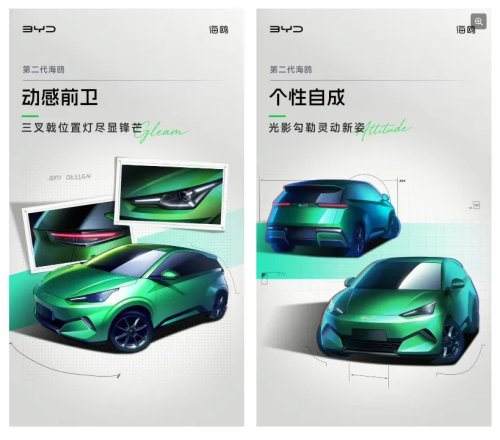
![BYD, BYD Seagull, BYD offers a closer look at the new Seagull EV [Images]](https://cdn.topcarnews.net/thumb/id/aHR0cHM6Ly9pMC53cC5jb20vZWxlY3Ry-ZWsuY28vd3AtY29udGVudC91cGxvYWRz-L3NpdGVzLzMvMjAyNi8wOS9CWUQtbmV3-LVNlYWd1bGwtRVYtdXBkYXRlLmpwZWc_-dz0xNTAwJmFtcDtxdWFsaXR5PTgyJmFt-cDtzdHJpcD1hbGwmYW1wO3NzbD0x/9c0b758dc4a218f611566b2a03c52e8a.jpeg?t=20261003&post_id=64651)
![BYD, BYD Seagull, BYD offers a closer look at the new Seagull EV [Images]](https://cdn.topcarnews.net/thumb/id/aHR0cHM6Ly9lbGVjdHJlay5jby93cC1j-b250ZW50L3VwbG9hZHMvc2l0ZXMvMy8y-MDI2LzA5L0JZRC1uZXctU2VhZ3VsbC1F-Vi0xLmpwZWc_c3RyaXA9aW5mbyZhbXA7-dz03MDA/9f44752c6c4b6208b3a29d7e2ceaf455.jpeg?t=20261003&post_id=64651)
![BYD, BYD Seagull, BYD offers a closer look at the new Seagull EV [Images]](https://cdn.topcarnews.net/thumb/id/aHR0cHM6Ly9lbGVjdHJlay5jby93cC1j-b250ZW50L3VwbG9hZHMvc2l0ZXMvMy8y-MDI2LzA5L0JZRC1uZXctU2VhZ3VsbC1F-Vi0zLmpwZWc_c3RyaXA9aW5mbyZhbXA7-dz03MDA/53e754be2aacba076b7b389ef9413f41.jpeg?t=20261003&post_id=64651)
![BYD, BYD Seagull, BYD offers a closer look at the new Seagull EV [Images]](https://cdn.topcarnews.net/thumb/id/aHR0cHM6Ly9lbGVjdHJlay5jby93cC1j-b250ZW50L3VwbG9hZHMvc2l0ZXMvMy8y-MDI2LzA5L0JZRC1uZXctU2VhZ3VsbC1F-Vi5qcGVnP3N0cmlwPWluZm8mYW1wO3c9-NzAw/3b0cb7f441d090c464769d93120d8543.jpeg?t=20261003&post_id=64651)
![BYD, BYD Seagull, BYD offers a closer look at the new Seagull EV [Images]](https://cdn.topcarnews.net/thumb/id/aHR0cHM6Ly9lbGVjdHJlay5jby93cC1j-b250ZW50L3VwbG9hZHMvc2l0ZXMvMy8y-MDI2LzA5L0JZRC1uZXctU2VhZ3VsbC1F-Vi0yLmpwZWc_c3RyaXA9aW5mbyZhbXA7-dz03MDA/ea2b4ebf38c4e9bf732d179d639b1562.jpeg?t=20261003&post_id=64651)
![BYD, BYD Seagull, BYD offers a closer look at the new Seagull EV [Images]](https://cdn.topcarnews.net/thumb/id/aHR0cHM6Ly9lbGVjdHJlay5jby93cC1j-b250ZW50L3VwbG9hZHMvc2l0ZXMvMy8y-MDI2LzA3L0JZRC1TZWFndWxsLUVWLXVw-ZGF0ZS0zLmpwZWc_c3RyaXA9aW5mbyZh-bXA7dz0xNDAw/02a0f7b5011767092a1ea11a79495fc7.jpeg?t=20261003&post_id=64651)