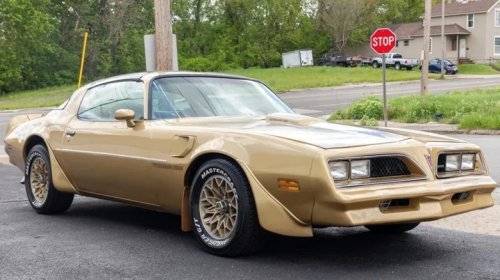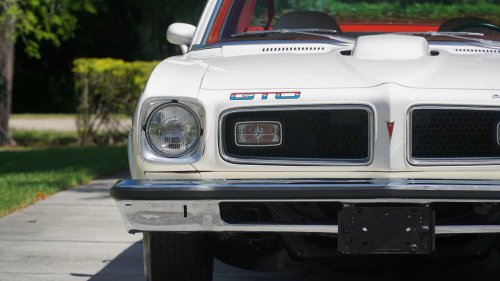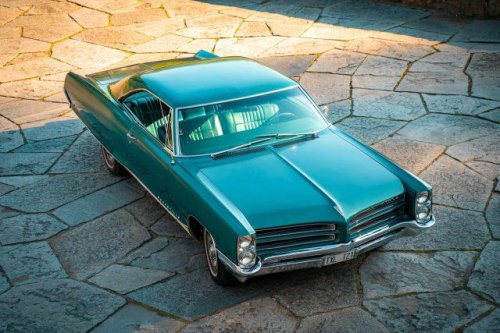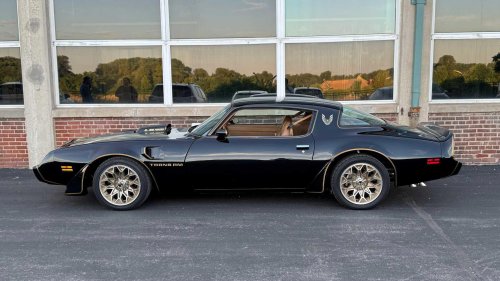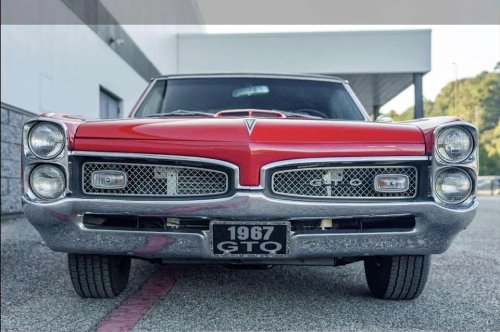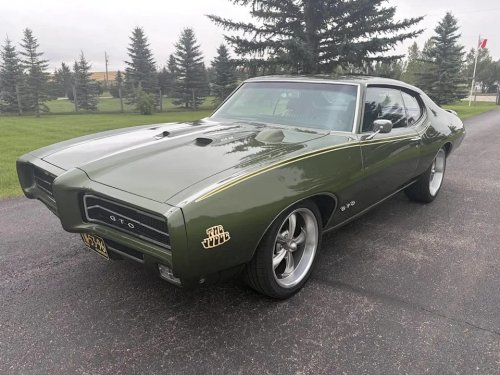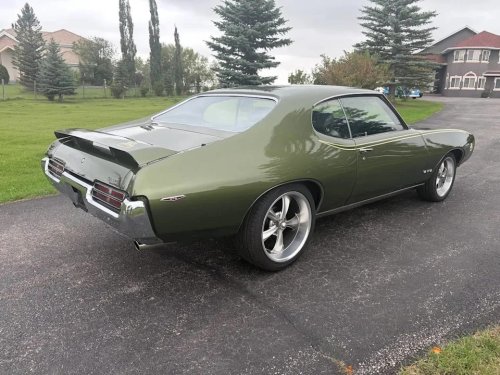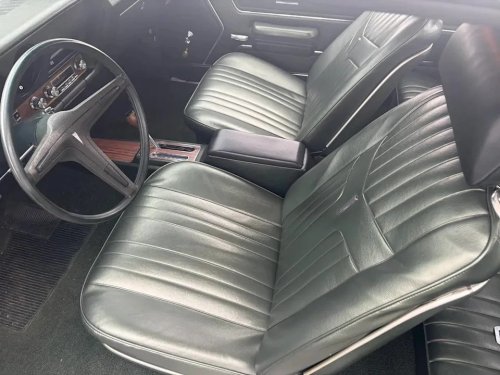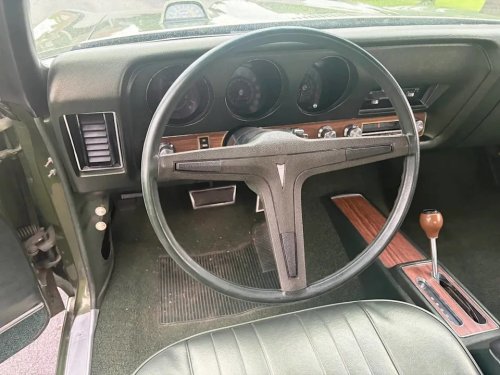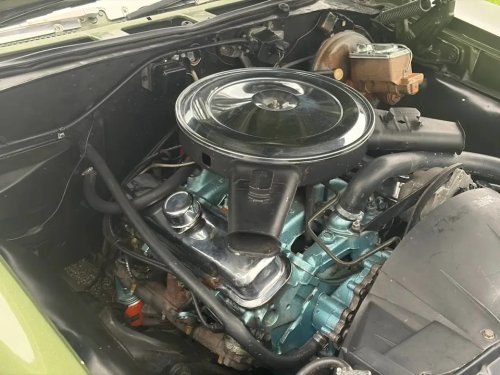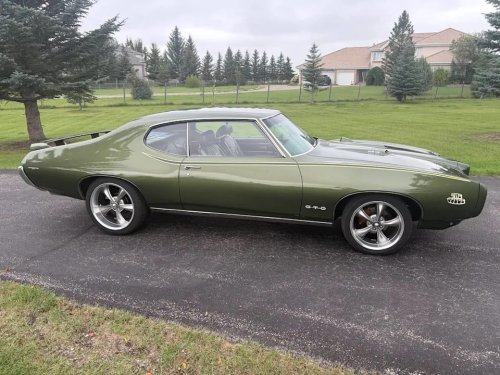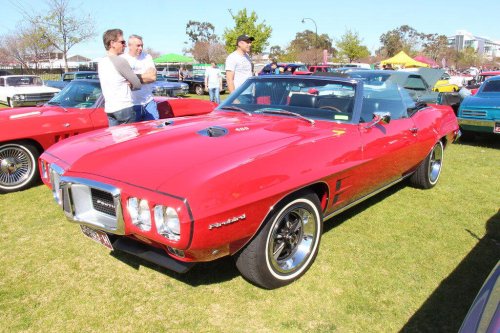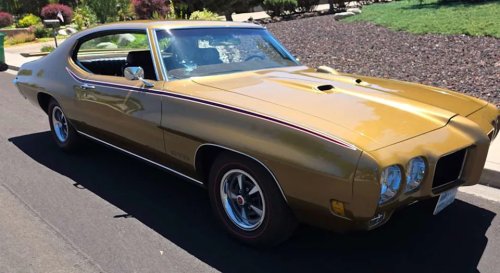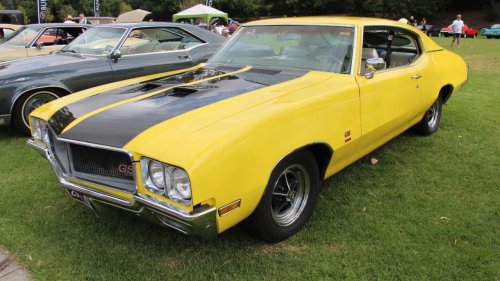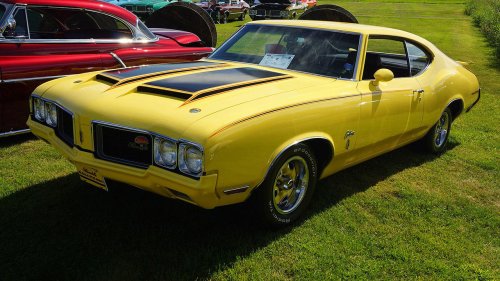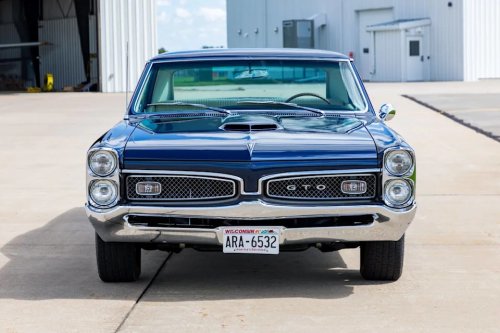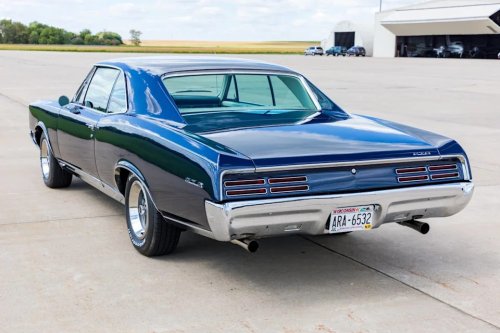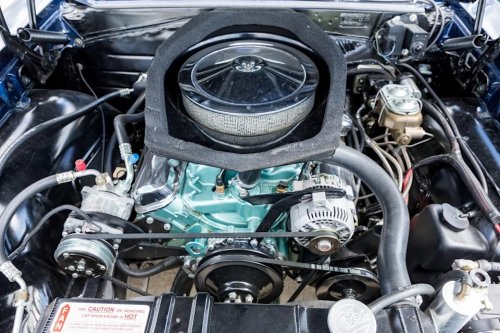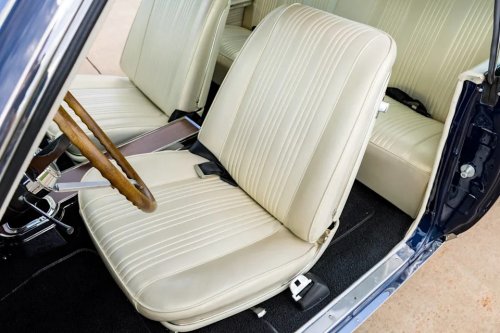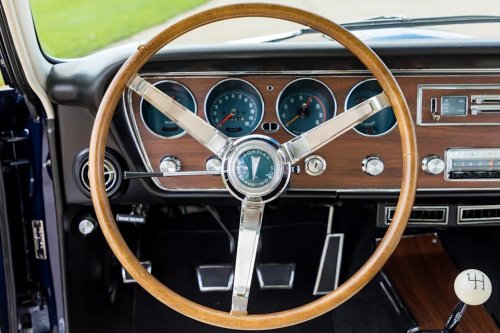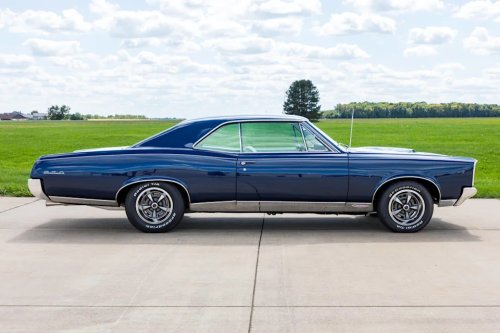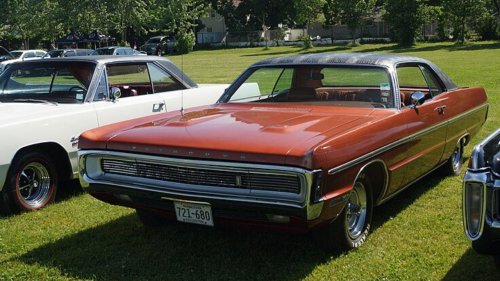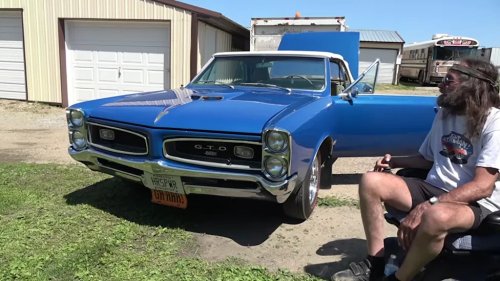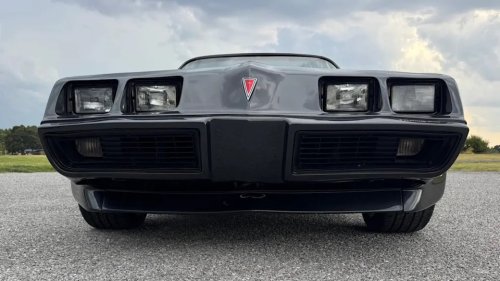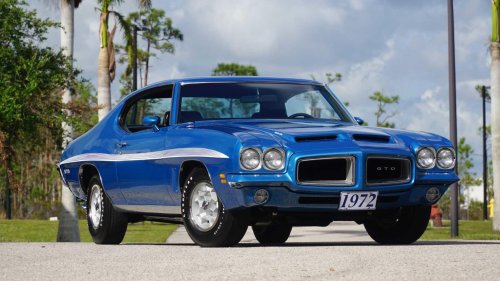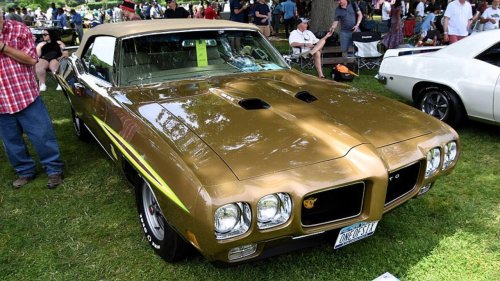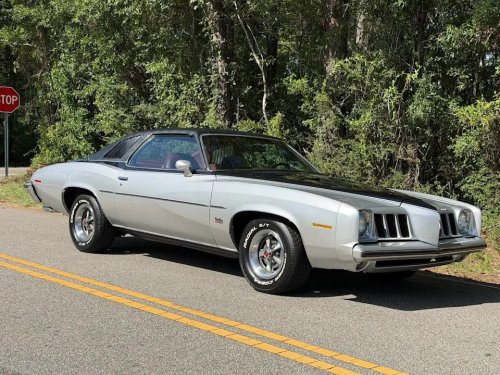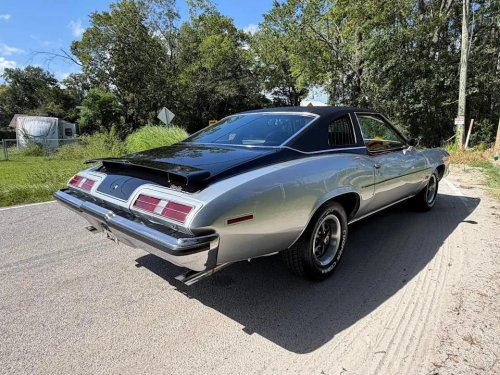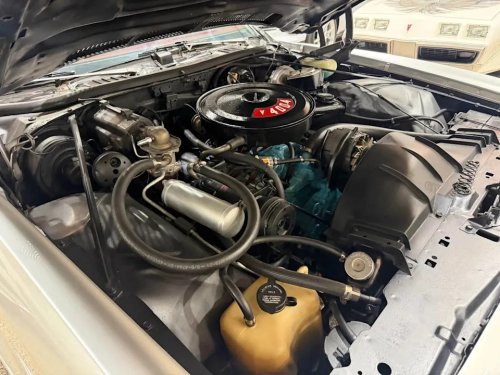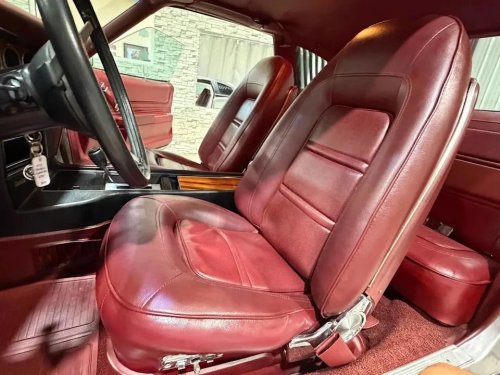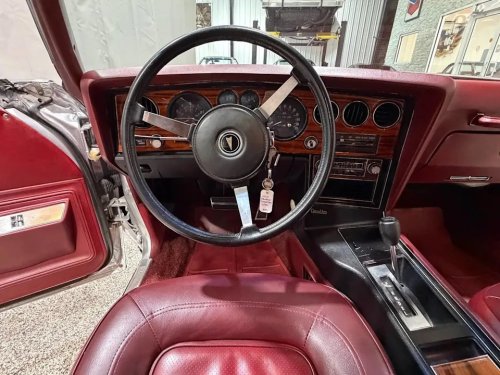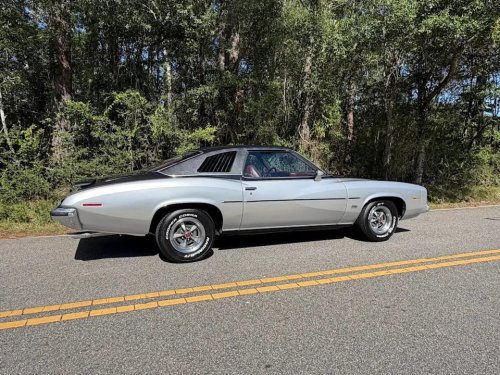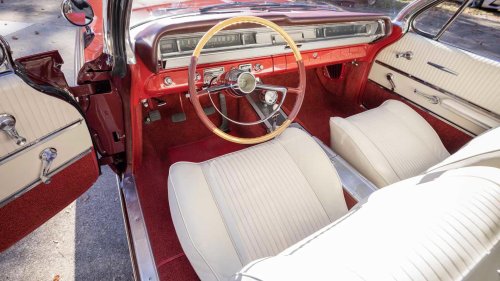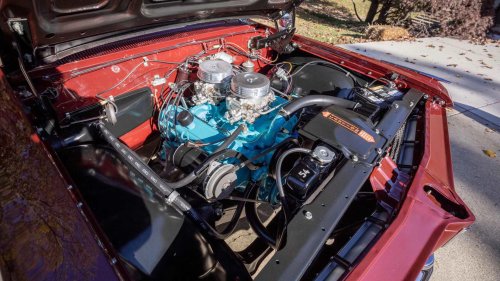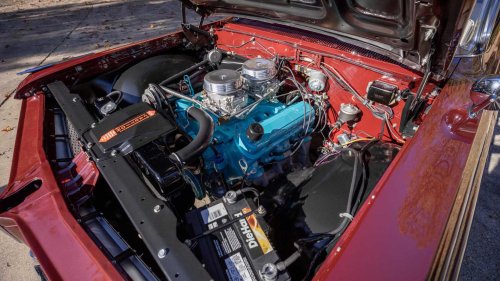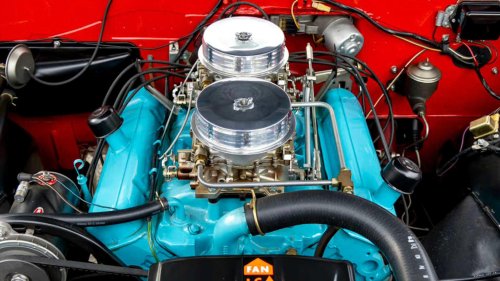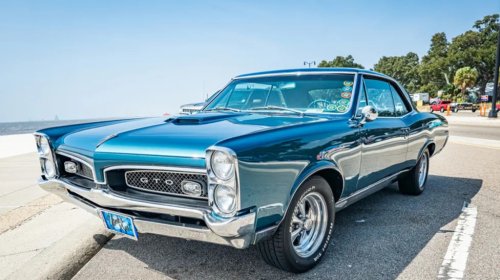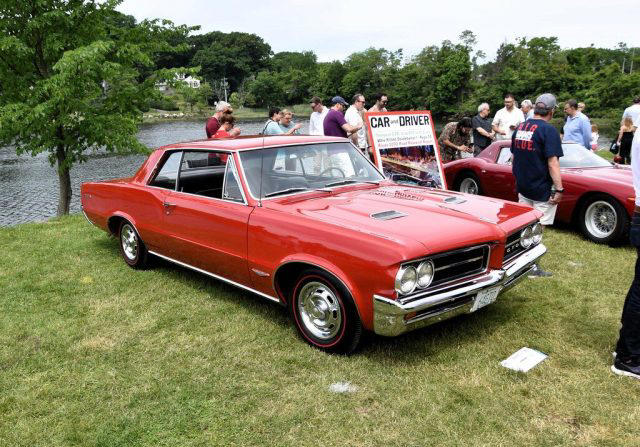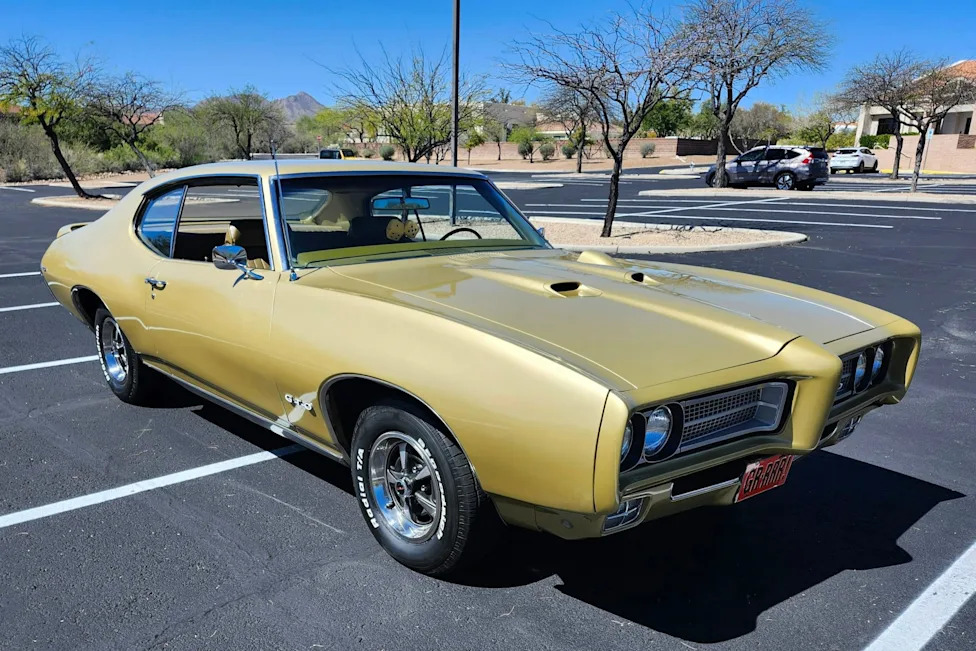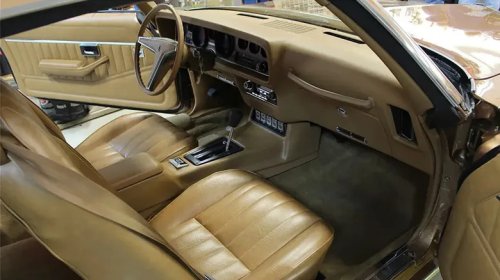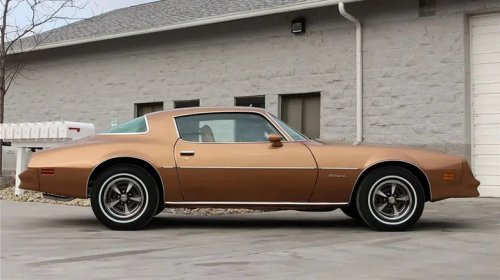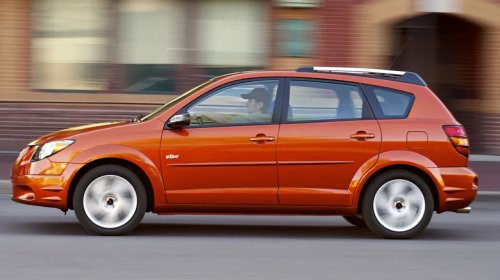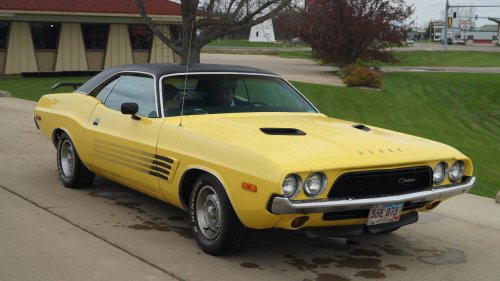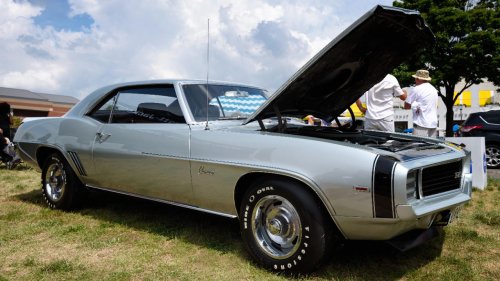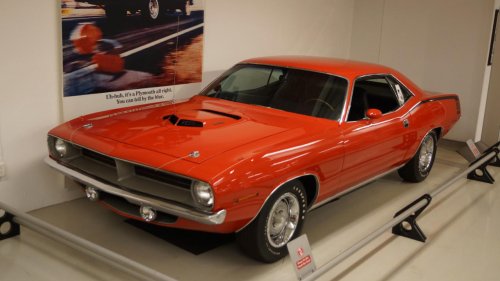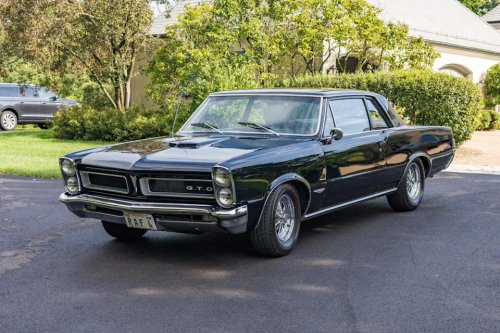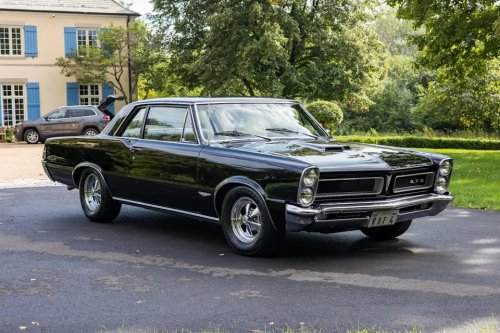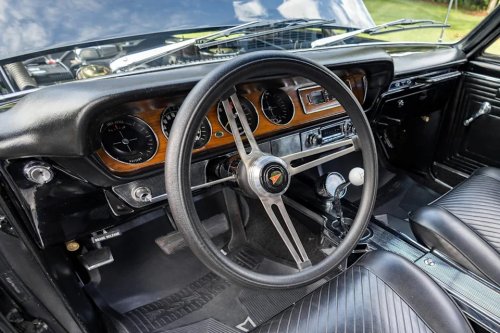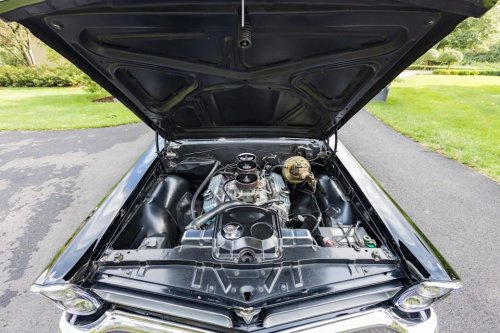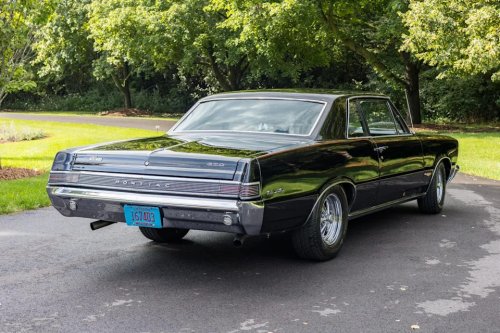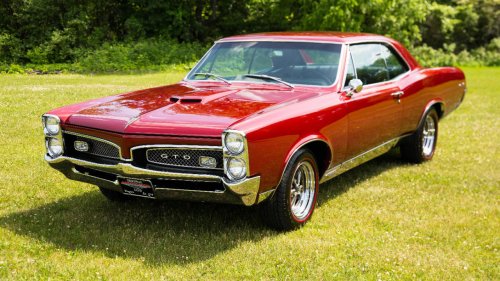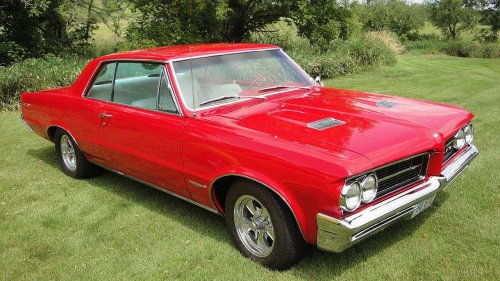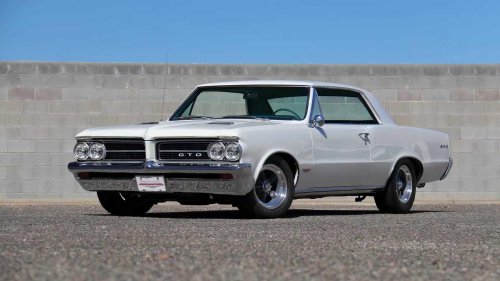
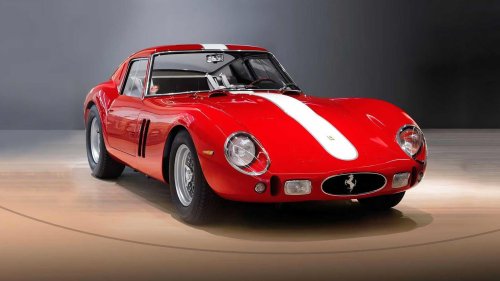
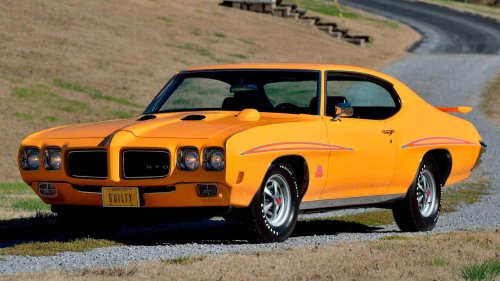
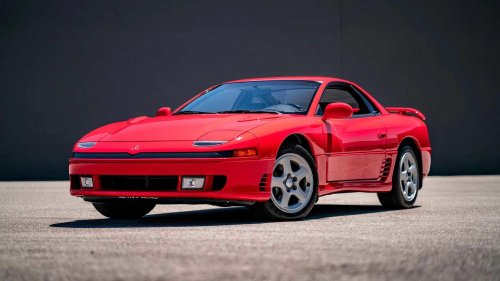


















How often do we question the obscure letters or numbers on the back of our cars? For a lot of people, probably not that often, especially as they often just refer to the size of the engine, or maybe whether the trim option includes heated seats, or something. But the letters GTO on the back of one of the greatest muscle cars of all time are just a little bit more emotive than explaining to an onlooker that a hatchback is, in fact, a Turbocharged Direct Injection, rather than a Suction Diesel Injection.As we all probably know, the GTO is the name of the first muscle car produced, of course, by Pontiac. But it gets a bit more complicated than that, because these letters seem to have been borrowed from somewhere else, and have a totally different meaning for a totally different car, in a totally different language. Here's the story of how three innocent letters transcended decades and continents to become one of the most popular automotive names in history. Here's How The Pontiac GTO Got Its Name Mecum By the dawn of the 1960s, Pontiac was desperate for a new identity. Once known for sensible, middle-of-the-road cruisers, the brand’s leadership saw an opportunity to connect with a rising generation of younger, speed-hungry buyers. Pontiac had started to shed its stodgy image with stylish new models and growing success on NASCAR circuits. That is, until GM introduced a ban on racing, leaving Pontiac without a game plan and the main marketing tool: performance.Enter three ambitious engineers: John DeLorean, Bill Collins, and Russ Gee. These men weren’t content to play it safe. Their idea was simple but revolutionary – take the lightweight 1964 LeMans coupe and drop in the division’s 389-cubic-inch V8. That would transform Pontiac’s tidy midsize car into something properly wild.The concept was easy enough to build. The real challenge was getting it past GM’s rulebook. Corporate policy forbade engines larger than 330 cubic inches in midsize cars, effectively killing the project – or so it seemed. DeLorean and his team discovered a clever loophole: if they offered the 389 as part of an optional performance package rather than a separate model, they could slip it through without official disapproval. All they needed now was a name that would turn heads – something bold, maybe even a little provocative. A Name Borrowed From Legends That inspiration arrived from across the Atlantic. In March 1962, at Florida’s Sebring International Raceway, a brand-new Ferrari stunned spectators on its first competitive outing. Driven by Phil Hill and Olivier Gendebien, the Ferrari 250 GTO finished second overall and first in its class. With its 296-horsepower V12, 155-mph top speed, and $18,500 price tag, the GTO instantly became the automotive equivalent of a rock star.Pontiac’s engineers must have thought, why not borrow a little of that magic? The name “GTO” – short for Gran Turismo Omologato – carried an air of Italian glamour and competition pedigree. Using it for a blue-collar American V8 coupe was both outrageous and brilliant. A Risky Gamble That Defined an Era It was a gutsy move and pure marketing genius. DeLorean, equal parts engineer and showman, understood that the Pontiac GTO would shock the establishment in all the right ways. Traditionalists dismissed it as brash and irreverent, but young buyers loved it for exactly that reason. It symbolized rebellion – a middle finger to the conservative automotive hierarchy.Mecum 1964 Pontiac GTO SpecsSource: PontiacThe 1964 Pontiac Tempest LeMans GTO package marked the official start of the muscle car era. It came equipped with a 6.4-liter (389 cu in) V8, dual exhausts, GTO badges, hood scoops, and engine-turned dashboard trim. A heavy-duty three-speed manual was standard, with a close-ratio four-speed or automatic available. For thrill-seekers who wanted more, the optional Tri-Power setup – three two-barrel carburetors – bumped output from 325 to 348 horsepower.Mecum Performance was as impressive as its attitude: 0-60 mph in 7.7 seconds, for a base price of $2,852 – a bargain for what was, in spirit, America’s first affordable performance icon. Pontiac hadn’t just found a way around GM’s rules – it had sparked a revolution that would define an entire decade of high-octane excess. What The GTO Name Really Means Ferrari The Ferrari 250 GTO was born to be raced. It was built to meet FIA Group 3 Grand Touring homologation rules and was supposed to be produced in at least 100 examples, though the actual number was far lower. “GTO” stands for Gran Turismo Omologato, which in plain English means Grand Touring Homologated – officially approved for competition.The “250” refers to the cubic centimeters per cylinder of Ferrari’s twelve-cylinder masterpiece, adding up to a perfectly balanced 3.0-liter V12. None of that had much to do with a mid-’60s American coupe built from humble Tempest roots – but that didn’t stop Pontiac from borrowing the name anyway. The irony was part of the fun. Pontiac GTOs Through The Ages Mecum Key Moments In The Pontiac GTO Timeline Launched for the 1969 model year, the Pontiac GTO Judge was aimed at the young adult market The GTO name was given to the smaller Ventura in 1974 The Pontiac GTO was reborn as an American version of the Holden Monaro in 2004 With the Pontiac GTO proving a great success and putting the brand firmly on the map, the top brass wasn't going to miss an opportunity to roll out these letters for decades to come. The name was still on a high with the iconic (and playful) GTO Judge, but the badge started to lose its shine a little in the '70s.By 1974, the muscle car era was in decline, and GTO sales were plummeting. Pontiac made the decision to put the GTO moniker on a smaller 1974 Ventura. Under the hood was a 5.7-liter V8 with a four-barrel carburetor and burbling dual exhausts, good for 200 horsepower.Via: Bring a Trailer The name reappeared on the 2004 GTO, which was basically a rebadged Australian-built Holden Monaro. It doesn't sound great on paper, but this was a fast car that you could argue was worthy of the badge. Sadly, it didn't help save the company, with the last muscle car that Pontiac ever made being the G8 GXP, before the company closed its doors in 2010. The Letters GTO Also Resurfaced Elsewhere Over The Decades Bring A Trailer While not as common as say 'GTI', 'GT', or 'RS', the letters GTO have been used by carmakers other than Pontiac over the years that followed. The most obvious is Ferrari itself, reclaiming the moniker for the mighty 288 GTO and the later 599 GTO. But anyone in Japan, or a fan of JDM cars, may be thinking that the letters GTO sound strangely familiar. That's because the hefty tech-fest that is the Mitsubishi 3000GT was also called the GTO for the home market. It was available in red and had two doors, but the similarities with both the Ferrari and the Pontiac pretty much ended there.