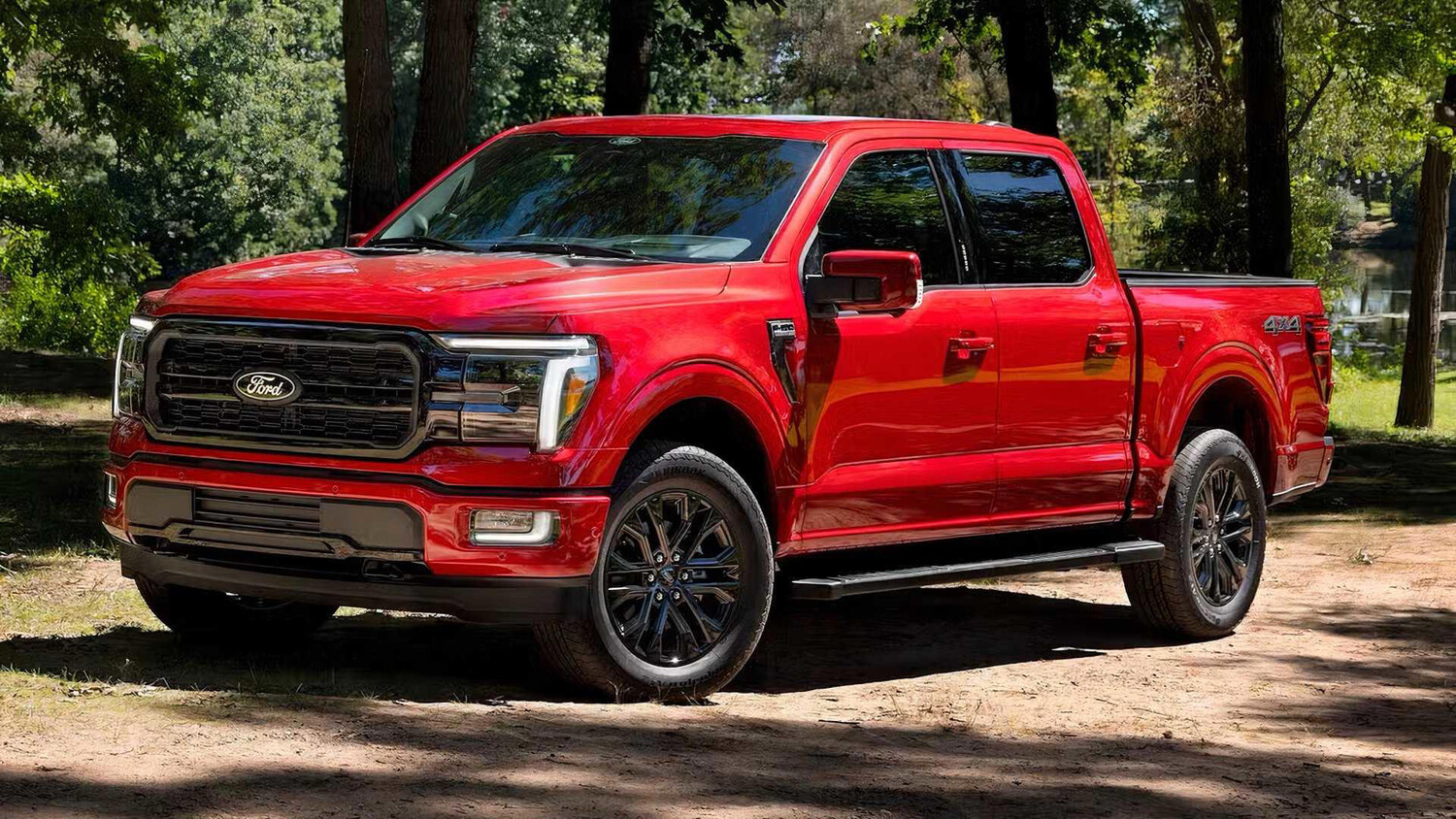
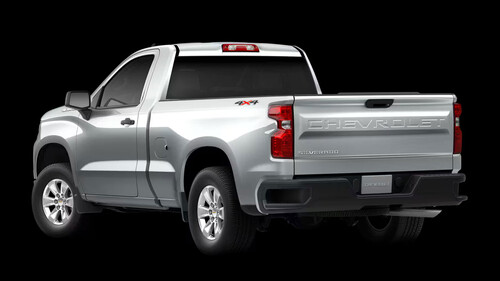
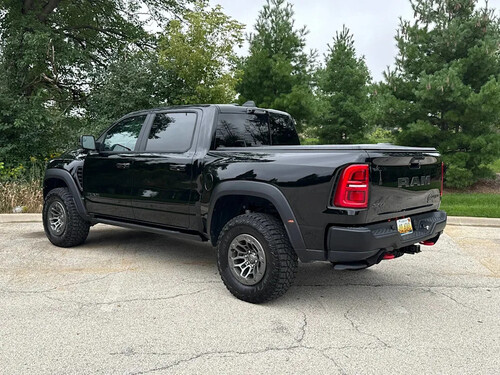
Shopping for a new truck can be fun, but in 2025, truck shopping not only comes with roughly 167 trillion options, but trucks can cost more than your house did 15 years ago. You’ve got engine choices, trim levels, towing packages, tailgate configurations, and colors to choose—but one decision often gets overlooked until it’s too late: cab size. If you’ve narrowed your search to a pickup truck, chances are you’ve come across two popular options—extended cab and crew cab.On the surface, the choice looks straightforward: one has a little more room, one has a little less. But in reality, the type of cab you choose can make or break how happy you are with your truck. Whether you’re a contractor hauling tools, a parent shuttling kids, or a weekend adventurer needing room for buddies and camping gear, cab style directly affects comfort, price, and practicality.Extended cab truck vs crew cab: which one should you buy? Let’s break it down simply, so you’ll know exactly which option works for your lifestyle. Extended Cab vs Crew Cab: What’s the Difference? Ford If you’re new to the world of trucks, all the terms can sound confusing—regular cab, extended cab, crew cab, double cab. Manufacturers sometimes even use different names for the same style. But here’s the simple truth: it’s all about doors and space.GMC MediaExtended Cab (sometimes called “SuperCab” or “Double Cab” depending on the brand): Think of it as a regular two-door pickup that grew a little bit. Extended cabs usually have two full-size doors up front and either small rear half-doors or rear-hinged “suicide” doors that open backward. The back seat exists, but it’s tight—better for gear or the occasional passenger than daily use.FordCrew Cab: This is the big one. Four full-size doors, a rear bench with real legroom, and the kind of space you’d expect in a family SUV. Crew cabs are now the most popular truck configuration in America because they combine utility with comfort.In short: extended cab trucks prioritize work and budget, while crew cabs prioritize family and versatility. But which one matches your needs? Let’s walk through some scenarios. Which Cab Style Fits Your Lifestyle? FordThink about how you’ll actually use your truck—not just on weekends, but every single day. Here are some real-world examples that might sound familiar: The Contractor: You need a truck for job sites, hauling lumber, and tossing tools in the back. Your back seat usually carries gear, not people. An extended cab makes sense because it’s cheaper, lighter, and leaves more room in the bed. Work truck. The Family Hauler: You’ve got kids, car seats, and maybe even a dog. Every weekend means sports practice or a road trip. For you, a crew cab’s full-size back seat and easy-access doors make life way easier. The Weekend Adventurer: You camp, fish, or tow a small trailer. Sometimes it’s just you, sometimes you’ve got a buddy or two. An extended cab might work fine—but if you bring friends often, a crew cab keeps everyone comfortable. The Daily Commuter: You want a truck but also need something practical for errands and city driving. Crew cabs can be bulky to park, but their comfort makes them a better all-around choice if passengers ride with you often. Framing the choice through your lifestyle helps cut through the noise. But to get even clearer, let’s stack up the pros and cons of each option. Extended Cab Pros and Cons Chevrolet Pros of Extended Cab Trucks Lower Cost: Extended cabs are typically cheaper than crew cabs, sometimes by several thousand dollars. If you’re budget-conscious, this matters. Lighter and More Efficient: With less cabin space, extended cabs usually weigh less, which can help with fuel economy and even payload capacity. Longer Bed Options: Many extended cab trucks offer longer bed lengths than their crew cab counterparts. Great for hauling building materials, ATVs, or anything long and awkward. Better for Work Use: If you’re treating your truck like a tool, the extended cab is often the more practical setup. Cons of Extended Cab Trucks Cramped Rear Seat: Let’s be honest—rear passengers will complain. The back seat is best suited for kids, pets, or cargo. Adults won’t love long rides back there. Awkward Door Access: Half-doors or rear-hinged doors are horrible to get in and out of, especially with child seats. Lower Resale Value: Because crew cabs are more popular, extended cabs often don’t hold their value as well. Extended cab trucks shine when utility comes first and comfort comes second. Crew Cab Pros and Cons Trucks & Auto Auctions Pros of Crew Cab Trucks Spacious Interior: Four real doors and a roomy back seat mean everyone fits comfortably, even on long drives. Family-Friendly: Car seats, teenagers, pets—crew cabs can handle them all without complaints. Better Resale Value: Since crew cabs are in high demand, they tend to hold value better over time. All-Around Versatility: If you need one vehicle to do it all—work, family, road trips—crew cabs are the only way. Cons of Crew Cab Trucks Higher Price: All that space comes at a cost. Expect to pay more upfront than you would for an extended cab. Shorter Bed Options: Many crew cabs are only offered with a shorter bed, meaning you lose hauling capacity. Heavier and Harder to Park: Extra cabin size means more bulk, which can make maneuvering in tight parking lots a headache. Crew cabs offer the most value when comfort and versatility matter more than just capability. Extended Cab vs Crew Cab: Which One Should You Buy? So here’s the million-dollar question: extended cab truck vs crew cab—which one is right for you?Like everything else in the world, which style of truck you should get simply comes down to your priorities:Buy an Extended Cab if you’re looking for a more affordable workhorse, don’t often carry passengers, and want the biggest bed possible. It’s a smart choice for contractors, small business owners, or weekend hobbyists who care more about utility than comfort.Buy a Crew Cab if you need your truck to be an all-in-one family vehicle, road-trip machine, and daily driver. Yes, it’s pricier, but the added space and versatility make it the better long-term investment for most buyers.In truth, neither option is “better” across the board—it’s about what fits your lifestyle. The truck world has shifted toward crew cabs because they offer SUV-like usability with truck capability, but extended cabs still hold their place for buyers who value practicality and price above all else. TopSpeed’s Take At the end of the day, the debate between extended cab vs. crew cab boils down to one question: do you need your truck to move people or just stuff?Extended cabs keep things simple and affordable, while crew cabs give you all the comfort of a family SUV with the strength of a pickup. Both can be the “right” choice—it just depends on how you’ll use it.So before you sign on the dotted line at the dealership, picture your truck six months from now. Is it packed with coworkers, kids, and camping buddies? Or is it just you, your gear, and the open road? Answer that, and you’ll know exactly which cab style is your perfect match.