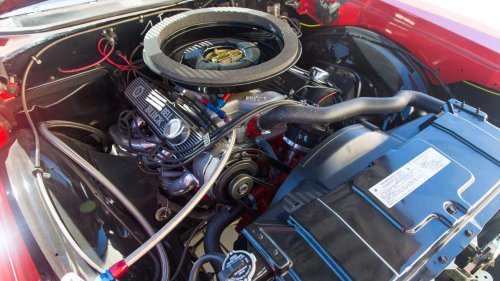
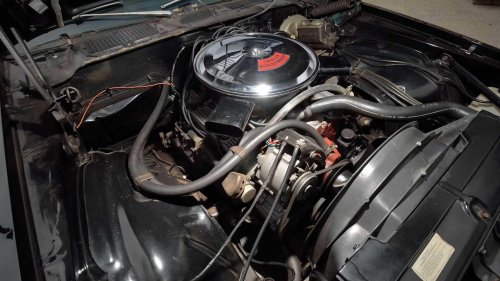
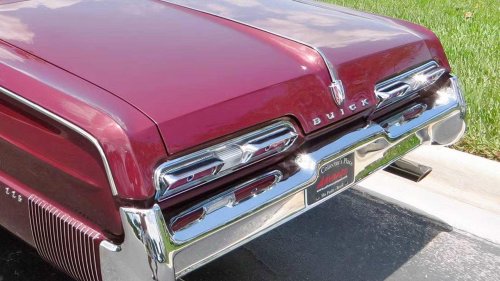
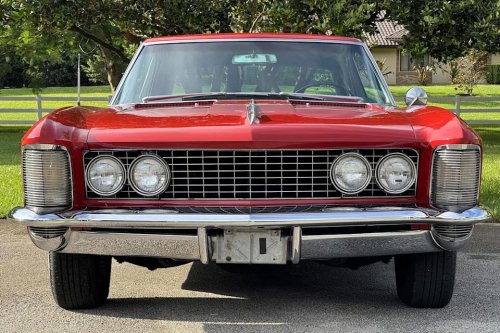
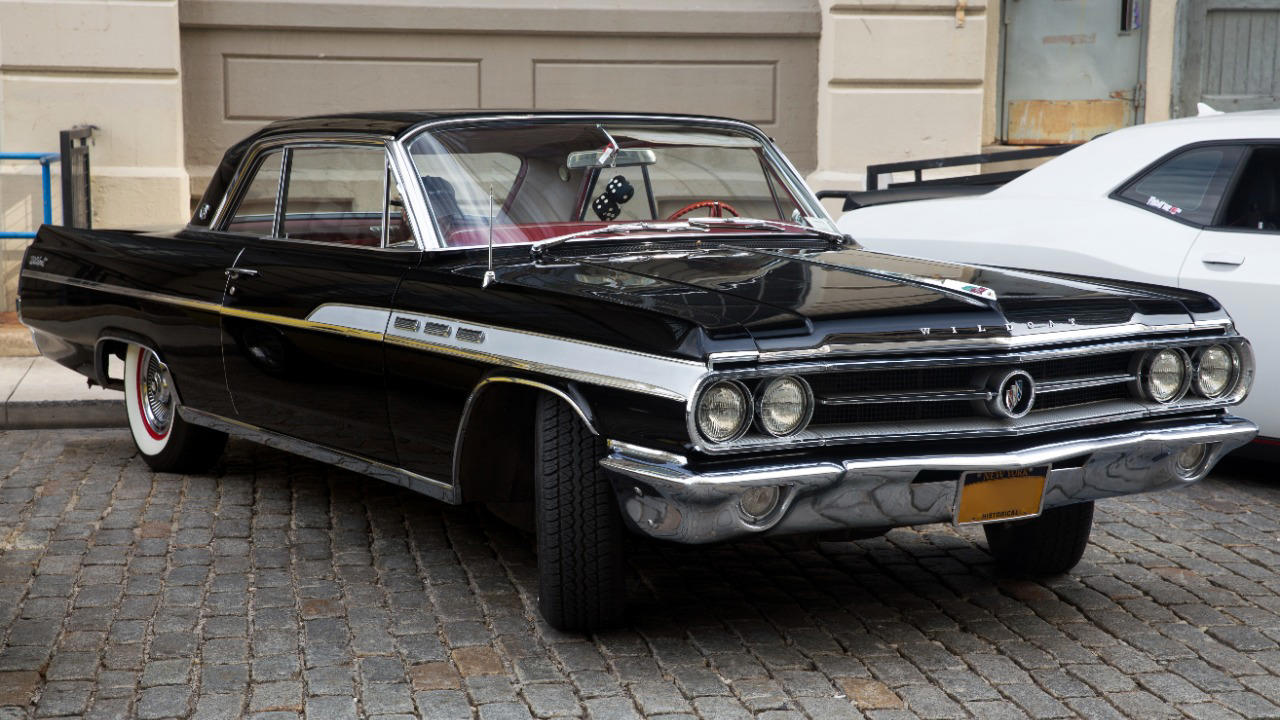
Early muscle roots showed in the 1963 Buick Wildcat 401The 1963 Buick Wildcat 401 arrived at a turning point, when American buyers still wanted full-size comfort but were starting to crave real performance. Beneath its clean bodywork sat a torque-rich V8 that hinted at the muscle car wave that would crest only a couple of years later. The car did not wear a pony car badge or a track-bred logo, yet its engine and attitude helped lay groundwork for what enthusiasts now call American muscle. From Invicta offshoot to performance statement The Wildcat name did not start as a stand-alone series. Buick initially used it on a higher performance version of the Buick Invicta, a trim that added power and flair to the brand’s full-size line. That experiment proved successful enough that the Wildcat quickly evolved into its own model, positioned as a sporty, upscale alternative within the Buick showroom. By 1963 the Wildcat had stepped out from the Invicta’s shadow. Period descriptions of the 1963 Buick Wildcat highlight a bold, full-size performance luxury car that blended sleek styling with strong V8 power, a combination that gave Buick a fresh image among younger buyers who still wanted comfort. Enthusiast accounts describe the 1963 Buick Wildcat as perfectly capturing early 1960s American performance luxury, with an aerodynamic profile, crisp side sculpting, and bright accents that projected confidence rather than excess. Production data from Buick Wildcat references confirms that the Wildcat sat in Buick’s full-size hierarchy, sharing basic architecture with other big Buicks while wearing its own trim and performance-oriented equipment. In effect, it was a bridge between traditional Buick sedans and the more overtly sporting machines that would follow from other General Motors divisions. The Wildcat 401 and its “Nailhead” heart Under the big hood of the 1963 Wildcat sat Buick’s famous Nailhead V8. One detailed description notes that under the hood lies Buick’s Nailhead V8 with a displacement of 401 cubic inches, fed by a Rochester 4GC four-barrel carburetor. Dealers and brochures marketed this engine as the Wildcat 445, a name that referenced its torque rating of 445 pound-feet rather than its displacement. Multiple enthusiast sources reinforce the same basic picture. One post on a classic car page describes the Buick 401 “Wildcat 445” as the torque king of the hot rod era, part of a family of engines known collectively as the Buick Nailhead. That same piece highlights the figures 401 and 445 as shorthand for the engine’s cubic inches and torque output, numbers that still resonate with collectors who prize low-end shove over high-rev theatrics. A separate discussion of the 1963 Buick 401 “Nailhead” V8 calls it one of Buick’s most well-known high-torque engines from the early 1960s, and notes that it belonged to a broader Buic performance program built around strong acceleration. Contemporary video features on the engine put it in historical context. One widely shared clip on the Buick Nailhead 401 points out that before Mopar’s Hemi and before Chevy’s immortal 350 small-block became legends, America had already fallen for this different sort of V8. The presenter stresses that the engine did not come from a sports car brand and did not use canted valves or a modern layout. Instead, it relied on a compact, vertically oriented valve arrangement that earned it the nickname Nailhead and led some critics to call it “choked.” Yet the same video shows how this very design delivered immense torque at low and midrange rpm, a trait that made heavy full-size cars feel unexpectedly quick. A second segment on the same powerplant, accessible at a slightly different timestamp, repeats that the Nailhead 401 lacked fashionable engineering tricks but compensated with strange, compelling power delivery. Together, these sources frame the Wildcat 401 not as a cutting-edge racing engine, but as a street-friendly torque monster that suited Buick’s blend of luxury and performance. How the 1963 Wildcat packaged its power The 1963 Buick Wildcat did not simply drop a big engine into a plain shell. Period style cues gave the car a distinctive presence. Enthusiast write-ups describe the 1963 Buick Wildcat as sleek and aerodynamic for a full-size car, with a long-hood, short-rear-deck proportion that hinted at speed even at rest. Thin roof pillars on hardtop models and an open greenhouse emphasized the car’s length while still keeping the profile relatively clean. Inside, the Wildcat leaned into Buick’s luxury reputation. Contemporary descriptions of the Buick Wildcat Convertible mention plush seating, detailed trim, and chrome accents that made the cabin feel upscale compared with some rival performance models. At the same time, the dashboard and console layouts nodded toward sportier intentions, with clear instrumentation and, on some cars, floor-mounted shifters instead of the more traditional column selector. Underneath, the Wildcat shared its basic chassis with other big Buicks, but Buick engineers tuned the suspension and steering to handle the extra performance. Accounts of surviving cars describe a ride that remains comfortable yet more controlled than softer Buick sedans of the period. The combination gave drivers a sense of authority at highway speeds, which suited the car’s role as a fast cruiser rather than a track toy. Manual gearboxes and the early muscle template One of the most telling details about the 1963 Wildcat is the availability of a manual transmission behind the 401. A video walkaround of a 1963 Buick Wildcat 2 door in red shows a car equipped with the 401 engine and a 4-speed manual gearbox. The presenter notes the rarity of this configuration and gives a shout-out to California Car Cover, but the real star is the sight of a full-size Buick with a floor-shifted 4-speed and a big-torque V8. That combination of displacement, torque and manual control placed the Wildcat close to what would soon be recognized as the classic muscle car formula. The car was still larger and more luxurious than the intermediate coupes that would define the segment, yet it already delivered the essential ingredients: a powerful engine, rear-wheel drive, and driver-focused hardware in a relatively accessible package. More specialized versions pushed the concept further. A report on a 1 of 1 dual quad 1963 Buick Super Wildcat 4 door 4 speed describes a car that combined a rare four-door hardtop body with a dual carburetor version of the Nailhead and a manual gearbox. The piece notes that the Wildcat car debuted late in 1962 as a trim package on another Buick model, then quickly spun off into its own series. It also emphasizes that, no matter how confusing the branding, what lay under the hood was pure Detroit iron, a reminder that the Wildcat’s essence came from its drivetrain. Torque as identity Where some later muscle cars chased high horsepower numbers, the Wildcat 401 built its character around torque. The marketing label Wildcat 445 made that clear by foregrounding the 445 pound-foot figure. Enthusiast commentary on the Buick 401 “Wildcat 445” underscores that this engine was celebrated for its low-end pull, which made heavy Buicks leap away from traffic lights and surge up highway on-ramps with ease. Social media posts from Mar and other months repeatedly describe the 1963 Buick 401 “Nailhead” V8 as one of Buick’s most well known high torque engines. These posts link the engine to a broader Buic performance heritage that valued effortless acceleration and smooth power delivery over high-rev theatrics. In that sense, the Wildcat 401 foreshadowed the way many later muscle cars would be driven, more as fast road machines than as track specials. Modern builders still lean on that torque. A feature on a twin turbo Nailhead powered 1963 Buick Wildcat on aftermarket air suspension notes that the original 1963 Buick (Buick Motor Company) Wildcat was a bold and stylish full-size performance car that combined luxury with muscle. The same piece praises the Nailhead’s torque, which earned it respect on the road and made it an appealing base for contemporary high-power projects. Styling that sold performance luxury While the engine provided the muscle, the body sold the lifestyle. A detailed description of a Buick Wildcat Convertible aimed at American muscle car lovers paints the 1963 Buick Wildcat as a car that perfectly captured early 1960s American performance luxury. The write-up highlights the car’s sleek, aerodynamic styling, long flowing lines, and carefully placed chrome accents, all of which gave the Wildcat a sophisticated yet assertive look. Other enthusiast groups echo that view. One community post from Jul about the 1963 Buick Wildcat describes it as a bold full-size performance luxury car that combined sleek styling with powerful V8 performance. The author, identified as Sharin, notes that the car shared some design language with other Buicks of the era but stood out through details like its unique side trim and sporty badging. Regional versions of the Wildcat story, captured in non English references linked from the main entry, show that the car’s appeal extended beyond the United States. Articles in German, Persian, French and Hebrew, each discovered via citation trails from the Untitled base page, all focus on the same core traits: full-size dimensions, strong engines, and a blend of comfort and speed that made the Wildcat a desirable export where big American coupes and convertibles symbolized freedom and status. Why the Wildcat 401 matters to muscle history Looking back from the era of compact pony cars and high-profile muscle icons, the 1963 Wildcat 401 can seem like an outlier. It came from Buick, a brand better known for quiet comfort than drag strip glory. Its engine architecture looked old-fashioned even then, lacking the canted valves and free-breathing heads that engineers favored for racing. Yet the historical record suggests that this combination of full-size body, torque-rich V8 and available manual transmission helped shift expectations about what a Buick could be. By offering a 401 cubic inch Nailhead with 445 pound-feet of torque in a stylish, relatively youthful package, Buick gave drivers a taste of big power that did not require a bare-bones interior or a harsh ride. That formula influenced how other manufacturers approached performance luxury, a niche that would later include cars like upscale GTO variants and high-trim intermediates from several divisions. The Wildcat’s story also illustrates how performance culture often grows from unexpected corners. The Nailhead 401 that powered the Wildcat was not designed as a pure racing engine, yet it became a favorite among hot rodders and custom builders who appreciated its compact dimensions and torque. Enthusiast posts that celebrate the Buick 401 “Wildcat 445” as The Torque King of the Hot Rod era show how an engine originally tuned for smooth street performance found a second life in more aggressive builds. Even today, video creators and collectors return to the Nailhead 401’s unusual mix of old-school design and strong output. Clips that revisit the engine’s history, such as the one hosted at this segment and the broader presentation at this video, keep its reputation alive among younger enthusiasts who may have grown up hearing only about Mopar’s Hemi or Chevy’s 350. Group discussions that celebrate the 1963 Buick Wildcat as a bold full-size performance car, such as those shared in dedicated communities at Wildcat fans, reinforce the idea that the model deserves a place in the broader muscle narrative. More from Fast Lane Only Unboxing the WWII Jeep in a Crate 15 rare Chevys collectors are quietly buying 10 underrated V8s still worth hunting down Police notice this before you even roll window down



















 +9 others