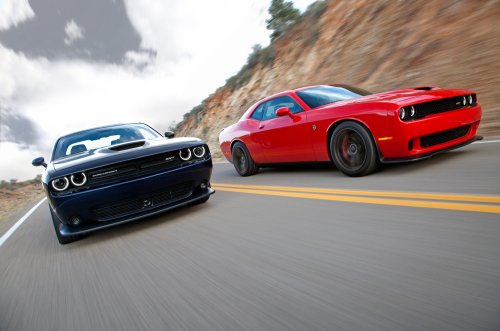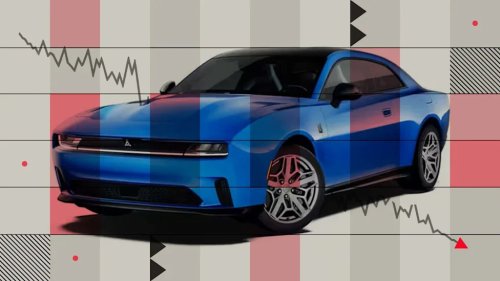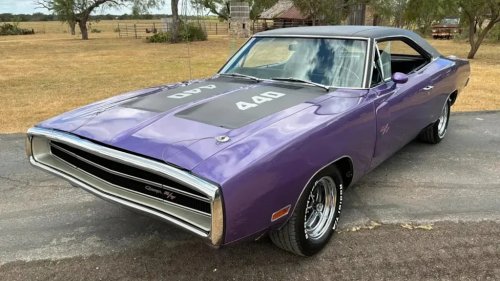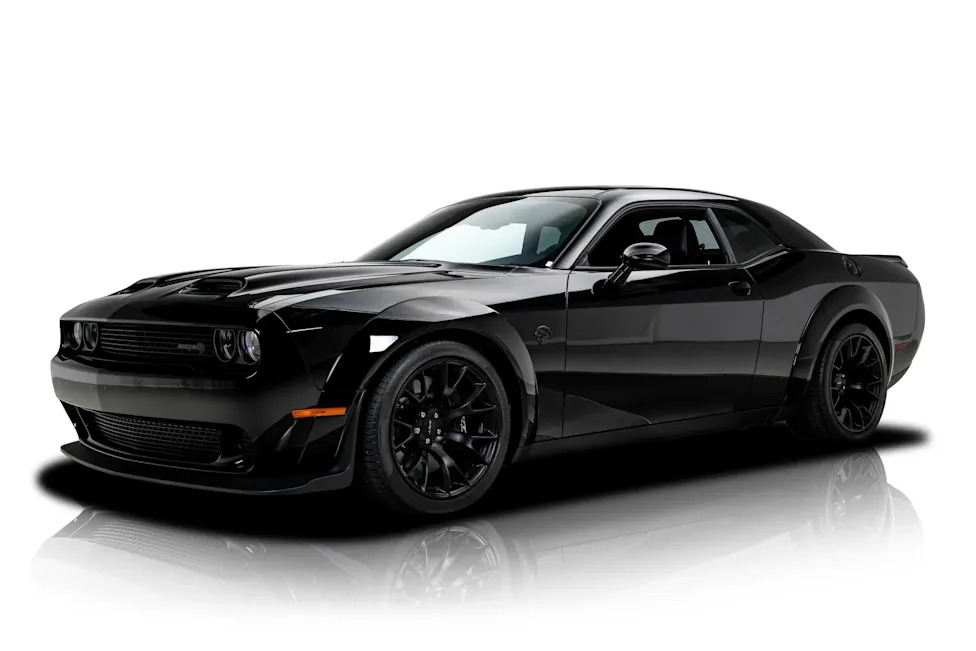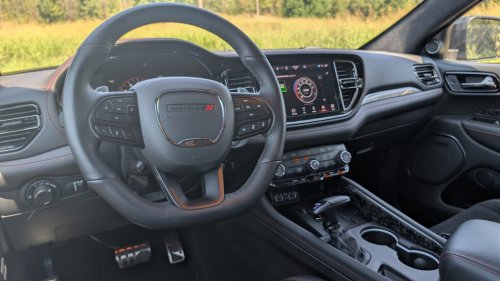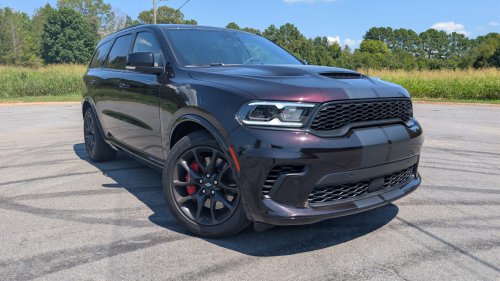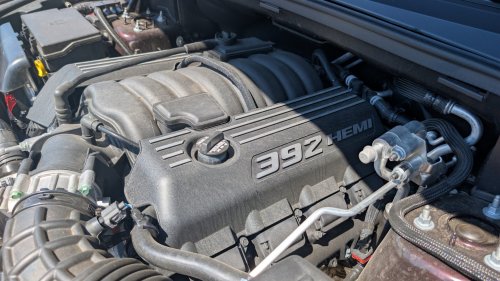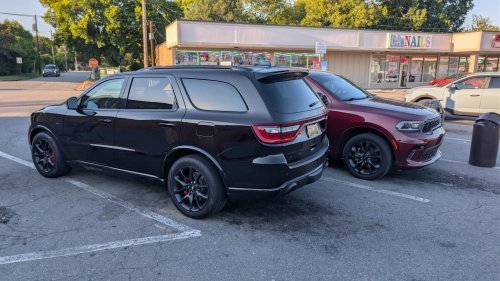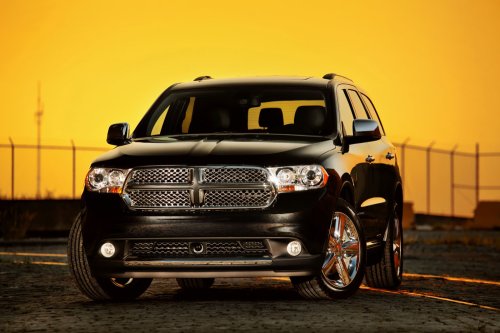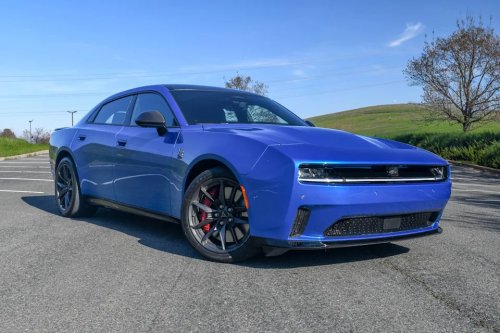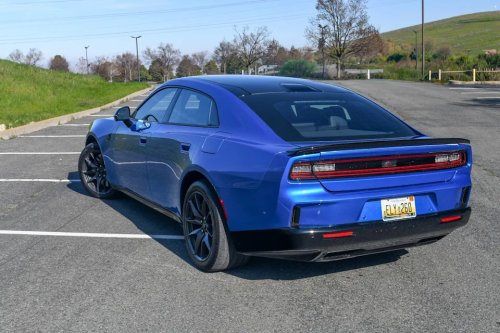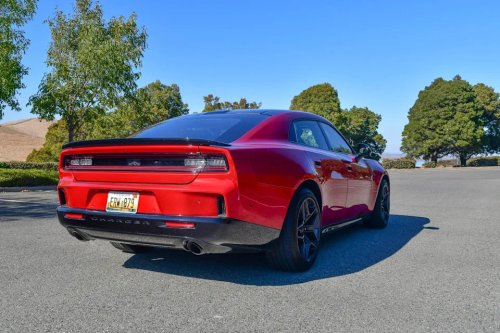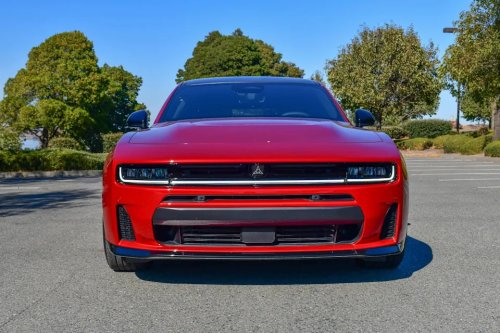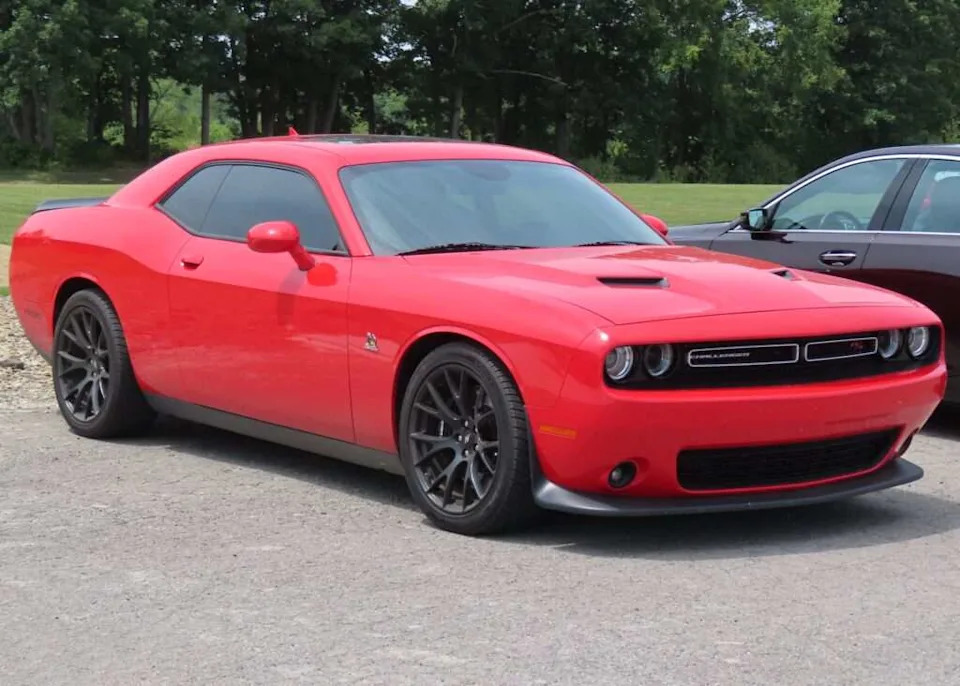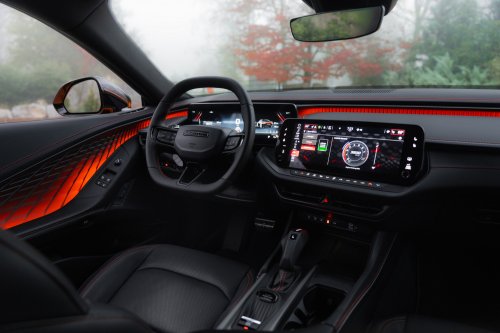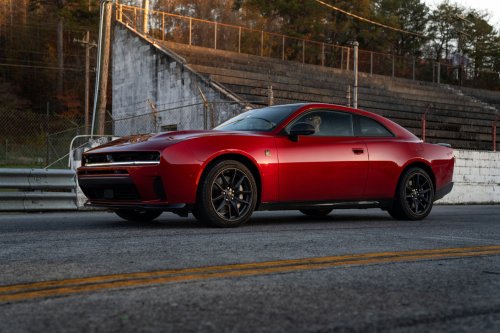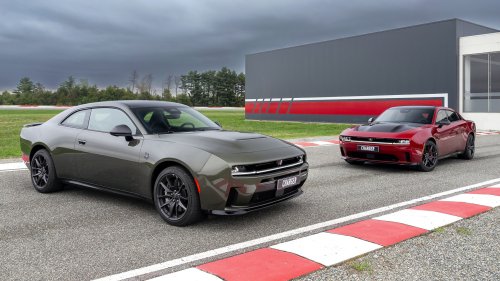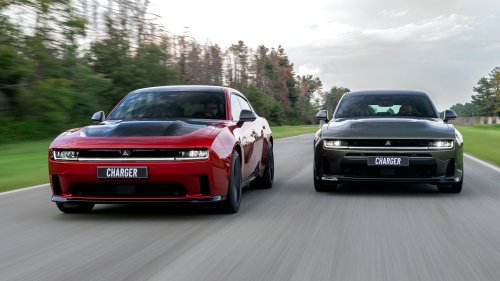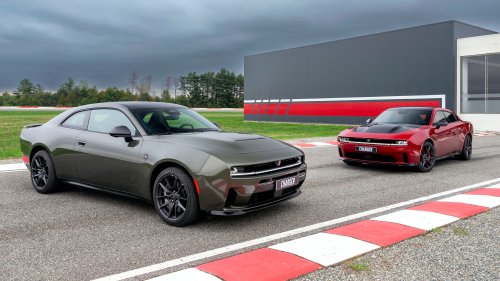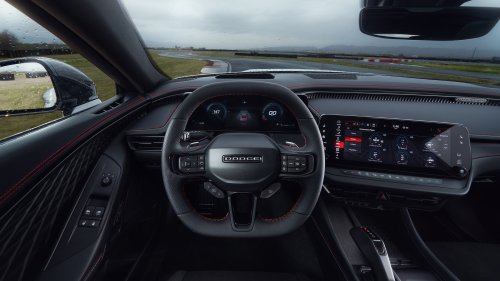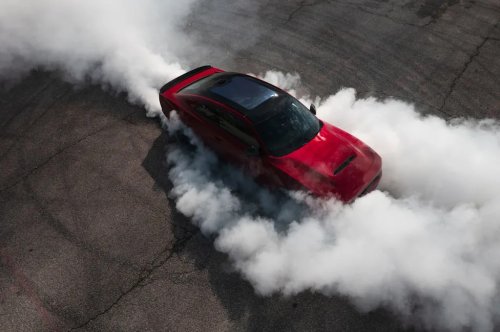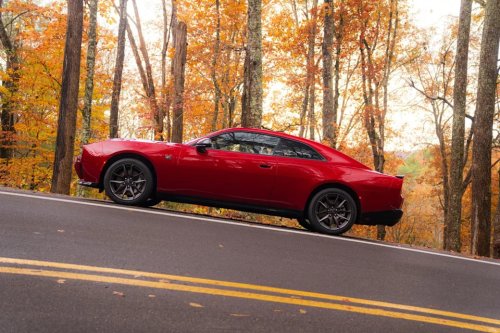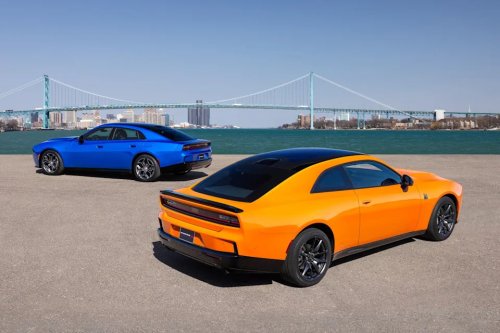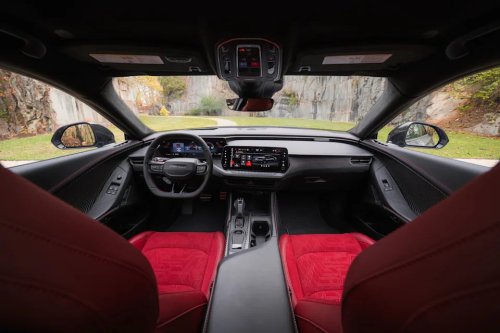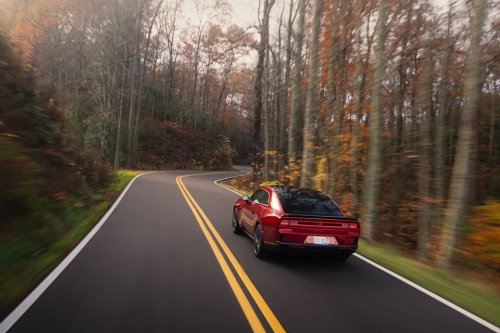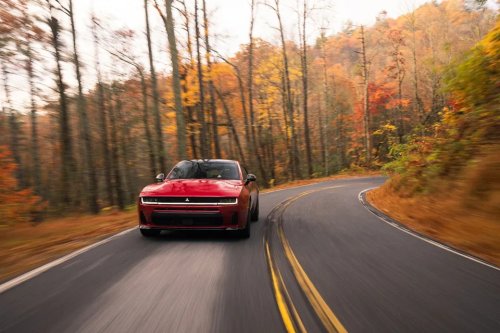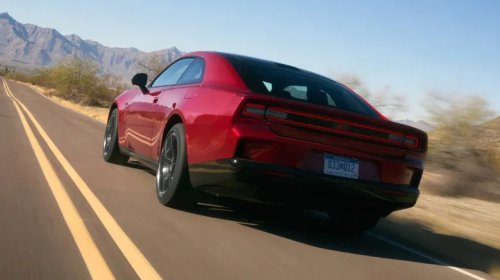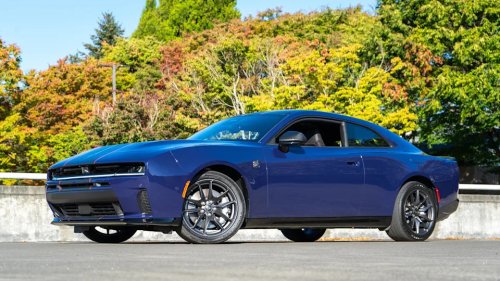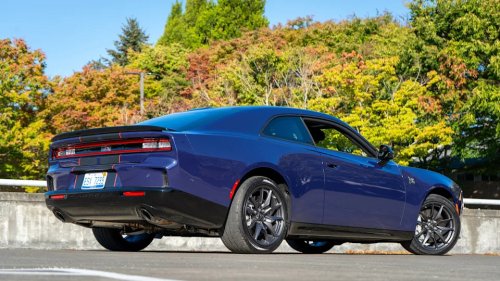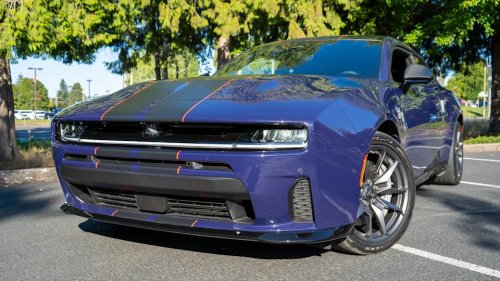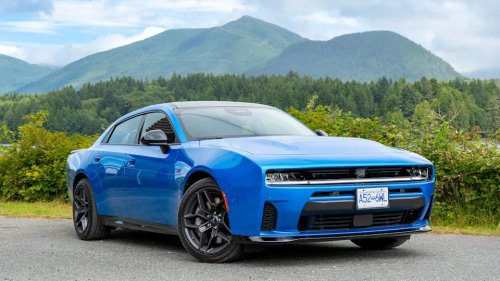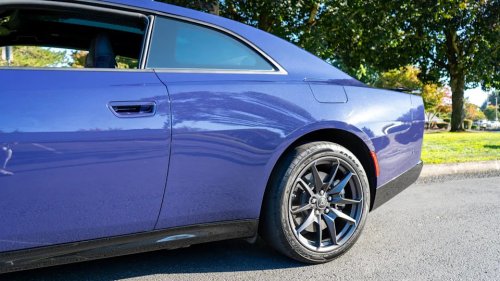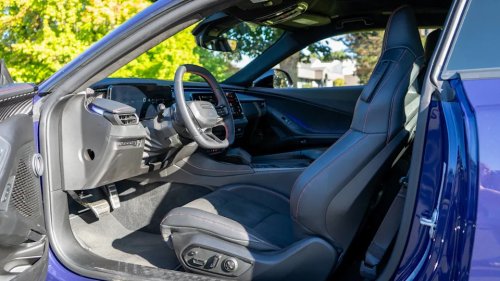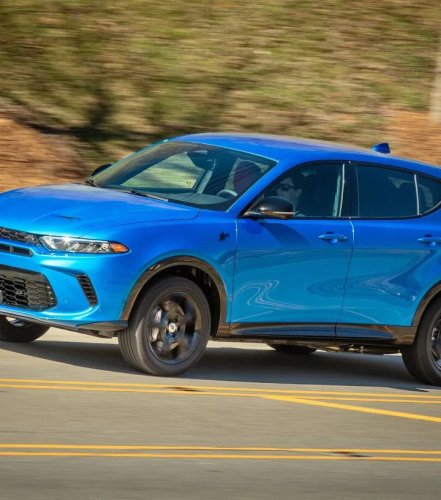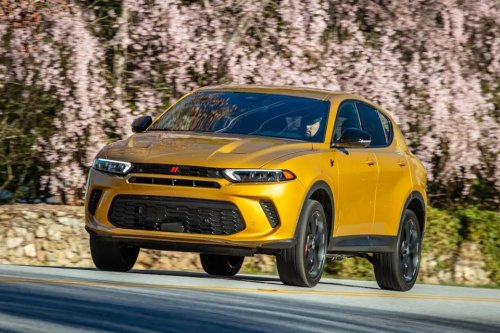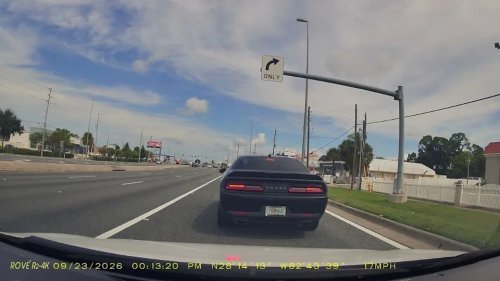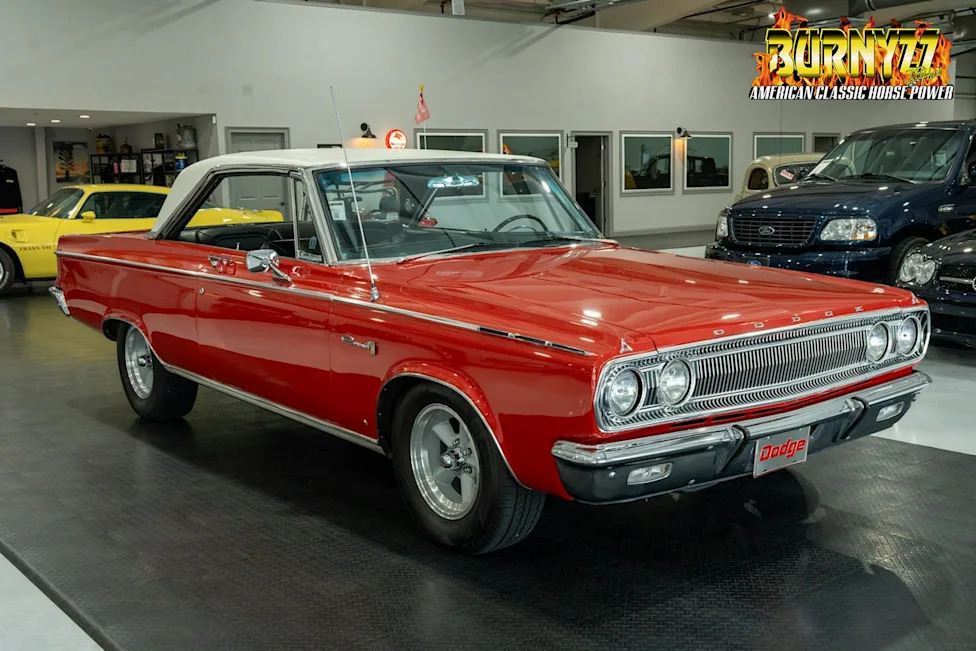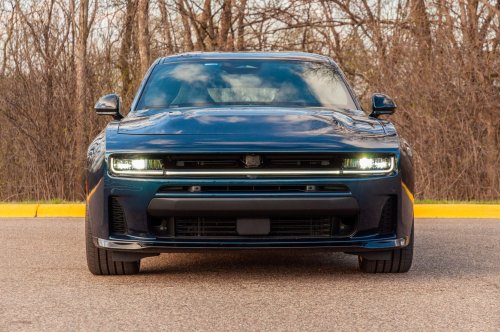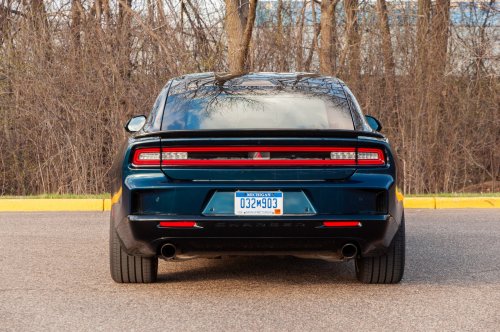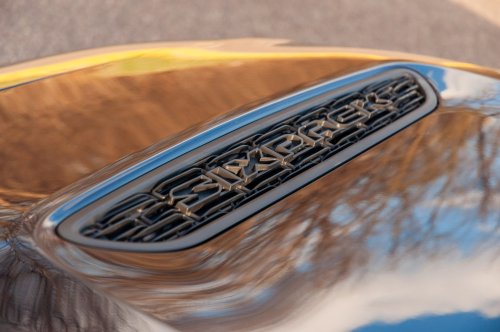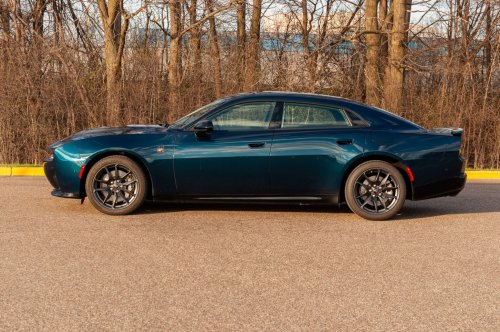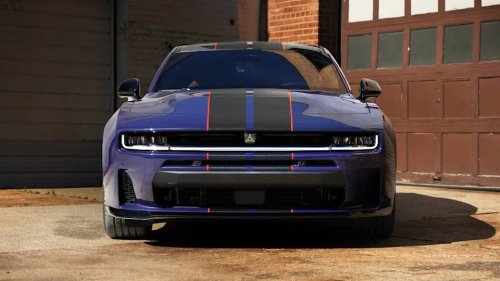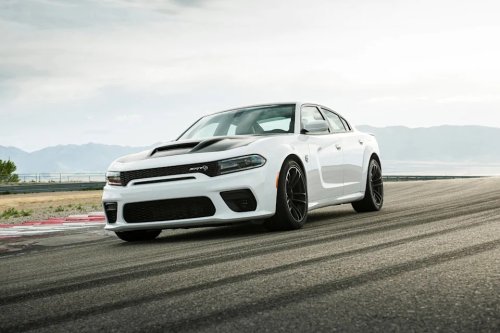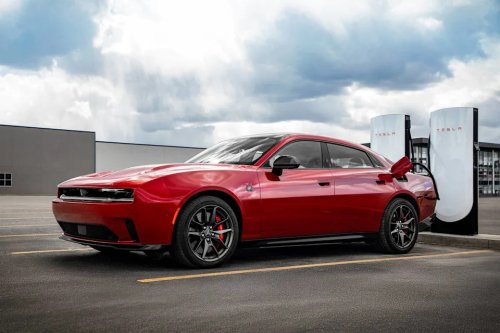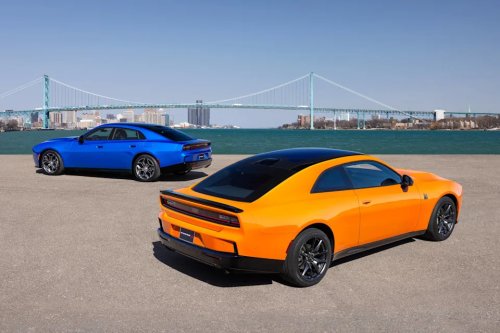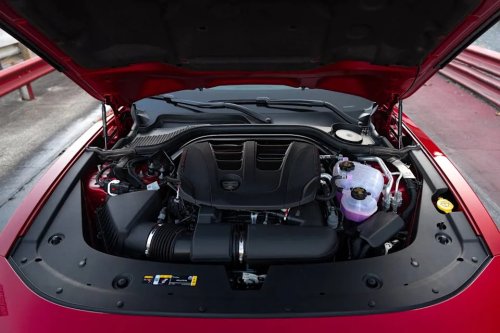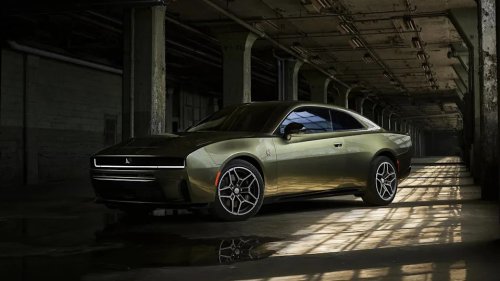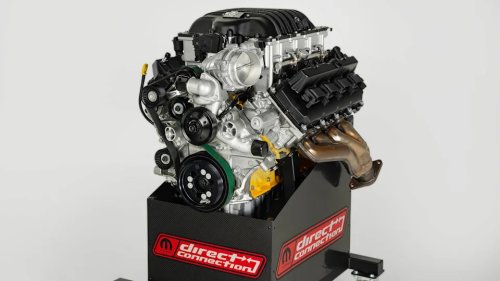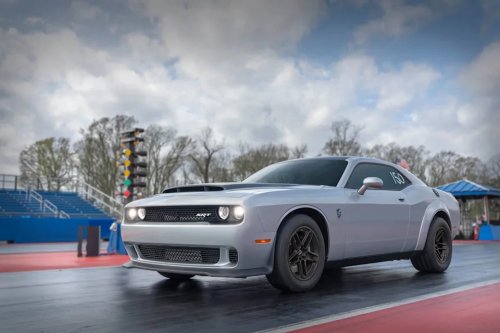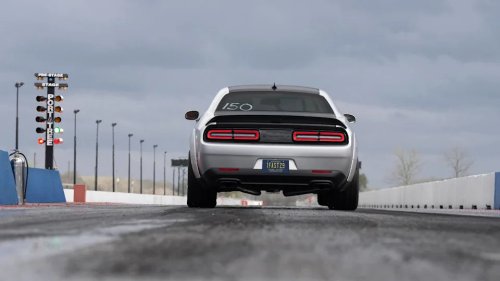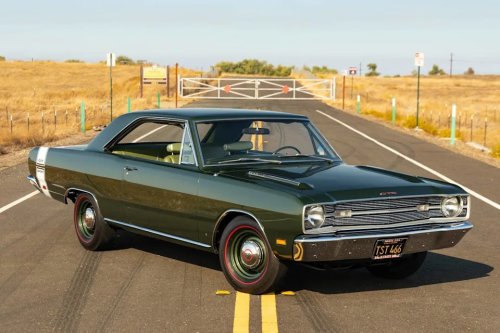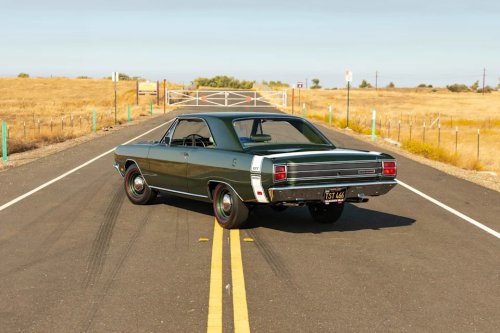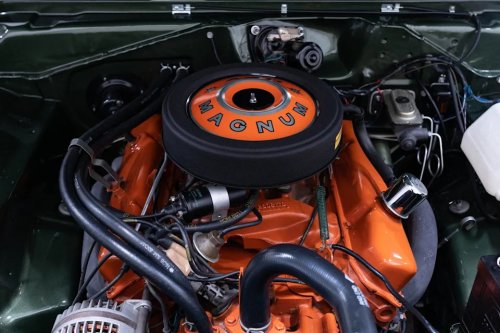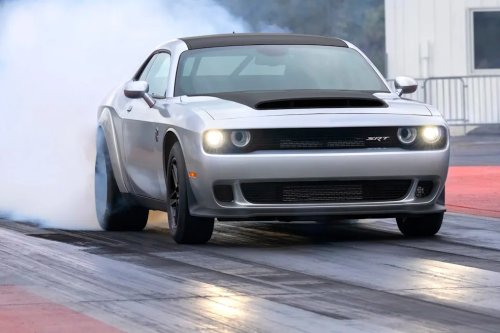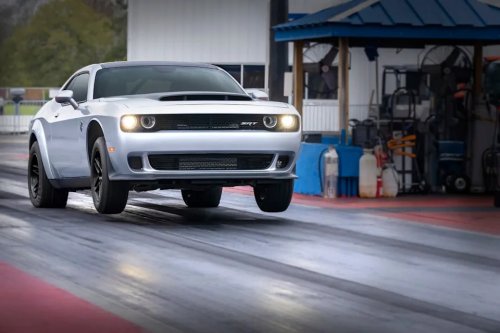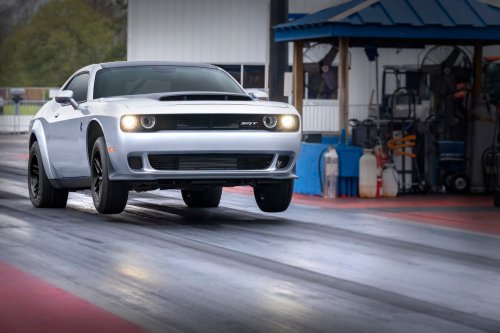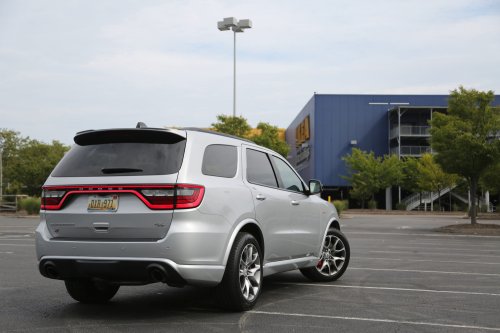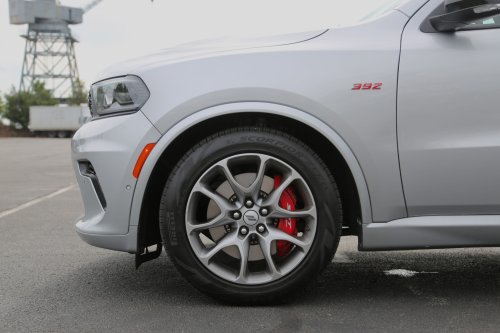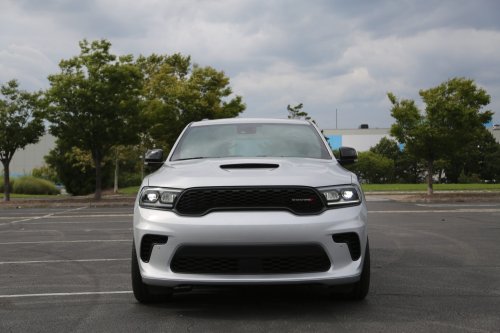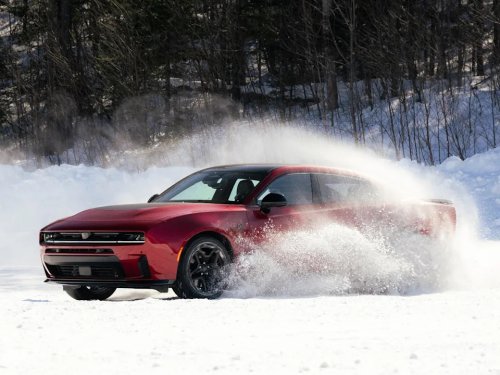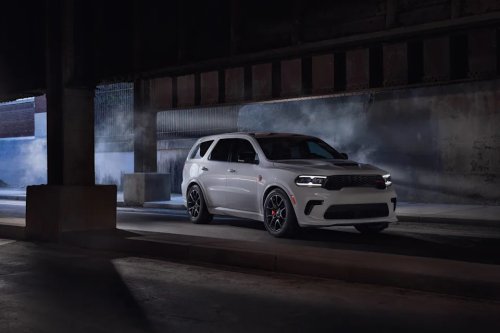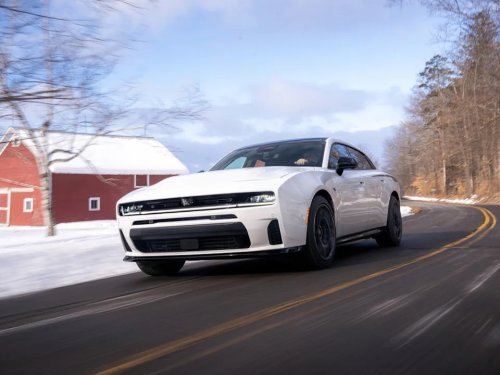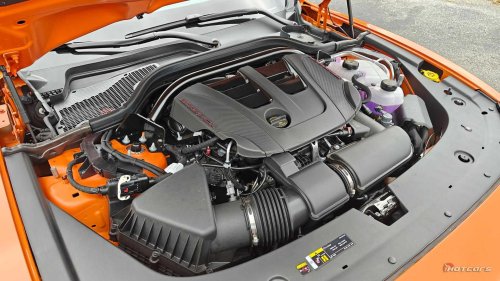
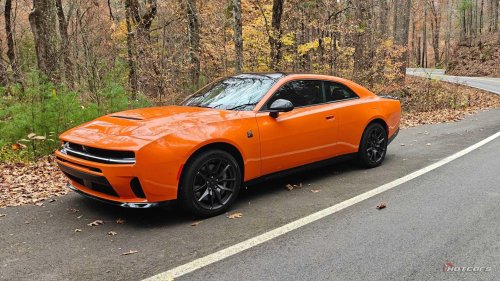
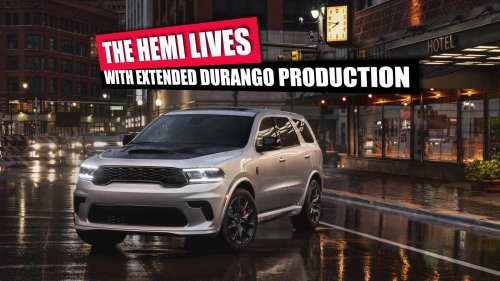
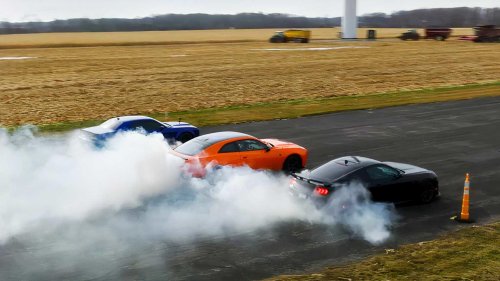


















When Dodge unveiled the 2026 Charger Sixpack, the message was clean and final. The 6.4-liter 392 HEMI was gone. The 6.2-liter supercharged Hellcat was gone. A twin-turbo 3.0-liter inline-six was the new muscle engine at Dodge, and the company was so committed to the pivot that it reached back to 1969 and revived the Sixpack name to give the straight-six the emotional weight of a V8. That pitch lasted about a year.In the months since the Sixpack's debut, Stellantis has reportedly restarted HEMI production at its Dundee, Michigan plant, canceled the high-performance Charger Daytona Banshee EV, killed off the base R/T electric trim, and green-lit development on what multiple outlets describe as a supercharged V8 Charger for the 2028 model year. The Durango, meanwhile, is confirmed to keep both the 5.7-liter HEMI and the 710-horsepower supercharged Hellcat V8 through at least 2028. None of that undoes what the Sixpack is. It just changes what the Sixpack means. Rather than the engine that buried the HEMI, the inline-six now looks like the bridge between two V8 chapters at Dodge. The Engine That Was Supposed to Close the V8 Chapter Jared Solomon The original Sixpack badge, worn by 1969 and 1970 Road Runners and Super Bees, referred to three two-barrel carburetors stacked on a 440-cubic-inch V8. Using that name for an inline-six was a deliberate act of brand mythology, a way for Dodge to tell V8 faithful that the new engine deserved the same reverence. The logic was straightforward. If enthusiasts associated the Sixpack name with American muscle heritage, the naming could carry emotional weight across cylinder counts.The engine itself is the 3.0-liter twin-turbo Hurricane, split into two variants for its Charger duties. The R/T gets the Standard Output tune at 420 horsepower and 468 pound-feet of torque, running 22 psi of boost. The Scat Pack steps up to the High Output version: 550 horsepower, 531 pound-feet of torque, and 30 psi coming out of twin 54-millimeter Garrett turbochargers. Both variants route power through standard all-wheel drive with a front-axle disconnect that lets drivers send 100 percent of the output to the rear wheels for burnouts and drifting. What stays on the menu is the muscle car experience. What changes is the soundtrack. The Numbers That Made the HEMI Replacement Argument Work Jared Solomon For a while, the spec sheet made the pivot feel plausible. The outgoing 6.4-liter 392 HEMI V8 in the last Scat Pack made 485 horsepower. The new Sixpack H.O. makes 550. That is 65 additional horses from a smaller, lighter, and more efficient engine. The Sixpack also delivers 90 percent of its peak torque at just 2,500 rpm, while a HEMI needed to be wound out to earn its keep. The Hurricane essentially shoves you into the seat the moment you breathe on the throttle.Track numbers backed up the sales pitch. A Scat Pack reaches 60 mph in 3.9 seconds, runs the quarter mile somewhere between 12.1 and 12.2 seconds at roughly 116 mph, and tops out at 177 mph. Pricing made the argument harder to dismiss. A 2026 Charger R/T starts at $51,990. A Scat Pack comes in at $56,990. For less than $60,000, a buyer walks out of a Dodge dealer with the quickest and fastest gas-powered Charger in years. On paper, this was exactly the kind of clean generational handoff that would have let Dodge bury the HEMI without the fanbase rioting. For a moment, it looked like the plan might actually work. Then the HEMI Refused to Stay Dead Stellantis The plan fell apart fast. The electric Charger Daytona, which Dodge had launched as the future of muscle before the Sixpack arrived, landed with a thud in the market. Sales were weak through early 2025, inventory piled up at dealers, and the base-trim R/T EV was dropped for the 2026 model year. The halo Banshee, an 800-volt tri-motor flagship that was supposed to produce somewhere between 800 and 1,000 horsepower as a spiritual successor to the Hellcat, was reportedly canceled before reaching production. According to MoparInsiders, Stellantis suppliers were told to stop developing the car's unique systems. Inside Dodge, the electric-first strategy had quietly collapsed.What replaced it is a full about-face. Reports from Car and Driver, MoparInsiders, Torque Cafe, and HotCars say Stellantis has restarted HEMI V8 production at its Dundee, Michigan plant, covering the 5.7-liter, the 6.4-liter 392, and the 6.2-liter supercharged Hellcat. A new V8 Charger, most likely wearing a Hellcat badge, is reportedly in development for a 2027 production start as a 2028 model year vehicle. The Durango, which Dodge had originally positioned as the last V8 stronghold in the lineup, has been confirmed for another run with both the HEMI and the Hellcat through the 2028 model year. What looked like a funeral for eight cylinders a year ago now looks like a pause. Why the Sixpack Is Better Off as a Bridge Anyway Throttle House, YouTube Here's the part the Sixpack narrative didn't see coming. The inline-six is not diminished by the HEMI's return. If anything, the engine makes more sense as a middle option than it ever did as a replacement. A sub-$60,000 Charger Scat Pack with 550 horsepower and a 177-mph top speed slots cleanly between a likely base V8 trim and a returning Hellcat. It becomes the accessible muscle option, the daily-driver spec, the car a buyer picks when they want modern performance without paying Hellcat money or feeding a supercharged V8 at the pump. That is a genuinely useful place in the lineup.It also compares favorably to the one EV Charger still standing. The electric Scat Pack, with 670 horsepower and a 3.3-second zero-to-sixty time, looks quick on a spec sheet, but its top speed is capped at 137 mph. A Sixpack Scat Pack walks away from it past 150 mph. Dodge tried to replace the V8 with electricity. That did not work. Dodge tried to replace the V8 with a twin-turbo inline-six. That worked, but only enough to buy the HEMI time to come back. The Sixpack was never going to be the end of the story. It turned out to be the middle. If the rumors hold and a Hellcat-powered Charger arrives for 2028, the inline-six will end up doing exactly what the best bridge engines do: keep the lineup moving forward while the past and future figure out how to share the same showroom.Sources: Dodge, Motorweek, Mopar Insiders, CarBuzz, TopSpeed