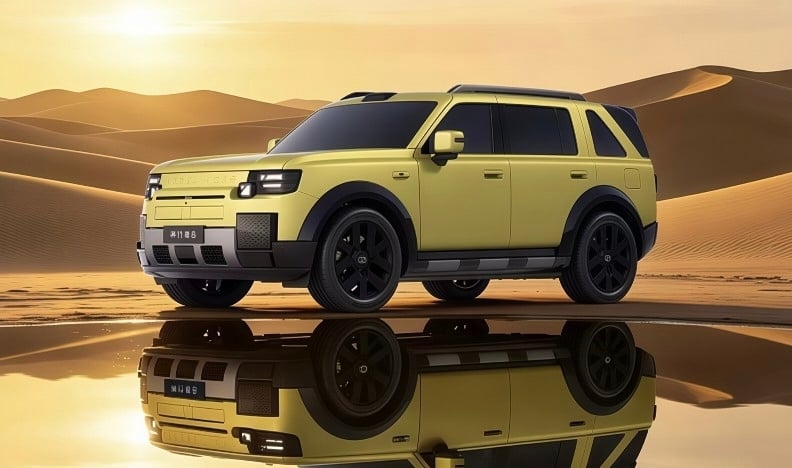
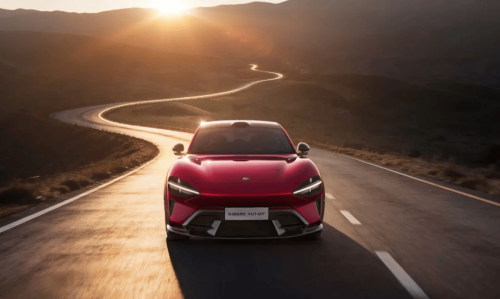
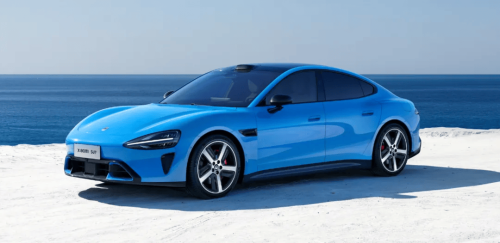
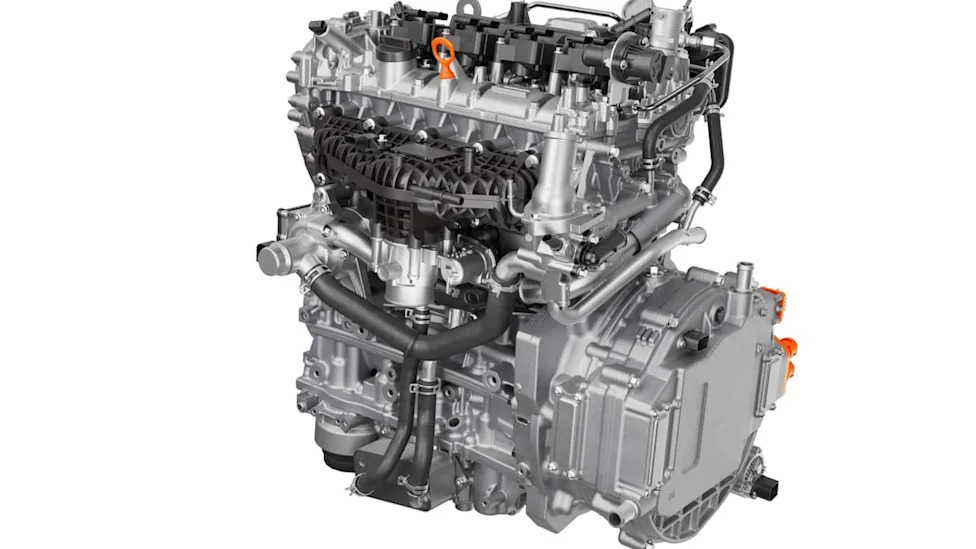
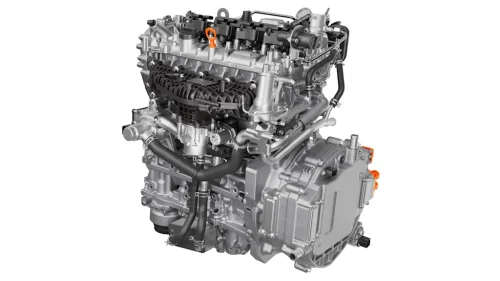
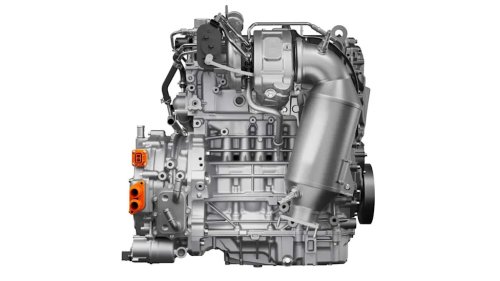
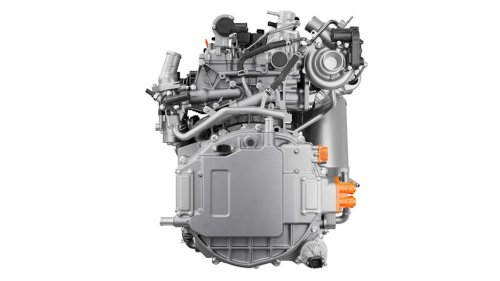
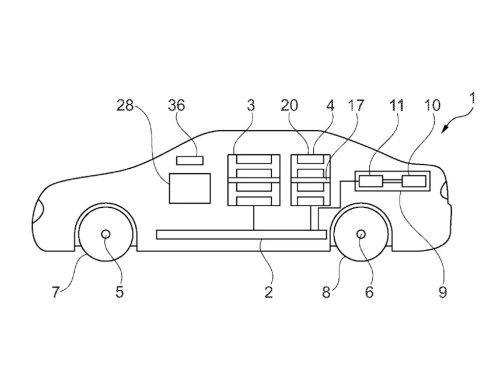
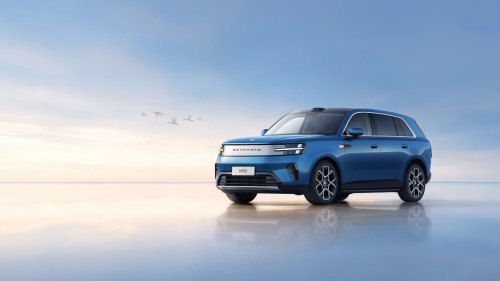
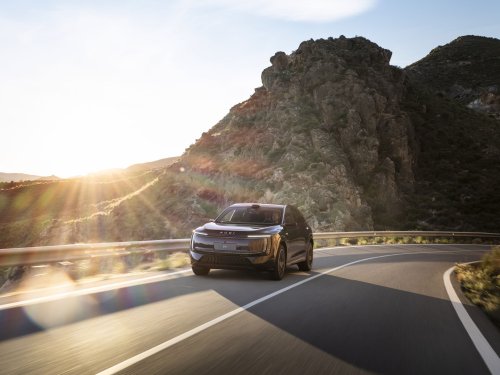
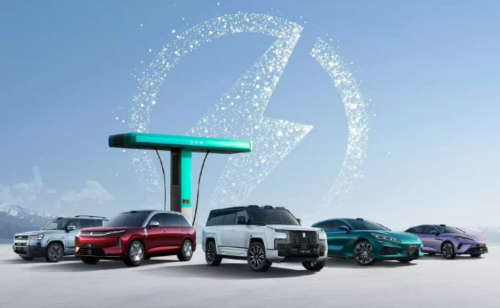
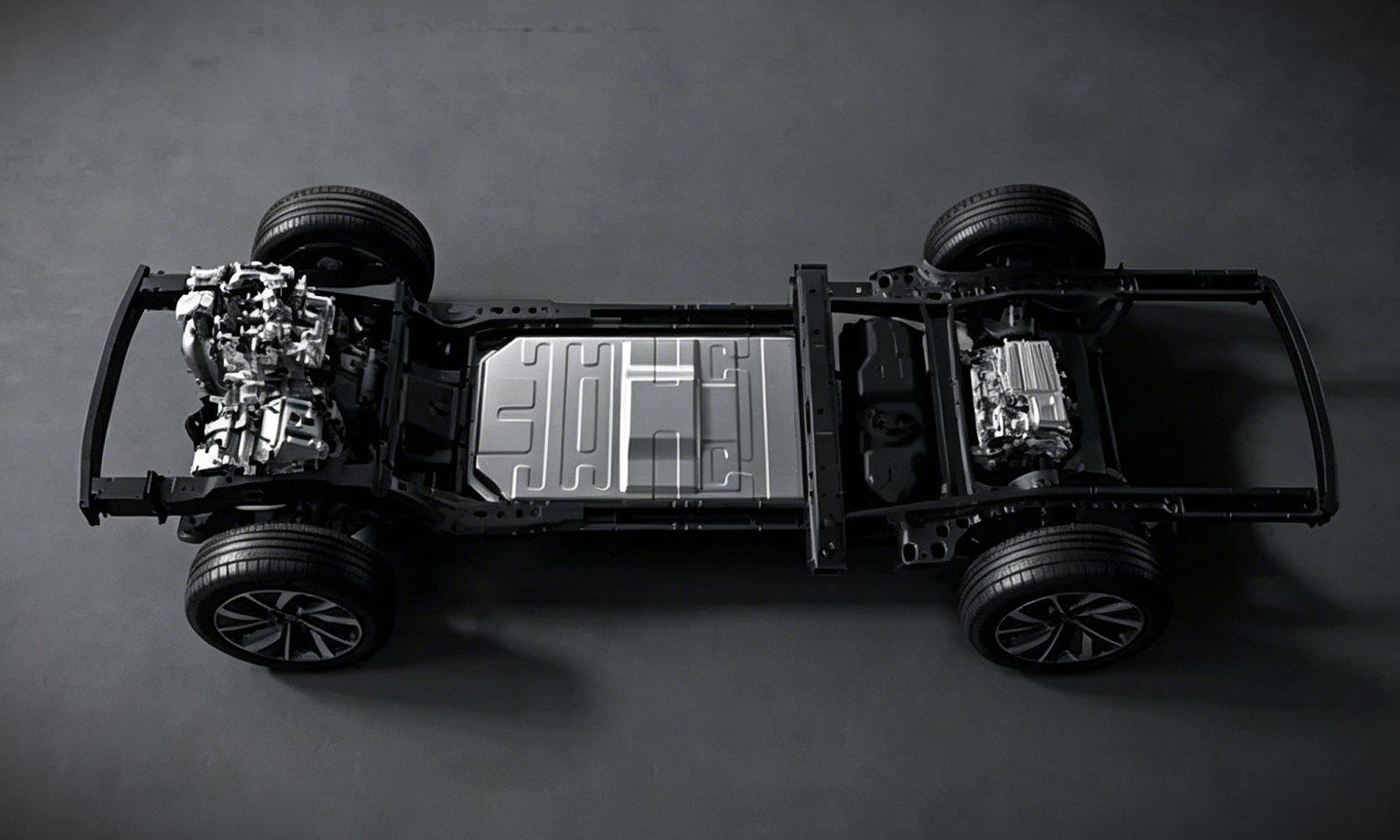
China's revised EREV standard takes effect on November 1, 2026. Credit: China Auto News Understand China EV’s Market Real-time notifications when critical EV data is released All important data in one place 2,000,000+ data points Become a member China has released a revised national industry standard for range extenders used in range-extended electric vehicles (EREVs), replacing an eight-year-old framework with a more detailed set of technical requirements and test procedures. The new standard, QC/T1086-2026, takes effect on November 1 and introduces quantified performance targets covering power control accuracy, electromagnetic compatibility (EMC), noise and vibration performance (NVH), and long-term durability, according to CNR. From basic requirements to measurable targets The previous 2017 version relied heavily on qualitative requirements and manufacturer-defined specifications. The updated framework converts many of those provisions into measurable performance criteria. One example is the accuracy of generator power control. Systems rated at 50 kW or below must maintain output within ±1.5 kW, while higher-output systems must achieve ±3% accuracy. Industry participants involved in drafting the standard said the thresholds were established using production data from major vehicle manufacturers and suppliers. The goal was to create targets achievable by mainstream suppliers while eliminating lower-performing designs. The revised scope also covers integrated electric drive systems that combine generating and driving functions within a shared transmission assembly, reflecting the industry’s shift toward greater powertrain integration. EMC and NVH move into the spotlight One of the most significant additions is the introduction of dedicated EMC and NVH testing requirements. Early range extenders primarily served as onboard generators that operated when battery charge was depleted. Modern systems function as integrated energy-management components that work alongside battery packs, electric motors, and vehicle control systems. The shift is also visible in newer high-performance EREV and hybrid SUVs entering the market. HIMA recently launched the Aito M9 with up to 890 hp, while IM Motors introduced the LS8 EREV with a CLTC electric range of 430 km. Geely’s Zeekr brand has pushed the technology further with the Zeekr 9X and 8X. The Zeekr 9X exceeded 50,000 cumulative deliveries within months of launch and is scheduled for exports to the Middle East, Central Asia and Europe, while the Zeekr 8X will begin overseas expansion later in 2026. These vehicles place greater emphasis on refinement, electromagnetic compatibility, durability and powertrain integration than earlier generations of range-extender vehicles. The new requirements effectively make EMC performance, vibration isolation and acoustic management part of the industry’s baseline technical evaluation. Durability targets tied to real-world usage The standard introduces two durability benchmarks that attracted particular attention: a 750-hour alternating-load test and a 100,000-cycle start-stop test. Participants in the drafting process said the requirements were developed using vehicle operating data and damage-equivalence modelling rather than directly adopting existing international standards. The testing regime is intended to simulate approximately 300,000 km of real-world use, including congested urban conditions where frequent engine restarts occur. Such requirements reflect the expectation that EREVs will increasingly operate as long-term primary vehicles rather than as niche transitional technologies. Market growth drives standard revision The timing of the revision coincides with the rapid expansion of China’s EREV market. Industry participants cited domestic EREV sales exceeding 1 million units in 2024 and surpassing 1.2 million units in 2025. Vehicle manufacturers, including Seres, Li Auto, Deepal, and Leapmotor, have expanded EREV programs, while premium models such as the Aito M9 have helped establish the technology in higher-priced market segments. Aito M9 domestic sales reached 3,382 units in April 2026, following 2,982 units in March and 3,085 units in February, according to China EV DataTracker.


















 +18 others