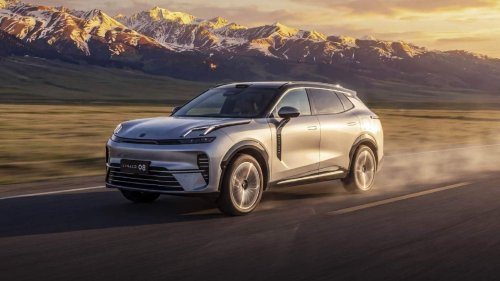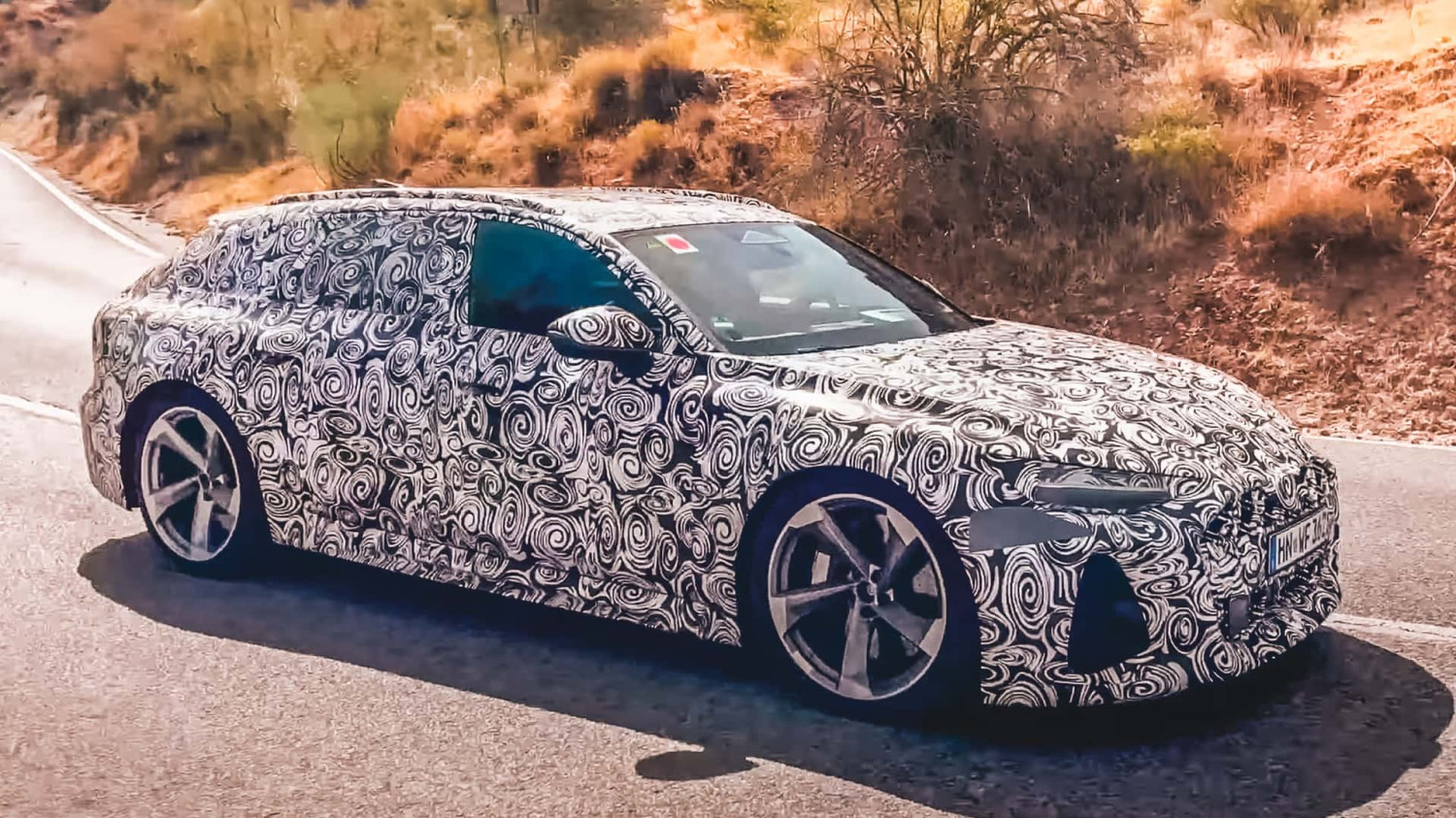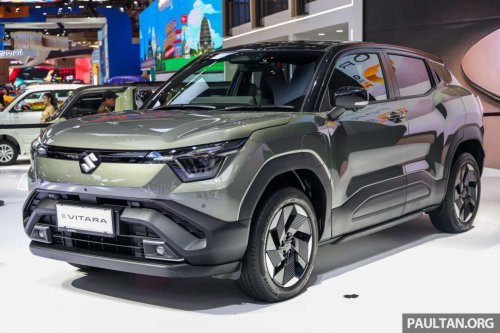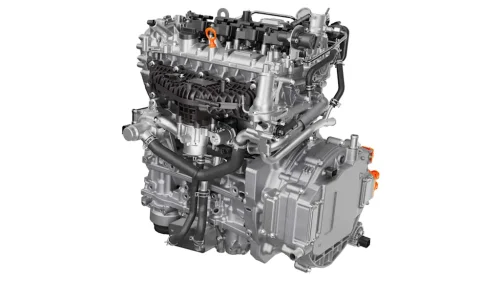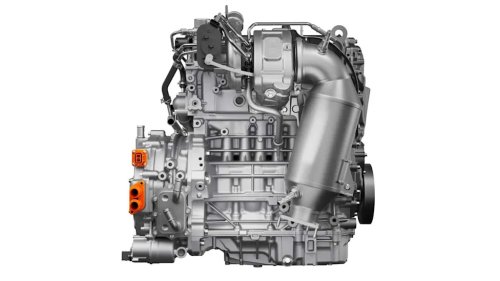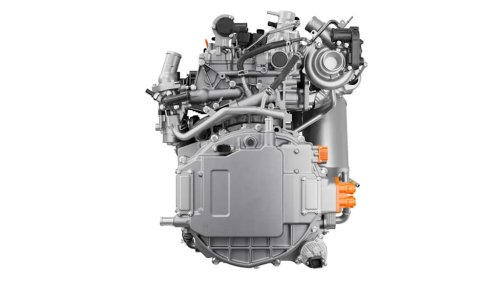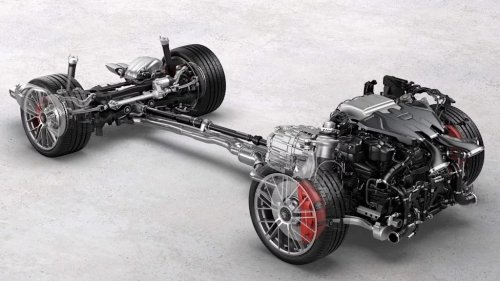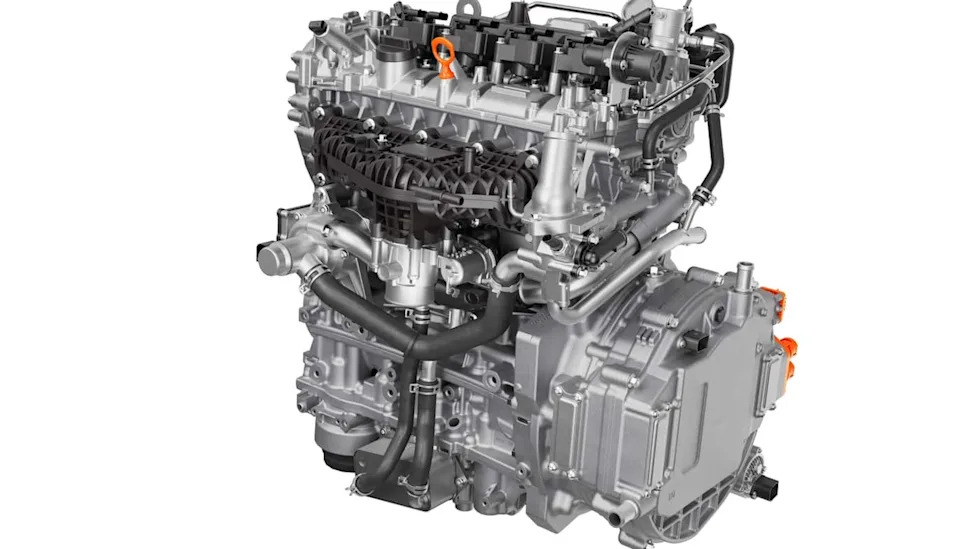




















Photo Credit: Horse PowetrainElectric vehicles already offer a cleaner, quieter driving experience, but for many shoppers, one sticking point remains: what happens when the battery runs low far from a charger?Horse Powertrain, the Renault-Geely joint venture, says its latest answer is a newly revealed range-extender setup that runs on 100% methanol rather than gasoline.What's happening?According to InsideEVs, Horse Powertrain's new D20 extended-range EV system combines a 122-cubic-inch (2.0-liter) turbocharged four-cylinder engine with an axial-flux motor mounted on the crankshaft.AdvertisementAdvertisementInstead of propelling the wheels in the usual way, the hardware is meant to create electricity for the battery.Horse rates the generator at up to 105 kilowatts, and the flat, pancake-like unit is nearly half as long as a conventional radial flux motor while offering 64% greater power density by volume.Horse says the system delivers 96.4% electrical efficiency and weighs 374 pounds with the power electronics included.The company also says it can perform pure-methanol starts in temperatures down to minus 31 degrees Fahrenheit, and it is engineered to meet both Euro 7 and China's CN6b emissions standards.AdvertisementAdvertisementLab results from Horse put the D20's fuel-to-energy conversion ratio at 47%. In practical terms, every 2.1 kWh of methanol burned yields 1 kilowatt-hour of electricity, which, by the company's math, would let 5.1 gallons of fuel recharge a 40-kWh battery pack.Why does it matter?The idea behind extended-range EVs is to keep the normal advantages of electric driving while adding a fallback when charging is unavailable.That backup can help address two of the concerns that often slow adoption: worries about running out of range and worries about finding a place to plug in.EVs can save drivers money on fuel and routine maintenance over time, especially since they do not need oil changes and generally have fewer moving parts to service.AdvertisementAdvertisementThere is also a possible emissions benefit. The D20 still relies on combustion, but using methanol to generate power could reduce carbon monoxide output compared with gasoline-based range extenders, potentially making this type of backup system less polluting than older versions.What's being done?Automakers and suppliers are not relying on just one solution. Some are working on larger, better batteries, while others are developing new charging options or backup systems to keep EVs moving when chargers are scarce.Basic Level 1 charging tends to be slow. Qmerit provides free, instant installation estimates for a faster Level 2 home charger installations.That kind of home setup can make all-electric driving much easier day-to-day, while range-extender concepts such as the D20 may help on longer trips.AdvertisementAdvertisementIf those lab results translate to real-world driving, Horse may have found a notable new option for hesitant EV shoppers — one the company says delivers "unprecedented fuel economy."Get TCD's free newsletters for easy tips, smart advice, and a chance to earn $5,000 toward home upgrades. To see more stories like this one, change your Google preferences here.