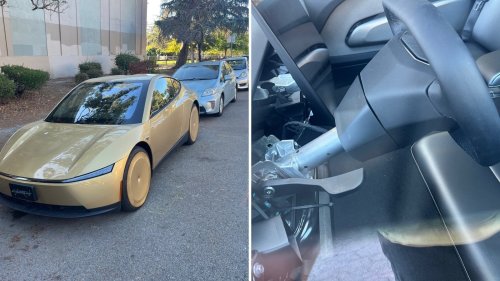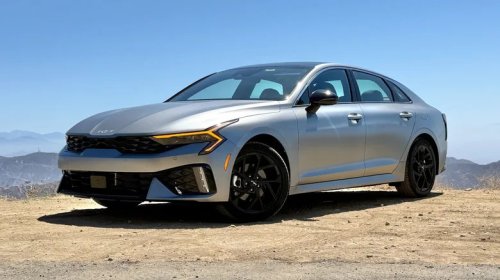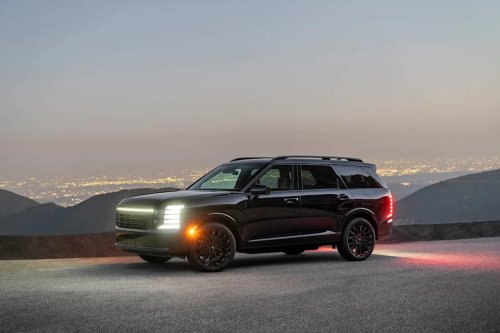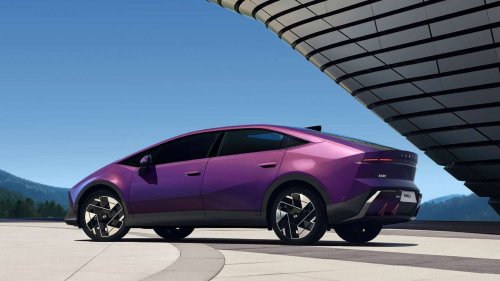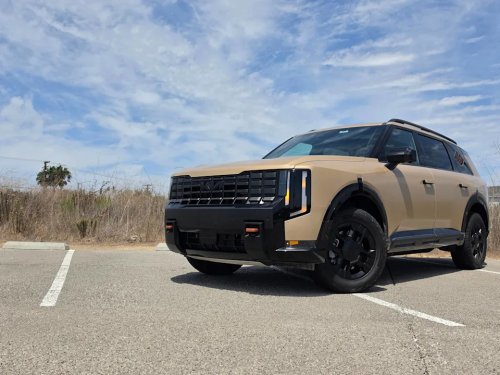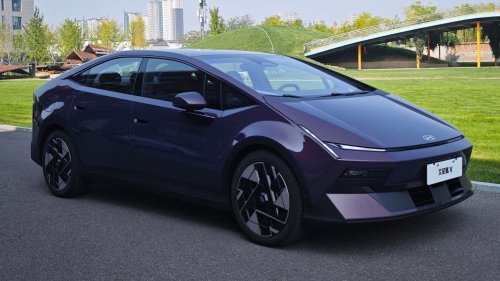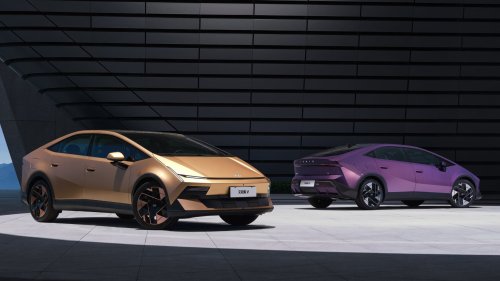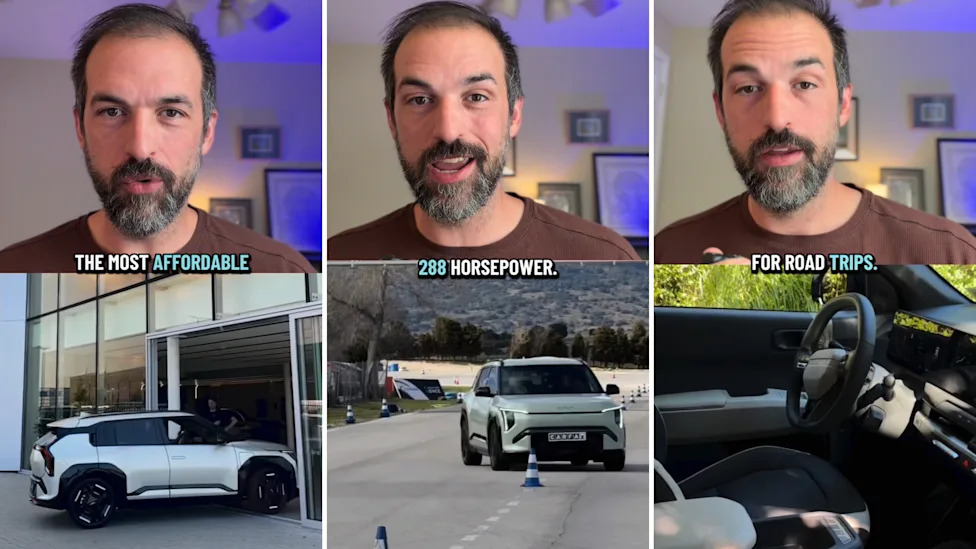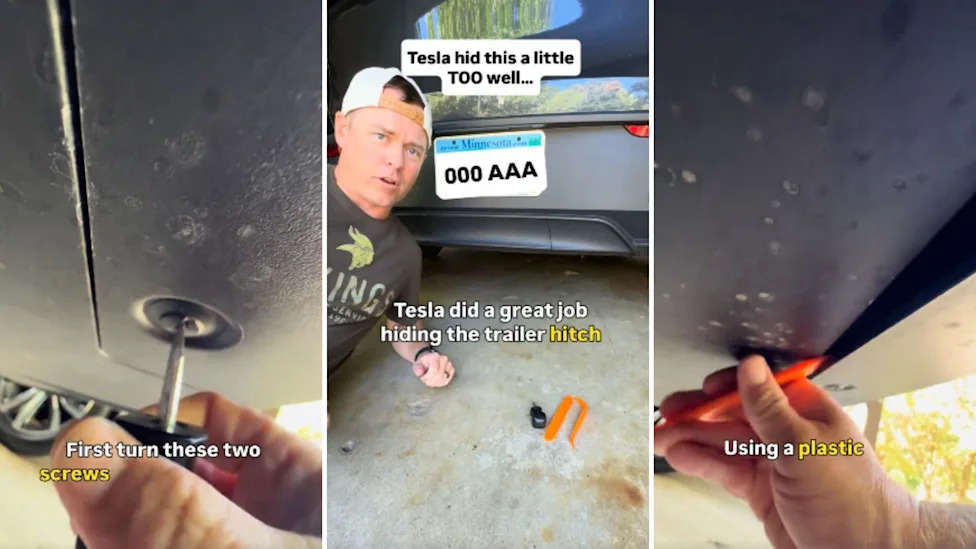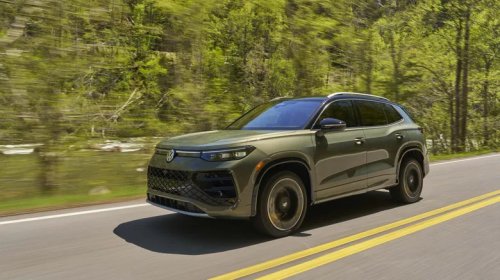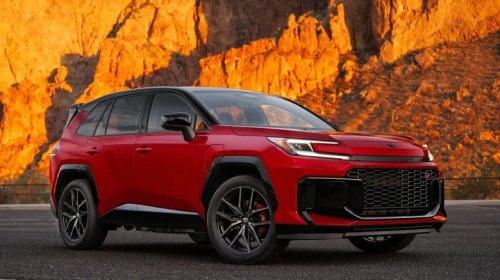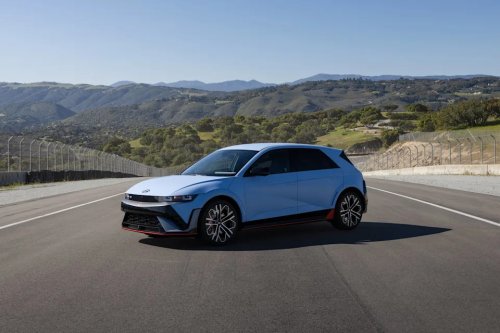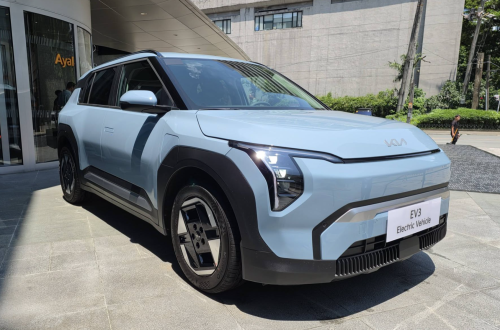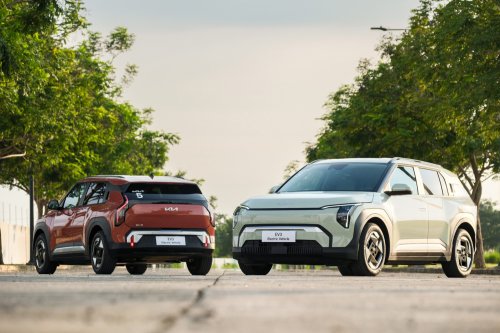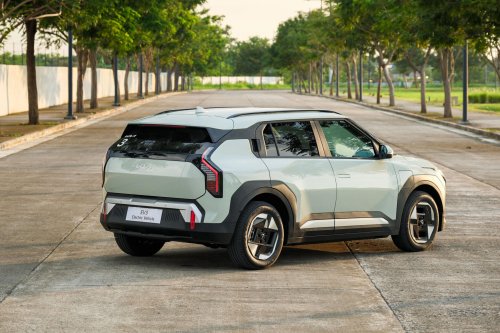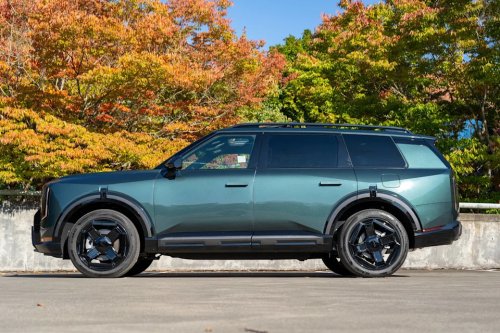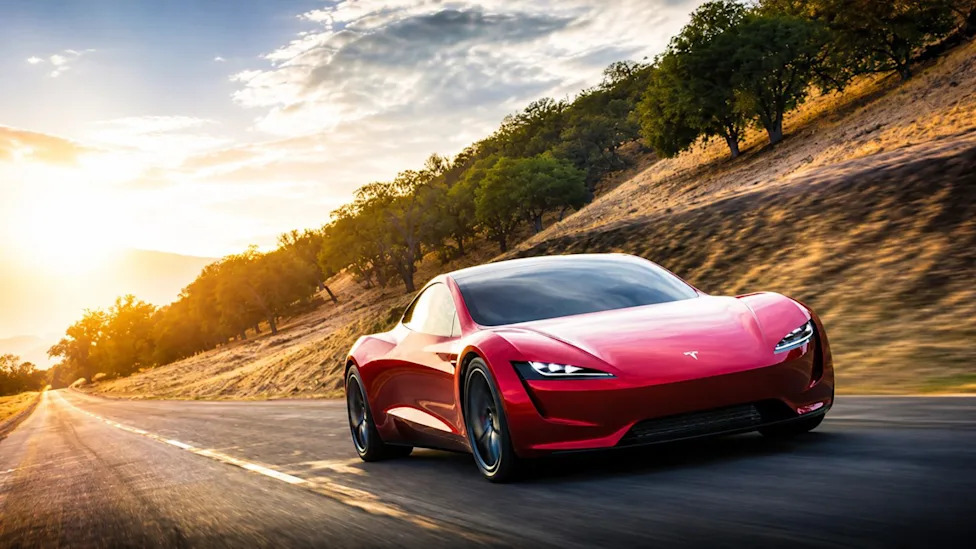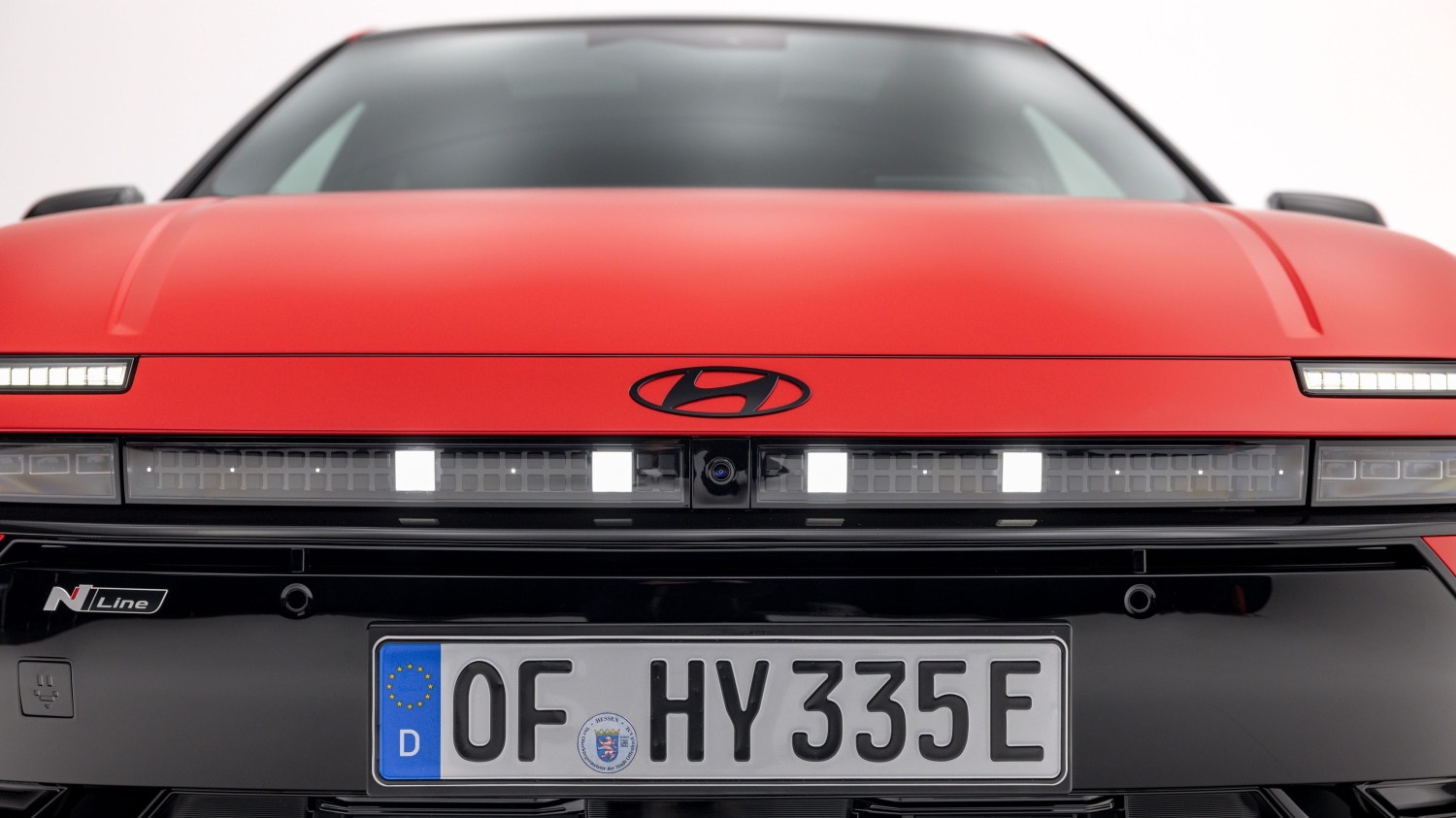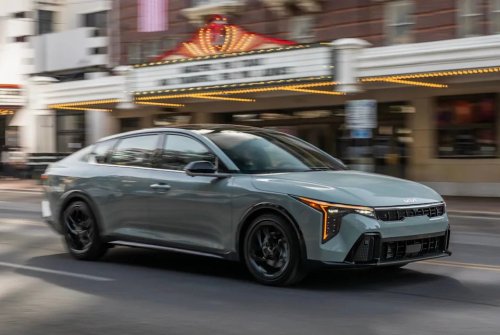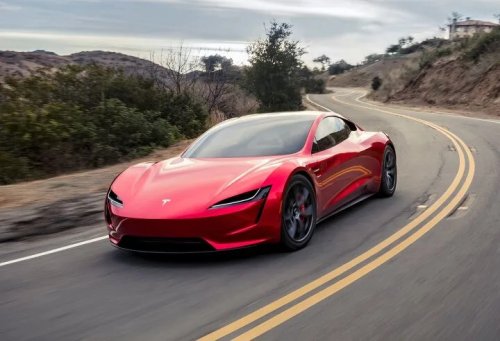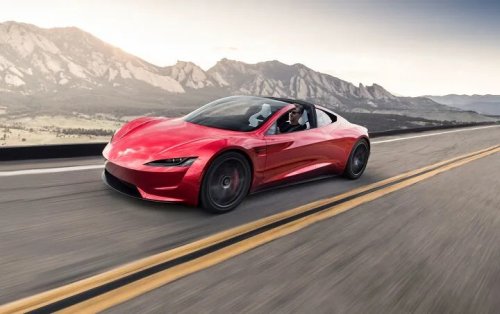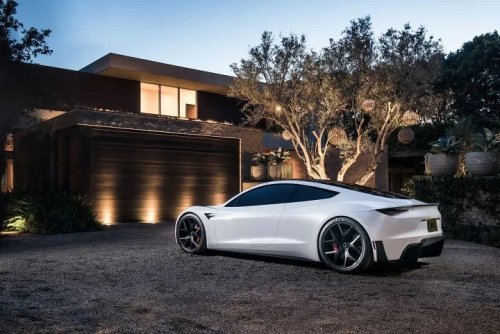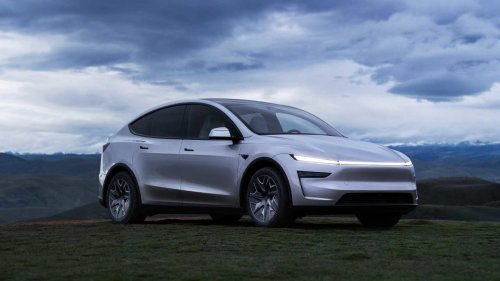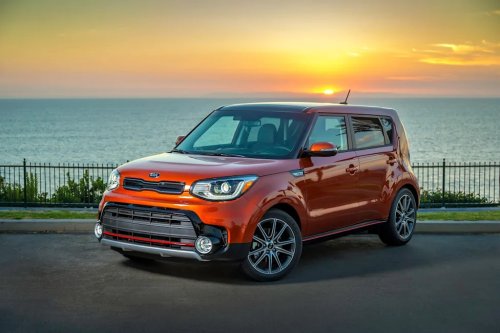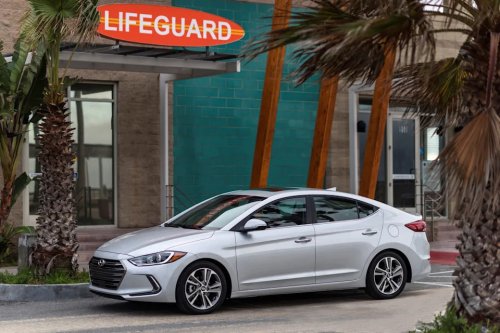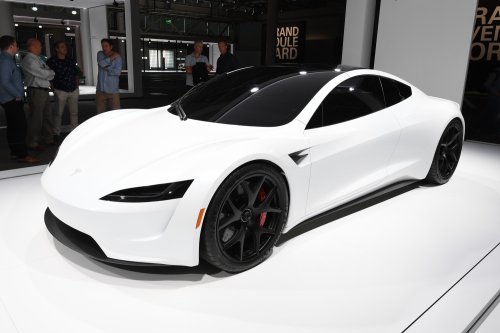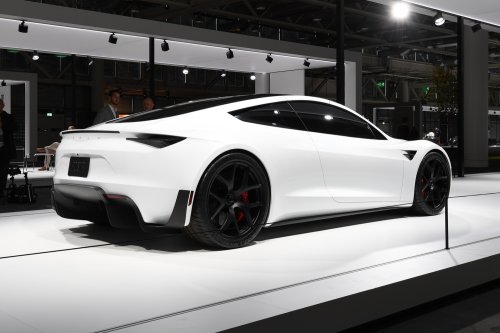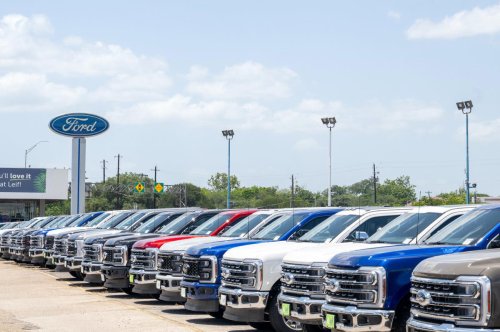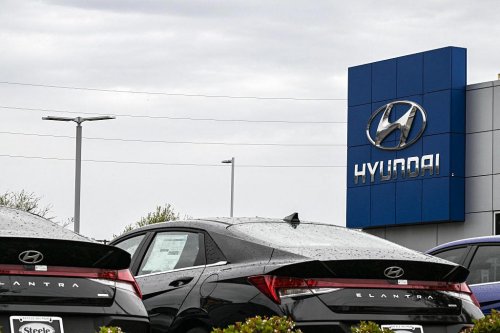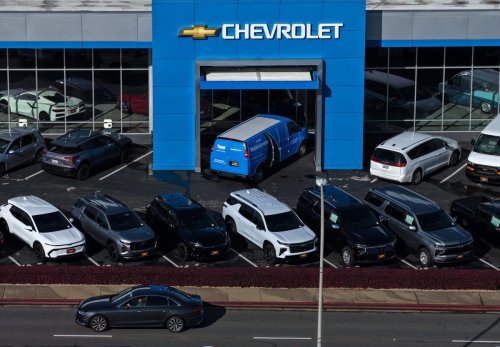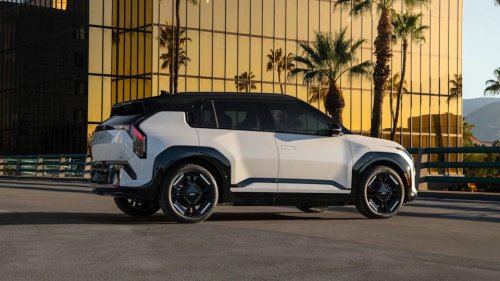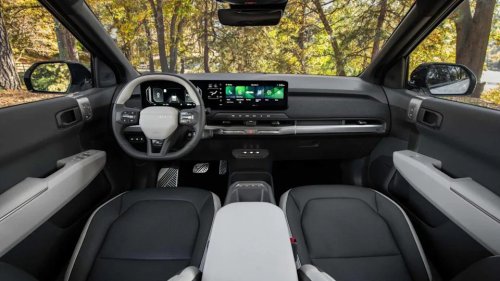



















Photo Credit: iStockAmerica's electric vehicle slowdown is becoming harder to miss on dealership lots across the country.As demand cools, a growing list of carmakers — including Tesla, Hyundai, Kia, Volvo, Honda, BMW, Porsche, and Polestar — are canceling models, postponing launches, or otherwise scaling back their U.S. EV plans.What's happening?According to Business Insider, EV deliveries sank 27% in the first quarter of 2026, after a 46% drop in late 2025.AdvertisementAdvertisementThe slide picked up after the $7,500 federal incentive for U.S.-made EVs expired in September 2025.Hyundai and Kia have made some of the most visible cuts. Hyundai is dropping the regular Ioniq 6 imported from Korea from its U.S. lineup and not shipping the 2026 Kona Electric here, while Kia has ended the Niro EV in the U.S. and pushed back the EV6 GT and EV9 GT for an unspecified period because of "changing market conditions."At Tesla, the lineup is narrowing as well. Model X assembly is scheduled to end in the second quarter of 2026, and CEO Elon Musk said the Model S is headed for an "honorable discharge."Other brands are making similar moves. Volvo is dropping the EX30 from the U.S. market, Honda has scrapped multiple planned EVs, and BMW, Porsche, and Polestar (which can no longer sell newly built cars in the U.S.) are all making significant changes to their electric offerings.Why does it matter?For shoppers, fewer models can mean fewer price points, body styles, and entry points to choose from, particularly as lower-cost options such as the Kona Electric, Niro EV, and EX30 disappear or fade away.AdvertisementAdvertisementMany households are still weighing the benefits of buying an electric vehicle.EVs can save drivers money on fuel, and they generally require less routine maintenance than gas-powered vehicles because they do not need oil changes and have fewer moving parts.A slower pace of EV adoption also means tailpipe pollution could stick around longer, affecting local air quality and planet-warming emissions.The current pullback does not necessarily point to the end of EV growth. Many of the canceled or delayed models are being replaced by next-generation vehicles designed to offer longer range, faster charging, and lower production costs.What's being done?Automakers appear to be narrowing their focus rather than walking away from electrification altogether.AdvertisementAdvertisementHyundai is still selling its U.S.-assembled Ioniq 5 and Ioniq 9 SUVs, Volvo is shifting attention to the EX60, BMW is preparing its Neue Klasse-based EVs, and Porsche is refreshing the Taycan sedan for 2027.Current inventory, used EV deals, and any state, local, or utility incentives may still be available. Charging an EV at home often costs less than using public chargers, though basic Level 1 charging tends to be slow. Qmerit provides free, instant installation estimates for faster Level 2 home charger installations.The slowdown could also create an opportunity for buyers in the market right now. Dealers may be more motivated to move remaining inventory on discontinued models, which could make an EV purchase more affordable even in an uncertain market.AdvertisementAdvertisement"Sedan sales have declined a lot over the past decade, and the Ioniq 6 is no exception," Sam Abuelsamid, the vice president of market research at Telemetry, told Business Insider.Musk called Tesla's decision "slightly sad," adding, "We're really moving into a future that is based on autonomy."Get TCD's free newsletters for easy tips, smart advice, and a chance to earn $5,000 toward home upgrades. To see more stories like this one, change your Google preferences here.