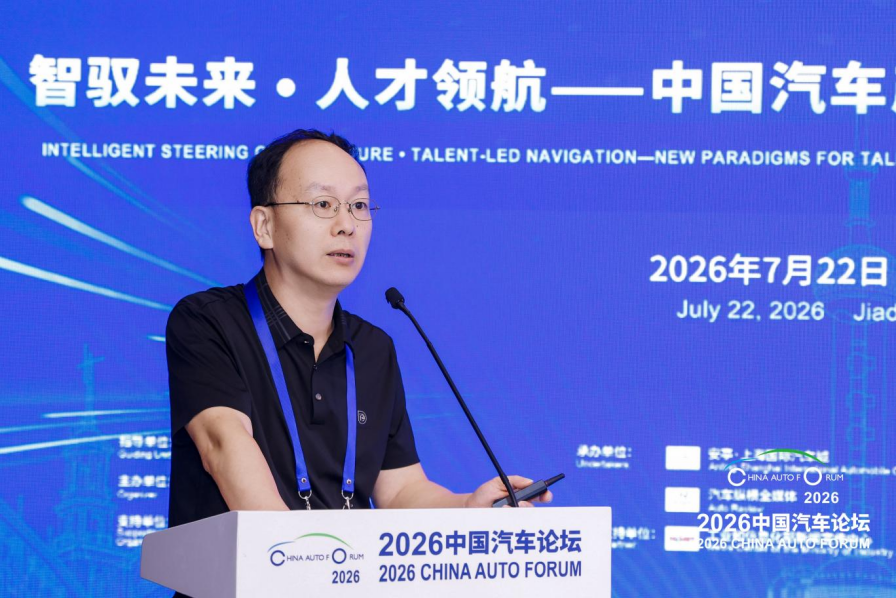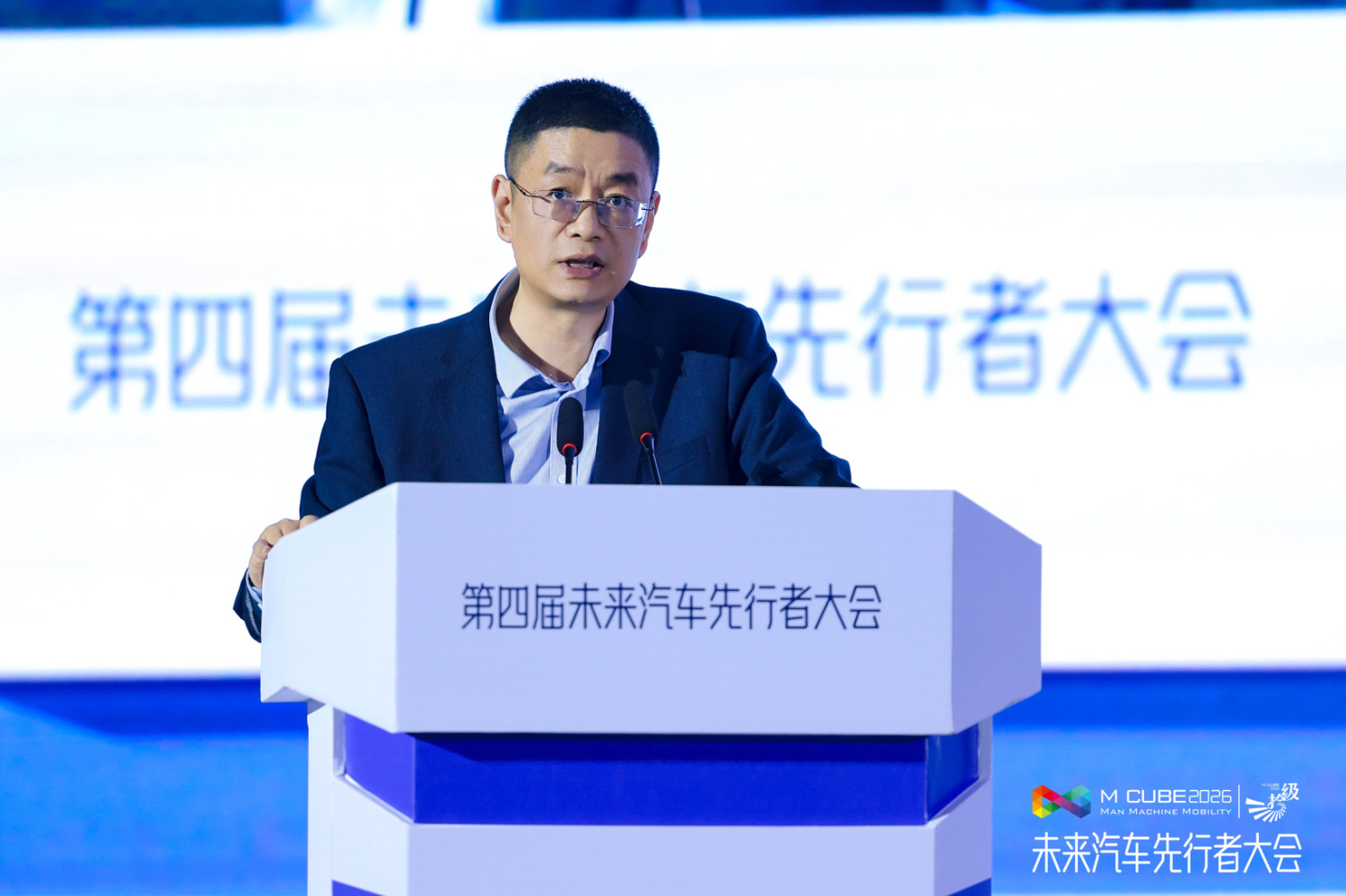



















Gasgoo Munich- "Now that China's automotive industry commands the world's largest market and a complete industrial system, the critical question is no longer about accelerating faster—it's about maintaining stability, leaping higher, and enduring longer."On May 29, at the 2026 Future Automotive Pioneers Conference, Chery Deputy General Manager Wang Lang offered a sobering analysis of the rampant homogenization and cut-throat competition engulfing the industry.Image Source: 2026 Future Automotive Pioneers ConferenceFaced with a market defined by increasingly uniform specs and relentless price erosion, Wang Lang argued that the real danger lies in competition stagnating at a low level for too long."Obsessing over price cuts can squeeze investment in quality and R&D fixating on specs can overlook the actual user experience; and chasing marketing hype can erode brand trust."The key to breaking this cycle isn't to stop competing, but to elevate the game, he argued. The Chinese auto industry must shift from a battle of specifications to a battle of value.From Showboating to Utility: Refocusing Competition on the Real User ExperienceWang Lang observed that while the market is flooded with more models and flashier specs, many products have become increasingly indistinguishable, leaving consumers less able to perceive the difference between configurations.This tug-of-war over specifications is draining the industry's capacity for long-term growth."Users don't need gimmicky intelligence; they need intelligence that is useful, reliable, explainable, and has defined boundaries," he emphasized. Whether in smart cabins or autonomous driving, the standard should be natural interaction that enhances safety and efficiency.Yet among all values, safety remains the absolute bottom line that cannot be compromised."Premiumization without safety has no foundation; intelligence without quality is unreliable."More importantly, product definitions must be rooted in real user scenarios, not derived from specification sheets.Consumers care about more than just range figures or chip processing power; they care about whether their children are comfortable, how easily elderly passengers can enter and exit, and whether the vehicle will remain reliable three to five years down the road."Price-performance addresses whether a car is 'worth buying,' but brand value addresses whether it is 'worth trusting, worth choosing for the long term, and worth recommending to others,'" Wang Lang said. This is the key to transitioning from transactional growth to brand-driven growth.Reshaping the Four Pillars of Trust: Countering Short-Term Attrition with Long-TermismWang Lang summarized the foundation for Chinese automakers moving upmarket as the "Four Trusts": trust in quality, technology, service, and value.Technology is not merely embellishment for press conferences; it must withstand the test of time, he explained. Car ownership is a long-term companionship, where service networks, software updates, and resale value directly determine how far a brand can go.Trust in value requires automakers to look beyond the point of sale and prioritize the interests of supply chain partners and long-term R&D capabilities."Specifications can be copied, but experiences are hard to replicate; configurations can be quickly matched, but systemic capabilities must be accumulated over time."Wang Lang revealed that Chery internally adheres to the belief that "quality rankings matter more than sales rankings." This cultivation of internal strength through long-termism is the bedrock for resisting short-term temptations.Addressing globalization, he noted that every Chinese company represents the overall image of the nation's automotive industry.Going global is not merely an export project; it is a long-term trust-building endeavor. The industry must move from exporting products to exporting brands, services, and corporate responsibility, collectively safeguarding the quality reputation and dignity of Chinese automobiles.Closing RemarksStanding at this new stage of "ascending step by step," Wang Lang issued a three-point call to action to the industry: shift from price wars to value creation, from spec battles to real user experiences, and from individual struggles to the collective ascent of the Chinese auto industry.He called for less restlessness and more long-termism; less homogenized competition and more original value creation; and less focus on short-term victories and more on industry-wide mutual success.For China to transition from a major automotive power to a truly strong one, it must shift from scale leadership to value leadership, and from product exports to global brand presence. All of this requires the entire industry to climb upward, one steady step at a time.