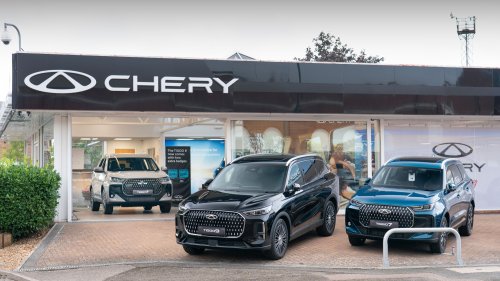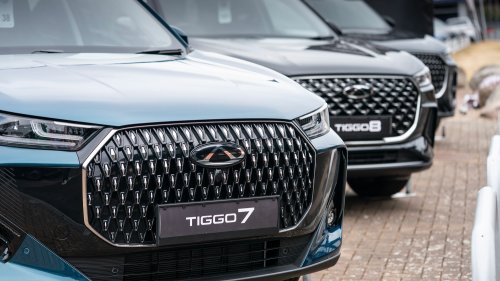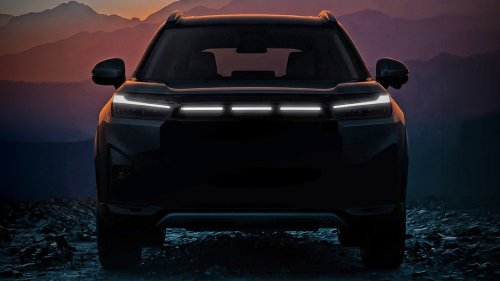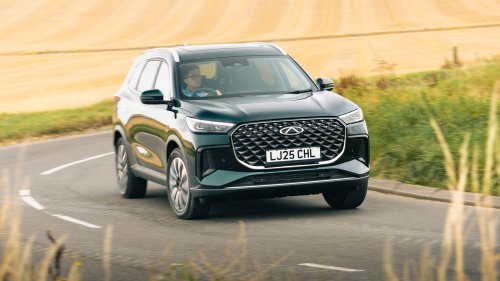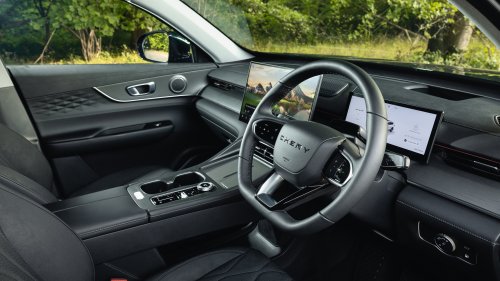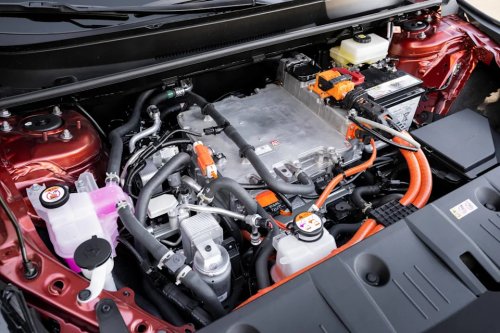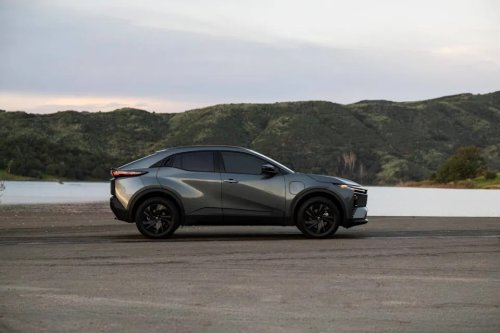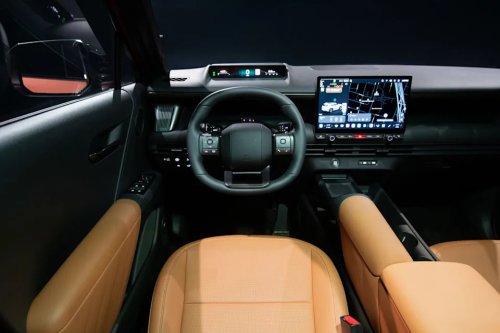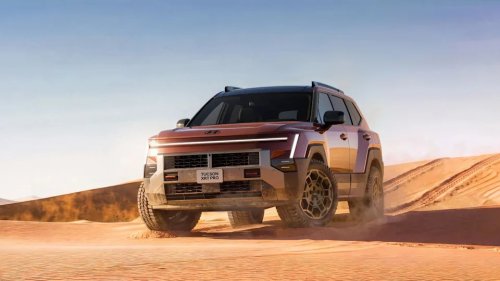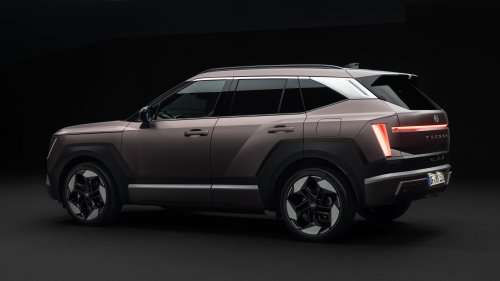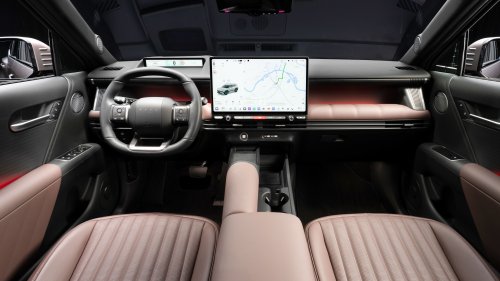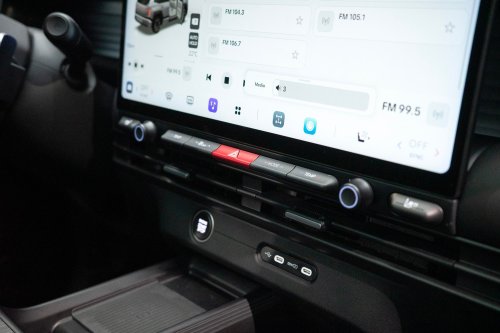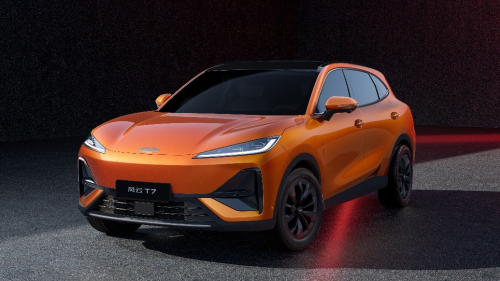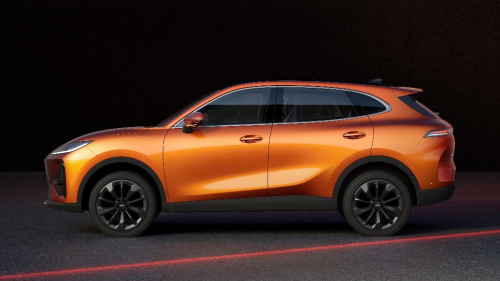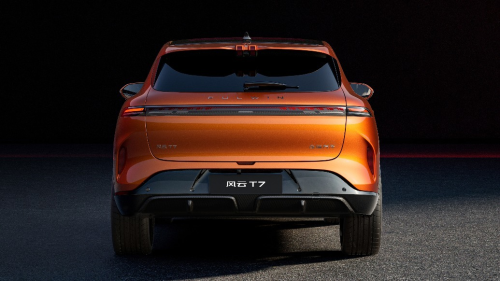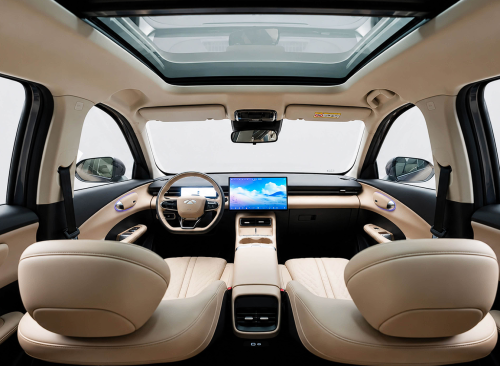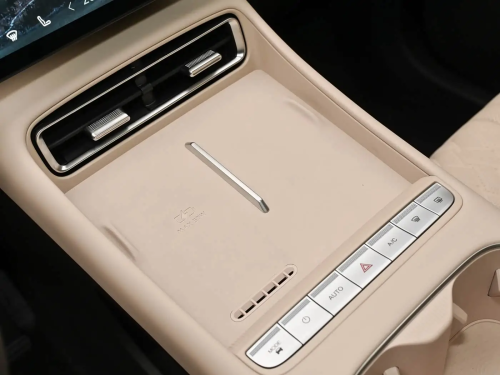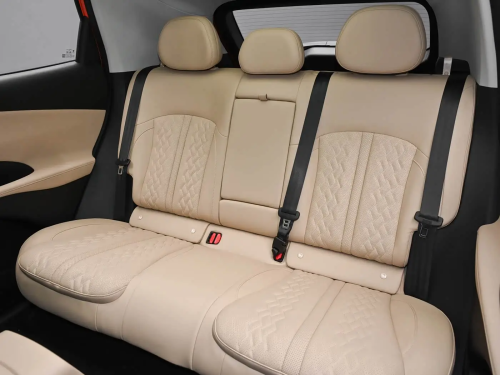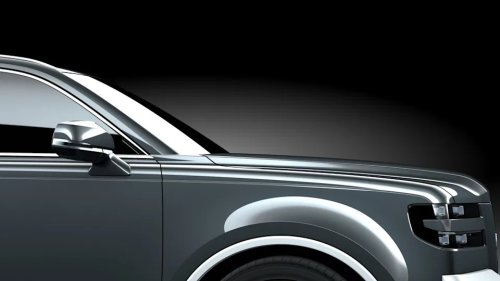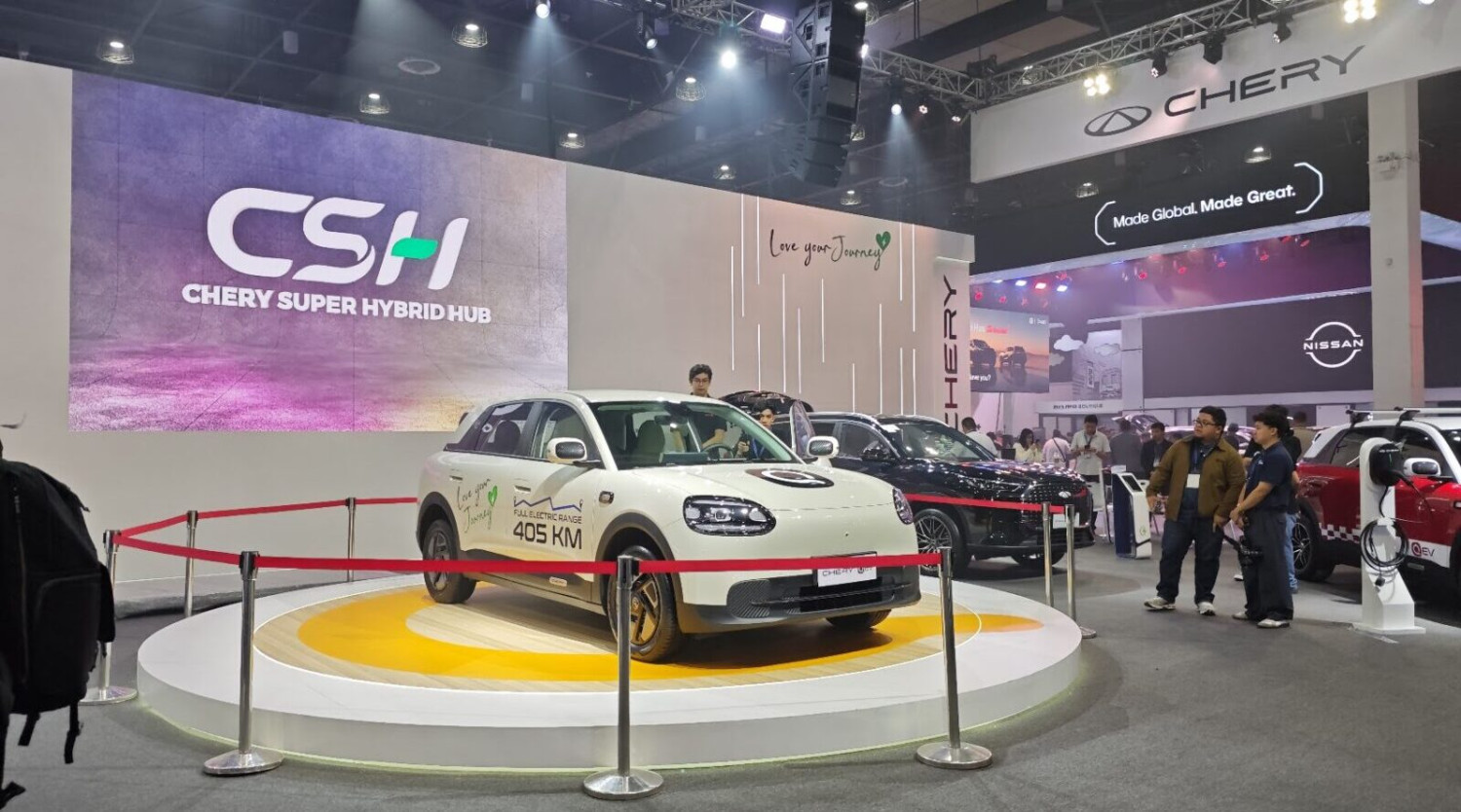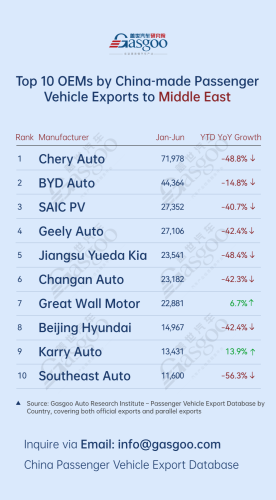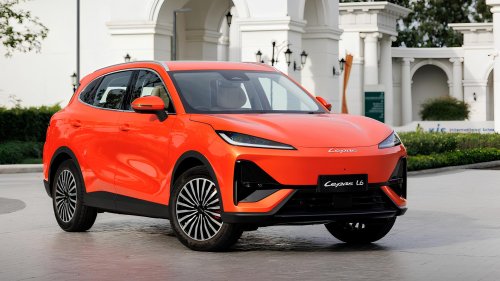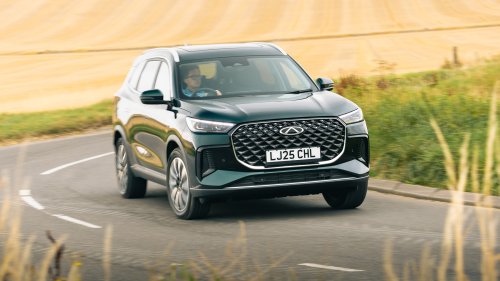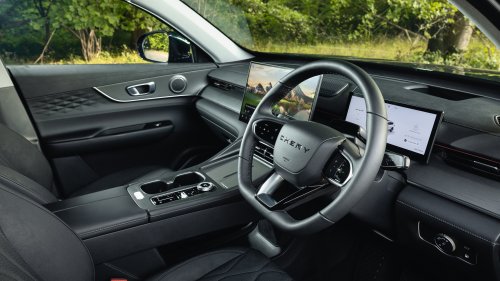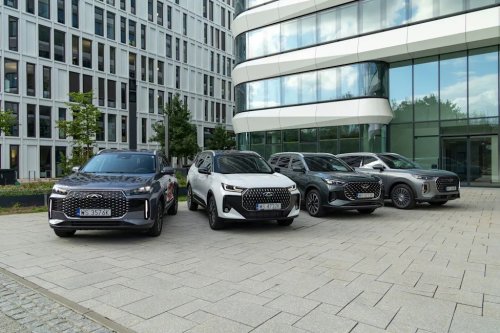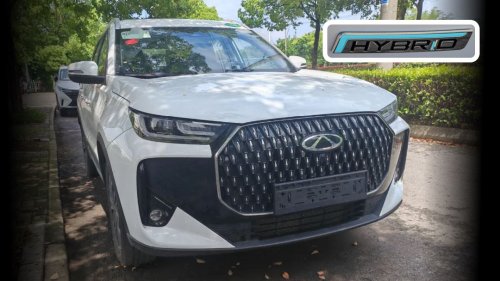
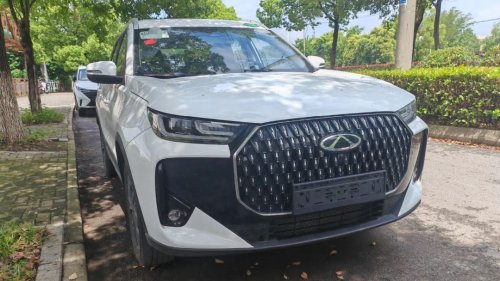
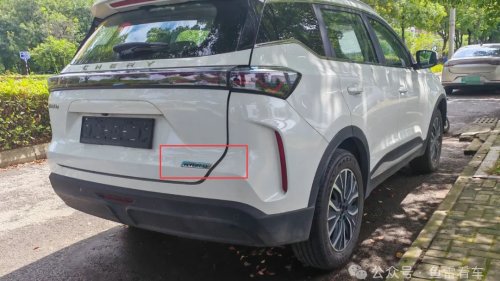

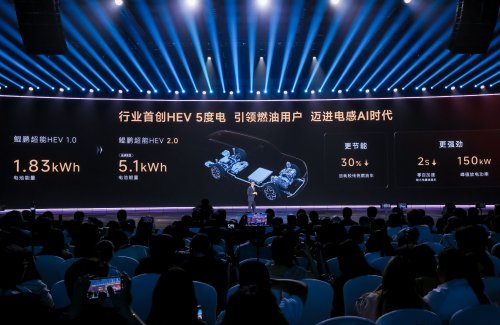
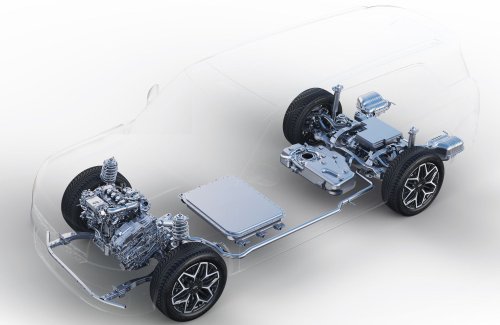
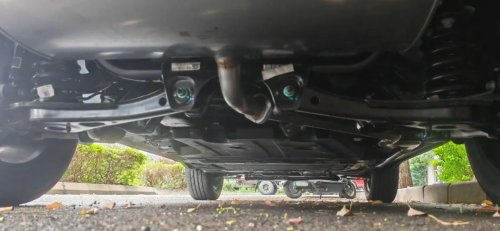
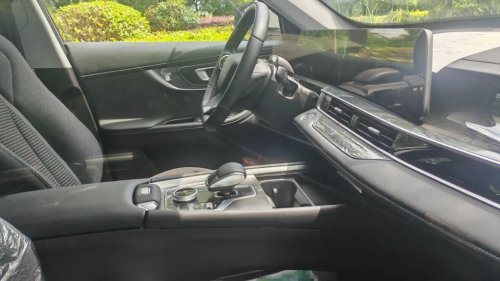
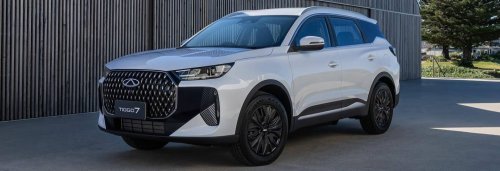
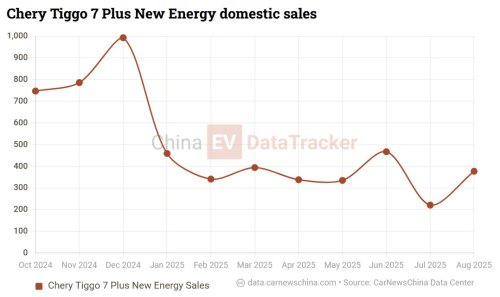



















The Tiggo 7 HEV has been spotted in China. Image modified by CarNewsChina. Understand China EV’s Market Real-time notifications when critical EV data is released All important data in one place 2,000,000+ data points Become a member A self-charging hybrid (HEV) variant of Chery‘s Tiggo 7 compact SUV has been spotted in China. Spy shots show the new model with English Chery badging and an export-exclusive interior design, confirming it will be sold in global markets. The Tiggo 7 is also known as the Tiggo 7 Plus in China. The Tiggo 7 HEV, with its development nickname “T1E HEV” written on the hood. Source: Yu Lei Kan Che HEV vs. MHEV, PHEV & ICE The Tiggo 7 is currently offered as a 48V mild-hybrid (MHEV), a plug-in hybrid (PHEV), or a pure ICE SUV. While MHEV models cannot operate solely on electric power, Chery Australia claims a 90 km EV range for PHEV models. While an HEV can operate briefly in EV mode, it cannot be charged externally. Energy is supplied by the engine or recuperated during braking. It offers maximum efficiency in urban low-speed and stop-and-go scenarios. The addition of an HEV model allows Chery to cater to EV and PHEV-averse buyers who may be interested in electric drive but worry about charging. Whats new with the Tiggo 7 HEV The new Tiggo 7 HEV will bridge the gap between MHEV and PHEV trims. It’s expected to feature Chery’s “Kun Peng 2.0” hybrid system, which uses a 5.1 kWh battery and supports motors up to 150 kW (201 hp). Paired with a 1.5-litre turbo engine, its total power output is expected to be 260 kW (349 hp). Chery’s “Kun Peng 2.0” hybrid system. Potential AWD models will incorporate a rear motor.Source: Weibo Official Media Chery claims that its HEV system will enable longer EV-mode driving and provide high-power AC vehicle-to-load (V2L) functionality. The latter will allow buyers to run home appliances off the hybrid battery, a feature usually limited to EVs and PHEVs. Underneath the Tiggo 7 HEV. Images of the underbody show the Tiggo 7’s HEV battery, sandwiched between both axles and under the centre floor pan. The 5.1 kWh HEV pack is expected to be air-cooled. This layout is identical to the Tiggo 4 HEV, which uses Chery’s first-gen HEV system. The interior of the Tiggo 7 HEV. Apart from badging, the Tiggo 7 HEV’s exterior remains virtually unchanged, as lighting and bumper designs are identical to those of its MHEV, PHEV, and ICE siblings. The cabin design is also untouched. As a self-charging hybrid, the Tiggo 7 HEV does not have a dedicated charge port. Price-wise, the HEV model is expected to slot in between the ICE and PHEV Tiggo 7s. For reference, the Australian-market petrol Tiggo 7 starts at 29,990 AUD (21,000 USD), while the “Super Hybrid” PHEV starts at 34,990 AUD (24,500 USD). More on Chery and the Tiggo 7 The Tiggo 7. Source: Chery Australia The Tiggo 7 measures 4,540 mm in length, 1,870 mm in width, and 1,170 mm in height, with a 2,661 mm wheelbase. It features front McPherson struts and rear multi-link suspension, while curb weight ranges from 1,489 to 1,788 kg depending on powertrain and trim. Its Chinese sibling, the Tiggo 7 Plus, is offered with ICE and PHEV powertrains. The plug-in hybrid is priced aggressively in its domestic market, with retail pricing set at 129,900-149,900 yuan (19,200-22,100 USD). The Tiggo 7 Plus PHEV’s domestic deliveries, October 2024 to August 2025. Source: China EV DataTracker Despite these offerings, sales are almost non-existent. China EV DataTracker reports 377 units delivered domestically in August 2025, the last openly recorded month. Source: Yu Lei Kan Che, Weibo Official Media, Chery Australia