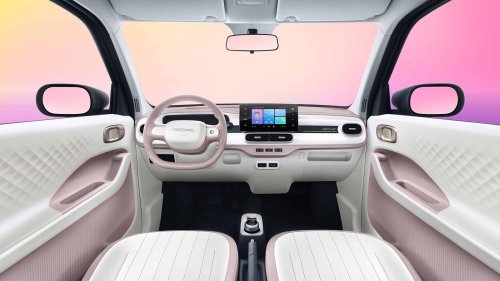
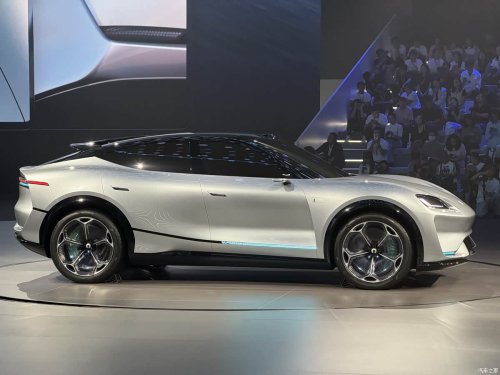
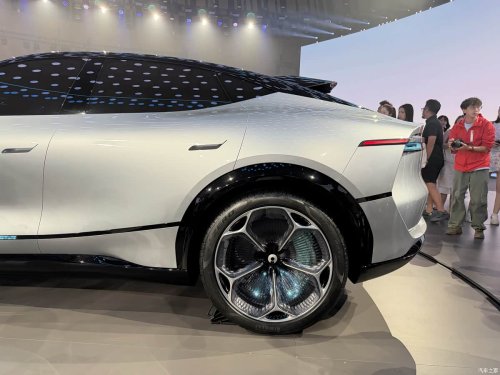
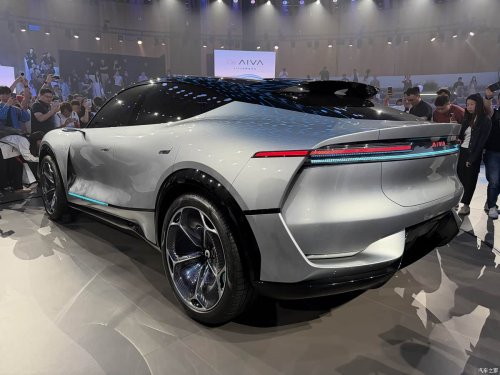
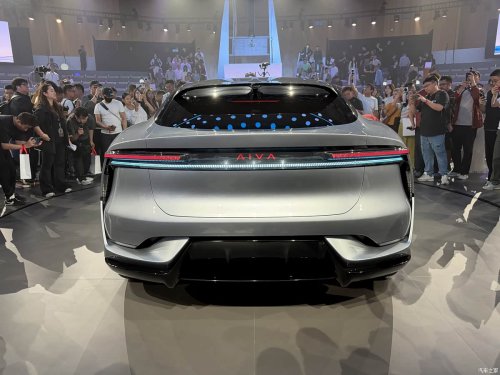
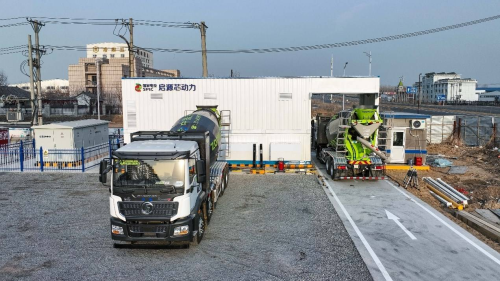
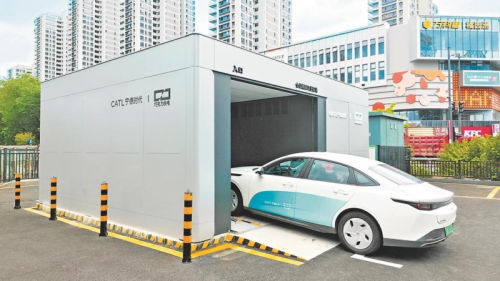
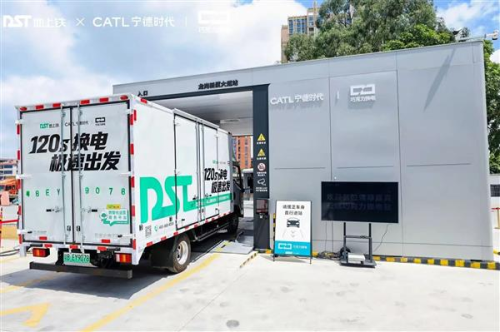
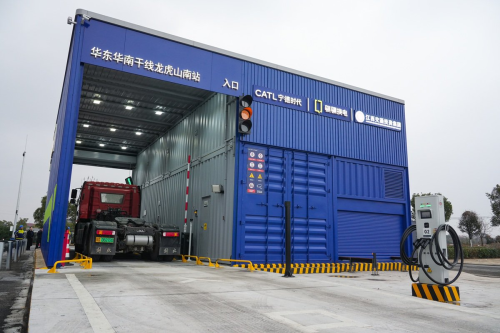
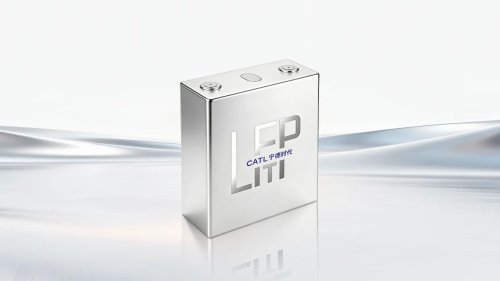
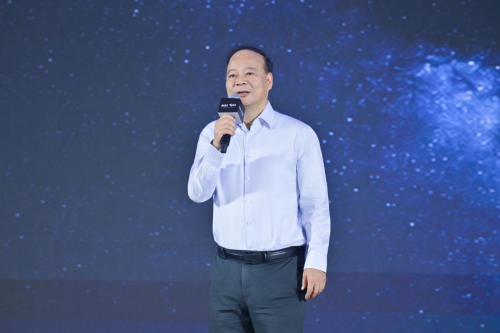
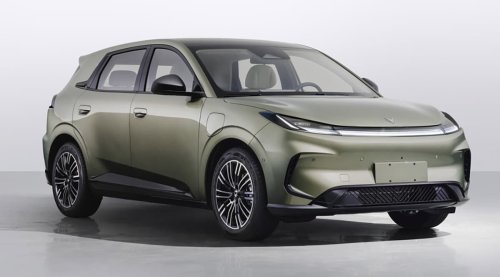
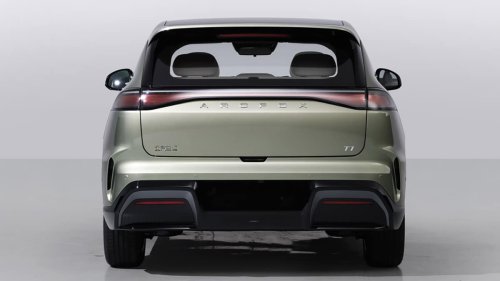
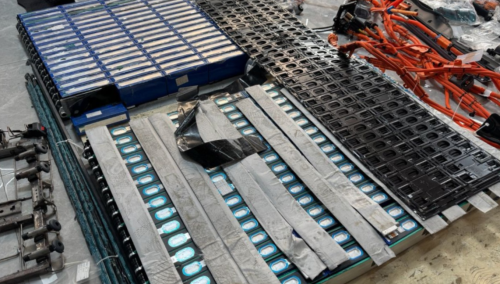
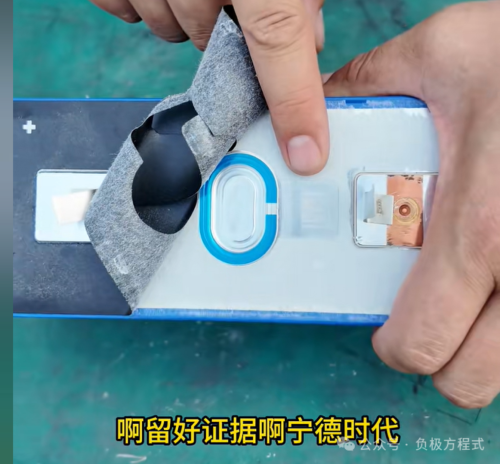
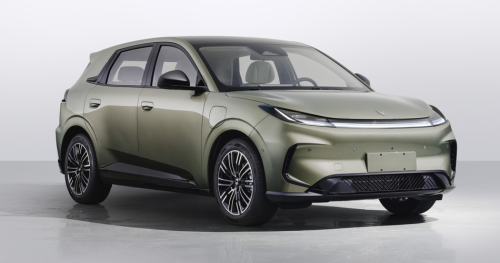
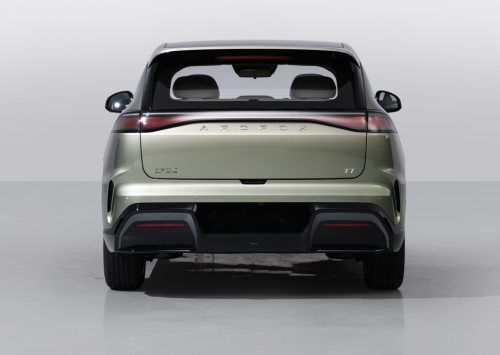
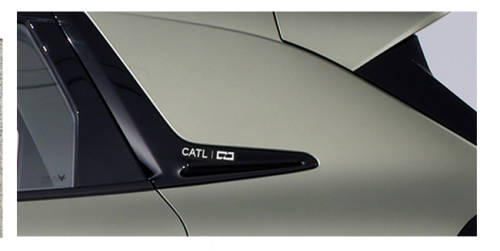
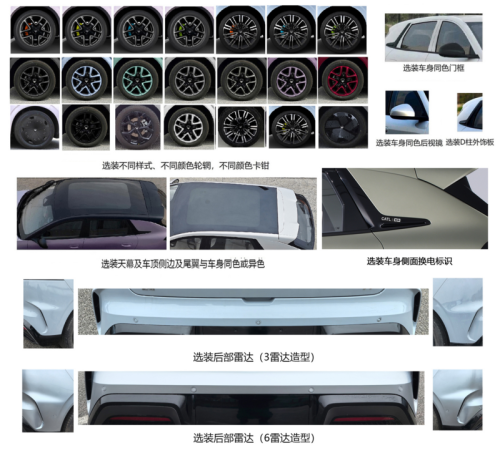
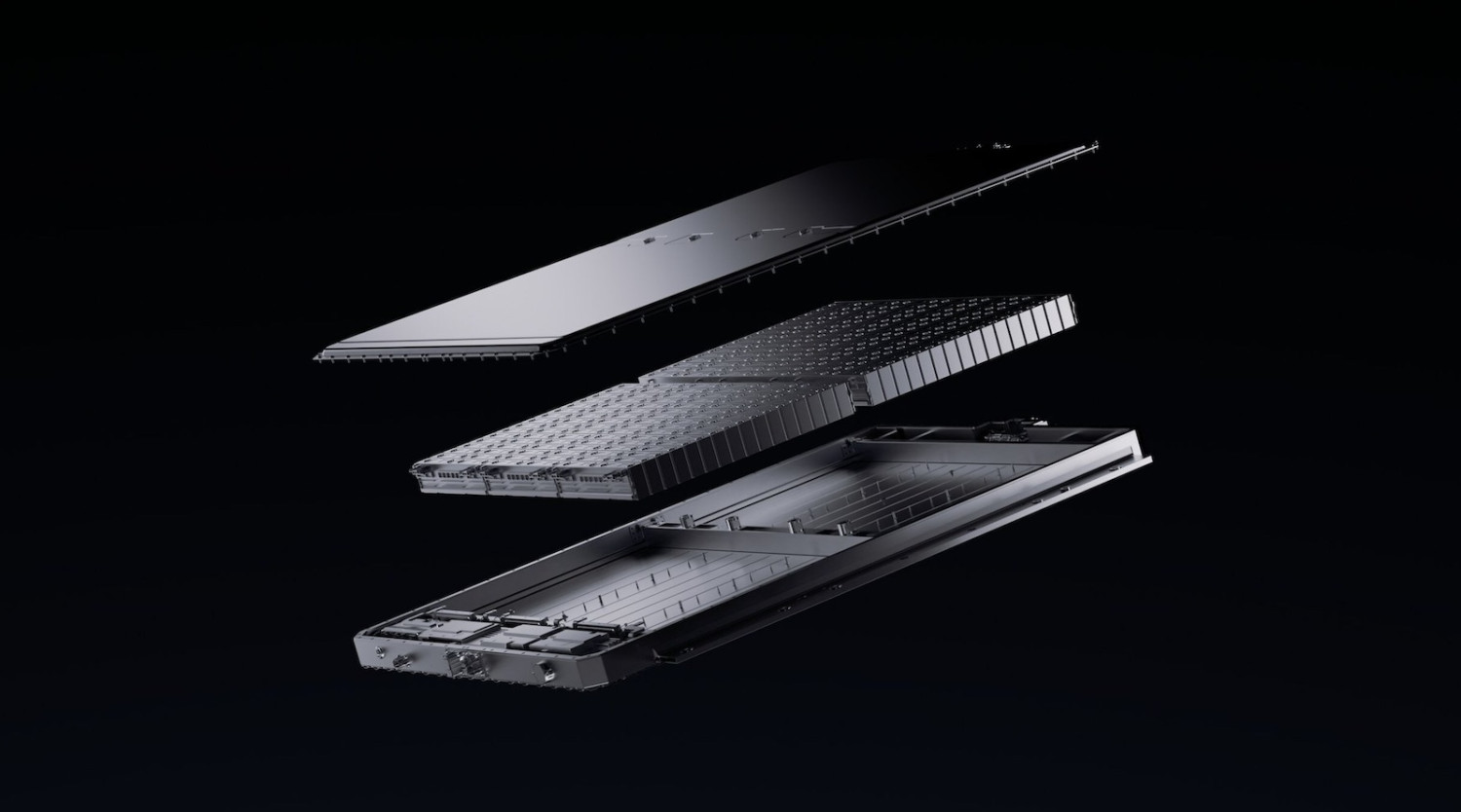
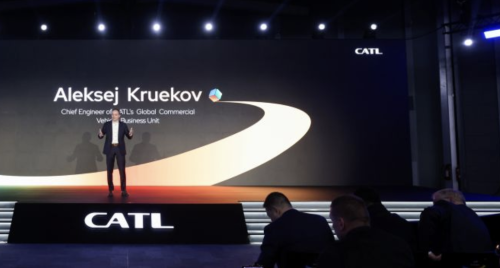
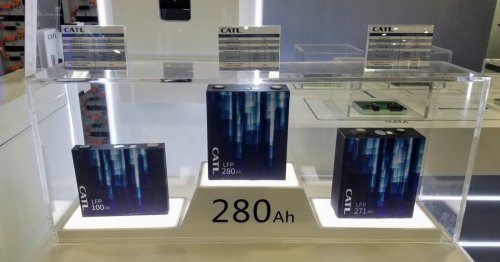
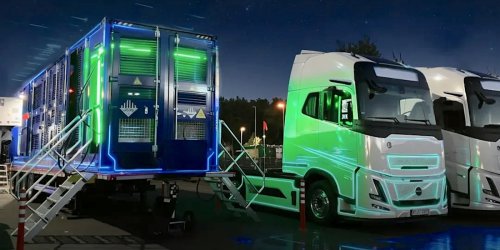
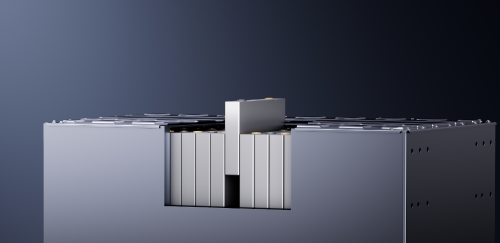
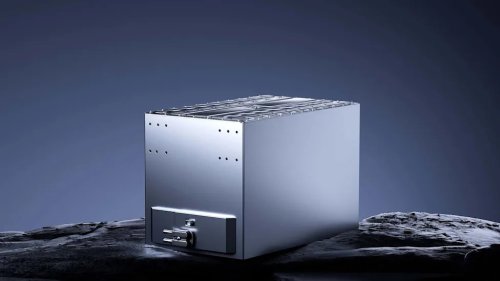
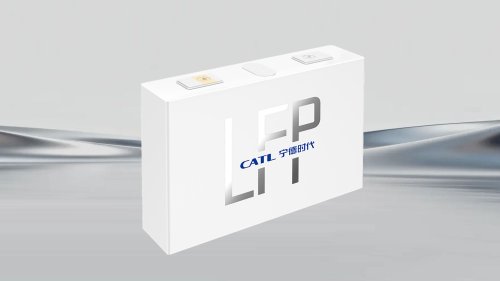
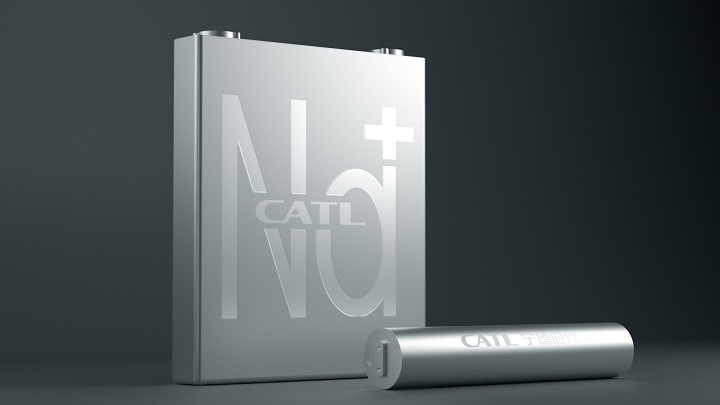
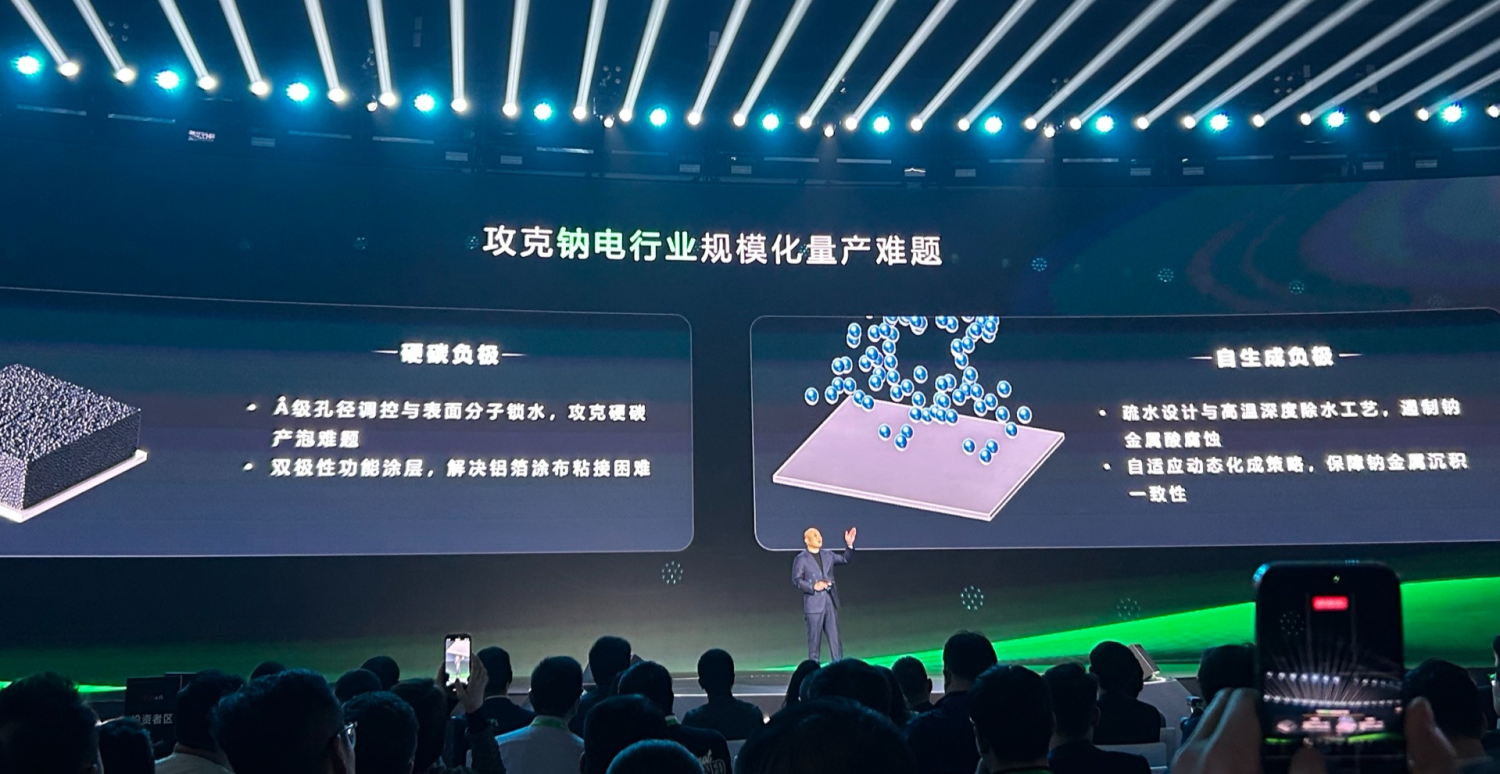
CATL's first generation sodium-ion battery. Credit: CATL Understand China EV’s Market Real-time notifications when critical EV data is released All important data in one place 2,000,000+ data points Become a member On April 21, during the CATL Tech Day event, CATL announced a milestone that its sodium-ion batteries will achieve mass production by 2026. Wu Kai, CATL’s chief scientist and an academician of the Chinese Academy of Engineering, declared that the company has resolved core manufacturing challenges, paving the way for large-scale production by the fourth quarter of this year. Breaking through technical barriers Breaking through technical barriers for mass-production. CTO Gao Huan revealed that CATL has overcome four major industry hurdles: extreme moisture control, hard carbon gas generation, aluminium foil bonding bottlenecks, and mass production of self-generating anodes. The company said it has systematically addressed over 100 engineering challenges to enable commercial-scale production. As reported by Chinese media NBD, by 2025, CATL had invested nearly 10 billion yuan (1,450 million USD) in sodium battery research and development. Chairman Robin Zeng projects that sodium-ion batteries will eventually replace 30% to 40% of the existing battery market, signalling a fundamental shift rather than mere supplementation. Commercial deployment accelerates The commercial rollout is already underway. In December 2025, CATL announced plans for large-scale sodium battery applications across four sectors: battery swapping, passenger vehicles, commercial vehicles, and energy storage. By early 2026, the company launched its “Tectrans II” light commercial vehicle solution, featuring the industry’s first mass-produced sodium battery for the light commercial sector. Passenger vehicles are next. On February 5 this year, the world’s first mass-produced sodium battery passenger vehicle – a joint creation of Changan Automobile and CATL – was unveiled, with market launch expected mid-year. Additionally, Gao revealed that Aion UT Super, developed jointly by JD.com, GAC Group, and CATL, will also feature a sodium battery variant, with production slated for Q2 2026. Limitations and future outlook Energy density remains the technology’s primary constraint. CATL said its sodium systems reach approximately 175Wh/kg. Consequently, current automotive applications focus on micro electric vehicles priced below 100,000 yuan (14,500 USD) or A0-class and smaller vehicles. However, Gao expressed optimism that as the supply chain matures, sodium battery vehicles could achieve ranges of 600 km for pure electric models and 300-400 km pure electric range for extended-range hybrids, satisfying over 50% of market demands.



















 +66 others